Red-legged hermit crab
Dardanus arrosor
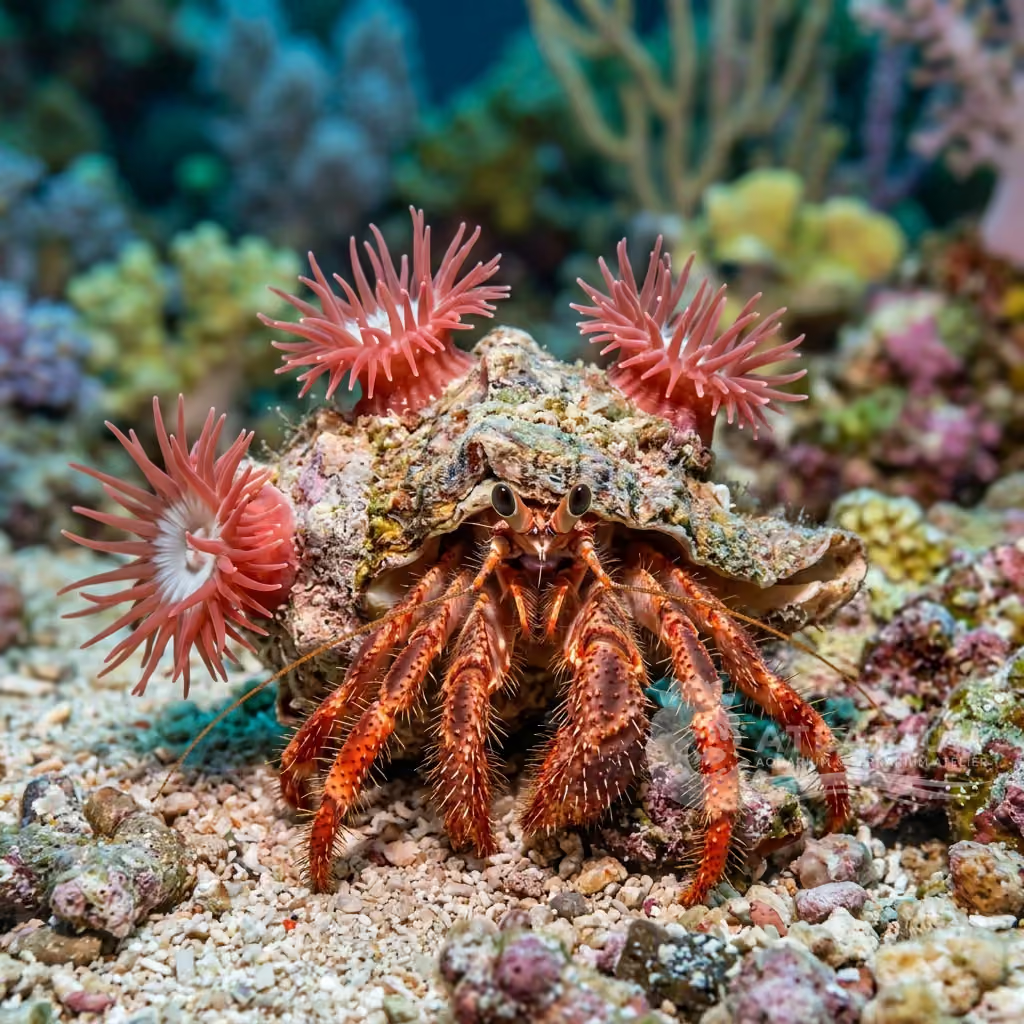
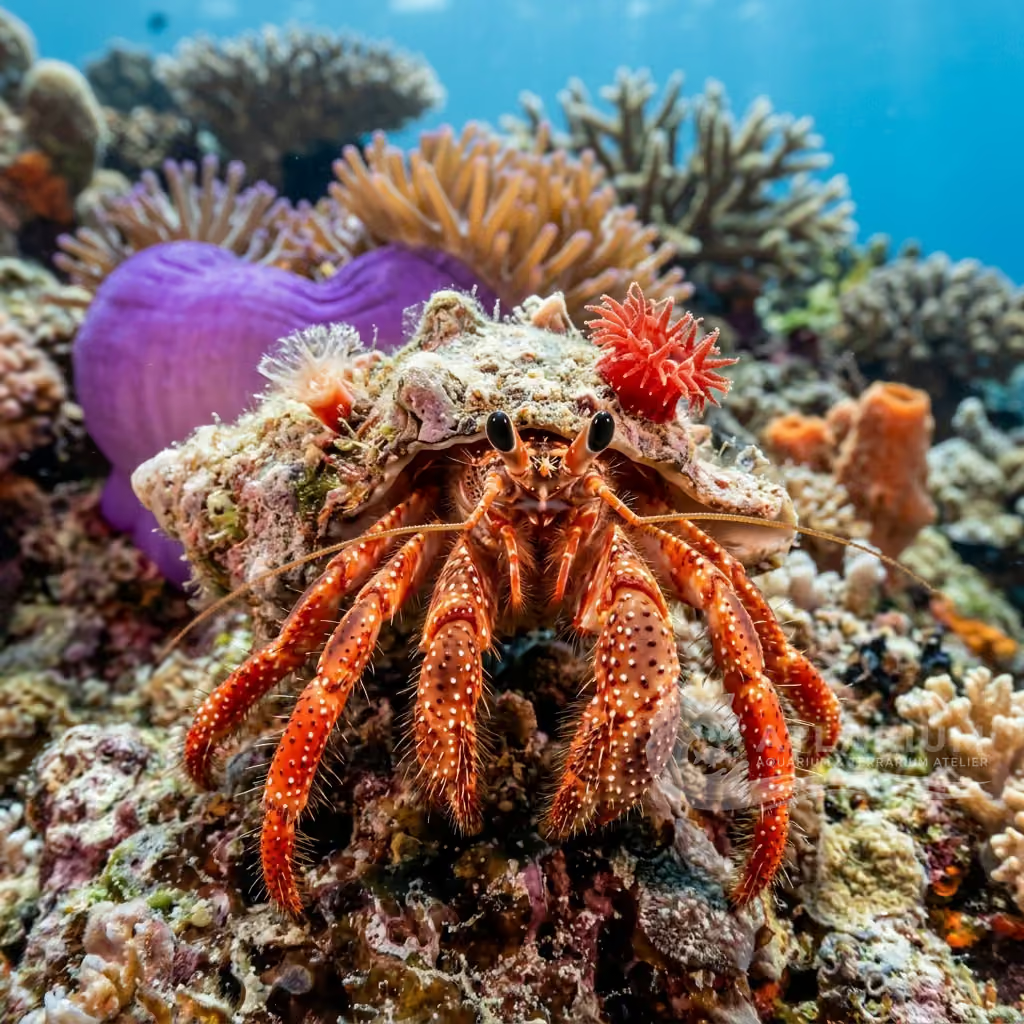
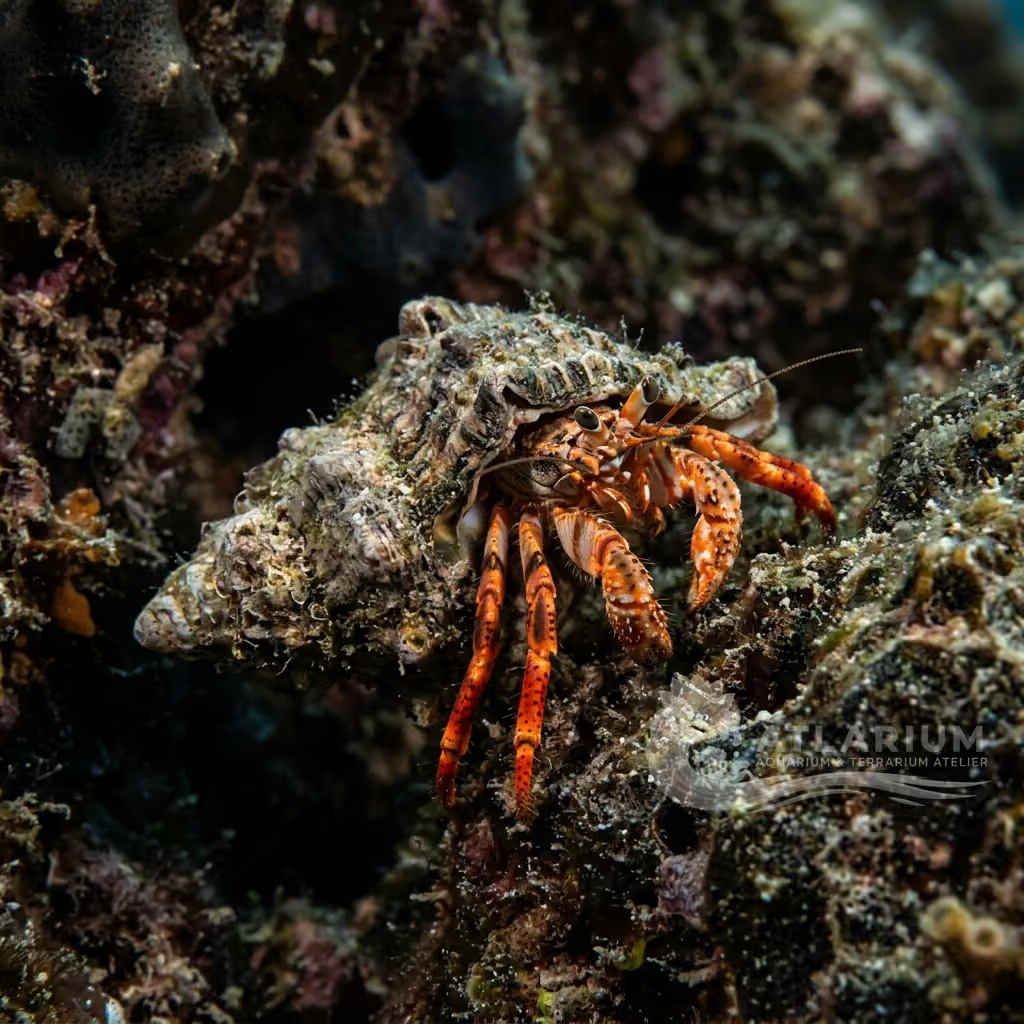
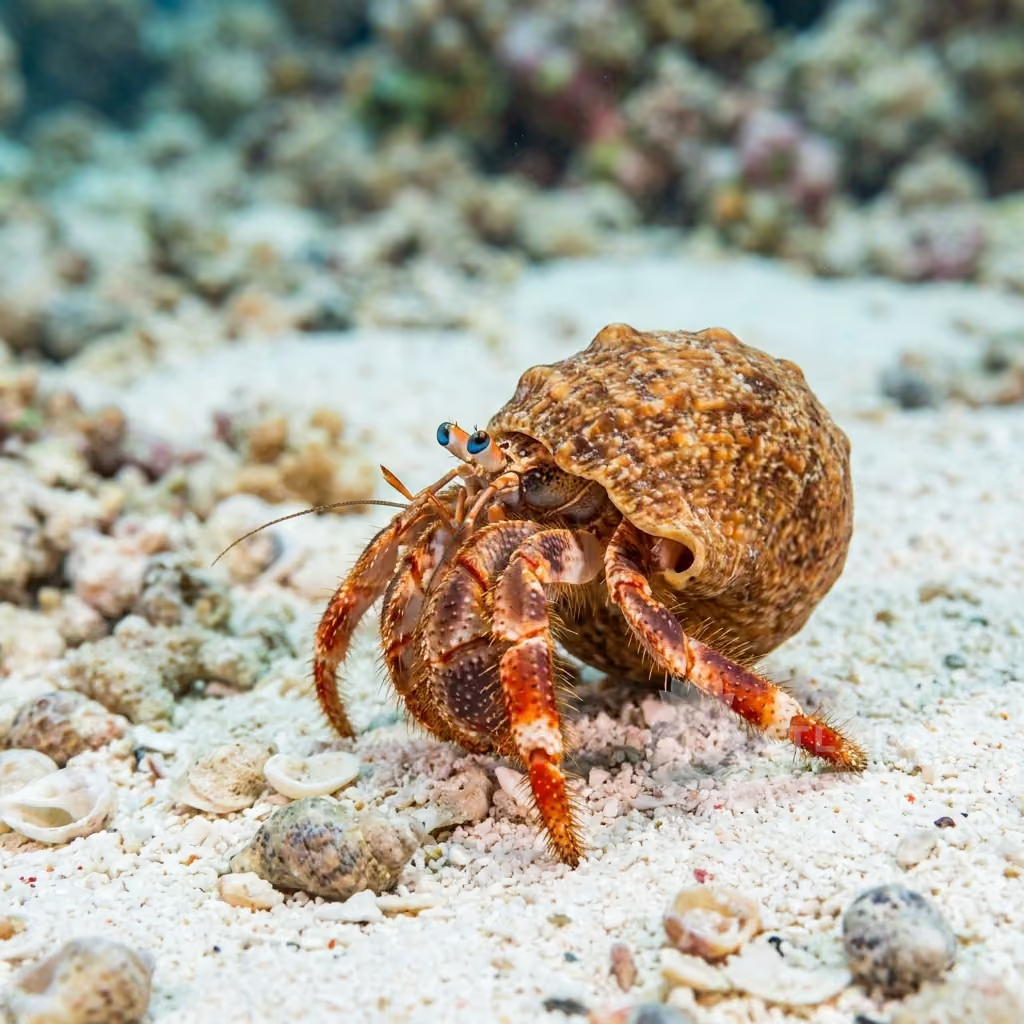
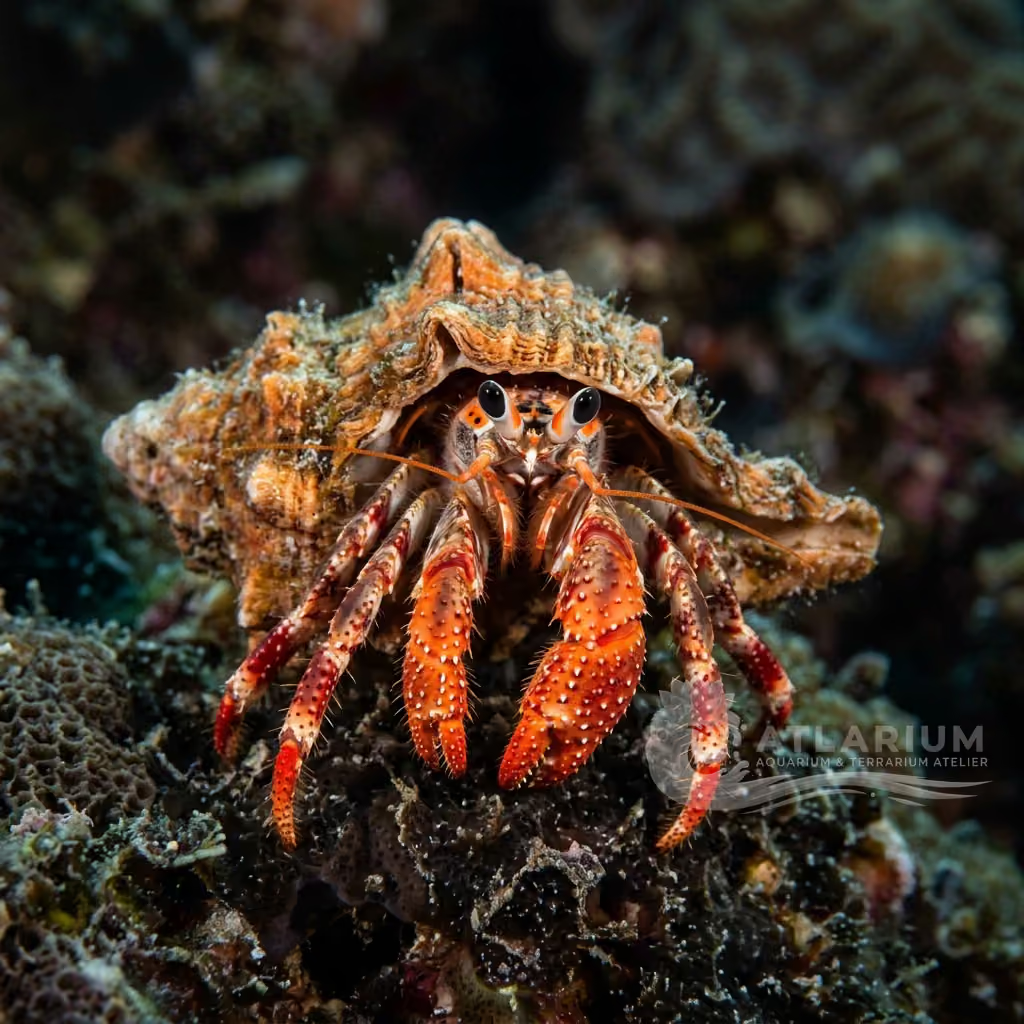
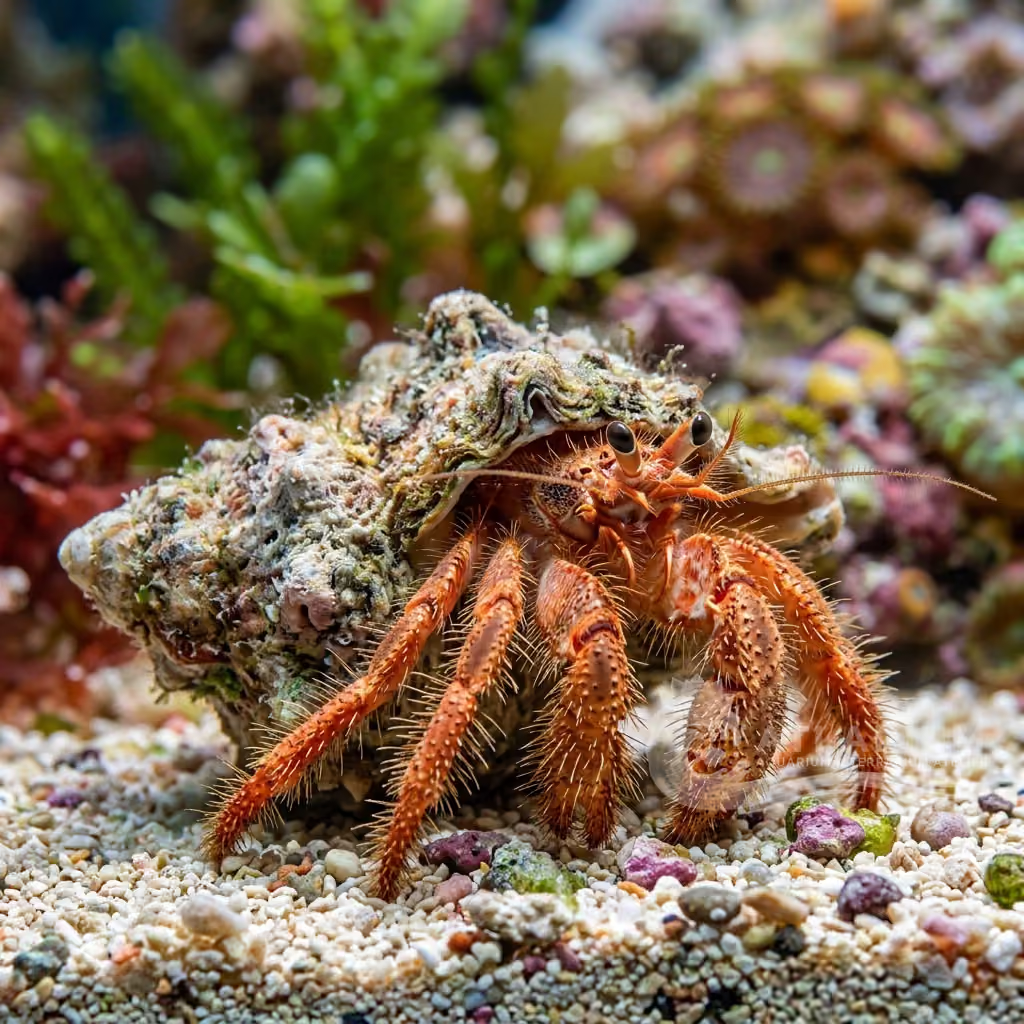
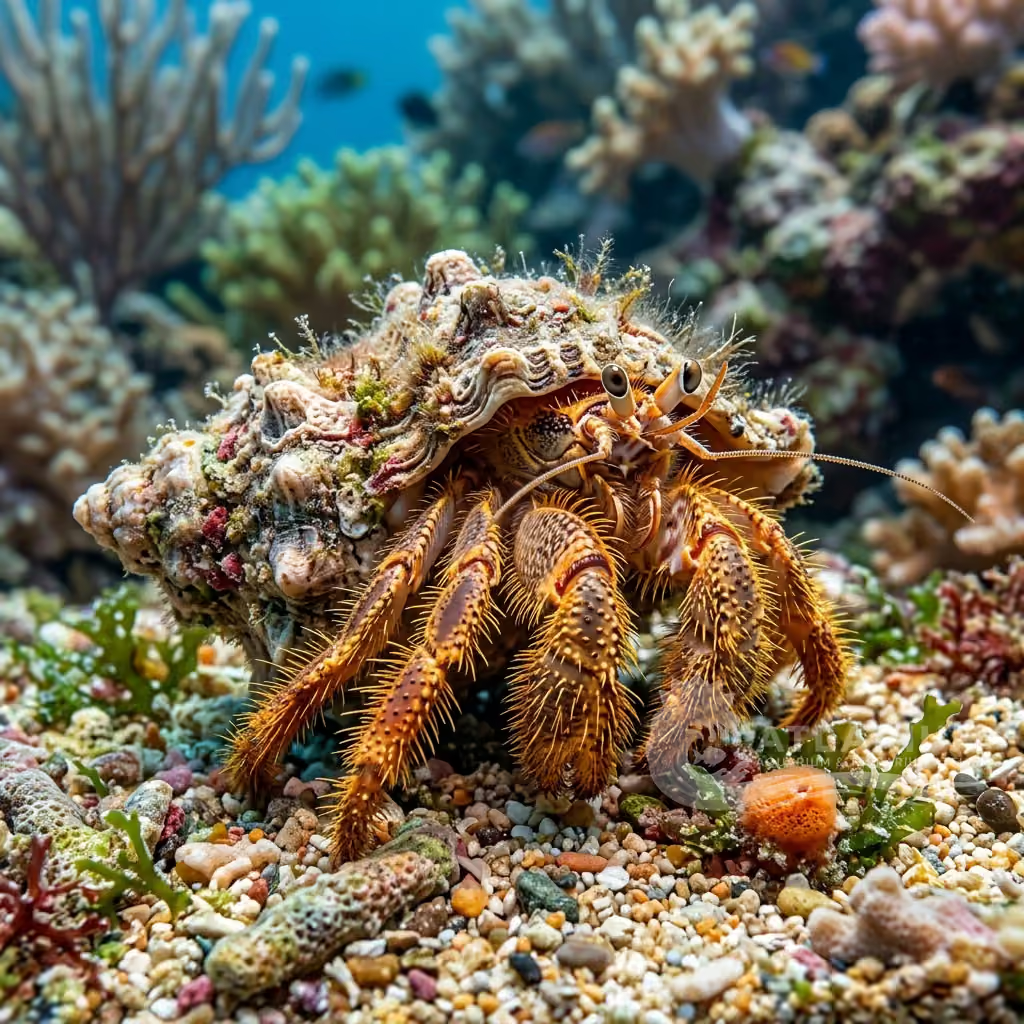
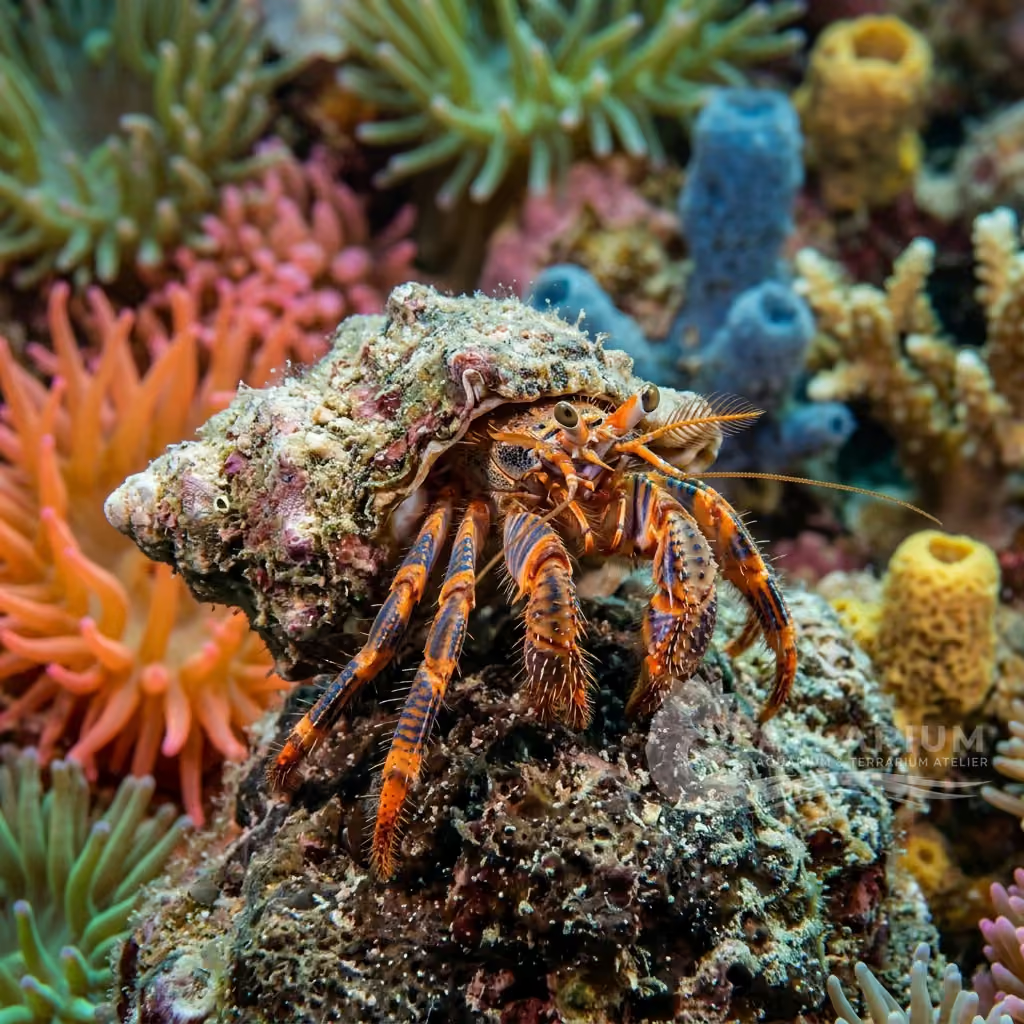
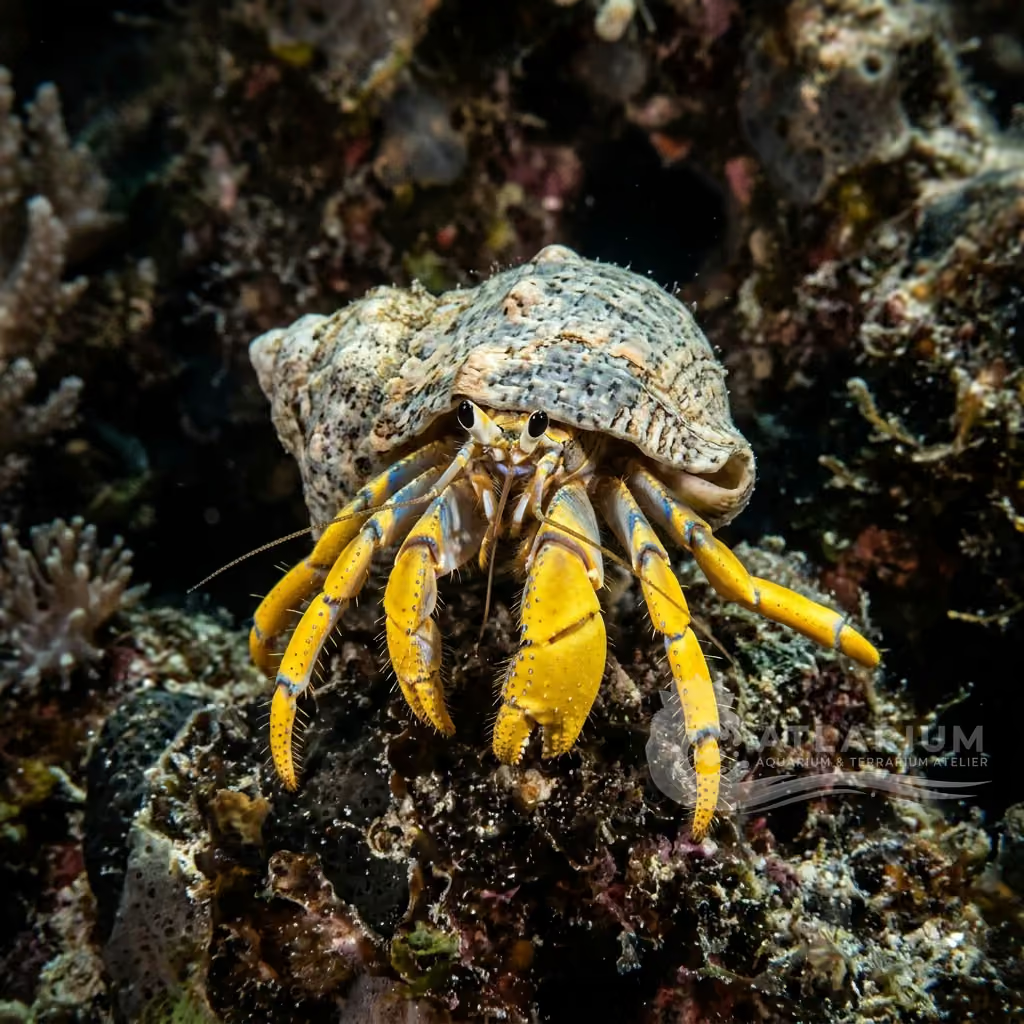
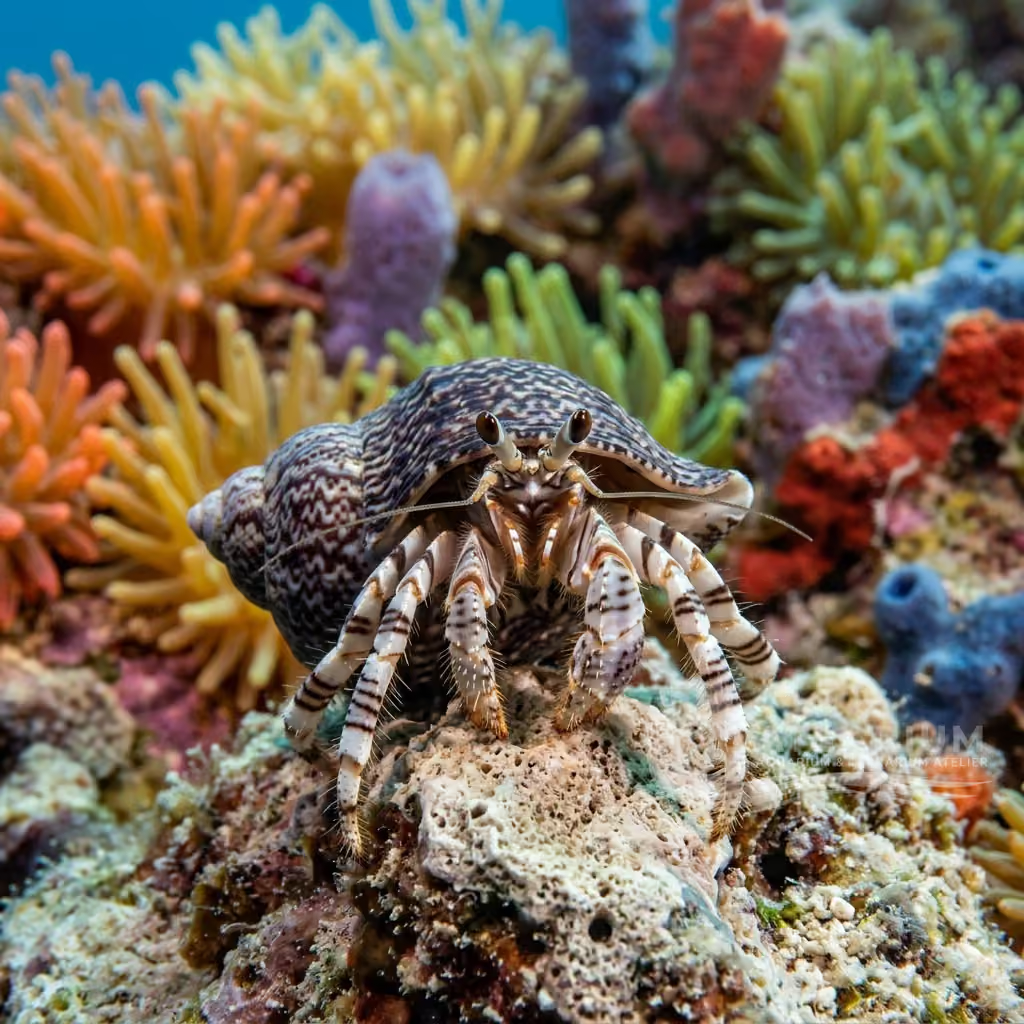
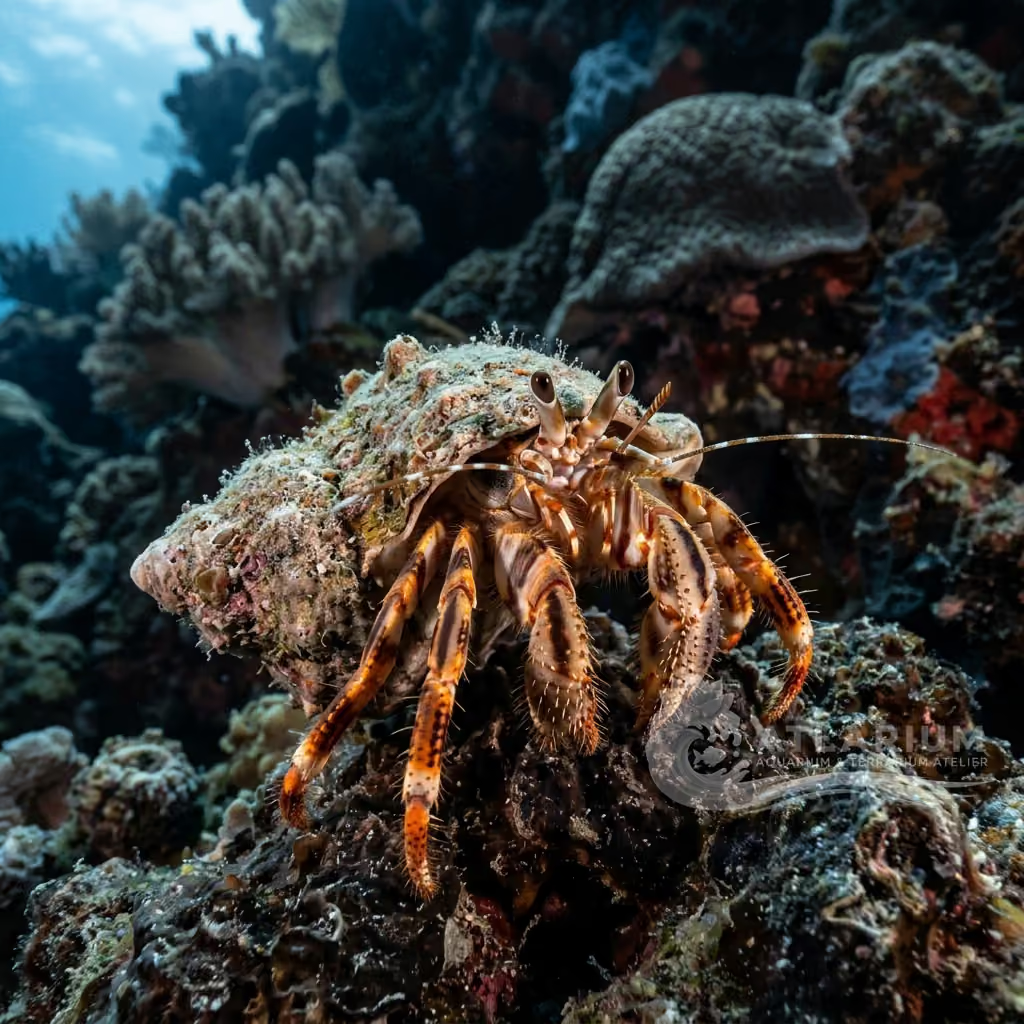
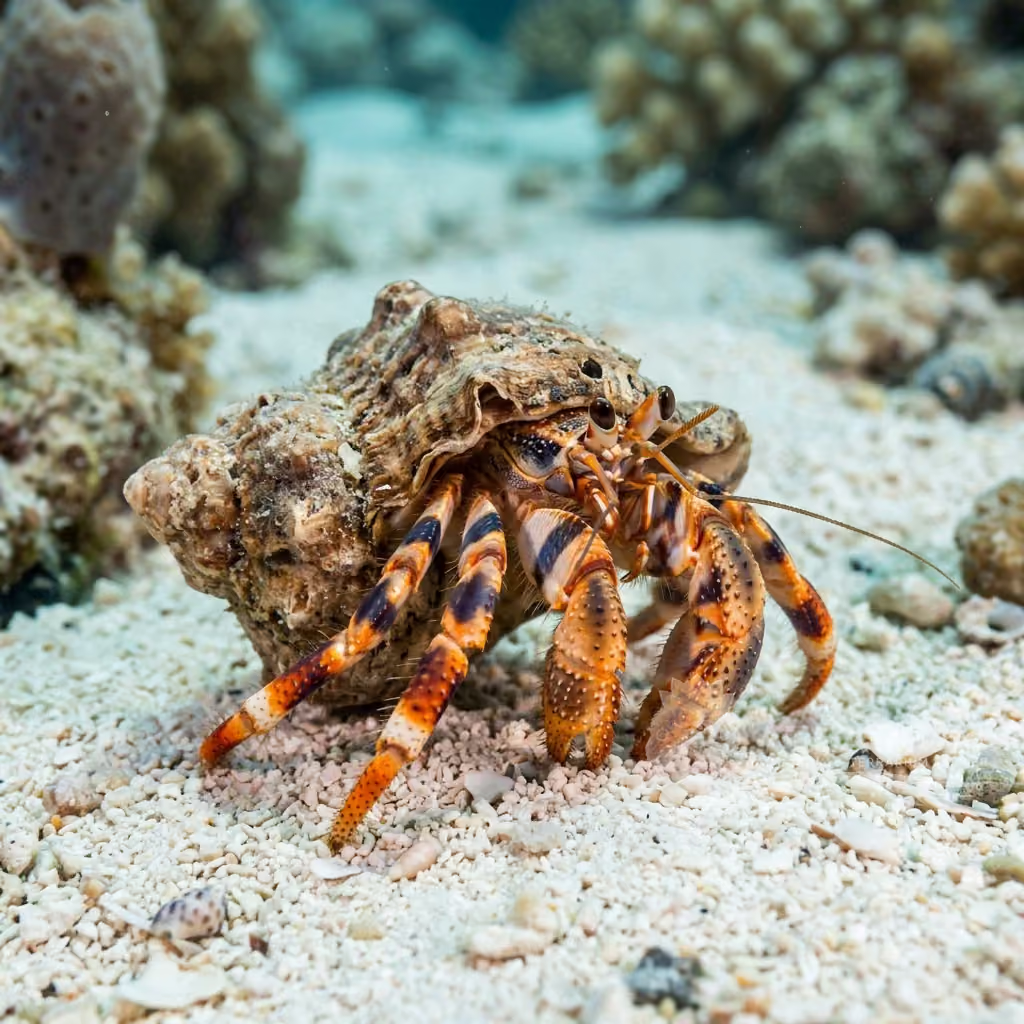
A robust marine hermit crab from the Mediterranean, famous for its symbiotic relationship with sea anemones. It features bright orange-red striped legs and thrives in cooler water aquariums.
Wassertemperatur
14 - 22 °C
pH-Wert
8.1 - 8.4
Wassertyp
Meerwasser
Wirbelloser Typ
Hermit crab
Erwachsenengröße
8 cm
Mindestgruppe
>= 1
KH
8 - 12 dKH
Ökologische Rolle
Symbiont
Kupferempfindlichkeit
High

Artbeschreibung
Geographical Origin and Habitat: Dardanus arrosor is widely distributed in the Mediterranean Sea, the eastern Atlantic Ocean (from Portugal to Senegal, including the Azores, Madeira, and the Canary Islands), and parts of the Indo-Pacific. It prefers sandy, muddy, or detrital seabeds at depths ranging from 10 to 150 meters. It is a benthic organism that actively crawls along the ocean floor searching for food and discarded gastropod shells.
Taxonomy: Belongs to the class Malacostraca, order Decapoda, and family Diogenidae. First described by Herbst in 1796, it is distinguished by its robust, striped legs and its anemone-carrying behavior. Taxonomy indicates that hermit crabs of the family Diogenidae typically feature a left claw that is larger than or equal to the right claw, a characteristic clearly visible in this species.
Social Behavior: Exhibits a fascinating mutualistic relationship with sea anemones, particularly Calliactis parasitica. The hermit crab actively transfers the anemone onto its shell to gain protection from predators (such as octopuses) via the anemone's stinging tentacles. In return, the anemone benefits from the crab's mobility and feeds on scraps from its meals.
Coloration and Sexual Dimorphism: The body and legs are colored a bright reddish-orange or reddish-brown, decorated with prominent white or yellowish transverse stripes that form an attractive ring pattern. The claws are granular and robust. There is no visible external sexual dimorphism without examining the pleopods on the soft abdomen, which is tucked inside its shell.

Pflege, Zucht und Mitbewohner
Tank Setup: Requires a marine or Mediterranean aquarium of at least 150 liters, with a large sandy area on the substrate to allow easy movement. It is essential to supply several empty gastropod shells of increasing sizes (such as Tonna or Murex shells) so the crab can change shells as it grows. Live rock is recommended but must be secure to prevent tipping.
Diet and Feeding: An opportunistic omnivore and highly active scavenger. It feeds on organic detritus, dead fish, pieces of mollusks, shrimp, and algae. In the aquarium, it enthusiastically accepts any food offered: fish scraps, defrosted shrimp, mussels, and bottom-dweller sinking pellets. It helps keep the sand clean by consuming left-over food.
Water Quality: If sourced from the Mediterranean, it prefers cooler water temperatures between 18°C and 22°C, though it can tolerate up to 24-25°C for short periods. Chemistry parameters should be stable: pH of 8.1 to 8.4, specific gravity of 1.024 to 1.026, and alkalinity between 8 and 12 dKH. Like all crustaceans, it is sensitive to copper and requires iodine for molting.
Compatibility and Tankmates: Can be territorial and aggressive toward other hermit crabs when competing for food or shells. It is not compatible with live, small gastropods, which it may kill to steal their shells. It is safe with medium-sized fish and hard corals, but its heavy shell and clumsy movements can knock over unattached corals.
Aquarium Breeding: Captive breeding is extremely difficult and does not occur in home aquaria. The fertilized female carries eggs under her soft abdomen inside her shell until they hatch. The released larvae are planctonic (zoea) and pass through multiple development stages that are difficult to rear in closed systems with mechanical filtration.
Risks and Diseases: The main risk is molting failure due to iodine deficiencies or poor water quality. During molting, the crab is highly vulnerable and will hide for several days until its new exoskeleton hardens. A lack of upgrade shells will cause it to attack live snails or other hermits.

Geografische Herkunft und Verbreitung
Dardanus arrosor is widely distributed in the Mediterranean Sea, the eastern Atlantic Ocean (from Portugal to Senegal, including the Azores, Madeira, and the Canary Islands), and parts of the Indo-Pacific. It prefers sandy, muddy, or detrital seabeds at depths ranging from 10 to 150 meters. It is a benthic organism that actively crawls along the ocean floor searching for food and discarded gastropod shells.
Ursprung
Tropische Ozeane und RiffeEuropa, Mittelmeerraum und WestasienOstasien

Wirbelloses Profil
- Diät
- Omnivore
- *Dardanus arrosor* is an opportunistic carnivore with a hearty appetite. Their diet should consist of meaty items like chopped fish, shrimp, squid, and commercial crustacean sinking pellets. Without sufficient protein, they may actively hunt down and consume smaller tank mates.
- Ökologische Rolle
- Symbiont
- In the wild, *Dardanus arrosor* acts as a macro-scavenger, disposing of larger carcasses and helping to keep the reef free of rotting organic material. By clearing larger debris, they play a crucial role in nutrient recycling on a larger scale. Their symbiotic relationship with anemones also offers protection to both species.
- Erwachsenengröße
- 8 cm
- Sprungrisiko
- Yes
- *Dardanus arrosor* lacks the ability to jump, as their heavy shells keep them firmly anchored to the substrate. However, they are powerful climbers and can displace loose aquarium lids or equipment with their sheer strength. Securing heavy tank covers is a wise precaution to prevent accidents.
- Stoßempfindlichkeit
- Medium
- Though relatively hardy once established, *Dardanus arrosor* requires a cautious drip acclimation process over several hours. Rapid swings in specific gravity or temperature can induce significant physiological stress. Maintaining stable water parameters is key to a long lifespan.
- Kalzium und Mineralien
- Medium
- Due to its significant size, *Dardanus arrosor* requires substantial calcium and iodine supplementation to maintain its massive exoskeleton. Regular testing and dosing are necessary in closed systems to ensure these trace elements remain at natural seawater levels. Poor calcium levels can lead to failed molts and fatal complications.
- Häutung
- Yes
- Molting for a large *Dardanus arrosor* is a lengthy and energy-intensive process. They require a secluded, safe cave in the rockwork where they will hide for several days until their new shell hardens. Providing an array of very large, robust gastropod shells is essential for them to move into post-molt.
- Reproduktion
- Bubble nest builder
- Breeding *Dardanus arrosor* in home aquariums is practically impossible due to the intricate pelagic larval phase. The microscopic larvae drift in ocean currents for extended periods, requiring very specific zooplankton as food. Hobbyist systems are generally unequipped to raise them beyond the initial hatching.
- Kompatibilität & Tankkameraden
- Community
- *Dardanus arrosor* is absolutely not reef-safe and is considered a destructive force in a typical mixed reef tank. They will readily knock over rockwork, consume smaller fish, snails, and decorative shrimp. They are best housed in a dedicated species-only tank or a highly aggressive predator setup.

Verwandte Arten
Empfehlungen gruppiert nach nahen Verwandten, Auswahl von Begleitern und ähnlicher Betreuung.