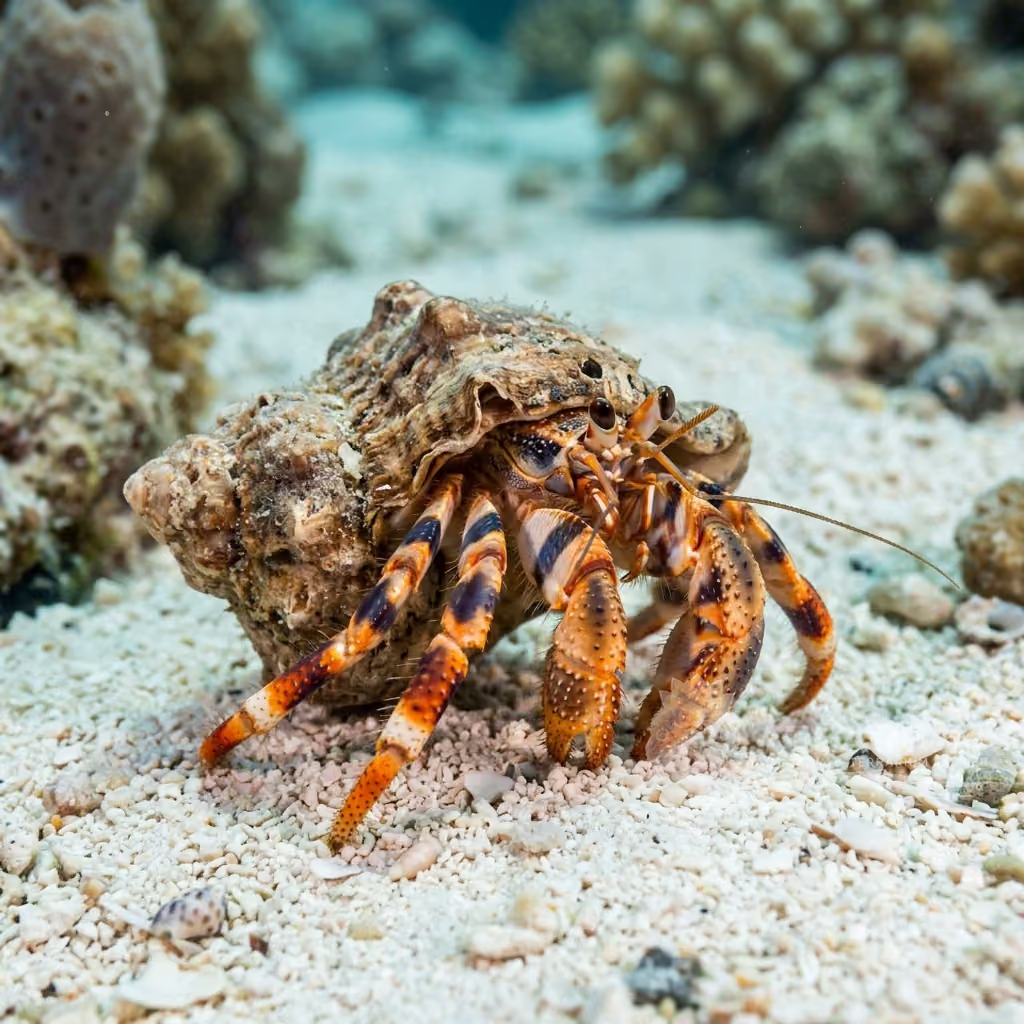
Tubicolous Hermit Crab
Calcinus tubularis
A unique sedentary Mediterranean hermit crab that inhabits stationary worm tubes rather than mobile shells. Perfect for nano reefs, it filters detritus from strong currents without disturbing decor.
Wassertemperatur
16 - 24 °C
pH-Wert
8.1 - 8.4
Wassertyp
Meerwasser
Wirbelloser Typ
Hermit crab
Erwachsenengröße
1,5 cm
Mindestgruppe
>= 1
KH
8 - 12 dKH
Ökologische Rolle
Scavenger
Kupferempfindlichkeit
High

Artbeschreibung
Geographical Origin and Habitat: Mediterranean Sea and parts of the warm-temperate Eastern Atlantic, including the coasts of Portugal and the Azores Islands. It lives in shallow waters along rocky coasts exposed to constant currents, settling inside old empty calcareous tubes built by serpulid polychaete worms (such as Serpula vermicularis) or gastropods of the Vermetidae family.
Taxonomy: Belongs to the class Malacostraca, order Decapoda, family Diogenidae, genus Calcinus. Unlike the vast majority of hermit crabs that use mobile gastropod shells, this species has adopted a sessile or partially sessile lifestyle, occupying calcareous tubes permanently cemented to the rocky substrate.
Social Behavior: Peaceful and sedentary organism that does not move around the tank but remains anchored to its calcareous tube. It extends its anterior body, legs, and antennae to capture food particles and microalgae nearby. It can quickly retreat inside the tube if it feels threatened, closing the entrance with its claws.
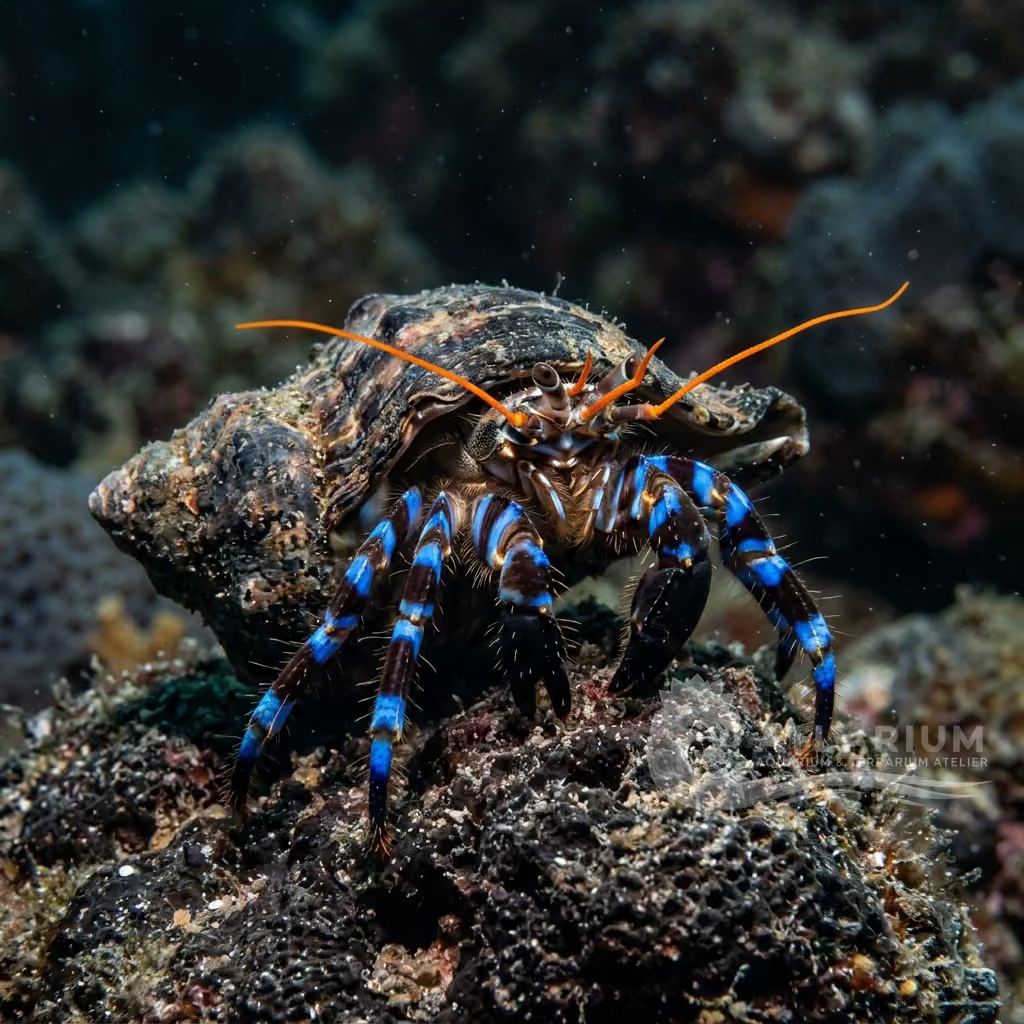
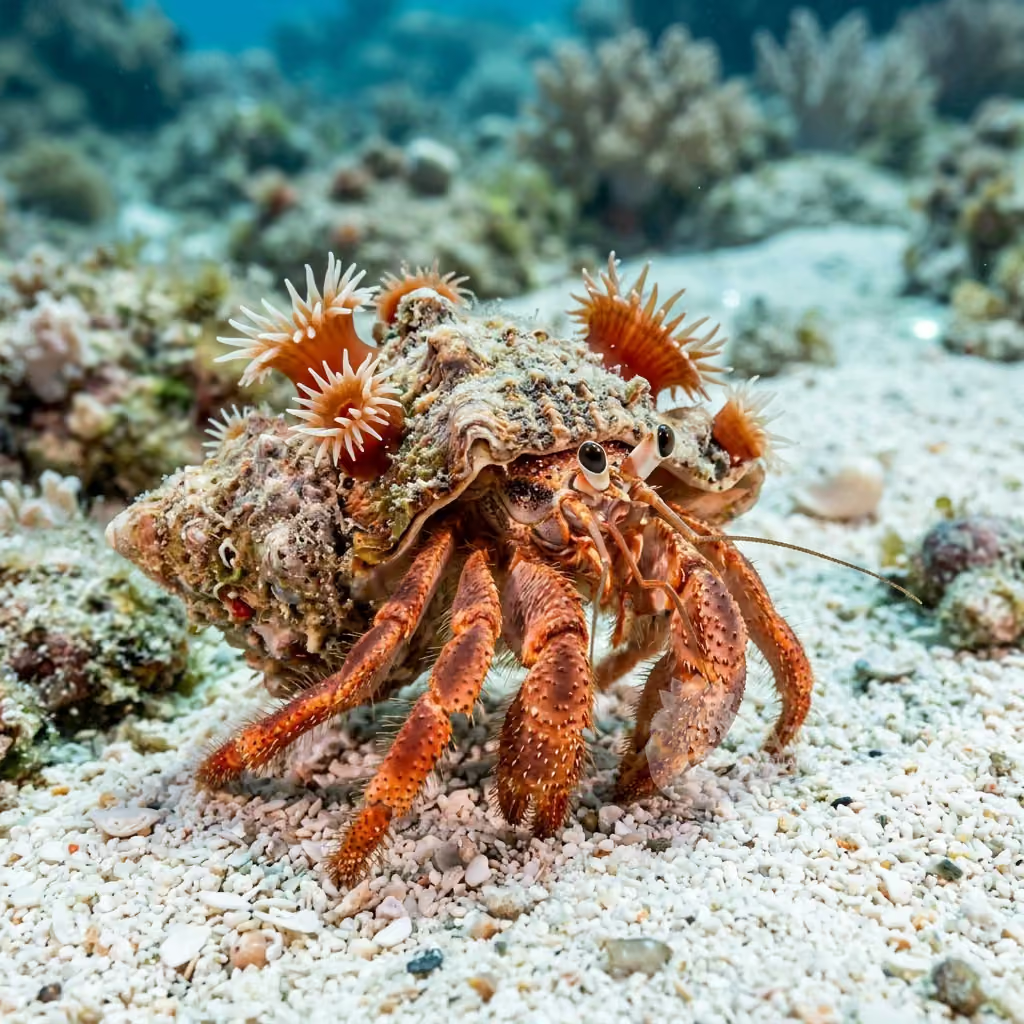
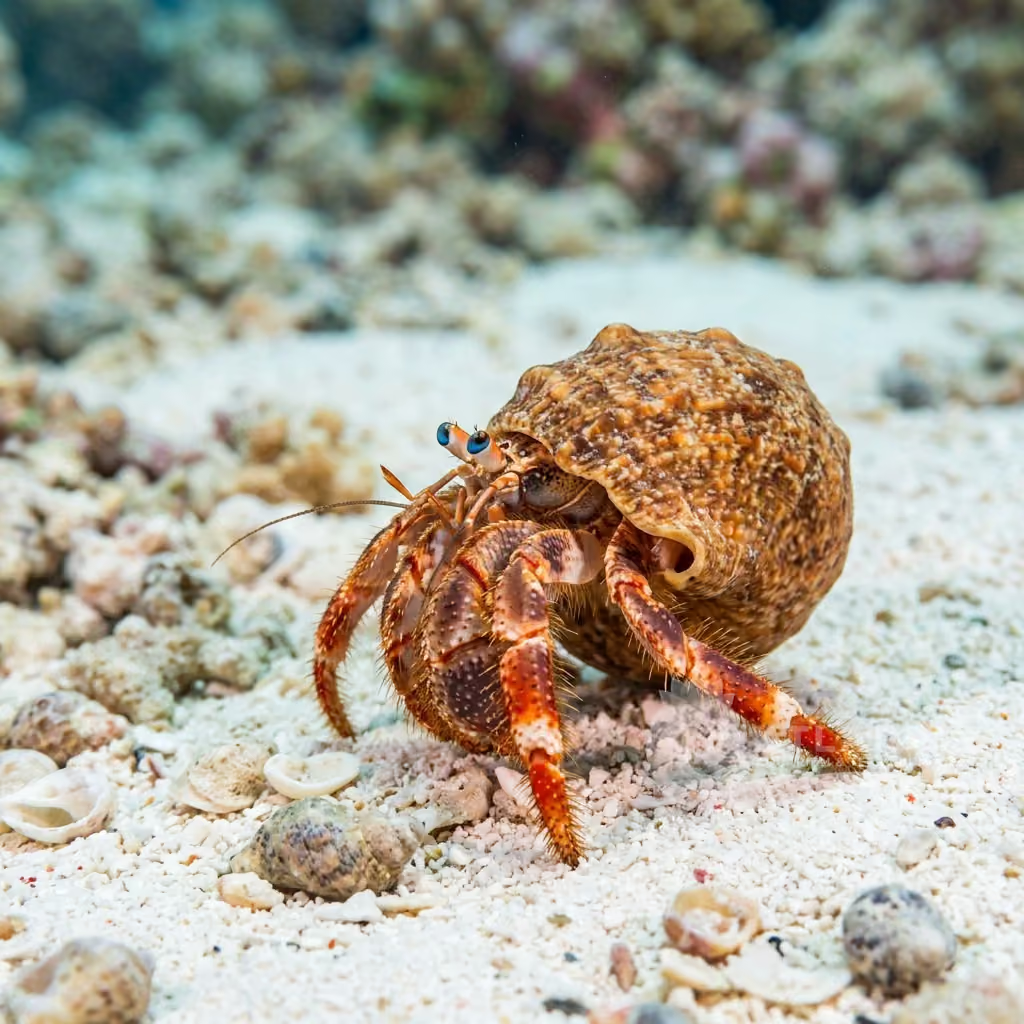
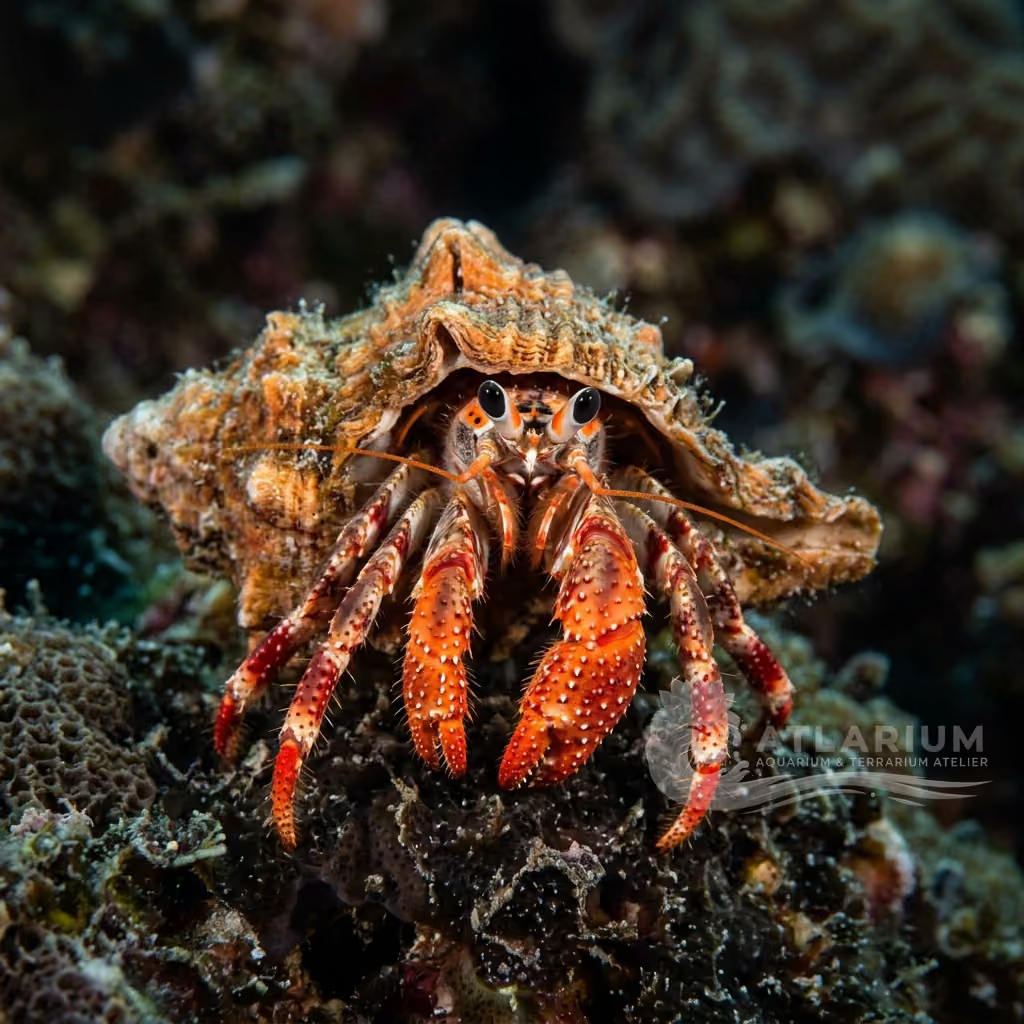
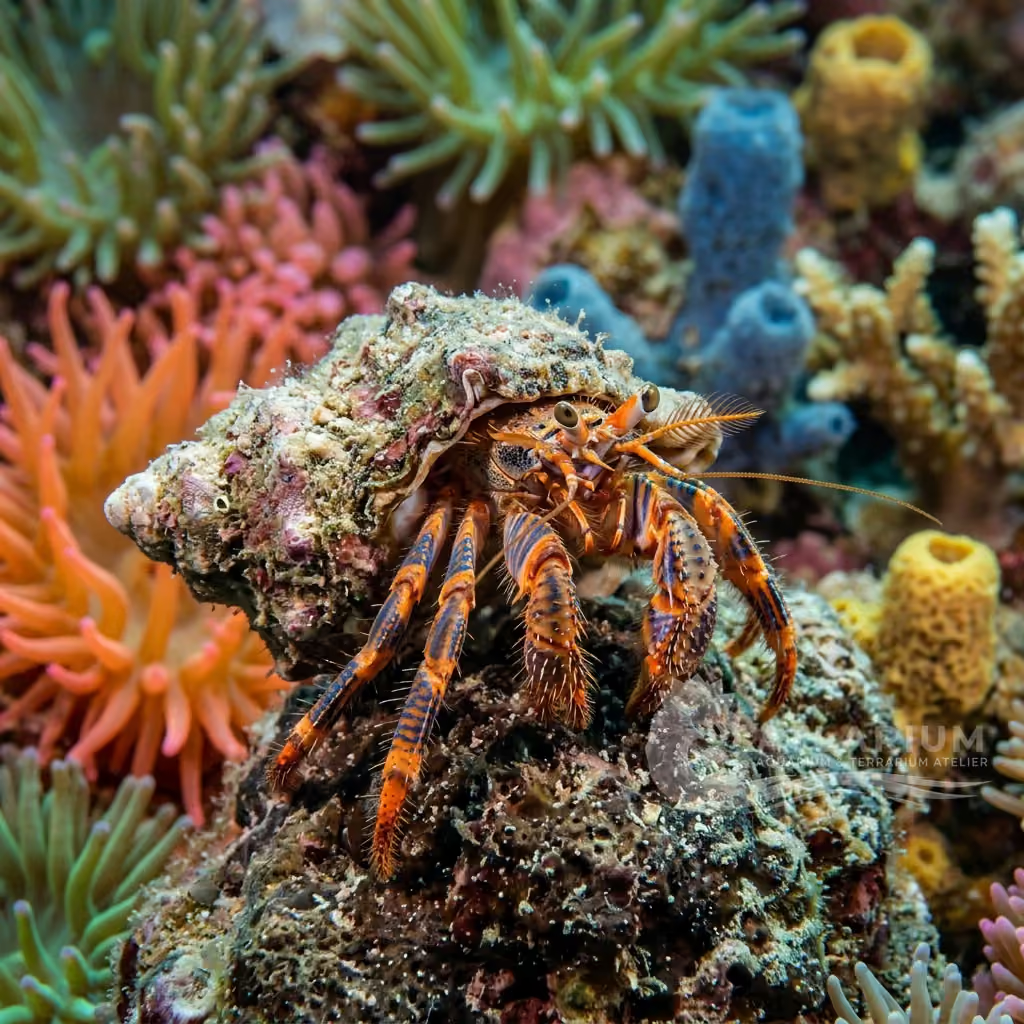
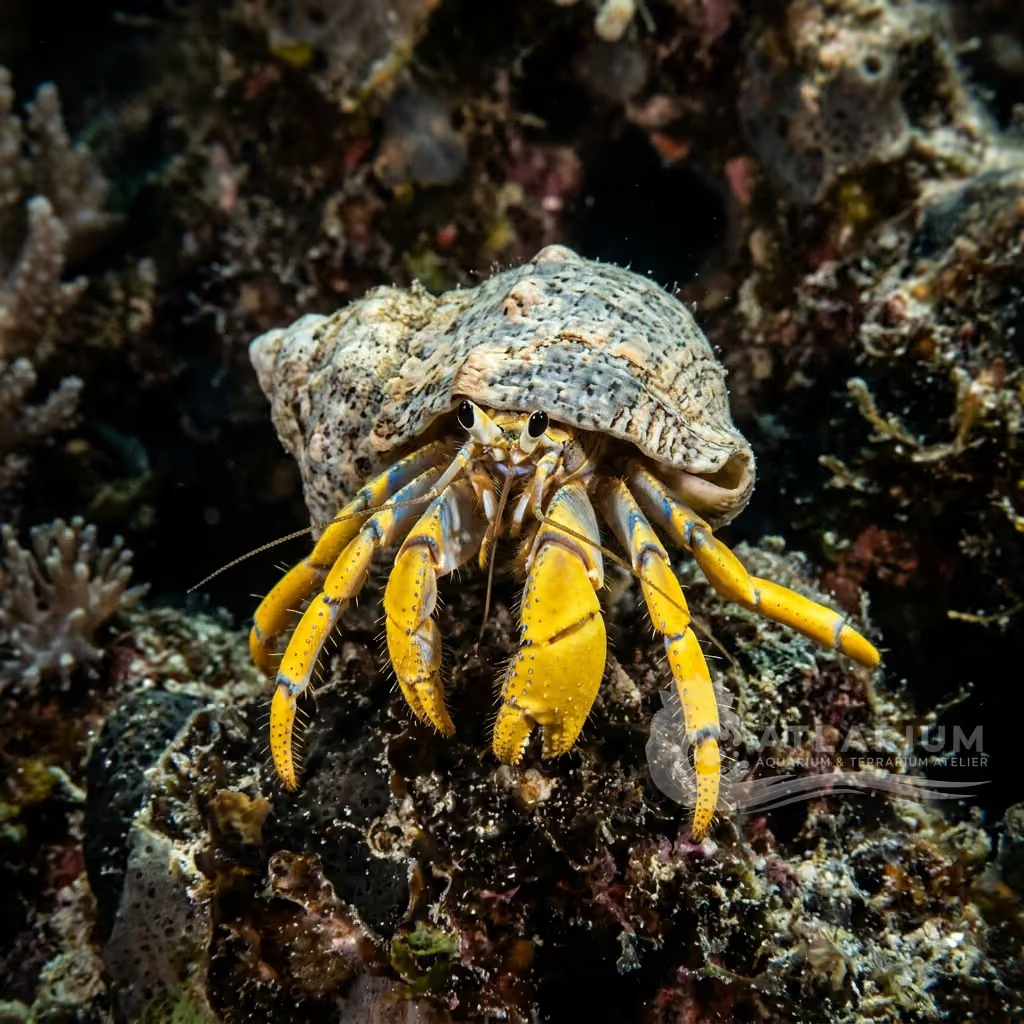
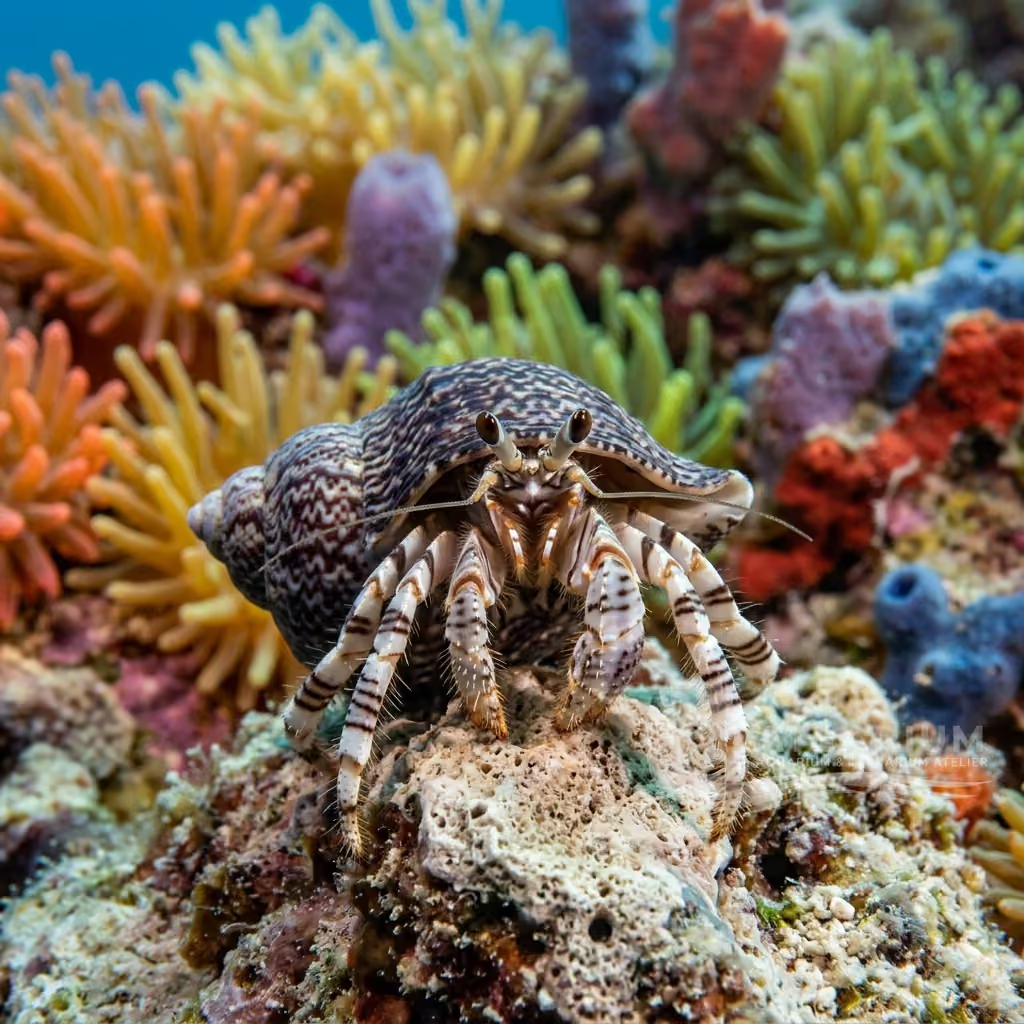
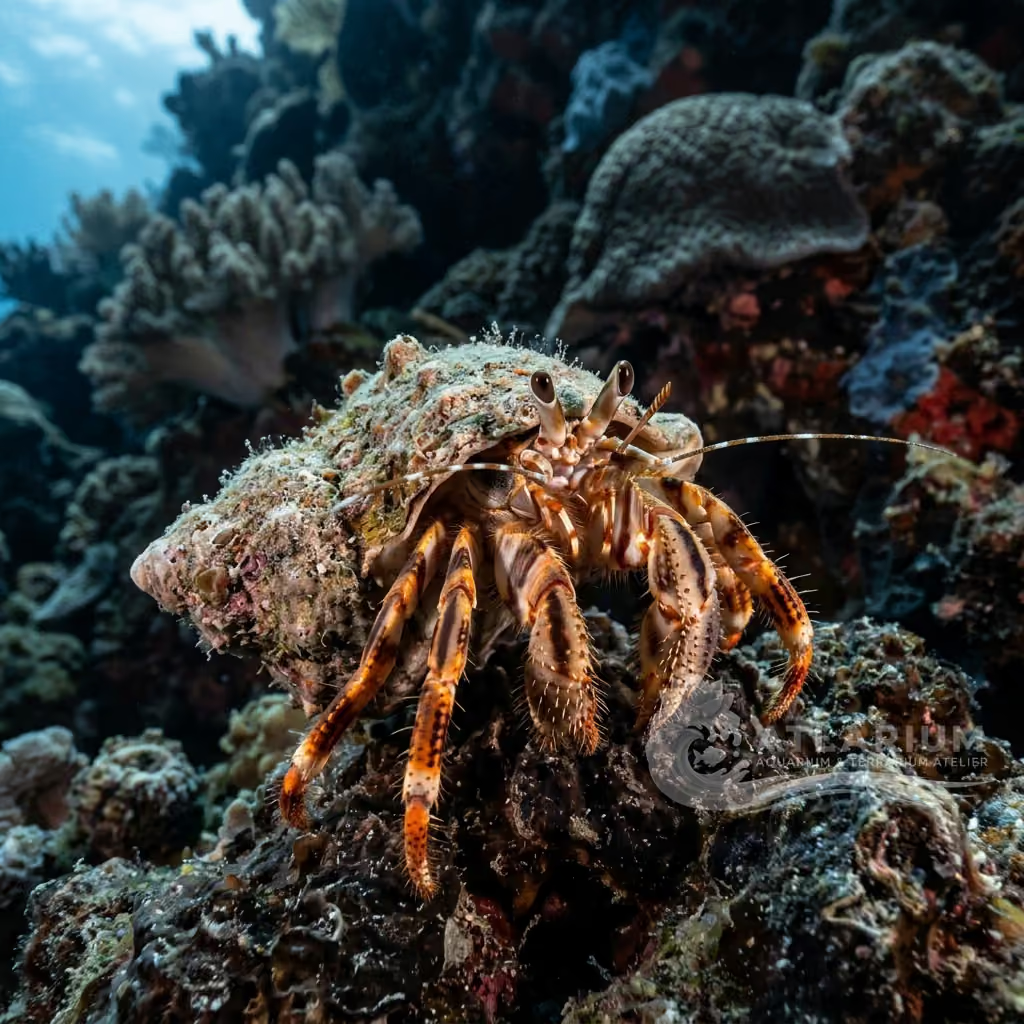
Coloration and Sexual Dimorphism: The walking legs and claws feature a characteristic coloration of longitudinal stripes or bright white and orange-red spots. The eyes are positioned on long bluish eyestalks. It displays sexual dimorphism related to size, with males tending to be slightly larger than females.

Pflege, Zucht und Mitbewohner
Tank Setup: Being a sedentary organism, it does not require large volumes, making it ideal for nano reefs starting from 30-40 liters. It is fundamental to provide stable live rocks that already contain empty calcareous tubes of serpulids or vermetids, or carefully glue small rock pieces containing the tubes in well-lit areas with good flow.
Diet and Feeding: Omnivorous, detritivore, and filter feeder. It actively captures food particles suspended in the water, phytoplankton, zooplankton, and fish food residues using its antennae and setae. It also scrapes microalgae growing near the opening of its tube. Regular supplementation of liquid invertebrate food is recommended.
Water Quality: Requires stable parameters typical of the marine or warm-temperate reef environment: optimal temperature between 18 and 24 °C (can tolerate higher temperatures for short periods), pH between 8.1 and 8.4, and density at 1.023-1.025. Essential to maintain adequate levels of calcium and trace elements to aid exoskeleton molting.
Compatibility and Tankmates: Completely peaceful and reef-safe. It does not disturb fish or other invertebrates due to its stationary lifestyle. Avoid housing with crustacean predators or aggressive fish (such as hawkfish, large wrasses, or puffers) that could crush the calcareous tube or pull it out.
Aquarium Breeding: Oviparous reproduction. Fertilized females hold eggs under the abdomen until hatching. The larvae are released into the water as planktonic zoeae. Reproduction in the aquarium is extremely complex, and there are no recorded cases of successful rearing in captivity.
Risks and Diseases: The main risk is molting failure due to a lack of iodine or calcium in the water, which can be fatal. It does not tolerate the presence of copper or heavy metals in the tank under any circumstances. Care must be taken that it does not get covered by nuisance algae or excessive debris that block the tube.

Geografische Herkunft und Verbreitung
Mediterranean Sea and parts of the warm-temperate Eastern Atlantic, including the coasts of Portugal and the Azores Islands. It lives in shallow waters along rocky coasts exposed to constant currents, settling inside old empty calcareous tubes built by serpulid polychaete worms (such as Serpula vermicularis) or gastropods of the Vermetidae family.
Ursprung
Tropische Ozeane und RiffeEuropa, Mittelmeerraum und Westasien

Wirbelloses Profil
- Diät
- Omnivore
- As a herbivore/scavenger, Calcinus tubularis plays an active role in consuming various organic matters in its environment. Its diet in captivity should be varied, including specialized pellets, frozen foods, and natural algae or detritus depending on its specific preferences. Regular and balanced feeding is crucial for its health and longevity.
- Ökologische Rolle
- Scavenger
- The primary ecological role of Calcinus tubularis is acting as a cleaner within the aquarium ecosystem. By constantly foraging, it helps manage waste, uneaten food, or pests, contributing significantly to water quality. Its presence introduces a natural balance and mimics complex biological interactions found in the wild.
- Erwachsenengröße
- 1.5 cm
- Sprungrisiko
- Yes
- The jump or escape risk for Calcinus tubularis is considered low. Like many active invertebrates, it may attempt to climb out of the water if it feels stressed, threatened, or if water conditions deteriorate. A tight-fitting lid or mesh screen is highly recommended to prevent accidental escapes.
- Stoßempfindlichkeit
- Medium
- Calcinus tubularis is quite sensitive to sudden shifts in water parameters, particularly salinity, temperature, and pH. It is highly recommended to use a slow drip acclimation method over several hours when introducing it to a new tank. Maintaining stable conditions is vital to prevent stress-induced ailments or mortality.
- Kalzium und Mineralien
- Medium
- To support healthy molting and exoskeleton growth, Calcinus tubularis requires adequate calcium and trace elements like iodine in the water. Regular water changes with a high-quality salt mix usually provide sufficient levels, but specific supplementation may be necessary in heavily stocked reef tanks. Monitoring calcium and alkalinity ensures proper skeletal development.
- Häutung
- Yes
- During the molting process, Calcinus tubularis becomes extremely vulnerable to predators and aggressive tankmates. It will typically retreat to a secure hiding spot until its new exoskeleton hardens. It is important to leave the discarded molt in the tank, as the invertebrate will often consume it to reclaim valuable minerals.
- Reproduktion
- Oviparous
- Breeding Calcinus tubularis in a home aquarium is incredibly challenging due to its complex reproductive cycle. It typically involves a planktonic larval stage that requires highly specialized foods and precise water conditions to survive. In most standard setups, any spawned larvae will quickly become food for fish and corals.
- Kompatibilität & Tankkameraden
- Peaceful
- When considering tankmates, Calcinus tubularis is generally compatible with peaceful fish and other similarly sized invertebrates. Since its reef compatibility is rated as 'yes', careful observation is required if kept with delicate corals or smaller ornamental shrimp. Aggressive or large predatory fish should always be avoided to ensure its safety.

Verwandte Arten
Empfehlungen gruppiert nach nahen Verwandten, Auswahl von Begleitern und ähnlicher Betreuung.