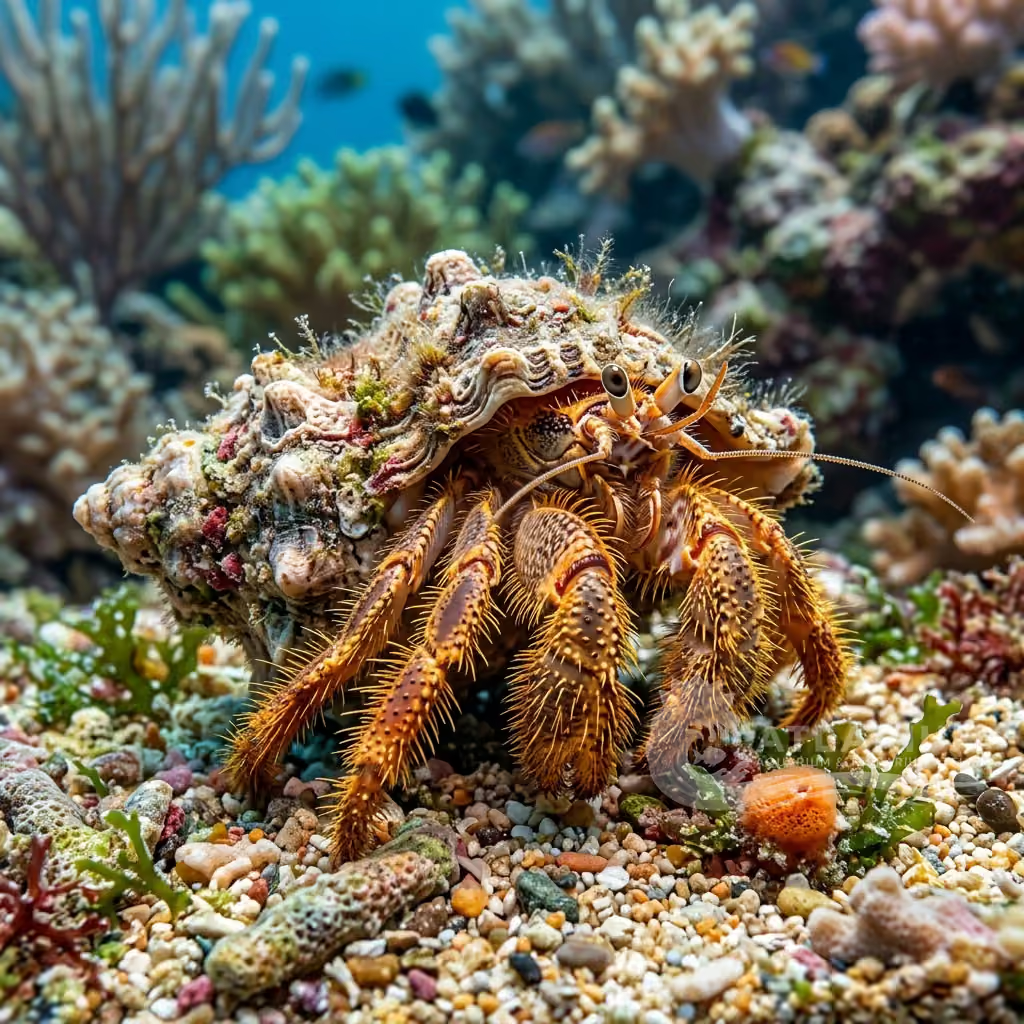
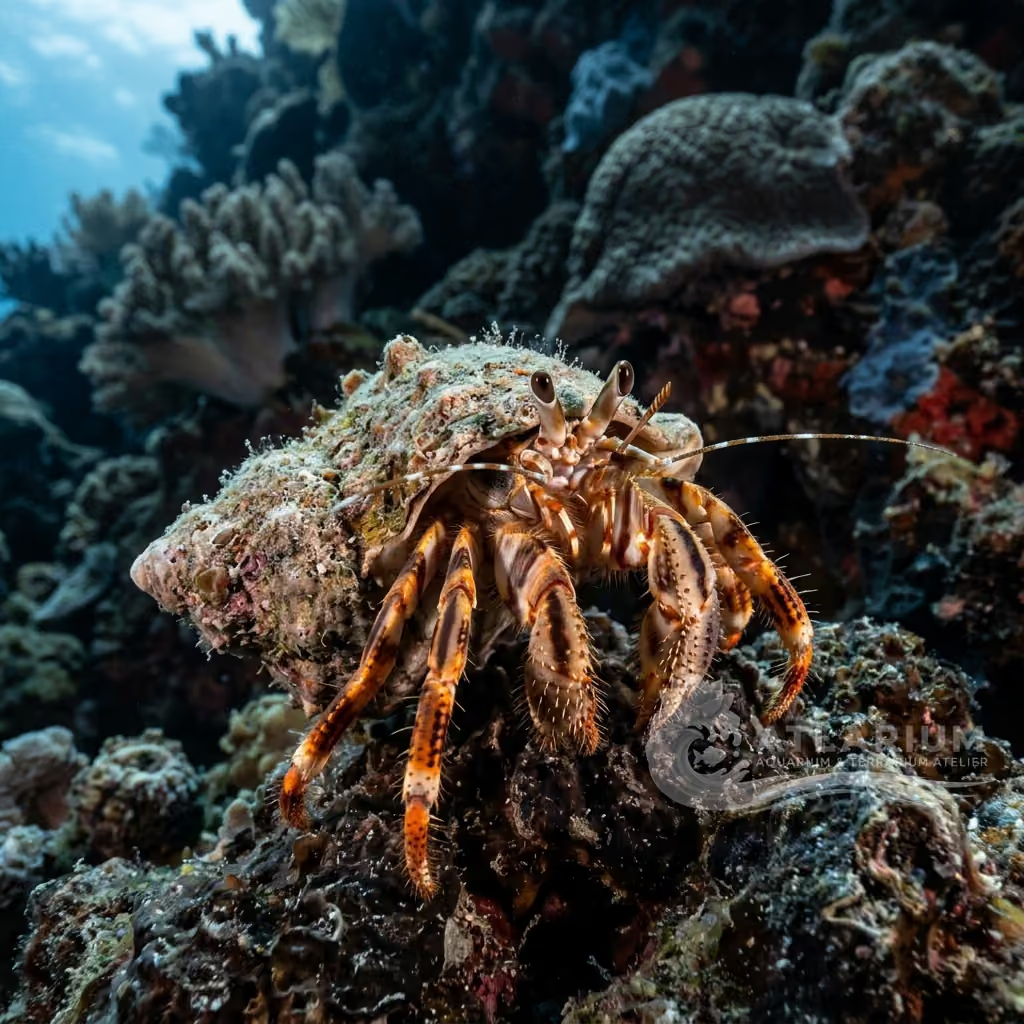
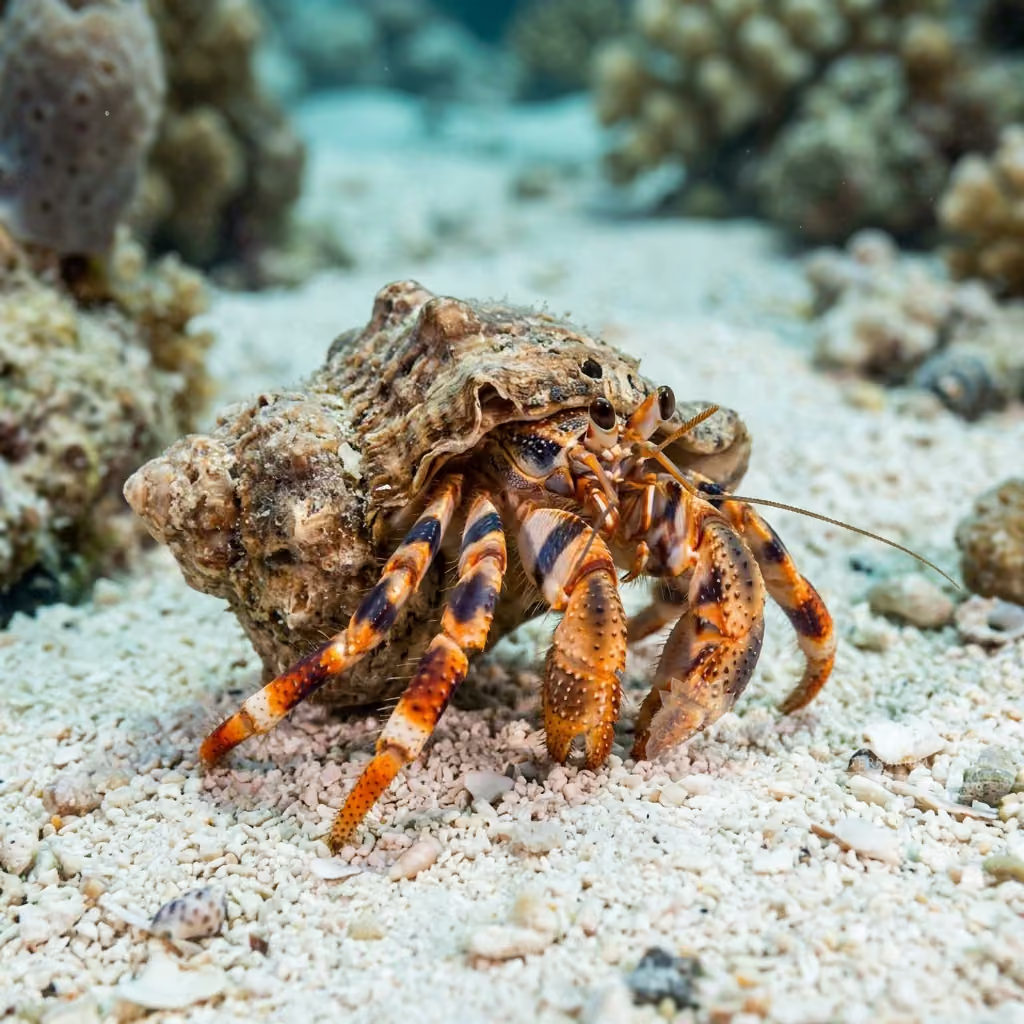
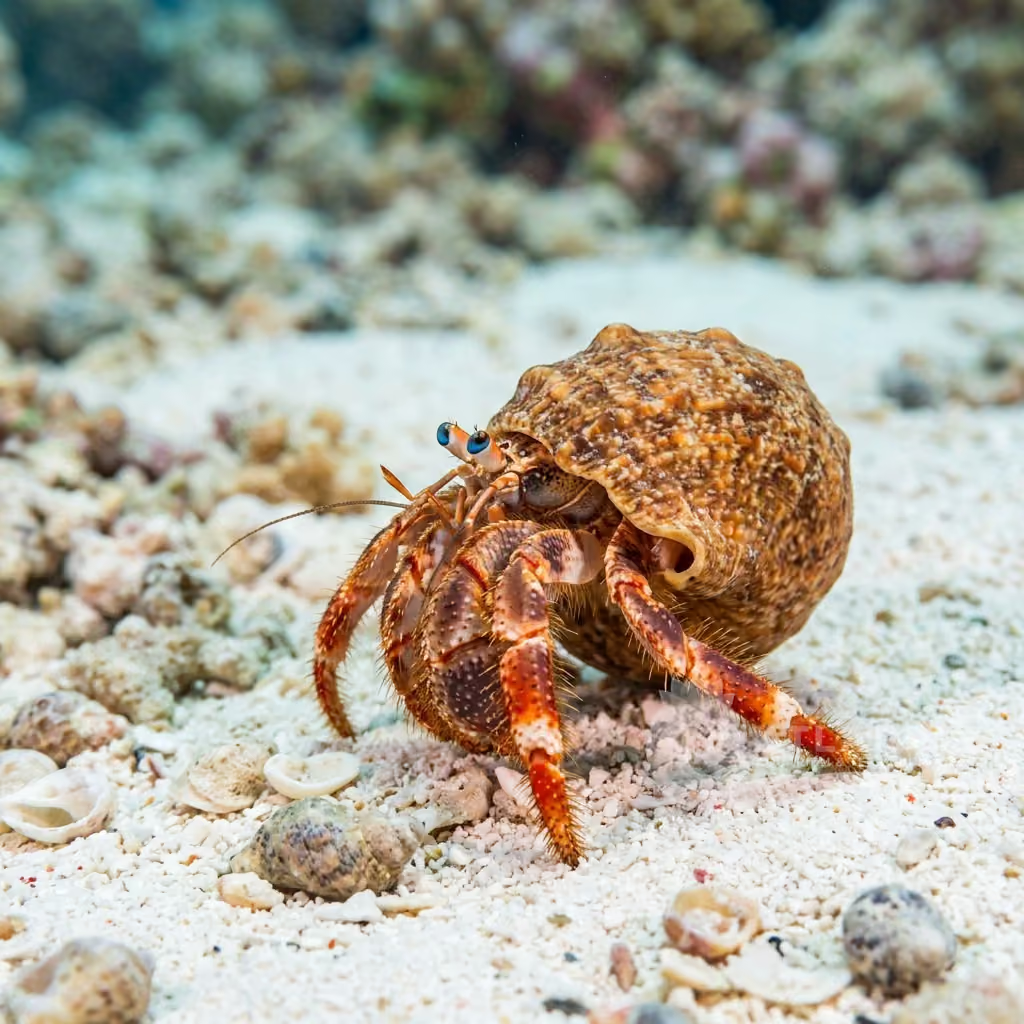
Stebbing's Hermit Crab
Clibanarius astathes
A small, peaceful tropical marine hermit crab. It is highly valued as an efficient algae eater and dedicated detritivore in healthy reef aquarium systems.
Wassertemperatur
22 - 28 °C
pH-Wert
8.1 - 8.4
Wassertyp
Meerwasser
Wirbelloser Typ
Hermit crab
Erwachsenengröße
2,5 cm
Mindestgruppe
>= 1
KH
8 - 12 dKH
Ökologische Rolle
Scavenger
Kupferempfindlichkeit
High

Artbeschreibung
Geographical Origin and Habitat: Native to the tropical Indo-Pacific region. It commonly inhabits shallow intertidal zones, rocky coastlines, coral reefs, and tidal pools, where it searches for empty gastropod shells to occupy.
Taxonomy: Belongs to the family Diogenidae, genus Clibanarius. Described by Stebbing in 1924 as Calcinus astathes, it was later revised and placed into Clibanarius, establishing it as a distinct and valid species separate from C. virescens.
Social Behavior: Peaceful and gregarious. They spend their daylight hours grazing on algae-covered rocks. While not aggressive, they will compete and occasionally fight with other hermit crabs if there is a shortage of suitable empty shells.
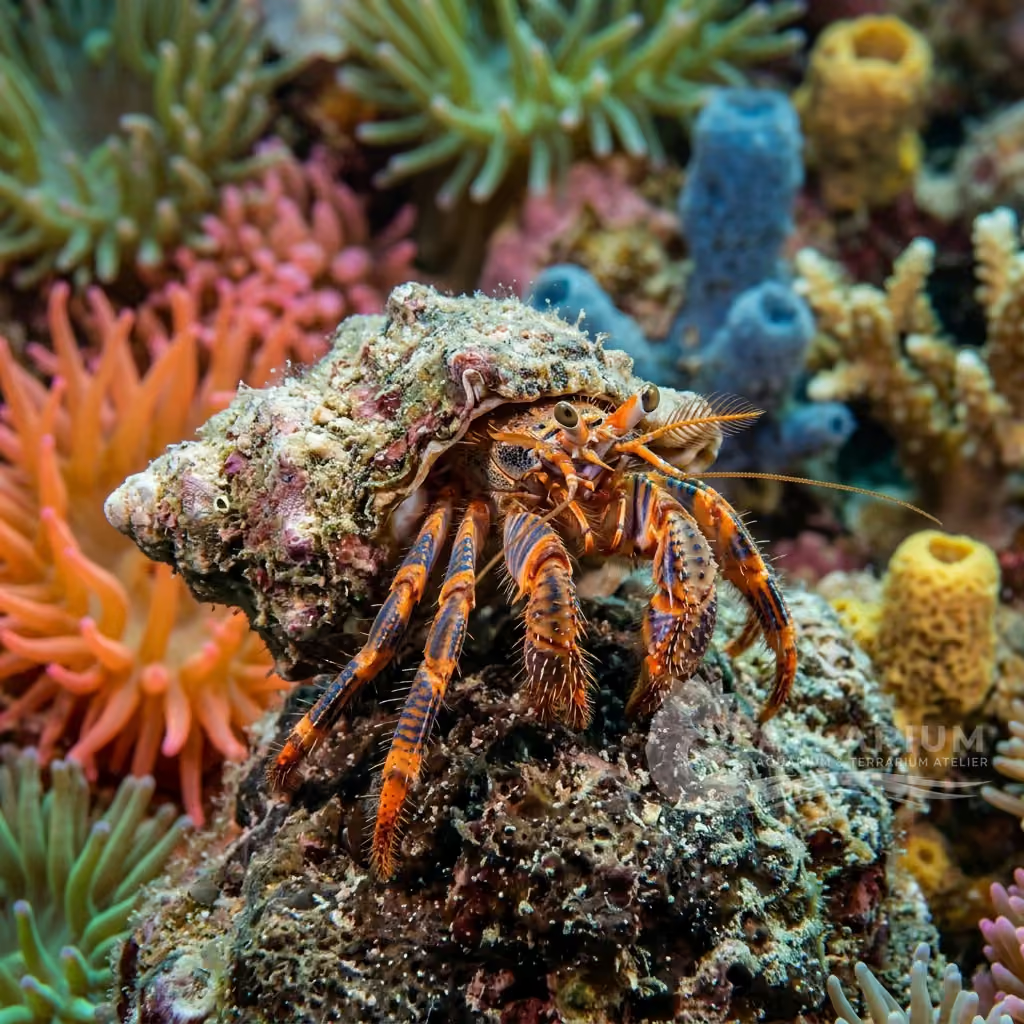
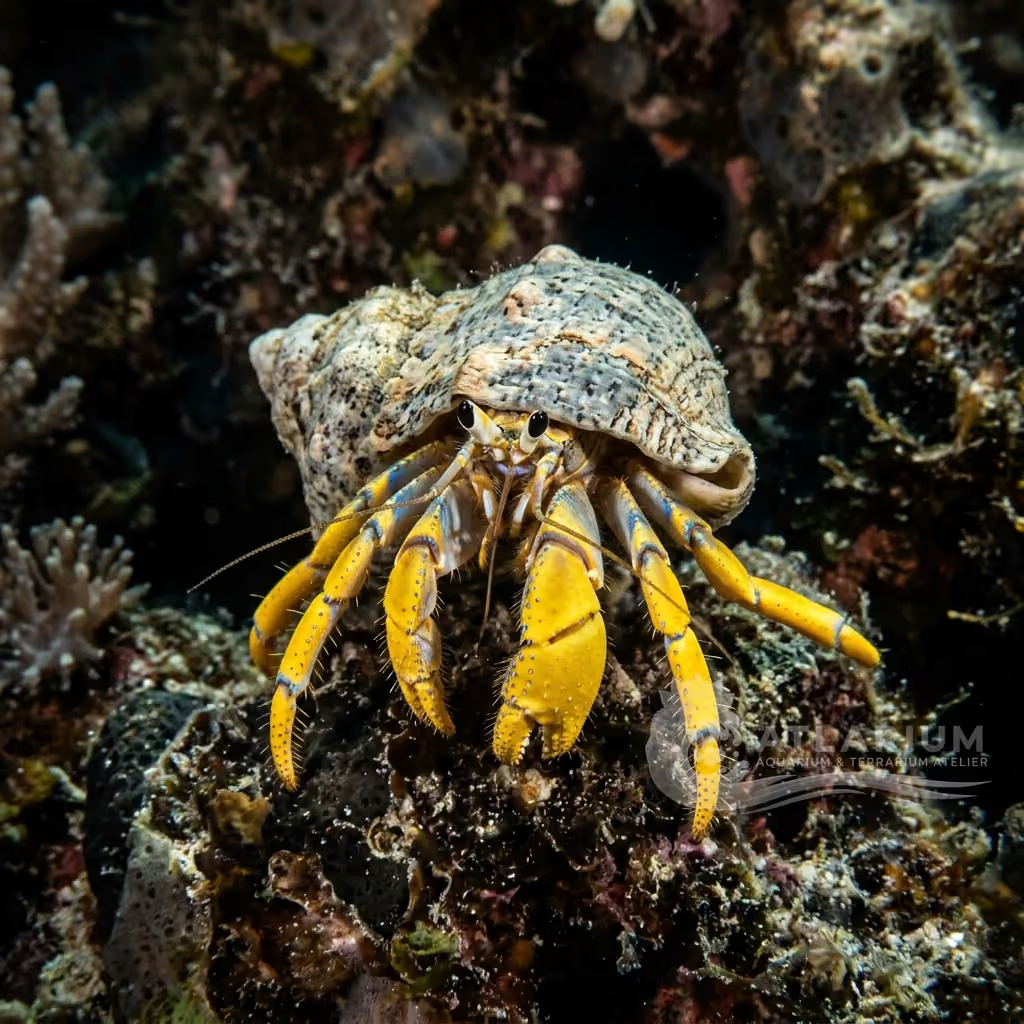
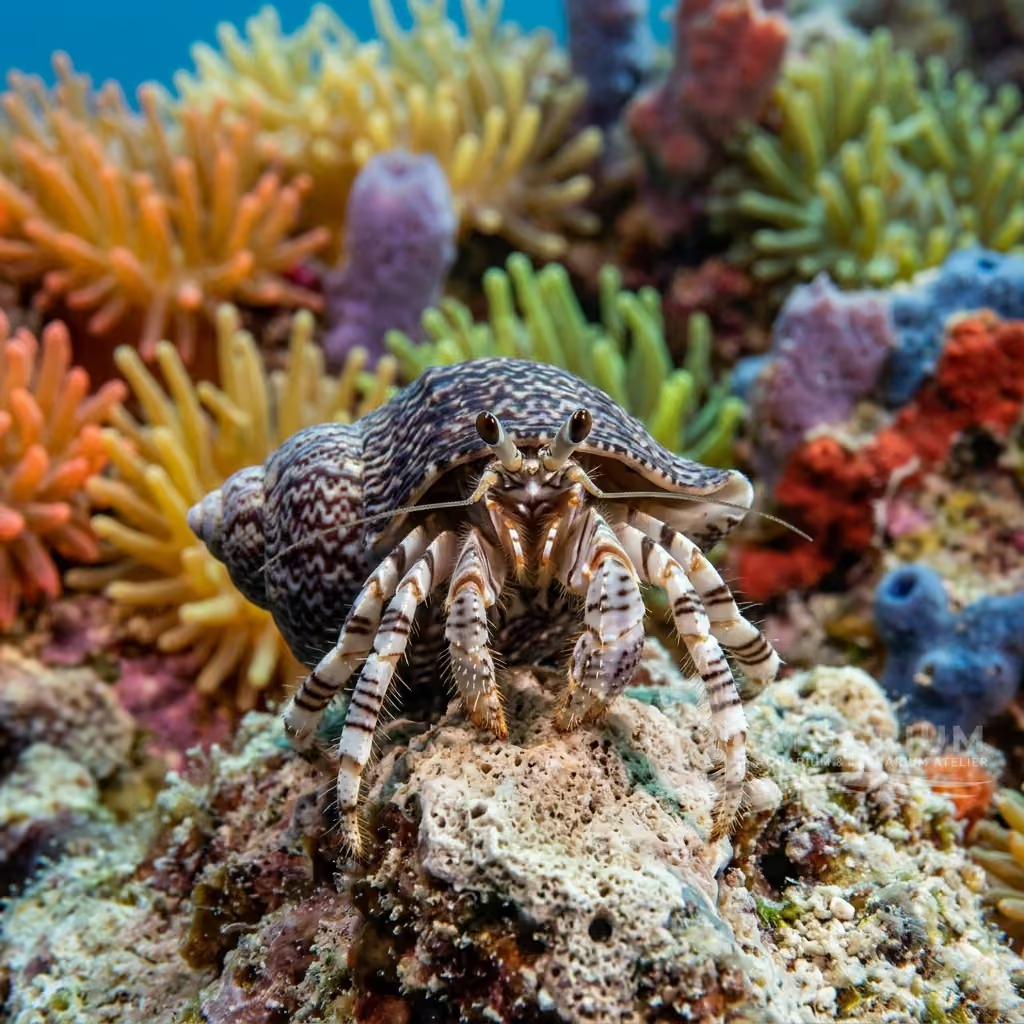
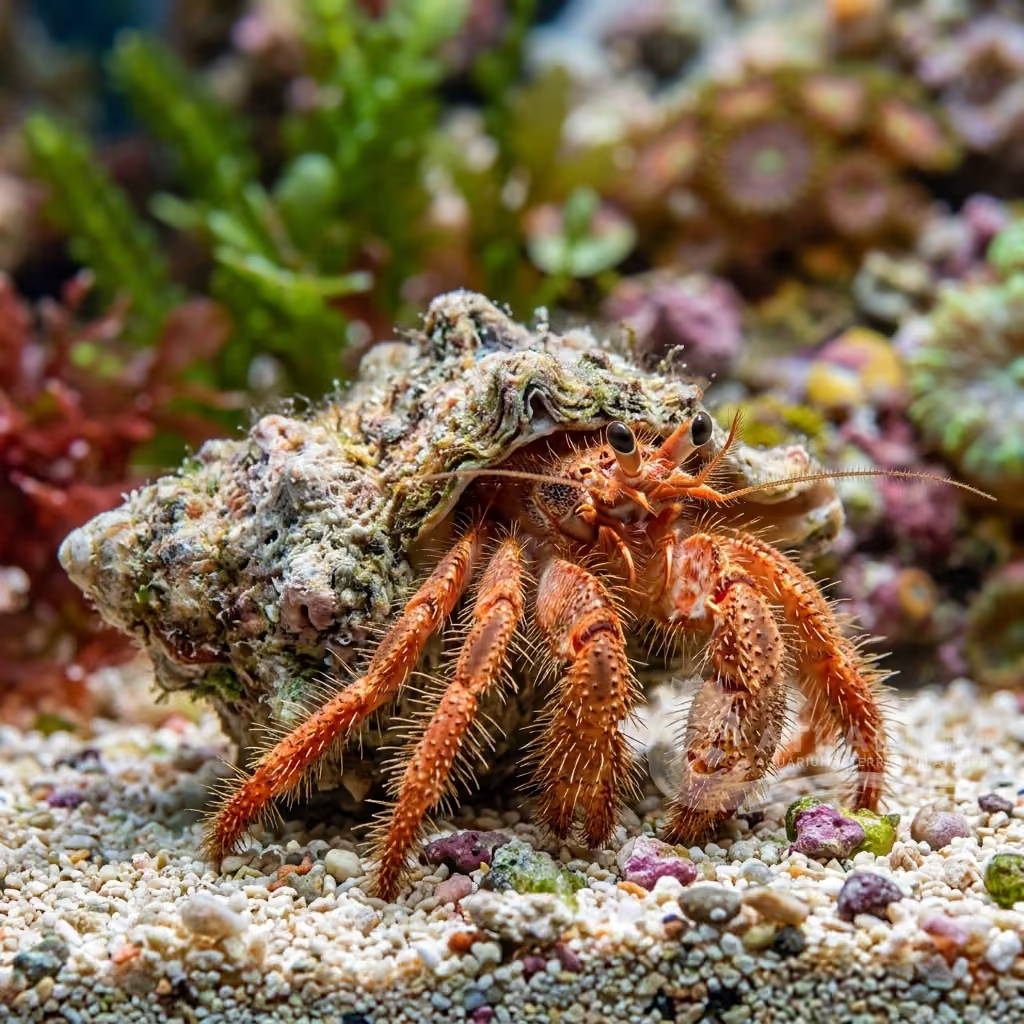
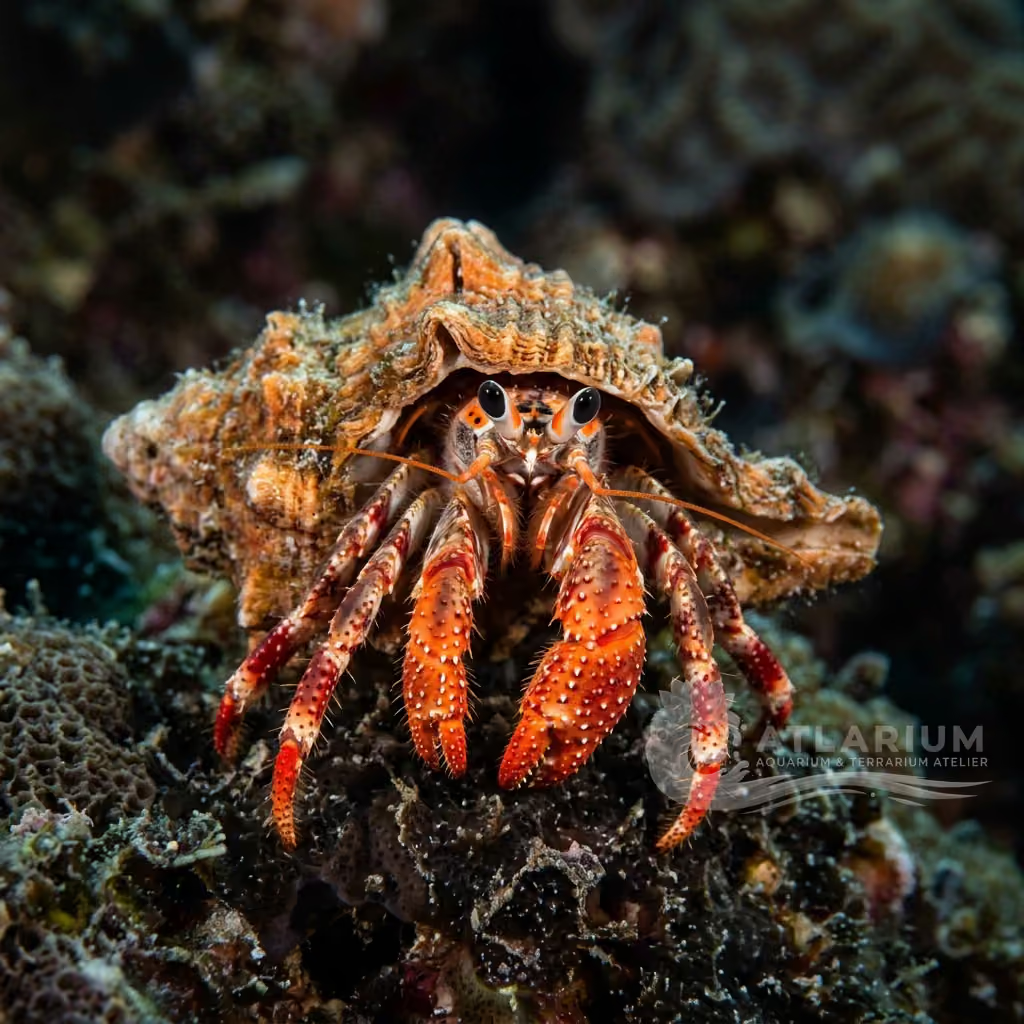
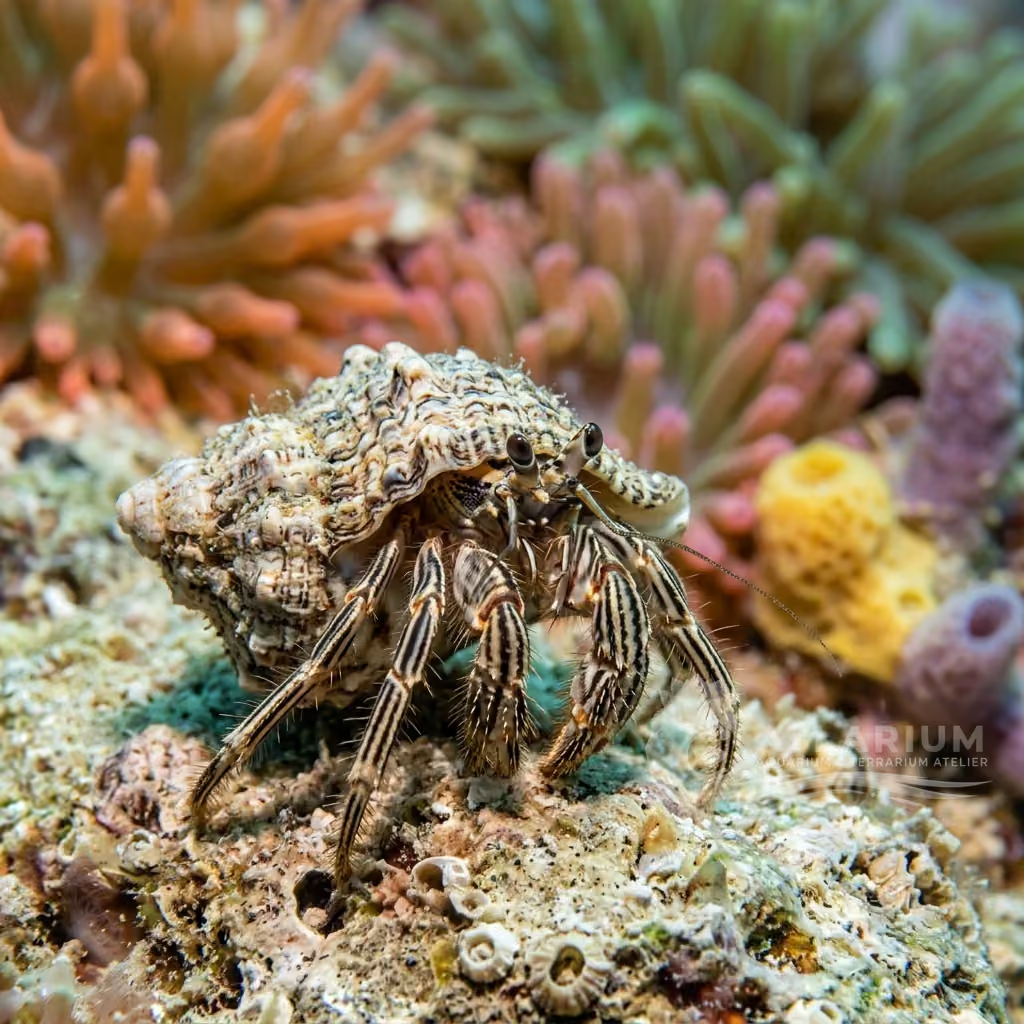
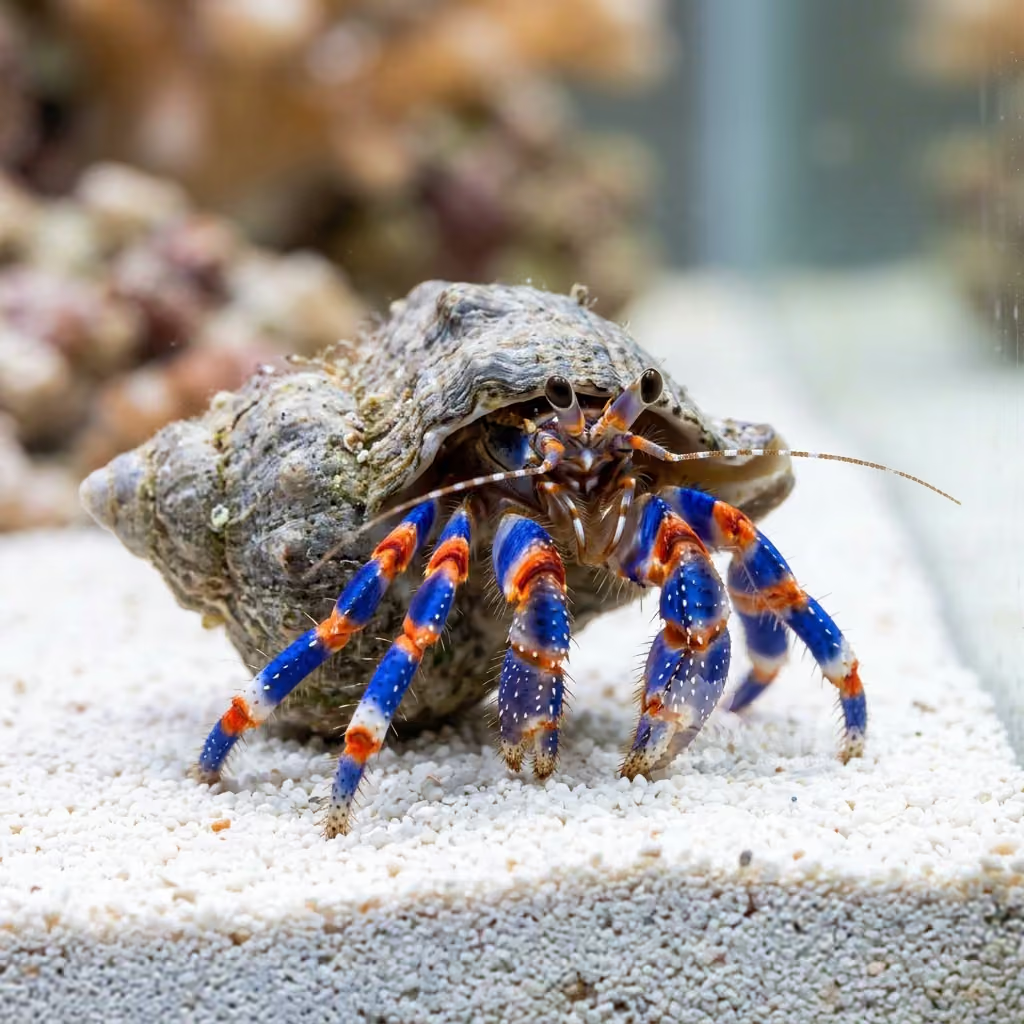
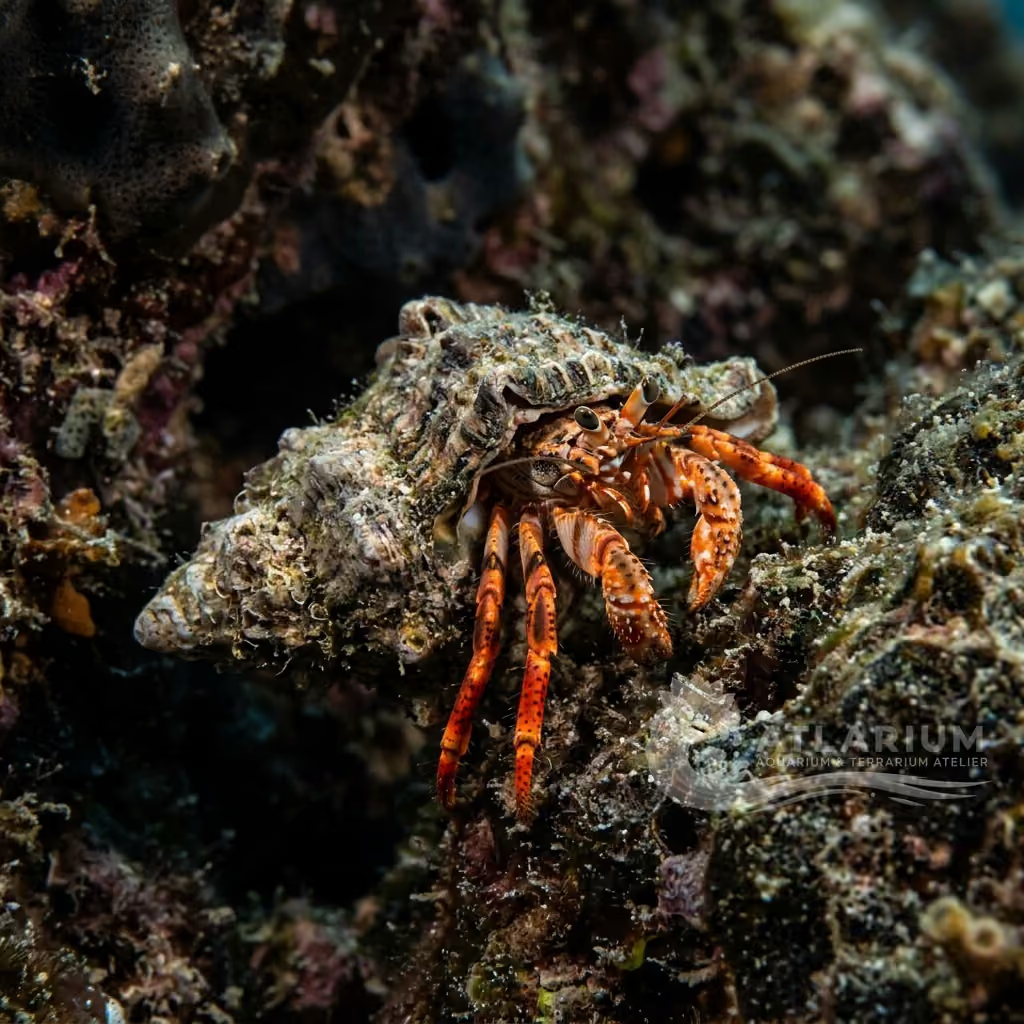
Coloration and Sexual Dimorphism: Features greyish-green to brownish walking legs, often with yellow or light banding, and bright orange antennae. The claws are subequal in size. Sexual dimorphism is not externally visible.

Pflege, Zucht und Mitbewohner
Tank Setup: Suitable for reef tanks and nano aquariums starting from 30 liters (approx. 8 gallons). Ensure there is plenty of live rock for foraging and grazing. A variety of empty snail shells of increasing sizes must be scattered across the substrate.
Diet and Feeding: Omnivorous detritivore. Primarily consumes hair algae, film algae, detritus, and uneaten fish food. Supplement with algae wafers, sinking pellets, or small pieces of frozen food if the aquarium lacks natural algae growth.
Water Quality: Maintain stable marine conditions: temperature 22-26°C (72-79°F), pH 8.1-8.4, specific gravity 1.021-1.025. Monitor calcium and magnesium levels, and dose iodine regularly to support a healthy molting process.
Compatibility and Tankmates: Reef-safe and compatible with peaceful fish and corals. They may attack snails or other hermit crabs to steal their shells if empty options are scarce. Avoid housing with large predatory wrasses or puffers.
Aquarium Breeding: Breeding in home aquariums is highly challenging. The female carries eggs beneath her shell. Once hatched, the planktonic zoeal larvae require specific marine conditions and rotifer feeding, making survival rare in home tanks.
Risks and Diseases: Highly sensitive to copper-based medications and elevated nitrate levels. A lack of calcium or iodine will lead to fatal molting complications. Ensure shells are available to prevent stress and predation.

Geografische Herkunft und Verbreitung
Native to the tropical Indo-Pacific region. It commonly inhabits shallow intertidal zones, rocky coastlines, coral reefs, and tidal pools, where it searches for empty gastropod shells to occupy.
Ursprung
Kosmopolitisch oder eingeführtNordamerikaTropische Ozeane und Riffe

Wirbelloses Profil
- Diät
- Omnivore
- These crabs are invaluable omnivorous scavengers that spend their time grazing on various types of nuisance algae, including hair algae and cyanobacteria. They will also greedily consume detritus, uneaten fish food, and decaying organic matter. If natural food sources run low in the aquarium, their diet should be supplemented with dried seaweed and sinking pellets.
- Ökologische Rolle
- Scavenger
- They are quintessential members of the reef clean-up crew, performing essential janitorial duties across the rockwork and substrate. By continuously grazing on algae and processing detritus, they prevent organic buildup and assist in maintaining overall water quality. Their foraging activities also subtly sift the top layers of sand, preventing stagnation.
- Erwachsenengröße
- 2.5 cm
- Sprungrisiko
- Yes
- These heavy, shell-dwelling bottom feeders are completely incapable of jumping or swimming out of the water. Their anatomy and weight confine them strictly to the substrate and rockwork. While they can climb up powerhead cords or silicone seams to the water surface, they pose absolutely zero risk of leaping from the tank.
- Stoßempfindlichkeit
- High
- Hermit crabs are comparatively hardy, but they still require careful acclimation to new water chemistry and temperature. Drastic shifts in salinity are particularly dangerous and can interfere with their osmoregulation. A slow drip acclimation is the recommended standard practice to ensure long-term survival.
- Kalzium und Mineralien
- Medium
- Proper calcium, magnesium, and trace element levels are mandatory to facilitate a healthy molting process and allow their new exoskeleton to harden. Regular water changes with a high-quality reef salt mix usually provide sufficient elements for their needs. Without adequate calcium, their new shell remains soft, making them highly susceptible to predation.
- Häutung
- Shell growth
- When it is time to molt, the crab may temporarily leave its shell and hide within the live rock until its new exoskeleton is sufficiently hard. The shed exoskeleton strongly resembles a dead crab and is often mistaken as such by inexperienced aquarists. Ensure spare empty shells of various sizes are always available so they can upgrade safely post-molt.
- Reproduktion
- Not bred in captivity
- Reproduction in the home aquarium is an extremely rare occurrence and generally unsuccessful. They release microscopic, free-swimming larvae into the water column, which are usually swiftly consumed by corals and fish. Successfully raising these larvae requires dedicated pelagic feeding regimens and isolated rearing systems.
- Kompatibilität & Tankkameraden
- Peaceful
- They are exceptionally peaceful toward fish and corals, making them an ideal and safe addition to any reef aquarium clean-up crew. However, they may occasionally squabble with other hermit crabs over desirable empty shells if resources are scarce. They generally ignore snails, provided there are enough empty shells to prevent them from killing snails for their homes.

Verwandte Arten
Empfehlungen gruppiert nach nahen Verwandten, Auswahl von Begleitern und ähnlicher Betreuung.