Bahia Cleaner Shrimp
Lysmata bahia
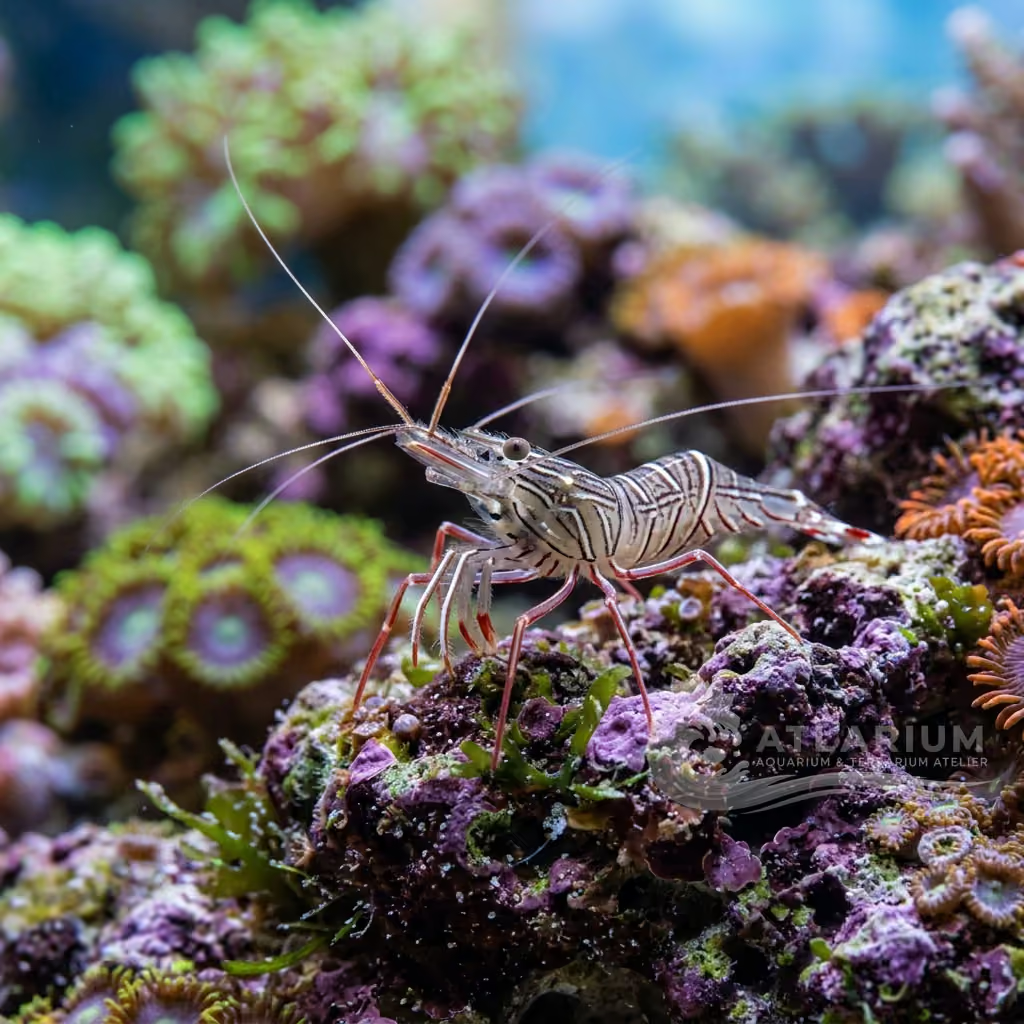
A highly active Brazilian cleaner shrimp, formally described in 2005. It is an ideal addition for grooming parasite-infected fish in reef aquariums.
Temperatura da água
22 - 26 °C
Valor de pH
8.1 - 8.4
Tipo de água
Marinho
Tipo invertebrado
Marine shrimp
Tamanho adulto
5 cm
Grupo mínimo
>= 1
KH
8 - 12 dKH
Papel ecológico
Cleaner
Sensibilidade ao cobre
High

Descrição da espécie
Geographical Origin and Habitat: Southwestern Atlantic: endemic to the coasts of Brazil, particularly the state of Bahia. Commonly found in rocky crevices, coral reefs, and caves at depths between 1 and 20 meters. They thrive in shallow coastal reefs and estuaries along the Brazilian coast, where water temperature is warm.
Taxonomy: Family Hippolytidae, genus Lysmata. Features a translucent body with long sensory antennae and delicate claws. Grows to 5.0 cm. It belongs to the peppermint shrimp complex, characterized by visually similar red-striped species of the genus Lysmata.
Social Behavior: Peaceful and gregarious. Operates cleaning stations where it actively grooms reef fish, removing parasites and dead tissue. They are social invertebrates that prefer the company of their own species, often sharing the same rocky shelter.
Coloration and Sexual Dimorphism: Named after the Brazilian state of Bahia, the type locality where specimens were first collected. Simultaneous hermaphrodite; individuals possess both male and female reproductive organs. Their striped patterns function as excellent camouflage among macroalgae and soft corals in shallow waters.

Cuidado, criação e companheiros de tanque
Tank Setup: Requires an aquarium of at least 40.0 liters with plenty of live rock crevices and caves for shelter. Ensure the tank has plenty of deep rock crevices where the shrimp can hide during its vulnerable molting periods.
Diet and Feeding: Omnivorous scavenger. In addition to cleaning fish, it accepts mysis, brine shrimp, flake foods, and organic waste. They will scavenge for leftover fish food, detritus, and are effective at keeping Aiptasia populations controlled.
Water Quality: Requires stable conditions: temperature 22.0-26.0 °C, pH 8.1-8.4, specific gravity 1.021-1.025. Zero copper tolerance. Iodine levels should be monitored and supplemented to support healthy shell shedding and growth cycles.
Compatibility and Tankmates: 100% reef-safe. Keep with peaceful community fish. Avoid predatory species like groupers or hawkfish. Keep with peaceful reef community fish. Do not house with predatory species that prey on crustaceans.
Aquarium Breeding: Spawns regularly in aquariums, but the microscopic pelagic larvae are quickly consumed or lost to filtration. The larvae develop through multiple planktonic stages, requiring dedicated larval rearing tanks and specialized micro-algae feed.
Risks and Diseases: Highly vulnerable to copper treatments. Failed molts may occur if trace elements like iodine are depleted. Intolerant to copper-based treatments. Check water parameters to avoid sudden changes in salinity during water changes.

Origem e distribuição geográfica
Southwestern Atlantic: endemic to the coasts of Brazil, particularly the state of Bahia. Commonly found in rocky crevices, coral reefs, and caves at depths between 1 and 20 meters. They thrive in shallow coastal reefs and estuaries along the Brazilian coast, where water temperature is warm.
Origem
Oceanos tropicais e recifesExtra-Amazônica América do Sul

Perfil de invertebrados
- Dieta
- Omnivore
- Scavenger that often consumes Aiptasia anemones.
- Papel ecológico
- Cleaner
- Valued for natural pest control.
- Tamanho adulto
- 5 cm
- Risco de salto
- Yes
- Known to jump if threatened. Keep covered.
- Sensibilidade ao choque
- High
- Needs a stable environment. Sensitive to high nitrates.
- Cálcio e minerais
- Medium
- Relies on mineral balance for healthy molting.
- Muda
- Yes
- Molting is a critical and vulnerable time for this shrimp. It sheds its old exoskeleton to grow and will actively seek out dark, secure crevices in the live rock to hide. During this period, the shrimp's new shell is soft, making it highly susceptible to aggression or predation from tank mates.
- Reprodução
- Oviparous
- This species is a protandric simultaneous hermaphrodite, meaning individuals can function as both male and female but require a partner to mate. Spawning typically occurs shortly after molting. The shrimp carries the bright green fertilized eggs under its abdomen until they hatch into microscopic planktonic larvae, which are hard to raise.
- Compatibilidade e companheiros de tanque
- Peaceful
- Generally reef-safe and peaceful, they make great additions to marine aquariums with plenty of live rock. While they can be kept in pairs, overcrowding in small tanks can lead to territorial aggression or cannibalism, especially toward freshly molted individuals. They do not strongly associate with fish for cleaning behaviors.

Espécies relacionadas
Recomendações agrupadas por parentes próximos, escolhas de acompanhantes e cuidados semelhantes.