Rathbun's Peppermint Shrimp
Lysmata rathbunae
An excellent Atlantic peppermint shrimp famous for consuming nuisance Aiptasia anemones. It is a fantastic addition to maintain clean reef aquariums.
Temperatura da água
20 - 26 °C
Valor de pH
8.1 - 8.4
Tipo de água
Marinho
Tipo invertebrado
Marine shrimp
Tamanho adulto
5 cm
Grupo mínimo
>= 1
KH
8 - 12 dKH
Papel ecológico
Pest control
Sensibilidade ao cobre
High

Descrição da espécie
Geographical Origin and Habitat: Western Atlantic: eastern coast of the United States to the Gulf of Mexico. Commonly found in rocky crevices, coral reefs, and caves at depths between 1 and 20 meters. This shrimp commonly inhabits shallow coral reefs and seagrass beds throughout the tropical Western Atlantic Ocean.
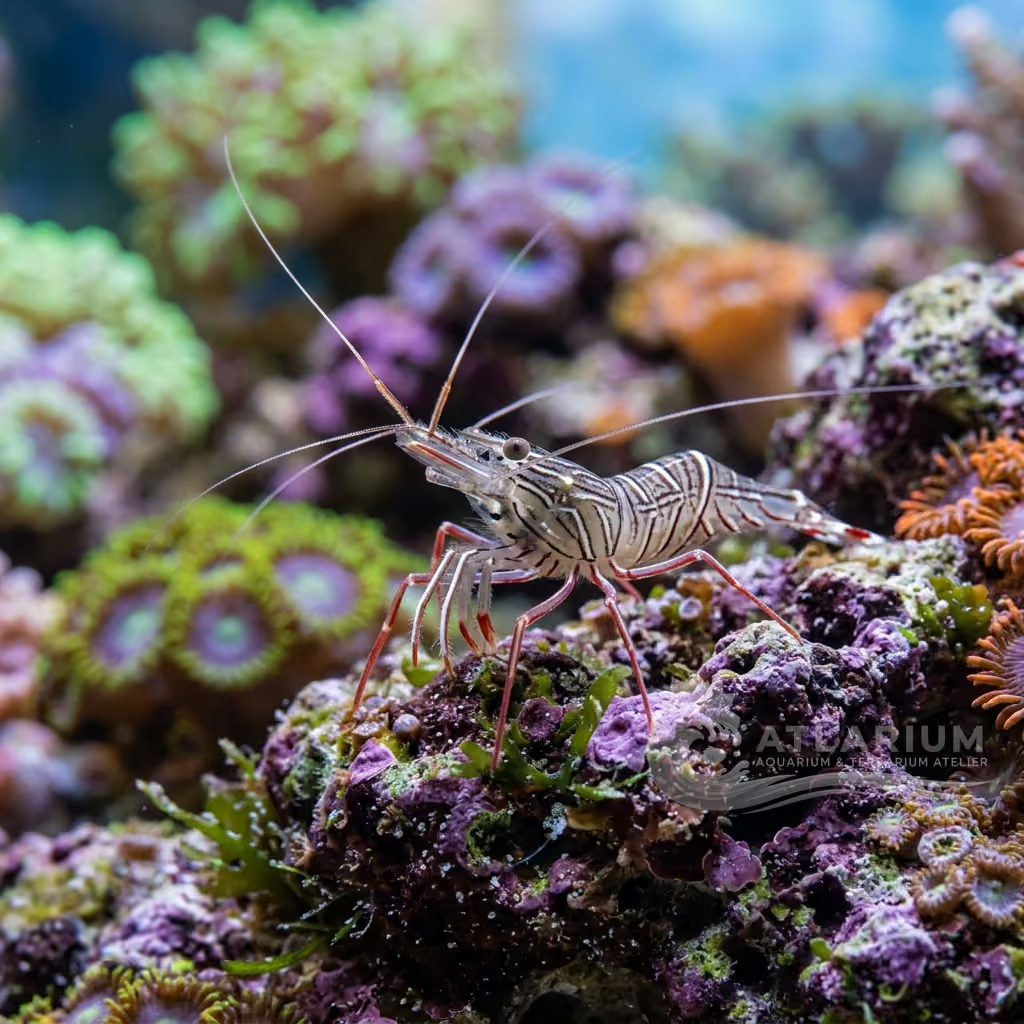
Taxonomy: Family Hippolytidae, genus Lysmata. Features a translucent body with long sensory antennae and delicate claws. Grows to 5.0 cm. Its morphology features a slender body with long sensory antennae and thin claws adapted to manipulating small food particles.
Social Behavior: Peaceful and gregarious. Operates cleaning stations where it actively grooms reef fish, removing parasites and dead tissue. It displays peaceful and social behavior, preferring to live in small groups that actively work together to clean the aquarium.
Coloration and Sexual Dimorphism: Very similar to Lysmata wurdemanni; feeds mainly on small anemones and organic detritus. Simultaneous hermaphrodite; individuals possess both male and female reproductive organs. The semi-translucent body is patterned with bright red longitudinal and transverse stripes, creating a net-like appearance.

Cuidado, criação e companheiros de tanque
Tank Setup: Requires an aquarium of at least 40.0 liters with plenty of live rock crevices and caves for shelter. Suitable for community aquariums starting from 50 liters, with plenty of live rock to provide shelter during the molting process.
Diet and Feeding: Omnivorous scavenger. In addition to cleaning fish, it accepts mysis, brine shrimp, flake foods, and organic waste. Omnivorous scavenger; feeds on food scraps, detritus, and pest algae, and is widely kept to control invasive Aiptasia anemones.
Water Quality: Requires stable conditions: temperature 20.0-26.0 °C, pH 8.1-8.4, specific gravity 1.021-1.025. Zero copper tolerance. Water parameters must be kept stable, maintaining constant salinity and monitoring iodine levels to support healthy molting.
Compatibility and Tankmates: 100% reef-safe. Keep with peaceful community fish. Avoid predatory species like groupers or hawkfish. Fully reef-safe and compatible with almost all peaceful reef fish, though it must not be housed with crustacean-eating predators.
Aquarium Breeding: Spawns regularly in aquariums, but the microscopic pelagic larvae are quickly consumed or lost to filtration. Hermaphroditic species; reproduction in the aquarium occurs frequently, but rearing the planktonic larvae is highly challenging.
Risks and Diseases: Highly vulnerable to copper treatments. Failed molts may occur if trace elements like iodine are depleted. Main risks include incomplete molting due to trace element deficiencies, and high sensitivity to rapid osmotic changes.

Origem e distribuição geográfica
Western Atlantic: eastern coast of the United States to the Gulf of Mexico. Commonly found in rocky crevices, coral reefs, and caves at depths between 1 and 20 meters. This shrimp commonly inhabits shallow coral reefs and seagrass beds throughout the tropical Western Atlantic Ocean.
Origem
Oceanos tropicais e recifesAmérica Central e CaribeAmérica do Norte

Perfil de invertebrados
- Dieta
- Omnivore
- The Lysmata rathbunae is generally considered an opportunistic omnivore that will scavenge for leftover food, detritus, and small organisms. In the home aquarium, its diet should be supplemented with a variety of meaty foods such as frozen mysis shrimp, brine shrimp, and high-quality sinking pellets. Providing a varied diet ensures they receive the necessary nutrients for growth and molting. Feeding them targeted amounts helps prevent starvation while keeping the aquarium clean.
- Papel ecológico
- Pest control
- In its natural habitat, the Lysmata rathbunae serves as a valuable cleaner and scavenger, helping to control detritus and organic waste. By consuming uneaten food and dead organic matter, it plays a critical role in nutrient recycling within the reef ecosystem. Some species within this group also engage in symbiotic relationships with other marine life, providing cleaning services in exchange for food. Their presence indicates a healthy and balanced marine environment.
- Tamanho adulto
- 5 cm
- Risco de salto
- Yes
- While not notorious escape artists, the Lysmata rathbunae can be startled easily and may dart unpredictably when frightened. In open-top aquariums, this sudden burst of speed could potentially cause them to launch out of the water. It is advisable to use a tight-fitting lid or a mesh screen top to prevent any accidental escapes. Minimizing sudden movements or aggressive tank mates will also reduce the likelihood of jumping behavior.
- Sensibilidade ao choque
- High
- The Lysmata rathbunae is quite sensitive to sudden changes in water parameters such as salinity, temperature, and pH. Rapid fluctuations can cause severe osmotic shock, leading to stress, failed molts, or immediate death. It is highly recommended to use a slow drip acclimation method over several hours when introducing them to a new aquarium. Consistent water quality and stability are paramount for their long-term survival and health.
- Cálcio e minerais
- Medium
- Proper calcium levels are essential for the Lysmata rathbunae to successfully build and maintain its exoskeleton. Along with calcium, trace elements like iodine and magnesium must be kept at optimal marine levels to facilitate the molting process. A lack of sufficient calcium can result in soft shells, deformities, and ultimately fatal molting complications. Regular water changes with high-quality salt mix usually provide adequate amounts of these crucial minerals.
- Muda
- Yes
- Molting is a vulnerable time for the Lysmata rathbunae, during which it sheds its old exoskeleton to grow a new, larger one. Following a molt, the invertebrate will hide in the rockwork for a few days until its new shell hardens completely. During this period, they are highly susceptible to predation and physical damage from tank mates. It is best to leave the discarded exoskeleton in the tank, as they often consume it to reclaim valuable minerals.
- Reprodução
- Bubble nest builder
- Breeding the Lysmata rathbunae in a home aquarium can be challenging due to the complex larval stages and dietary needs of the offspring. These invertebrates often carry their eggs under their abdomen until they hatch into planktonic larvae. Raising the delicate larvae requires specialized rearing tanks and constant supplies of specific microscopic live foods. Although spontaneous spawning is common in well-fed adults, successful rearing to maturity is rarely achieved by casual aquarists.
- Compatibilidade e companheiros de tanque
- Reef safe
- The Lysmata rathbunae is generally peaceful and can be safely housed with a wide variety of reef-safe fish and corals. Care should be taken to avoid keeping them with large, aggressive fish such as triggerfish, puffers, or large wrasses that might view them as a meal. They are usually tolerant of other peaceful invertebrates, though some territorial squabbles may occur with closely related species. Providing ample hiding spots among live rock will help them feel secure and reduce stress.

Espécies relacionadas
Recomendações agrupadas por parentes próximos, escolhas de acompanhantes e cuidados semelhantes.