Feminine Wrasse / Blue-tail Wrasse
Anampses femininus
A highly coveted and stunningly colored marine fish. Extremely difficult to transition to captivity, requiring specialized feeding and a massive setup.
Temperatura da água
20 - 27 °C
Valor de pH
7.8 - 8.5
Tipo de água
Marinho
Nível do tanque
Parte inferior e intermediária
Tamanho adulto
24 cm
Volume mínimo do tanque
>= 380 L
Grupo mínimo
>= 1
KH
8 - 12 dKH

Descrição da espécie
Geographical Origin and Habitat: Native to the southern Pacific Ocean, ranging from the eastern coast of Australia and Lord Howe Island to Easter Island. It inhabits subtropical coral reefs exposed to strong currents and surge zones, down to depths of 30 meters.
Taxonomy and Morphology: Belongs to the Labridae family. It reaches a maximum length of about 24 cm (9.5 inches). Features an elongated, compressed body with fleshy lips and forward-facing teeth designed for scraping small invertebrates from rocks.
Social Behavior: Highly active, constantly swimming species. It is a tireless swimmer that requires extensive open water. It buries itself in the sand to sleep or during periods of intense stress. Males maintain harems of females in the wild.
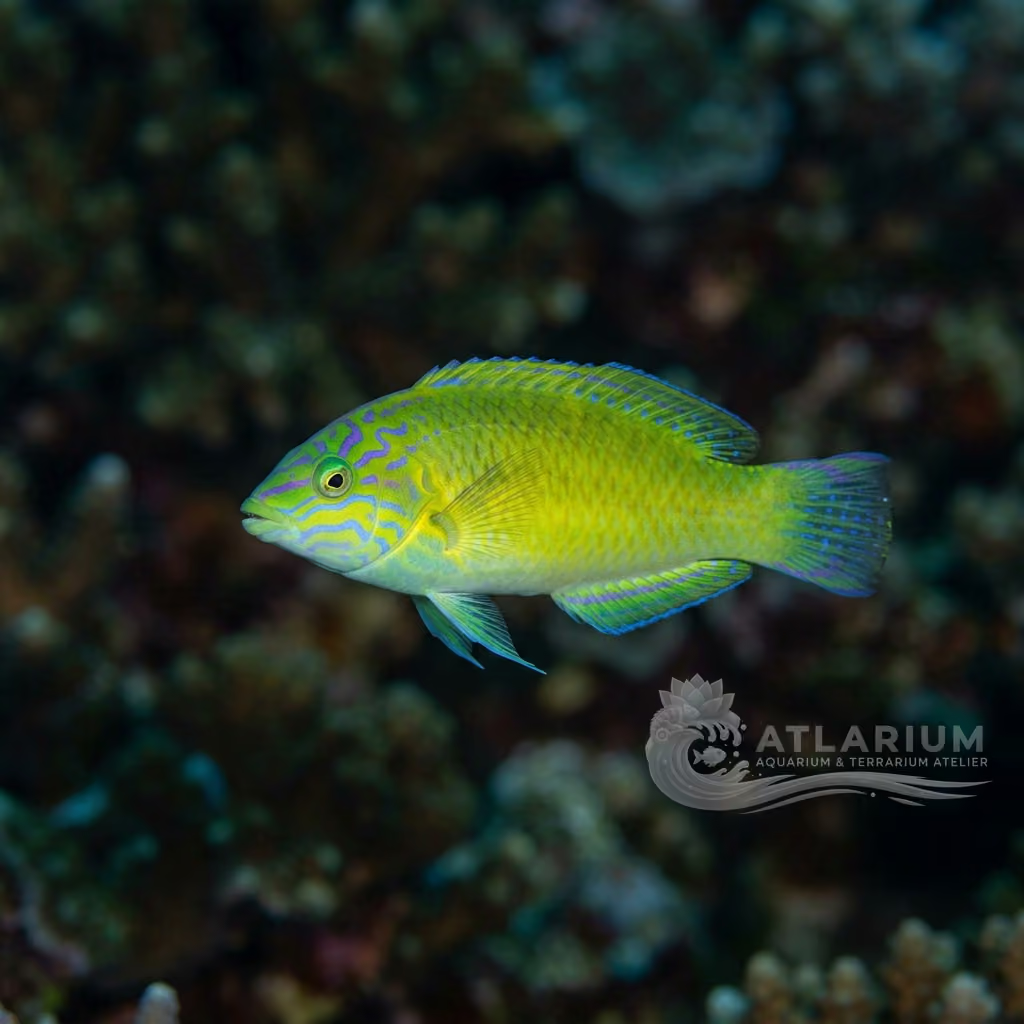
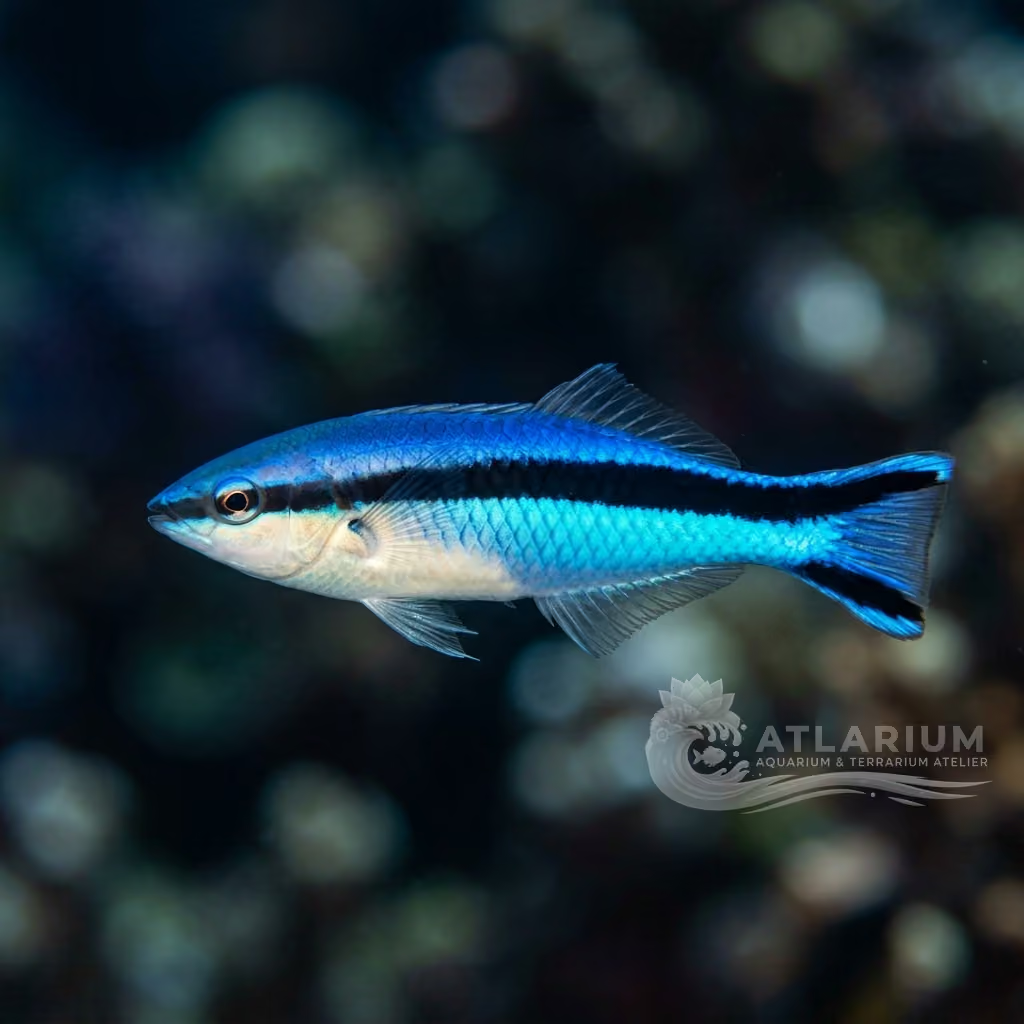
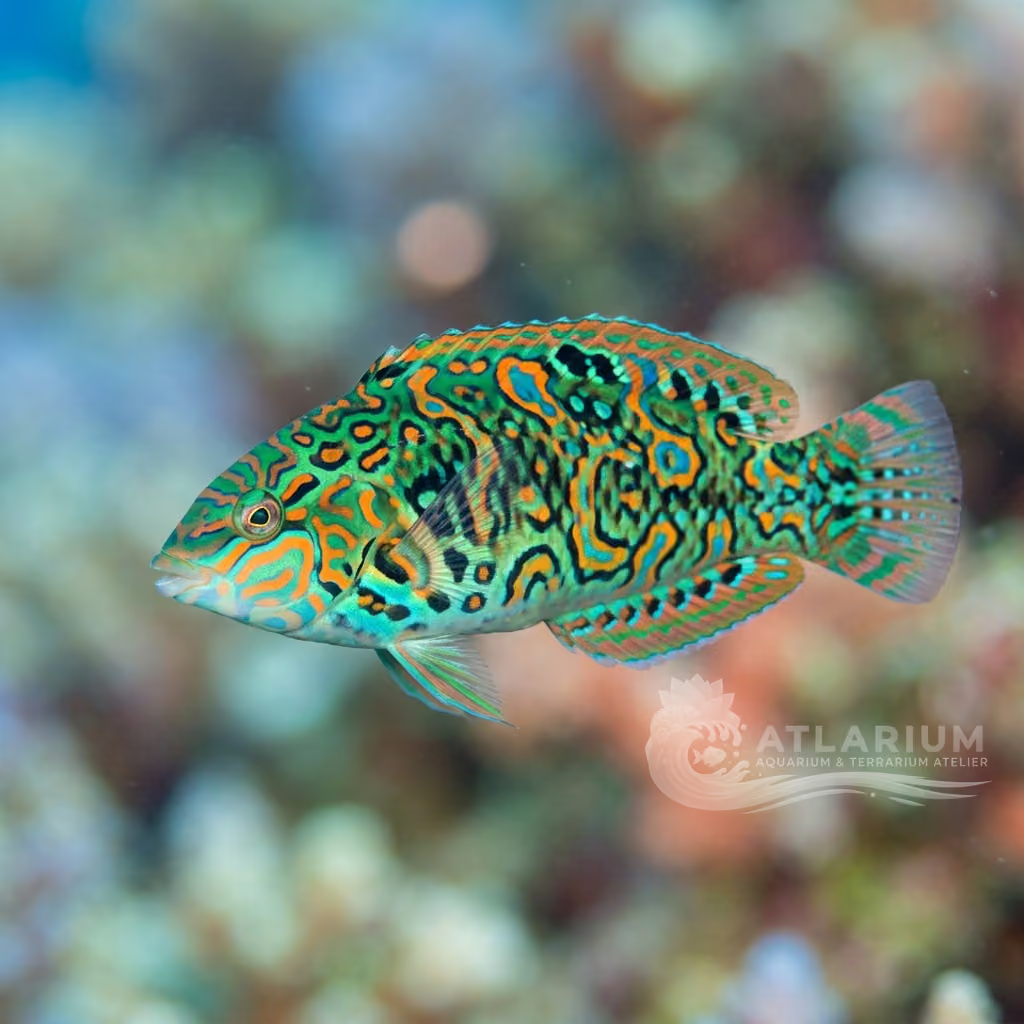
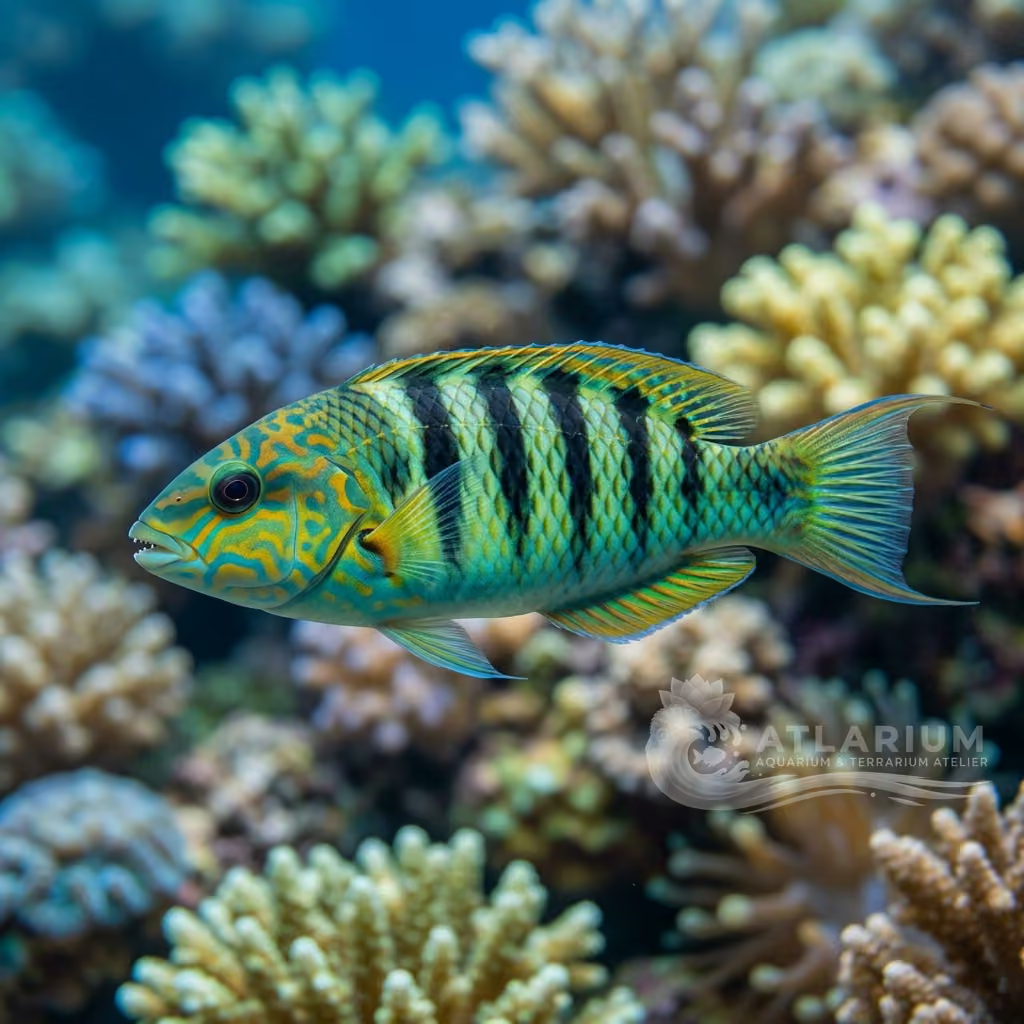
Coloration and Sexual Dimorphism: Known for its breathtaking color scheme. Females display bright orange bodies with longitudinal electric blue stripes and a neon blue tail. Males undergo a dramatic color change, turning brownish-yellow with blue markings.

Cuidado, criação e companheiros de tanque
Aquarium Setup: Requires an exceptionally large aquarium, minimum 600-800 liters (160-210 gallons), with ample open swimming space. A deep sand bed (8-10 cm / 3-4 inches) of fine, clean sand is vital. Ensure rockwork is stable to prevent collapse from digging.
Diet and Feeding: Notoriously difficult to feed. Initial feeding requires frequent daily offerings (4-5 times) of live copepods and amphipods, slowly weaning onto finely chopped frozen mysis, enriched brine shrimp, and krill.
Water Quality: Demands pristine water quality and high stability. Temperature should be kept at 21-25°C (70-77°F) as it prefers cooler subtropical waters. Keep pH at 8.2-8.4, salinity at 1.023-1.025. Strong water movement is mandatory.
Compatibility and Cohabitation: Generally peaceful with other species, but highly territorial against conspecifics of the same sex or similar-looking wrasses. Small ornamental shrimps and tiny snails will be systematically hunted and consumed.
Aquarium Breeding: Has not been successfully bred in captivity. Their spawning behavior involves high-speed pelagic ascents in open water, which cannot be adequately simulated in home aquariums.
Risks and Diseases: Exceptionally high mortality rate during transit and initial acclimation. Prone to stress-induced injuries, mouth damage from shipping bags, and fungal infections. Only suitable for advanced reef keepers with a mature reef ecosystem.

Origem e distribuição geográfica
Native to the southern Pacific Ocean, ranging from the eastern coast of Australia and Lord Howe Island to Easter Island. It inhabits subtropical coral reefs exposed to strong currents and surge zones, down to depths of 30 meters.
Origem
Oceanos tropicais e recifesAustrália, Nova Guiné e Oceania

Perfil de peixe
- Temperamento
- Aggressive
- Anampses femininus has a generally peaceful temperament toward other reef inhabitants but can exhibit territorial behavior toward conspecifics or similar-looking wrasses. They are highly active yet easily intimidated, requiring a calm environment to settle in without undue stress. Avoid housing them with overly aggressive or dominant tank mates that might harass them, causing them to hide indefinitely in the substrate.
- Dieta
- Carnivore
- The diet of Anampses femininus is strictly carnivorous and should consist of high-quality frozen foods such as mysis shrimp, vitamin-enriched brine shrimp, and finely chopped seafood. In nature, they forage continuously for small benthic invertebrates on rocks and sand, making an established aquarium with a healthy copepod population highly beneficial. Over time, they may accept high-quality pellet or flake foods, though protein-rich frozen fare should remain their primary sustenance.
- Expectativa de vida
- 5-8 years
- Tamanho adulto
- 24 cm
- Proporção sexual
- Harem
- Anampses femininus exhibits a harem-based social structure where a single dominant male coexists with several females. In most home aquariums, it is highly recommended to keep only a single specimen to avoid territorial aggression, especially among conspecifics. If attempting a group in an exceptionally large tank, one should introduce a single male with multiple females, ensuring there is never more than one male present in the system.
- Frequência de alimentação
- Twice daily
- Due to their high metabolic rate and constant active swimming, these wrasses require frequent feedings throughout the day. It is highly recommended to feed them three to four times daily in small portions to ensure they receive adequate nutrition. This frequent feeding schedule prevents emaciation and supports their overall health, particularly during the critical acclimation period.
- Carga biológica
- Medium to High
- The biological load of Anampses femininus is moderate to high due to their high metabolism and the necessity for multiple daily feedings of meaty foods. Captive care requires robust filtration, including an efficient protein skimmer, to keep organic wastes to a minimum and maintain pristine water conditions. Regular water changes and carbon filtration are highly recommended to prevent the accumulation of dissolved organics that could stress this delicate wrasse.
- Fluxo
- Strong
- This species prefers moderate to strong water flow, which mimics the natural reef environments they inhabit in the wild. Well-distributed current stimulates their swimming behavior and helps maintain high oxygen levels, which is critical for their health. However, it is important to provide some calmer areas in the aquarium where they can rest and feed comfortably without battling constant heavy currents.
- Risco de salto
- Yes
- Like most members of the Labridae family, Anampses femininus poses an extremely high risk of jumping. They are easily startled by sudden movements, lighting changes, or tank mates, and will instinctively leap from the water. It is absolutely mandatory to keep a tight-fitting lid or a fine mesh cover over the aquarium to prevent these active fish from escaping.
- Reprodução
- Oviparous
- Captive reproduction of Anampses femininus has not been successfully achieved in home aquariums due to their complex life cycle. In the wild, they are protogynous hermaphrodites that engage in broadcast spawning, releasing eggs and sperm into the water column. The requirement for vast swimming spaces for courtship and the extreme difficulty in feeding the delicate pelagic larvae make breeding them in captivity highly impractical.
- Compatibilidade e companheiros de tanque
- Peaceful
- Anampses femininus is compatible with most peaceful reef fish such as tangs, clownfish, and gobies. They are reef-safe with corals, though they may prey upon very small ornamental shrimp and micro-invertebrates. It is crucial to avoid housing them with highly aggressive or territorial tank mates like dottybacks or large angelfish, which can stress them and prevent successful acclimation.
- Nível do tanque
- Middle/Bottom
- The Feminine Wrasse primarily occupies the bottom and middle levels of the aquarium, where it actively swims and searches the live rock for micro-crustaceans. During the night or when startled, it retreats to the very bottom to bury itself completely in the fine sand bed. Providing both open swimming space in these zones and a deep substrate is essential for accommodating their dual swimming and resting behaviors.

Modelos e parâmetros científicos
FishBase
Acesso aos dados científicos oficiais da espécie
FishBase v25.04Dados sincronizados em: 15/06/2026
- Nível trófico
- 3,5 ± 0,4 se
- Resiliência
- Média (1,4 - 4,4 anos)
- Unicidade filogenética (PD50)
- 0.5002
- Relação bayesiana comprimento-peso
- a = 0.00977, b = 3.07
- VulnerabilidadeVulnerabilidade baixa (14 / 100)

Espécies relacionadas
Recomendações agrupadas por parentes próximos, escolhas de acompanhantes e cuidados semelhantes.