Golden Mantella
Mantella aurantiaca
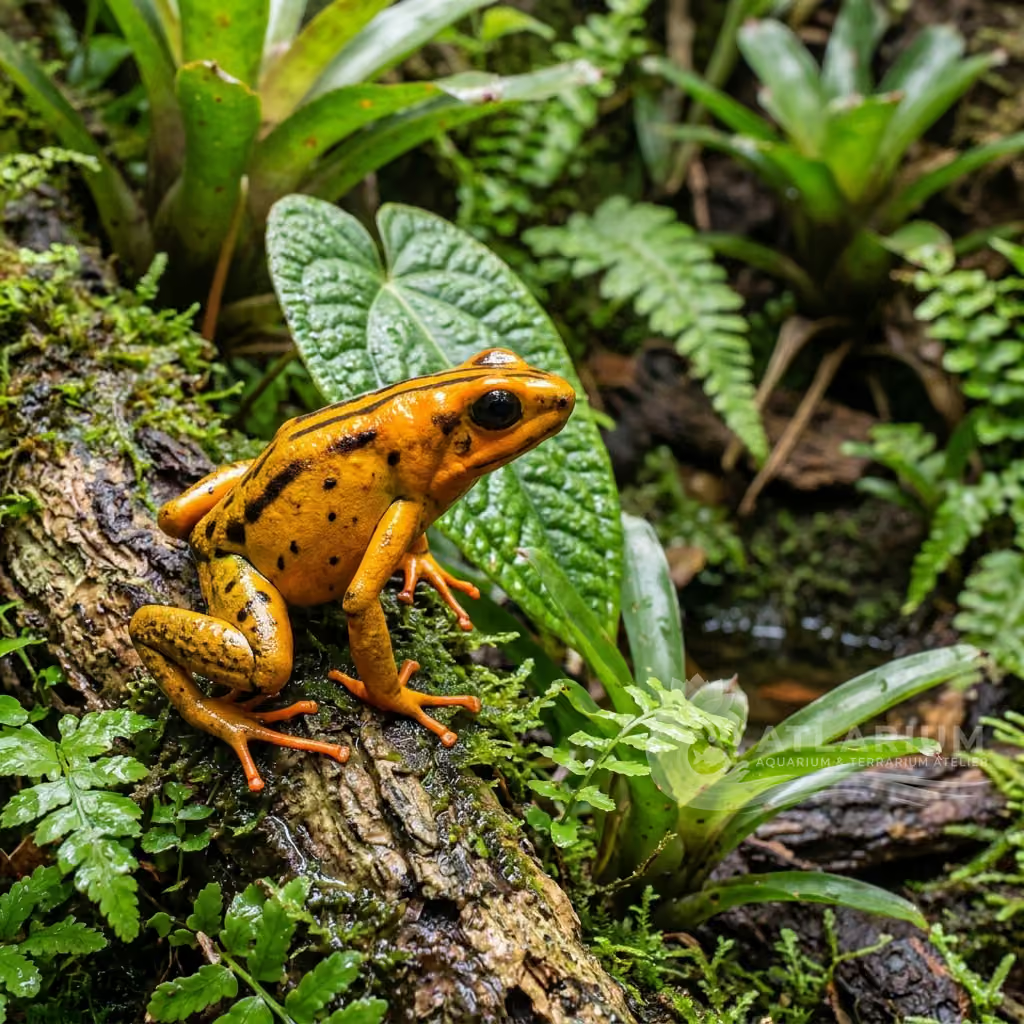
Discover the Golden Mantella, a tiny terrestrial jewel from Madagascar's cool montane forests. Social and vibrant orange, it flourishes in groups within a damp, heavily planted forest enclosure.
Ambiente
Terrestre
Umidade
70 - 90 %
Temperatura diurna
20 - 24 °C
Temperatura noturna
16 - 20 °C
UVB
Ferguson 2
UVI
0,7 - 1 UVI

Descrição da espécie
Geographical Origin and Habitat: Mantella aurantiaca is strictly endemic to a highly fragmented, small area in east-central Madagascar, primarily around the town of Moramanga (specifically the Torotorofotsy wetlands). It inhabits primary rainforests, swampy areas, and wetlands characterized by abundant sphagnum moss at elevations of 900 to 1,000 meters above sea level. It prefers cool, saturated microhabitats near seasonal pools.
Taxonomy and Genetics: Belonging to the family Mantellidae, this species is a classic example of convergent evolution with South American poison dart frogs (Dendrobatidae), sharing their small size, bright warning colors, and dietary-derived skin toxicity. Genetics show low diversity due to severe habitat fragmentation caused by agricultural expansion and logging.
Behavior and Habits: This frog is diurnal and strictly terrestrial. It is active throughout the day, foraging in the leaf litter for small invertebrates. During the cooler dry season, it undergoes a period of semi-dormancy (estivation), hiding beneath deep leaf litter, rotting logs, or root systems where humidity remains high.
Morphology: It features a compact, short body with a small head and prominent, large black eyes. The total adult length ranges from 2.0 to 3.0 cm, with females being significantly larger, plumper, and more rounded than males. The skin is smooth and bright orange; wild specimens possess toxic alkaloids, but captive-bred individuals lose this toxicity due to their non-wild diet.

Cuidado, criação e companheiros de tanque
Terrarium Setup: Requires a horizontally oriented bioactive terrarium. A minimum size of 60x40x40 cm is recommended for a small group of 3-4 frogs. The setup should include a drainage layer, covered by soil and a thick layer of leaf litter (oak or catappa leaves), along with live sphagnum moss and live plants like Pothos and Bromeliads for cover.
Lighting and Heating: Prefers cool, montane temperatures. Daytime temperatures must be kept between 20 and 23 °C, with a maximum limit of 24 °C. Exposure to temperatures above 26 °C is highly dangerous and can be fatal. Nighttime temperatures should drop to 16-18 °C. Provide low-output UVB lighting (2% or 5%) to aid vitamin D3 synthesis.
Humidity and Hydration: Relative humidity must remain high, ideally between 80% and 90%. Mist the enclosure twice daily with RO water to prevent mineral buildup on plants. Avoid deep water features as these frogs are poor swimmers and can easily drown; a shallow water dish or wet moss area no more than 5 mm deep is sufficient.
Feeding and Supplementation: Feed exclusively on tiny live insects, such as fruit flies (Drosophila), pinhead crickets, springtails, and aphids. Food must be dusted with calcium and vitamin D3 supplements at least twice a week, along with a comprehensive amphibian multivitamin to prevent nutritional metabolic bone disease.
Compatibility: Social and thrives in small groups if adequate space and hiding spots are provided. Males will establish calling territories and make quiet, cricket-like chirping sounds, but aggressive physical contact is rare. Never house with other amphibian species to prevent cross-contamination of pathogens.
Health and Common Diseases: Chytridiomycosis (a fungal infection) is the most critical threat to amphibians. Other common health issues include Metabolic Bone Disease (MBD) caused by lack of calcium, and ammonia toxicity from dirty substrate. A bio-active setup with springtails and isopods helps process waste and maintain healthy conditions.

Origem e distribuição geográfica
Mantella aurantiaca is strictly endemic to a highly fragmented, small area in east-central Madagascar, primarily around the town of Moramanga (specifically the Torotorofotsy wetlands). It inhabits primary rainforests, swampy areas, and wetlands characterized by abundant sphagnum moss at elevations of 900 to 1,000 meters above sea level. It prefers cool, saturated microhabitats near seasonal pools.
Origem
África e Madagascar

Perfil anfíbio
- Dieta
- Insectivore
- The diet of Mantella aurantiaca must be carefully managed to ensure optimal health and longevity. In its natural habitat, Mantella aurantiaca typically consumes a variety of specific prey items or plant matter. Captive specimens require a similarly balanced intake, often supplemented with essential vitamins and calcium. It is important to offer food that is appropriately sized to avoid choking or digestive issues. Regular monitoring of their feeding response helps in identifying any potential health problems early.
- Expectativa de vida
- 5-10 years
- Tamanho adulto
- 2.5 cm
- Estilo de vida/Microhabitat
- Terrestrial
- The lifestyle of Mantella aurantiaca varies greatly depending on whether they are terrestrial, arboreal, aquatic, or semi-aquatic. Designing an enclosure that accommodates their specific mode of living is essential for their physical and mental health. This includes providing the right substrate, climbing branches, or water features as needed. A proper setup allows Mantella aurantiaca to exercise, hide, and thermoregulate effectively. Understanding their lifestyle choices helps in creating a thriving captive environment.
- Ciclo de atividades
- Diurnal
- The activity pattern of Mantella aurantiaca typically dictates when they feed, explore, and rest. Depending on their biology, they may be predominantly active during the day, night, or twilight hours. Replicating appropriate lighting and temperature cycles is crucial for maintaining their natural rhythm. Disruptions to this schedule can lead to stress and a decline in the health of Mantella aurantiaca. Keepers should try to interact with them during their most active periods to minimize disturbance.
- Socialidade
- Gregarious
- The behavior of Mantella aurantiaca is deeply influenced by its natural instincts and environment. These creatures exhibit unique social and territorial behaviors that must be respected in captivity. Providing a habitat that mimics their wild surroundings can greatly reduce stress and encourage natural activities. Mantella aurantiaca may show specific defensive or communicative displays when interacting with its environment. Observing these behaviors is key to understanding their overall well-being and comfort.
- Reprodução
- Oviparous
- Reproduction in Mantella aurantiaca requires specific environmental triggers such as temperature and humidity changes. Breeding these animals in captivity can be challenging and often demands a dedicated setup. Once successful mating occurs, careful attention must be given to the incubation of eggs or the care of live young. The offspring of Mantella aurantiaca are usually fragile and require highly specific conditions to thrive. Keepers must thoroughly research their reproductive cycle to achieve positive breeding results.
- Toxicidade
- Harmless
- Similar to dart frogs, wild Mantellas derive toxic skin alkaloids from their specific native diet in Madagascar. Captive-bred specimens do not consume these toxic prey items and are completely harmless to keep. Their striking orange coloration remains a permanent warning to potential predators regardless of actual toxicity.
- Estágio de vida
- Metamorphosis
- Tadpoles are aquatic and herbivorous/omnivorous, feeding on algae and detritus until metamorphosis. Froglets emerge from the water completely brown or olive, taking several weeks or months to develop their iconic bright orange adult coloration. Adults are extremely small but highly active, living approximately 5 to 8 years.
- Tolerância de tratamento
- Display only
- Mantellas are extremely fragile, fast-moving, and easily stressed by human interaction. Handling should never occur unless medically necessary, as the salts and oils on human hands are toxic to their skin. Transfers should always be done by ushering the frog gently into a plastic cup.
- Brumação
- Obrigatório
- To simulate their natural environment and trigger breeding, a cool, drier "winter" period (around 60-65°F) is often provided for 2-3 months. During this resting period, feeding is reduced, and misting is decreased. After this period, heavy misting and warmer temperatures simulate the rainy season, prompting reproductive behavior.
- Muda
- Periodic
- Like other small frogs, they undergo frequent, rapid molts that are rarely witnessed by their keepers. The frog will stretch, yawn, and use its legs to push the old skin into its mouth. Ingesting the shed skin completely removes evidence of their presence from predators and recycles nutrients.

Espécies relacionadas
Recomendações agrupadas por parentes próximos, escolhas de acompanhantes e cuidados semelhantes.