Bandit Cichlid (Geayi)
Guianacara geayi
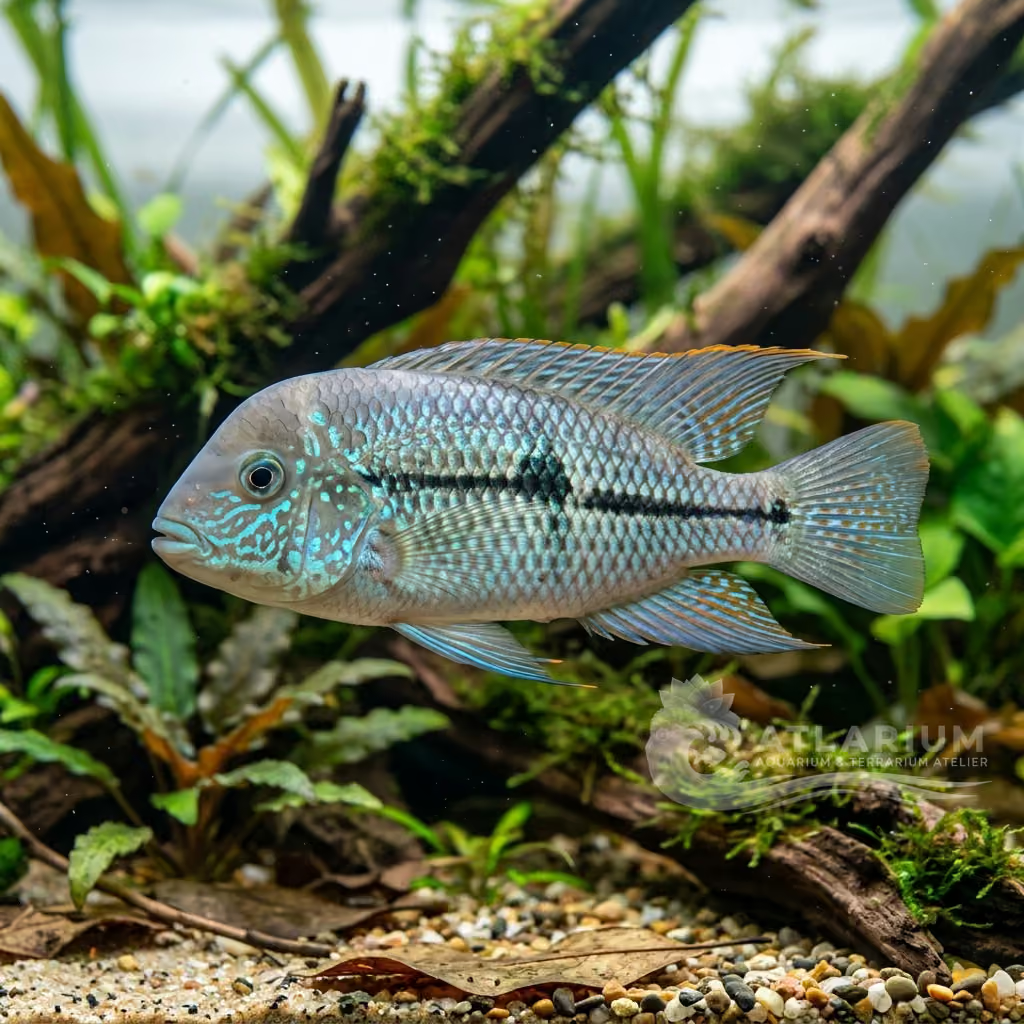
Fascinating digging cichlid (12-15 cm) known for the large oblique black stripe over the eye (like a bandit). Builds deep tunnels by digging under rocks and wood. Harmless.
Température de l’eau
24 - 28 °C
Valeur du pH
6 - 7.5
Type d'eau
Eau douce
Niveau dans le bac
Fond et milieu
Taille adulte
14 cm
Volume minimal du bac
>= 180 L
Groupe minimal
>= 1
GH
2 - 12 dGH
KH
1 - 6 dKH
TDS
40 - 240 ppm
Conductivité
63 - 375 uS/cm

Description de l'espèce
Geographical Origin and Habitat: South America (French Guiana and Suriname). Lives in small coastal rivers, hiding among flooded forests and intricate masses of woods and fallen dead leaves.
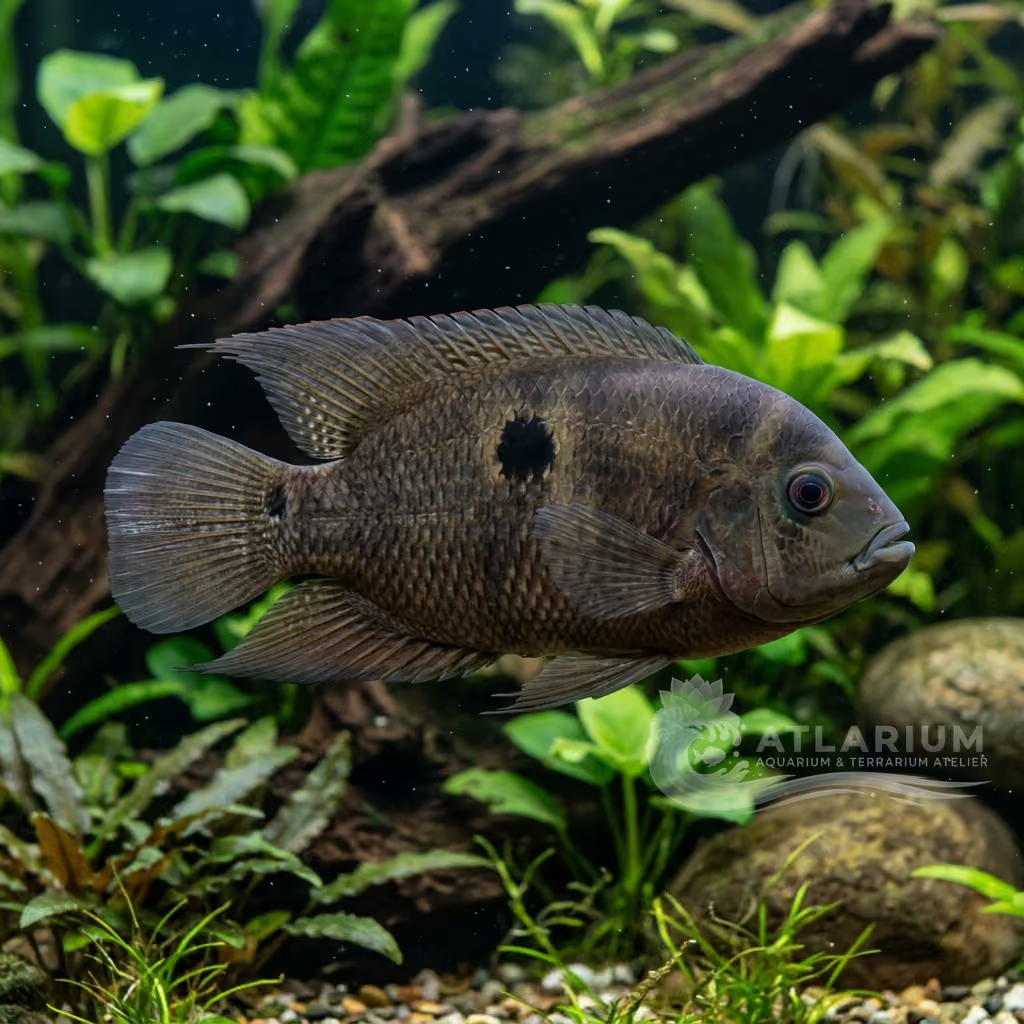
Taxonomy and Morphology: Bandit Cichlid (Guianacara geayi). Belongs to the "Geophaginae" clade. Unusual profile for geophagines: it has a flattened snout and a very steep forehead ("mastiff face"). Corpulent, squat disc and with long black pelvic fins.
Social Behavior: A true "engineer" Cichlid. Obsessive and tireless digger. Peaceful and shy (often gregarious when young), but in the reproductive phase the pairs claim a cave and brutally destroy anyone who approaches.
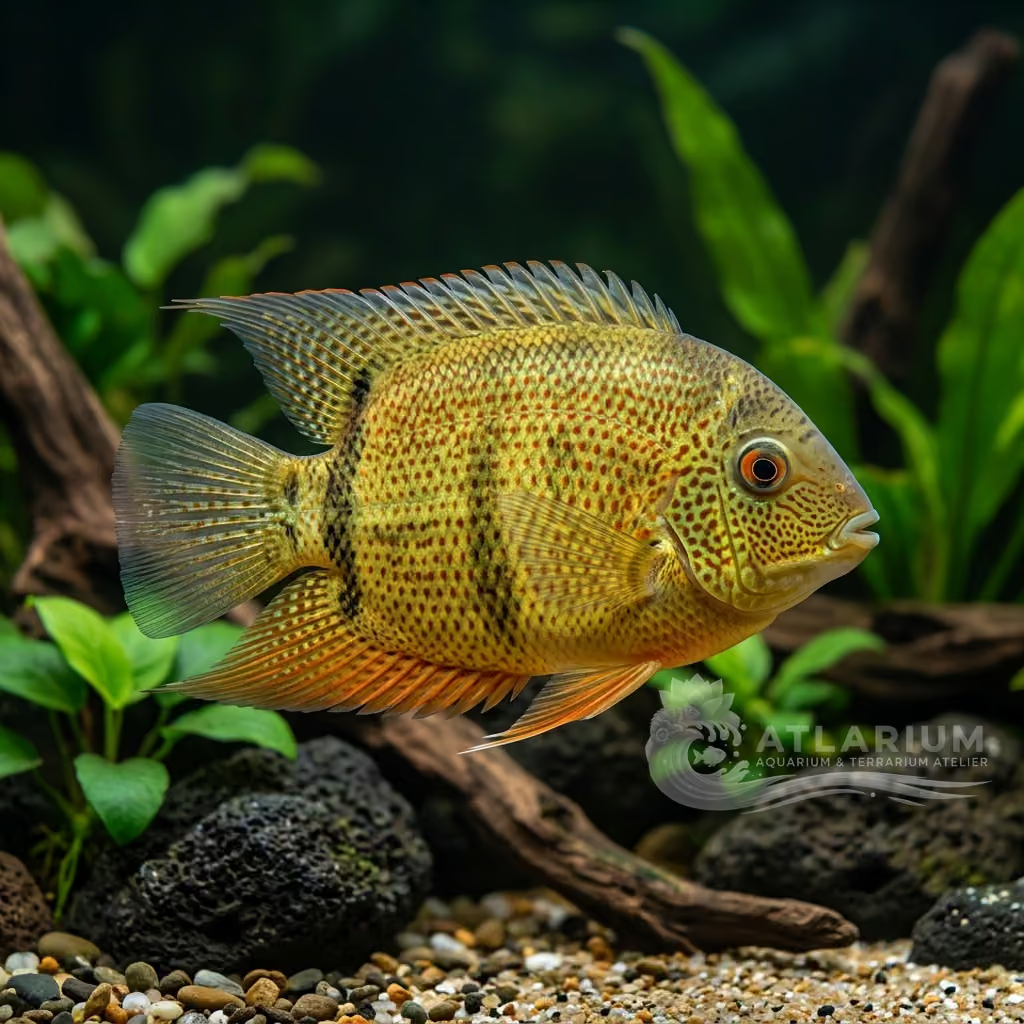
Coloration and Sexual Dimorphism: The name "Bandit" derives from the very strong black band that vertically crosses the eye and the blurred teardrop spot on the flank (which in geayi does not reach the belly). Massive adult males with pronounced nuchal "hump" and white-blue reflections.

Soins, reproduction et cohabitation
Aquarium Setup: Requires a lot of architecture. The tank (minimum 120 cm / 48 inches) must be equipped with mandatory fine sand and many "Dens" built firmly with flat stones or coconut pots. They will dig craters right under the stones; make sure the glass is the base to avoid deadly collapses.
Diet and Feeding: Sand sifter (Eartheater). Offer food that sinks: garlic-spiced cichlid pellets, chopped earthworms, krill and granules that it will swallow expelling the sand.
Water Quality: Pure Amazonian fish. Seeks acidic water (Blackwater) loaded with tannins and very clean. If the water becomes loaded with phosphates from submerged food, they will show signs of rubbing on roots.
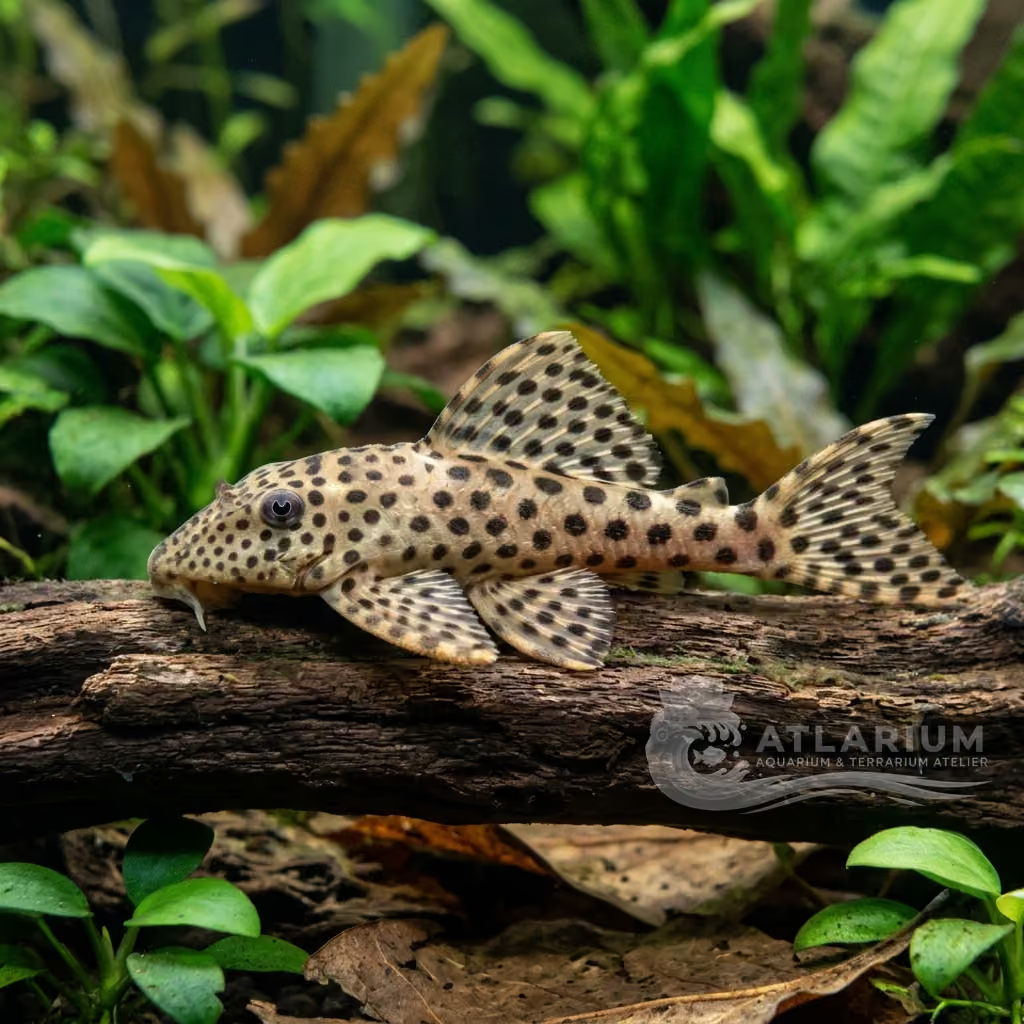
Compatibility and Cohabitation: Perfect mid-tank tankmates: Carnegiella (Hatchetfish), large Hemigrammus, Ancistrus and L104. Not recommended with Corydoras (who would end up mutilated invading the breeding caves of Guianacaras) or Apistogramma (would be killed).
Aquarium Breeding: Fascinating Cave Spawner. The male guards the entrance by digging mountains of sand like trenches, while the female sticks up to 300 eggs to the ceiling of the cave. Extremely caring parents.
Risks and Diseases: Collapse injuries. Their habit of digging all day under wooden or stone structures often leads to the collapse of the furniture, which crushes and kills the fish.

Origine et répartition géographiques
South America (French Guiana and Suriname). Lives in small coastal rivers, hiding among flooded forests and intricate masses of woods and fallen dead leaves.
Origine
Océans tropicaux et récifsAmazonie, Orénoque et GuyanesAsie de l'Est

Profil de poisson
- Tempérament
- Semi-aggressive
- They are peaceful when young but become territorial when breeding. Their behavior is highly inquisitive and engaging. They love to interact with their environment by moving sand and small pebbles.
- Régime alimentaire
- Omnivore
- They are omnivorous earth-eaters. They eagerly consume sinking pellets, bloodworms, and vegetable matter. Sifting sand through their gills helps them find microscopic food particles.
- Espérance de vie
- 5-8 years
- Taille adulte
- 14 cm
- Ratio des sexes
- Pair
- Keeping them in a small group of 5 to 6 allows pairs to form naturally. Once a pair bonds, the remaining fish may need to be removed. A bonded pair works together flawlessly.
- Fréquence d'alimentation
- Twice daily
- Feed them small amounts twice a day. Overfeeding will quickly degrade the water parameters. Sinking foods are best to accommodate their bottom-feeding nature.
- Charge biologique
- Medium
- These cichlids have a moderate to high bioload. As they dig and eat heartily, they produce considerable waste. Heavy mechanical and biological filtration is absolutely essential.
- Courant
- Stagnant
- They prefer a moderate to low water flow. Gentle currents simulate their natural slow-moving river habitats. Strong powerheads will only stress them out.
- Risque de saut
- Yes
- Jump risk is generally low. They spend the vast majority of their time near the substrate. However, a secure lid is always a sensible precaution against accidents.
- Reproduction
- Oviparous
- They are cave spawners that exhibit excellent parental care. Both parents aggressively guard the fry from all intruders. Breeding them in a dedicated tank is a fascinating experience.
- Compatibilité et compagnons
- With caution
- They are relatively peaceful for South American cichlids. They can be kept with robust tetras and medium-sized plecos. Avoid very small fish that could fit in their mouths.
- Niveau dans le bac
- Middle/Bottom
- They are primarily bottom dwellers. They spend their days constantly sifting and rearranging the sandy substrate. A soft sand bottom is crucial to prevent gill damage.

Modèles et paramètres scientifiques
FishBase
Fenêtre sur les données scientifiques officielles de l’espèce
FishBase v25.04Données synchronisées le : 15/06/2026
- Niveau trophique
- 3,3 ± 0,5 se
- Résilience
- Élevée (moins de 15 mois)
- Singularité phylogénétique (PD50)
- 0.5078
- Relation bayésienne longueur-poids
- a = 0.01148, b = 3.14
- VulnérabilitéVulnérabilité faible (10 / 100)

Espèces associées
Recommandations regroupées par proches parents, compagnons et soins similaires.