Hymenasplenium Fern
Hymenasplenium obscurum
A rare rheophilic fern from Asia that anchors to hardscape. It prefers shaded, low-light environments and slow growth, making it ideal for natural-looking, moss-covered wood and rocky layouts.
Water Temperature
18 - 26 °C
pH Value
6 - 8
Water type
Freshwater
Light
Low to High
CO2
Low - High
GH
2 - 15 dGH
KH
0 - 14 dKH

Species description
Geographical Origin and Habitat: Hymenasplenium obscurum is a rheophilic fern native to the tropical and subtropical regions of East and Southeast Asia. In its natural habitat, it grows anchored to damp rocks, along the banks of shaded forest streams, and near waterfalls where it is constantly exposed to water spray or seasonal flooding. This lifestyle has adapted the plant to develop a strong, anchor-like root system suited for gripping hard surfaces rather than burying into soil.
Taxonomy & Genetics: This fern belongs to the family Aspleniaceae and was historically classified under the genus Asplenium before being moved to Hymenasplenium. This taxonomic reclassification is supported by genetic and morphological studies showing clear differences in rhizome structure and spore morphology compared to terrestrial Asplenium species. It is closely related to other aquatic ferns but has distinct growth characteristics.
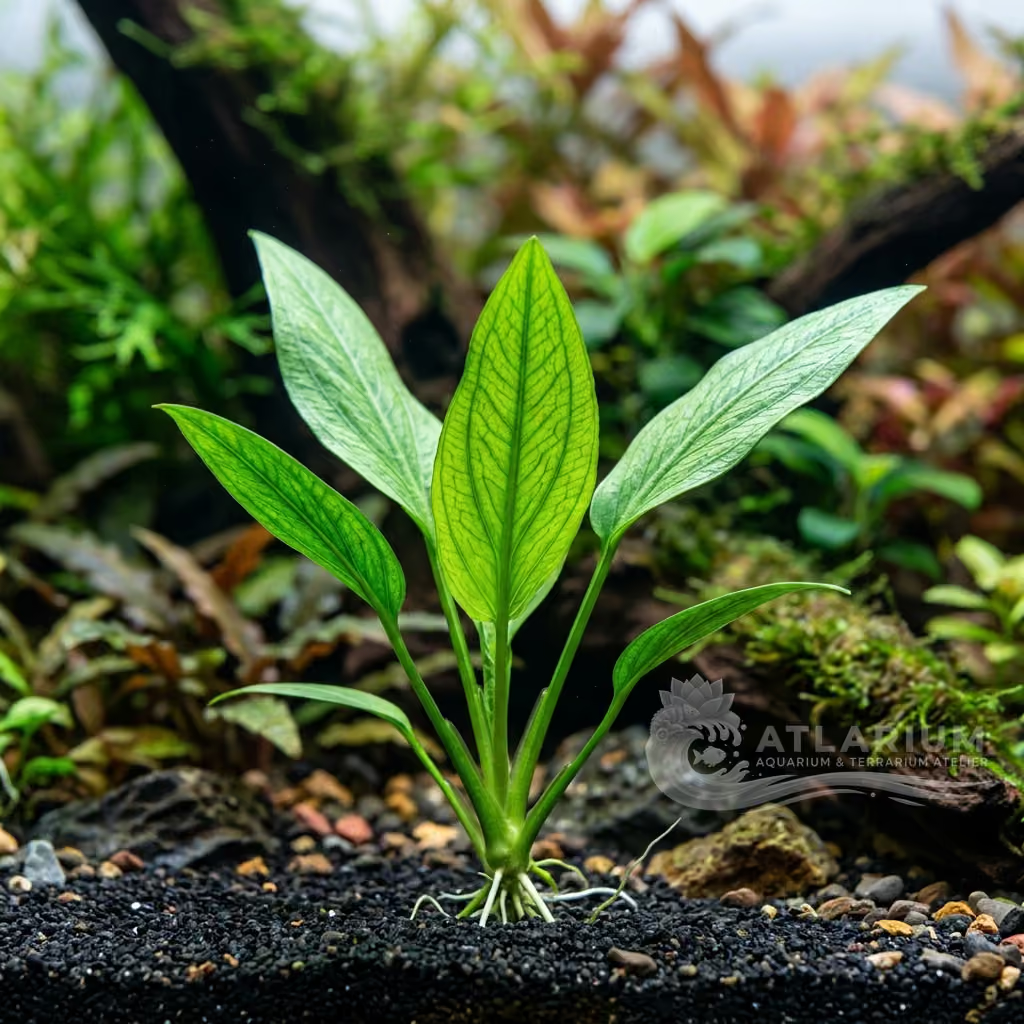
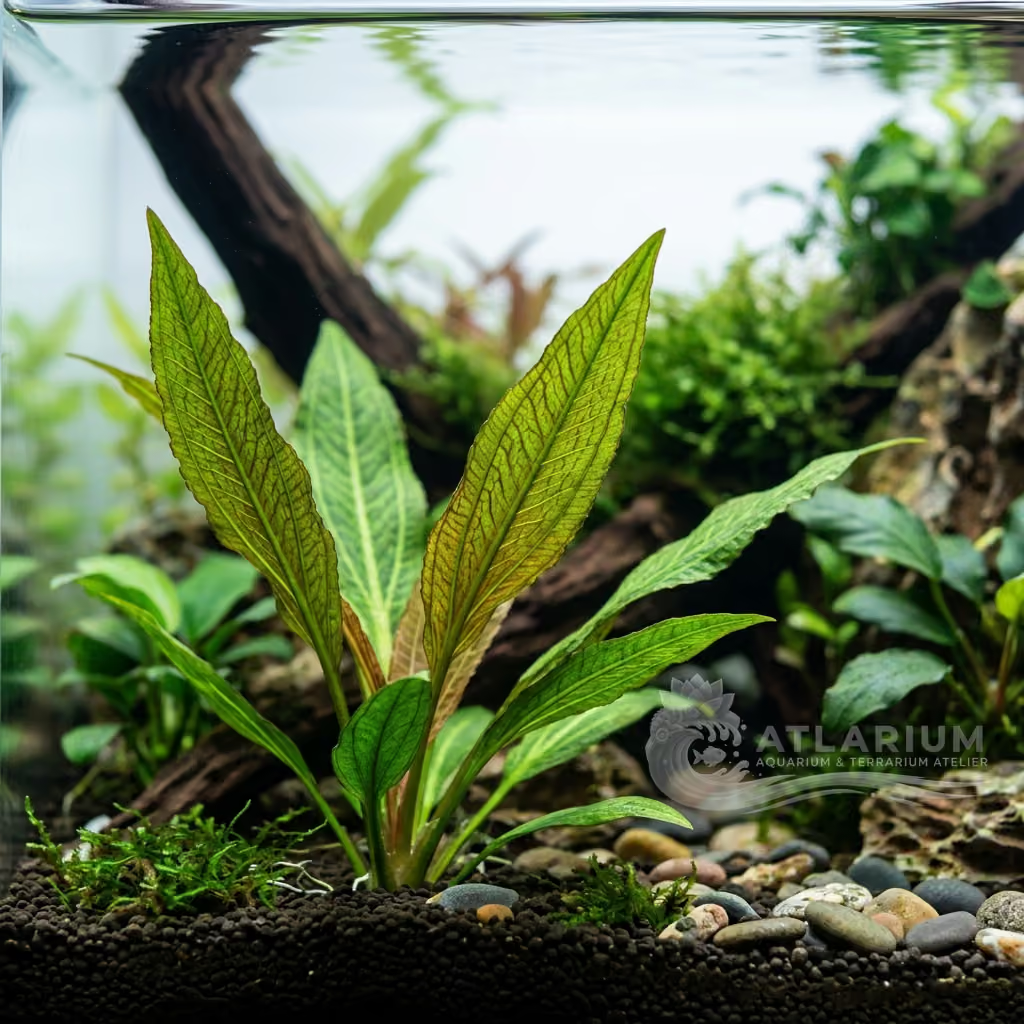
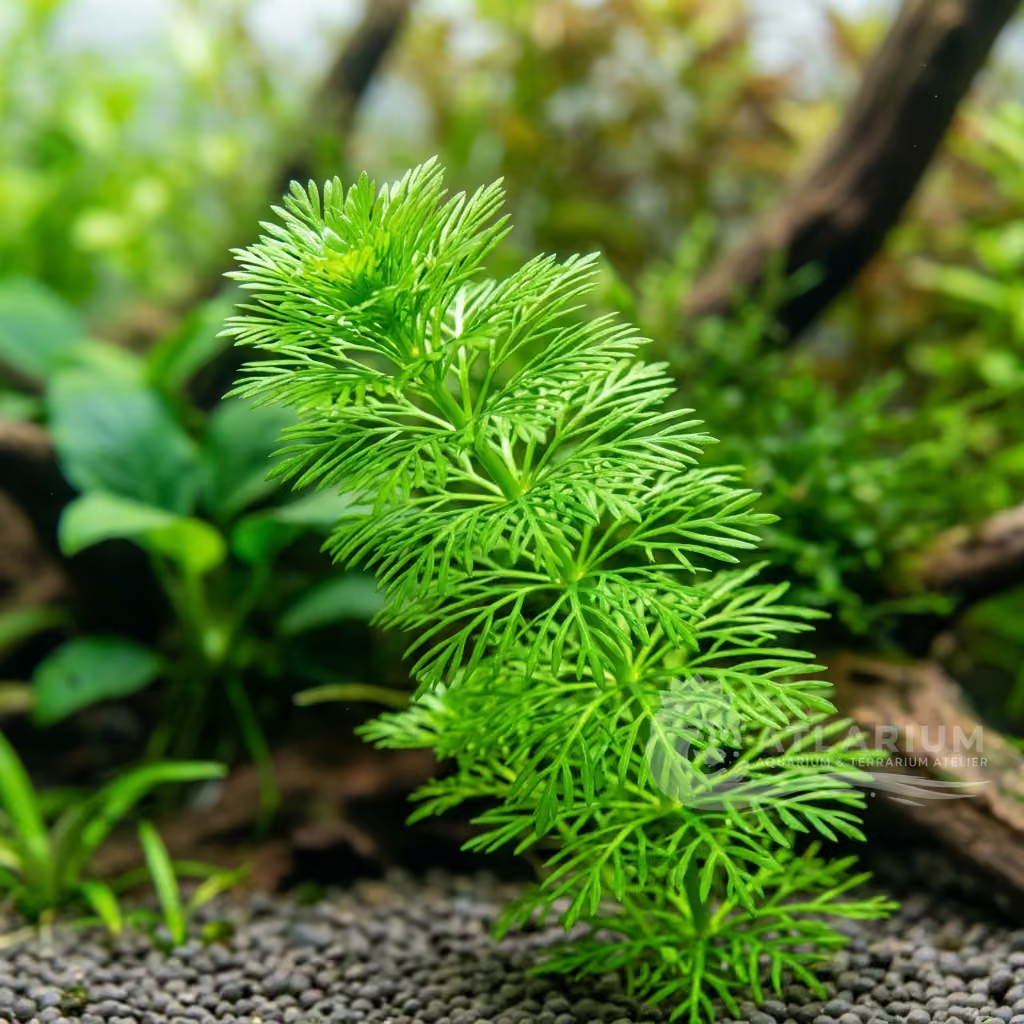
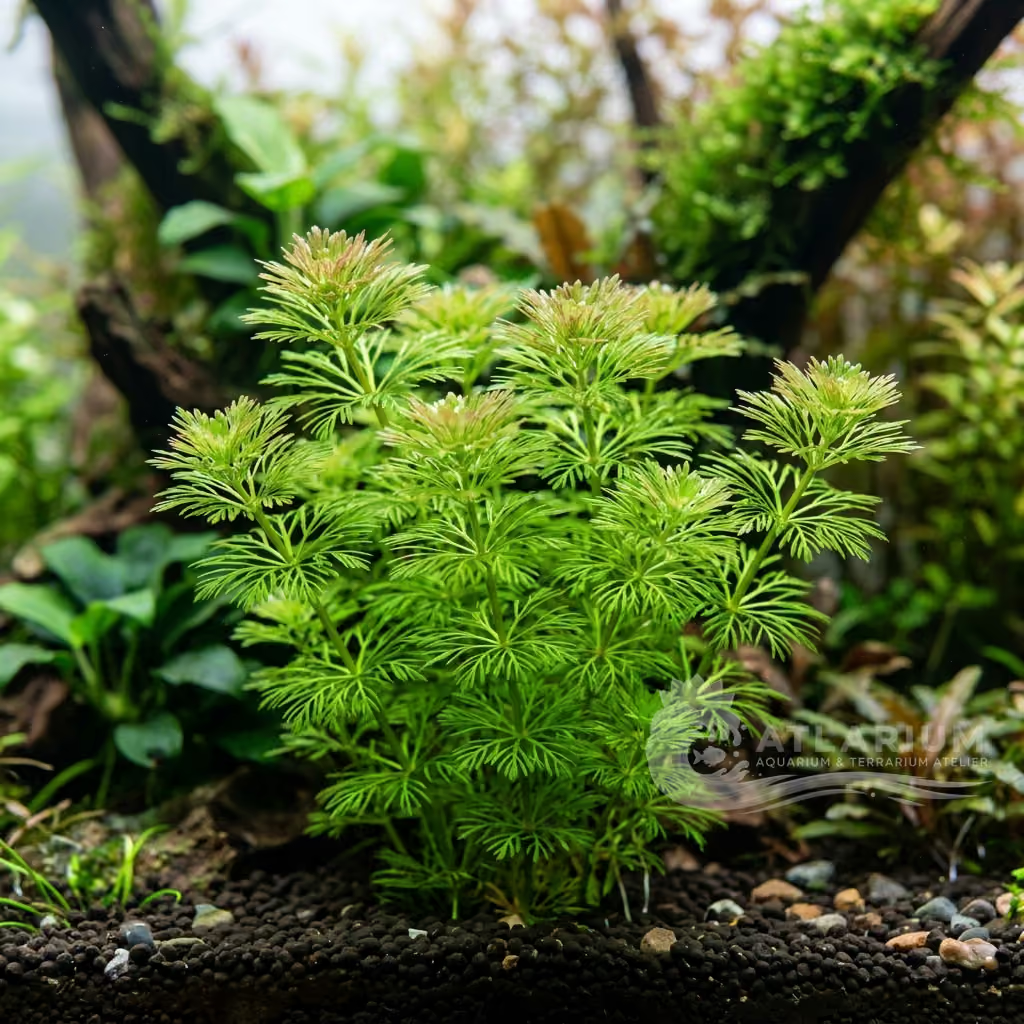
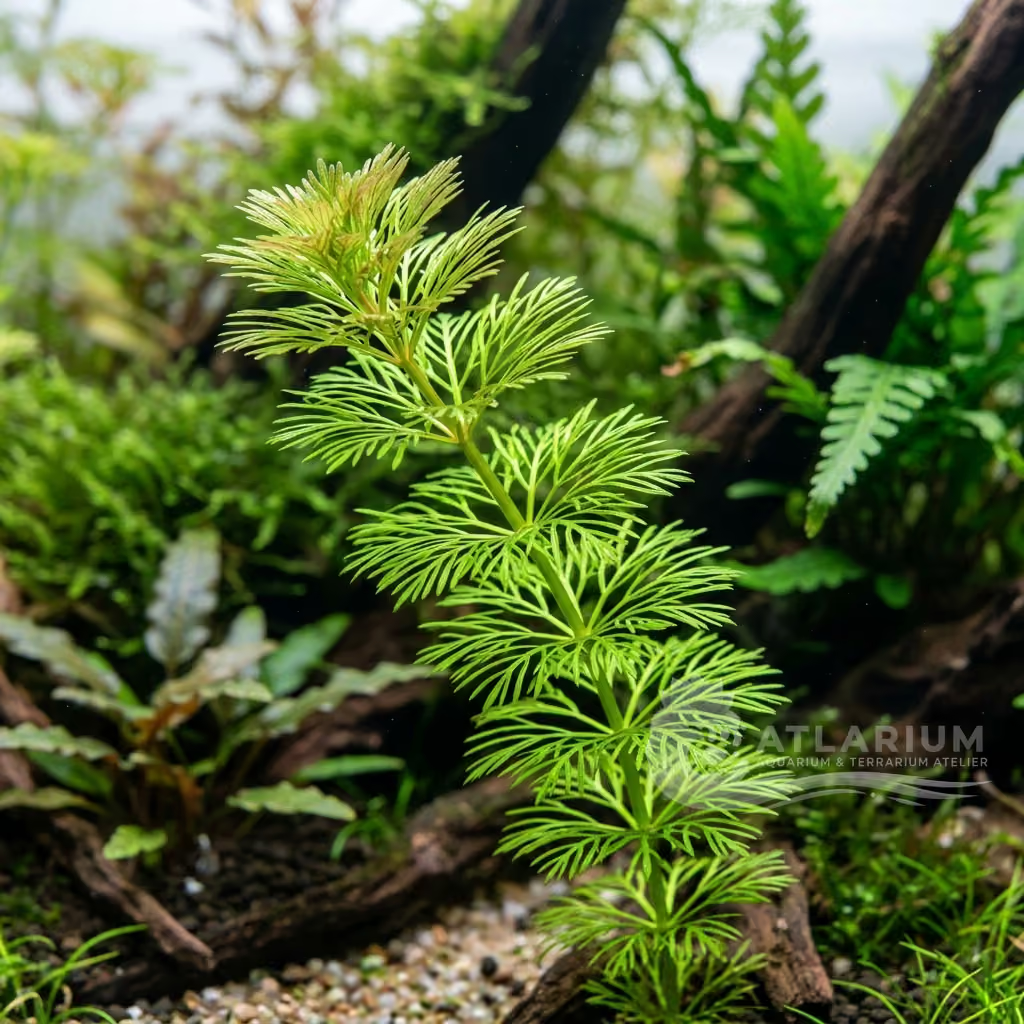
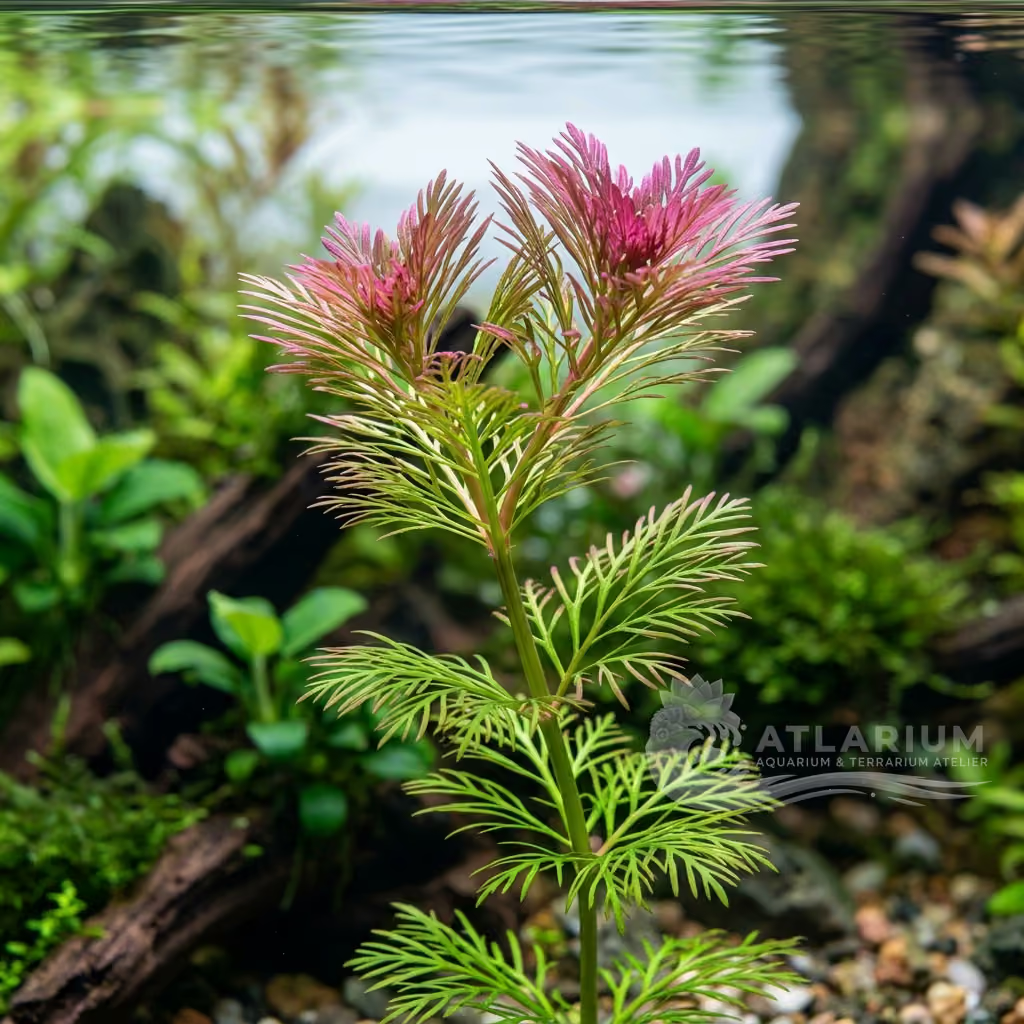
Physical Structure: The plant structure consists of a creeping, tough, fibrous rhizome from which dark roots and pinnate fronds emerge. The fronds are divided with well-defined lobes, featuring a rigid structure that helps them withstand strong water currents in their native streams. It exhibits a slow, horizontal growth habit, gradually forming a dense network of overlapping leaves.
Color & Texture: The color of Hymenasplenium obscurum is a dark, deep green, which can appear almost black under low-light conditions, giving rise to its specific epithet 'obscurum'. The leaves have a semi-glossy, leathery texture, providing a wild and natural aesthetic. The frond surface is slightly rough, preventing detritus from sticking and keeping the leaf blades clean even in debris-heavy currents.

Care, breeding and tankmates
Lighting & CO2: This fern prefers low to moderate lighting, replicating its natural forest understory habitat. Strong light can burn the fronds or encourage algae growth on the leaf surfaces. CO2 injection is not essential, but low levels will support consistent growth and result in healthier, more robust foliage over time.
Nutrition & Substrate: As an epiphytic plant, Hymenasplenium obscurum must never be buried in the substrate, as the rhizome will rot if starved of oxygen. Instead, it should be tied or glued to driftwood, rocks, or other hardscape elements. It absorbs all its nutrients from the
Water Chemistry: Highly tolerant of varying water parameters, it thrives in a pH range of 6.0 to 8.0 and a water hardness from soft to moderately hard (KH 0-14). The ideal water temperature is between 18 and 26 °C. It is a stable plant that is not easily affected by minor chemical fluctuations, provided there are no sudden temperature changes.
Space Management & Placement: Ideally placed in the midground, this fern is excellent for filling gaps between rocks or decorating driftwood branches. It is a perfect choice for nature-style aquariums or paludariums, where it can also grow emersed under high humidity, covering shaded areas beneath larger plants.
Pruning: Pruning is minimal due to the plant's extremely slow growth rate. It is limited to removing old, damaged, or yellowing fronds by cutting them close to the rhizome using sharp scissors. This encourages the growth of new, healthy leaves and keeps the plant looking neat in the aquascape.
Risks & Diseases: The primary risk is rhizome rot, which occurs if the rhizome is buried or covered by organic sludge. Another common issue is colonization by Black Brush Algae (BBA) on older leaves, caused by slow growth and poor water flow. Affected leaves should be pruned promptly to prevent the spread of algae.

Geographic origin and distribution
Hymenasplenium obscurum is a rheophilic fern native to the tropical and subtropical regions of East and Southeast Asia. In its natural habitat, it grows anchored to damp rocks, along the banks of shaded forest streams, and near waterfalls where it is constantly exposed to water spray or seasonal flooding. This lifestyle has adapted the plant to develop a strong, anchor-like root system suited for gripping hard surfaces rather than burying into soil.
Origin
East AsiaSouth and Southeast Asia

Plant profile
- Placement
- Midground
- As an epiphyte, this fern must be attached to hardscape elements like rocks or driftwood. Do not bury its rhizome in the substrate, or it will eventually rot. It thrives best in shaded or dimly lit areas of the aquarium. Placing it in the midground among crevices creates a highly natural look.
- Botanical form
- rhizome or creeping stem
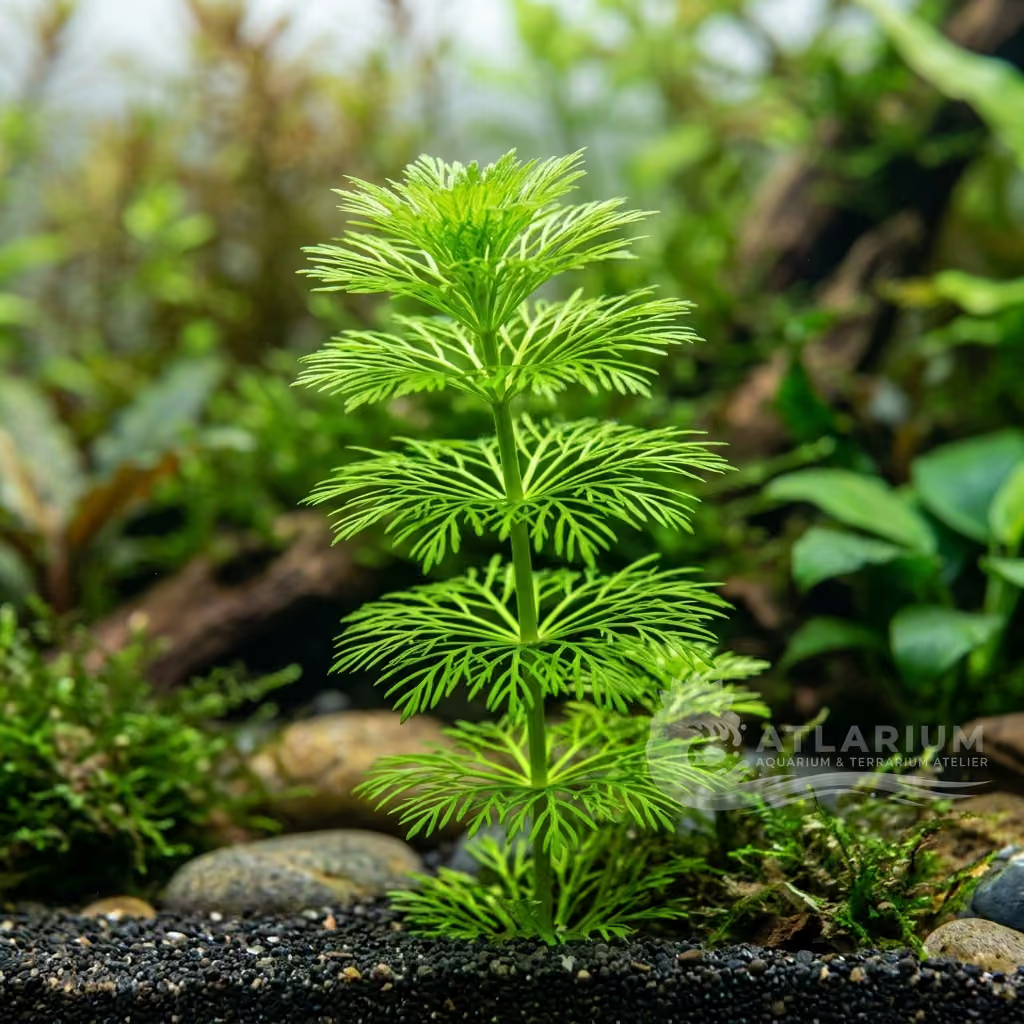
- It features delicate, translucent leaves that are finely divided and somewhat frilly. The leaves grow from a creeping, horizontal rhizome. The dark green, almost completely transparent foliage gives it a very fragile and elegant appearance. It remains relatively small and compact.
- Growth
- Slow
- It is known for its exceptionally slow growth rate, producing new leaves very gradually. Even with the addition of CO2 and fertilizers, its speed will only increase marginally. This slow pace makes it a fantastic, low-maintenance plant. Patience is key when cultivating this species.
- Substrate
- None
- Hymenasplenium obscurum is a rheophytic fern that naturally grows attached to rocks, driftwood, and other hardscape materials rather than rooted in soil. Its dark, wiry rhizomes use specialized root-like structures to establish a firm grip on porous surfaces, extracting nutrients solely from the water column. The rhizome must never be buried in any substrate, as doing so will cause it to suffocate and rot, leading to the rapid decline of the plant.
- Column fertilization
- Recommended
- Liquid column fertilization is the primary way this plant takes in nutrients. Because it is a slow grower, it requires only very lean dosing. A simple, all-in-one liquid fertilizer applied sparingly is more than enough to keep it healthy. Clean water is much more important than heavy feeding.
- Root fertilization
- None
- This fern does not have true roots designed to draw nutrients from the soil. Its root-like structures are merely holdfasts used to anchor itself to wood and rock. Therefore, nutrient-rich substrates and root tabs offer no direct benefit. It relies entirely on the water column for sustenance.
- Trimming
- Occasional
- Trimming is rarely needed due to its slow growth. Maintenance mostly involves removing older, browning, or algae-covered leaves. Cut the leaf stem as close to the rhizome as possible using sharp scissors. Ensure you do not accidentally sever the main rhizome while cleaning.
- Propagation
- Cuttings
- Propagation is straightforward and involves dividing the rhizome. Carefully cut the creeping rhizome into smaller sections, ensuring each piece has a few healthy leaves attached. Reattach the newly cut sections to different pieces of hardscape. They will continue to grow slowly from the cut points.
- Sensitivity
- Moderate
- It is extremely sensitive to intense light, which can bleach the leaves or cause severe algae outbreaks on the slow-growing fronds. It can also be sensitive to fluctuating water parameters or poor water quality. Maintain excellent filtration and gentle flow. Keep it shaded by taller stem plants or hardscape.
- Layout role
- Epiphyte
- It is an exquisite detailing plant used to add texture and age to hardscape. Its delicate, frilly leaves contrast beautifully with broader Anubias or Bucephalandra species. It thrives in the shadows where other plants might struggle. It is perfect for creating dark, mysterious, and mature aquascapes.

Related species
Recommendations grouped by close relatives, companion choices, and similar care.