Woodhead's Angelfish
Centropyge woodheadi
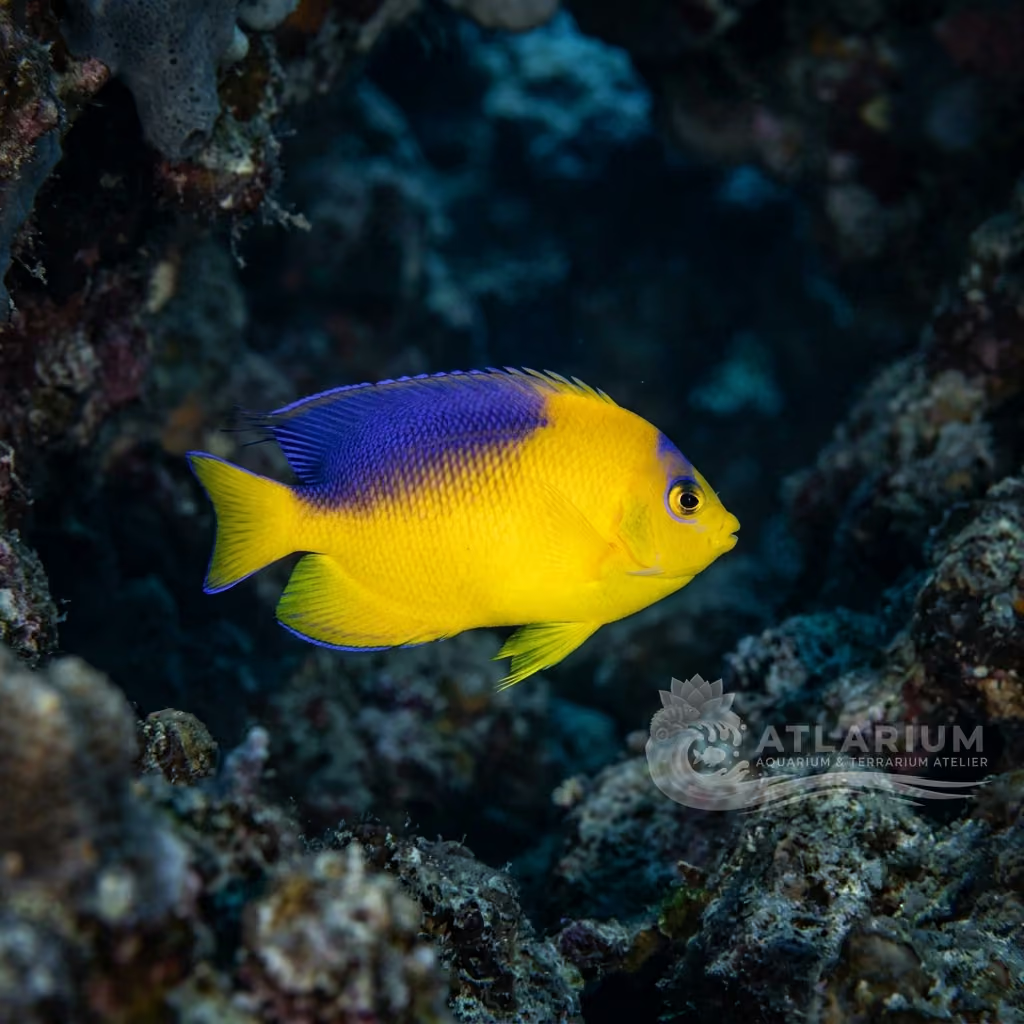
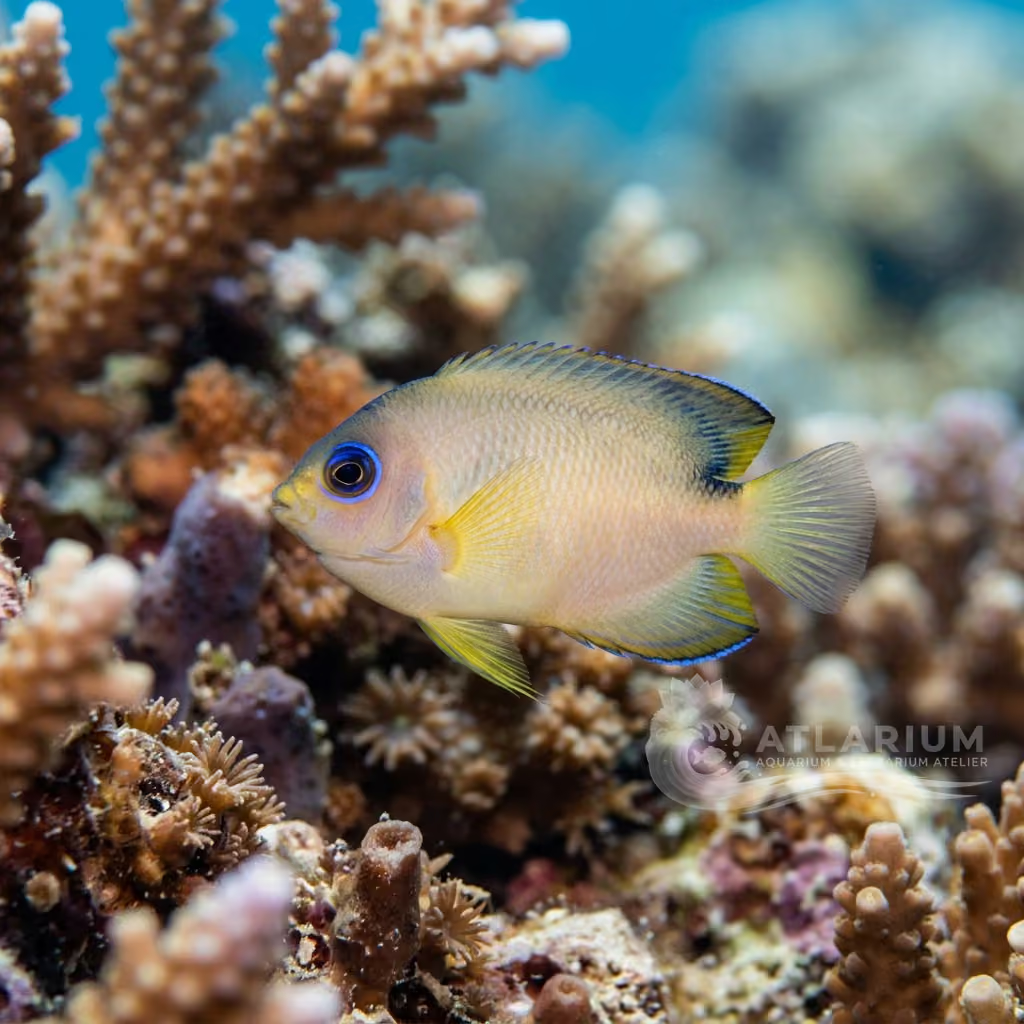
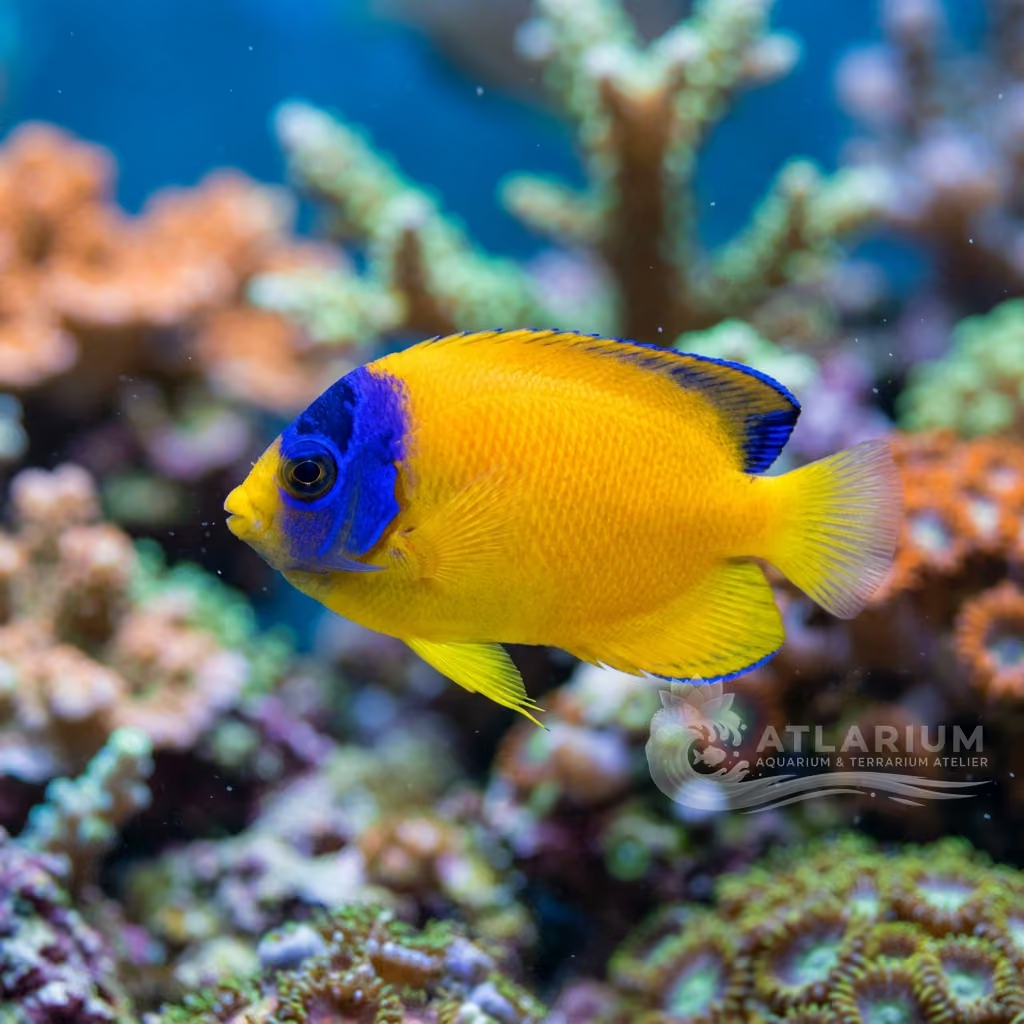
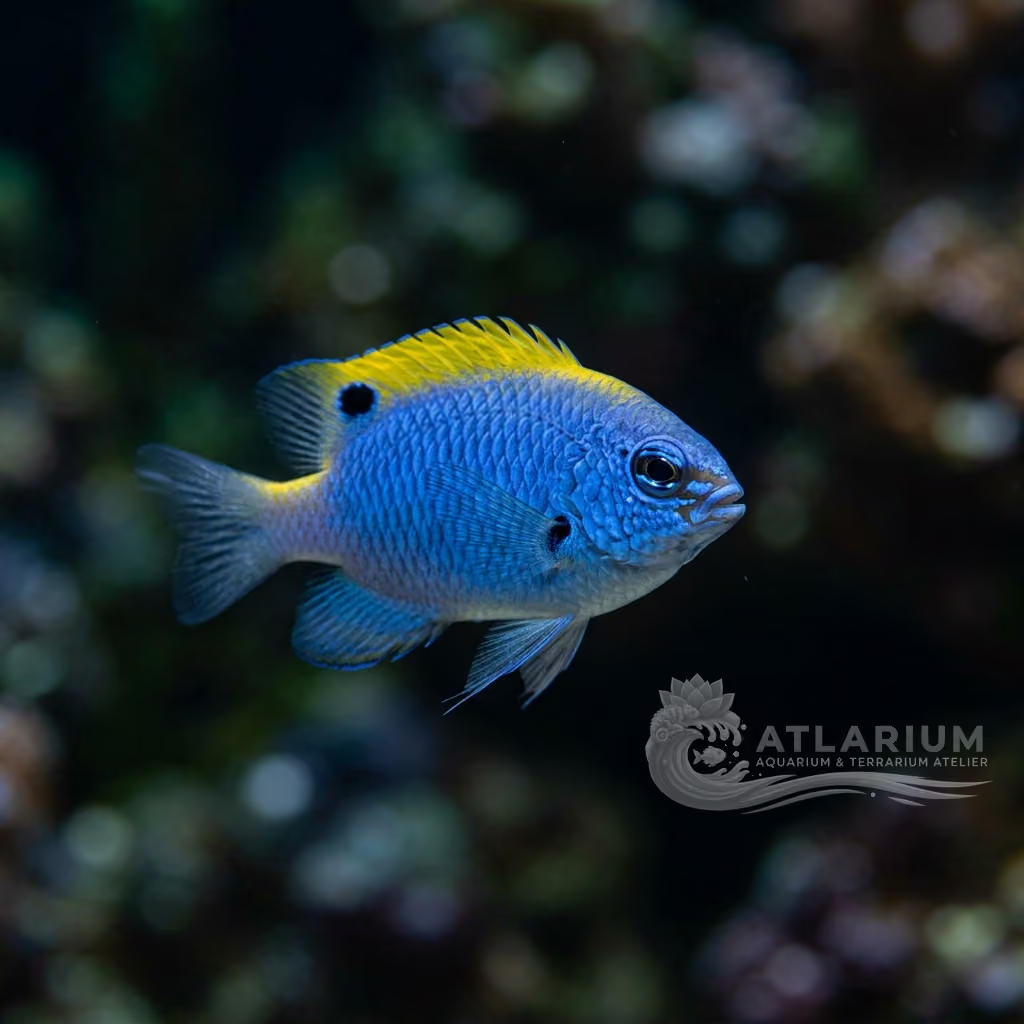
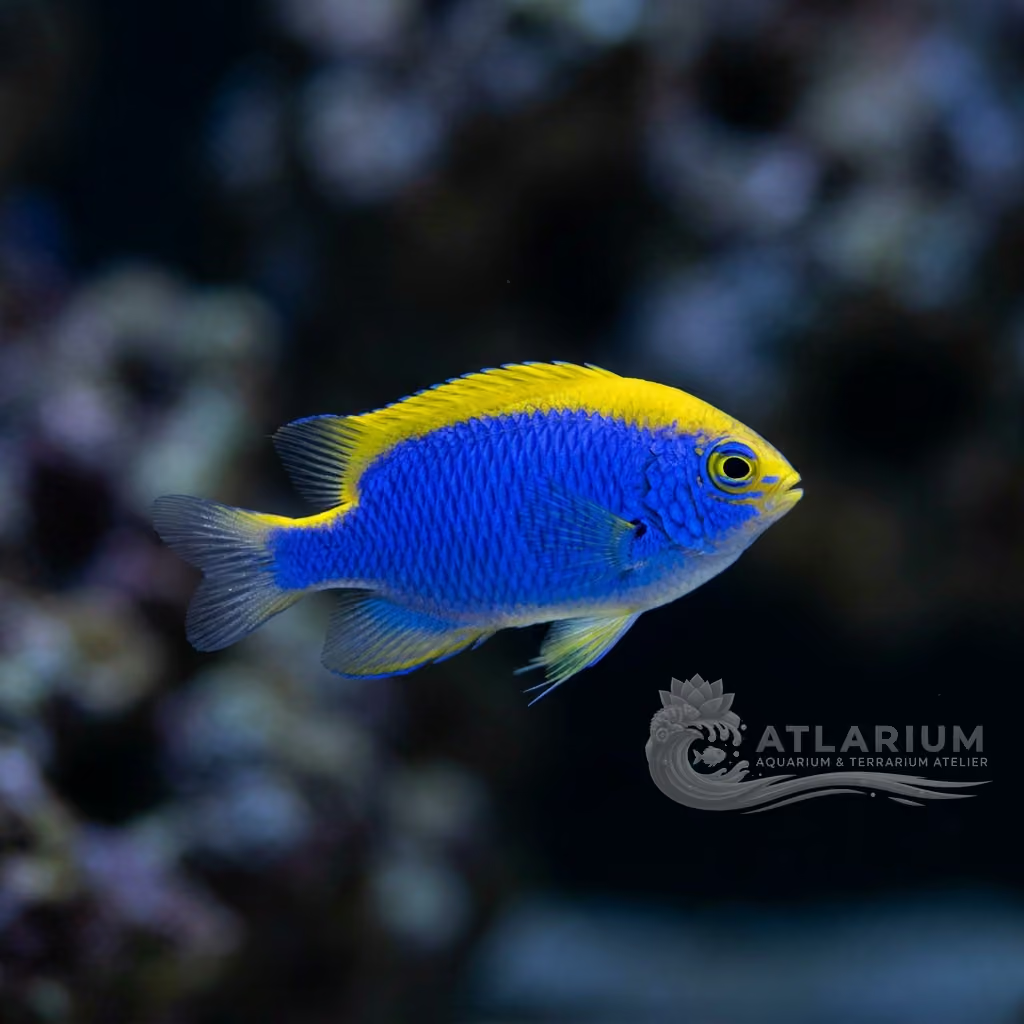
Woodhead's Angelfish is a brilliant yellow dwarf angelfish with a distinct black spot on its dorsal fin. It requires a complex rockwork structure to thrive.
Wassertemperatur
22 - 28 °C
pH-Wert
7.8 - 8.5
Wassertyp
Meerwasser
Tankfüllstand
Unten und in der Mitte
Erwachsenengröße
10 cm
Mindesttankvolumen
>= 200 L
Mindestgruppe
>= 1
KH
8 - 12 dKH

Artbeschreibung
Geographical Origin and Habitat: Southwest Pacific: Fiji, Tonga, Samoa, and the Great Barrier Reef. Found on steep outer reef slopes and rubble zones. This fish is primary found in seaward coral reefs and clear lagoons, preferring areas rich in stony corals and subject to strong water currents.
Taxonomy and Morphology: Member of the family Pomacanthidae. Grows to a maximum length of 10 cm. Oval, compressed body shape, visually similar to Centropyge heraldi. Its morphology features an oval, laterally compressed body with a distinct preopercular spine characteristic of the Pomacanthidae family.
Social Behavior: Haremic or solitary. Spends its time foraging on algae and benthic detritus from rockwork. Defends its territory against competitors. It exhibits territorial and cautious behavior, establishing a stable size-based hierarchy within its natural harem groups.
Coloration and Sexual Dimorphism: Solid bright yellow body with a distinctive black spot highlighted by a blue border on the rear dorsal fin. Protogynous hermaphrodite. The brilliant yellow body color is interrupted only by a prominent black spot on the dorsal fin, serving as an important visual cue.

Pflege, Zucht und Mitbewohner
Aquarium Setup: Requires a tank of at least 200 liters with plenty of live rock to provide both grazing surfaces and hiding spots. The tank must provide plenty of open swimming space combined with a complex rockwork structure rich in benthic microalgae for grazing.
Diet and Feeding: Omnivore. Provide algae-based flakes, spirulina pellets, frozen mysis, and enriched brine shrimp 2-3 times daily. A highly varied diet is essential, including marine algae, spirulina, frozen foods like mysis and brine shrimp, and high-quality pellets.
Water Quality: Keep temperature at 22-28°C, pH 7.8-8.5, and salinity at 1.020-1.026 SG. High-grade filtration and stable parameters are essential. Water parameters must be kept stable with efficient protein skimming and regular water changes to minimize nitrate and phosphate accumulation.
Compatibility and Cohabitation: Safe with caution in reefs. May nip at stony corals, zoanthids, and clam mantles. Avoid keeping with similar yellow dwarf angelfish. It can display aggression toward other dwarf angelfish or species with similar coloration, so introduction must be carefully planned.
Aquarium Breeding: Broadcast pelagic spawner. Spawning occurs in open water. Breeding in home aquariums is highly challenging and rarely documented. Breeding in home aquariums is highly challenging and requires deep tanks to accommodate the vertical courtship rise and spawning ritual.
Risks and Diseases: Susceptible to marine ich and velvet under stress. Monitor coral health closely, as hungry individuals may damage corals. Susceptible to external protozoan parasites such as Ich and Marine Velvet, making quarantine of new specimens strongly recommended.

Geografische Herkunft und Verbreitung
Southwest Pacific: Fiji, Tonga, Samoa, and the Great Barrier Reef. Found on steep outer reef slopes and rubble zones. This fish is primary found in seaward coral reefs and clear lagoons, preferring areas rich in stony corals and subject to strong water currents.
Ursprung
Tropische Ozeane und Riffe

Fischprofil
- Temperament
- Semi-aggressive
- Woodhead's Angelfish is generally classified as semi-aggressive, exhibiting a peaceful demeanor toward unrelated species but high territoriality toward other dwarf angelfish. They can become quite defensive of their chosen grazing areas, especially in smaller aquariums. Standard territorial behavior includes chasing and flare displays, which can escalate to physical damage in cramped spaces. Providing a spacious environment with visual barriers helps mitigate this aggression and allows peaceful coexistence.
- Diät
- Omnivore
- This species is an omnivore with a strong herbivorous inclination, requiring a varied diet rich in both algae and marine proteins. In the aquarium, they should be offered high-quality spirulina, marine algae, and specialized angelfish preparations containing sponge material. This should be supplemented with frozen foods like mysis shrimp, brine shrimp, and finely chopped seafood. A mature tank with abundant live rock is essential, as it allows them to continuously graze on natural microalgae and detritus.
- Lebenserwartung
- 10-15 years
- Erwachsenengröße
- 10 cm
- Geschlechterverhältnis
- Harem
- In their natural habitat, these dwarf angelfish form harems composed of a single dominant male and several females. In a home aquarium, it is usually safest to keep a single specimen unless the tank is exceptionally large, such as 100 gallons or more. If attempting to form a pair or harem, all individuals should be introduced simultaneously as juveniles to allow a natural hierarchy to develop. Keeping multiple males in the same tank must be avoided as they will fight aggressively.
- Fütterungsfrequenz
- Twice daily
- Woodhead's Angelfish should be fed small portions two to three times daily to mimic their natural grazing behavior. Providing multiple small feedings helps satisfy their high energy requirements and reduces the likelihood of them nipping at corals. Automated feeders can be useful for maintaining a consistent schedule, particularly in busy households. Ensuring they receive adequate nutrition throughout the day is one of the best ways to keep them healthy and active.
- Bioload
- Low to Medium
- Woodhead's Angelfish has a low-to-medium biological load due to its relatively small size of around four inches. However, their active grazing habits and need for regular feeding mean they require a well-established filtration system. A protein skimmer and efficient biological filtration are highly recommended to process organic waste and maintain pristine water parameters. Regular water changes are also essential to prevent nitrate accumulation and ensure a healthy environment.
- Fluss
- Strong
- This species thrives in moderate to strong water flow, which reflects the reef slopes they inhabit in the wild. Good water movement ensures high oxygenation levels and helps keep the live rock clean of detritus, facilitating their grazing. However, they also require calmer areas, such as caves and behind rock structures, where they can rest without fighting the current. A combination of wavemakers and structural cover creates the ideal hydrodynamic environment.
- Sprungrisiko
- Yes
- Like many active reef-dwelling species, Woodhead's Angelfish presents a moderate risk of jumping, especially when startled or chased by tankmates. They may attempt to leap from the water if they feel threatened or during energetic courtship displays at dusk. To prevent tragic accidents, a tight-fitting canopy or a secure mesh lid is highly recommended. Adequate cover also helps reduce ambient light stress, making the fish less likely to display flight behavior.
- Reproduktion
- Oviparous
- Woodhead's Angelfish are protogynous hermaphrodites, meaning all individuals start life as females, and the dominant fish in a group transitions into a male. They are broadcast spawners that engage in a rising courtship dance at dusk to release gametes into the water column. Breeding them in captivity is exceptionally difficult and rarely achieved by hobbyists due to the need for a tall aquarium and the challenge of raising the microscopic, pelagic larvae. Successful rearing requires specialized live foods like copepods and meticulous water quality control.
- Kompatibilität & Tankkameraden
- Semi-aggressive
- Woodhead's Angelfish is compatible with a wide range of peaceful reef fish, including wrasses, gobies, and larger, non-predatory species. However, they should not be housed with other dwarf angelfish unless the aquarium is very large, nor with aggressive species that might intimidate them. They are considered reef-safe with caution, as they may nip at large-polyp stony (LPS) corals, soft corals, and clam mantles if underfed. Careful selection of tankmates and monitoring of coral health are necessary when introducing this species to a reef tank.
- Tankfüllstand
- Middle/Bottom
- This species primarily occupies the bottom-to-middle zones of the aquarium, where they can stay close to the shelter of rockwork. They are highly active fish that spend their day weaving through crevices, caves, and overhangs in search of food. They rarely venture into the open upper water column unless feeding or performing spawning displays. Providing a complex aquascape with plenty of hiding spots is crucial for making them feel secure in these levels.

Wissenschaftliche Modelle & Parameter
FishBase
Zugang zu den offiziellen wissenschaftlichen Daten der Art
Daten synchronisiert am: 15.06.2026
- Trophäenniveau
- 2,8 ± 0,3 se
- Belastbarkeit
- Hoch (weniger als 15 Monate)
- Phylogenetische Einzigartigkeit (PD50)
- 0.5
- Bayessche Längen-Gewichts-Beziehung
- a = 0.0302, b = 2.89
- AnfälligkeitGeringe Anfälligkeit (10 / 100)

Verwandte Arten
Empfehlungen gruppiert nach nahen Verwandten, Auswahl von Begleitern und ähnlicher Betreuung.