Potter's angelfish
Centropyge potteri
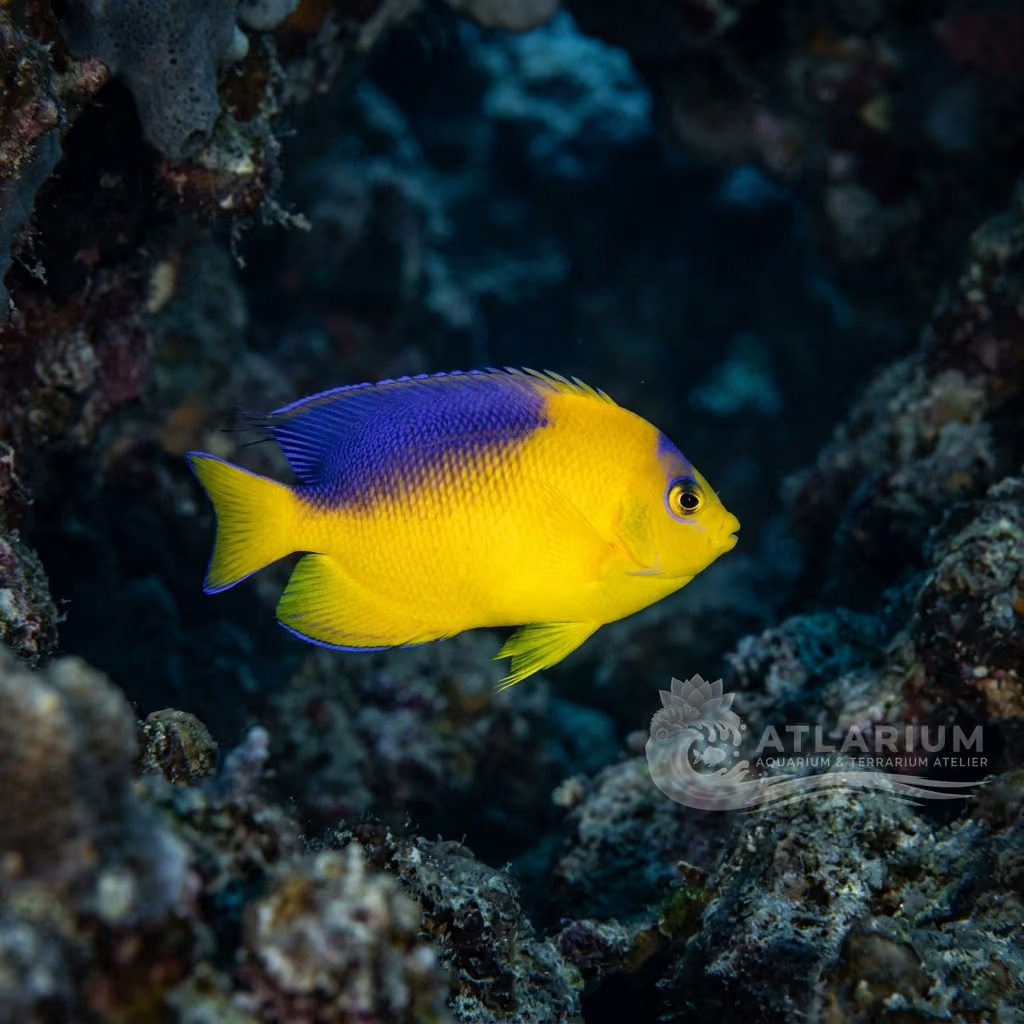
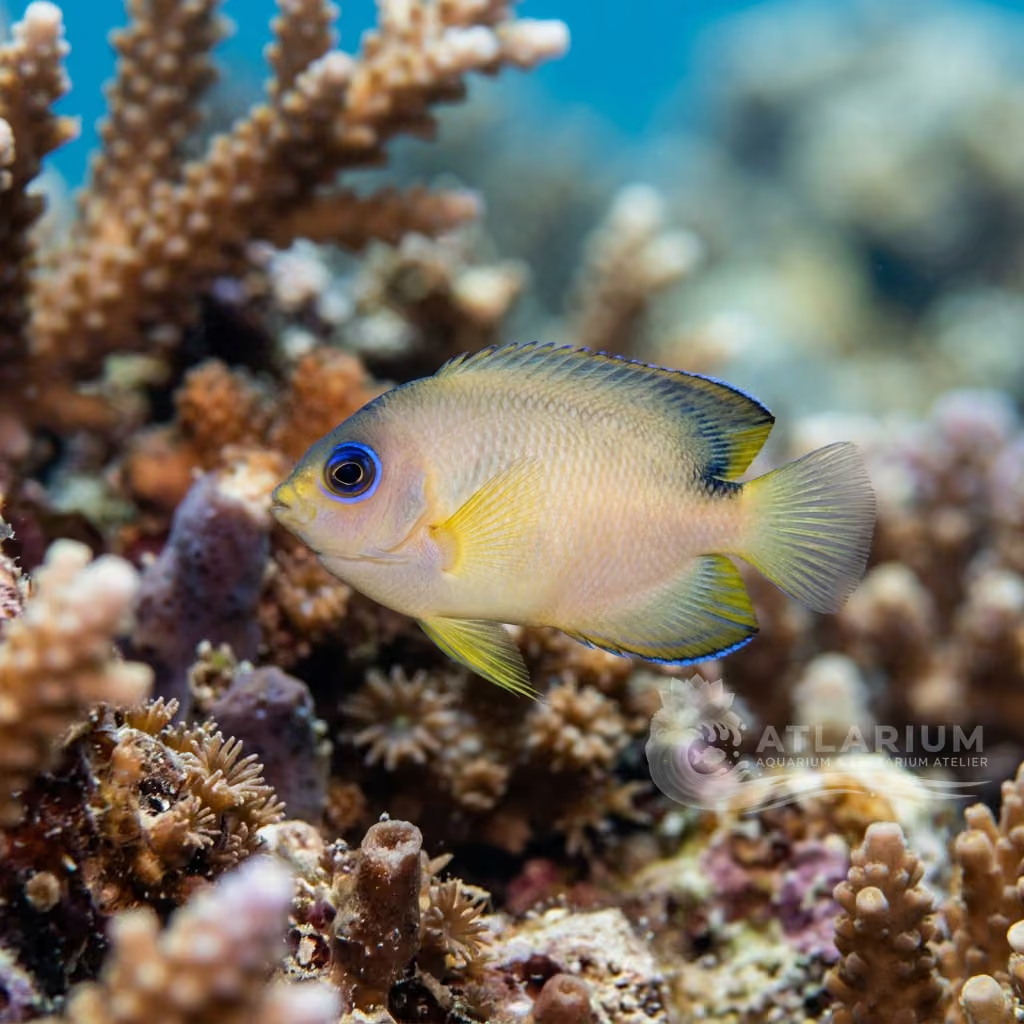
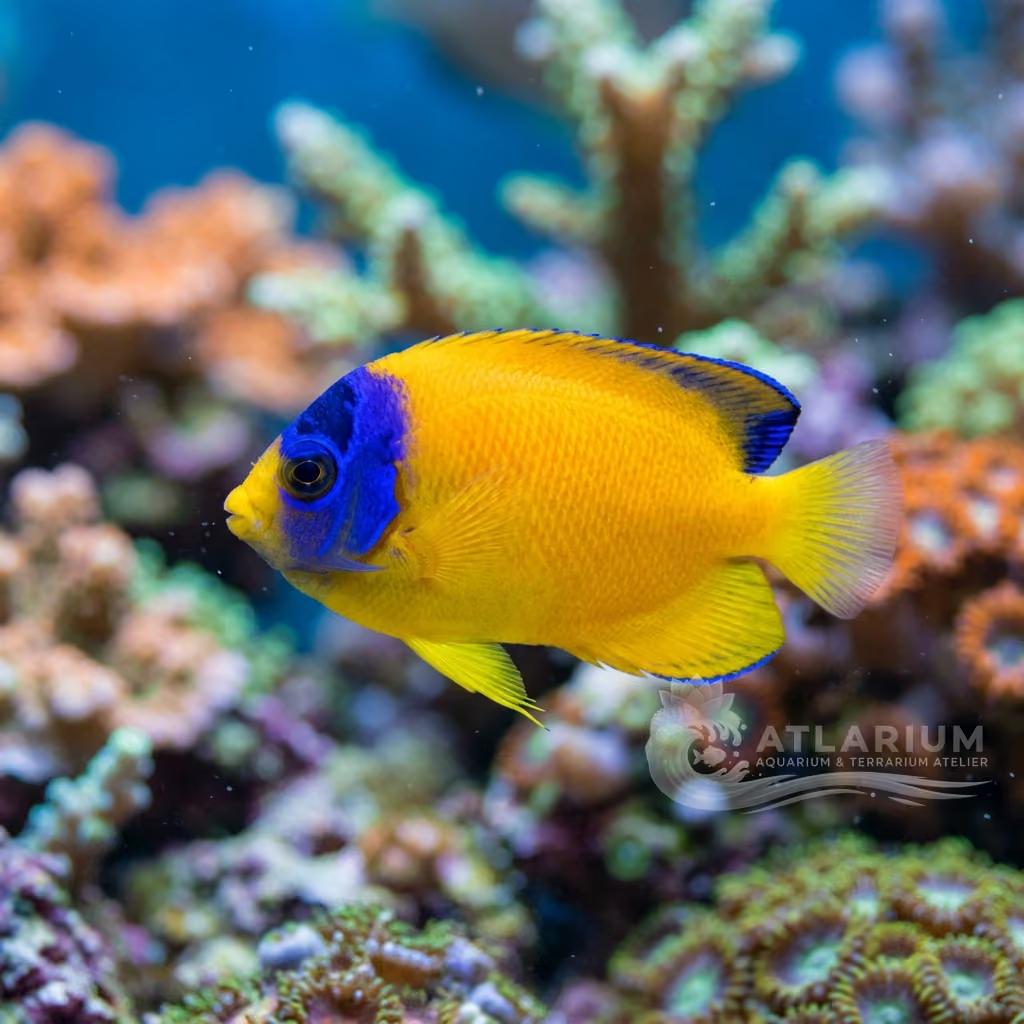
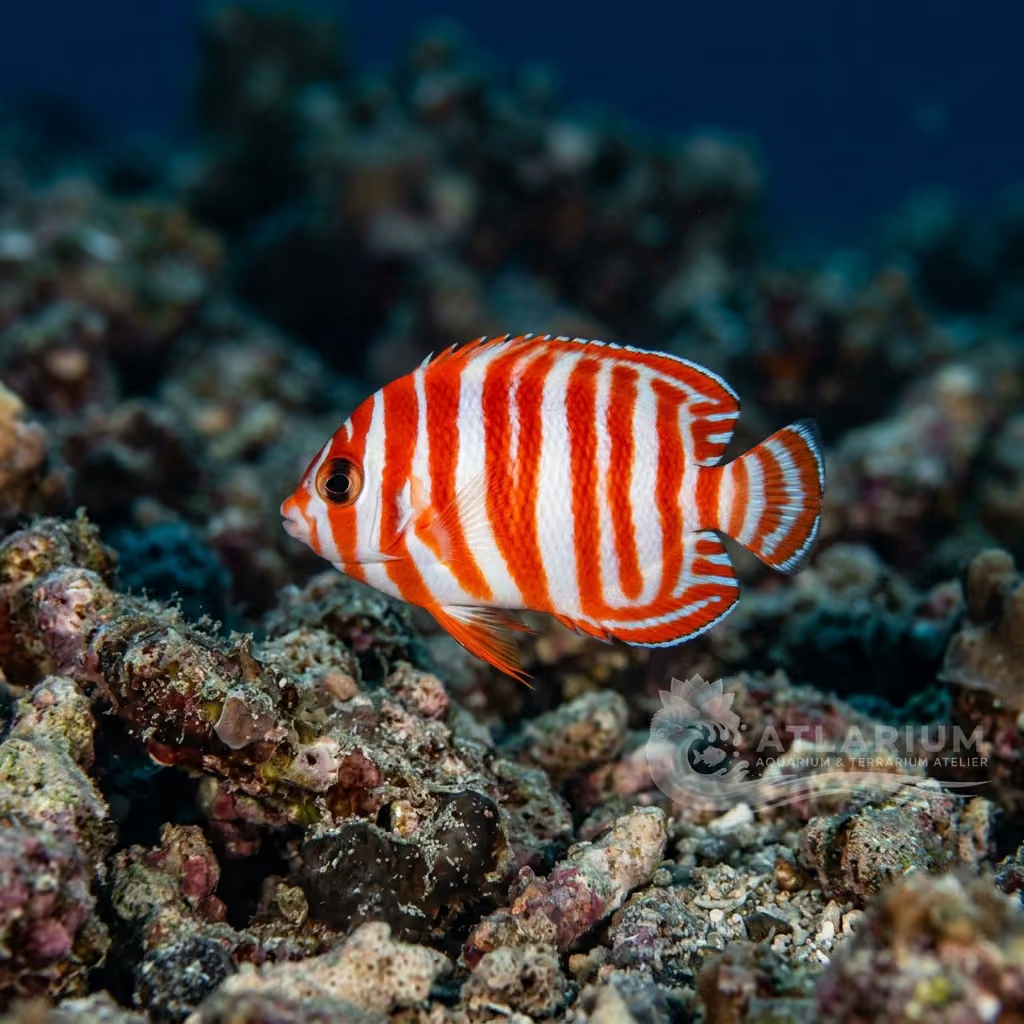
Endemic to Hawaii, Potter's Angelfish exhibits a brilliant orange body marbled with fine blue stripes. It requires stable parameters and a varied diet.
Wassertemperatur
24 - 26 °C
pH-Wert
8.1 - 8.4
Wassertyp
Meerwasser
Tankfüllstand
Unten und in der Mitte
Erwachsenengröße
10 cm
Mindesttankvolumen
>= 150 L
Mindestgruppe
>= 1
KH
8 - 12 dKH

Artbeschreibung
Geographical Origin and Habitat: Endemic to the Hawaiian Islands and Johnston Atoll. Found on rocky and coral reefs, particularly near finger coral fields below 10 meters. This dwarf angelfish inhabits coral reefs rich in stony corals across the Hawaiian Islands, preferring clear waters and constant currents.
Taxonomy and Morphology: Member of the Pomacanthidae family. Oval-shaped, compressed body with a distinct preopercular spine. Grows up to 10 cm (4 inches). Its morphology shows a laterally compressed oval profile with robust opercular spines and rounded anal and dorsal fins.
Social Behavior: Bold and active. Constantly moves through rockwork tunnels. Shows territorial aggression towards other dwarf angelfishes. A territorial species that lives in small harems consisting of a dominant male and several females, protecting algae-rich territories.
Coloration and Sexual Dimorphism: Body is brilliant orange marbled with fine vertical cobalt blue and purple stripes. The rear fins are dark blackish-blue. Males are larger. The brilliant orange body patterned with dark blue-grey vertical stripes creates a striking color contrast unique to Hawaiian waters.

Pflege, Zucht und Mitbewohner
Aquarium Setup: Minimum tank volume of 150 liters (40 gallons). Furnish with established live rocks to provide grazing algae and plenty of narrow caves. Requires a mature aquarium of at least 200 liters with plenty of live rock arranged to provide hiding spots and grazing surfaces.
Diet and Feeding: Omnivorous. Feeds on algae and detritus. Offer daily nori, spirulina pellets, and frozen mysis or brine shrimp. The diet must feature a strong vegetable component such as spirulina and dried algae, supplemented with frozen mysis and brine shrimp.
Water Quality: Sensitive to water parameters. Maintain temperature 24-26°C (75-78°F), pH 8.1-8.4, specific gravity 1.020-1.025, and KH 8-12. Water parameters must reflect stable tropical reefs: temperature 22-26°C, pH 8.1-8.4, and constant salinity levels.
Compatibility and Cohabitation: Known to nip at LPS and SPS corals, as well as clam mantles. Not fully recommended for pristine reef tanks. Keep singly. It may nip at clam mantles and large polyp stony (LPS) corals, so careful monitoring is required in reef aquariums.
Aquarium Breeding: Unrecorded in domestic systems due to challenges in pelagic spawning and larval nutrition. Breeding is extremely rare in home aquariums due to the significant challenges of raising the microscopic pelagic larvae.
Risks and Diseases: Susceptible to marine ich and skin parasites. Pristine water quality and vitamin-enriched herbivorous foods are essential. Highly susceptible to external protozoan parasites during introduction, making a strict quarantine period highly recommended.

Geografische Herkunft und Verbreitung
Endemic to the Hawaiian Islands and Johnston Atoll. Found on rocky and coral reefs, particularly near finger coral fields below 10 meters. This dwarf angelfish inhabits coral reefs rich in stony corals across the Hawaiian Islands, preferring clear waters and constant currents.
Ursprung
Tropische Ozeane und Riffe

Fischprofil
- Temperament
- Semi-aggressive
- Potter's Angelfish exhibits a semi-aggressive and highly territorial temperament, particularly toward other dwarf angelfish or species with similar shapes and colors. They will actively defend their chosen caves and grazing territories from intruders. While they generally ignore unrelated fish like clownfish or gobies, they can become increasingly aggressive if kept in aquariums that are too small.
- Diät
- Omnivore
- This species is an omnivore with a strong herbivorous preference, feeding on algae, detritus, and small organisms in the wild. In the aquarium, they must be provided with a varied diet that includes spirulina-enriched flakes, high-quality pellets, frozen mysis, and brine shrimp. They also benefit from specialized frozen foods formulated for angelfish that contain sponge material. A mature aquarium with plenty of natural algae growth on live rock is critical for their long-term nutritional health.
- Lebenserwartung
- 5-10 years
- Erwachsenengröße
- 10 cm
- Geschlechterverhältnis
- Harem
- In their natural habitat, Potter's Angelfish are protogynous hermaphrodites that typically live in haremic groups composed of a single dominant male and several females. In captivity, they are best kept singly to avoid severe territorial aggression, unless a mated pair can be acquired. Attempting to establish a harem in a home aquarium requires a very large tank with abundant visual barriers to prevent dominant individuals from harassing subordinate ones.
- Fütterungsfrequenz
- 2-3 times daily
- It is recommended to feed Potter's Angelfish small portions two to three times a day to accommodate their active lifestyle and rapid metabolism. In addition to these scheduled feedings, they must have access to mature live rock so they can graze continuously throughout the day. This constant foraging behavior is vital for their digestive system and helps replicate their natural lifestyle.
- Bioload
- Medium
- Potter's Angelfish produces a medium bioload in the aquarium due to its active nature and constant grazing habits. It requires efficient biological and mechanical filtration, as well as a reliable protein skimmer, to keep dissolved organic compounds at a minimum. Regular water changes and a mature, stable aquarium environment are essential to ensure the pristine water quality this sensitive species demands.
- Fluss
- Moderate
- Potter's Angelfish thrive in moderate to strong water flow, which mimics the energetic reef slopes and drop-offs of their native Hawaiian waters. Stronger currents help maintain high oxygen levels and keep detritus from settling in the rockwork where the fish forage. However, it is important to ensure there are also calmer crevices within the reef structure where they can rest and escape the current.
- Sprungrisiko
- Yes
- While not classified as high-risk jumpers compared to wrasses, Potter's Angelfish can leap out of the water if they are startled or chased by territorial tankmates. It is highly recommended to cover the aquarium with a tight-fitting lid or a fine mesh screen to prevent accidental jumps. Providing plenty of secure hiding spots will make the fish feel safe and significantly reduce the likelihood of jumping.
- Reproduktion
- Oviparous
- Reproduction in Centropyge potteri follows a protogynous hermaphroditic pattern, where all individuals are born female and the dominant female in a group changes sex to male. Spawning occurs in pairs or harems at dusk, with the fish rising into the water column to release pelagic eggs. Successfully breeding this species in captivity is extremely difficult, and raising the delicate planktonic larvae requires specialized live foods and expert care.
- Kompatibilität & Tankkameraden
- Not reef safe
- They are compatible with a variety of peaceful to semi-aggressive tankmates, such as tangs, wrasses, clownfish, and gobies. They should never be housed with other dwarf angelfish unless the aquarium is very large and offers plenty of territory. They are considered reef-safe with caution, as they may nip at large polyp stony (LPS) corals, soft corals, and clam mantles if they are underfed.
- Tankfüllstand
- Middle/Bottom
- This species is highly active and primarily occupies the bottom-middle levels of the aquarium. They spend the majority of their time weaving through live rock structures, caves, and crevices in search of microfauna and algae to graze on. They rarely swim in open water far from cover and will only visit the upper water column occasionally during feeding.

Wissenschaftliche Modelle & Parameter
FishBase
Zugang zu den offiziellen wissenschaftlichen Daten der Art
FishBase v25.04Daten synchronisiert am: 15.06.2026
- Trophäenniveau
- 2,6 ± 0,26 se
- Belastbarkeit
- Hoch (weniger als 15 Monate)
- Phylogenetische Einzigartigkeit (PD50)
- 0.5
- Bayessche Längen-Gewichts-Beziehung
- a = 0.0302, b = 2.89
- AnfälligkeitGeringe Anfälligkeit (10 / 100)

Verwandte Arten
Empfehlungen gruppiert nach nahen Verwandten, Auswahl von Begleitern und ähnlicher Betreuung.