Elizabethae Dwarf Cichlid
Apistogramma elizabethae
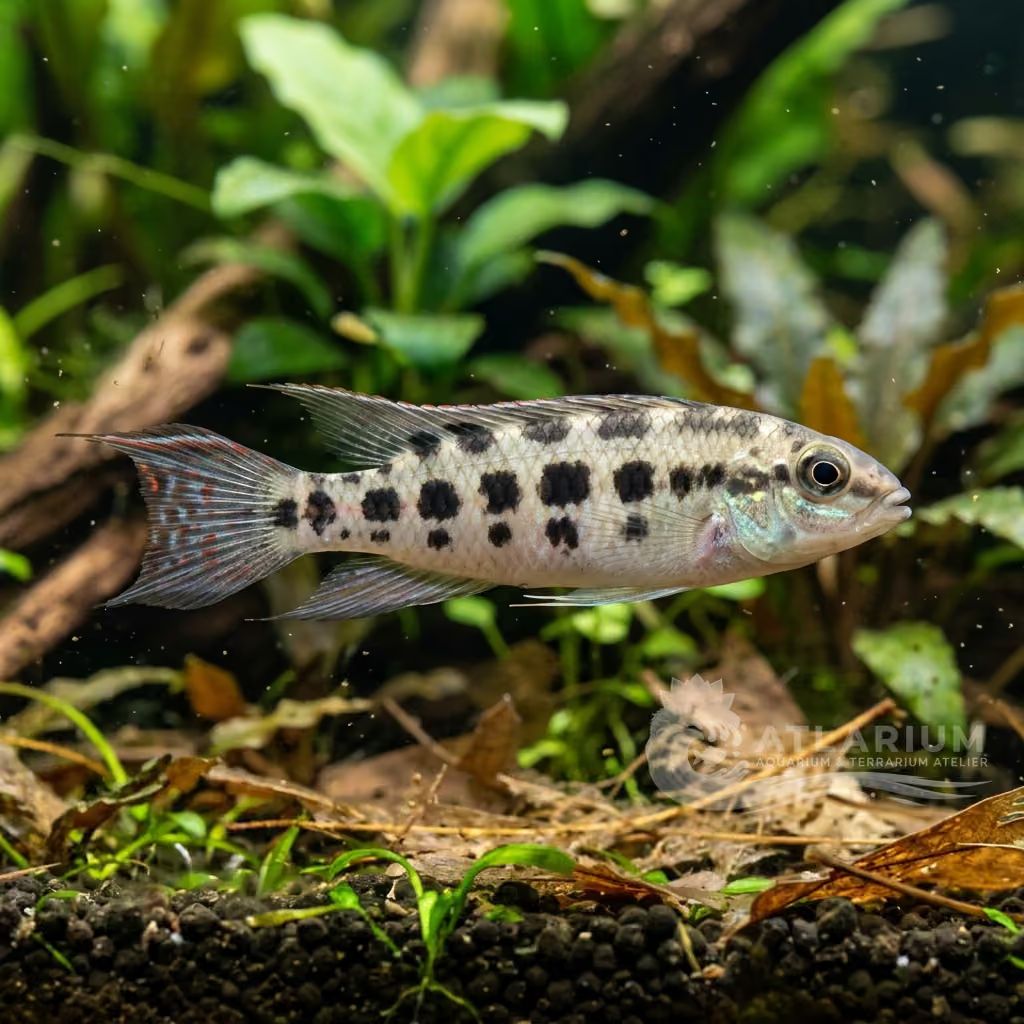
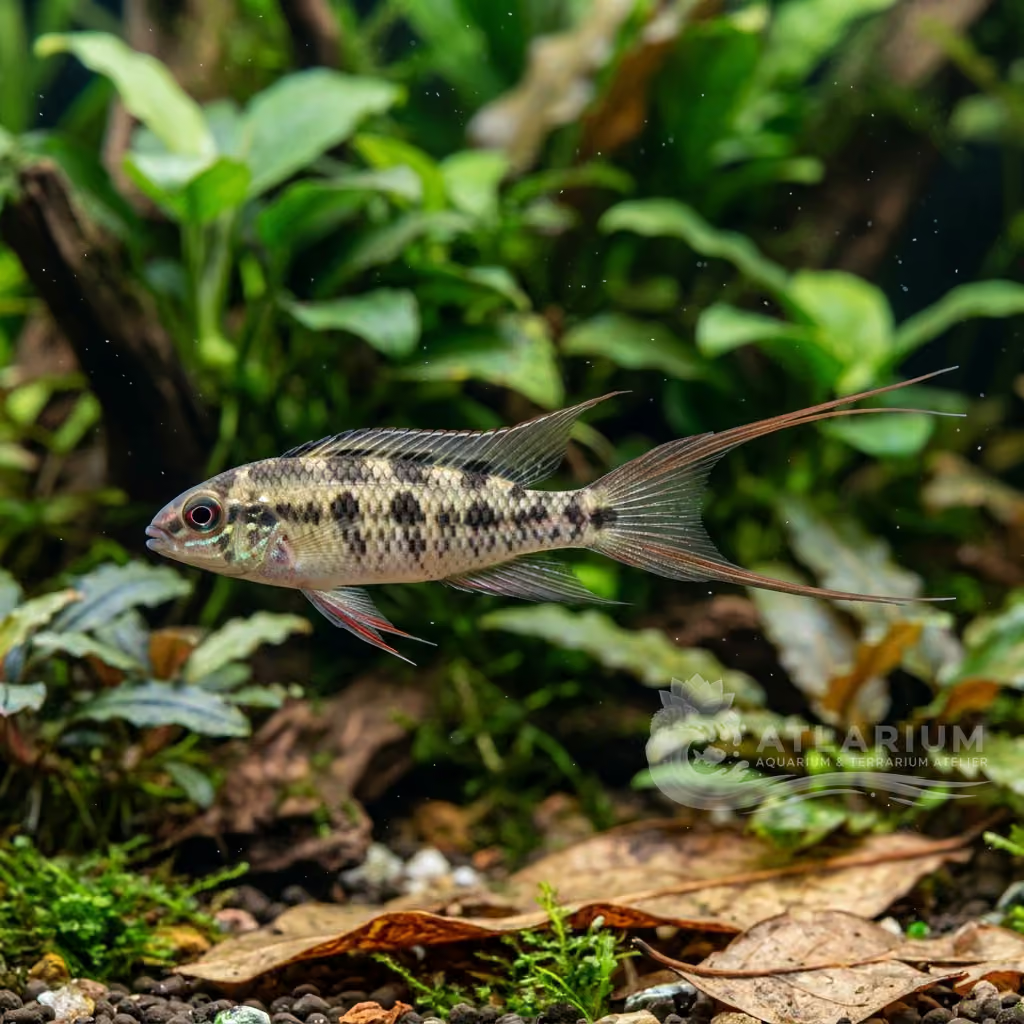
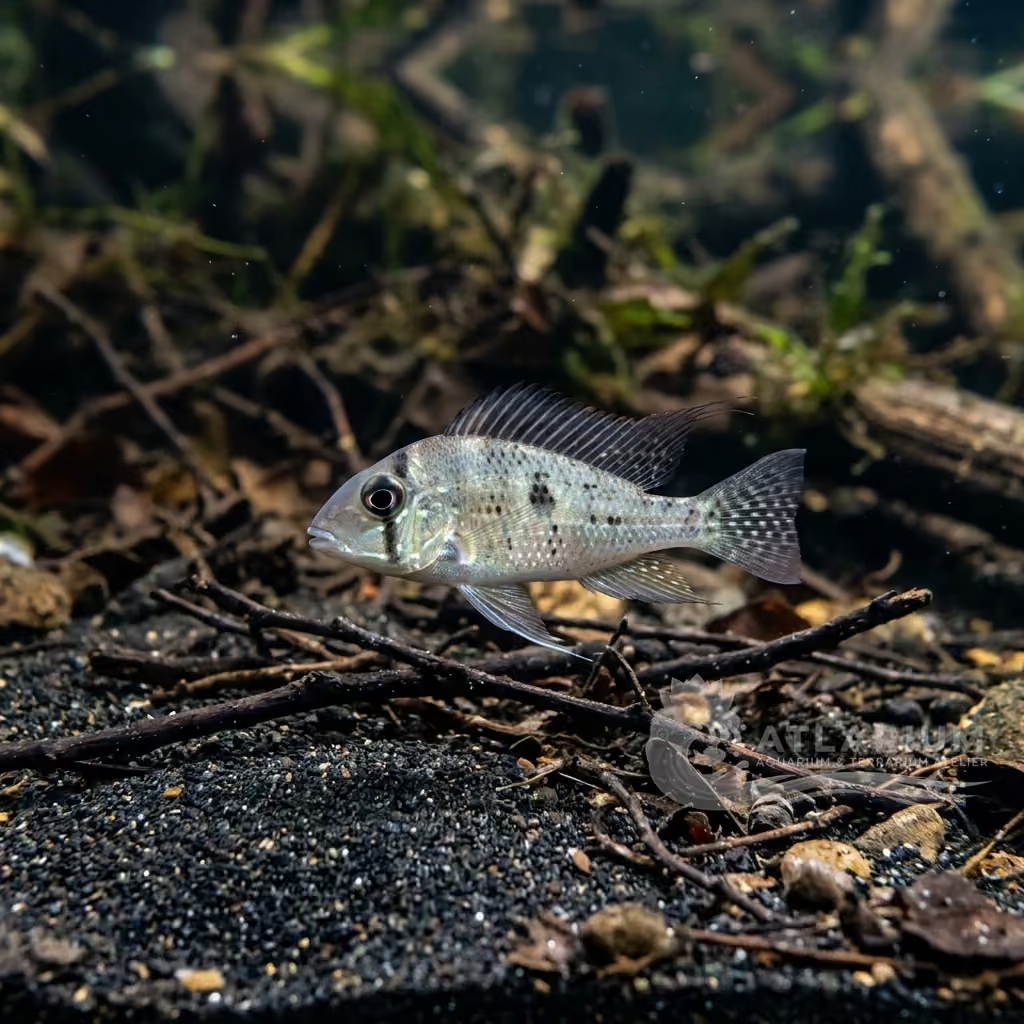
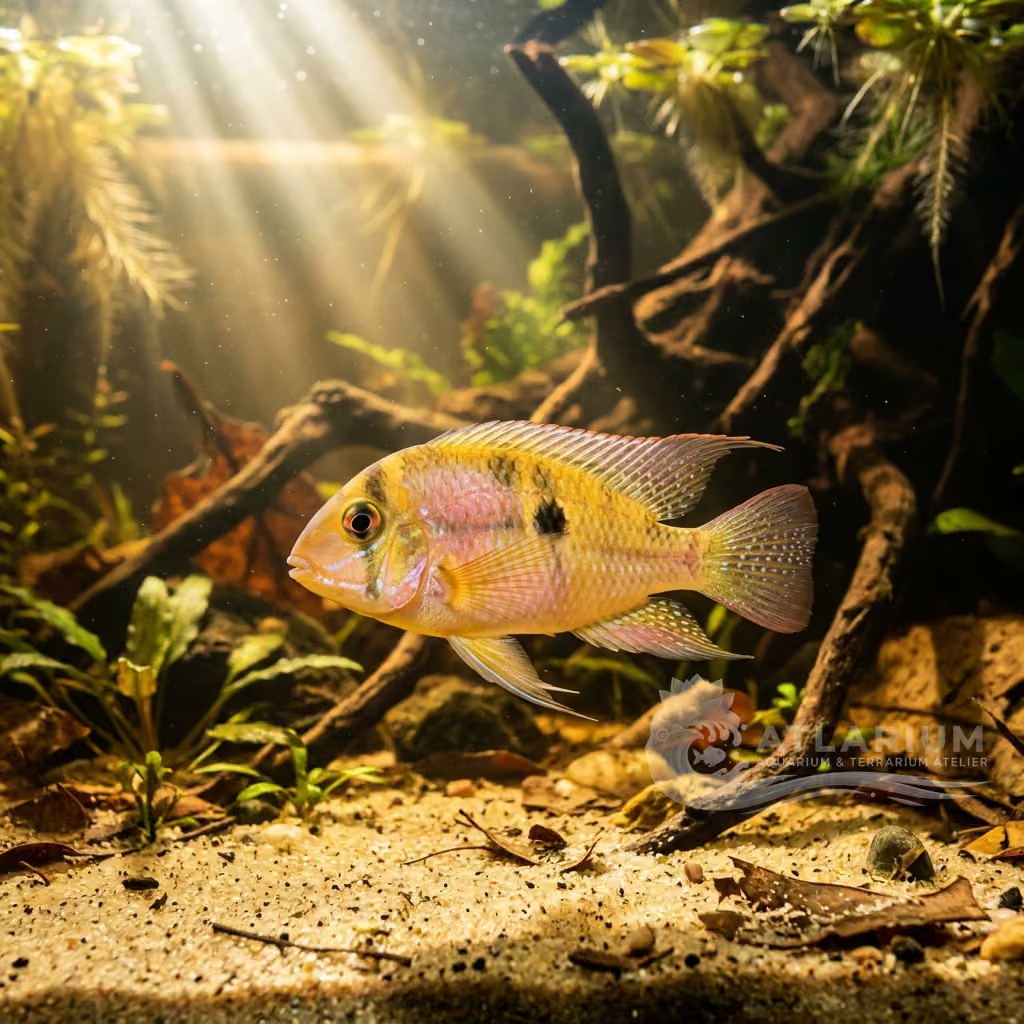
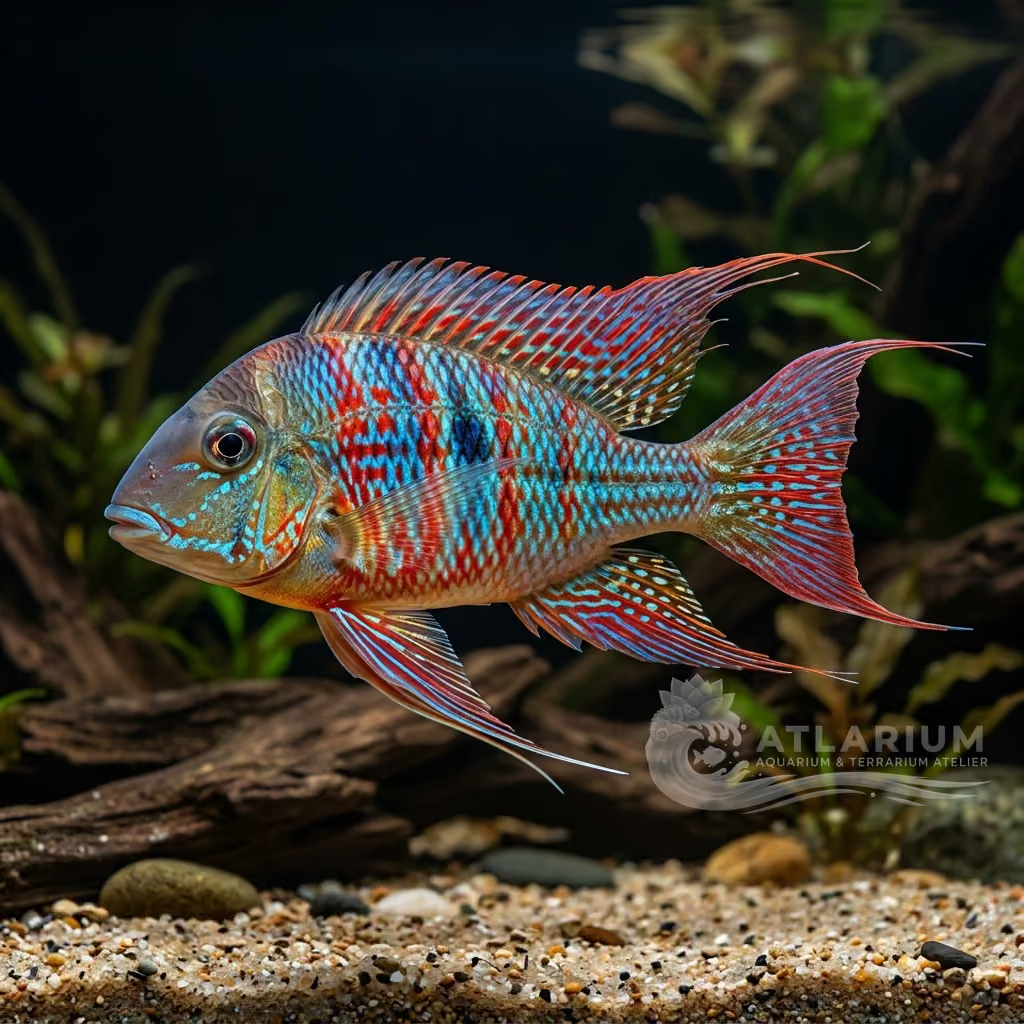
The very rare 'Jewel of the Rio Negro' or 'Elizabethae' (5-7 cm). One of the absolute Grails of nano-aquariology, the Apistogramma elizabethae is a tiny, slender and elegant predator, originating from the most inhospitable and hyper-acidic blackwaters on the planet. Males show off an indescribable iridescent livery (with mirrored blue-green cheeks), a very high dorsal fin pointed like a lance and a splendid rounded tail. Severely intolerant and very fragile, it is a cichlid only for experts: it invariably dies if placed in tap water or if the aquarium does not simulate the pH 4.5 and the extreme tannic sterility of the Rio Uaupés.
24 - 30 °C
4 - 5.5
Süßwasser
Unten
7 cm
>= 100 L
>= 1
0 - 3 dGH
1 - 2 dKH
10 - 65 ppm
16 - 102 uS/cm

Artbeschreibung

Pflege, Zucht und Mitbewohner

Geografische Herkunft und Verbreitung
Ursprung

Fischprofil
- Temperament
- Semi-aggressive
- It has a shy and territorial temperament, particularly during the mating period. Males vigorously defend their territory from rivals, engaging in spectacular displays to attract females. It spends much of its time in the lower, shaded zones of the aquarium, sheltered among plants.
- Diät
- Omnivore
- This is a specialized micropredator that requires high-quality live or frozen foods. Adult brine shrimp, nauplii, daphnia, bloodworms, and copepods form the ideal nutritional base to maintain the vibrancy of its colors. It rarely accepts commercial dry foods, which should be limited to high-quality specialized products.
- Lebenserwartung
- 3-5 years
- Erwachsenengröße
- 7 cm
- Geschlechterverhältnis
- Harem
- This species is best kept in a single compatible pair or in a harem consisting of one male and multiple females, depending on the tank size. In smaller setups, keeping a single pair is the safest option to avoid territorial stress and territorial squabbles. In larger aquariums with plenty of visual barriers, a harem with one male and two or three females can thrive, as it allows each female to establish her own territory. Providing multiple caves is essential so that each female has a secure shelter to retreat to and breed.
- Fütterungsfrequenz
- Twice daily
- It is recommended to feed this species once or twice daily, preferring small portions distributed carefully. This method prevents overfeeding and ensures that all food is consumed without polluting the tank. Offering small live crustaceans stimulates their predatory activity and keeps them active.
- Bioload
- Low to Medium
- Apistogramma elizabethae produces a relatively low biological waste load due to its small size, but it requires exceptionally clean water conditions. They are highly sensitive to any accumulation of ammonia, nitrite, and nitrate, making efficient and mature biological filtration crucial. Gentle filtration, such as air-driven sponge filters, is ideal to prevent strong currents while maintaining pristine water quality. Regular, small water changes combined with the introduction of humic substances are necessary to control the organic load and support their delicate immune system.
- Fluss
- Stagnant
- It prefers extremely weak to moderate water currents, recreating the slow-moving water flows of Amazonian blackwater rivers. A strong current can cause prolonged stress and make swimming difficult for this elongated-bodied species. Natural barriers like roots and driftwood are recommended to buffer the filter flow.
- Sprungrisiko
- Yes
- While not active jump enthusiasts, Apistogramma elizabethae can jump out of the aquarium if startled, chased, or stressed by dominant tank mates. A secure, tight-fitting lid or cover slide is highly recommended to prevent accidental escapes. Sudden changes in lighting or disturbances during tank maintenance can trigger a flight response, leading to jumping behavior. The presence of floating plants and dense wood structures provides security, significantly minimizing this risk.
- Reproduktion
- Oviparous
- A highly demanding cave breeder, requiring very acidic pH (often below 5.0) and minimal conductivity to induce spawning. The female lays eggs in small crevices or on the ceiling of natural or artificial caves. She fiercely cares for the brood, displaying a strong protective instinct toward the fry and excluding the male.
- Kompatibilität & Tankkameraden
- With caution
- Compatible with very peaceful and small fish that do not compete for space on the bottom. Small characins and pencilfish are excellent tank mates, while active catfish like Corydoras should be avoided. Due to their shyness, it is crucial to avoid overly active or aggressive companions.
- Tankfüllstand
- Bottom
- Apistogramma elizabethae is a bottom-dwelling cichlid that spends almost all of its time in the lower levels of the aquarium. They actively explore the substrate, sifting through sand and navigating around leaf litter, roots, and low-lying caves. They rarely venture into the middle and upper levels of the water column, except occasionally during feeding or courtship displays. Ensuring a spacious floor area with plenty of cover is vital to accommodate their natural swimming zone preferences.

Wissenschaftliche Modelle & Parameter
Zugang zu den offiziellen wissenschaftlichen Daten der Art
- Trophäenniveau
- 3,3 ± 0,4 se
- Belastbarkeit
- Mittel (1,4 - 4,4 Jahre)
- Phylogenetische Einzigartigkeit (PD50)
- 0.5
- Bayessche Längen-Gewichts-Beziehung
- a = 0.0182, b = 2.99
- AnfälligkeitGeringe Anfälligkeit (10 / 100)

Verwandte Arten
Empfehlungen gruppiert nach nahen Verwandten, Auswahl von Begleitern und ähnlicher Betreuung.