Notophthalmus Dwarf Pike Cichlid
Wallaciia notophthalmus
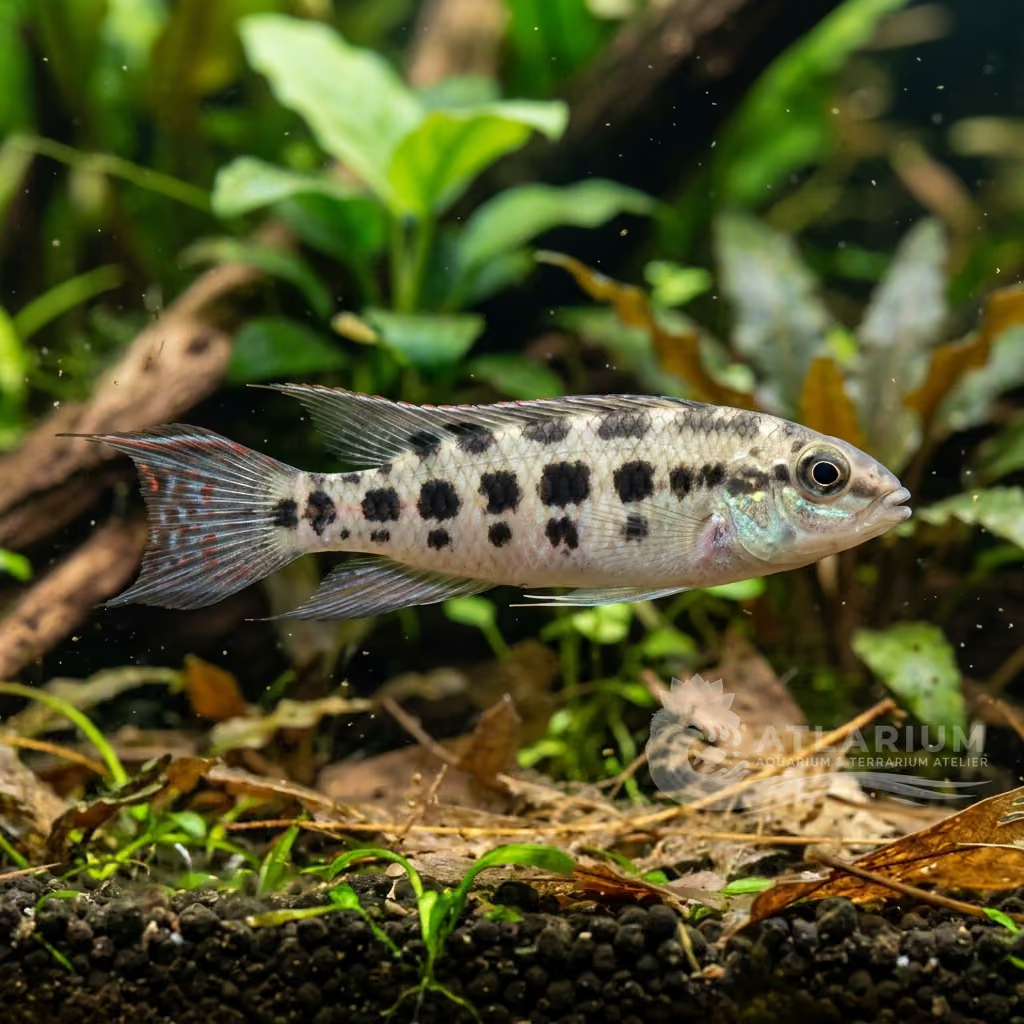
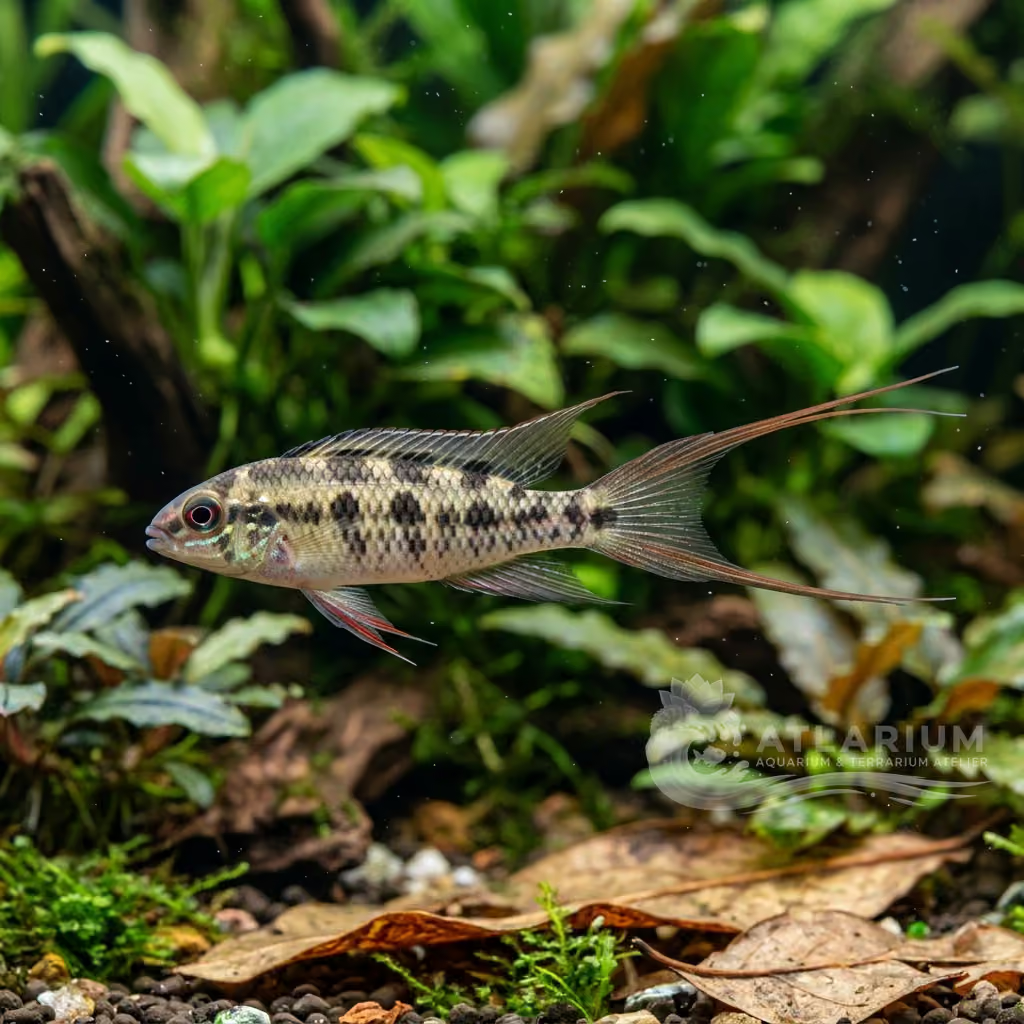
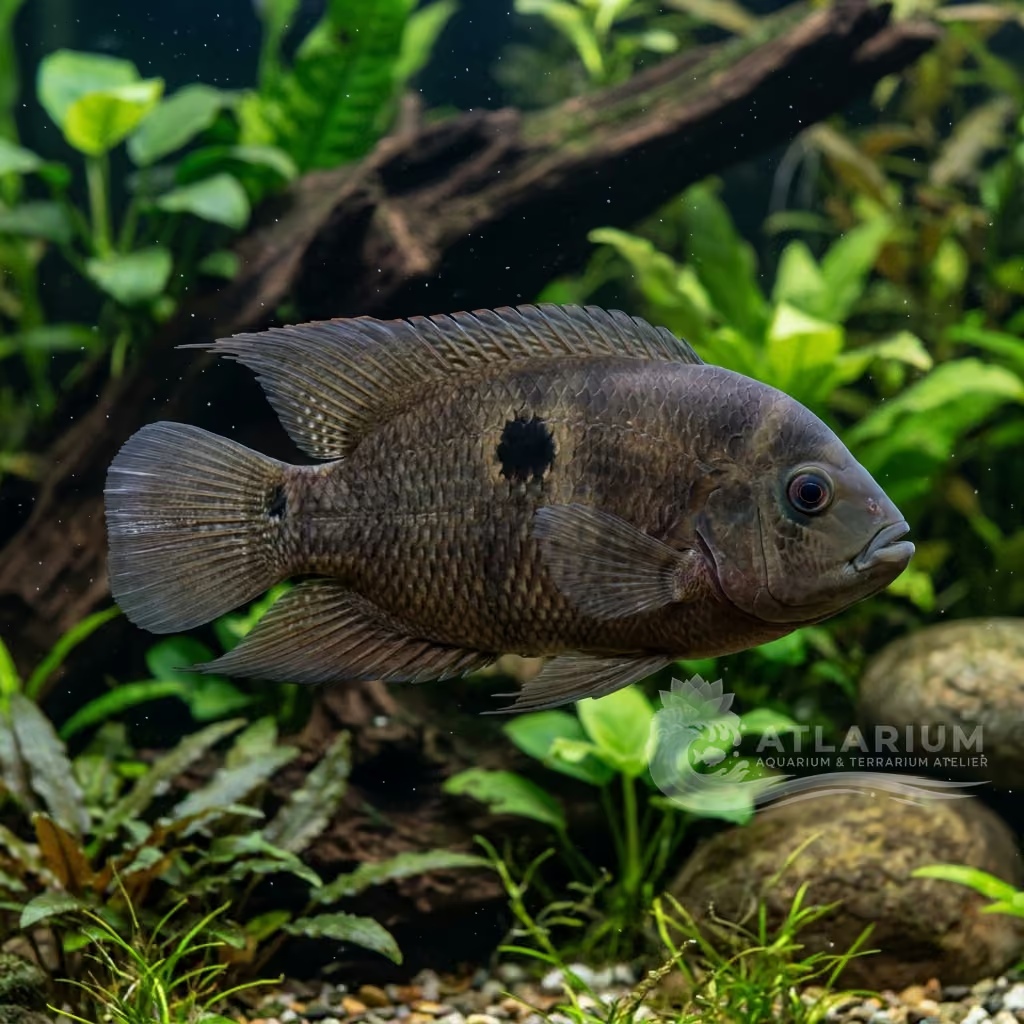
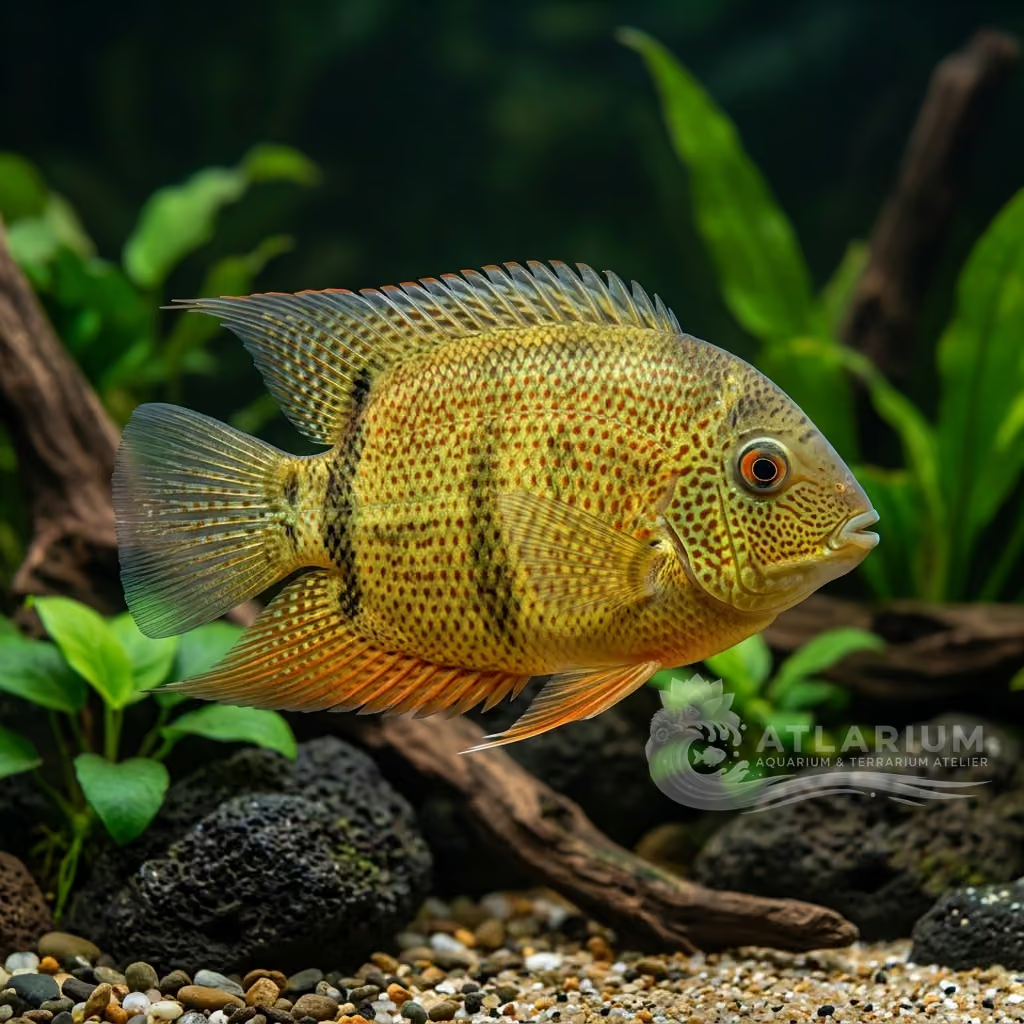
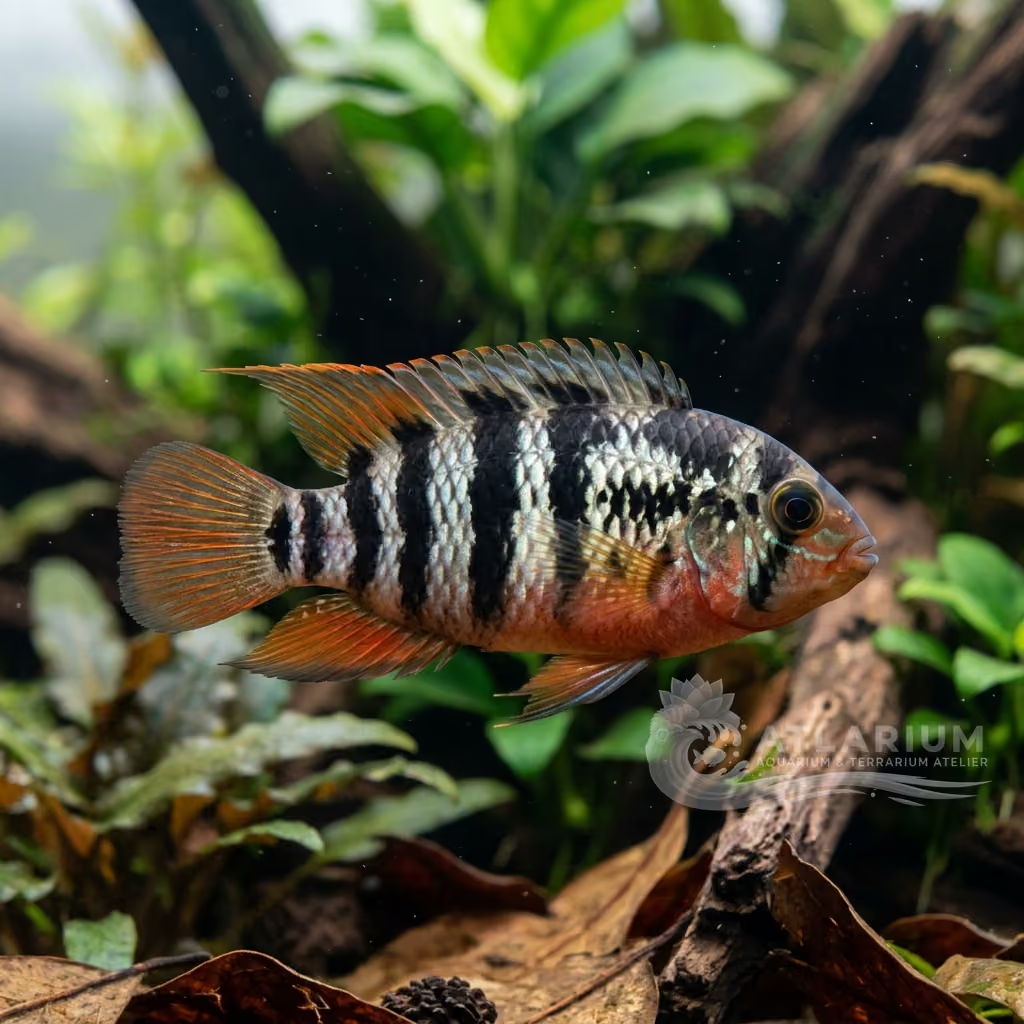
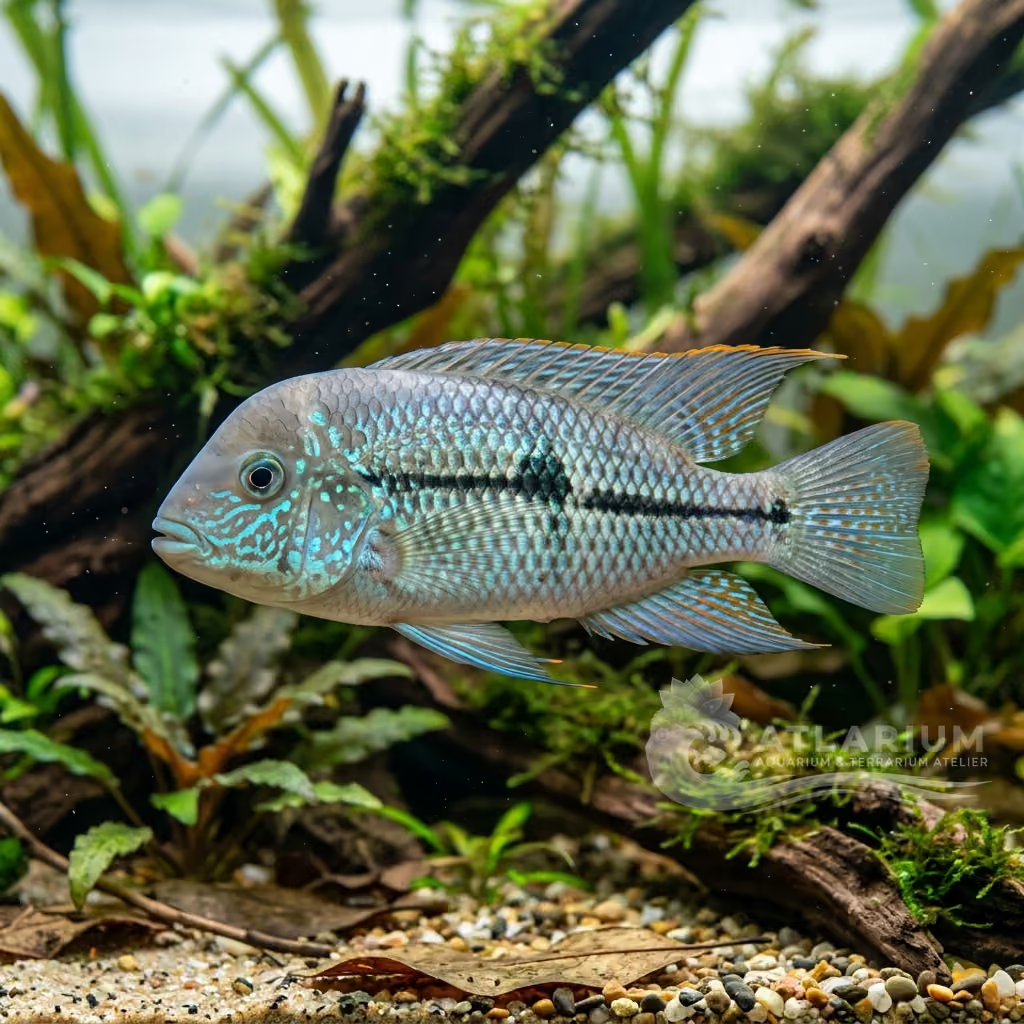
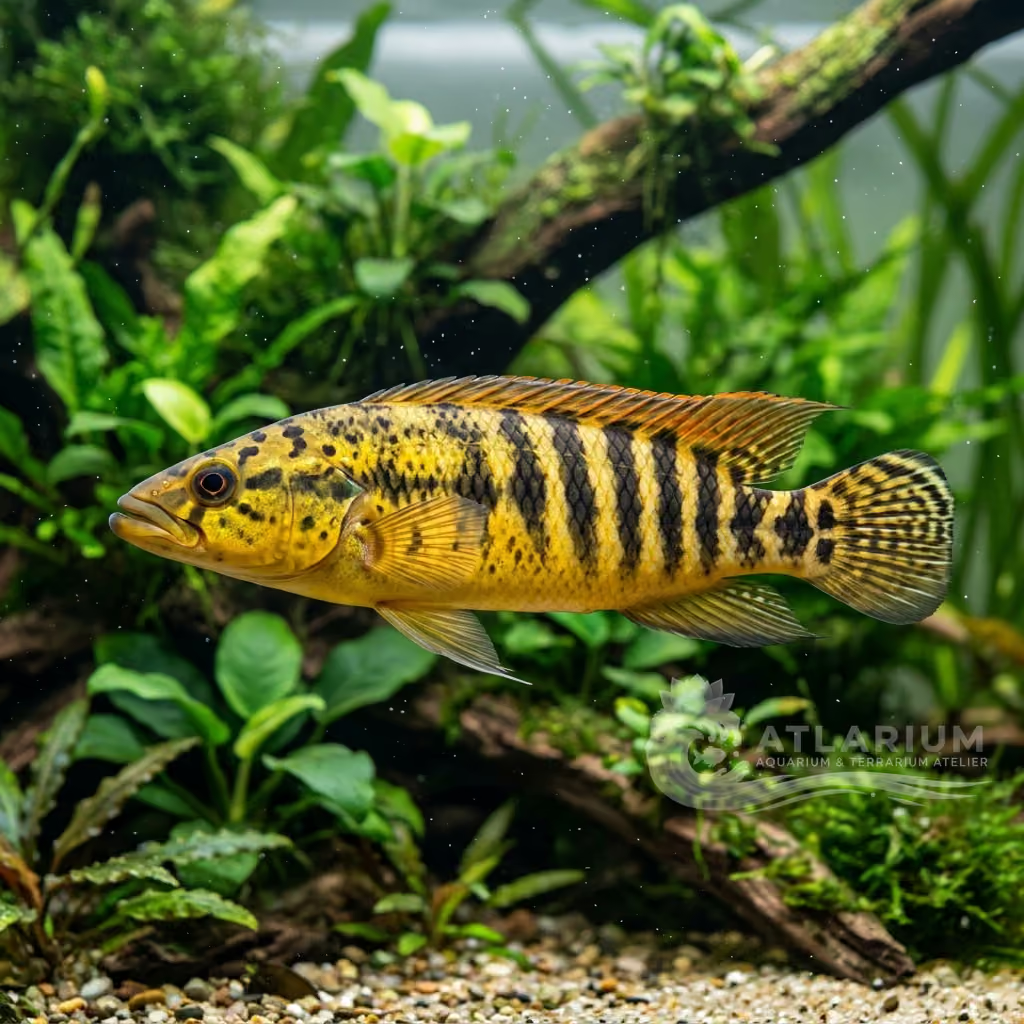
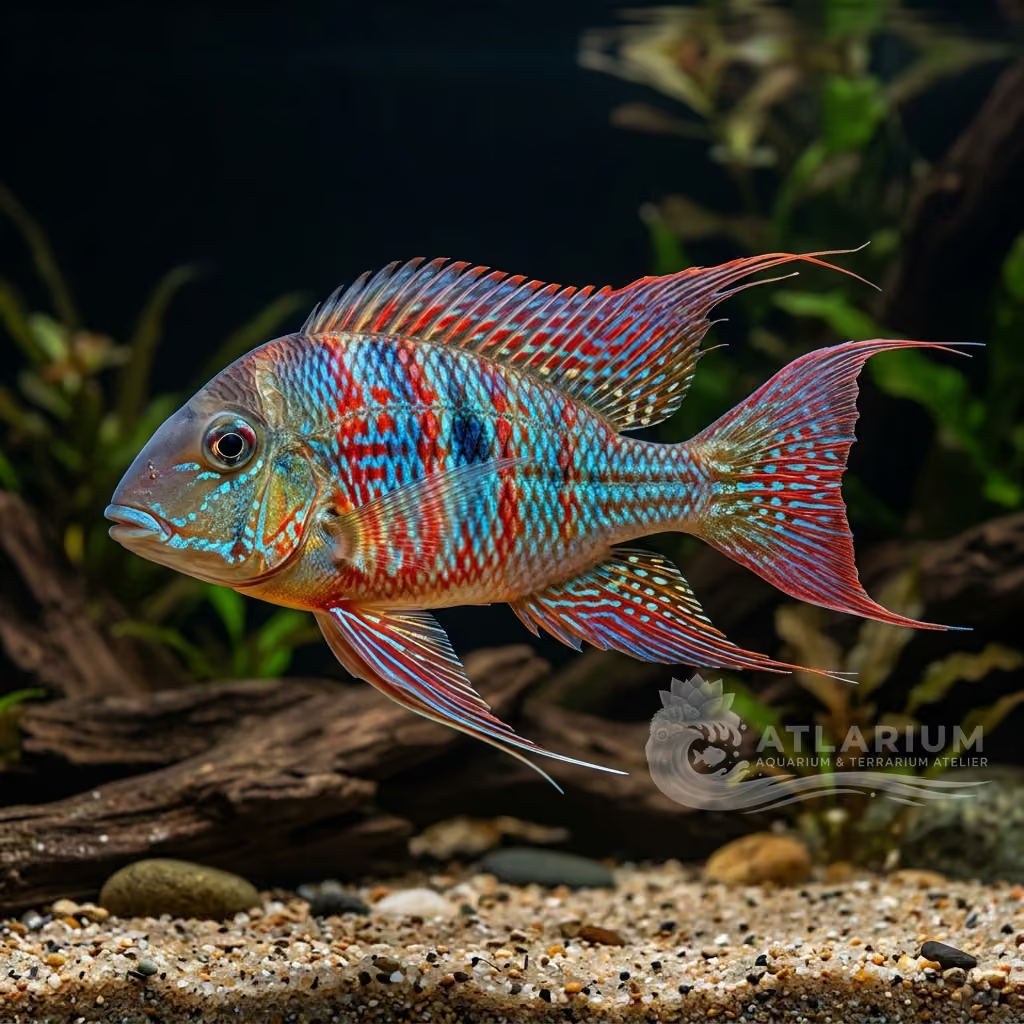
The 'Pin-Finned Dwarf Pike Cichlid' (8-10 cm). An exclusive gem of the Rio Negro blackwaters, the Wallaciia notophthalmus is a tiny torpedo-shaped predator of astounding beauty. The male shows off an extravagant dorsal fin whose first rays, separated and black, elongate like sharp needles. The golden-olive livery is embellished with broken bands and a conspicuous caudal spot. Extremely territorial and lethal to any dwarf or benthic fish, it demands specialized tanks of hot, hyper-acidic and amber water to reveal its hypnotic and fierce splendor.
24 - 29 °C
4.5 - 6.5
Süßwasser
Unten und in der Mitte
8 cm
>= 100 L
>= 1
1 - 5 dGH
0 - 1 dKH
15 - 85 ppm
23 - 133 uS/cm

Artbeschreibung

Pflege, Zucht und Mitbewohner

Geografische Herkunft und Verbreitung
Ursprung

Fischprofil
- Temperament
- Semi-aggressive
- Wallaciia notophthalmus is highly aggressive, territorial, and predatory, embodying the classic pike cichlid personality. They are incredibly intelligent and aware of their surroundings, often learning to recognize their owners. Their aggressive nature demands a carefully planned setup, but they reward dedicated aquarists with fascinating behavior.
- Diät
- Omnivore
- As an apex predator in miniature, Wallaciia notophthalmus requires a meaty diet of high-quality protein. In captivity, they can be trained to accept large carnivore pellets, but they thrive on frozen or live foods. Feeder fish, earthworms, and large krill are excellent staples to keep them well-fed and active.
- Lebenserwartung
- 4-6 years
- Erwachsenengröße
- 8 cm
- Geschlechterverhältnis
- Pair
- It is best to keep Wallaciia notophthalmus as a single, bonded pair. Forcing multiple adults into the same aquarium usually results in severe aggression and the eventual death of the subordinate fish. Buying a group of juveniles and letting a pair naturally form is the most successful method.
- Fütterungsfrequenz
- Twice daily
- Adult Wallaciia notophthalmus should be fed one large meal per day or every other day, simulating their natural gorge-and-fast feeding patterns. Juveniles require daily feeding to support their rapid growth rates. Removing uneaten meaty foods immediately is crucial to avoid sudden ammonia spikes.
- Bioload
- Low to Medium
- Wallaciia notophthalmus generates a significant bioload due to their predatory nature and protein-rich diet. These active fish require robust filtration to handle the organic waste they produce. Frequent, large water changes are mandatory to keep nitrate levels low and maintain a healthy environment.
- Fluss
- Stagnant
- These cichlids appreciate moderate to strong water currents, reflecting their natural riverine habitats. Good flow helps maintain high dissolved oxygen levels, which is vital for Wallaciia notophthalmus. Powerheads or strong filter outputs can be used to create the dynamic environment they prefer.
- Sprungrisiko
- Yes
- Wallaciia notophthalmus poses a very high jump risk, as they are powerful swimmers that can launch themselves out of the water to escape aggression or catch prey. A heavy, completely sealed aquarium lid is an absolute necessity. Even small gaps around filter tubes should be covered to prevent tragic escapes.
- Reproduktion
- Oviparous
- Breeding Wallaciia notophthalmus is notoriously difficult and requires a dedicated species setup. They are cave spawners, so providing appropriately sized PVC pipes or rock caves is necessary. Both parents are fiercely protective of the fry and will attack any intruders with extreme prejudice.
- Kompatibilität & Tankkameraden
- Extremely aggressive
- Pike cichlids are highly predatory and extremely aggressive toward smaller fish. Wallaciia notophthalmus should only be kept with robust, similarly sized, or larger species that cannot be swallowed. They can also exhibit intense conspecific aggression, meaning careful planning is required if keeping them with other cichlids.
- Tankfüllstand
- Middle/Bottom
- They are primarily middle to bottom dwellers, often hovering in the water column waiting to ambush prey. Wallaciia notophthalmus needs plenty of structure, such as large pieces of driftwood and rocks, to establish their territory. They will fiercely defend their chosen spot against any perceived threats.

Wissenschaftliche Modelle & Parameter
Zugang zu den offiziellen wissenschaftlichen Daten der Art
- Trophäenniveau
- 3,2 ± 0,5 se
- Belastbarkeit
- Hoch (weniger als 15 Monate)
- Phylogenetische Einzigartigkeit (PD50)
- 0.5039
- Bayessche Längen-Gewichts-Beziehung
- a = 0.00776, b = 3.12
- AnfälligkeitGeringe Anfälligkeit (10 / 100)

Verwandte Arten
Empfehlungen gruppiert nach nahen Verwandten, Auswahl von Begleitern und ähnlicher Betreuung.