Flag Acara (Smiling Cichlid)
Laetacara curviceps
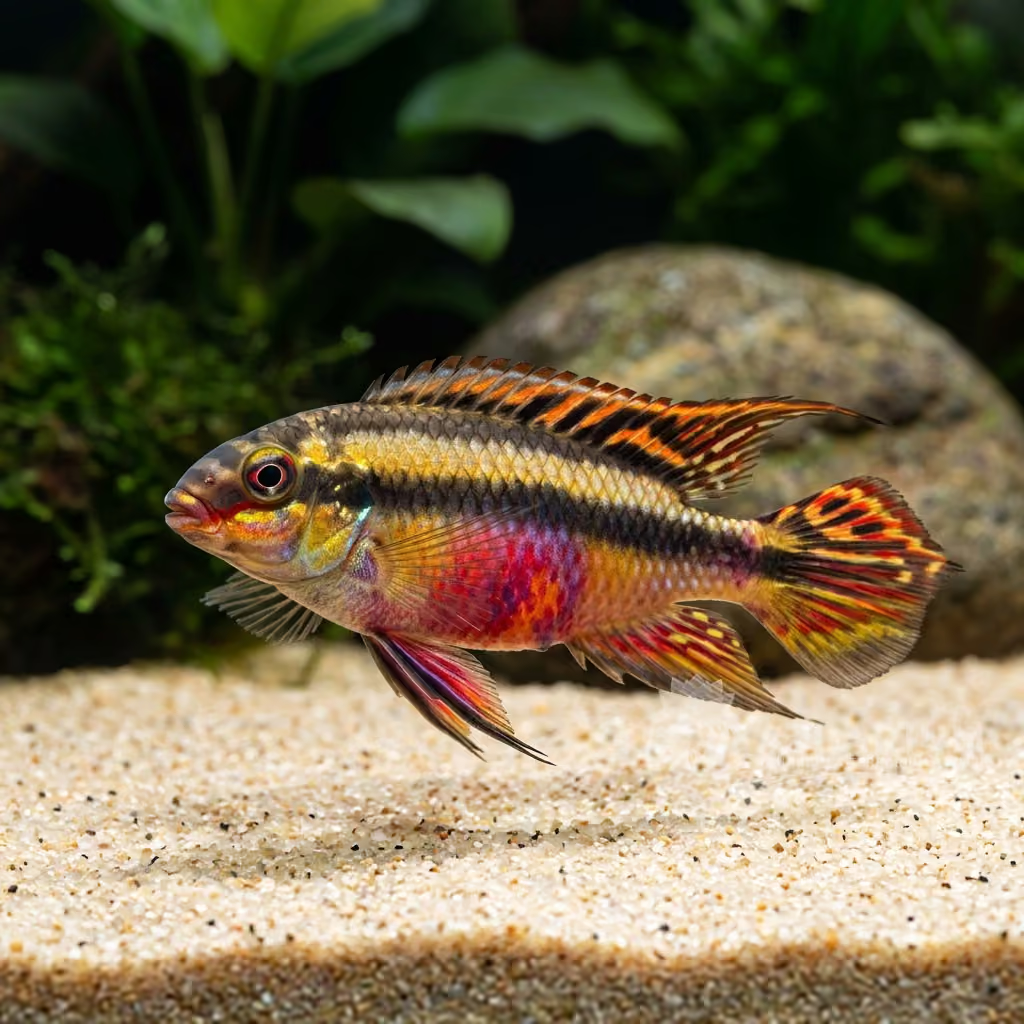
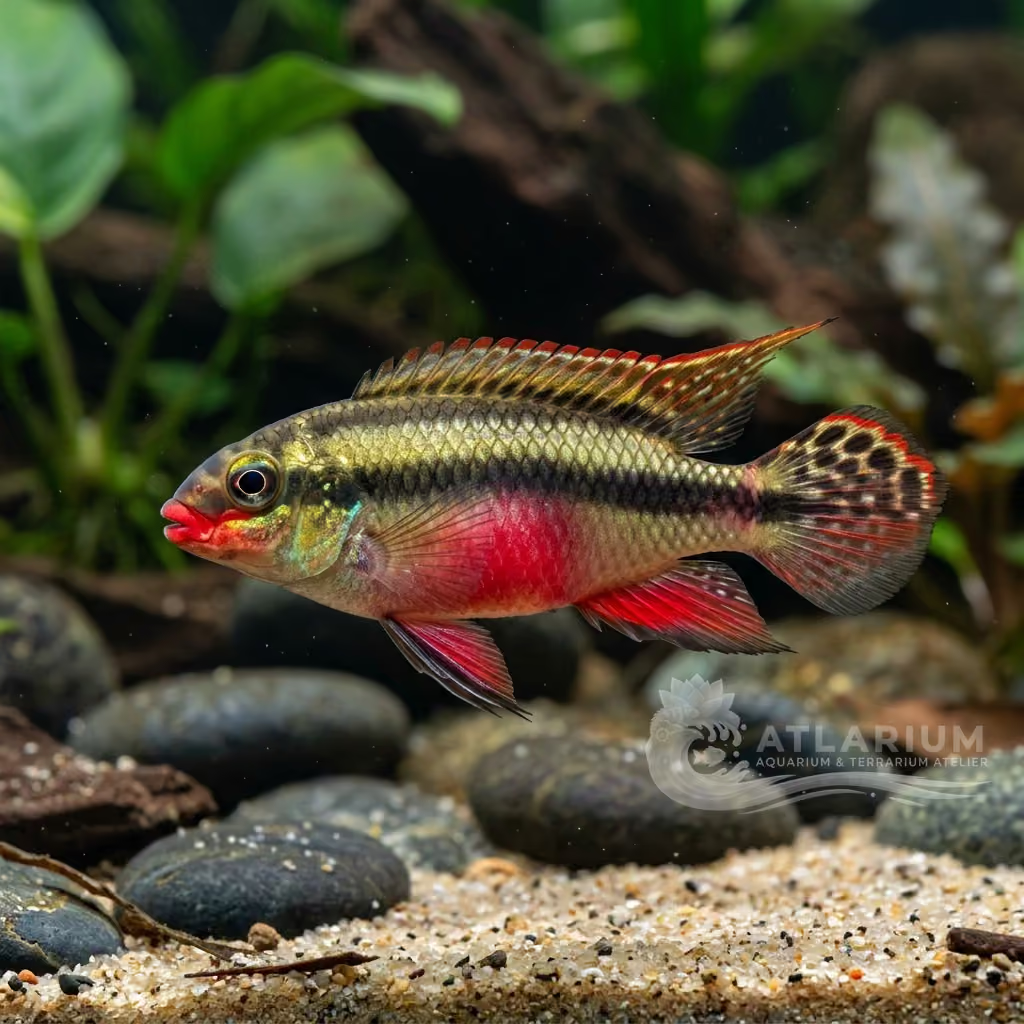
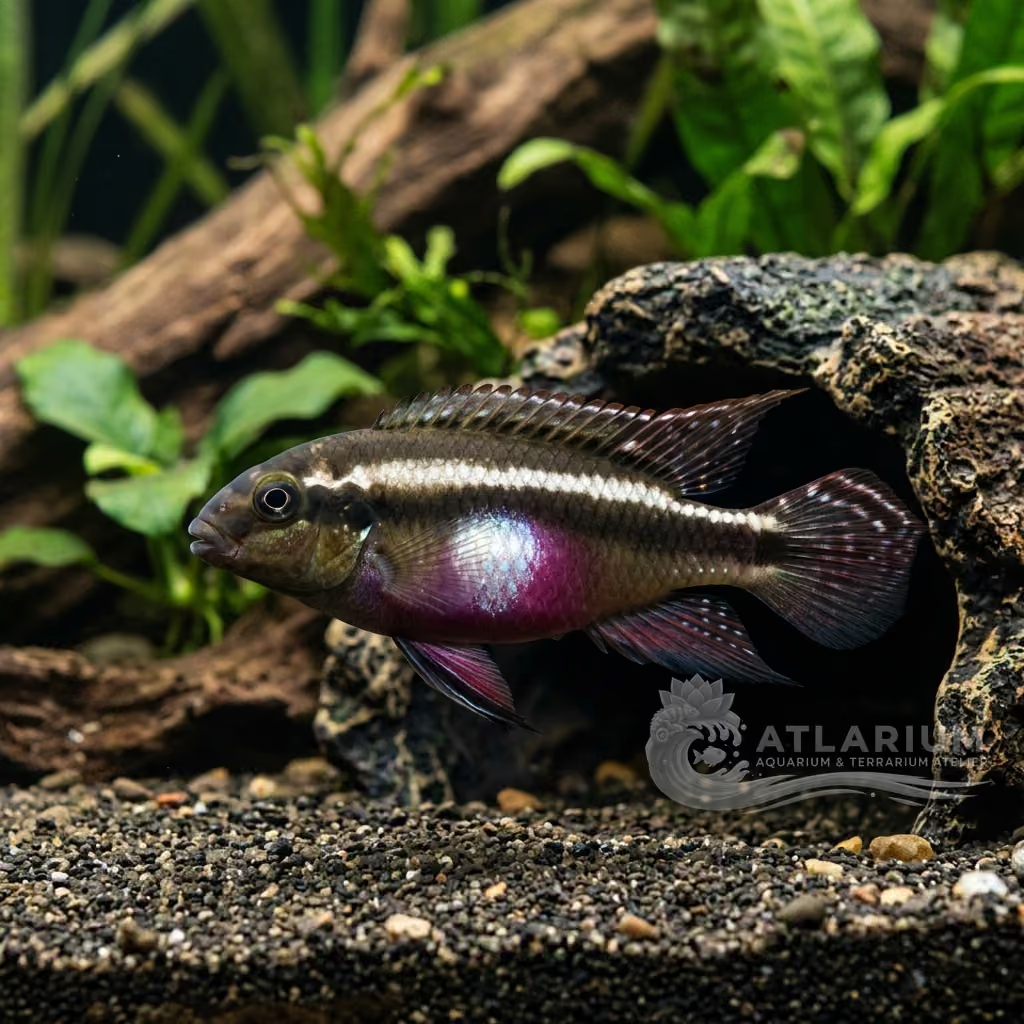
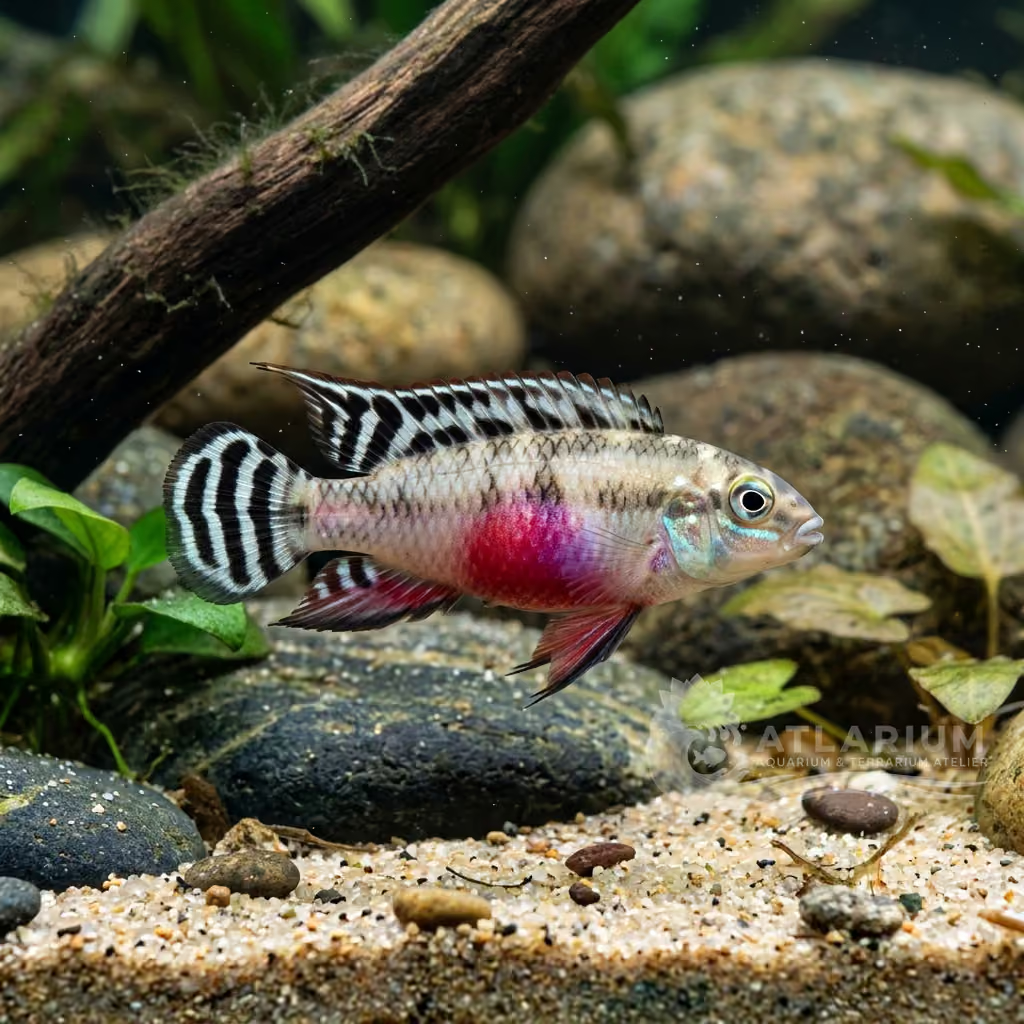
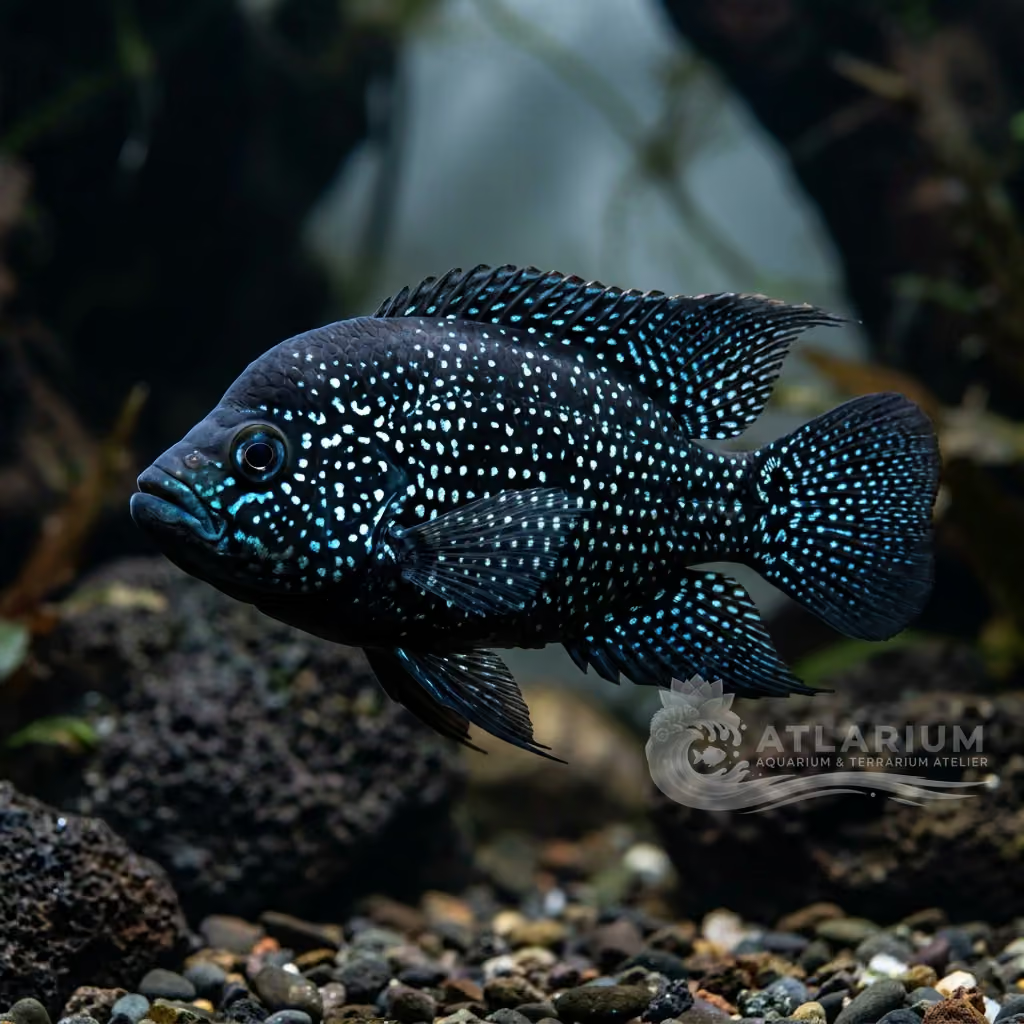
The Laetacara curviceps (commonly known as Flag Acara or Smiling Cichlid) is the forgotten jewel of fishkeeping. Often ignored because of its dull juvenile coloration, this small Acara transforms into a breathtaking, stocky and robust adult fish, exhibiting a deep turquoise/teal body, dotted with silver, a firm black line along the eye and fins bordered in bright red. Less chemically demanding than Rams and decidedly less aggressive than Apistogramma, the Curviceps combines fantastic rusticity with an adorable temperament, being perhaps the calmest and most peaceful cichlid that can be housed in an 80 cm (30-inch) community aquarium.
22 - 26 °C
5.5 - 7.5
Süßwasser
Unten und in der Mitte
7 cm
>= 80 L
>= 2
1 - 10 dGH
1 - 5 dKH
25 - 200 ppm
39 - 313 uS/cm

Artbeschreibung

Pflege, Zucht und Mitbewohner

Geografische Herkunft und Verbreitung
Ursprung

Fischprofil
- Temperament
- Peaceful
- This is a generally peaceful dwarf cichlid that rarely bothers non-cichlid tank mates. They do become notably territorial when preparing to spawn or guarding their fry. Providing ample visual barriers and hiding spots ensures that any aggression is well mitigated.
- Diät
- Omnivore
- They are omnivorous micro-predators that forage on benthic invertebrates and plant matter in the wild. In captivity, they readily accept sinking pellets, high-quality flakes, and granular foods. Live or frozen bloodworms, daphnia, and brine shrimp should be offered regularly for optimal health.
- Lebenserwartung
- 5-8 years
- Erwachsenengröße
- 7 cm
- Geschlechterverhältnis
- Pair
- Keeping them in compatible pairs is the most successful approach for long-term harmony. If kept in groups, multiple females per male can be housed in sufficiently large tanks to disperse aggression. During breeding, even a bonded pair will become highly territorial toward conspecifics.
- Fütterungsfrequenz
- Twice daily
- Adults should be fed one or two small meals per day. Overfeeding can lead to obesity and rapidly degrade water quality in the aquarium. Fasting them for one day a week can closely mimic natural food availability and promote digestive health.
- Bioload
- Low to Medium
- This dwarf cichlid has a moderate bioload that is easily managed in appropriately sized aquariums. They consume significant amounts of food but their small adult size limits overall waste production. Regular water changes and a high-quality biological filter will effortlessly maintain water stability.
- Fluss
- Weak
- They originate from slow-moving or stagnant waters in the Amazon basin. A gentle to moderate current is strongly preferred over strong, turbulent flow. Ensure that the filtration system does not create a vortex that exhausts these rounded fish.
- Sprungrisiko
- No
- Reproduktion
- Oviparous
- They are biparental substrate spawners that typically lay their eggs on flat stones or broad leaves. Both parents fiercely defend the eggs and the resulting fry from potential predators. Soft, slightly acidic water and varied high-protein meals are usually required to trigger spawning.
- Kompatibilität & Tankkameraden
- Peaceful
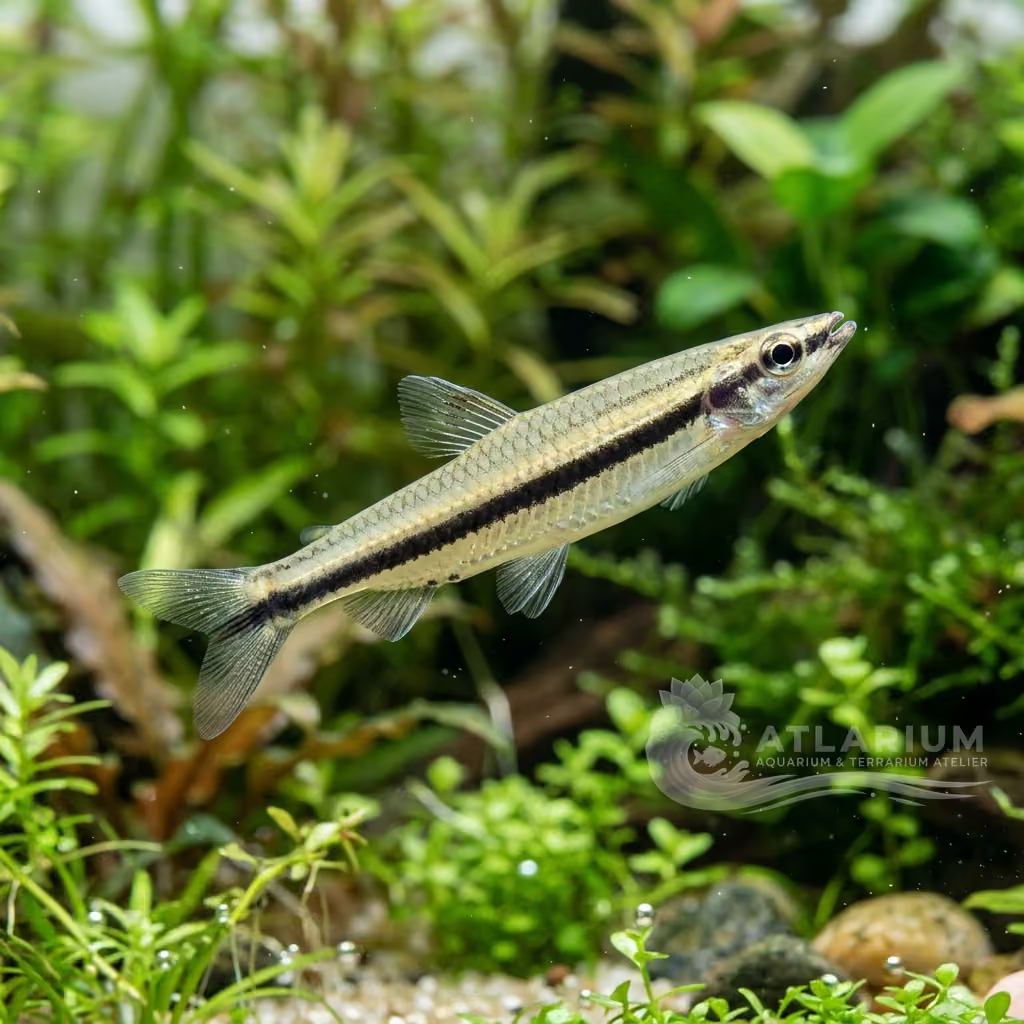
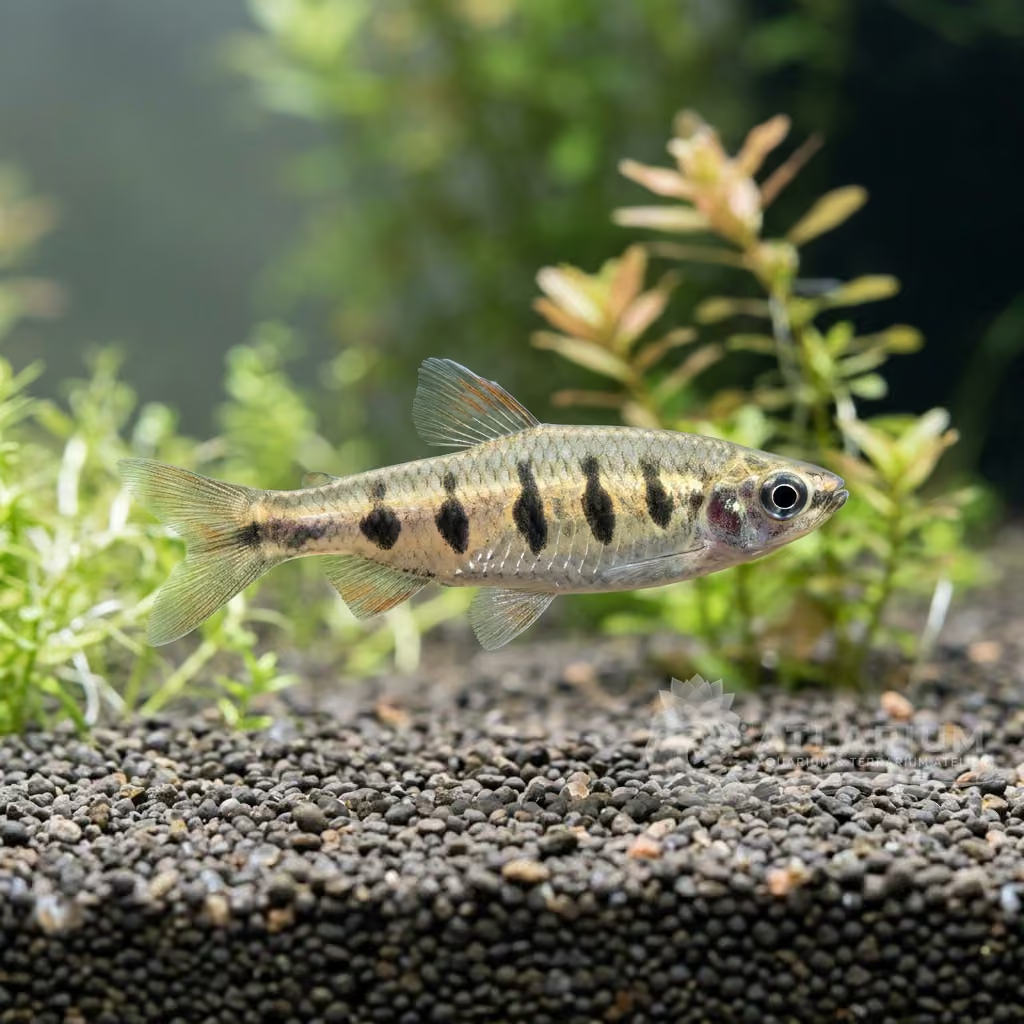
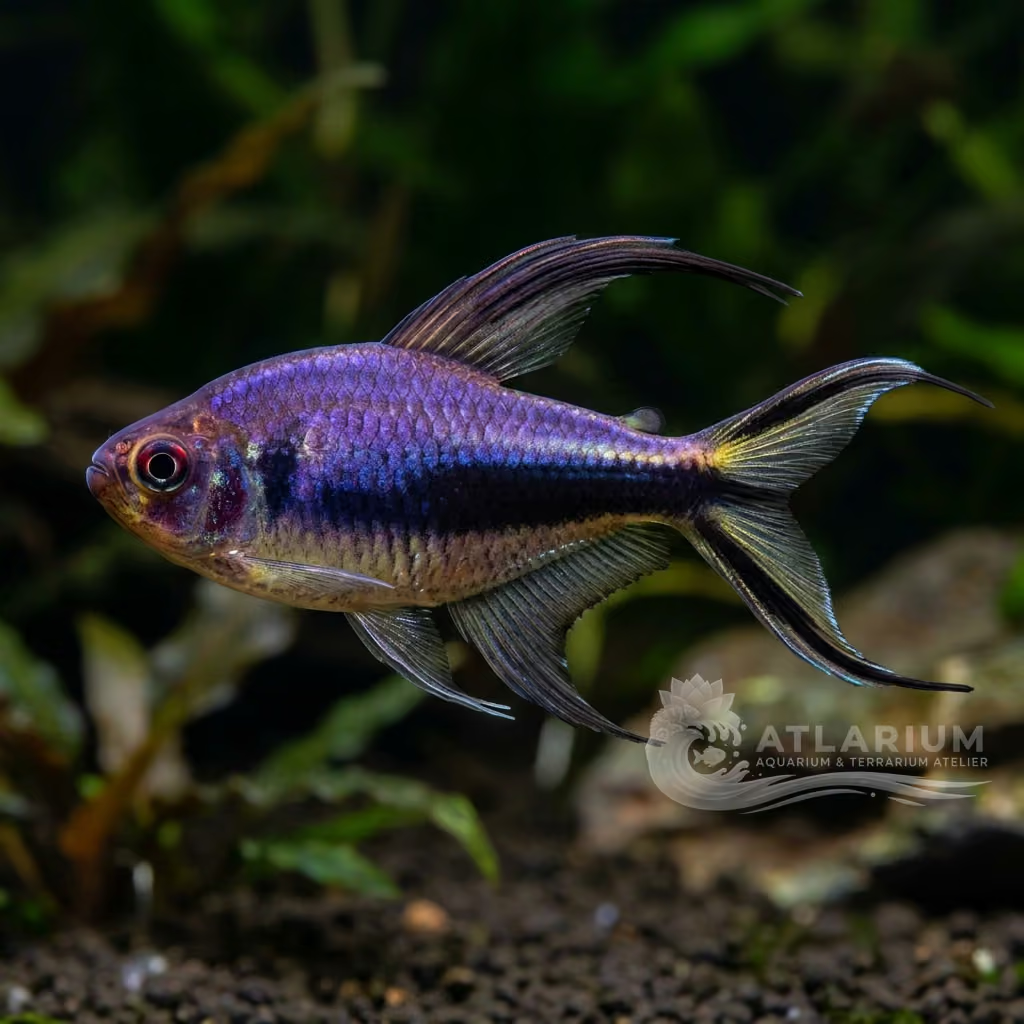
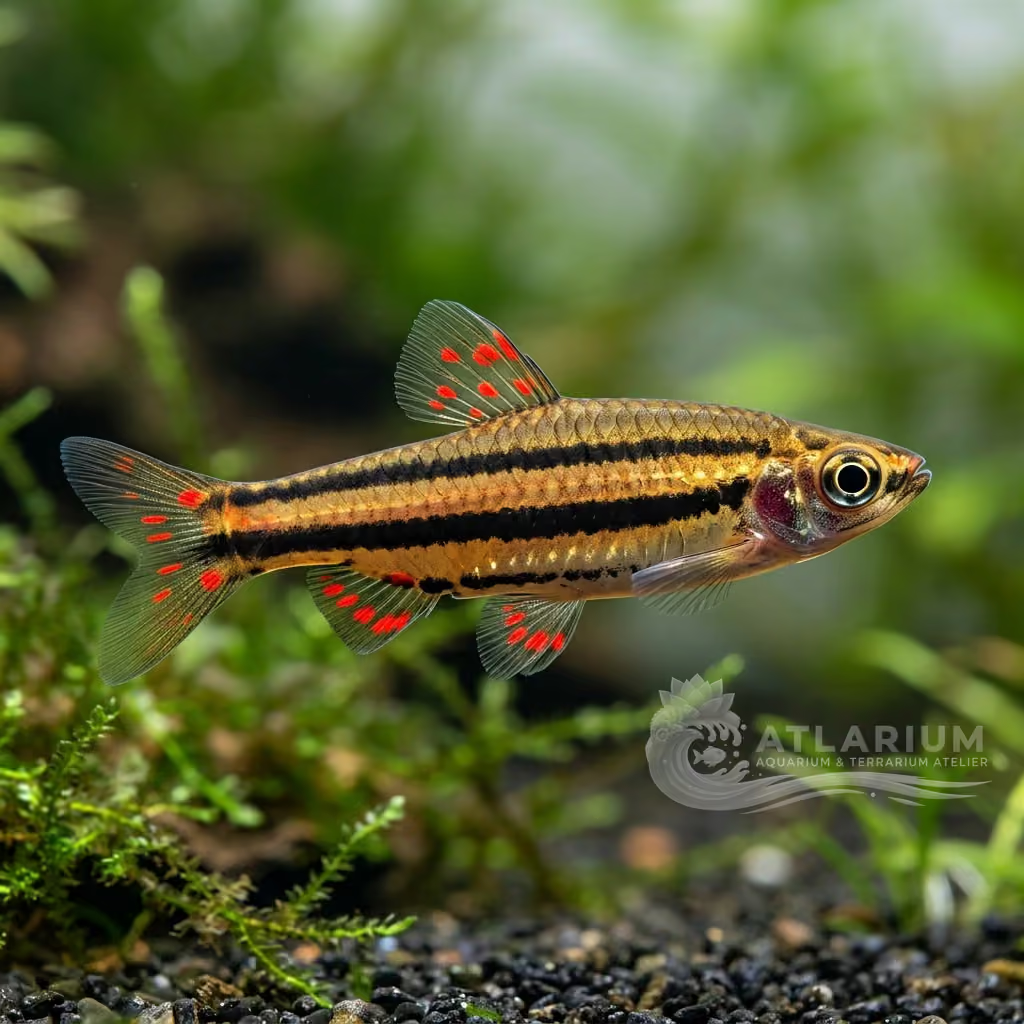
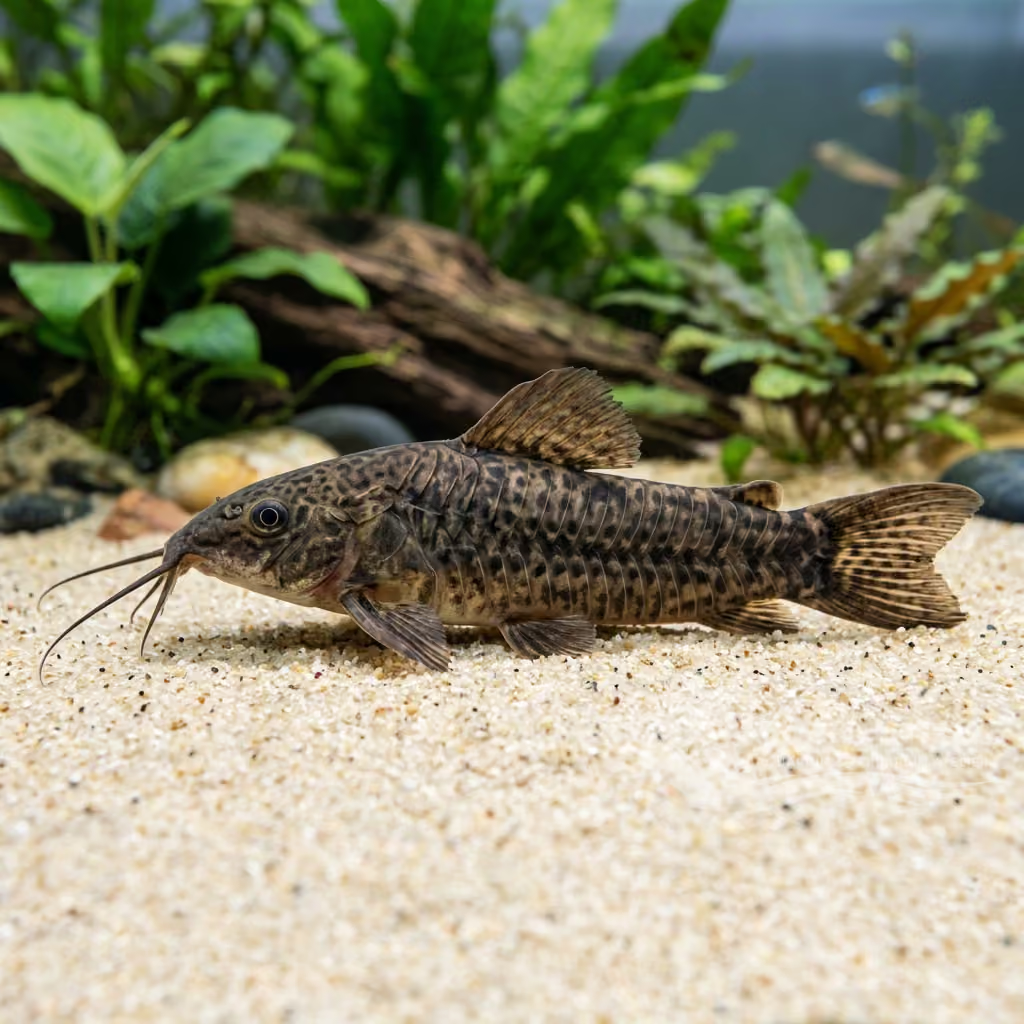
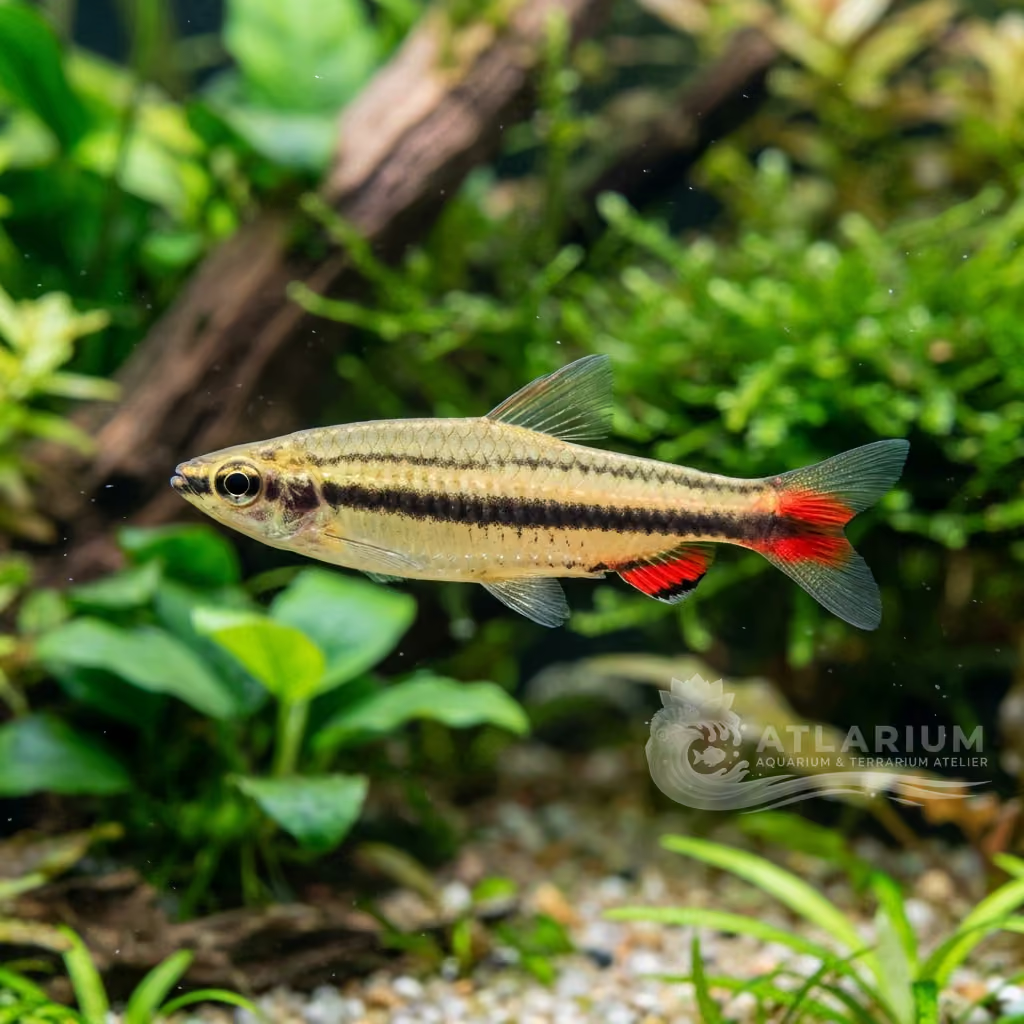
- It is highly peaceful for a cichlid and does remarkably well in community setups. They should not be kept with overly aggressive or large predatory fish. Ideal tank mates include tetras, pencilfish, and peaceful bottom dwellers like Corydoras.
- Tankfüllstand
- Middle/Bottom
- They predominantly inhabit the middle and lower regions of the aquarium. Providing plenty of driftwood, leaf litter, and flat stones makes them feel at home near the substrate. They will venture higher during feeding times but prefer the safety of the bottom.

Wissenschaftliche Modelle & Parameter
Zugang zu den offiziellen wissenschaftlichen Daten der Art
- Trophäenniveau
- 3,2 ± 0,4 se
- Belastbarkeit
- Hoch (weniger als 15 Monate)
- Phylogenetische Einzigartigkeit (PD50)
- 0.5078
- Bayessche Längen-Gewichts-Beziehung
- a = 0.02188, b = 3.05
- AnfälligkeitGeringe Anfälligkeit (10 / 100)

Verwandte Arten
Empfehlungen gruppiert nach nahen Verwandten, Auswahl von Begleitern und ähnlicher Betreuung.