Three-lined pencilfish
Nannostomus trifasciatus
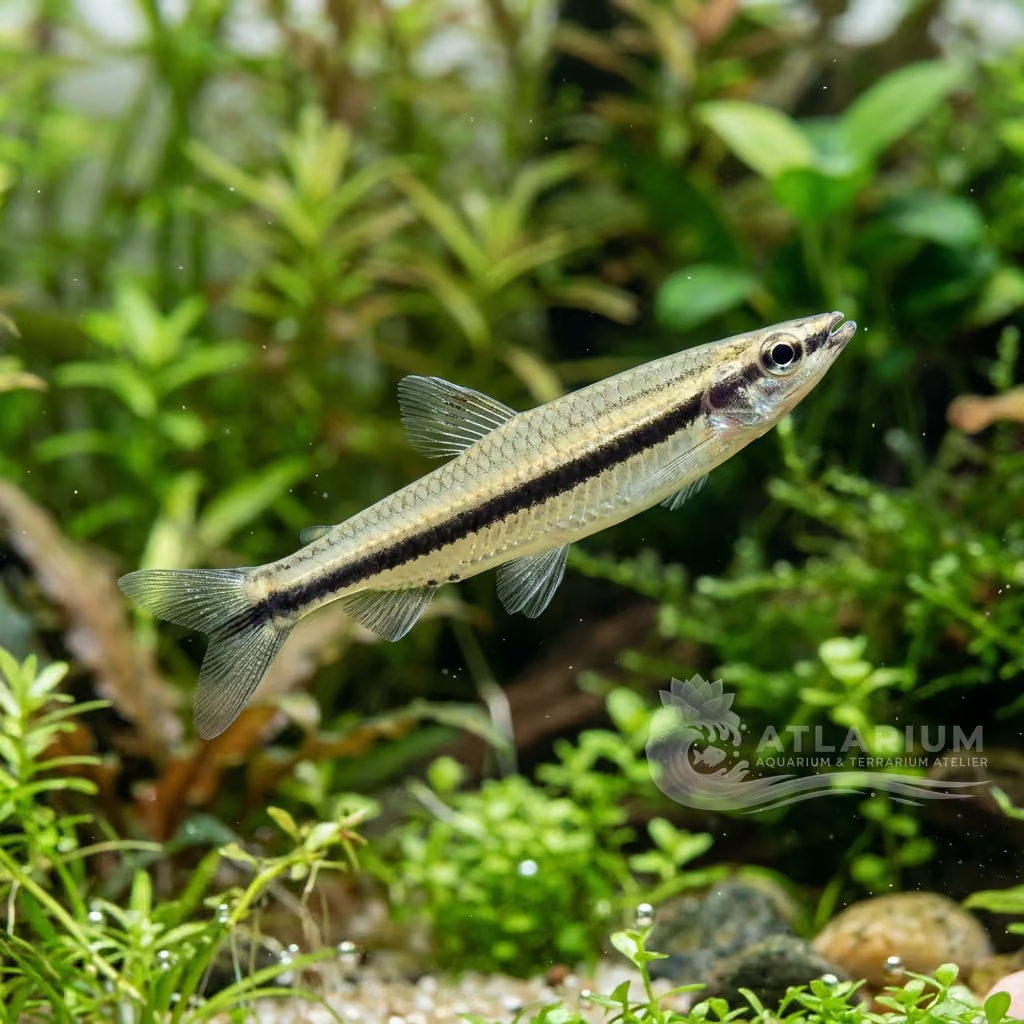
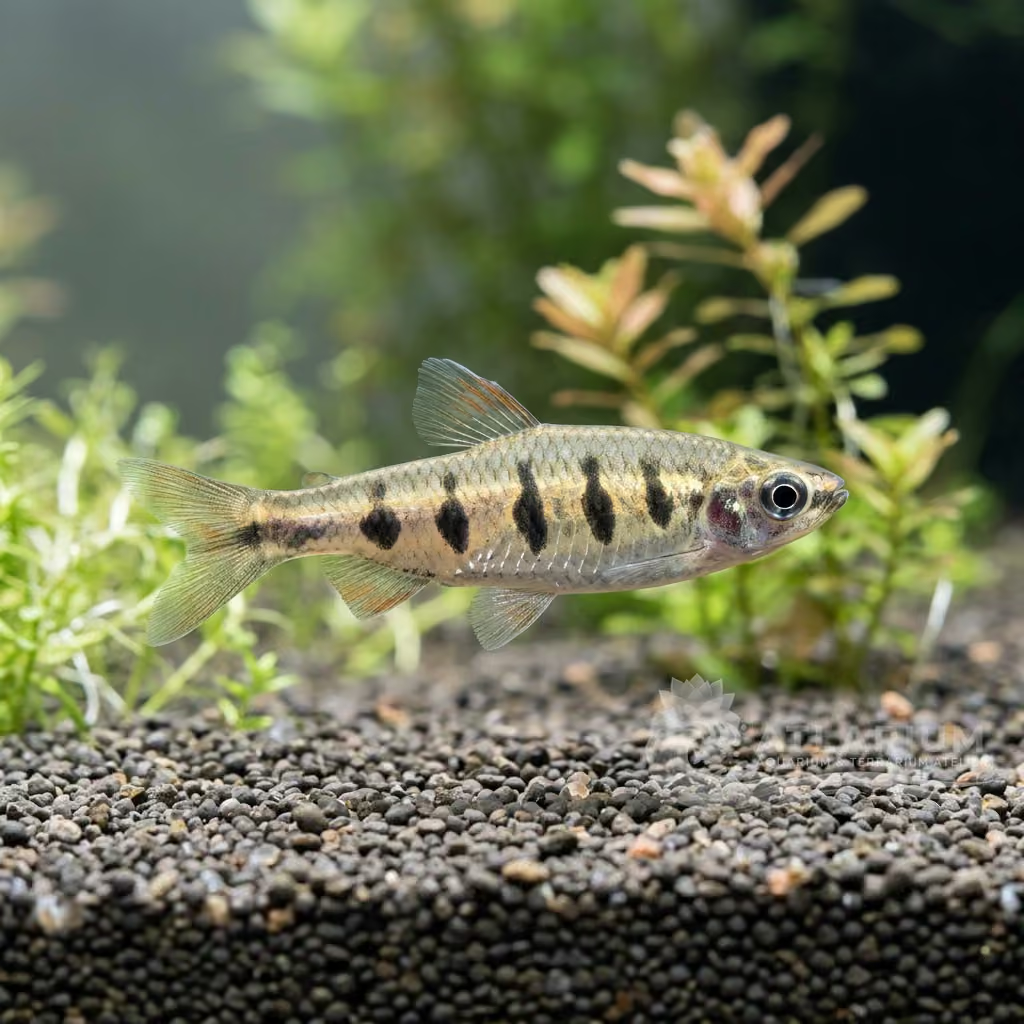
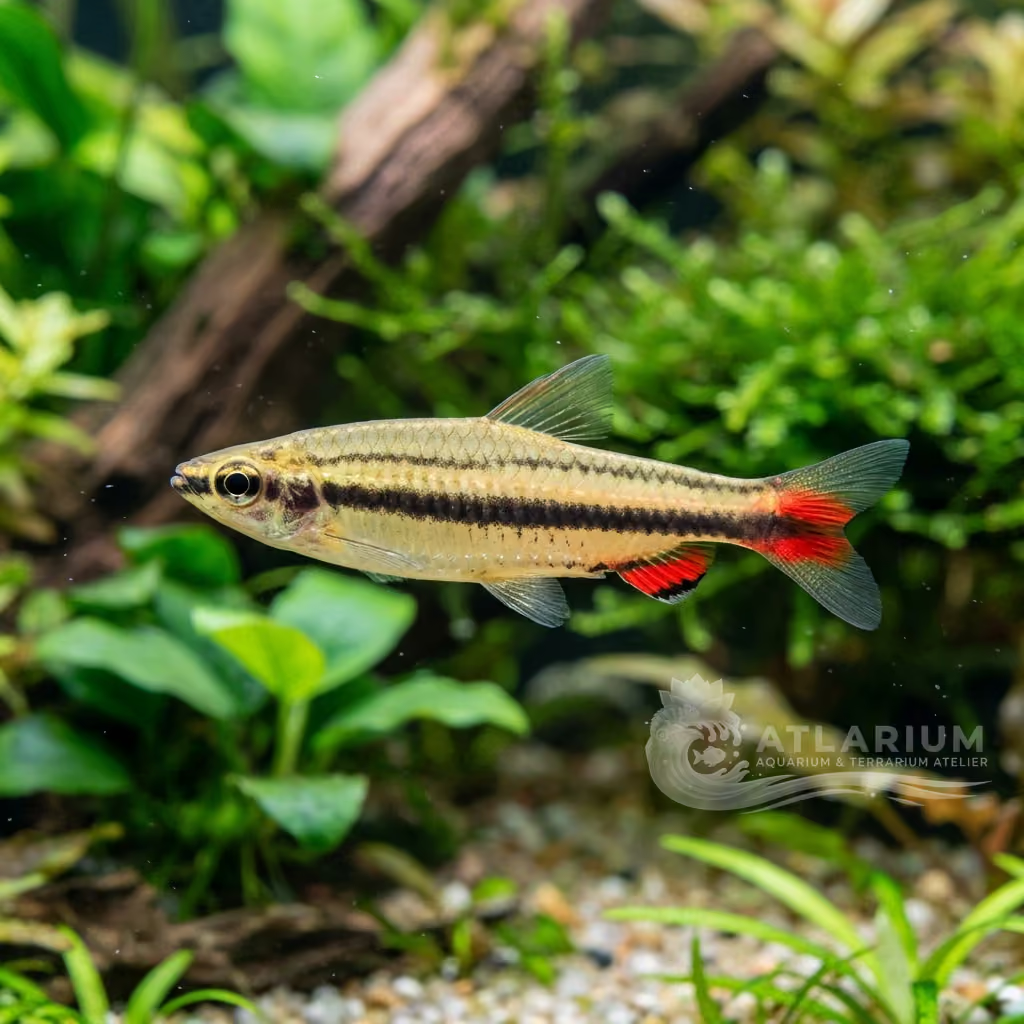
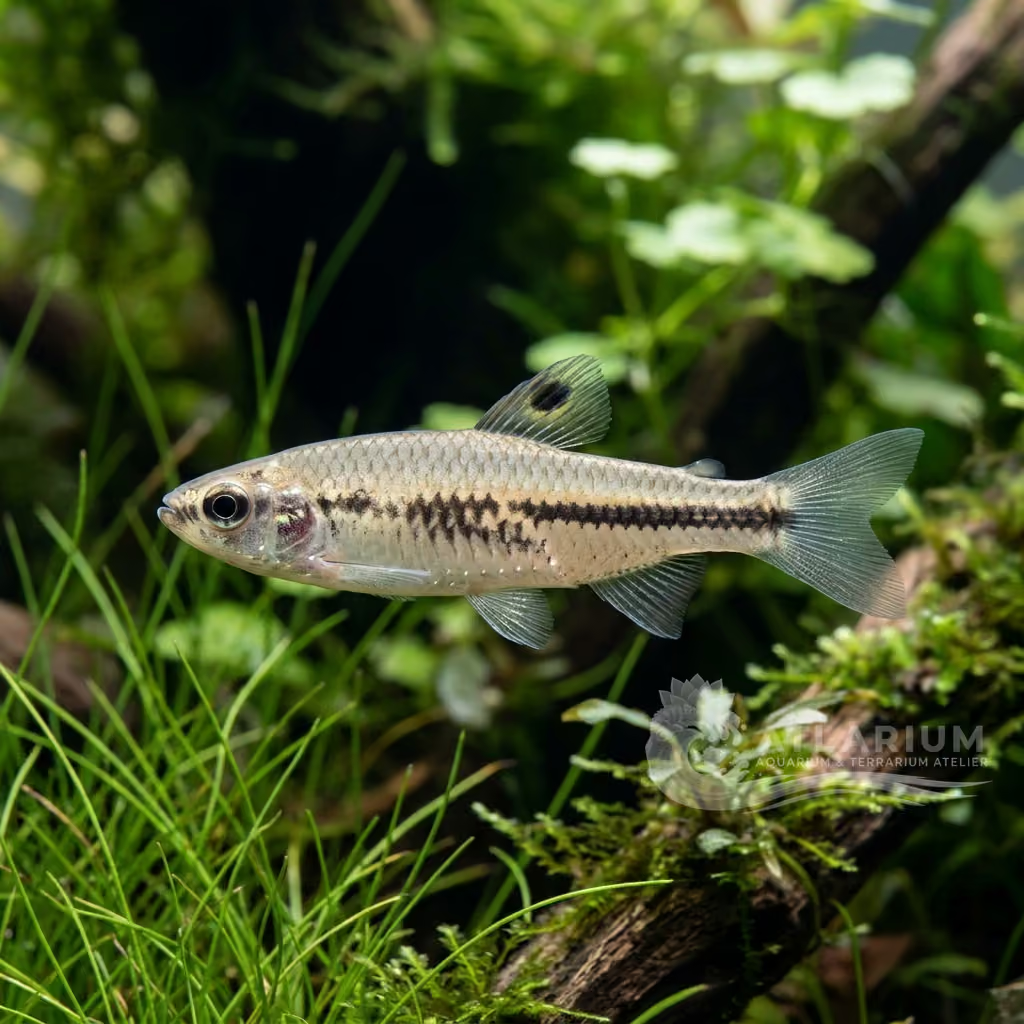
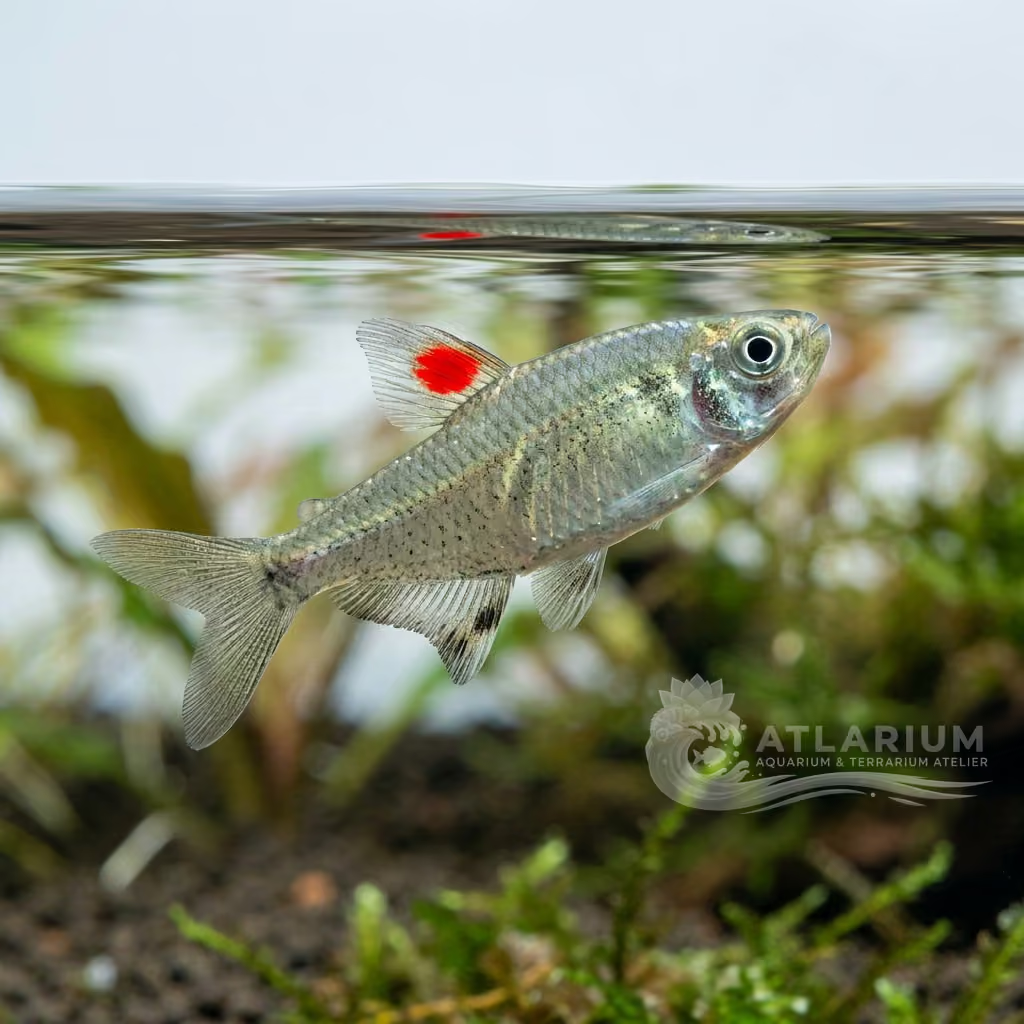
A pencilfish with three distinct black longitudinal bands on a golden-red body — the largest and most classic of the genus. At up to 6 cm, it is noticeably more robust than nano cousins. Displays the characteristic Nannostomus nocturnal livery with dark spots appearing in the dark. Can be slightly territorial with conspecifics but remains peaceful in community — needs sufficient space to establish micro-territories. Ideal Amazonian blackwater biotope with tannins and dim lighting. Lid: jumper.
24 - 28 °C
5.5 - 7
Süßwasser
Oberfläche und Mitte
5,5 cm
>= 55 L
>= 6
1 - 12 dGH
1 - 6 dKH
25 - 240 ppm
39 - 375 uS/cm

Artbeschreibung

Pflege, Zucht und Mitbewohner

Geografische Herkunft und Verbreitung
Ursprung

Fischprofil
- Temperament
- Semi-aggressive
- These pencilfish are highly peaceful but can be somewhat skittish in sparse environments. They must be kept in groups of at least six to feel confident and display natural behavior. In appropriate numbers, they will actively interact and explore their surroundings.
- Diät
- Micro-predator
- Their natural diet consists primarily of small insects and tiny crustaceans. In a home aquarium, they will eagerly consume finely crushed flakes and suitably sized pellets. Supplementing their diet with live or frozen daphnia and cyclops brings out their best colors.
- Lebenserwartung
- 3-5 years
- Erwachsenengröße
- 5.5 cm
- Geschlechterverhältnis
- Group
- Males are generally more colorful and have additional red markings compared to females. Keeping a ratio with more females than males reduces competitive stress. A balanced group minimizes territorial squabbles among males during spawning behavior.
- Fütterungsfrequenz
- Twice daily
- Due to their high energy levels and small stomachs, they require frequent, small meals. Providing food two to three times a day is ideal for their metabolism. Ensure that the food particles are small enough to fit into their tiny, upturned mouths.
- Bioload
- Low
- The Three-lined pencilfish carries a very light bioload, contributing little to the nitrogen cycle. They are small and highly active, but their waste production remains minimal. This characteristic is perfect for maintaining pristine water conditions in planted tanks.
- Fluss
- Strong
- They originate from sluggish waters and therefore prefer a gentle to moderate current. Too much flow will force them to expend unnecessary energy and cause fatigue. Strategic placement of driftwood and plants can create calm resting areas.
- Sprungrisiko
- Yes
- These fish are notorious jumpers, especially during feeding or when frightened. A completely secure and tightly fitting aquarium hood is a strict requirement. Floating plants can also help deter them from leaping out of the water.
- Reproduktion
- Oviparous
- Breeding Three-lined pencilfish can be tricky, demanding very soft water and dim lighting. They scatter their adhesive eggs among fine-leaved plants or spawning mops. The parents will eagerly eat their own eggs, so prompt removal of the adults is necessary.
- Kompatibilität & Tankkameraden
- Peaceful
- This is a peaceful community fish that thrives alongside other gentle species. It is important to avoid housing them with fin-nippers or large, predatory fish. Excellent companions include small tetras, Corydoras, and peaceful dwarf cichlids.
- Tankfüllstand
- Top/Middle
- They are predominantly top and mid-water dwellers in the aquarium. They can often be seen cruising near the surface looking for floating food particles. Including tall plants provides them with necessary cover in their preferred swimming zones.

Wissenschaftliche Modelle & Parameter
Zugang zu den offiziellen wissenschaftlichen Daten der Art
- Trophäenniveau
- 3,3 ± 0,39 se
- Phylogenetische Einzigartigkeit (PD50)
- 0.5
- Bayessche Längen-Gewichts-Beziehung
- a = 0.01023, b = 3.13
- AnfälligkeitGeringe Anfälligkeit (10 / 100)

Bildergalerie
Lizenzierte Bilder, die mit der Art oder, wenn markiert, mit dem nächstgelegenen repräsentativen Taxon verknüpft sind.

Verwandte Arten
Empfehlungen gruppiert nach nahen Verwandten, Auswahl von Begleitern und ähnlicher Betreuung.