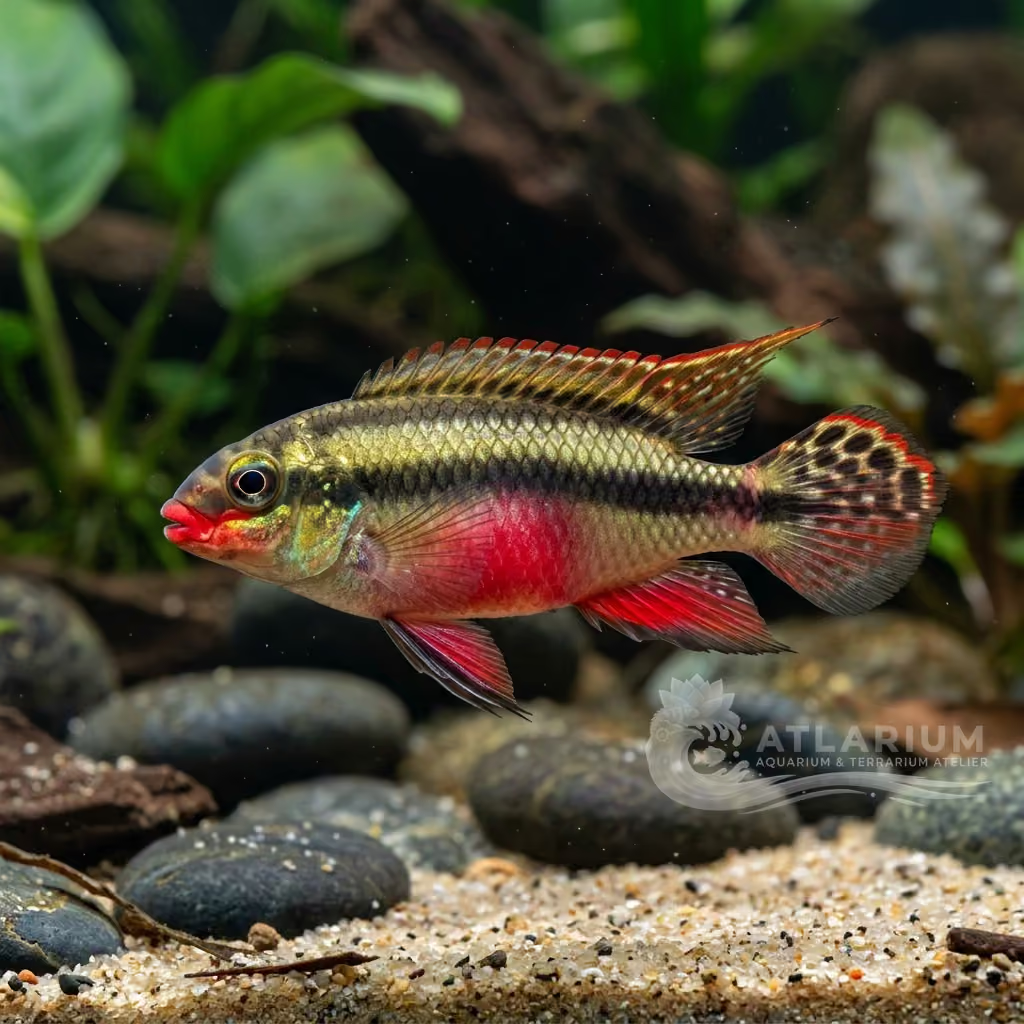
Anduze's Pencilfish
Nannostomus anduzei
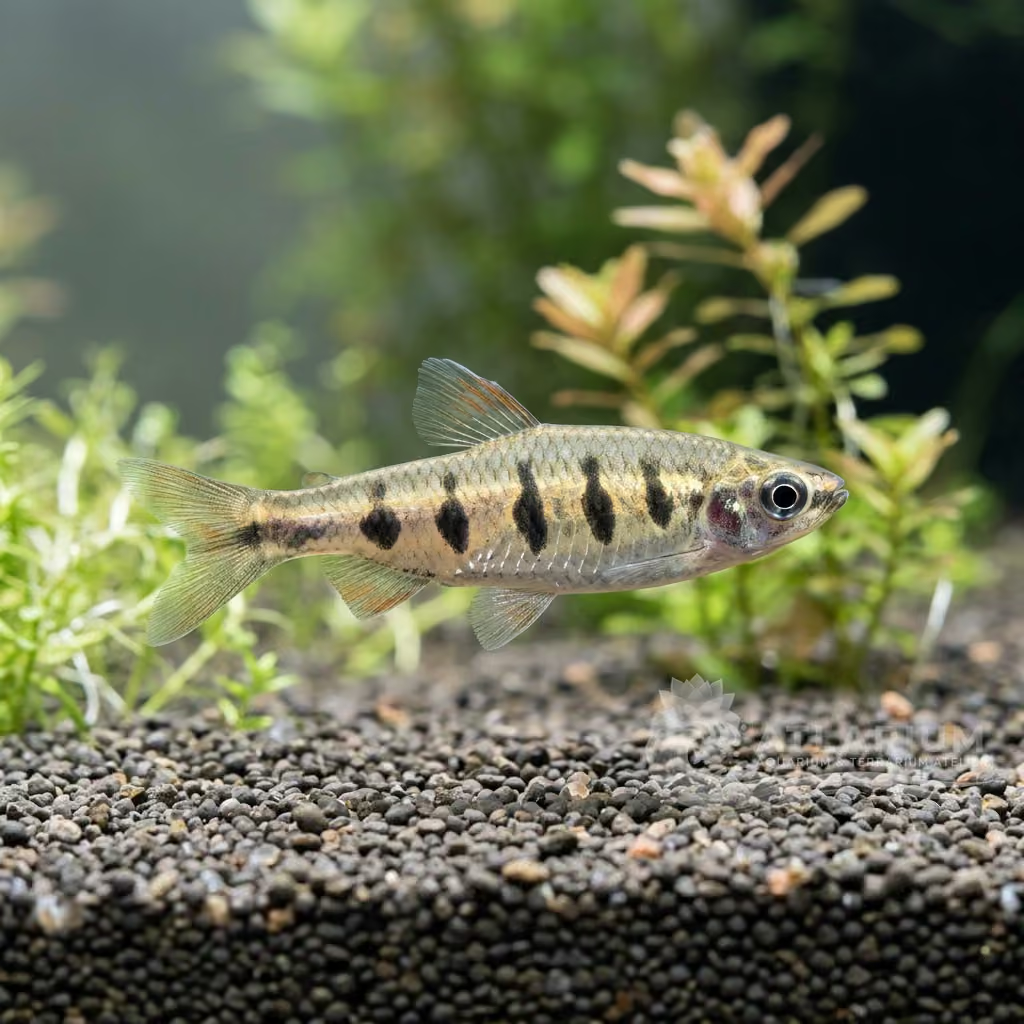
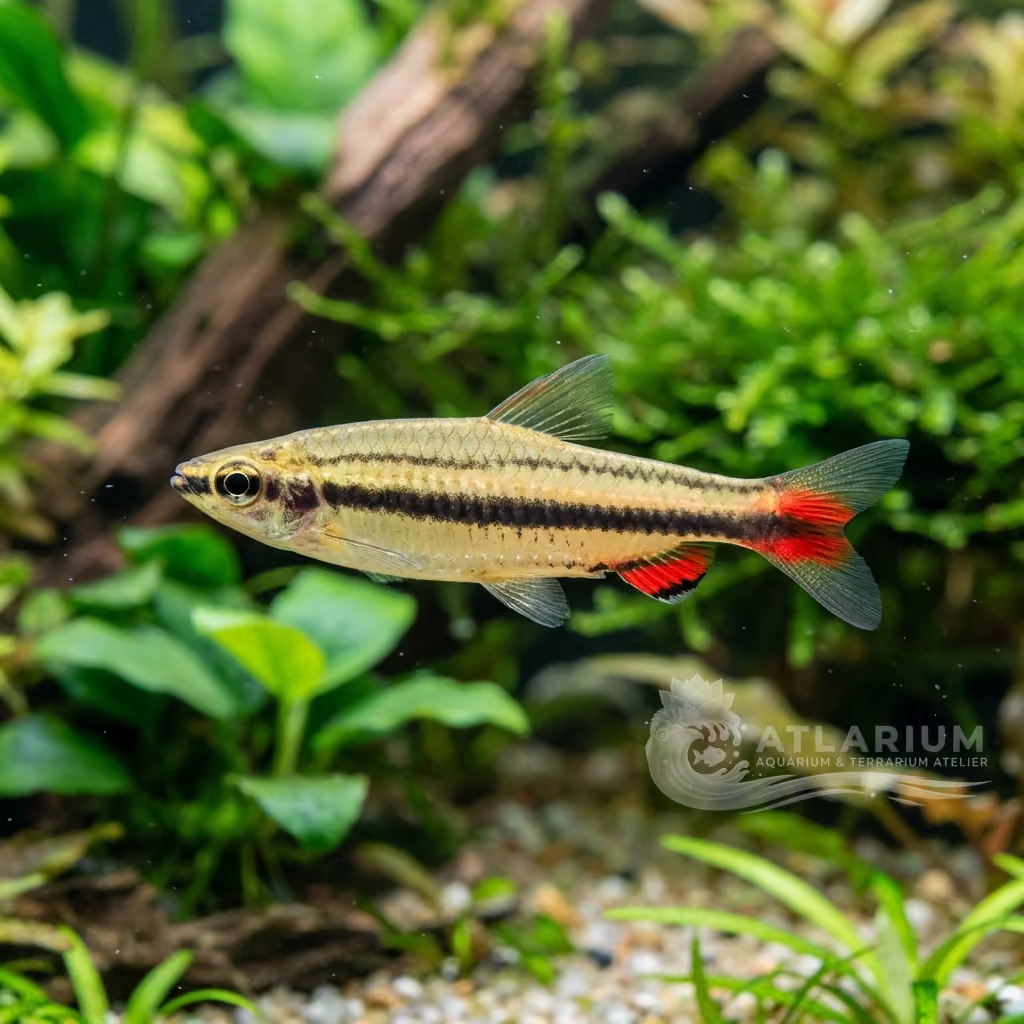
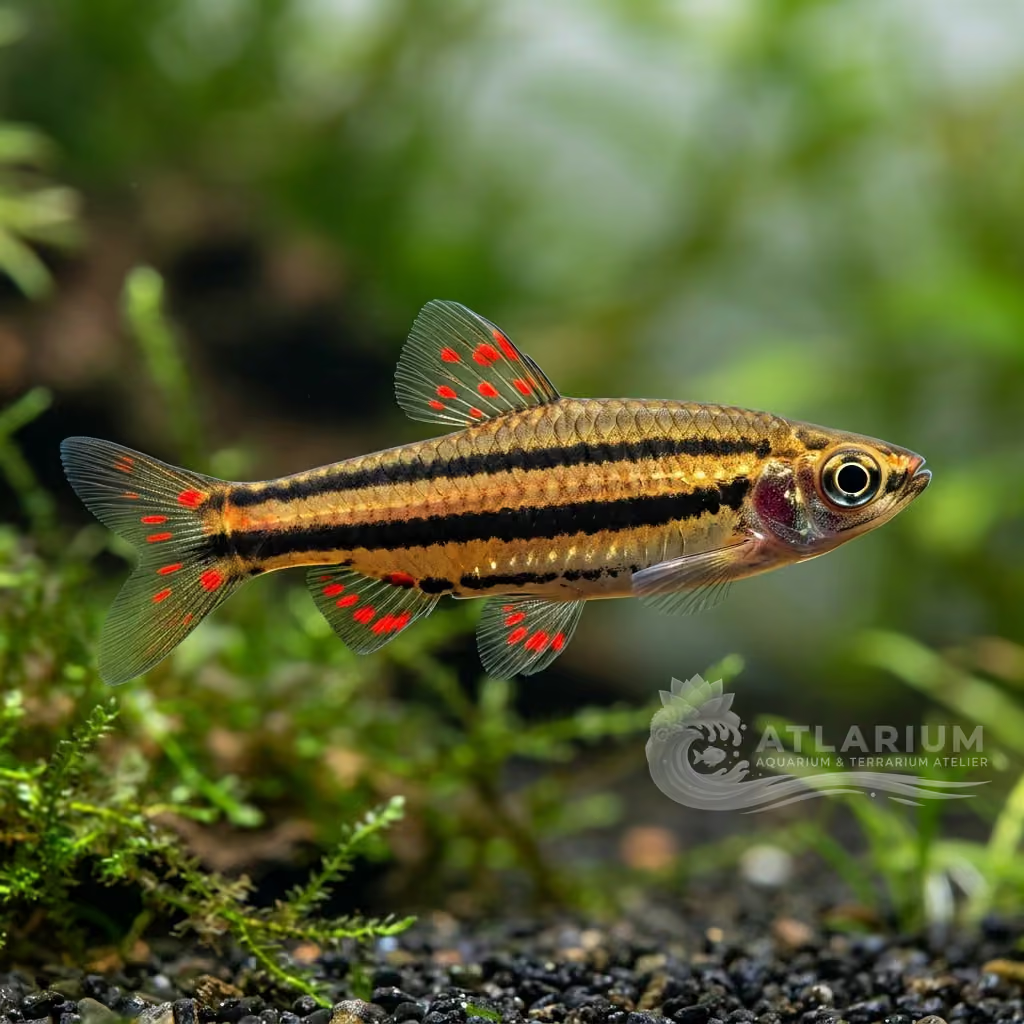
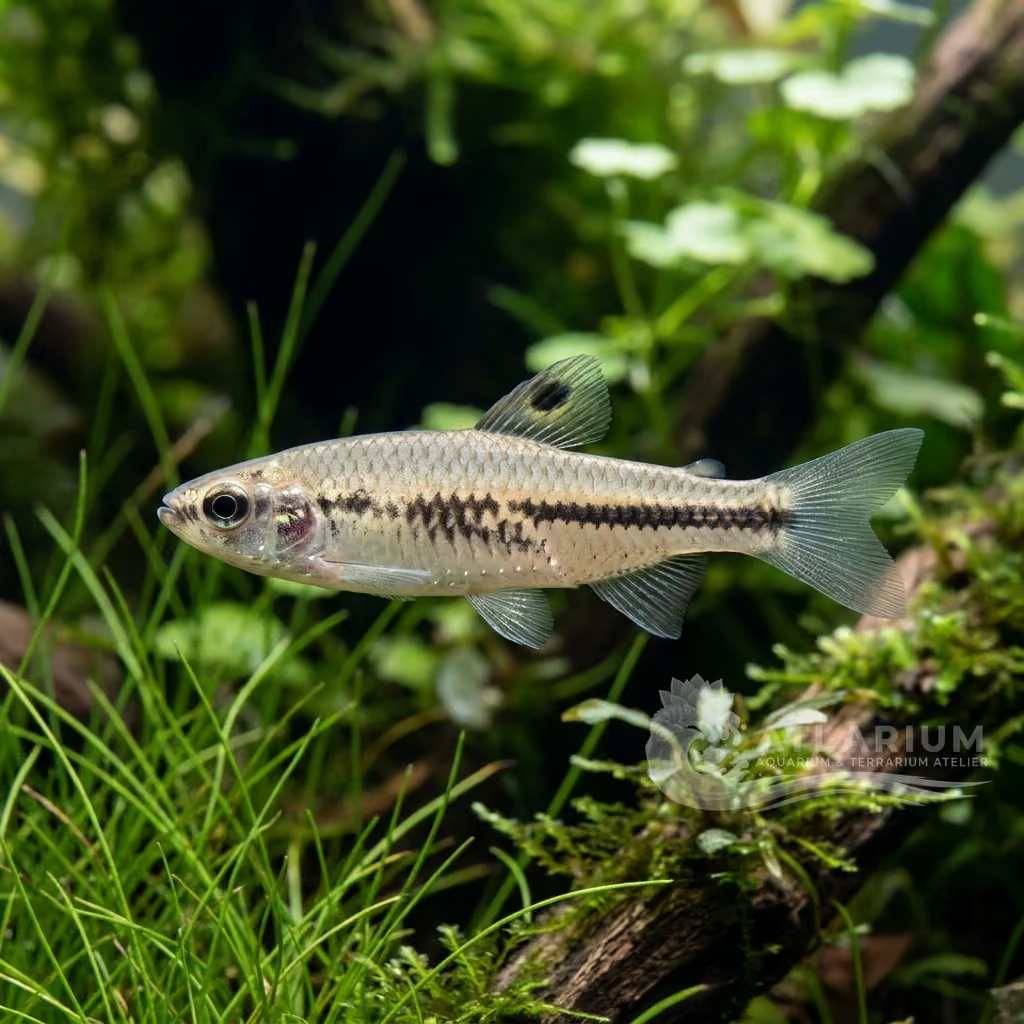
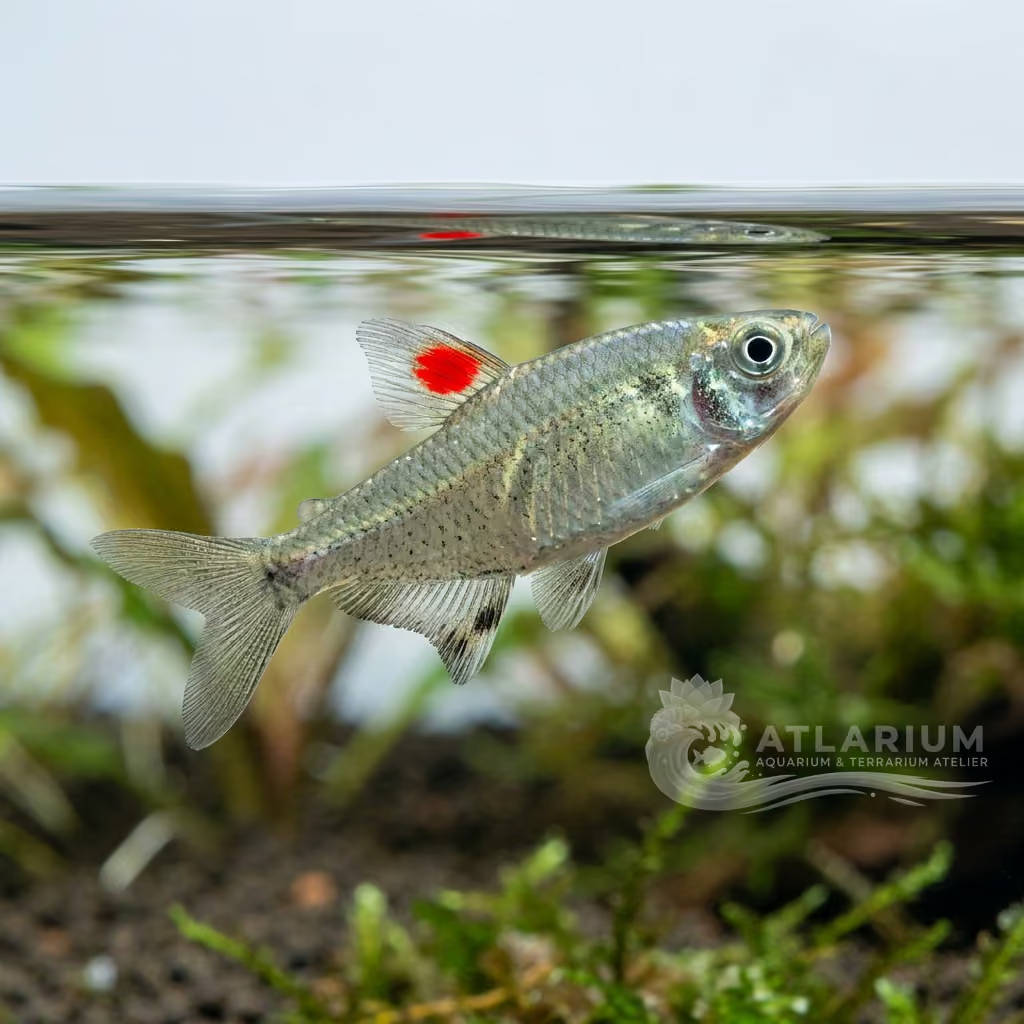
One of the smallest species of bony fish in the world (maximum 1.6 cm). Translucent red/golden body and magnificent intense fire red anal and pelvic fins in males.
Wassertemperatur
24 - 28 °C
pH-Wert
5 - 6.5
Wassertyp
Süßwasser
Tankfüllstand
Oberfläche und Mitte
Erwachsenengröße
1,6 cm
Mindesttankvolumen
>= 40 L
Mindestgruppe
>= 6
GH
1 - 5 dGH
KH
1 - 2 dKH
TDS
25 - 95 ppm
Leitfähigkeit
39 - 148 uS/cm

Artbeschreibung
Geographical Origin and Habitat: Upper Orinoco (Venezuela) and Rio Negro (Brazil). Pure Blackwater micro-environments. Resides exclusively at the very slow margins of dark pools in the midst of inextricable roots.
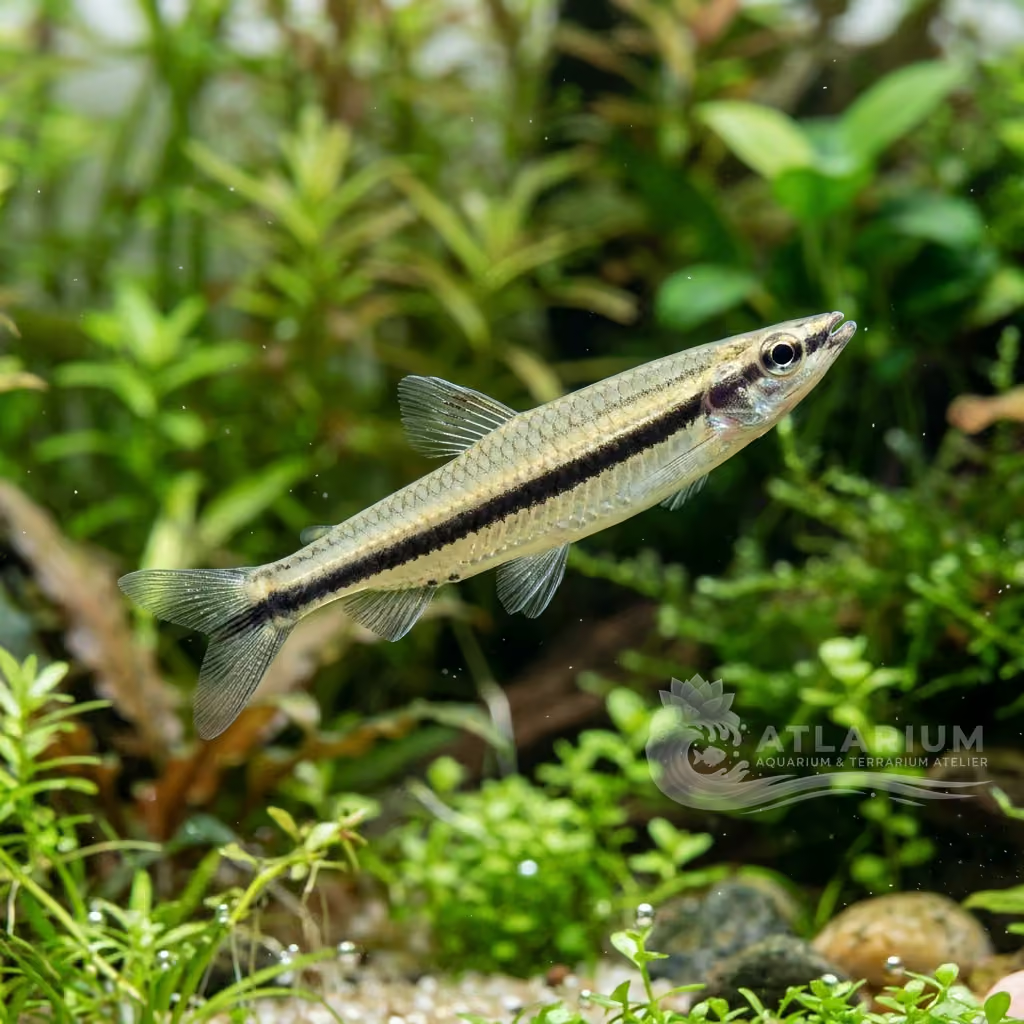
Taxonomy and Morphology: Anduze's Pencilfish (Nannostomus anduzei). The smallest Pencilfish in existence. A 1.5 cm (0.6 inches) projectile with a snout as sharp as a pin. Lacks an adipose fin.
Social Behavior: Hyper-gregarious static. Hovers in mid-water, moving in millimetric jerks like its larger cousins, but its fragility forces it to form a fixed school (min 15-20 specimens) among the leaves.
Coloration and Sexual Dimorphism: Red Spark (Dwarf Red Pencilfish). A gold/brown lateral band runs along the flank. Males show a patch of intense carmine red on the anal and caudal fins (which are almost completely lacking in the round females).

Pflege, Zucht und Mitbewohner
Aquarium Setup: Nano-tank biotope or highly specialized community aquarium. Fine sand, dim light, peat to darken the water, dry leaves on the bottom and total absence of rushing currents. Abundant moss.
Diet and Feeding: Micro-planktivore. The mouth is so invisible that it struggles to eat any crumbled dry food. Only live or decapsulated brine shrimp nauplii, infusoria, and microworms (vinegar eels) will guarantee its survival.
Water Quality: Very fragile against nitrogen peaks. Being wild and tiny, it requires reverse osmosis water cut with minimal salts (TDS below 50), decidedly acidic pH (5.5) and zero thermal swings.
Compatibility and Cohabitation: Ghost fish in a mixed community. Will disappear into the belly of angelfish or large tetras in a second. Coexistence strictly limited to Boraras, Corydoras pygmaeus and Otocinclus.
Aquarium Breeding: Extremely rare, microscopic eggs dispersed among the moss. The fry take days to absorb the yolk sac and need live paramecia for weeks before they can target a nauplius.
Risks and Diseases: Competitive starvation. They often die not from diseases, but because they cannot reach the food before normal tetras, disappearing one after another within a month of purchase.

Geografische Herkunft und Verbreitung
Upper Orinoco (Venezuela) and Rio Negro (Brazil). Pure Blackwater micro-environments. Resides exclusively at the very slow margins of dark pools in the midst of inextricable roots.
Ursprung
Amazonas, Orinoco und Guayana

Fischprofil
- Temperament
- Semi-aggressive
- They are extremely timid and shy, requiring a calm environment to thrive. Dense planting provides the security they need to venture out. Without adequate cover, they will remain stressed and hidden constantly.
- Diät
- Carnivore
- As micro-predators, their mouths are too small for standard aquarium foods. They require infusoria, baby brine shrimp, and finely crushed quality flakes. A steady supply of microorganisms in a mature planted tank is highly beneficial.
- Lebenserwartung
- 1.5-2.5 years
- Erwachsenengröße
- 1.6 cm
- Geschlechterverhältnis
- School
- A mixed group with a natural ratio of males and females works perfectly. Males will often display to each other without causing physical harm. Keeping them in a group of ten or more encourages natural schooling.
- Fütterungsfrequenz
- Twice daily
- They should be fed tiny amounts two to three times a day. Their small digestive tracts cannot hold much food at once. Frequent micro-feedings ensure they remain healthy and vibrant.
- Bioload
- Low
- Anduze's Pencilfish is a micro-sized species that produces a virtually negligible bioload. Standard biological filtration is easily sufficient to handle their minimal waste output. They are perfect for nano aquariums or heavily planted setups.
- Fluss
- Stagnant
- They inhabit sluggish, weed-choked waters in the wild and prefer gentle flow. High water currents will quickly exhaust them and cause severe stress. Sponge filters are ideal for providing filtration without excessive water movement.
- Sprungrisiko
- Yes
- Despite their size, they are easily startled and capable of jumping. A tight-fitting lid or floating plants are necessary to keep them secure. Careful maintenance is required to prevent them from leaping out.
- Reproduktion
- Oviparous
- Breeding this species in captivity is quite difficult and rarely achieved. They are egg scatterers that require extremely soft, acidic water to spawn. A separate breeding setup with moss is mandatory for success.
- Kompatibilität & Tankkameraden
- Semi-aggressive
- They are incredibly peaceful but extremely vulnerable due to their tiny size. They must only be kept with other micro fish, dwarf shrimp, or snails. Larger or boisterous fish will easily outcompete them for food.
- Tankfüllstand
- Top/Middle
- They predominantly occupy the upper and middle levels of the water column. They love to hover among tall plants or floating vegetation. They rarely venture to the bottom unless searching for fallen food.

Wissenschaftliche Modelle & Parameter
FishBase
Zugang zu den offiziellen wissenschaftlichen Daten der Art
FishBase v25.04Daten synchronisiert am: 15.06.2026
- Trophäenniveau
- 3 ± 0,4 se
- Phylogenetische Einzigartigkeit (PD50)
- 0.5
- Bayessche Längen-Gewichts-Beziehung
- a = 0.01023, b = 3.13
- AnfälligkeitGeringe Anfälligkeit (10 / 100)

Verwandte Arten
Empfehlungen gruppiert nach nahen Verwandten, Auswahl von Begleitern und ähnlicher Betreuung.