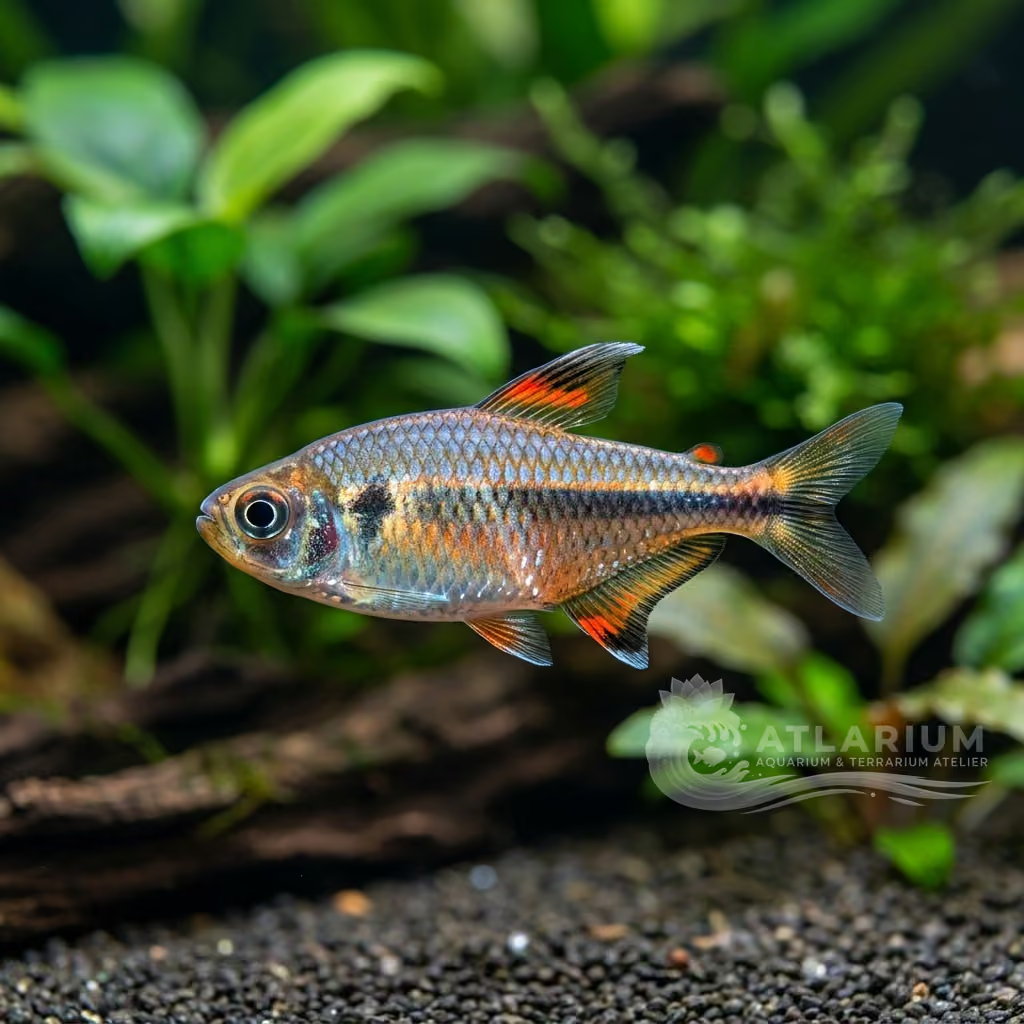
Emperor Tetra
Nematobrycon palmeri
Majestic Colombian tetra. The male is a territorial 'king' with glowing blue eyes and a unique trident-shaped tail. Hardy and adaptable, but requires a heavily planted tank to disperse male aggression.
Wassertemperatur
23 - 27 °C
pH-Wert
6 - 7.5
Wassertyp
Süßwasser
Tankfüllstand
Unten und in der Mitte
Erwachsenengröße
5 cm
Mindesttankvolumen
>= 60 L
Mindestgruppe
>= 6
GH
4 - 15 dGH
KH
2 - 7 dKH
TDS
80 - 295 ppm
Leitfähigkeit
125 - 461 uS/cm

Artbeschreibung
Geographical Origin and Habitat: Western Colombia (San Juan and Atrato river basin). Shares the same habitat as the Amphiloxus: slow secondary jungle streams.
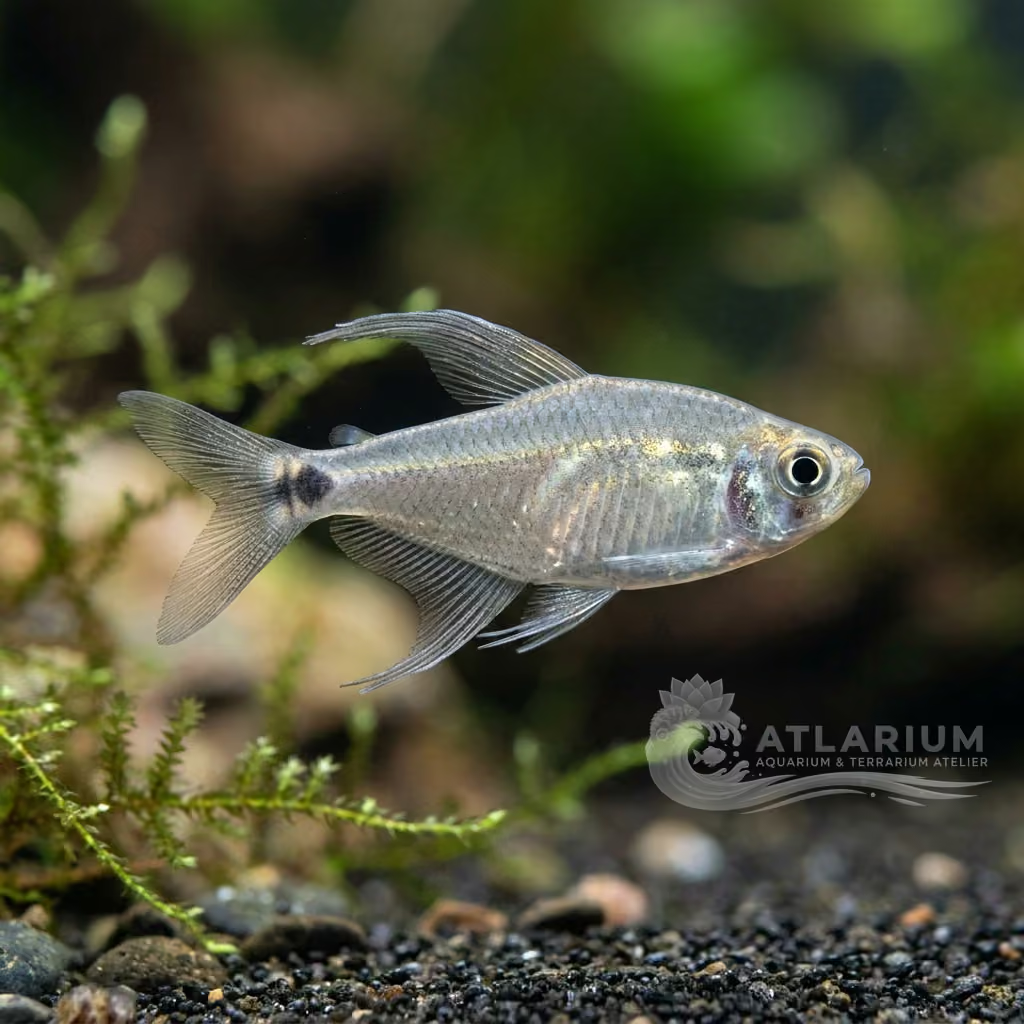
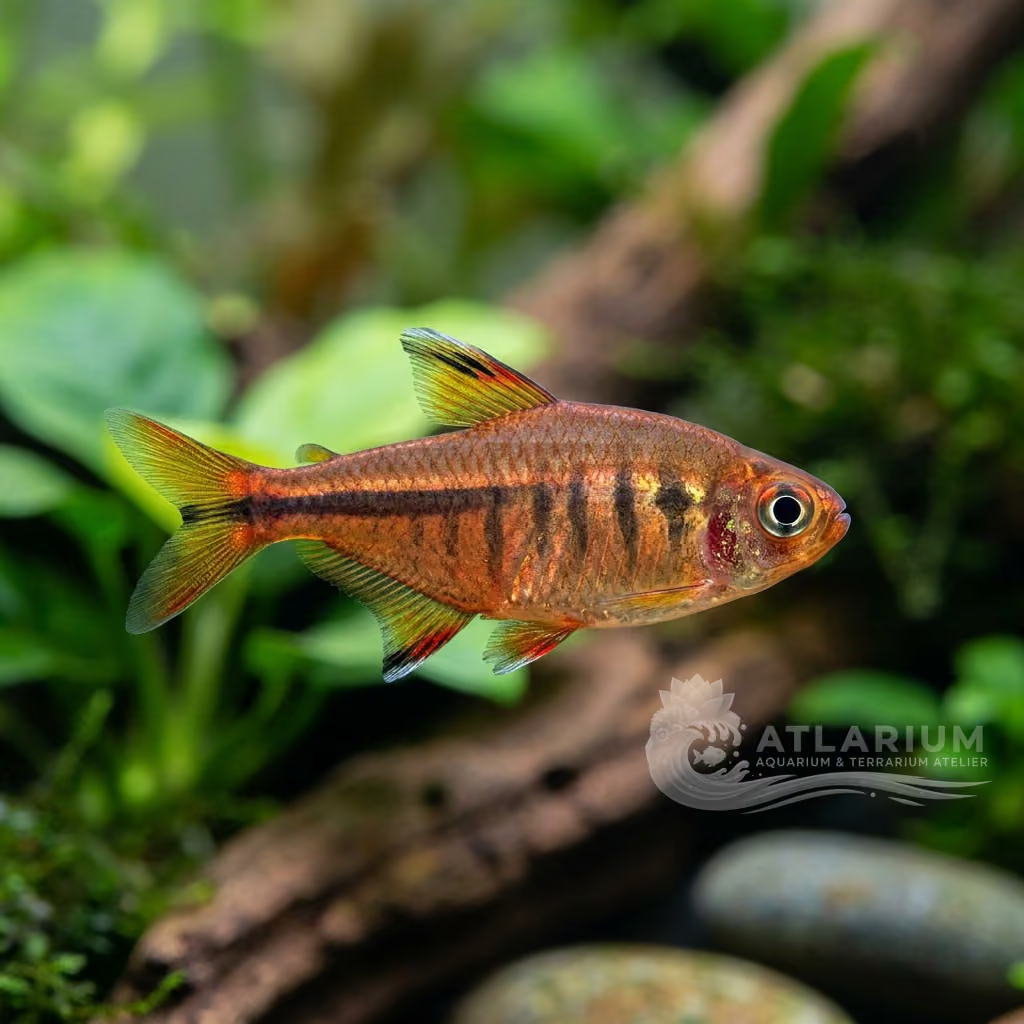
Taxonomy and Morphology: Emperor Tetra (Nematobrycon palmeri). Solidly built Tetra, almost horizontal dorsal profile and curved belly (profile of an inverted knife). No dorsal adipose fin.
Social Behavior: In juvenile age it forms schools; as adults, males develop marked territoriality. They position themselves 20-30 cm (8-12 inches) from each other to show off their fins, dancing upside down as a threat.
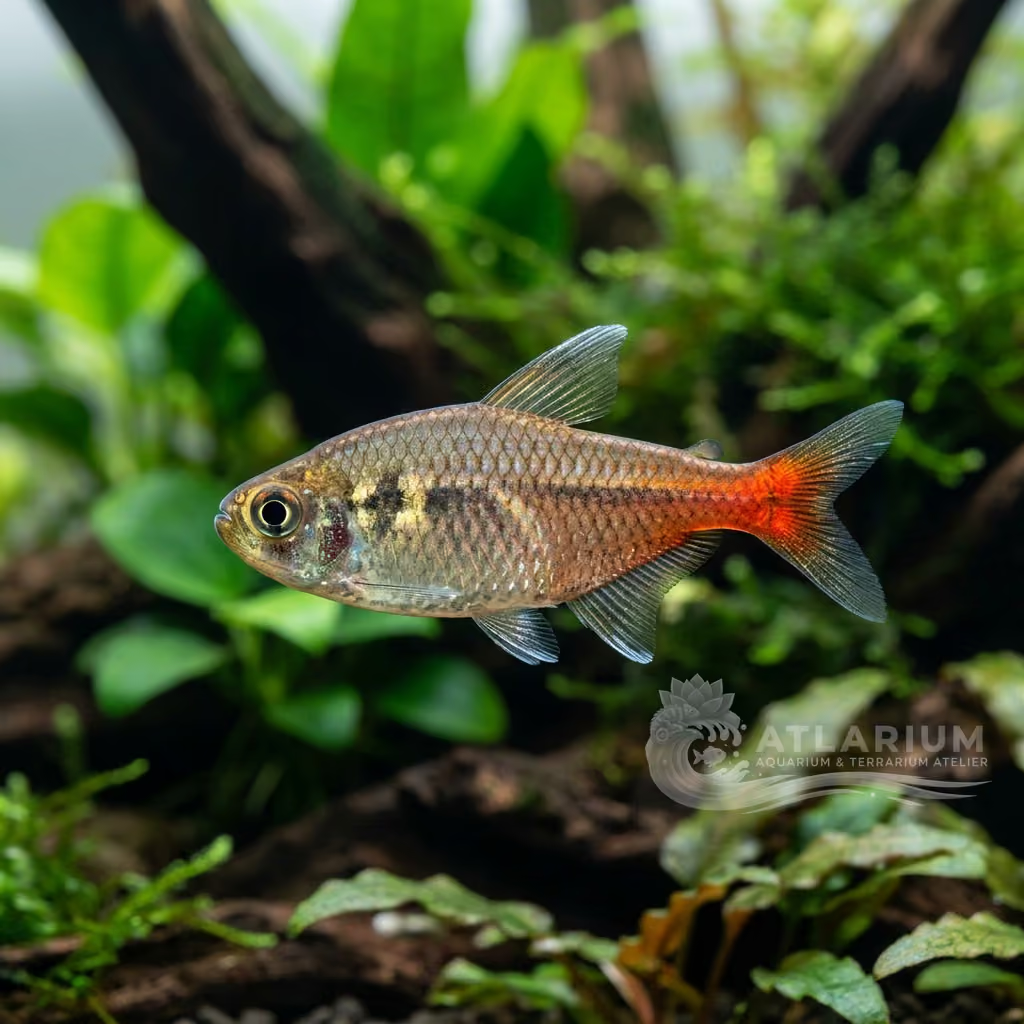
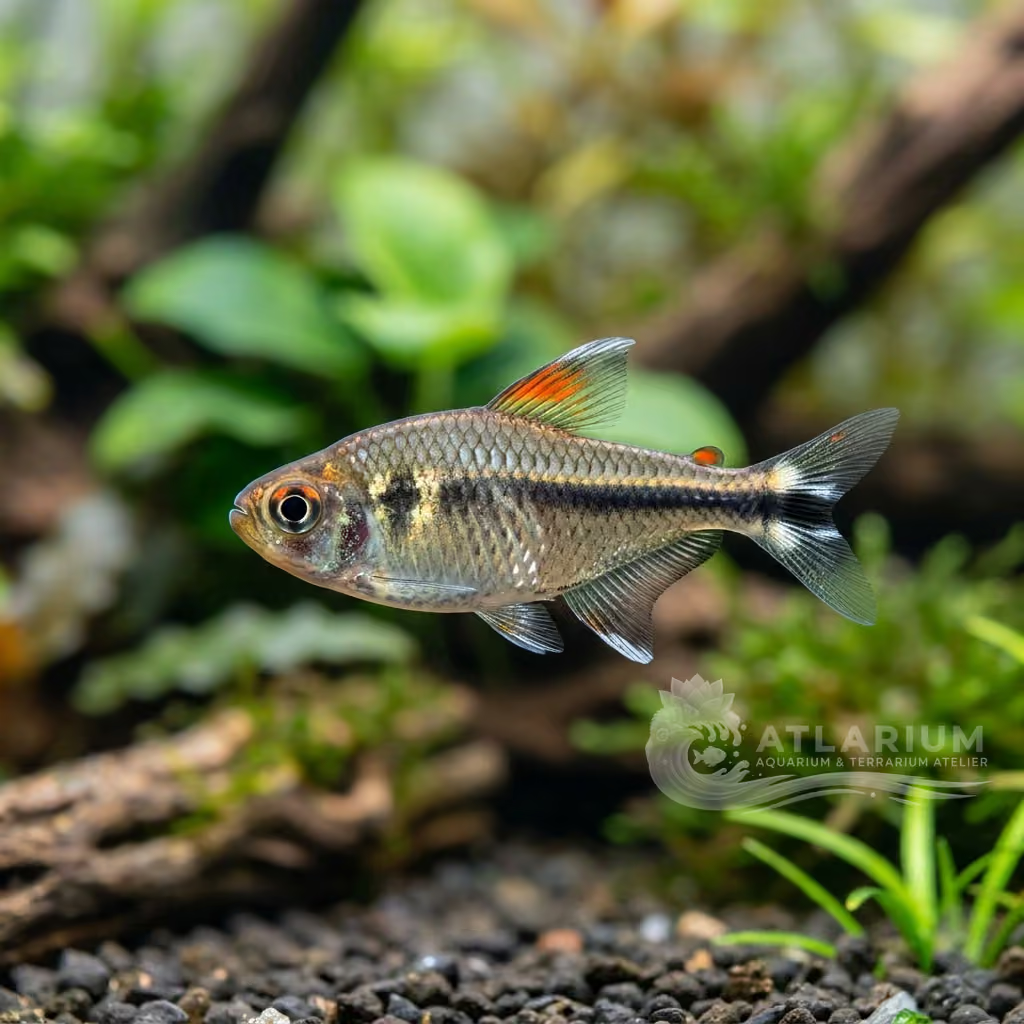
Coloration and Sexual Dimorphism: Royal Livery: dark central line edged with cream and an iridescent lavender/light blue back. The male is a masterpiece: bright neon blue eyes and the central spine of the tail elongates into a very elegant "skewer" (Caudal trident). The female has green-yellow eyes and a rounded tail.

Pflege, Zucht und Mitbewohner
Aquarium Setup: 80 cm (32 inches) tank. Shade is fundamental: woods loaded with Epiphytes (Bolbitis, Microsorum), floating lenses (Limnobium) and dark substrate. A Palmeri under intense white LED lights will fade becoming invisible.
Diet and Feeding: Totally undemanding, but being a characin, requires high protein levels. Administer freeze-dried bloodworms, live Brine Shrimp (which it hunts fiercely) and sinking flakes/granules (does not eat on the surface).
Water Quality: Rustic. Among the easiest Tetras to manage regarding chemistry. Excellent at neutral pH (7.0) and comfortably accepts treated tap water.
Compatibility and Cohabitation: Males ignore each other (if there is space) but can persecute very slow fish (male Guppies) mistaking them for territorial rivals. Excellent with Apistogramma and large characins.
Aquarium Breeding: Quite accessible. They spawn early in the morning in roots or moss. If the parents are well fed, a few fry will manage to escape them and grow undisturbed in the crevices of the mother tank.
Risks and Diseases: Tuberculosis from overcrowding. If crammed (e.g. 20 specimens in 60 cm / 24 inches), territorial stress will cause immunodeficiency, leading them to die one by one from Mycobacterium (progressive wasting).

Geografische Herkunft und Verbreitung
Western Colombia (San Juan and Atrato river basin). Shares the same habitat as the Amphiloxus: slow secondary jungle streams.
Ursprung
Extra-Amazonas-Südamerika

Fischprofil
- Temperament
- Semi-aggressive
- They are generally peaceful but males will playfully spar with one another to establish dominance. These harmless displays involve flaring their fins and swimming side-by-side. To feel secure and display properly, they must be kept in groups of at least six individuals.
- Diät
- Omnivore
- This species is an omnivorous micro-predator that accepts almost all aquarium foods. A high-quality flake or pellet should be the core of their diet. Supplementing heavily with live or frozen daphnia, bloodworms, and brine shrimp promotes optimal coloration and breeding condition.
- Lebenserwartung
- 5-6 years
- Erwachsenengröße
- 5 cm
- Geschlechterverhältnis
- Specific M:F ratio
- Males possess stunning elongated dorsal and caudal fins and brilliant blue eyes. Females are slightly plumper, less colorful, and have green eyes. Keeping a ratio of two or three females per male prevents the male from harassing a single female to exhaustion.
- Fütterungsfrequenz
- Twice daily
- Feeding them small amounts twice daily will keep them healthy and active. Their robust appetites mean they will aggressively outcompete shyer fish for food during feeding time. Ensure that enough food scatters for all fish to receive their share.
- Bioload
- Low
- The Emperor Tetra produces a moderate bioload that is easily managed in established aquariums. They are slightly larger than typical tetras, requiring adequate filtration and routine water changes. In heavily planted tanks, the biological impact of a school is extremely manageable.
- Fluss
- Stagnant
- They prefer slow to moderate water movement, typical of their native Colombian streams. Extremely strong currents will tire them out and hinder their natural display behaviors. Mild surface agitation provided by a sponge filter or lowered power filter is ideal.
- Sprungrisiko
- Yes
- While not as notorious as hatchetfish, Emperor Tetras can jump if chased or suddenly frightened. A proper aquarium hood or cover is strongly recommended to prevent accidental losses. Maintaining a stable environment keeps their startle response to a minimum.
- Reproduktion
- Oviparous
- They are relatively easy to breed in captivity compared to other tetras. They are egg scatterers that require soft, acidic water and fine-leaved plants like Java moss for spawning. The adults offer zero parental care and will consume the eggs if not removed.
- Kompatibilität & Tankkameraden
- Peaceful
- They are a superb community fish that mixes well with other peaceful species. Appropriate tankmates include Corydoras, peaceful dwarf cichlids, and other medium-sized tetras. Avoid keeping them with known fin-nippers, as the long fins of the males are tempting targets.
- Tankfüllstand
- Middle/Bottom
- They actively utilize the middle levels of the aquarium water column. They will frequently dart into thick vegetation to establish temporary territories or seek shelter. Providing plenty of open swimming space alongside dense planting is the perfect arrangement.

Wissenschaftliche Modelle & Parameter
FishBase
Zugang zu den offiziellen wissenschaftlichen Daten der Art
FishBase v25.04Daten synchronisiert am: 15.06.2026
- Trophäenniveau
- 3,2 ± 0,36 se
- Belastbarkeit
- Hoch (weniger als 15 Monate)
- Phylogenetische Einzigartigkeit (PD50)
- 0.75
- Bayessche Längen-Gewichts-Beziehung
- a = 0.01122, b = 3.04
- AnfälligkeitGeringe Anfälligkeit (10 / 100)

Bildergalerie
Lizenzierte Bilder, die mit der Art oder, wenn markiert, mit dem nächstgelegenen repräsentativen Taxon verknüpft sind.

Verwandte Arten
Empfehlungen gruppiert nach nahen Verwandten, Auswahl von Begleitern und ähnlicher Betreuung.