Flame tetra
Hyphessobrycon flammeus
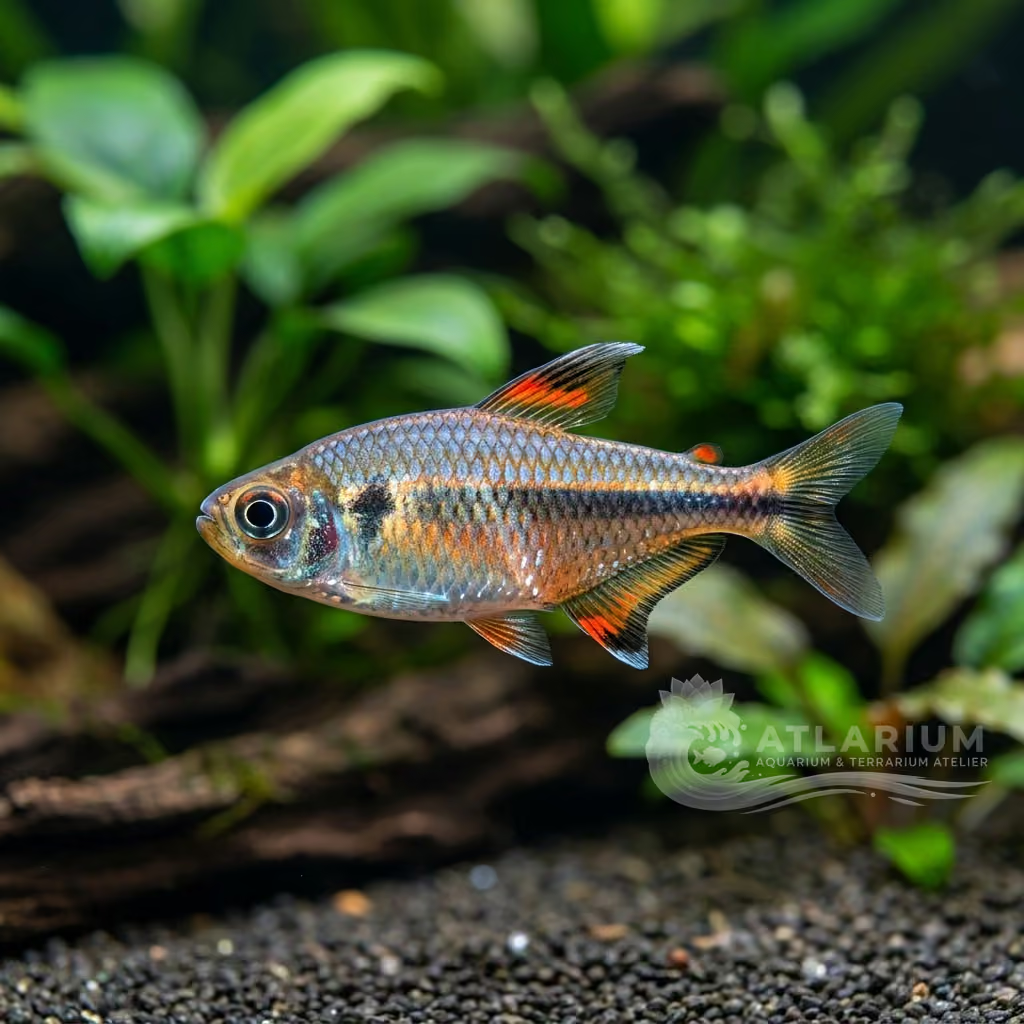
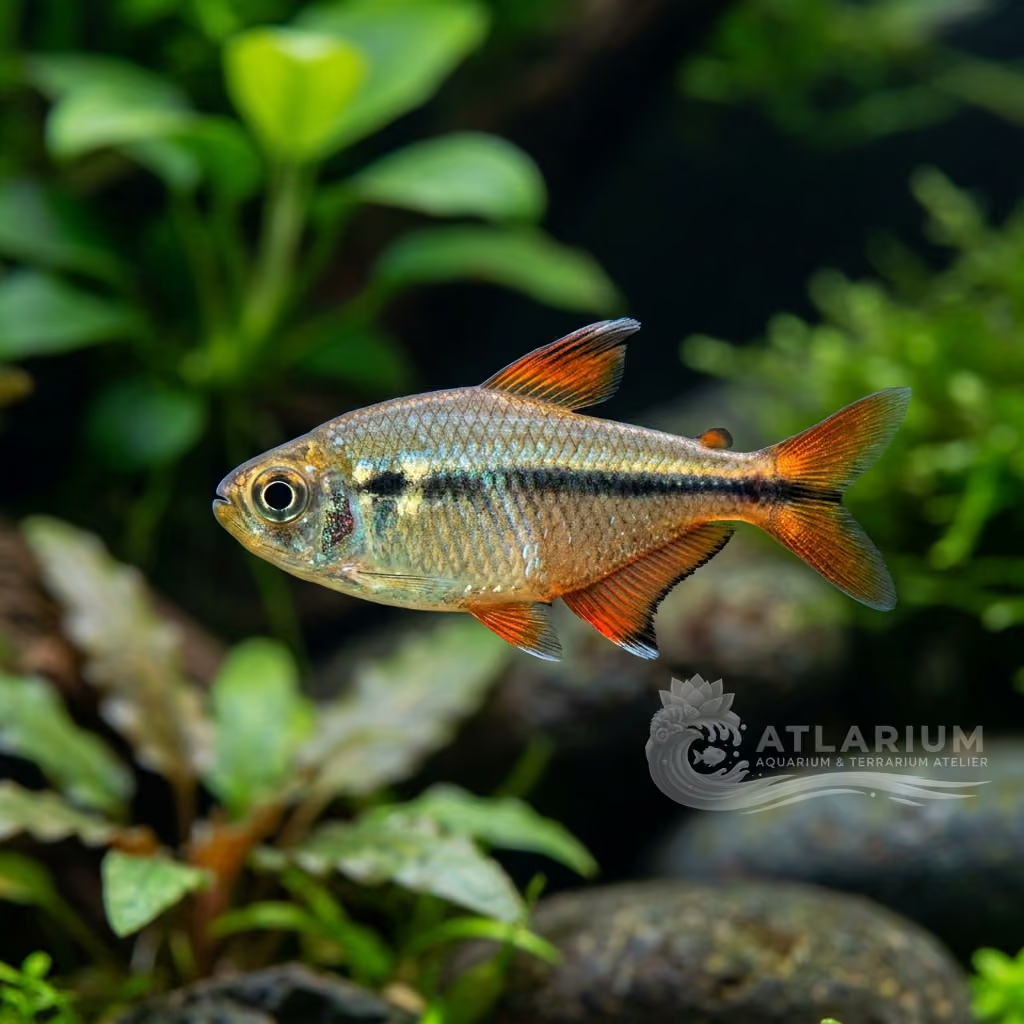
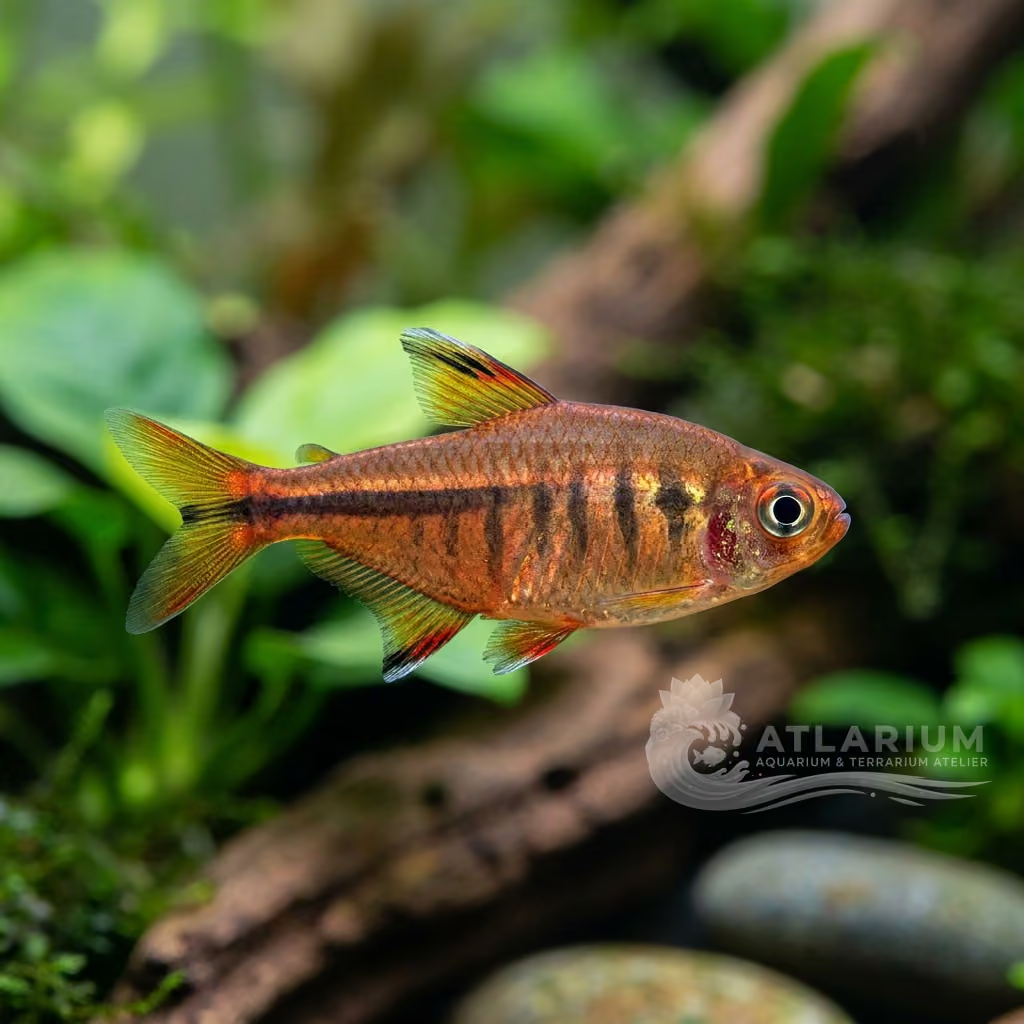
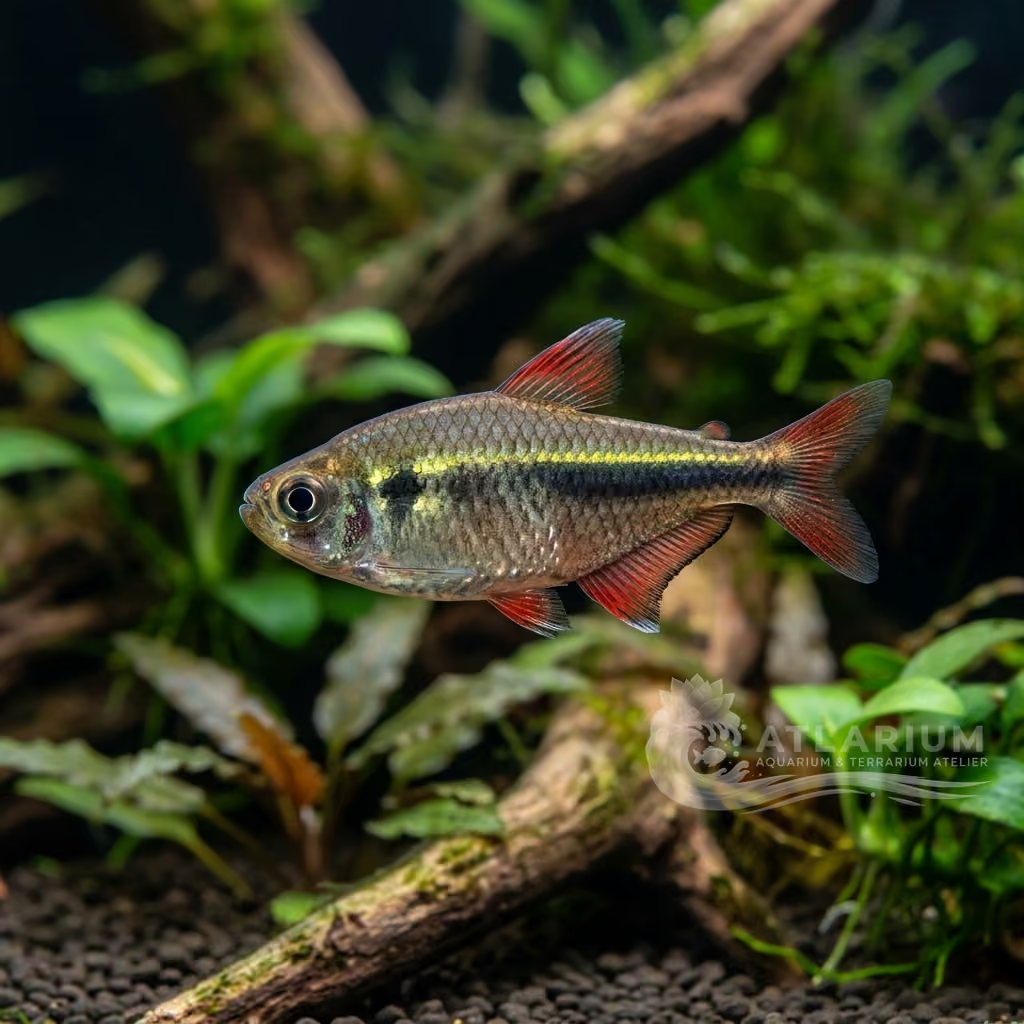
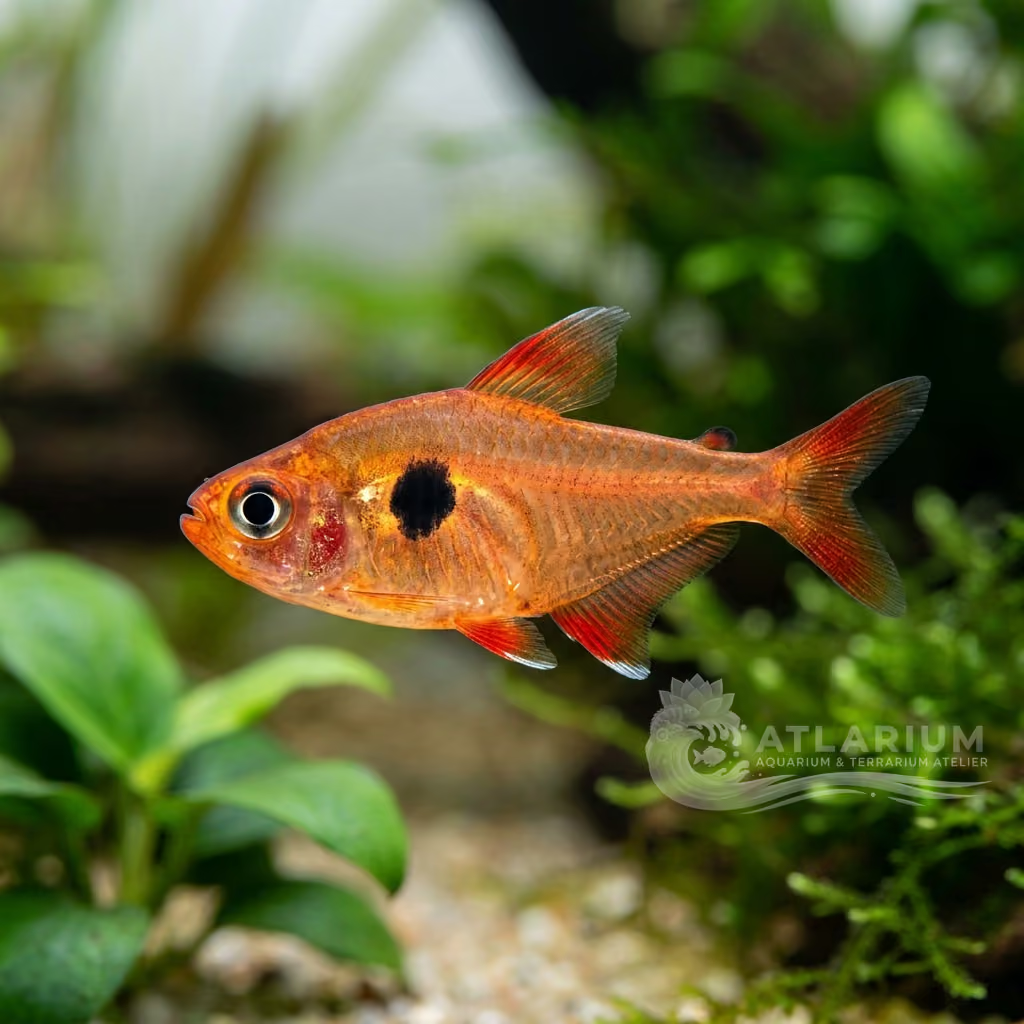
A tetra of intense chromatic warmth: the rear half of the body grades from orange-red to fiery red, like a living flame. Also known as 'Von Rio' for its origin in coastal rivers around Rio de Janeiro, Brazil. Wild populations are now severely threatened, making captive-bred specimens vital for conservation. Robust, long-lived and peaceful, it is one of the easiest tetras to keep and breed. In schools of 6–8+ on dark substrate with dim lighting and tannins, the coloration reaches spectacular depth.
22 - 28 °C
5.5 - 7.5
Süßwasser
Mitte
4 cm
>= 40 L
>= 6
1 - 15 dGH
1 - 7 dKH
25 - 295 ppm
39 - 461 uS/cm

Artbeschreibung

Pflege, Zucht und Mitbewohner

Geografische Herkunft und Verbreitung
Ursprung

Fischprofil
- Temperament
- Peaceful
- This is a highly peaceful and somewhat shy species that thrives in a calm environment. They are a schooling fish that relies on the presence of conspecifics to feel safe and exhibit their best behavior. When kept in sufficiently large groups, they are active and inquisitive without ever bothering tank mates.
- Diät
- Omnivore
- This species is an opportunistic omnivore that will easily accept a wide variety of aquarium foods. A staple diet of high-quality flakes or pellets should be provided daily. For optimal health and coloration, supplement with frozen or live foods such as bloodworms and brine shrimp.
- Lebenserwartung
- 3-5 years
- Erwachsenengröße
- 4 cm
- Geschlechterverhältnis
- School
- Maintaining a proper sex ratio is less critical for this species compared to some others, as they are a schooling fish. Keeping them in groups of at least eight to ten individuals ensures natural behavior and reduces stress. Having a mix of males and females can help diffuse any minor squabbles among displaying males.
- Fütterungsfrequenz
- Twice daily
- These active fish benefit from multiple small feedings throughout the day rather than one large meal. Feeding them two to three times daily with amounts they can consume in under two minutes is ideal. This schedule helps prevent bloating and keeps water parameters stable by reducing uneaten food.
- Bioload
- Low
- This species produces a very minimal bioload due to its small physical size. It is highly suitable for smaller aquariums or heavily planted setups. However, standard filtration and regular water changes remain essential.
- Fluss
- Moderate
- Originating from slow-moving tributaries and forested pools, they prefer gentle to moderate water currents. High flow environments can quickly exhaust these fish and cause them significant stress. A sponge filter or a baffled hang-on-back filter provides the perfect amount of water movement.
- Sprungrisiko
- No
- Reproduktion
- Oviparous
- They are egg scatterers that do not provide any parental care to their offspring after spawning. To encourage breeding, a separate tank with soft, slightly acidic water and fine-leaved plants is required. Once eggs are laid and fertilized, the adult fish must be removed promptly to prevent them from eating the eggs.
- Kompatibilität & Tankkameraden
- Peaceful
- This species is exceptionally peaceful and does well in community tanks with other small, non-aggressive fish. They should never be kept with large or boisterous species that might view them as food. Ideal tank mates include small rasboras, Corydoras catfish, and peaceful dwarf cichlids.
- Tankfüllstand
- Middle
- This species primarily occupies the middle region of the aquarium water column during normal activities. They are active swimmers that appreciate ample open swimming space in the center of the tank. They will frequently dart in and out of plant thickets or hardscape for cover when resting.

Wissenschaftliche Modelle & Parameter
Zugang zu den offiziellen wissenschaftlichen Daten der Art
- Trophäenniveau
- 2,9 ± 0,32 se
- Belastbarkeit
- Hoch (weniger als 15 Monate)
- Phylogenetische Einzigartigkeit (PD50)
- 0.5
- Bayessche Längen-Gewichts-Beziehung
- a = 0.01202, b = 3.09
- AnfälligkeitGeringe Anfälligkeit (10 / 100)

Bildergalerie
Lizenzierte Bilder, die mit der Art oder, wenn markiert, mit dem nächstgelegenen repräsentativen Taxon verknüpft sind.

Verwandte Arten
Empfehlungen gruppiert nach nahen Verwandten, Auswahl von Begleitern und ähnlicher Betreuung.