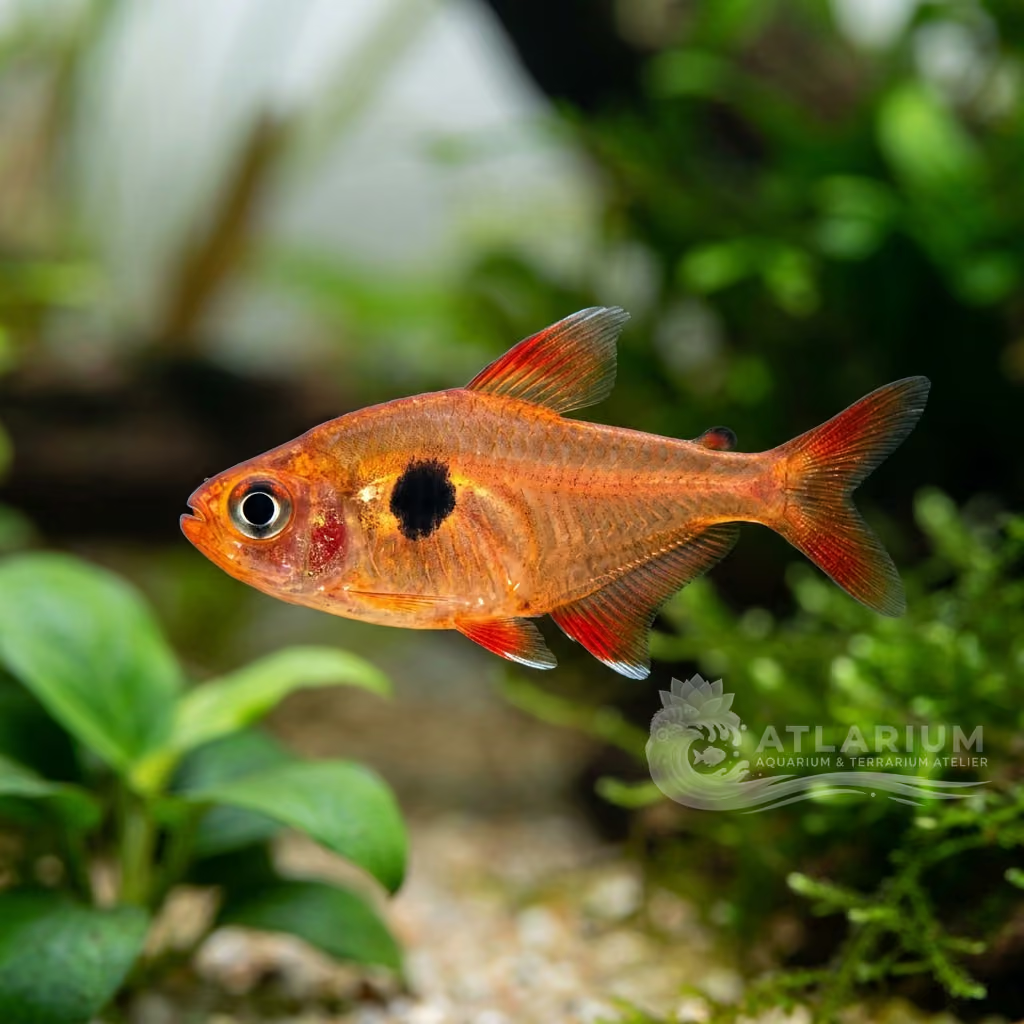
Mutabilis Tetra
Hyphessobrycon mutabilis
The Mutabilis Tetra is native to heavily sheltered slow waters of central-western Brazil. It prefers an aquarium with fine or dark sand, multiple visual barriers of roots, and floating plants.
Wassertemperatur
22 - 27 °C
pH-Wert
5.5 - 7
Wassertyp
Süßwasser
Tankfüllstand
Mitte
Erwachsenengröße
4,5 cm
Mindesttankvolumen
>= 80 L
Mindestgruppe
>= 6
GH
1 - 12 dGH
KH
1 - 6 dKH
TDS
25 - 240 ppm
Leitfähigkeit
39 - 375 uS/cm

Artbeschreibung
Geographical Origin and Habitat: Originally discovered in the river systems of central-western Brazil (Mato Grosso, upper Tapajós River). Affinity for slow-water areas, thickly sheltered by submerged roots and flooded forest.
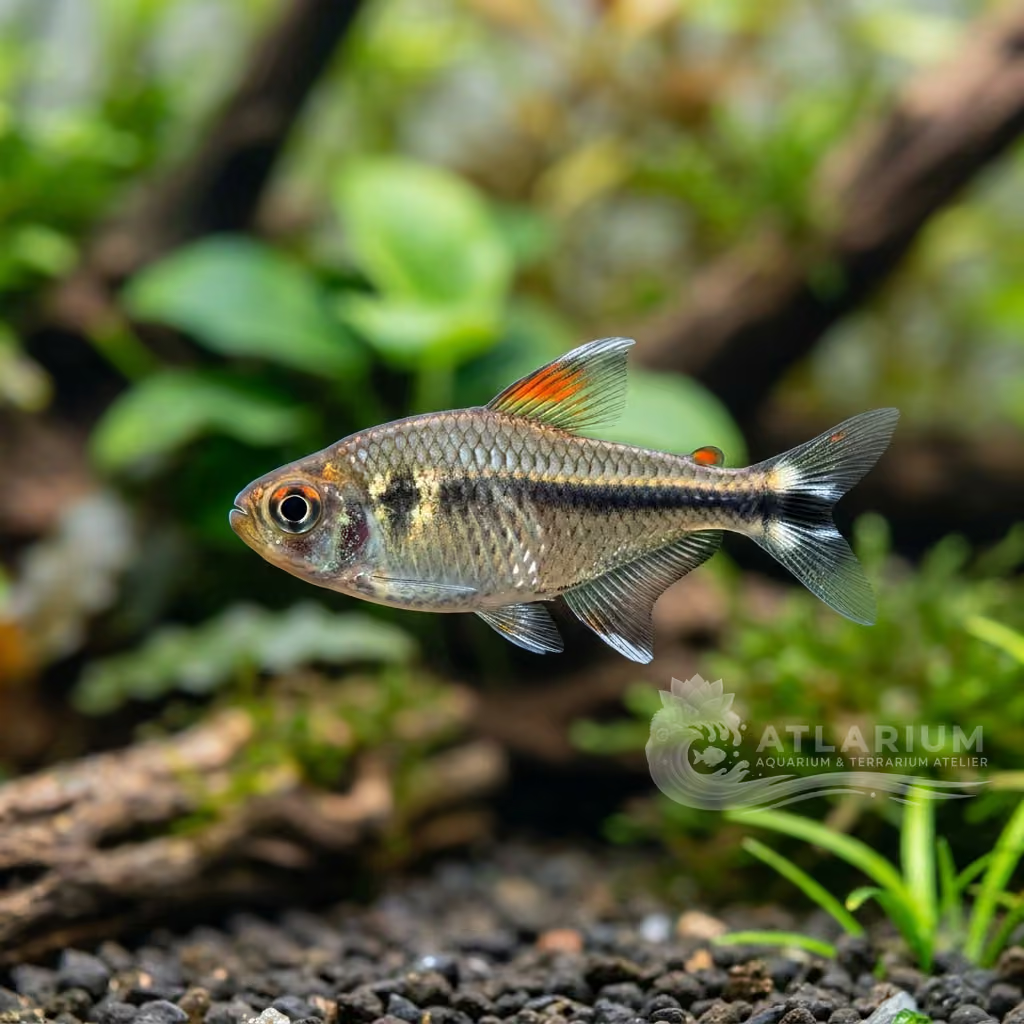
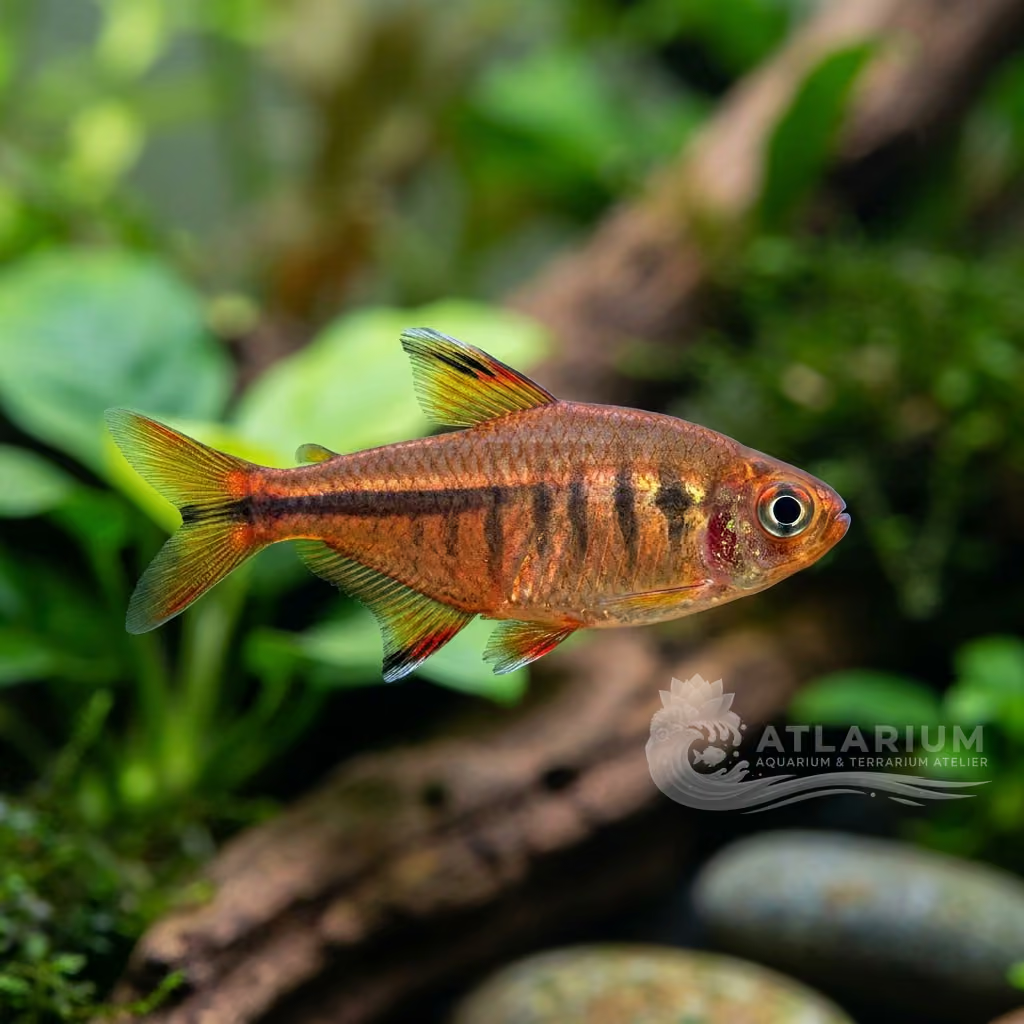
Taxonomy and Morphology: Mutabilis Tetra (Hyphessobrycon mutabilis). The name "mutabilis" alludes to the variability or ability to change color nuances. Compact oval shape, similar to other species of the Rosy Tetra clade.
Social Behavior: Relatively peaceful, although males engage in spectacular territorial displays. Very active and gregarious. Should be kept in schools of 8 or more to avoid drifting into shyness or bullying towards weaker tankmates.
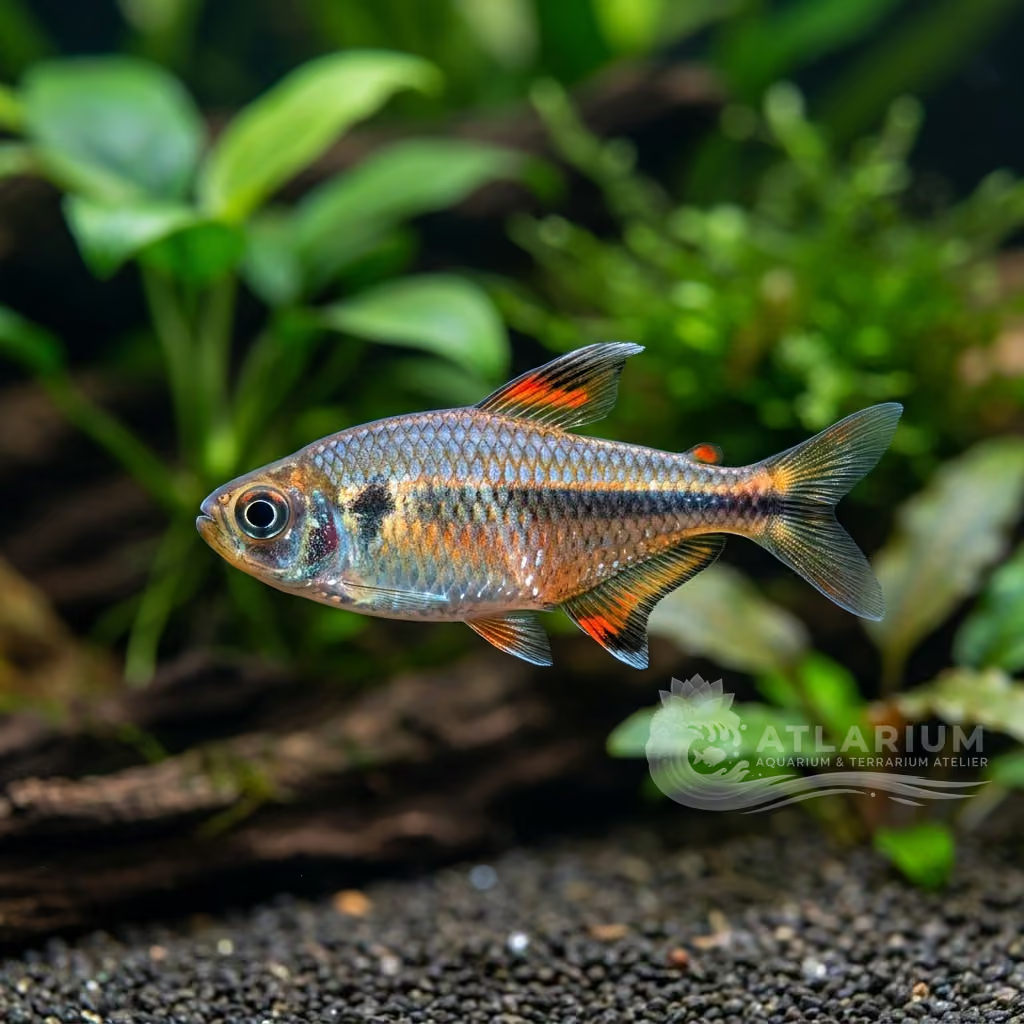
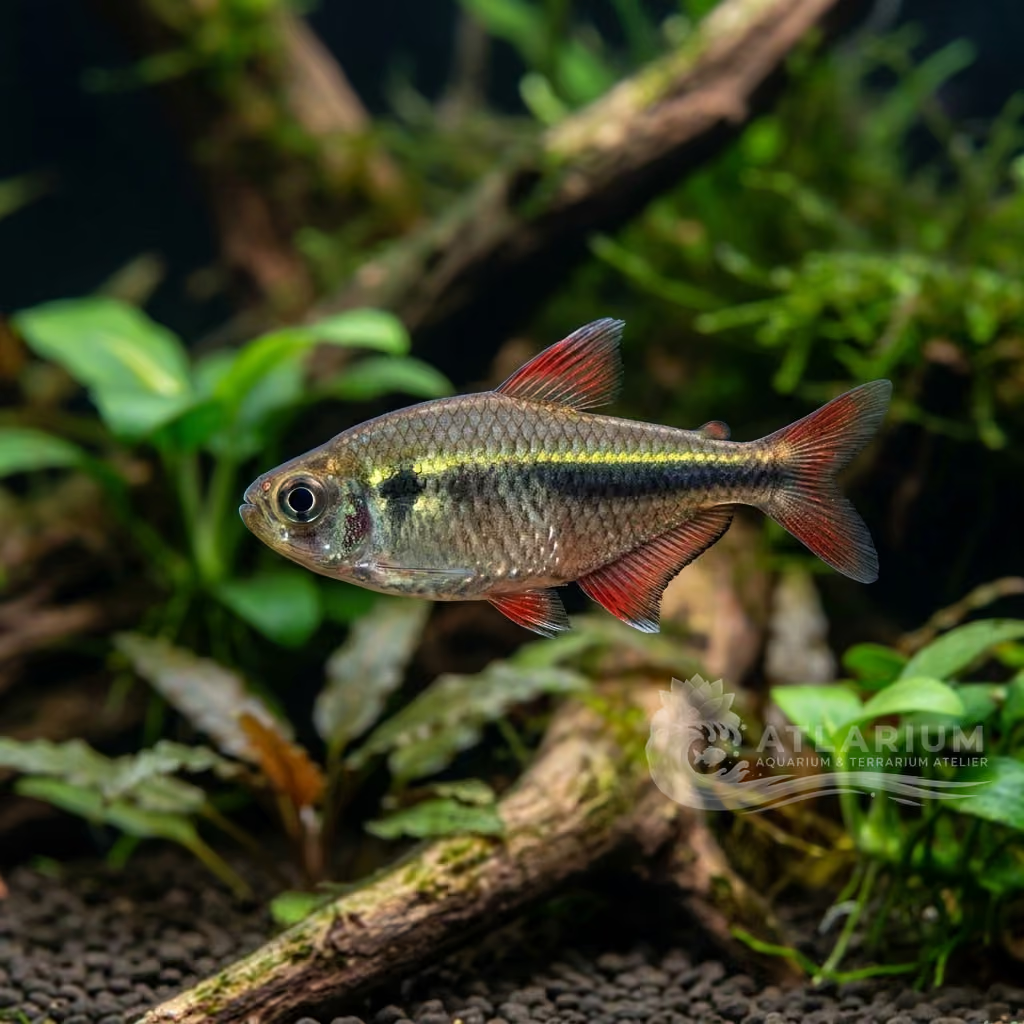
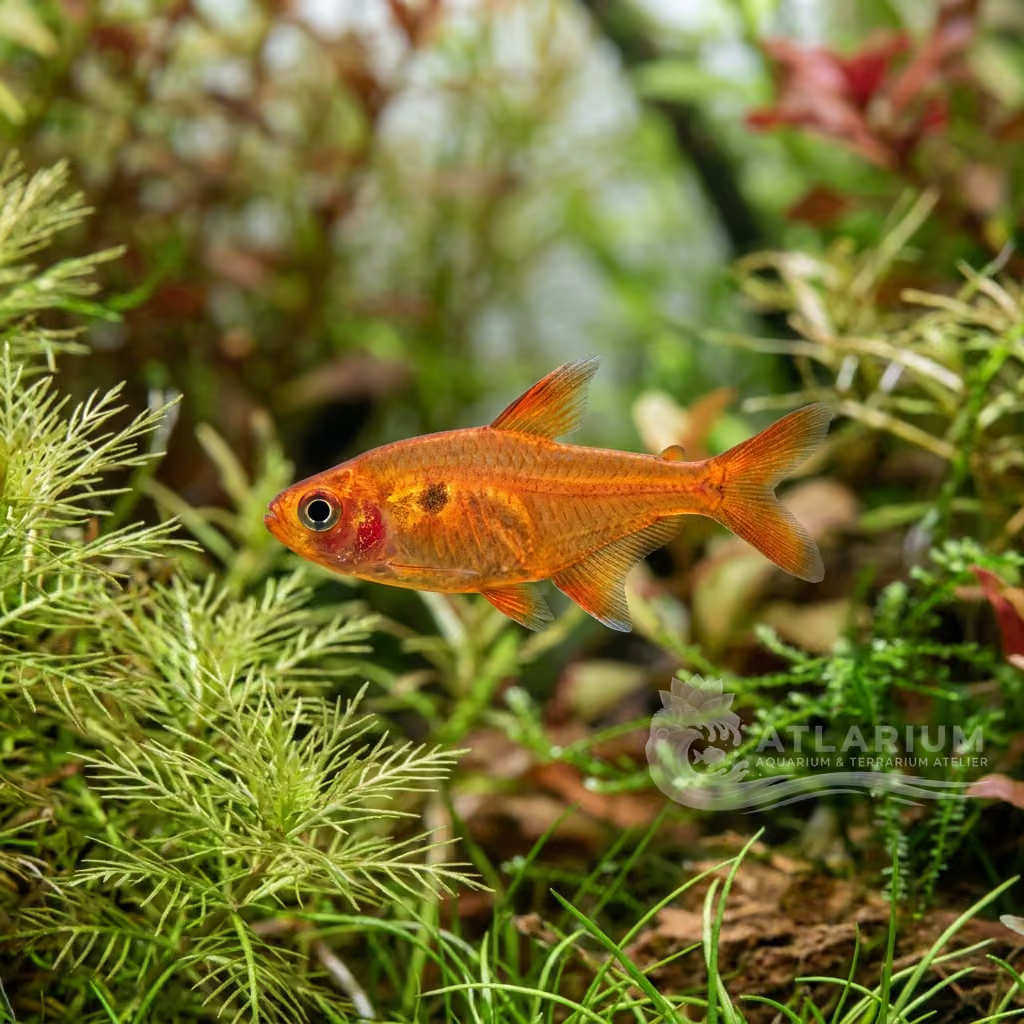
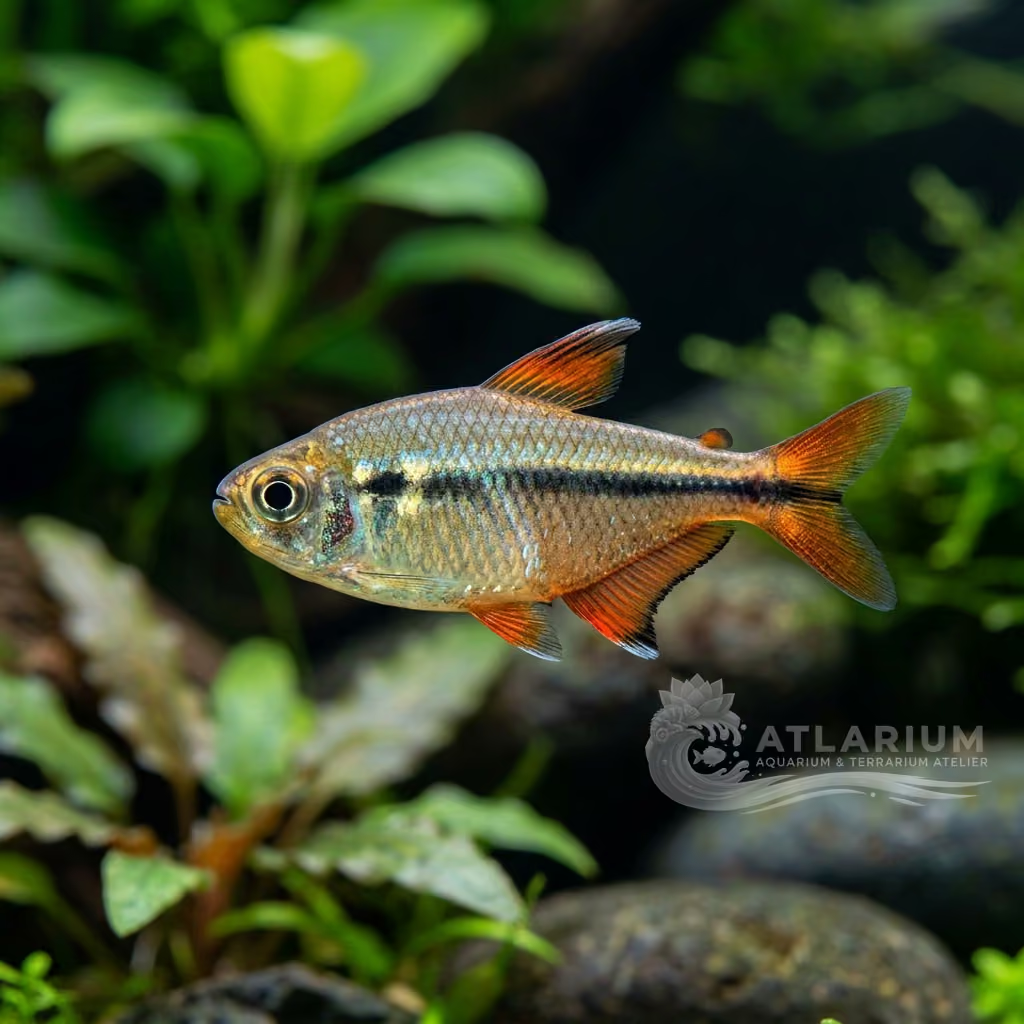
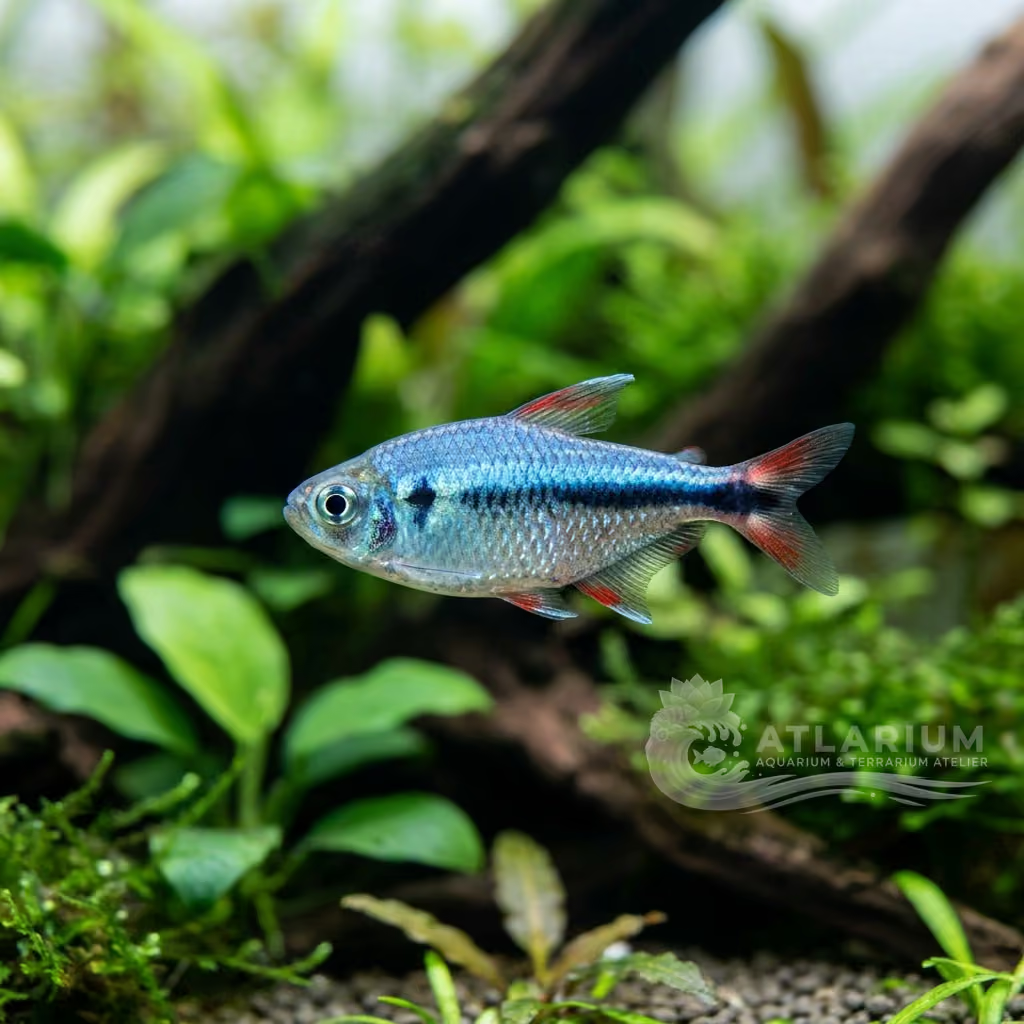
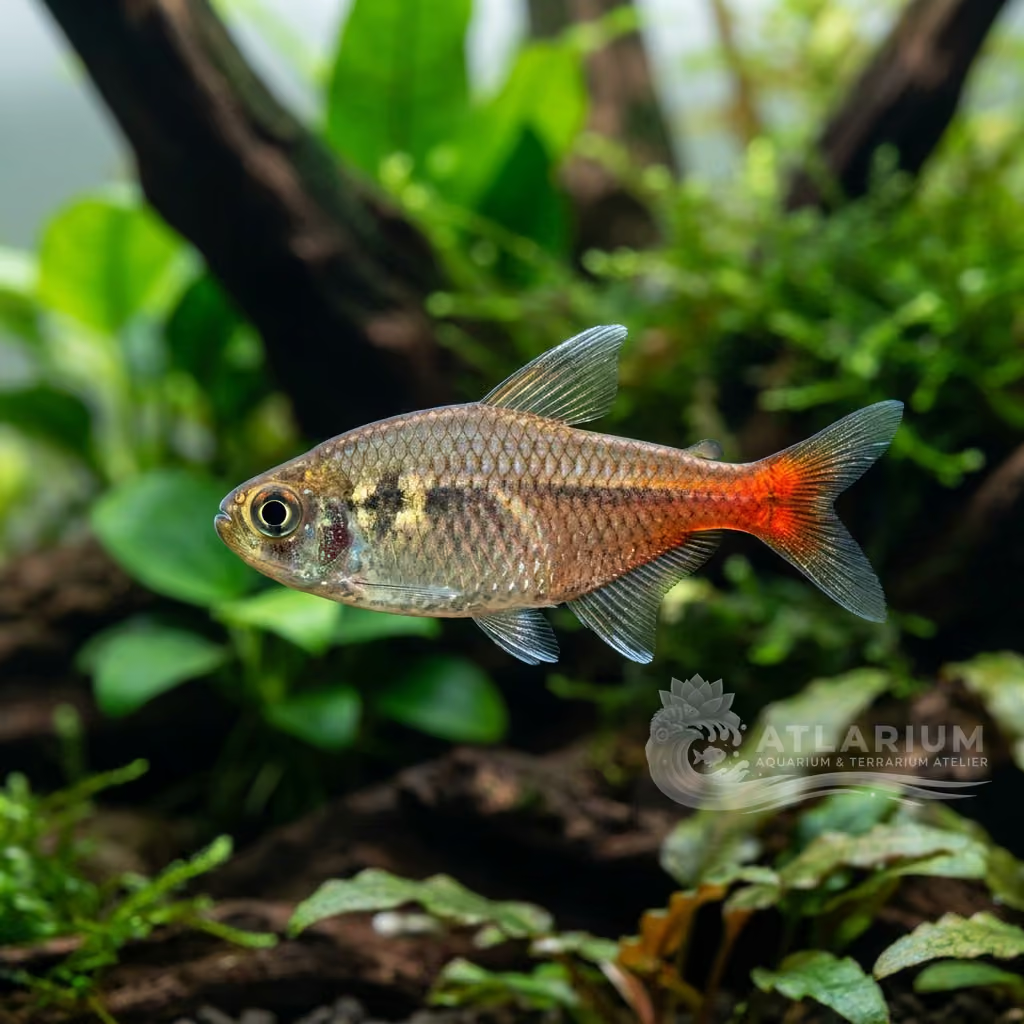
Coloration and Sexual Dimorphism: Brownish-golden or pinkish background ("mutable" depending on light and mood), with a conspicuous humeral spot and colored fins with whitish edges. Females are pot-bellied and opaque, males slender and vivid.

Pflege, Zucht und Mitbewohner
Aquarium Setup: An 80 cm (32 inches) aquarium is appropriate. Substrate of fine or dark sand, many visual barriers formed by intricate roots and driftwood, in addition to some stem and floating plants.
Diet and Feeding: No particular requests. Excellent eater of flake food, but thrives and fully shows its mutable reflections if regularly fed with chopped Pacifica krill, brine shrimp, and bloodworms.
Water Quality: Well adaptable, prefers fresh and weakly acidic waters. Efficient filtration that generates a weak but diffuse current is recommended to keep the oxygen concentration very high.
Compatibility and Cohabitation: Superb dither-fish in Amazonian community aquariums. Perfect with Dwarf Cichlids (Laetacara, Mikrogeophagus), various Loricariids, and Tetras of equal size.
Aquarium Breeding: Spawning occurs by free scattering in the morning. The use of synthetic Mops or thick Java moss will ensure the rescue of the eggs. Parental care is non-existent.
Risks and Diseases: Solid fish. The main problem is stress if housed with large Cichlids (e.g. Astronotus or large Heros) which could perceive it as prey or stress it due to its size.

Geografische Herkunft und Verbreitung
Originally discovered in the river systems of central-western Brazil (Mato Grosso, upper Tapajós River). Affinity for slow-water areas, thickly sheltered by submerged roots and flooded forest.
Ursprung
Tropische Ozeane und RiffeAmazonas, Orinoco und Guayana

Fischprofil
- Temperament
- Semi-aggressive
- The Hyphessobrycon mutabilis is renowned for its peaceful, albeit somewhat shy and timid, temperament. They are highly social fish that absolutely depend on the presence of a sizable school for their confidence and well-being. When kept in sufficient numbers, they exhibit a lively and inquisitive nature, gracefully exploring the aquarium. However, if kept alone or in very small groups, they will likely become withdrawn, pale, and prone to hiding constantly.
- Diät
- Omnivore
- In its natural habitat, the Hyphessobrycon mutabilis is a micro-predator that primarily feeds on tiny invertebrates and zooplankton. In captivity, they eagerly accept a staple diet of high-quality crushed flakes and micro-pellets. To support their overall health and promote optimal development—such as their subtle color changes depending on the lighting and mood—their diet should be frequently supplemented with live or frozen foods like Daphnia and cyclops. A diverse nutritional profile is crucial for maintaining a robust immune system.
- Lebenserwartung
- 3-5 years
- Erwachsenengröße
- 4.5 cm
- Geschlechterverhältnis
- School
- When establishing a school of Hyphessobrycon mutabilis, maintaining a relatively balanced mix of males and females is beneficial. Males generally exhibit a slimmer profile and often display their characteristic greenish-silver body more intensely compared to the plumper females. Having slightly more females than males can help dissipate any minor intra-species sparring when males display for dominance. Ultimately, keeping a large enough overall group size is more critical than the exact sex ratio.
- Fütterungsfrequenz
- Twice daily
- For optimal health, the Hyphessobrycon mutabilis should be fed small portions two to three times a day. Only offer an amount of food that the school can completely consume within two minutes to prevent water fouling. Overfeeding is a common issue with small characins, so strict portion control must be maintained. This frequent, small-meal approach closely mimics their continuous foraging behavior in the wild.
- Bioload
- Low
- The Hyphessobrycon mutabilis contributes a very low bioload to the aquarium ecosystem due to its small size. This makes them highly suitable for densely planted nano tanks and community setups alike. Despite their low waste production, maintaining a strict schedule of weekly water changes is highly recommended. A standard, high-quality biological filtration system will easily process the minimal waste generated by a healthy school.
- Fluss
- Stagnant
- The Hyphessobrycon mutabilis naturally inhabits slow-moving streams and flooded forest areas, meaning they prefer gentle water flow in the aquarium. Strong currents from overpowered filters can quickly exhaust these small fish and cause chronic stress. A sponge filter or a baffled hang-on-back filter is usually the most appropriate choice to provide oxygenation without turbulent flow. Providing dense clusters of aquatic plants will also give them tranquil resting spots.
- Sprungrisiko
- Yes
- Like many similarly sized characins, the Hyphessobrycon mutabilis presents a moderate jumping risk, especially when initially introduced or startled. A secure, tight-fitting aquarium lid or a glass canopy is absolutely essential to prevent accidental losses. Employing floating plants such as Salvinia or Amazon Frogbit can provide overhead cover, which significantly reduces their skittishness. Stable water parameters and a peaceful environment will also minimize this leaping behavior.
- Reproduktion
- Oviparous
- Breeding the Hyphessobrycon mutabilis requires a separate, dimly lit breeding tank equipped with soft, slightly acidic water. They are typical egg-scatterers that exhibit no parental care whatsoever, and they will readily consume their own eggs if left in the breeding tank. Spawning typically occurs among fine-leaved plants, after which the adults must be immediately removed. The microscopic fry require infusoria or specialized liquid foods until they are large enough to eat freshly hatched brine shrimp.
- Kompatibilität & Tankkameraden
- Semi-aggressive
- As a peaceful schooling species, the Hyphessobrycon mutabilis thrives when kept in a vibrant community aquarium. They require the security of a group, so maintaining them in schools of at least eight individuals is essential. Excellent tank mates include small rasboras, Corydoras catfish, and other equally peaceful characins. Aggressive, large, or excessively boisterous fish should be strictly avoided to prevent them from becoming stressed or preyed upon.
- Tankfüllstand
- Middle
- The Hyphessobrycon mutabilis is an active swimmer that primarily occupies the mid to upper levels of the aquarium water column. They deeply appreciate having a large, open swimming space in the center of the tank to school properly. They will often dart around the middle strata during the day, occasionally diving to the substrate during feeding times. Tall background plants and floating vegetation help them feel secure in these preferred swimming zones.

Wissenschaftliche Modelle & Parameter
FishBase
Zugang zu den offiziellen wissenschaftlichen Daten der Art
FishBase v25.04Daten synchronisiert am: 15.06.2026
- Trophäenniveau
- 3 ± 0,3 se
- Belastbarkeit
- Hoch (weniger als 15 Monate)
- Phylogenetische Einzigartigkeit (PD50)
- 0.5
- Bayessche Längen-Gewichts-Beziehung
- a = 0.00676, b = 3.12
- AnfälligkeitGeringe Anfälligkeit (10 / 100)

Verwandte Arten
Empfehlungen gruppiert nach nahen Verwandten, Auswahl von Begleitern und ähnlicher Betreuung.