Silvertip tetra
Hasemania nana
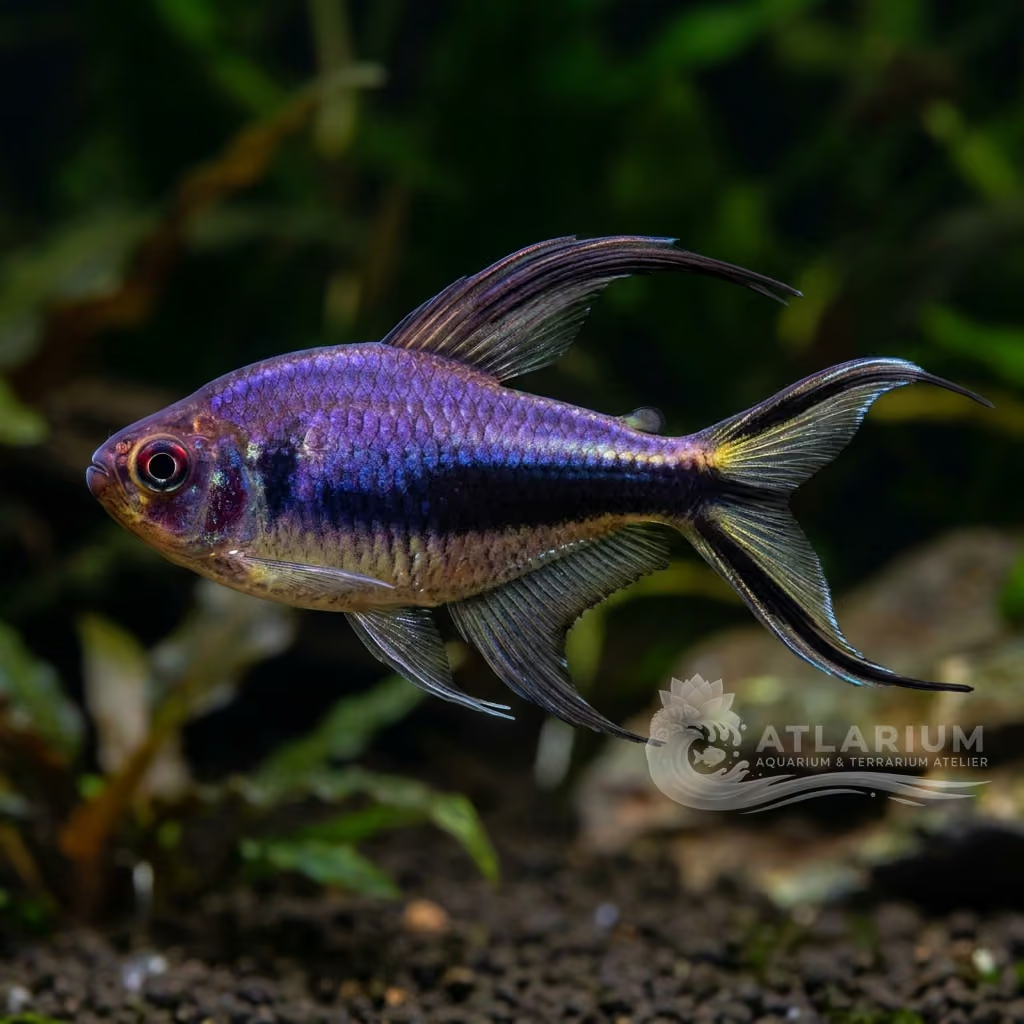
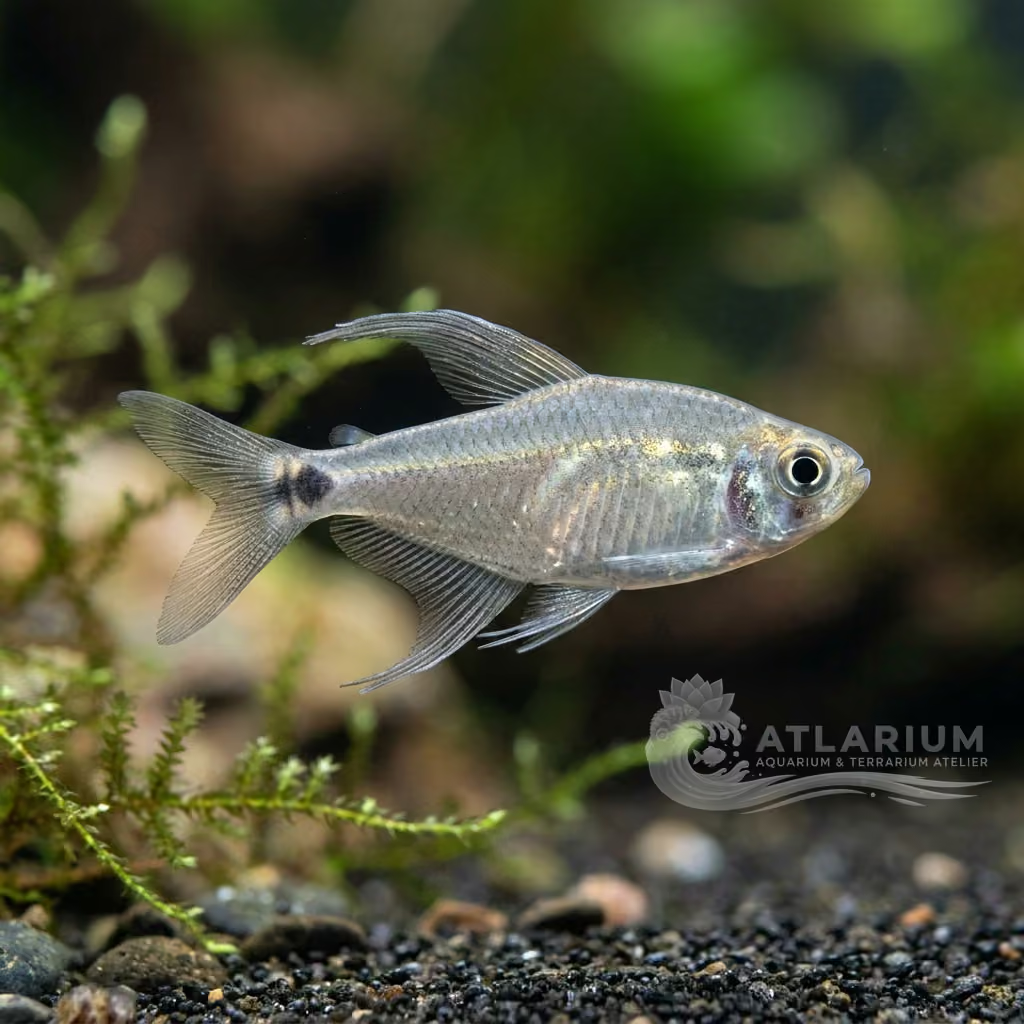
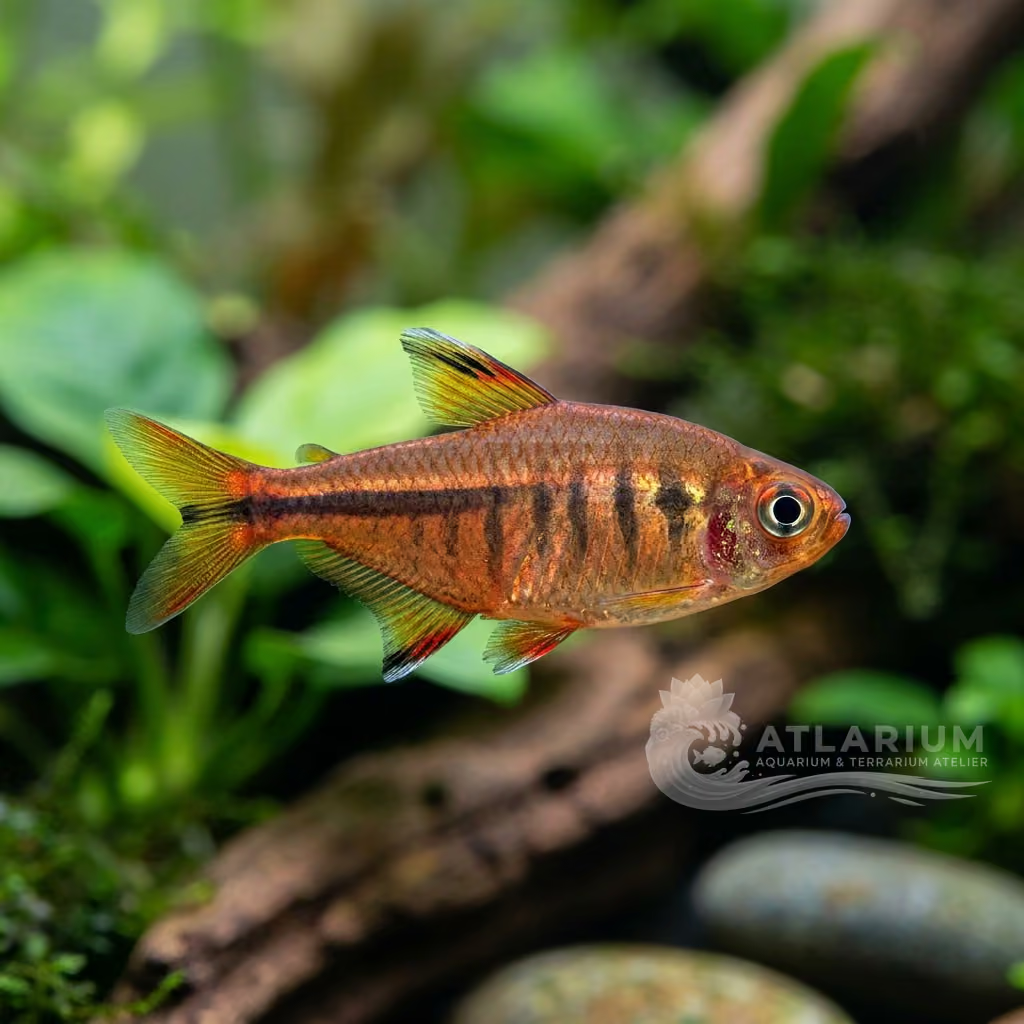
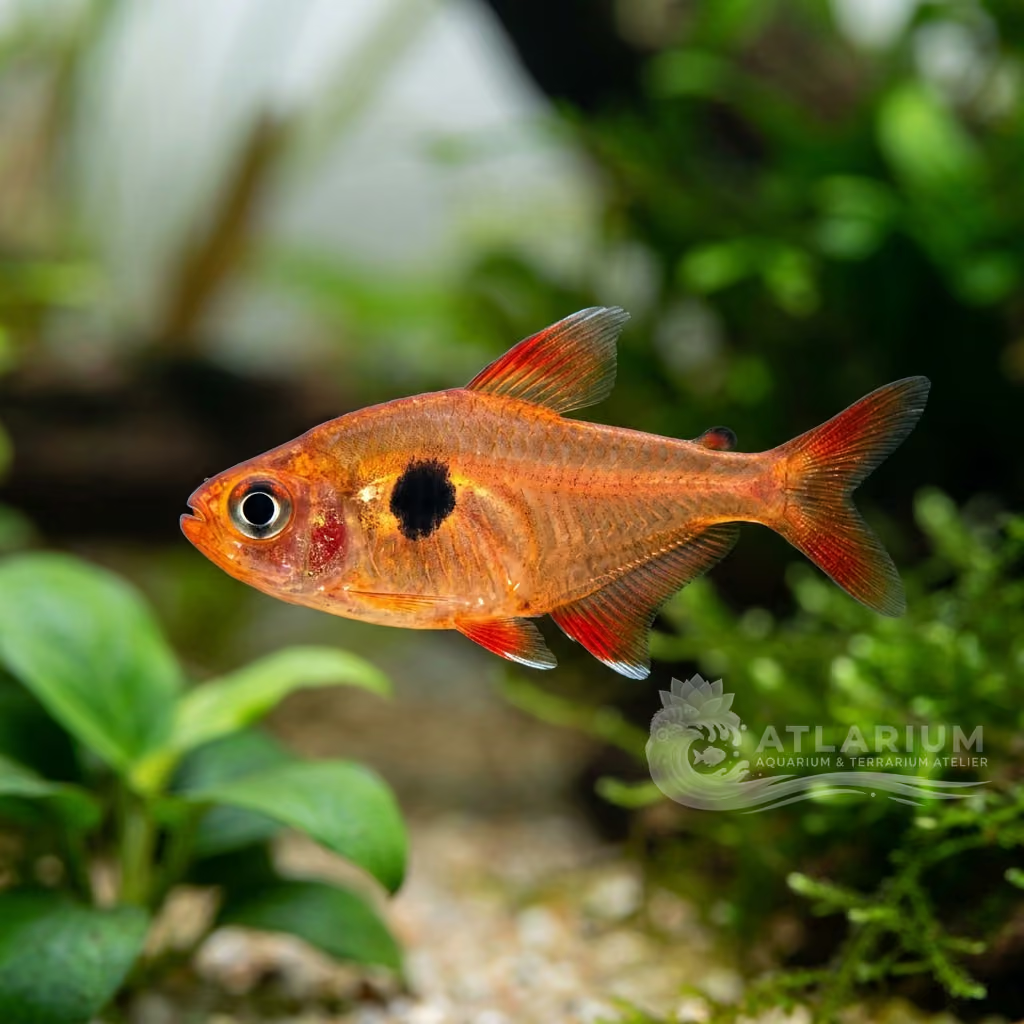
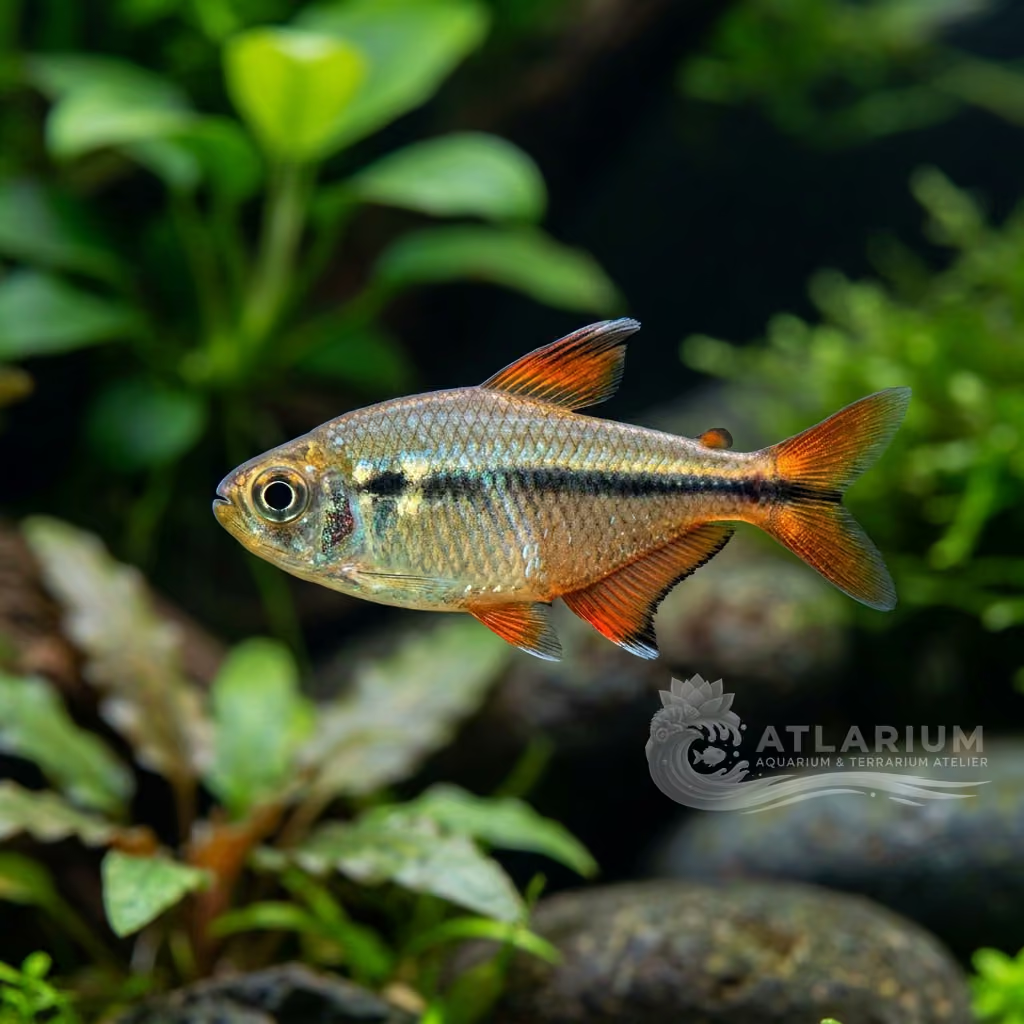
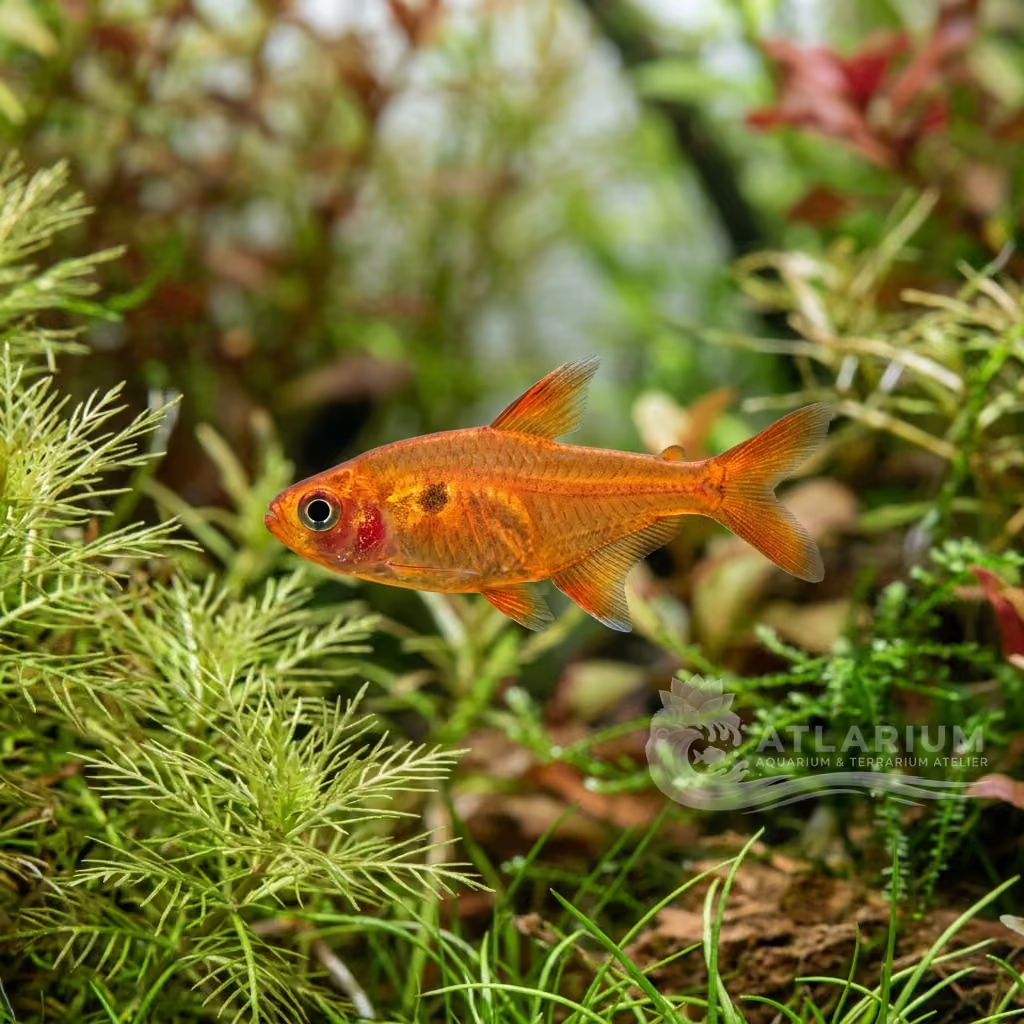
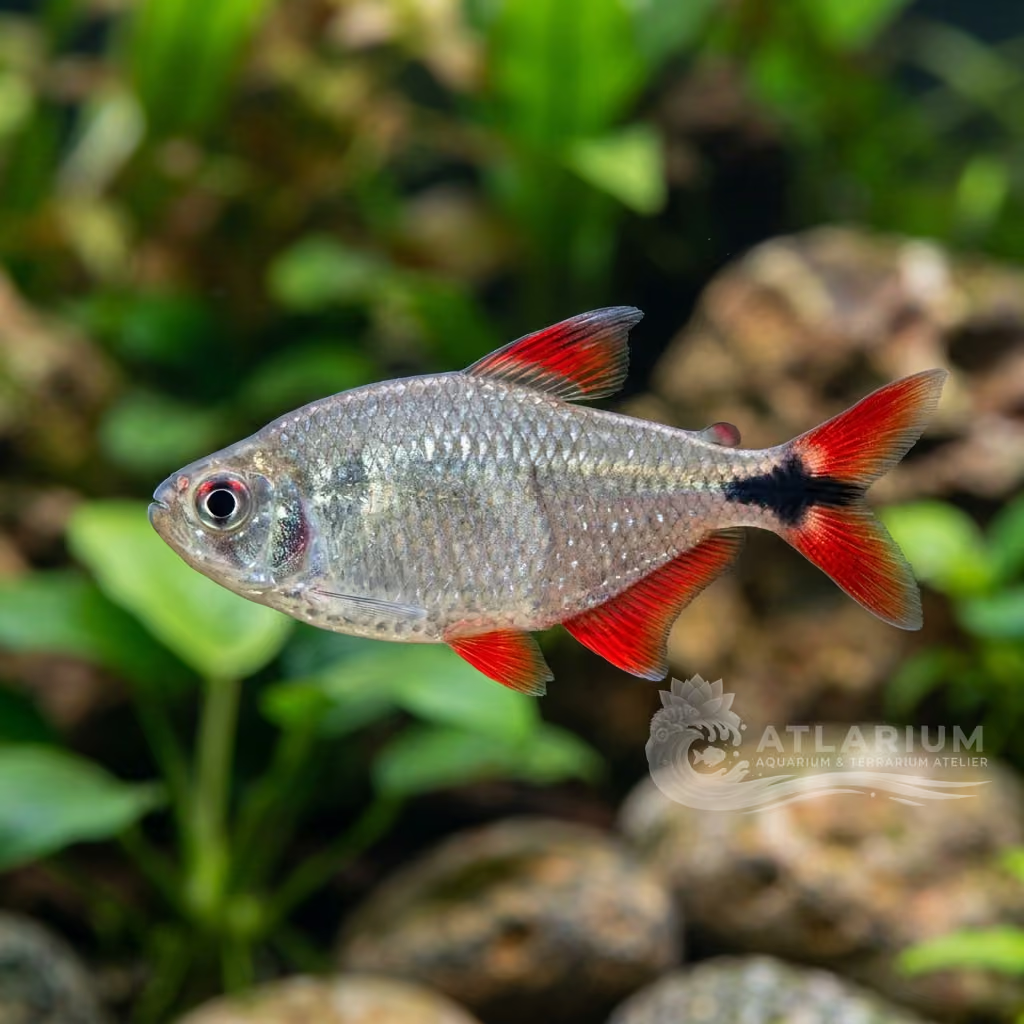
A lively, hardy Brazilian tetra with a golden-amber body and silver-white fin tips that gleam like tiny beacons in the tank — a particularly evocative effect in compact schools with dim lighting and dark substrate. Native to Brazil's São Francisco River basin. Taxonomic peculiarity: it is one of the rare tetras lacking an adipose fin. A tireless, active swimmer, it is ideal for communities with fish of the same energy. In groups that are too small it may develop fin-nipping tendencies with long-finned fish.
22 - 28 °C
6 - 7.5
Süßwasser
Mitte
5 cm
>= 60 L
>= 6
5 - 15 dGH
2 - 7 dKH
95 - 295 ppm
148 - 461 uS/cm

Artbeschreibung

Pflege, Zucht und Mitbewohner

Geografische Herkunft und Verbreitung
Ursprung

Fischprofil
- Temperament
- Peaceful
- They are lively, boisterous, and exceptionally active for a small tetra. Their constant movement adds dynamic energy to any freshwater setup. However, their slightly mischievous fin-nipping behavior requires careful selection of tank mates.
- Diät
- Omnivore
- These micro-predators are not fussy and will eagerly accept most standard aquarium foods. Offer them high-quality micro-pellets or crushed flakes as a staple diet. Supplement with live or frozen daphnia, bloodworms, and brine shrimp.
- Lebenserwartung
- 3-5 years
- Erwachsenengröße
- 5 cm
- Geschlechterverhältnis
- School
- Males possess a deep copper color, while females are paler and slightly more robust. They must be kept in a school of at least six to eight individuals to feel secure. A mixed ratio is fine, as schooling behavior disperses their mild internal bickering.
- Fütterungsfrequenz
- 2-3 times daily
- Feed them small amounts one or two times daily. They are aggressive eaters that will rush the surface during feeding time. Ensure food particles are small enough to fit into their tiny mouths.
- Bioload
- Low
- The Silvertip Tetra has a very low bioload, making it ideal for small or densely populated community tanks. Their small size and efficient metabolism mean they produce minimal waste. Standard aquarium filtration and regular maintenance easily handle their impact.
- Fluss
- Moderate
- They prefer a moderate water flow that mimics the streams of their native South American habitat. The flow encourages their active schooling behavior and keeps them fit. Planted resting areas should be provided to allow them to escape the current.
- Sprungrisiko
- No
- Reproduktion
- Oviparous
- They are egg-scatterers that will frequently spawn in densely planted aquariums. They provide no parental care and will eagerly consume their own eggs if given the chance. For successful breeding, a separate darkened tank with spawning mops is required.
- Kompatibilität & Tankkameraden
- Community
- They are generally peaceful schooling fish but can be surprisingly nippy compared to other tetras. They should be kept with other fast-moving, short-finned community fish to prevent fin damage. Avoid housing them with slow-moving species like bettas or angelfish.
- Tankfüllstand
- Middle
- Silvertip Tetras are incredibly active and will dart around the middle and upper levels of the aquarium. They are bold swimmers that spend most of their time in open water displaying to each other. They occasionally dive into the plants when resting or seeking cover.

Wissenschaftliche Modelle & Parameter
Zugang zu den offiziellen wissenschaftlichen Daten der Art
- Trophäenniveau
- 3,2 ± 0,5 se
- Belastbarkeit
- Hoch (weniger als 15 Monate)
- Phylogenetische Einzigartigkeit (PD50)
- 0.5078
- Bayessche Längen-Gewichts-Beziehung
- a = 0.01259, b = 3.11
- AnfälligkeitGeringe Anfälligkeit (10 / 100)

Bildergalerie
Lizenzierte Bilder, die mit der Art oder, wenn markiert, mit dem nächstgelegenen repräsentativen Taxon verknüpft sind.

Verwandte Arten
Empfehlungen gruppiert nach nahen Verwandten, Auswahl von Begleitern und ähnlicher Betreuung.