Golden-eyed dwarf cichlid
Nannacara anomala
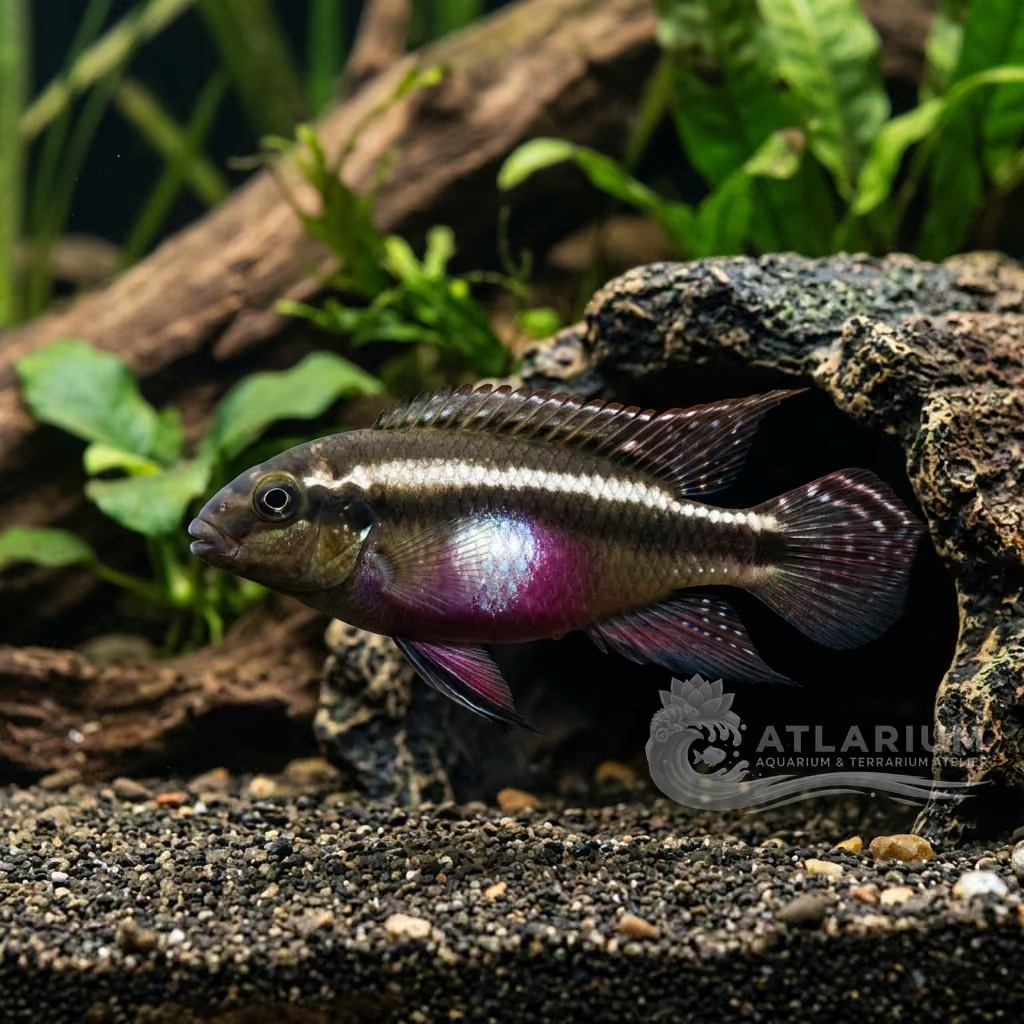
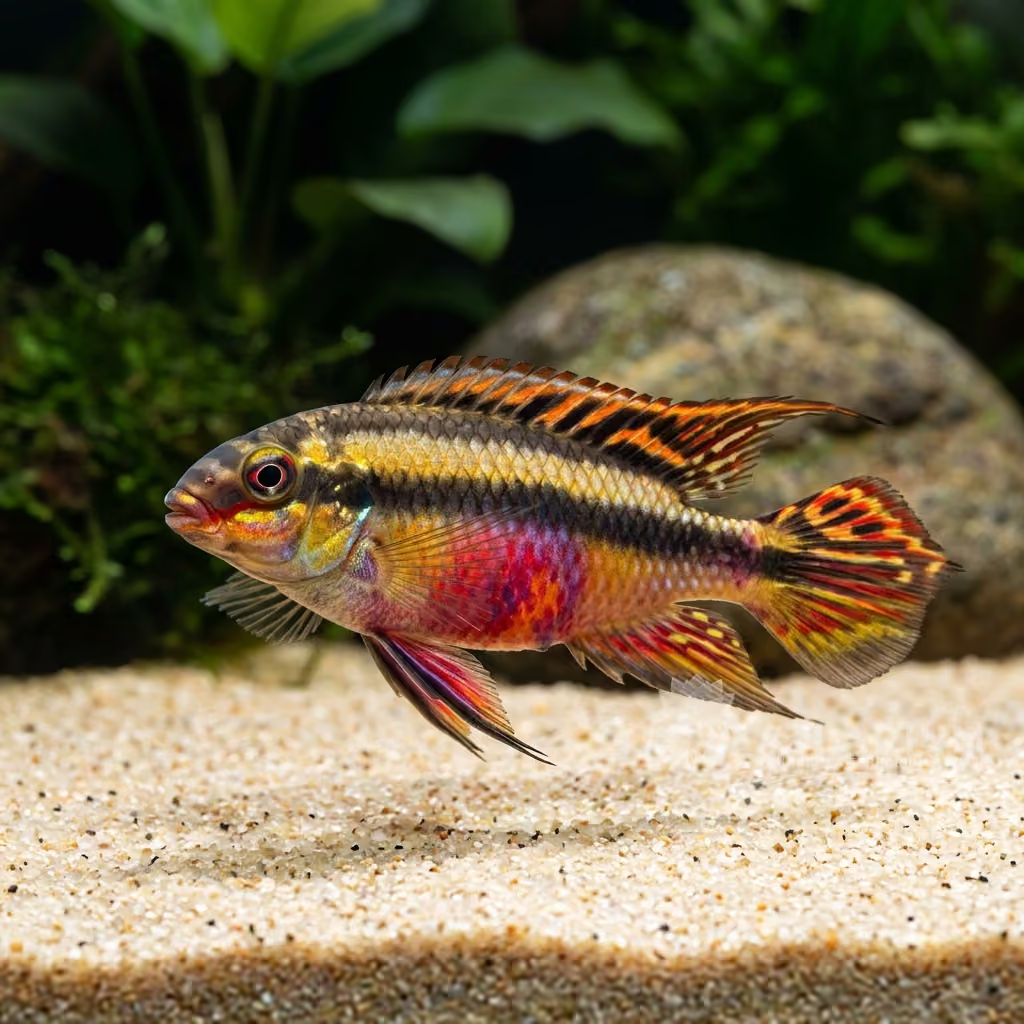
A dwarf cichlid from Guyana and Suriname with brilliant golden eyes — hence the name — and a greenish-bronze iridescent body. Unique spectacle: during breeding, the female transforms into a fierce guardian with a completely different livery — black and yellow bands — and defends the nest with surprising aggression, even against the male himself. Relatively robust and easy to breed for a dwarf cichlid, it spawns in caves and females care for the offspring alone.
22 - 26 °C
6 - 7.5
Süßwasser
Unten und in der Mitte
7,5 cm
>= 75 L
>= 2
2 - 12 dGH
1 - 6 dKH
40 - 240 ppm
63 - 375 uS/cm

Artbeschreibung

Pflege, Zucht und Mitbewohner

Geografische Herkunft und Verbreitung
Ursprung

Fischprofil
- Temperament
- Semi-aggressive
- They ordinarily exhibit a peaceful and somewhat shy temperament in planted tanks. They are curious but cautious, often observing surroundings from a safe cave. This peaceful nature changes dramatically to fierce protectiveness during breeding.
- Diät
- Omnivore
- These micro-predators feed on small invertebrates and insect larvae in the wild. They eagerly accept high-quality micro-pellets and live or frozen foods like daphnia. A varied protein-rich diet is essential for bringing out their golden-green colors.
- Lebenserwartung
- 3-5 years
- Erwachsenengröße
- 7.5 cm
- Geschlechterverhältnis
- Harem
- Keeping one male with two or three females is the recommended harem setup. This disperses the male's breeding attention and reduces stress on females. In smaller tanks, a single bonded pair is also a viable option.
- Fütterungsfrequenz
- Twice daily
- They should be fed small portions one to two times daily. Since they feed slowly, ensure faster top-dwelling fish do not outcompete them. Offering sinking foods directly guarantees they receive adequate nutrition.
- Bioload
- Low to Medium
- The Golden Dwarf Cichlid has a very low bioload suitable for peaceful aquariums. Their small size and moderate appetite mean they produce minimal waste. Standard sponge filters or gentle hang-on-back filters are more than sufficient.
- Fluss
- Strong
- They prefer slow to moderate water movement mimicking sluggish streams. Strong currents will stress them and force them to hide constantly. A gentle flow that lightly moves the plant leaves is considered ideal.
- Sprungrisiko
- No
- Reproduktion
- Oviparous
- They are cave spawners that choose secluded spots like coconut caves for eggs. The female assumes total responsibility for brood care and becomes fiercely aggressive. She may even attack the male, requiring plenty of hiding spaces.
- Kompatibilität & Tankkameraden
- Community
- They are generally peaceful community fish that can be kept with small tetras. However, females become hyper-aggressive when guarding fry against larger fish. It is best to avoid housing them with other bottom-dwelling dwarf cichlids.
- Tankfüllstand
- Middle/Bottom
- This species is heavily oriented towards the bottom and lower-middle levels. They spend their days exploring the substrate and leaf litter for food. They rarely venture to the surface unless enticed by floating food.

Wissenschaftliche Modelle & Parameter
Zugang zu den offiziellen wissenschaftlichen Daten der Art
- Trophäenniveau
- 3,3 ± 0,4 se
- Belastbarkeit
- Hoch (weniger als 15 Monate)
- Phylogenetische Einzigartigkeit (PD50)
- 0.5156
- Bayessche Längen-Gewichts-Beziehung
- a = 0.01445, b = 3.08
- AnfälligkeitGeringe Anfälligkeit (10 / 100)

Bildergalerie
Lizenzierte Bilder, die mit der Art oder, wenn markiert, mit dem nächstgelegenen repräsentativen Taxon verknüpft sind.

Verwandte Arten
Empfehlungen gruppiert nach nahen Verwandten, Auswahl von Begleitern und ähnlicher Betreuung.