Cupid cichlid
Biotodoma cupido
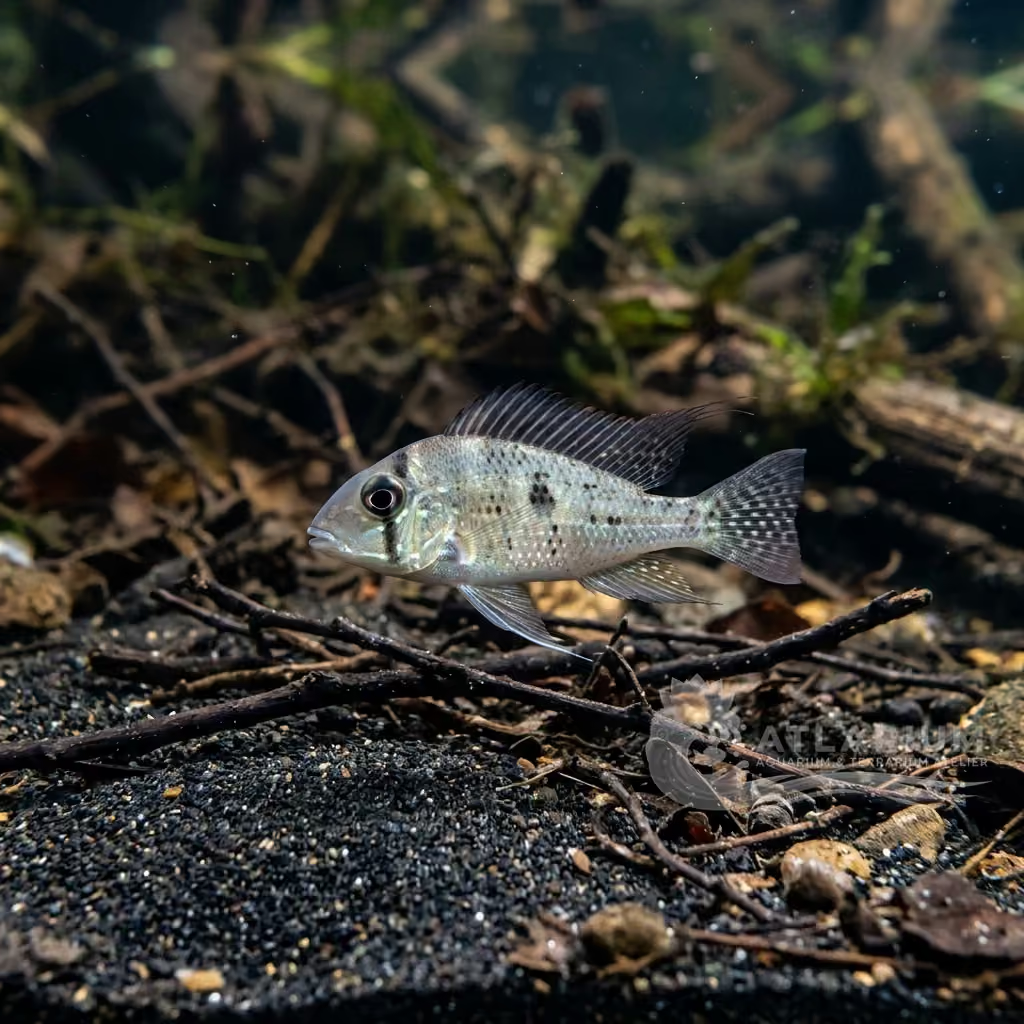
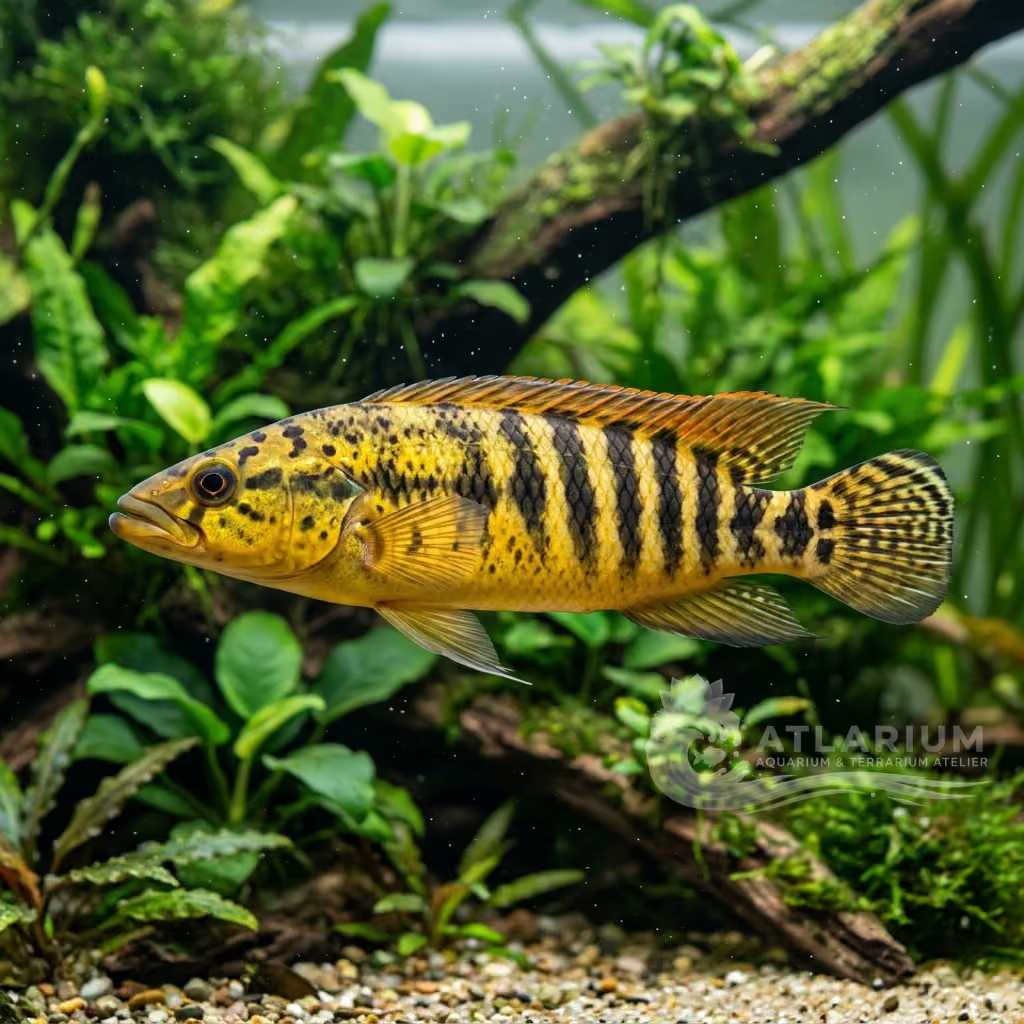
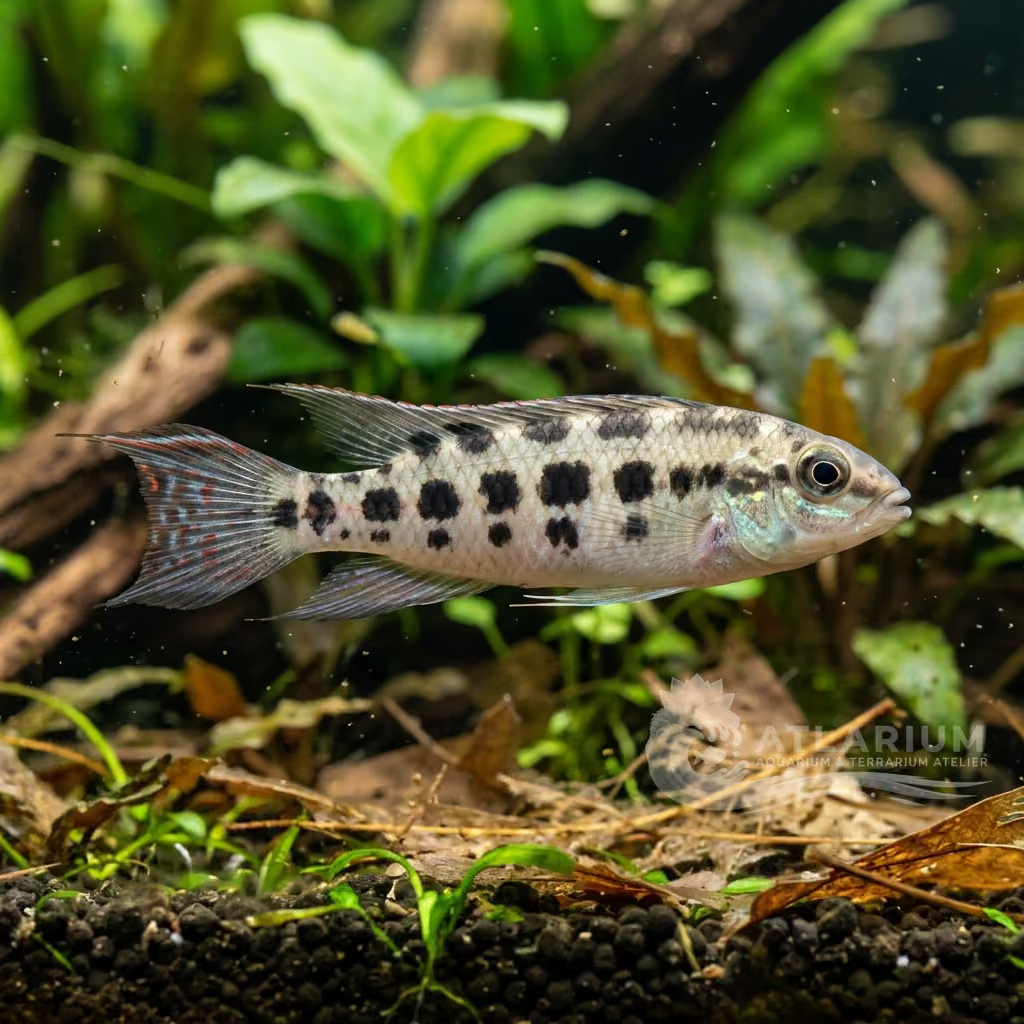
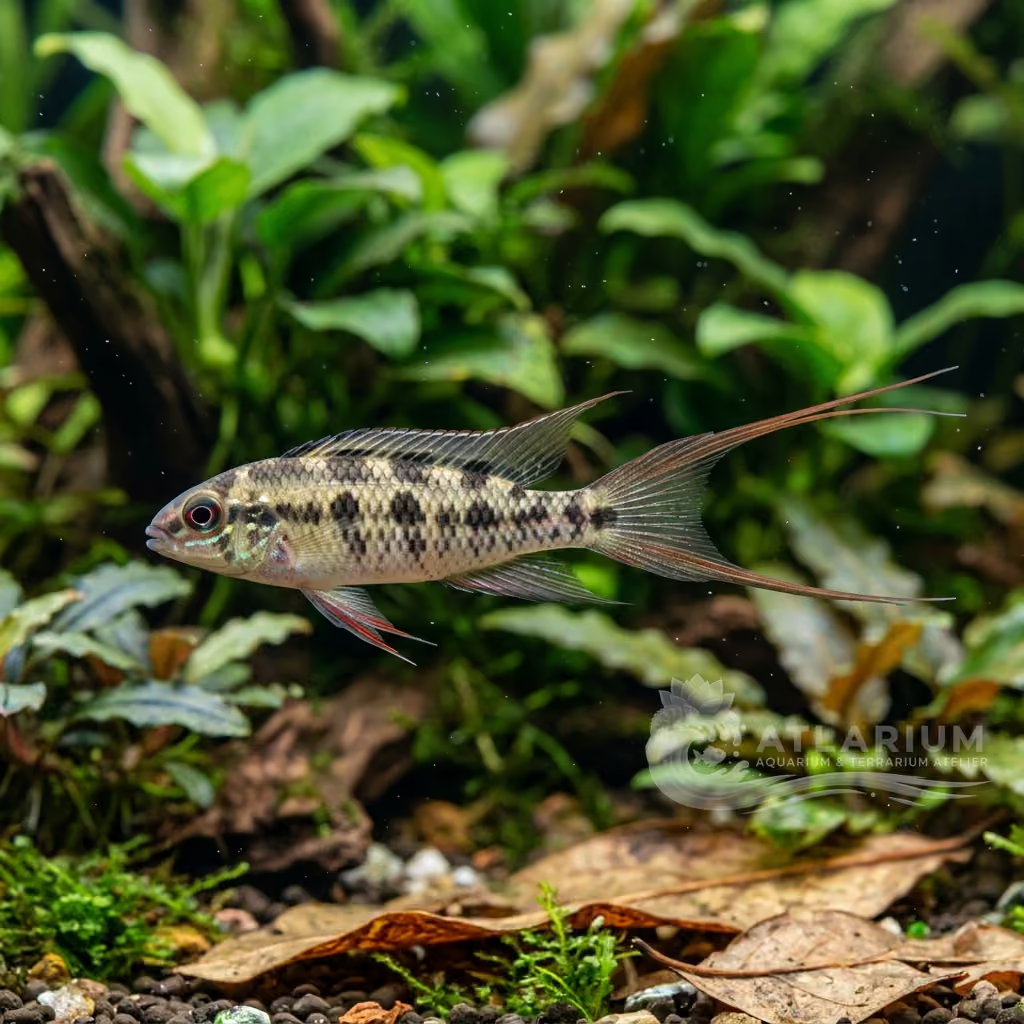
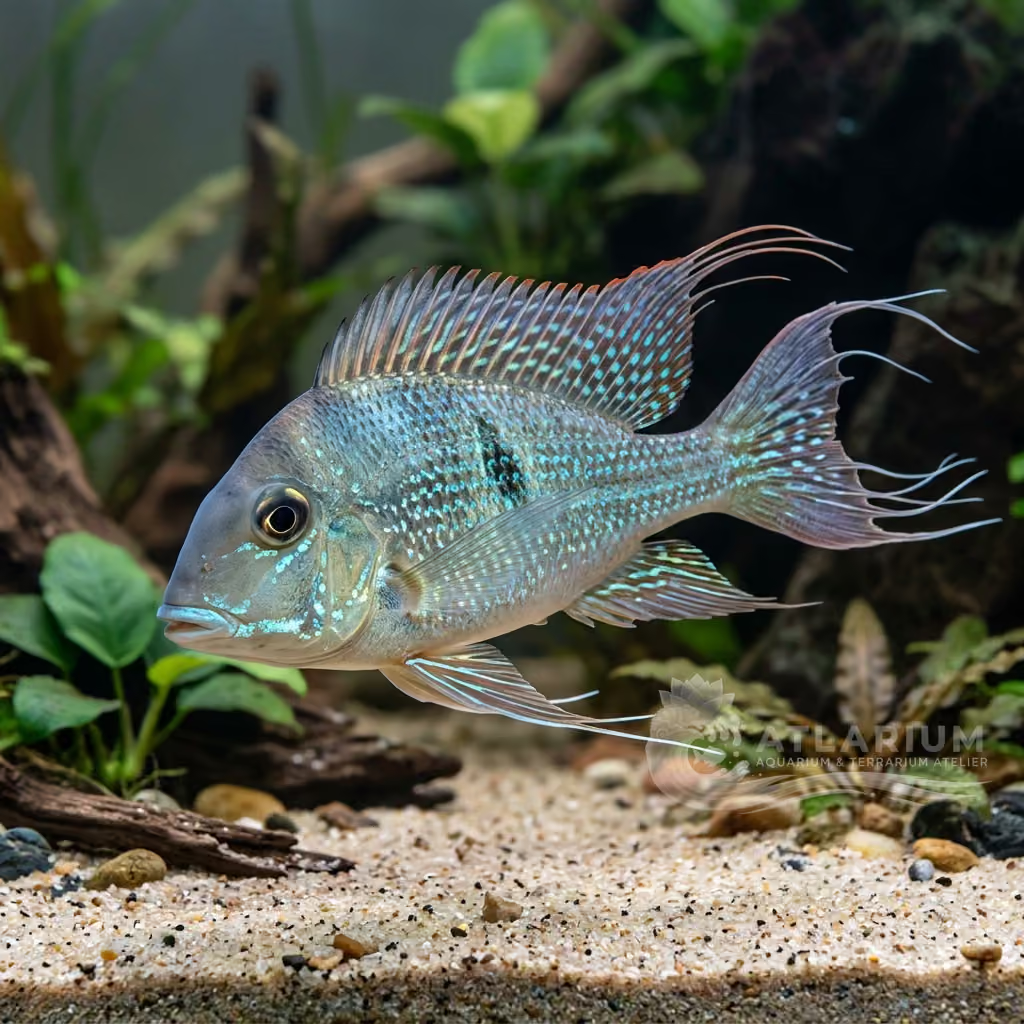
The gentle 'eartheater': an Amazonian cichlid that sifts sand through its mouth searching for micro-invertebrates — a fascinating behavior to observe. Silvery body with iridescent green reflections and a prominent dark ocellus on the flank. Peaceful for a cichlid: lives in groups of 5–8+. Exemplary biparental care. Fine sand mandatory for natural sifting behavior. Sensitive to water quality. Plant-safe with robust plants (Anubias, Java Fern).
25 - 30 °C
5 - 7
Süßwasser
Unten und in der Mitte
14 cm
>= 150 L
>= 5
1 - 10 dGH
1 - 5 dKH
25 - 200 ppm
39 - 313 uS/cm

Artbeschreibung

Pflege, Zucht und Mitbewohner

Geografische Herkunft und Verbreitung
Ursprung

Fischprofil
- Temperament
- Semi-aggressive
- Outside of the breeding season, Biotodoma cupido is a remarkably peaceful and somewhat timid cichlid. They exhibit interesting social behaviors within their group, establishing a mild dominance hierarchy that rarely results in physical harm. However, they can become territorial and protective of their spawning sites when breeding, showing lip-locking and pit-digging displays. Because of their shy nature, they should not be housed with aggressive, boisterous, or overly dominant tankmates that might intimidate them or outcompete them for food.
- Diät
- Omnivore
- This benthophagous cichlid feeds by mouthfuls of substrate, filtering edible items and expelling the rest of the sand. Their diet should consist of a variety of high-quality fine-grade pellets or flakes, combined with live or frozen foods such as bloodworms, Artemia, and Tubifex. It is important to include vegetable matter, such as Spirulina, to ensure a balanced nutritional intake. Rather than one large meal, it is recommended to feed them multiple small portions throughout the day to support their natural browsing habits.
- Lebenserwartung
- 5-10 years
- Erwachsenengröße
- 14 cm
- Geschlechterverhältnis
- Group
- Biotodoma cupido is a gregarious species that naturally lives in loose groups rather than strict pairs or harems. In the aquarium, they should be kept in a group of at least 5 to 8 individuals to distribute minor aggression and establish a natural dominance hierarchy. Keeping them in smaller numbers can result in the weaker specimens being bullied or the group becoming excessively timid and nervous. While they form monogamous pairs during the breeding season, a group setting remains the best stocking method for their long-term well-being.
- Fütterungsfrequenz
- Twice daily
- For optimal growth and health, the Cupid Cichlid should be fed three to four small portions daily. This frequent feeding schedule mimics their natural behavior in the wild, where they continuously sift through the sand for micro-organisms and organic matter. Providing small, regular meals prevents digestion issues and ensures that subordinate individuals in the group get enough food. It also helps to keep them active and engaged in their natural foraging patterns.
- Bioload
- Medium
- The Cupid Cichlid has a medium biological waste production, primarily due to its sand-sifting feeding behavior which constantly stirs up the substrate and releases organic debris. To maintain the pristine water conditions this sensitive species requires, a robust filtration system combining efficient mechanical and biological media is necessary. Weekly water changes of 50% to 70% are highly recommended to prevent the accumulation of nitrates and other toxins. If waste management is neglected, these fish are prone to health issues like head and lateral line erosion.
- Fluss
- Strong
- In their natural habitat, Biotodoma cupido inhabits calm river bends and slow-moving forest streams, so they prefer a weak to moderate water flow in the aquarium. High-velocity or torrential currents should be avoided as they can stress the fish and impede their sand-sifting activities. However, efficient filtration is still necessary to maintain the high water quality they require, which can be achieved by using spray bars or deflecting the flow. A gentle increase in water movement can sometimes be used to simulate seasonal changes and trigger breeding behavior.
- Sprungrisiko
- No
- Reproduktion
- Oviparous
- Biotodoma cupido is a biparental substrate spawner, typically choosing a solid surface like a partially buried rock or plant roots to deposit eggs. Breeding them in captivity can be challenging, as they require 18 to 24 months to reach sexual maturity and need specific environmental triggers, such as simulating the transition from the dry to the wet season with soft, acidic water changes and a temporary increase in water movement. The female initiates the courtship, cleans the spawning site, and lays the entire clutch before the male makes a single pass to fertilize them. Both parents fiercely guard the eggs and fry, with the female managing the nest and the male patrolling the surrounding territory.
- Kompatibilität & Tankkameraden
- Peaceful
- The Cupid Cichlid is an excellent candidate for a peaceful community aquarium with tankmates that thrive in similar soft, acidic water conditions. Suitable companions include peaceful tetras, pencilfish, hatchetfish, Corydoras catfish, and other non-aggressive dwarf cichlids like Apistogramma. Aggressive, large, or fast-swimming species should be avoided, as they can easily stress this shy fish and outcompete them for food. It is vital to keep Biotodoma cupido in a group of their own kind, as their social structure prevents single individuals from becoming overly stressed or nervous.
- Tankfüllstand
- Middle/Bottom
- This species is primarily a bottom-dwelling and lower-middle column swimmer, closely tied to the substrate due to its sand-sifting nature. They spend most of their active hours scanning and digging through the sand in search of food. An open swimming area at the bottom, furnished with a thick layer of soft sand, is essential for their natural behavior. While they may occasionally rise to the middle level to interact or feed, they rarely venture into the upper levels of the aquarium.

Wissenschaftliche Modelle & Parameter
Zugang zu den offiziellen wissenschaftlichen Daten der Art
- Trophäenniveau
- 3,3 ± 0,5 se
- Belastbarkeit
- Hoch (weniger als 15 Monate)
- Phylogenetische Einzigartigkeit (PD50)
- 0.75
- Bayessche Längen-Gewichts-Beziehung
- a = 0.0195, b = 3.06
- AnfälligkeitGeringe Anfälligkeit (10 / 100)

Bildergalerie
Lizenzierte Bilder, die mit der Art oder, wenn markiert, mit dem nächstgelegenen repräsentativen Taxon verknüpft sind.

Verwandte Arten
Empfehlungen gruppiert nach nahen Verwandten, Auswahl von Begleitern und ähnlicher Betreuung.