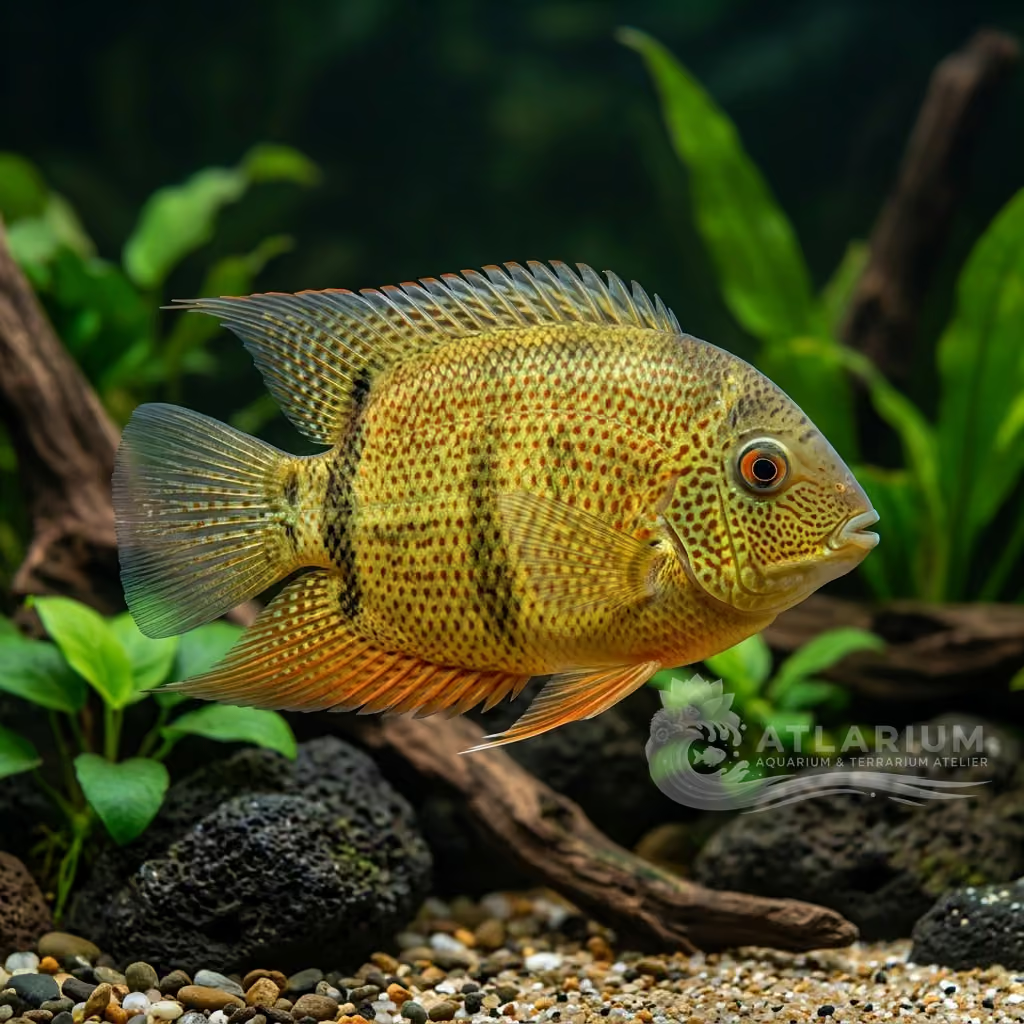
Amazon Cichlasoma
Cichlasoma amazonarum
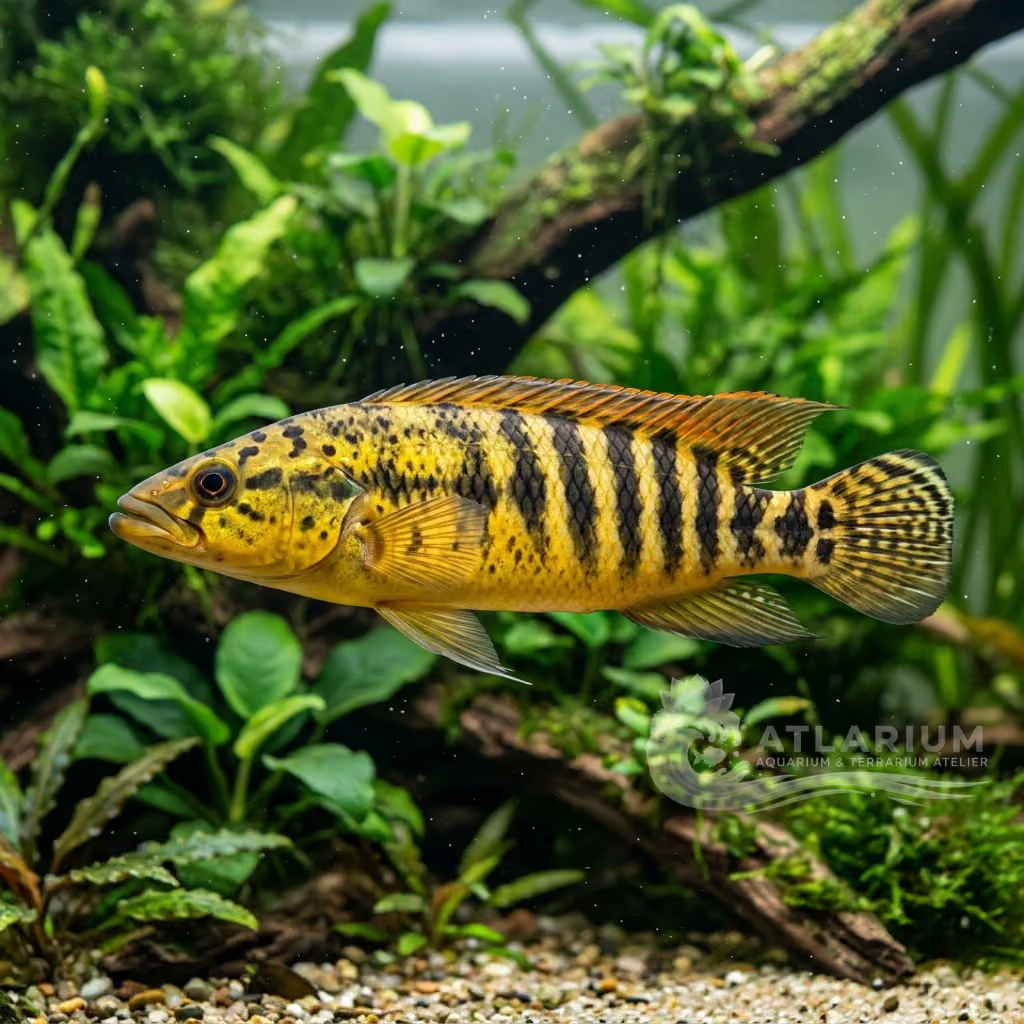
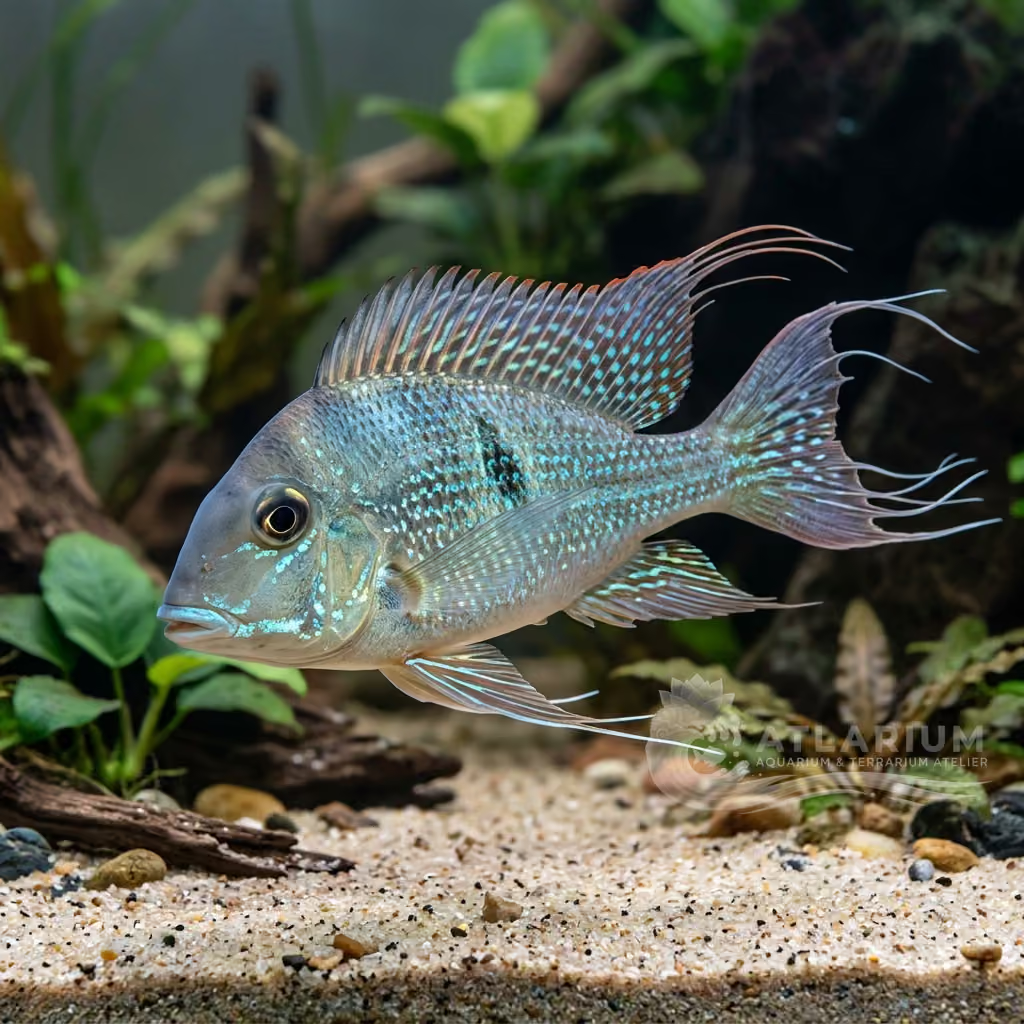
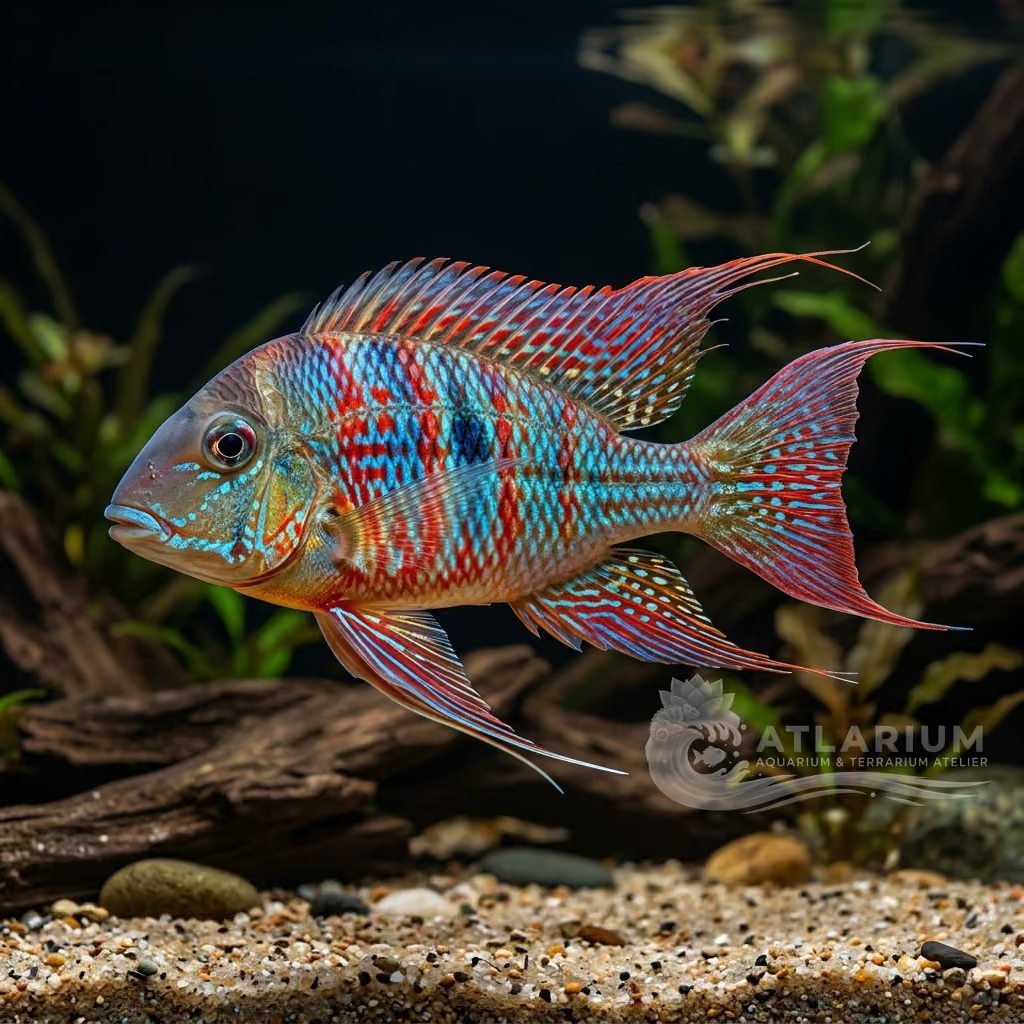
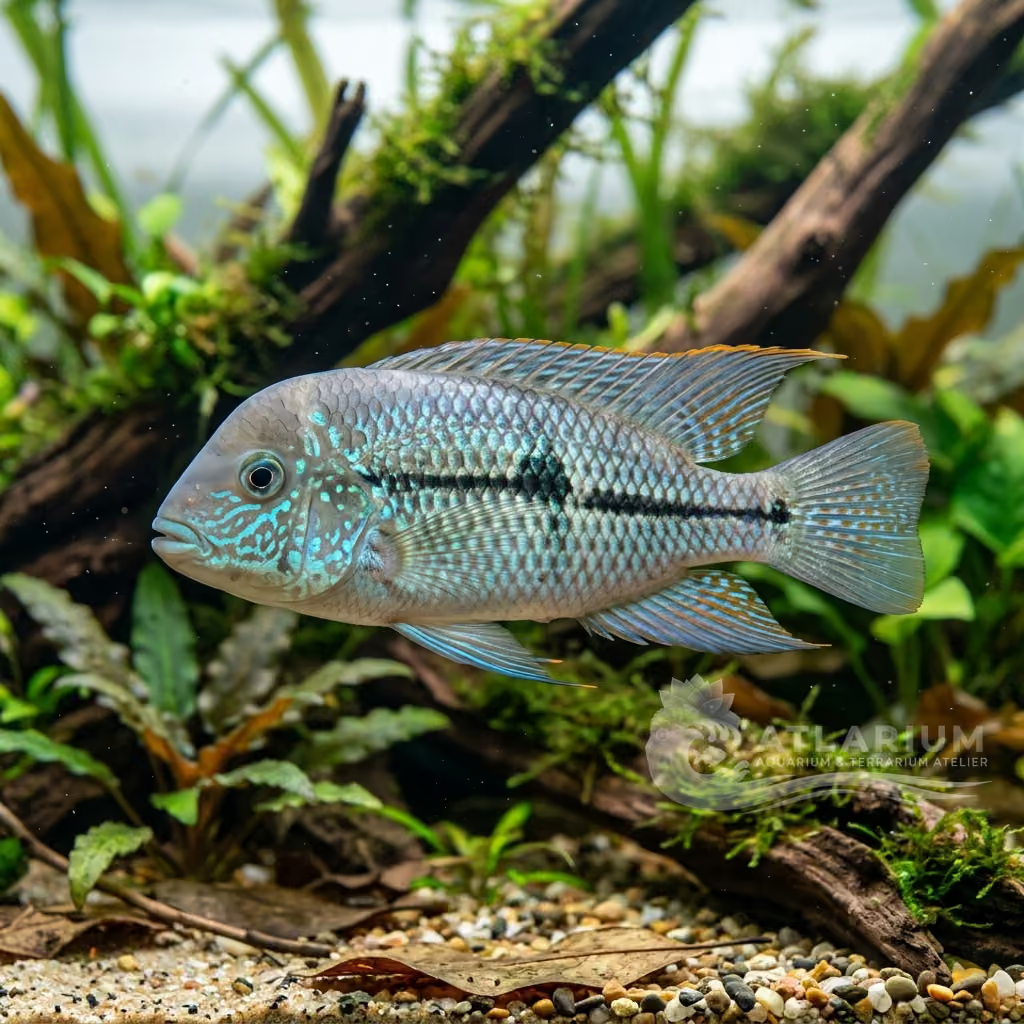
The versatile 'Amazon Cichlasoma' (12-15 cm). Closely related to C. bimaculatum, it adapts to almost all biotopes of the immense Amazon, thriving in both clear and black waters. Rustic and resistant, it features a silvery-greenish livery and the typical black flank spot. It is a forgiving cichlid and ideal for large South American community tanks.
Wassertemperatur
24 - 28 °C
pH-Wert
6 - 7.5
Wassertyp
Süßwasser
Tankfüllstand
Unten und in der Mitte
Erwachsenengröße
15 cm
Mindesttankvolumen
>= 180 L
Mindestgruppe
>= 1
GH
4 - 12 dGH
KH
2 - 6 dKH
TDS
80 - 240 ppm
Leitfähigkeit
125 - 375 uS/cm

Artbeschreibung
Geographical Origin and Habitat: Wide range in the Amazon basin (Brazil, Peru, Colombia). Populates marginal lagoons, oxbow lakes, small streams and flooded areas with thick riparian vegetation or intertwined roots.
Taxonomy and Morphology: Amazon Cichlid (Cichlasoma amazonarum). Medium-sized South American cichlid, belonging to the "true" Cichlasoma genus (now very reduced). Reaches 12-15 cm (5-6 inches). High and compressed body.
Social Behavior: Relatively peaceful, but with typical cichlid territoriality. Outside the breeding season it is tolerant and spends time inspecting the bottom looking for food. Very protective during spawning.
Coloration and Sexual Dimorphism: Variable coloration from gray/olive green to brown, with several dark spots on the flanks. Often show bluish or greenish iridescence on the cheeks and fins. Mature males with more pointed fins and a slight nuchal thickening.

Pflege, Zucht und Mitbewohner
Aquarium Setup: Aquarium of at least 100 cm (40 inches). Setup rich in natural visual barriers: intricate bog roots, sunken wood, smooth rocks and dry leaves on the bottom to simulate its forest environment.
Diet and Feeding: Micro-predator and omnivorous detritivore. Sifts the bottom, and needs a varied diet: quality sinking granules, plant food, frozen bloodworms and brine shrimp, chopped earthworms.
Water Quality: Tolerates a good range of values, but thrives in soft and slightly acidic waters (pH 6.0-7.0) typical of the Amazon biotope, enriched with tannin extracts. Sensitive to ammonia.
Compatibility and Cohabitation: Good community fish for medium or large South American aquariums. Coexists with large characins (Bleeding Heart Tetras), armored Corydoras, peaceful Loricariids or small Heros.
Aquarium Breeding: Open substrate spawners (flat rocks or clean wood). Frequent reproduction if well fed and if pairs form spontaneously from a juvenile group. The pair fiercely defends fry and territory.
Risks and Diseases: Very adaptable and hardy fish, pathologies arise only if placed in undersized aquariums with overly aggressive tankmates (such as large Central American Cichlids) that force it into perennial stress.

Geografische Herkunft und Verbreitung
Wide range in the Amazon basin (Brazil, Peru, Colombia). Populates marginal lagoons, oxbow lakes, small streams and flooded areas with thick riparian vegetation or intertwined roots.
Ursprung
Tropische Ozeane und RiffeAmazonas, Orinoco und Guayana

Fischprofil
- Temperament
- Semi-aggressive
- It exhibits a relatively calm temperament compared to other cichlids of similar size, spending most of its time in the lower-to-middle water columns. However, it becomes notably territorial and aggressive once it establishes a breeding territory. It forms a clear social hierarchy in the tank and appreciates ample hiding places to retreat to when feeling threatened.
- Diät
- Omnivore
- This species is a generalist omnivore with a hearty appetite in captivity. It readily accepts commercial pellets and flake foods formulated for cichlids, which should serve as the dietary baseline. It is essential to supplement this with live or frozen foods such as bloodworms, brine shrimp, and tubifex, along with vegetable-based foods containing spirulina.
- Lebenserwartung
- 5-10 years
- Erwachsenengröße
- 15 cm
- Geschlechterverhältnis
- Harem
- While the Amazon cichlid can be kept as a solitary specimen, keeping them in pairs is highly popular and rewarding. A 1:1 male-to-female ratio is ideal if a compatible breeding pair has naturally formed from a group of juveniles. Keeping multiple males in the same tank usually leads to severe territorial aggression and injury unless the aquarium is exceptionally large with numerous broken lines of sight. Harem setups are generally not successful, as pairs become highly aggressive towards any other conspecifics once bonded.
- Fütterungsfrequenz
- Twice daily
- Feeding should ideally occur once or twice daily, keeping portion sizes moderate. Offer only what the fish can consume completely within three minutes to prevent leftover food from decaying and fouling the water. For juveniles or breeding pairs, the frequency can be increased to three smaller meals spread throughout the day.
- Bioload
- Medium
- The Amazon cichlid has a moderate to heavy biological load, typical of medium-sized South American cichlids. They are robust eaters with a diet consisting of pellets, live foods, and frozen meaty items, leading to significant waste generation. Proper mechanical and biological filtration, such as a large canister filter, coupled with frequent water changes, is necessary to keep nitrate levels low. Failure to manage their waste output can result in poor water quality and subsequent health issues like hole-in-the-head disease.
- Fluss
- Stagnant
- This species prefers a slow to moderate water current, mimicking the calm conditions of river channels and oxbow lakes in the Amazon basin. Excessive flow can cause unnecessary fatigue, leading to chronic stress and a reduction in natural swimming activity. Designing the layout with natural barriers like driftwood and robust plants helps establish peaceful resting areas.
- Sprungrisiko
- Yes
- This species poses a moderate risk of jumping, particularly when startled during tank maintenance or chased by a more dominant fish. They are powerful swimmers capable of quick bursts of speed that can inadvertently carry them out of an open aquarium. It is strongly advised to maintain a secure, tight-fitting lid to prevent accidental escapes. While they usually prefer staying lower in the water column, they will breach the surface if highly stressed.
- Reproduktion
- Oviparous
- Substrate spawning is relatively straightforward to induce in the home aquarium by simulating the rainy season. The pair will deposit eggs onto a cleaned surface such as a flat rock or piece of driftwood, guarding the nest with fierce determination. Both parents exhibit exemplary biparental care, defending the spawn and moving the hatched fry to shallow pits dug in the sandy substrate.
- Kompatibilität & Tankkameraden
- With caution
- It can cohabit with other South American cichlids of similar size and moderately robust temperament, as well as fast-swimming larger characins. It is essential to avoid small fish like neon tetras, which will be viewed as prey, or overly aggressive tank mates that could dominate them. During spawning, the breeding pair becomes highly territorial and will chase away any intruders.
- Tankfüllstand
- Middle/Bottom
- The Amazon cichlid typically favors the lower to middle zones of the aquarium water column. They are closely associated with the substrate, where they frequently dig, sift, and rearrange gravel or sand to establish territories and breeding pits. They rarely spend time at the surface unless feeding. Providing a tank with plenty of driftwood, rock caves, and a sandy substrate perfectly supports their natural benthic behaviors.

Wissenschaftliche Modelle & Parameter
FishBase
Zugang zu den offiziellen wissenschaftlichen Daten der Art
FishBase v25.04Daten synchronisiert am: 15.06.2026
- Trophäenniveau
- 2,5 ± 0,29 se
- Belastbarkeit
- Hoch (weniger als 15 Monate)
- Phylogenetische Einzigartigkeit (PD50)
- 0.5001
- Bayessche Längen-Gewichts-Beziehung
- a = 0.03715, b = 3.2
- AnfälligkeitGeringe Anfälligkeit (10 / 100)

Verwandte Arten
Empfehlungen gruppiert nach nahen Verwandten, Auswahl von Begleitern und ähnlicher Betreuung.