Jewel Cichlid
Rubricatochromis bimaculatus
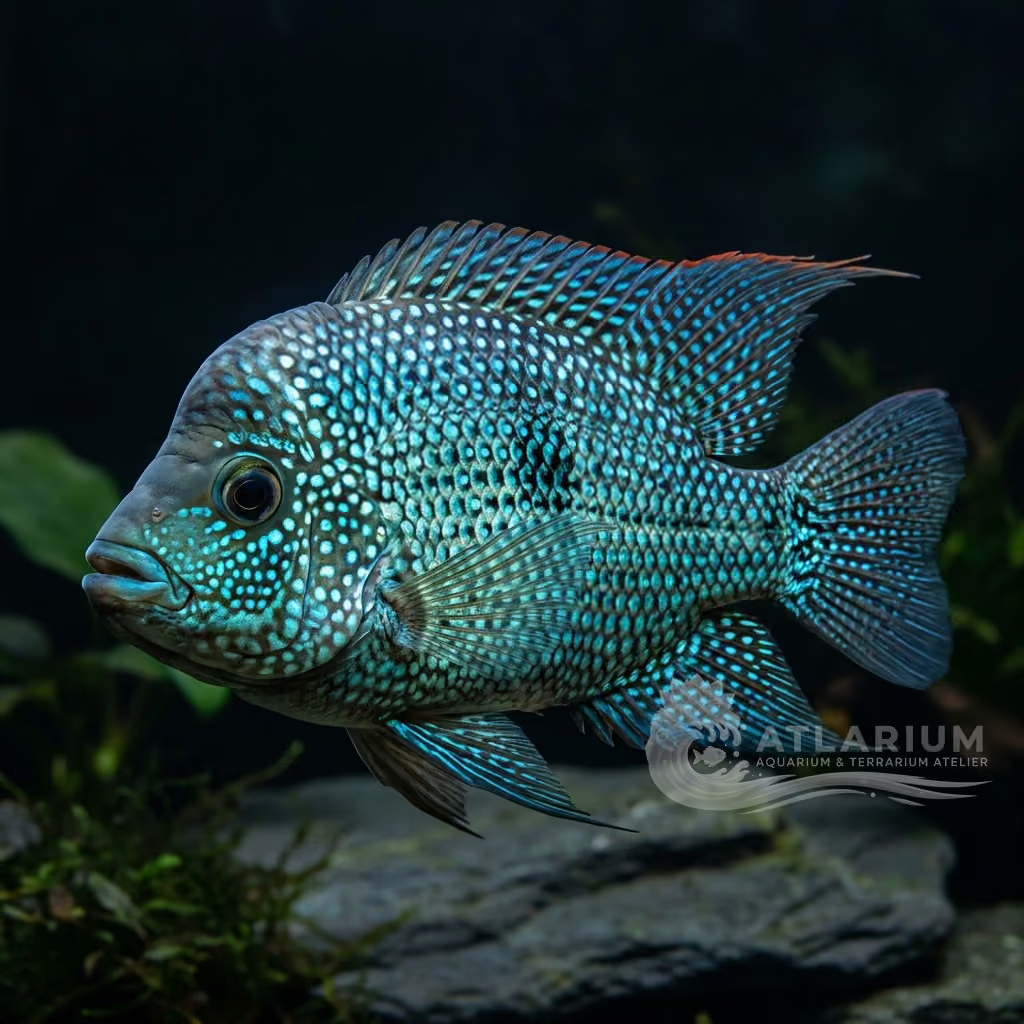
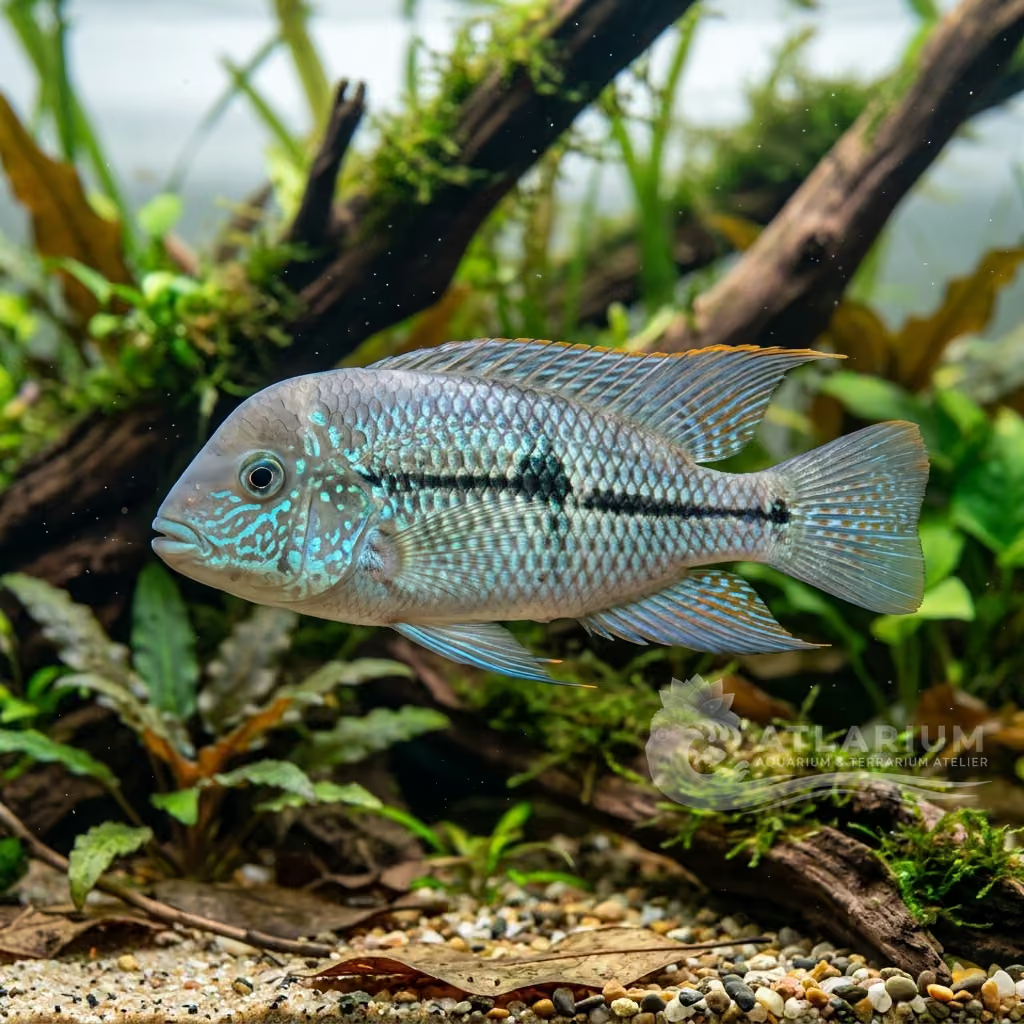
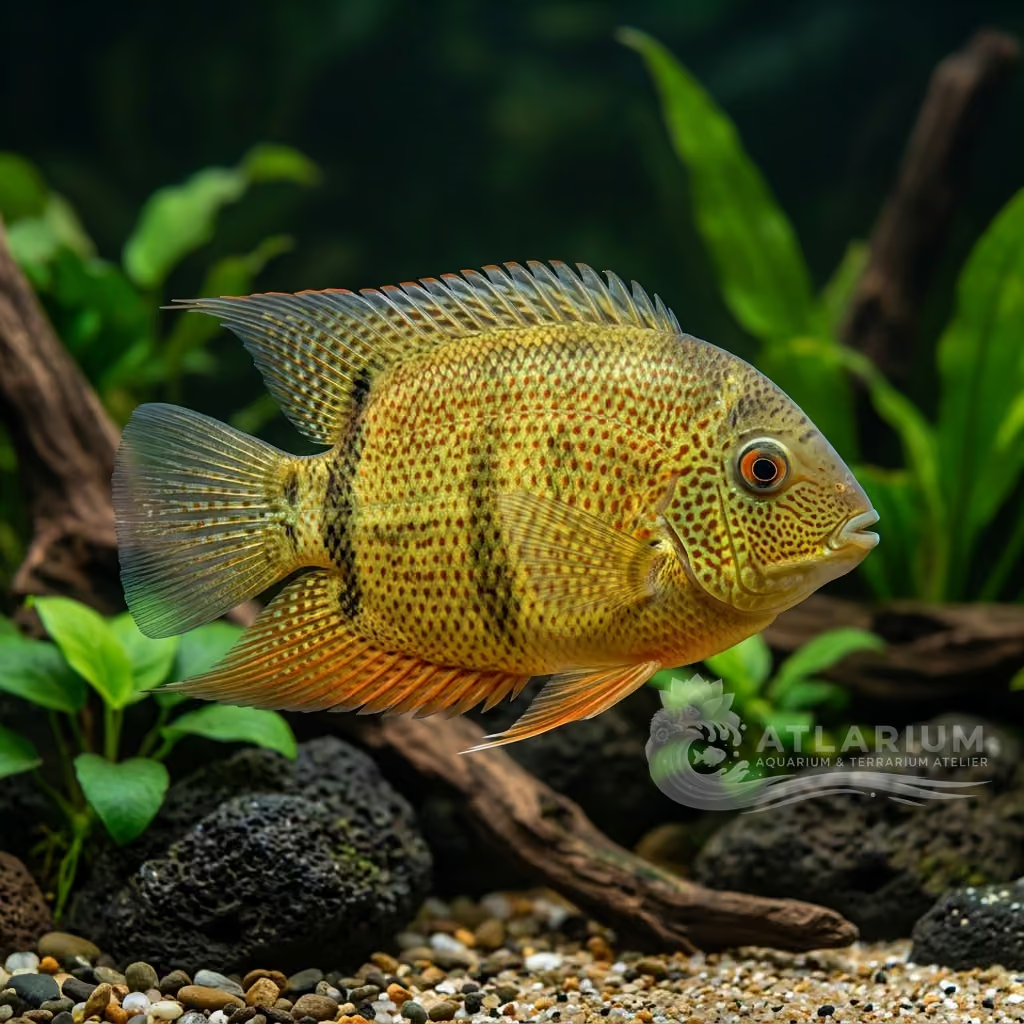
A living ruby studded with electric-blue diamonds. Grows to 15 cm. While its beauty is legendary, it is infamous for its hyper-aggressive behavior during breeding, often killing all other fish in the tank. Best kept in a dedicated species tank.
Wassertemperatur
22 - 28 °C
pH-Wert
6.5 - 7.5
Wassertyp
Süßwasser
Tankfüllstand
Unten und in der Mitte
Erwachsenengröße
15 cm
Mindesttankvolumen
>= 180 L
Mindestgruppe
>= 1
GH
4 - 15 dGH
KH
2 - 7 dKH
TDS
80 - 295 ppm
Leitfähigkeit
125 - 461 uS/cm

Artbeschreibung
Geographical Origin and Habitat: Forest rivers, mud systems and pools in Guinea (West Africa). Inhabits areas where there is a lot of shelter (fallen branches) to patrol the banks.
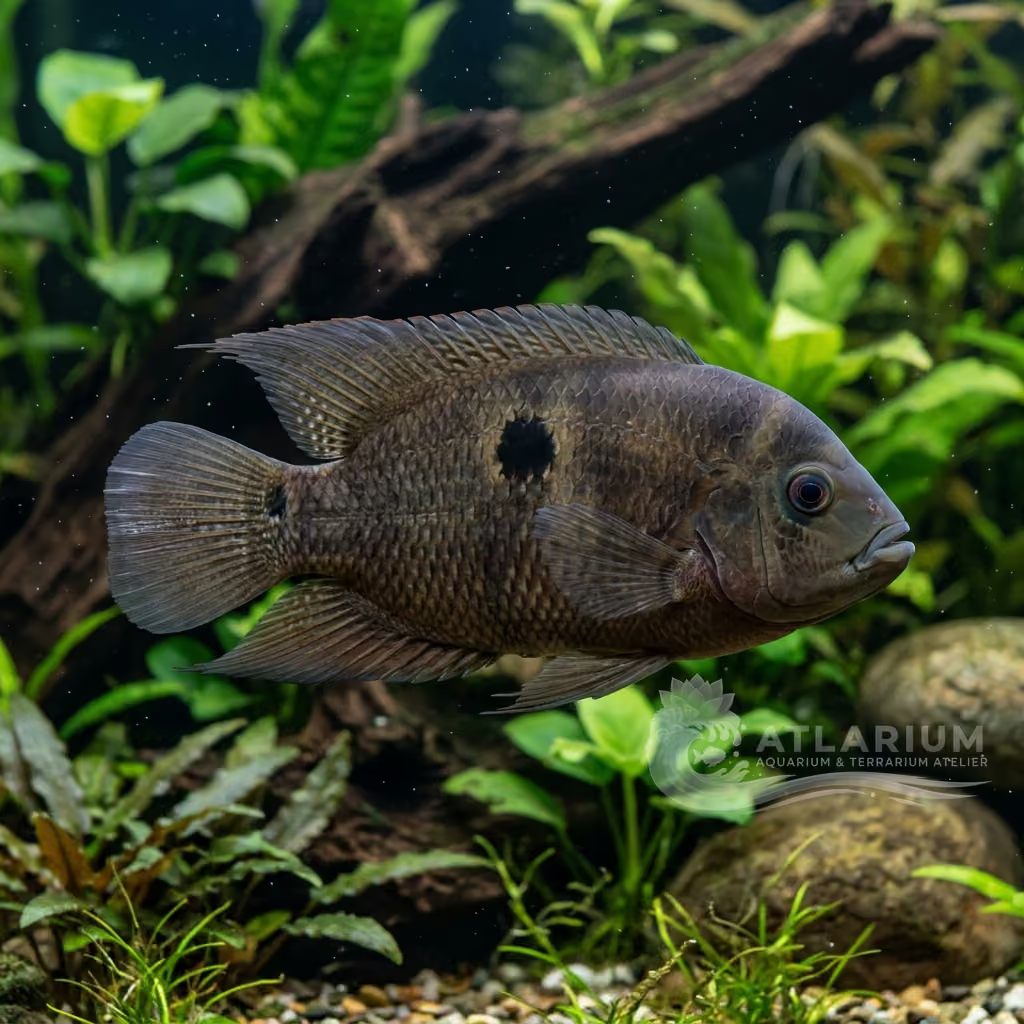
Taxonomy and Morphology: Jewel Cichlid (Hemichromis bimaculatus). Iconic cichlid. Appears almost harmless but embodies a robust, hydrodynamic body, with jaws capable of flaying opponents twice its size. It has two large dark spots (bi-maculatus).
Social Behavior: Hellish in reproduction. Basically a peaceful and reserved fish, it forms inseparable pairs for life. If the pair goes into heat, it actively, brutally and programmatically kills ANY OTHER FISH in the tank.
Coloration and Sexual Dimorphism: Incredible for a freshwater fish: when healthy it turns a scarlet or crimson "fresh blood" red, literally inlaid with hundreds of iridescent turquoise/neon blue dots (The jewels). Male slightly larger; identical colors.

Pflege, Zucht und Mitbewohner
Aquarium Setup: In 100-120 cm (40-48 inches) tanks the ideal is to create barriers and hiding places in abundance with Java roots and heavy rock formations. Fragile plants (Vallisneria) will be uprooted by the crazed diggers; anchor only ferns and Anubias on tall woods.
Diet and Feeding: Very voracious carnivore / micro-predator. Administer frozen food (Krill, Bloodworms, crushed shrimp, silversides), special mashes for cichlids, earthworms. In case of poor or poorly preserved food the colors fade to mud.
Water Quality: Incredibly resilient and adaptable fish. They tolerate thermal shocks, hard African waters and even chemical shocks that would kill other cichlids. Regular cool water changes encourage heat.
Compatibility and Cohabitation: TERRIBLE tankmate for 80% of ornamental fish. NEVER put it in community tanks or with Angelfish. Excellent only in aggressive tanks (armored Malawi Cichlids) or large fast "Monster Fish" (Congo Tetras, Synodontis).
Aquarium Breeding: Terror comes to life! They lay hundreds of eggs on a clean rock. In the following 30 days mom and dad create an impassable column of shields, throwing bites at dogs and cats that approach even from the outer glass.
Risks and Diseases: The "Tank Genocide". The main risk you run by buying them is to wake up one morning (after an unexpected spawning) with ALL the fish you cared for floating disemboweled.

Geografische Herkunft und Verbreitung
Forest rivers, mud systems and pools in Guinea (West Africa). Inhabits areas where there is a lot of shelter (fallen branches) to patrol the banks.
Ursprung
Tropische Ozeane und RiffeAfrika und Madagaskar

Fischprofil
- Temperament
- Semi-aggressive
- Jewel Cichlids are incredibly beautiful but possess a highly aggressive and pugnacious temperament. Their territorial behavior makes them fascinating to watch but requires very careful tank mate selection. When breeding, they become fearless and will even attack the aquarist's hand.
- Diät
- Omnivore
- They are opportunistic carnivores that require a protein-rich diet to thrive. Feed them high-quality cichlid pellets supplemented with live or frozen bloodworms, brine shrimp, and earthworms. Avoid overfeeding to prevent digestive issues and excessive waste production.
- Lebenserwartung
- 5-8 years
- Erwachsenengröße
- 15 cm
- Geschlechterverhältnis
- Pair
- It is best to purchase a group of juveniles and let a natural pair form. Once a pair bonds, the remaining conspecifics must be removed to prevent them from being killed. Keeping multiple males in a tank usually results in deadly fights.
- Fütterungsfrequenz
- Twice daily
- Feed adults once or twice a day in small, controlled portions. They are aggressive eaters that will rapidly consume whatever is offered. Fasting them for one day a week helps keep their digestive tract clear.
- Bioload
- Medium
- The Jewel Cichlid carries a moderate to high bioload due to its predatory appetite and size. They eat enthusiastically and create a significant amount of waste in the aquarium. Frequent water changes and robust filtration are necessary to maintain pristine water conditions.
- Fluss
- Stagnant
- They tolerate a variety of flow conditions but prefer moderate water movement. Good surface agitation is required to keep oxygen levels high in their typical setups. Ensure the flow does not disrupt their chosen spawning sites on flat rocks.
- Sprungrisiko
- Yes
- Like most active cichlids, they have a high tendency to jump during territorial disputes. Chased fish will often jump out of the water to escape a dominant aggressor. A heavy, secure lid is absolutely critical to prevent fatalities.
- Reproduktion
- Oviparous
- They are biparental substrate spawners and are extremely easy to breed in captivity. A pair will clean a flat rock, lay hundreds of eggs, and fiercely guard the fry together. During spawning, their colors intensify beautifully, but their aggression reaches lethal levels.
- Kompatibilität & Tankkameraden
- With caution
- They are notoriously aggressive and territorial, making them unsuitable for community tanks. They must be kept with other robust, similarly-sized cichlids or large fast-moving dither fish. Do not house them with small or peaceful fish, as they will likely be killed.
- Tankfüllstand
- Middle/Bottom
- They utilize the middle and bottom levels, focusing heavily on establishing a territory around rocks or driftwood. They actively patrol their claimed space and will enthusiastically dig in the substrate. Decorate the tank with sturdy plants, as they will uproot delicate ones.

Wissenschaftliche Modelle & Parameter
FishBase
Zugang zu den offiziellen wissenschaftlichen Daten der Art
FishBase v25.04Daten synchronisiert am: 15.06.2026
- Trophäenniveau
- 3,9 ± 0,64 se
- Belastbarkeit
- Hoch (weniger als 15 Monate)
- Phylogenetische Einzigartigkeit (PD50)
- 0.502
- Bayessche Längen-Gewichts-Beziehung
- a = 0.01514, b = 2.98
- AnfälligkeitGeringe Anfälligkeit (10 / 100)

Verwandte Arten
Empfehlungen gruppiert nach nahen Verwandten, Auswahl von Begleitern und ähnlicher Betreuung.