Checkerboard Cichlid
Crenicara punctulata
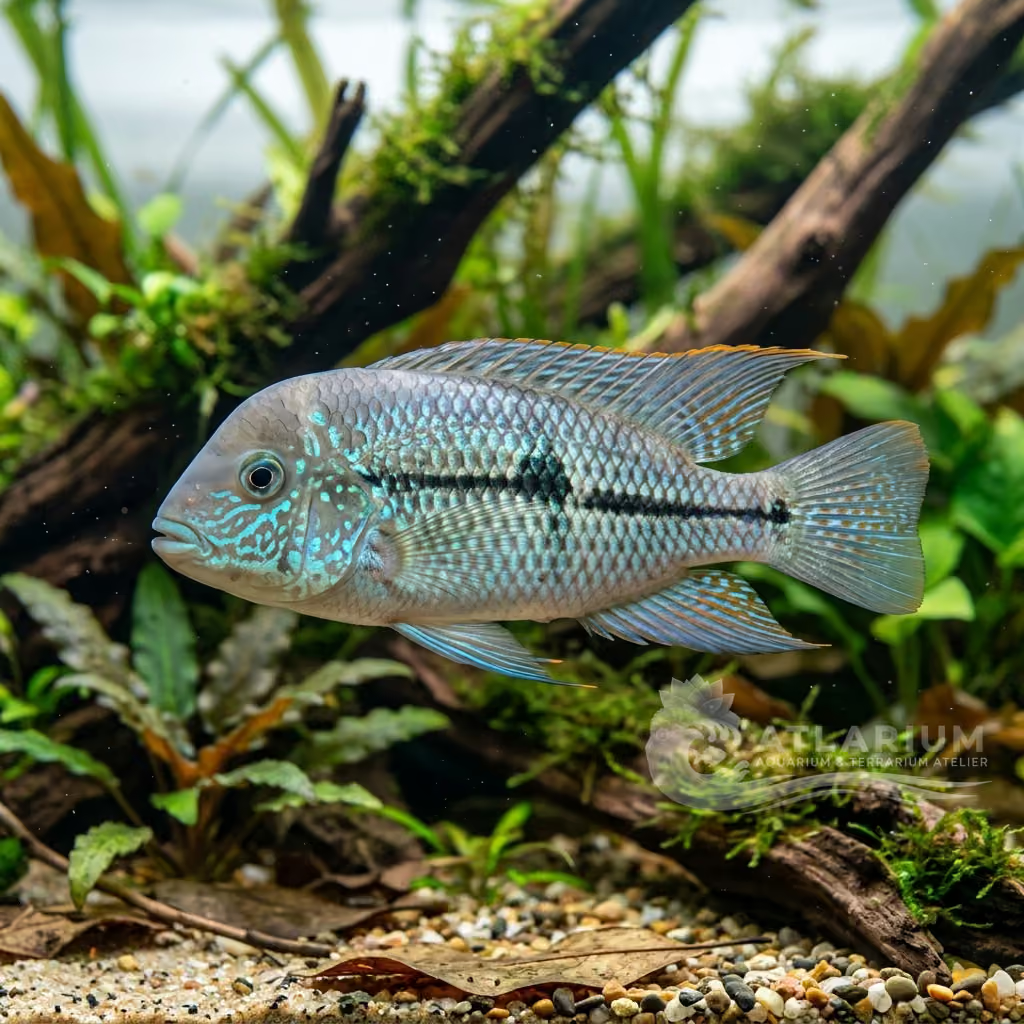
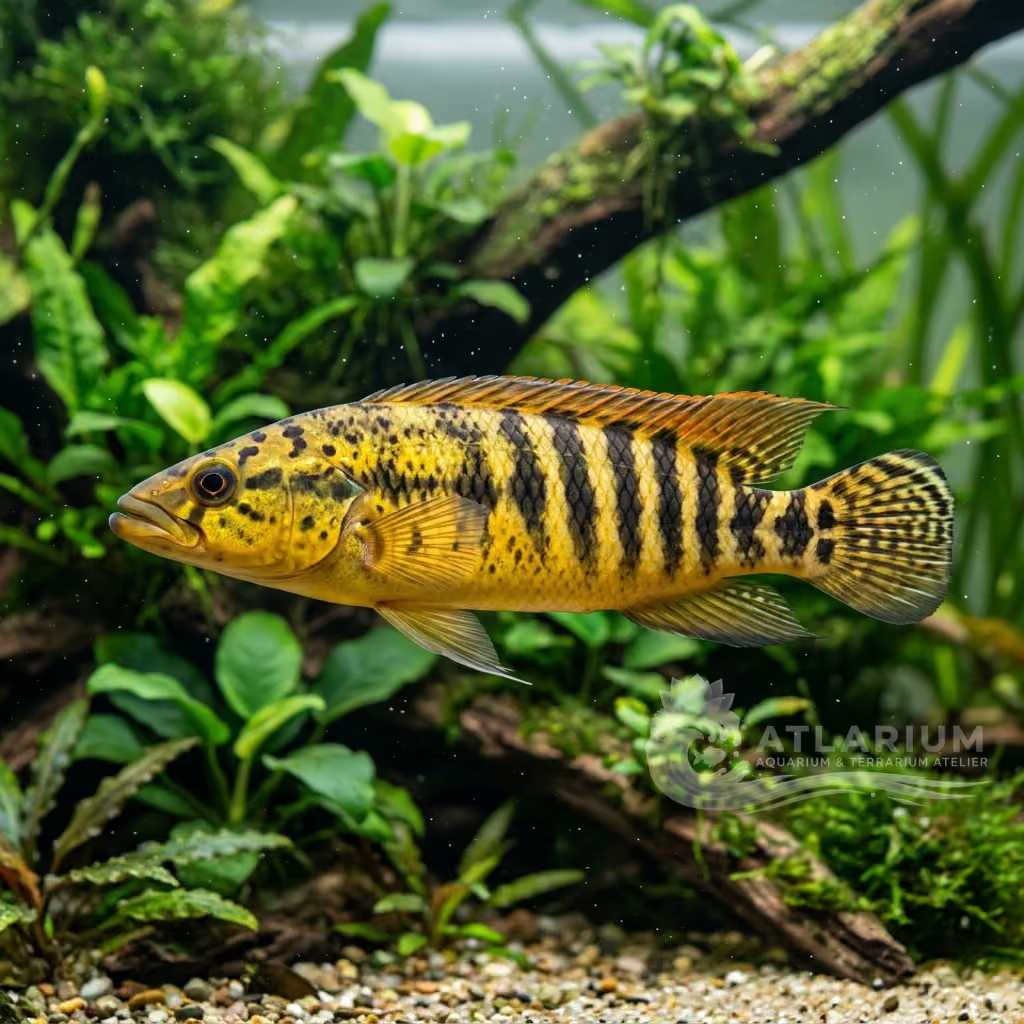
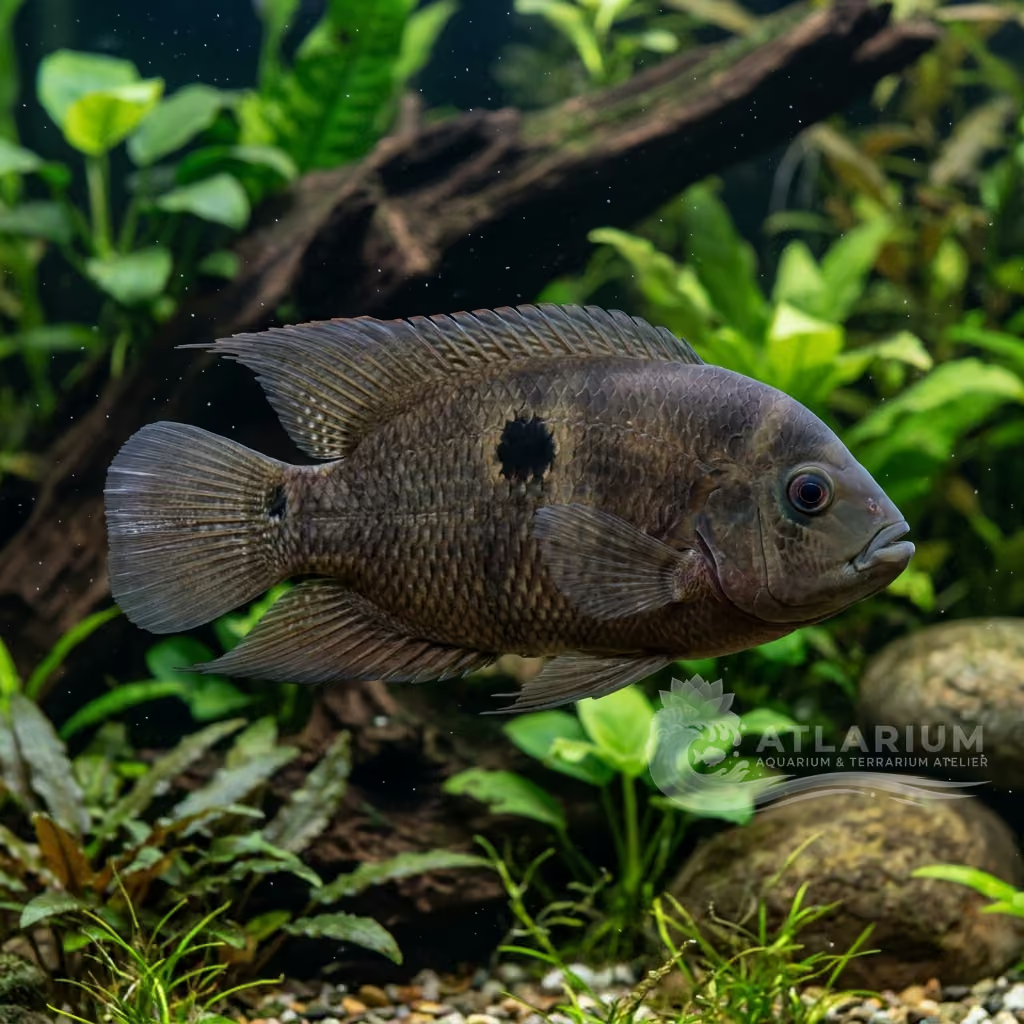
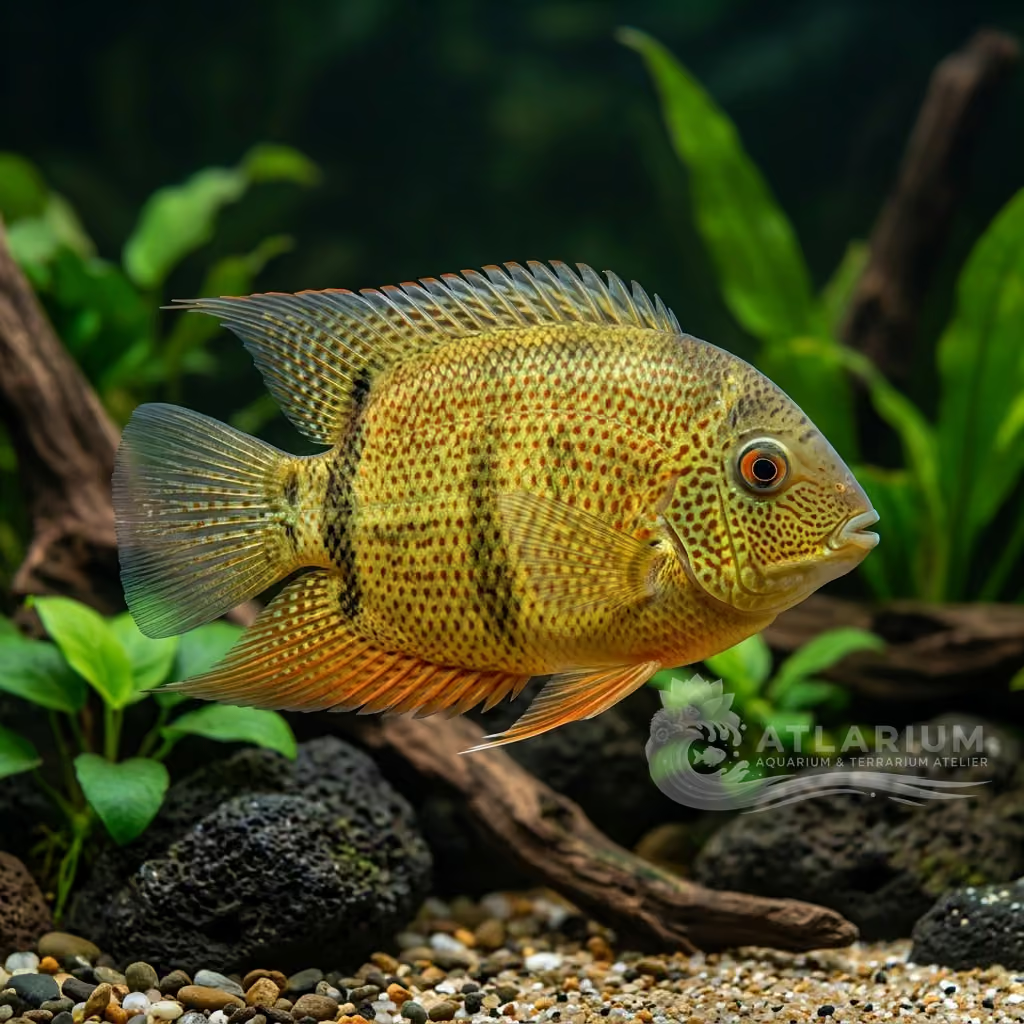
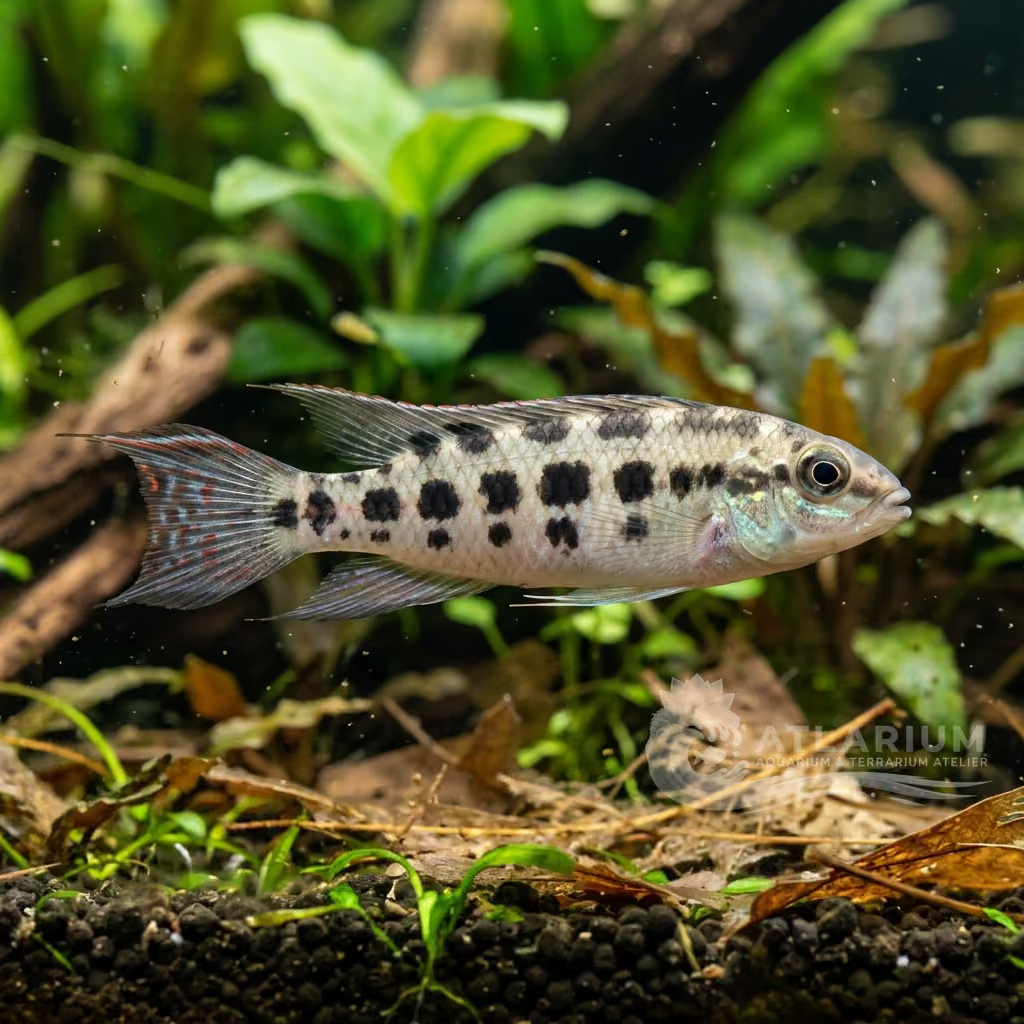
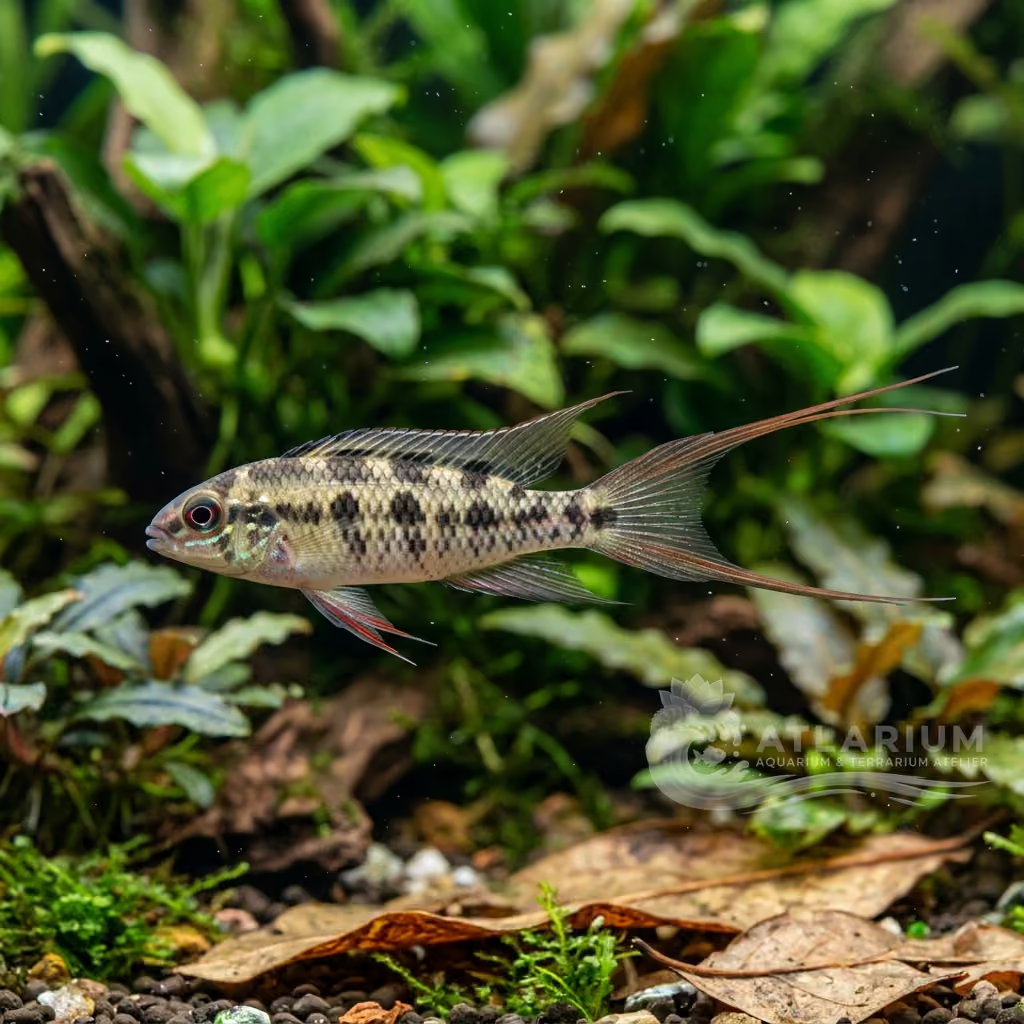
The enigmatic and placid 'Greater Checkerboard Cichlid' (8-10 cm). Long confused with the small Dicrossus, the Crenicara punctulata is a decidedly more corpulent peaceful benthic hunter. Recognizable by its livery with regular black patches (similar to a camouflage checkerboard) on a grey-bronze background and an unusual, pointed funnel-shaped snout. It lacks disproportionate male fins, proving to be a sober and extremely elegant species, perfect for large Amazonian community tanks in half-light. It has an enviable chemical tolerance, avoiding the lethal fragility of its Dicrossus cousins.
22 - 28 °C
5.5 - 7
Süßwasser
Unten und in der Mitte
8,5 cm
>= 100 L
>= 1
1 - 10 dGH
1 - 5 dKH
25 - 200 ppm
39 - 313 uS/cm

Artbeschreibung

Pflege, Zucht und Mitbewohner

Geografische Herkunft und Verbreitung
Ursprung

Fischprofil
- Temperament
- Semi-aggressive
- Crenicara punctulata exhibits a generally peaceful temperament but displays typical cichlid territoriality. They are highly intelligent and curious, often interacting with their environment and observing outside the tank. They thrive in well-decorated tanks that offer ample opportunities for exploration.
- Diät
- Omnivore
- Crenicara punctulata is a micro-predator that feeds on small invertebrates in its natural habitat. In the aquarium, they readily accept high-quality sinking pellets and flakes. Providing regular offerings of live or frozen foods like brine shrimp and bloodworms is necessary to keep them healthy and vibrant.
- Lebenserwartung
- 3-5 years
- Erwachsenengröße
- 8.5 cm
- Geschlechterverhältnis
- Harem
- Keeping a harem of one male to two or three females is ideal for Crenicara punctulata. Males can be aggressive toward each other if the tank is not large enough to establish separate territories. Females will often establish their own small territories within the male's larger domain.
- Fütterungsfrequenz
- Twice daily
- It is best to feed Crenicara punctulata small portions one to two times daily. Ensure that the food reaches the middle to lower levels of the tank where they prefer to feed. Removing any uneaten food promptly helps prevent water quality deterioration.
- Bioload
- Medium
- Crenicara punctulata produces a moderate bioload that is manageable with standard filtration systems. As dwarf cichlids, they do not create massive amounts of waste like their larger relatives. Regular water changes and diligent gravel vacuuming are essential to maintain the pristine water conditions they require.
- Fluss
- Stagnant
- They appreciate a gentle to moderate water flow, mimicking the sluggish streams and backwaters of their native Amazonian habitats. Strong currents can stress Crenicara punctulata and make it difficult for them to navigate their environment. Driftwood and dense planting can help break up the flow and provide sheltered areas.
- Sprungrisiko
- Yes
- Crenicara punctulata has a moderate jump risk, especially when startled or escaping aggressive tank mates. They usually stay near the bottom or middle of the water column. Keeping a secure lid on the aquarium is always a wise precaution.
- Reproduktion
- Oviparous
- Breeding Crenicara punctulata involves providing soft, acidic water and plenty of broad-leafed plants or flat stones for egg-laying. The female is typically responsible for guarding the eggs and the fry. Males may mate with multiple females, so a harem setup can be beneficial.
- Kompatibilität & Tankkameraden
- Highly aggressive
- This dwarf cichlid is relatively peaceful and suitable for community tanks with small, fast-moving tetras and rasboras. While generally tolerant, Crenicara punctulata can become territorial during breeding periods. It is best to avoid keeping them with highly aggressive or excessively large tank mates.
- Tankfüllstand
- Middle/Bottom
- These cichlids predominantly occupy the middle and bottom levels of the aquarium. They enjoy sifting through soft, sandy substrates in search of food particles. Providing plenty of hiding spots among rocks, wood, and plants will make Crenicara punctulata feel secure.

Wissenschaftliche Modelle & Parameter
Zugang zu den offiziellen wissenschaftlichen Daten der Art
- Trophäenniveau
- 3,2 ± 0,5 se
- Belastbarkeit
- Hoch (weniger als 15 Monate)
- Phylogenetische Einzigartigkeit (PD50)
- 0.75
- Bayessche Längen-Gewichts-Beziehung
- a = 0.01445, b = 3.08
- AnfälligkeitGeringe Anfälligkeit (10 / 100)

Verwandte Arten
Empfehlungen gruppiert nach nahen Verwandten, Auswahl von Begleitern und ähnlicher Betreuung.