Kraussii Basketmouth
Caquetaia kraussii
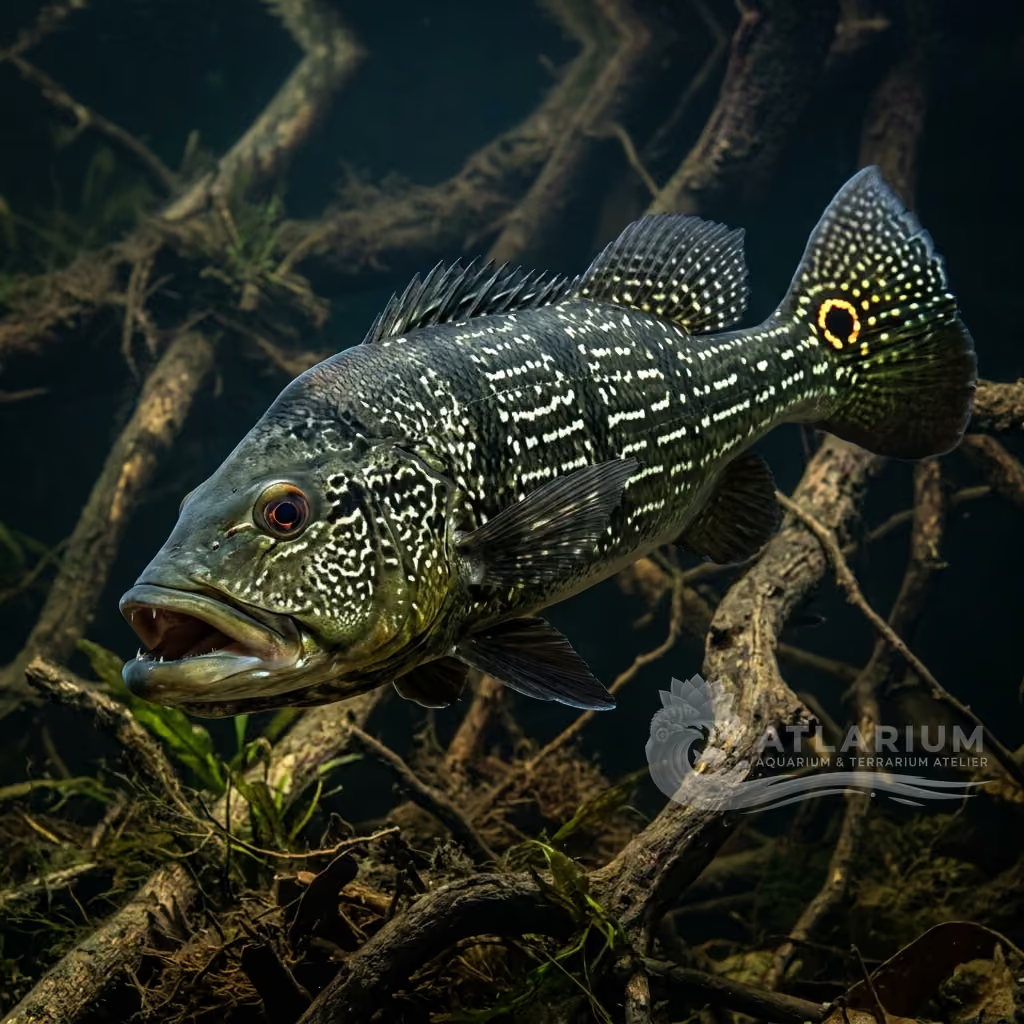
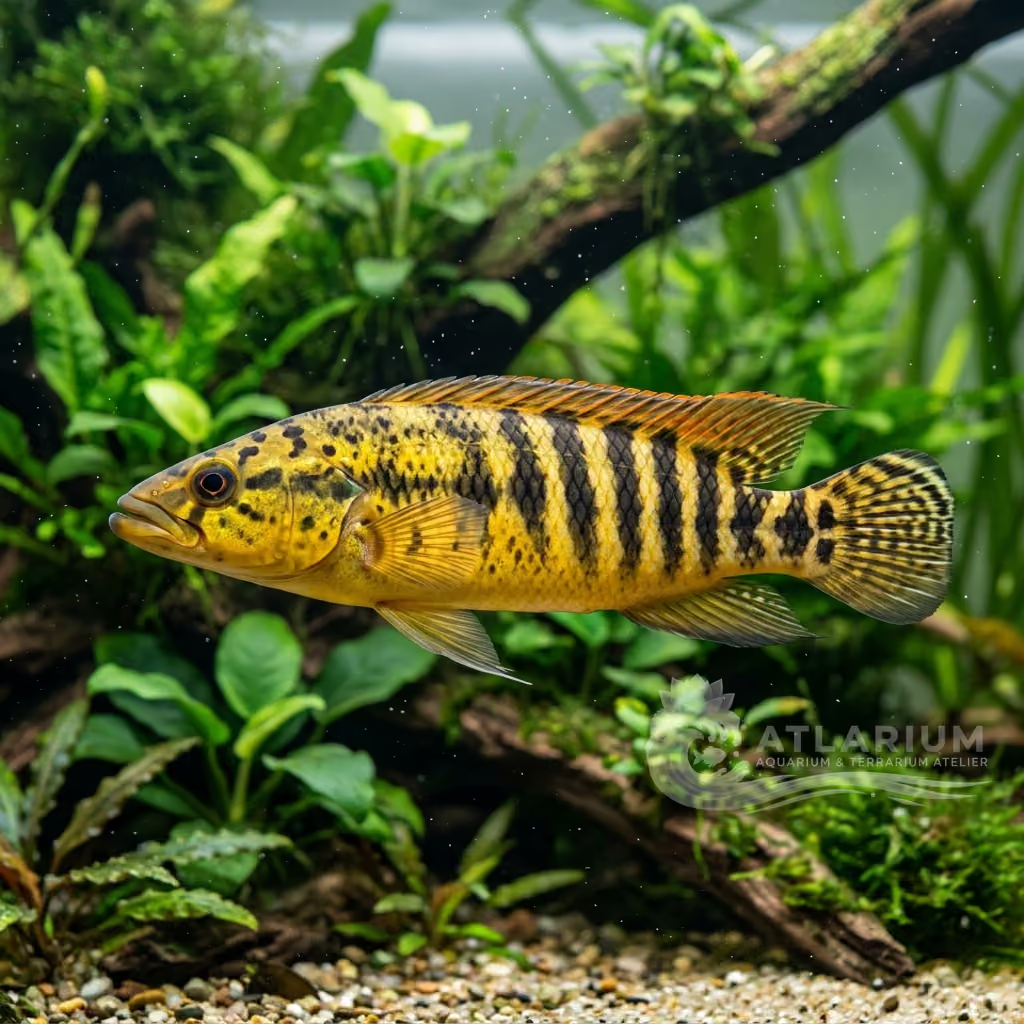
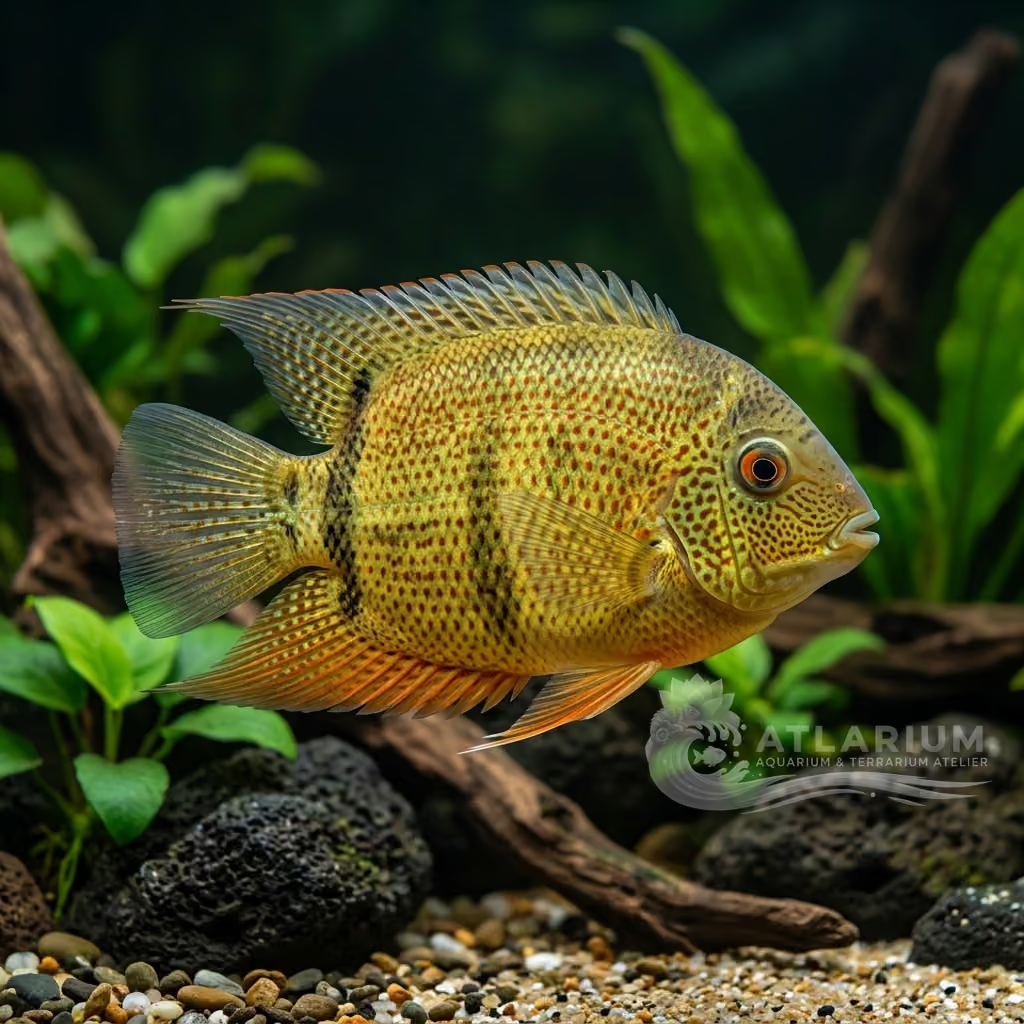
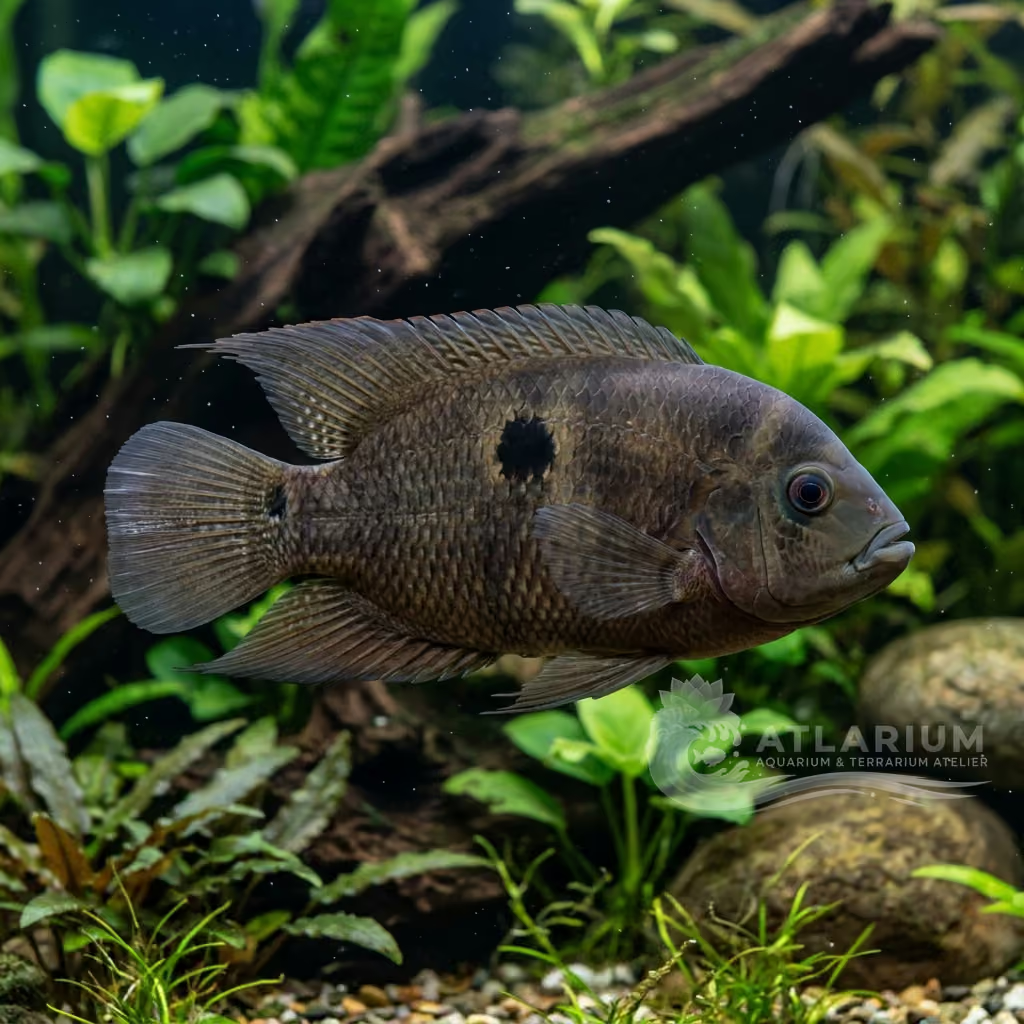
The massive 'Wolf Cichlid' or 'Yellow Basketmouth' (25-30 cm). A macro-benthic predator with a formidable and lethal appearance, the Caquetaia kraussii is the terror of smaller fish thanks to its astounding protrusible mouth (which stretches into a tube to suck in prey from unsuspected distances). Robust, it often shows off orange-gold hues and marked vertical bands. Despite its mastiff-like appearance and murderous voracity towards everything that fits in its mouth, it is not a ruthless killer with tankmates of the same size. Reserved for immense aquariums (over 600 liters) and tanks for large predators.
24 - 29 °C
6 - 7.5
Süßwasser
Unten und in der Mitte
25 cm
>= 300 L
>= 1
2 - 15 dGH
1 - 7 dKH
40 - 295 ppm
63 - 461 uS/cm

Artbeschreibung

Pflege, Zucht und Mitbewohner

Geografische Herkunft und Verbreitung
Ursprung

Fischprofil
- Temperament
- Semi-aggressive
- This cichlid is highly territorial, aggressive, and exhibits strong predatory behavior. They are active hunters with highly protrusible jaws that allow them to swallow prey up to half their own size. While they are usually tolerant of similarly sized robust species, they will show no mercy to smaller tankmates. During spawning, their protective instincts intensify, and they will fiercely attack any fish that approaches their nesting site.
- Diät
- Omnivore
- Caquetaia kraussii is a strict carnivore and an efficient piscivore in its natural habitat. In captivity, they should be offered a variety of high-protein foods such as large pellets, earthworms, krill, and frozen silversides. Feeder fish can be used occasionally, but only if they are quarantined and guaranteed disease-free to prevent infections. Avoid feeding them mammalian meats like beef heart, as these contain fats that are difficult for their digestive systems to process.
- Lebenserwartung
- 10-15 years
- Erwachsenengröße
- 25 cm
- Geschlechterverhältnis
- 1:1 ratio
- In the aquarium, Caquetaia kraussii is best kept as a single specimen or as an established, bonded heterosexual pair. Attempting to keep multiple males or random groupings in a standard tank will lead to extreme territorial aggression and potential fatalities. If a breeding pair is desired, it is best to buy a group of juveniles and allow them to pair off naturally, removing the remaining fish once a pair forms. In very large setups, a harem with one male and multiple females might succeed, but a 1:1 ratio is generally the safest approach.
- Fütterungsfrequenz
- Twice daily
- Juvenile Caquetaia kraussii should be fed once or twice daily to support their rapid growth and development. For fully grown adults, feeding once a day or even every other day is sufficient to maintain a healthy weight. Overfeeding should be strictly avoided, as it leads to rapid water quality deterioration and can cause digestive issues or obesity in the fish. Keep track of their body condition and adjust the feeding amounts to ensure they remain active and lean.
- Bioload
- High
- Caquetaia kraussii is a large, predatory cichlid that produces a substantial amount of organic waste, resulting in a high biological load. Maintaining pristine water quality is essential, requiring a robust filtration system, such as a large canister filter or sump system. Regular weekly water changes of 30% to 50% are strongly recommended to control nitrate levels and keep the environment clean. Proper aeration and mechanical filtration must also be employed to handle the heavy solid waste produced by their protein-rich diet.
- Fluss
- Stagnant
- In the wild, this species is typically found in slow-moving rivers, marshes, and vegetated lagoons. Therefore, they prefer weak to moderate water currents in the aquarium rather than high-flow torrents. The filtration system should provide efficient water turnover without creating strong, exhausting currents that force the fish to constantly swim against the stream. Utilizing spray bars or directing filter outlets against the glass can help distribute the flow gently.
- Sprungrisiko
- Yes
- Although they are heavy-bodied cichlids, Caquetaia kraussii possesses a strong startle reflex and is capable of jumping out of the water when spooked. Sudden lighting changes, maintenance activities, or territorial chases can cause them to dart upward and leap. A tight-fitting, heavy lid or a secure mesh jump guard is absolutely necessary to prevent accidental escapes. Ensure that all gaps around filter pipes and heaters are completely blocked to guarantee their safety.
- Reproduktion
- Oviparous
- This species is a prolific substrate spawner that is relatively easy to breed once a compatible pair is formed. The female will typically lay up to 2,000 eggs on a pre-cleaned flat rock, piece of slate, or driftwood. Both parents display exceptional parental care, defending the nest and subsequently the free-swimming fry with intense aggression. During the breeding cycle, it is highly recommended to isolate the pair in a dedicated breeding tank to protect other inhabitants.
- Kompatibilität & Tankkameraden
- With caution
- Due to their predatory nature and territorial aggression, compatibility is highly restricted. They must not be housed with any fish small enough to be swallowed, such as small tetras, guppies, or dwarf cichlids. Suitable tankmates include other large, robust Central or South American cichlids, large catfish, and active dither fish like silver dollars. However, the tank must be extremely spacious with clearly defined visual barriers to prevent territorial disputes.
- Tankfüllstand
- Middle/Bottom
- This species is primarily active in the bottom to middle zones of the aquarium, where they can find cover among plants and driftwood. As ambush predators, they spend much of their time hovering near structures, waiting for prey to pass by. They will occasionally venture to the upper levels during feeding times, but their natural comfort zone remains in the lower half of the water column. Providing low-lying caves, large rocks, and sturdy branches helps them establish their preferred swimming and resting territory.

Wissenschaftliche Modelle & Parameter
Zugang zu den offiziellen wissenschaftlichen Daten der Art
- Trophäenniveau
- 3,4 ± 0,85 se
- Belastbarkeit
- Mittel (1,4 - 4,4 Jahre)
- Generierungszeit
- 2,6 Jahre
- Phylogenetische Einzigartigkeit (PD50)
- 0.625
- Bayessche Längen-Gewichts-Beziehung
- a = 0.0309, b = 3.01
- AnfälligkeitGeringe Anfälligkeit (22 / 100)

Verwandte Arten
Empfehlungen gruppiert nach nahen Verwandten, Auswahl von Begleitern und ähnlicher Betreuung.