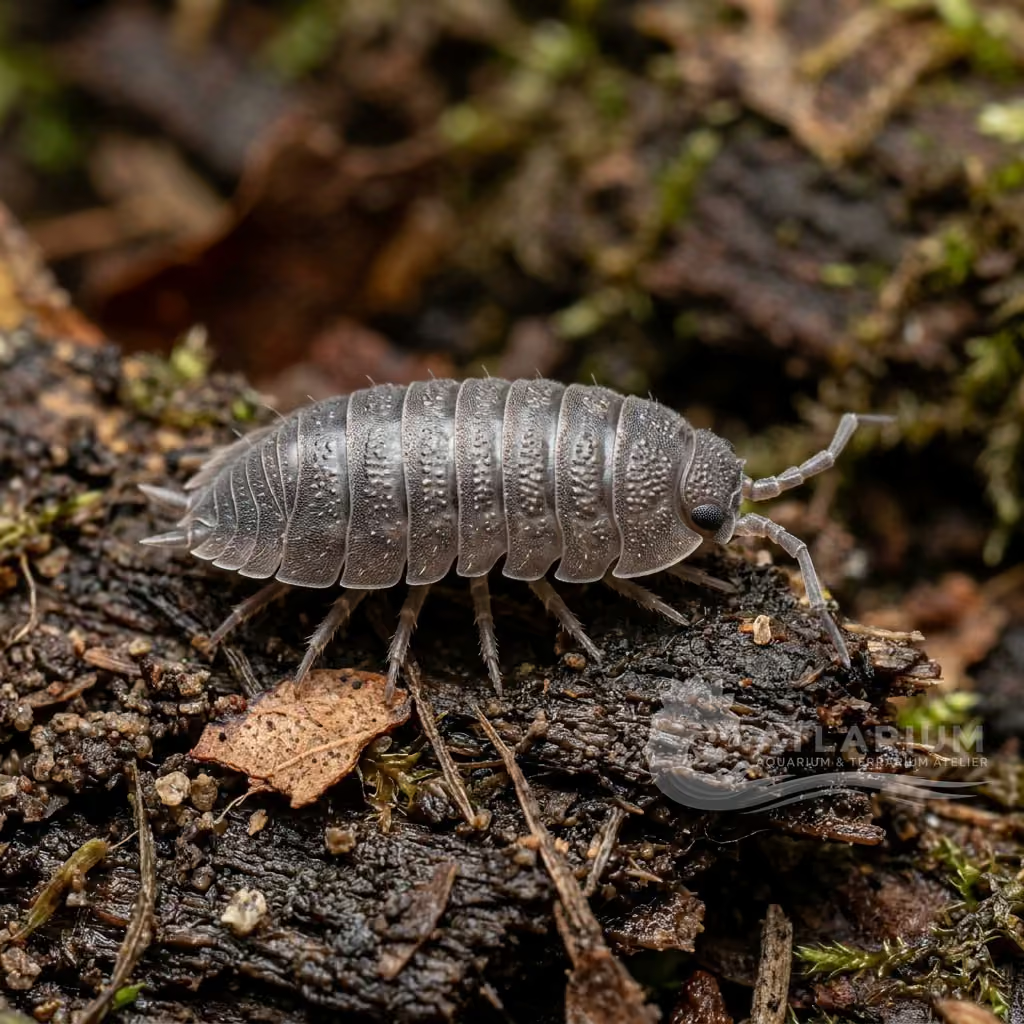
Rough Woodlouse (Porcellio scaber) (Orange)
Porcellio scaber
Orange morph of the rough woodlouse. Highly prolific, hardy terrestrial isopod. An excellent clean-up crew species for bioactive enclosures, processing organic waste, mold, and decaying wood.
Ambiente
Terrestre
Umidade
50 - 70 %
Temperatura diurna
20 - 25 °C
Temperatura noturna
18 - 22 °C

Descrição da espécie
Geographical Origin and Habitat: Originally native to Europe, now widely established globally due to human activity. Inhabits temperate forests, gardens, and urban organic debris, sheltering under rotting logs, stones, and leaf litter to prevent dehydration.
Taxonomy and Genetics: Features a flattened, oval body with a rough, tuberculated cuticle, reaching up to 1.8 cm in length. Capable of rapid movement rather than rolling into a tight ball. The Orange morph is selectively bred to express a bright, solid orange or rust-colored exoskeleton.
Behavior and Habits: Strictly nocturnal and lucifugous (hiding from light). They are highly gregarious detritivores, often clustering in large numbers in damp, dark crevices. In enclosures, they actively consume organic debris, leaf litter, and mold.
Morphology: Males and females are externally similar. However, adult females can be identified by the presence of a ventral brood pouch (marsupium) where they carry eggs and developing young (mancae).

Cuidado, criação e companheiros de tanque
Terrarium Setup: Can be easily cultured in a ventilated plastic box (minimum 5 liters). Substrate should consist of 5-10 cm of organic compost or coco fiber mixed with rotting wood and crushed leaves, topped with cork bark slabs for cover.
Lighting and Heating: Keep in a shaded or dark location. Maintain temperatures between 20°C and 25°C for optimal reproduction. They do not require any special lighting and should be kept away from direct sunlight.
Humidity and Hydration: As terrestrial crustaceans, they breathe through modified gills and require constant ambient moisture. Maintain a moisture gradient by keeping one side of the substrate damp while leaving the other side dry.
Feeding and Supplementation: Diet must consist primarily of decaying deciduous leaves (oak, beech) and rotting wood. Supplement twice a week with protein sources (fish flakes, dried shrimp) and fresh vegetables. Provide a constant source of calcium, such as cuttlebone, for exoskeleton development.
Compatibility: Safe and effective clean-up crew for many reptiles, amphibians, and invertebrates. Avoid using them in enclosures housing tiny hatchlings or delicate eggs, as they may accidentally nibble on them in search of protein.
Health and Common Diseases: Vulnerable to desiccation if the enclosure dries out completely, and to drowning if the substrate becomes waterlogged. Ensure proper cross-ventilation to prevent stagnant air and mold overgrowth.

Origem e distribuição geográfica
Originally native to Europe, now widely established globally due to human activity. Inhabits temperate forests, gardens, and urban organic debris, sheltering under rotting logs, stones, and leaf litter to prevent dehydration.
Origem
Melhoramento seletivo e cultivaresAmérica Central e CaribeEuropa, Mediterrâneo e Ásia OcidentalCosmopolita ou apresentado

Perfil de invertebrados terrestres
- Dieta
- Detritivore
- They are highly opportunistic detritivores that will aggressively consume a wide variety of foods. Their staple diet of rotting hardwood leaves and white wood should be supplemented with constant access to calcium and frequent offerings of protein, such as fish flakes, dried shrimp, and fresh vegetables.
- Tamanho adulto
- 1.7 cm
- Estilo de vida/Microhabitat
- Terrestrial
- They lead a heavily surface-oriented terrestrial lifestyle, preferring to climb on textured cork bark or hide shallowly under leaf litter rather than burrowing deep into the soil. They are highly adaptable to various humidity levels but still require a distinct damp corner to maintain proper hydration.
- Ciclo de atividades
- Crepuscular
- They are an active, inquisitive species that exhibits a mix of nocturnal foraging and significant diurnal wandering. Their bright orange coloration makes them extremely conspicuous against the dark substrate as they constantly scour the terrarium surface for fresh food, decaying leaves, and moisture.
- Socialidade
- Gregarious
- They are a highly social, communal species that thrives in dense, bustling colonies. They do not display aggression toward one another, and keeping them in larger numbers often stimulates bolder exploratory behavior and highly entertaining communal feeding frenzies when new food is offered.
- Reprodução
- Marsupial
- They are incredibly prolific and reliable breeders under almost any reasonable captive conditions. Females incubate large broods in their ventral pouch until the fully formed mancae emerge. A small starter culture will rapidly expand into a massive colony if provided with adequate food and calcium.
- Venenoso
- No
- Tolerância de tratamento
- Display only
- They are generally robust and tolerate short periods of gentle handling quite well. While not as fast as some species, they can still move quickly when startled and should be handled with care over a safe surface to prevent them from dropping and cracking their exoskeleton.
- Brumação
- Não obrigatório
- This incredibly hardy, adaptable species does not require a formal brumation period in captivity. While they can tolerate surprisingly low temperatures if necessary, keeping them at stable room temperature year-round encourages consistent, active foraging and continuous, healthy reproductive cycles.
- Muda
- Periodic
- Like all terrestrial isopods, they molt in a two-stage process, shedding the rear half of their body first to minimize vulnerability. Maintaining access to a damp hydration station is crucial for a clean shed. They will immediately consume their discarded exuviae to reclaim its essential calcium.

Espécies relacionadas
Recomendações agrupadas por parentes próximos, escolhas de acompanhantes e cuidados semelhantes.