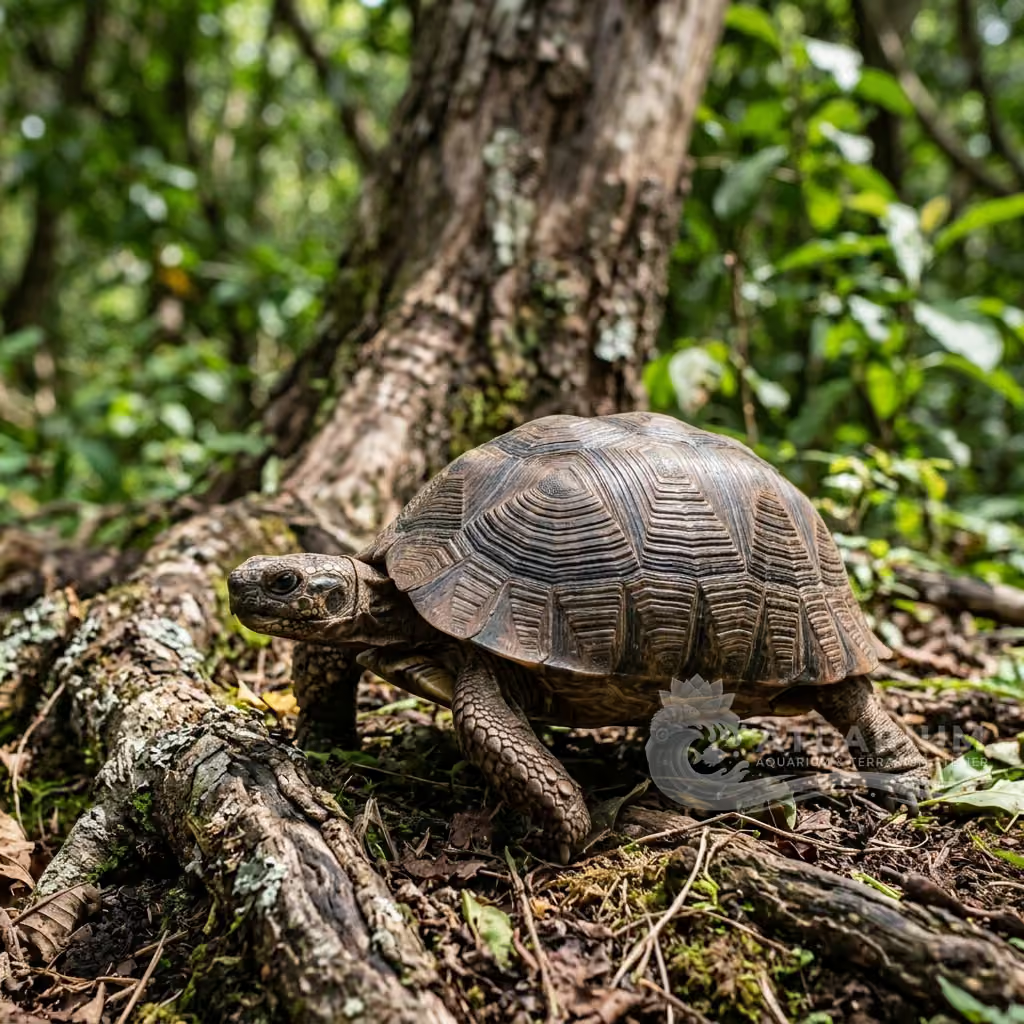
Testudo terrestris
Emys orbicularis
A Middle Eastern tortoise well-adapted to arid steppes and scrublands. It requires a dry, soil-sand mix substrate, strong UVB lighting, and a strict high-fiber herbivorous diet.
Ambiente
Terrestre
Umidade
40 - 60 %
Temperatura diurna
12 - 32 °C
Temperatura ambiente
12 - 32 °C
Temperatura noturna
19 - 21 °C
Local para se aquecer
32 - 35 °C
Tamanho adulto
18 cm
Gabinete mínimo
>= 300 L
Temperatura de brumação
5 - 10 °C
UVB
Ferguson 3
UVI
1 - 2,6 UVI

Descrição da espécie
Geographical Origin and Habitat: This species is native to the Middle East, with a range that includes Syria, southern Turkey, Iraq, Jordan, and Israel. It inhabits arid grasslands, dry Mediterranean-type scrublands, semi-desert hillsides, and the margins of agricultural areas, showing remarkable adaptation to high summer temperatures and scarce water resources.
Taxonomy and Genetics: Belonging to the family Testudinidae. Often classified as *Testudo terrestris*, it is considered by many taxonomists to be a subspecies within the complex *Testudo graeca* (known as *Testudo graeca terrestris*). The taxonomy of this group is highly complex and debated, with genetic variations linked to the geographical isolation of populations.
Behavior and Habits: Primarily diurnal. It exhibits a bimodal activity pattern during warm days, being active in the early morning and late afternoon, and seeking shade under rocks or thick bushes during midday. In winter, it undergoes a period of hibernation (brumation) of varying length depending on the winter temperatures of its local environment.
Morphology: Features a moderately domed carapace, typically yellow-ochre or beige with black markings on each scute, creating a high-contrast pattern (often resembling a flower). Adults reach a carapace length of 16 to 22 centimeters, with females being larger and heavier than males. The plastron has a dark, radiating or blotched pattern.

Cuidado, criação e companheiros de tanque
Terrarium Setup: Requires a large indoor enclosure for juveniles, while adults thrive in secure outdoor pens during warm seasons. An enclosure should measure at least 5x3 feet per adult. The substrate must be dry and consist of a soil and sand mix (60/40) to ensure excellent drainage and allow natural burrowing. Provide dry hides filled with hay.
Lighting and Heating: A strong thermal gradient is required. Keep daytime ambient temperatures at 24-26°C on the cool end, with a basking area reaching 32-35°C. Nighttime temperatures can drop to 18-20°C. High-output UVB lighting (10% or metal halide) is mandatory, run on a 12-hour photoperiod for proper calcium assimilation.
Humidity and Hydration: Maintain low humidity levels, between 40% and 50%, as persistent dampness can lead to respiratory and shell infections. A shallow, heavy water dish must be provided for drinking and soaking. Misting should be kept to a minimum, only during exceptionally hot summer days.
Feeding and Supplementation: Strictly herbivorous diet, high in fiber and calcium, and low in protein and fats. Feed a variety of weeds (dandelion, plantain, clover), leafy greens (endive, chicory), and dried grass hay. Never feed fruit or commercial dog food. Dust food with calcium powder three times a week and a D3 supplement weekly.
Compatibility: Males are territorial and can be very aggressive during courtship, pursuing and biting females. Best kept individually, or in large outdoor groups consisting of one male and multiple females, provided there are plenty of visual barriers (plants, logs) to allow females to escape the male's attention.
Health and Common Diseases: Highly susceptible to upper respiratory tract infections (Runny Nose Syndrome) if exposed to cold drafts or high humidity. Other risks include Metabolic Bone Disease (MBD) due to lack of UVB/calcium and Herpesvirus infections, which are contagious and often fatal. Regular health checks are recommended.

Origem e distribuição geográfica
This species is native to the Middle East, with a range that includes Syria, southern Turkey, Iraq, Jordan, and Israel. It inhabits arid grasslands, dry Mediterranean-type scrublands, semi-desert hillsides, and the margins of agricultural areas, showing remarkable adaptation to high summer temperatures and scarce water resources.
Origem
Europa, Mediterrâneo e Ásia Ocidental

Perfil de réptil
- Dieta
- Herbivore
- This tortoise is strictly herbivorous, relying on a wide variety of wild vegetation for its nutritional needs. Its natural diet is rich in fibrous grasses, broadleaf weeds, clovers, and occasional flowers found in its arid environment. High-calcium and low-phosphorus plants are essential to maintain healthy shell growth and prevent metabolic bone disease. In captivity, offering a diverse array of pesticide-free leafy greens and avoiding high-sugar fruits is crucial for their well-being.
- Tamanho adulto
- 18 cm
- Estilo de vida/Microhabitat
- Terrestrial
- A completely terrestrial species, it inhabits dry steppes, scrublands, and semi-arid environments where it relies on digging shallow pallets to thermoregulate.
- Ciclo de atividades
- Diurnal
- It is strongly diurnal, spending its mornings actively foraging and basking in the sun, before retreating to the shade or burying itself during the hottest hours of the afternoon.
- Socialidade
- Solitary
- Adapted to semi-arid habitats, this species is diurnal and regulates its body temperature by basking in the morning sun. During extreme summer heat, it exhibits aestivation behaviors, retreating into deep burrows or dense vegetation to avoid dehydration. They are active foragers, spending much of their day patrolling their territory in search of edible plants. While generally peaceful, males are fiercely territorial and will actively chase away rival males.
- Reprodução
- Oviparous
- Mating typically follows the end of the winter brumation period as temperatures begin to rise in the spring. Males can be quite aggressive during courtship, frequently ramming and biting the females to assert dominance. A female will lay several clutches per season, each containing 3 to 5 small, hard-shelled eggs in a carefully excavated dirt nest. The eggs require warm incubation temperatures and generally hatch after 60 to 90 days.
- Tolerância de tratamento
- Tolerant
- Like most Testudo species, it is quite docile but does not enjoy being suspended in the air. Handling should be gentle, fully supporting the plastron, and kept to a minimum.
- Brumação
- Obrigatório
- Depending on their exact native latitude, they often require a distinct winter brumation period (2-3 months) to stay healthy and stimulate natural reproductive cycles.
- Muda
- Regular
- Shedding occurs gradually in small, flaky patches on the skin. Maintaining moderate ambient humidity and providing access to a humid microclimate prevents excessive skin dryness.

Espécies relacionadas
Recomendações agrupadas por parentes próximos, escolhas de acompanhantes e cuidados semelhantes.