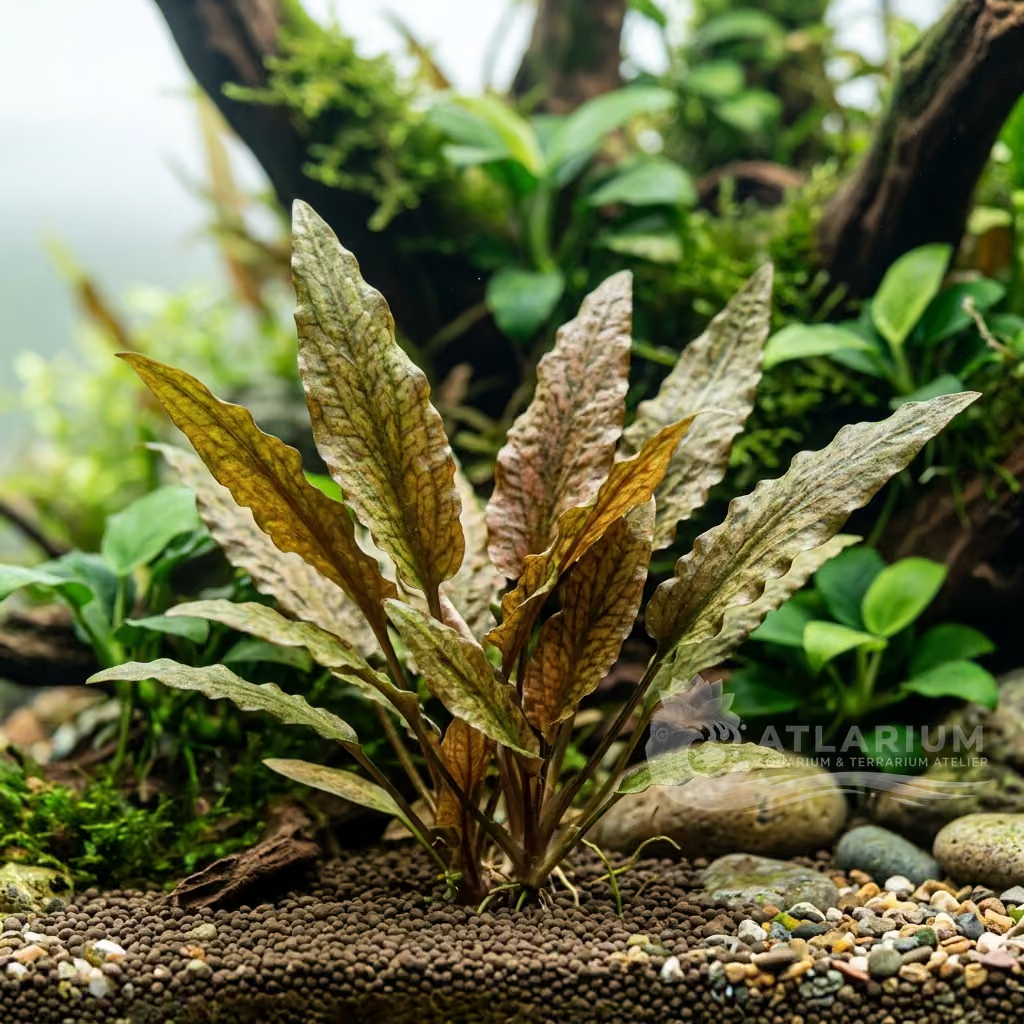
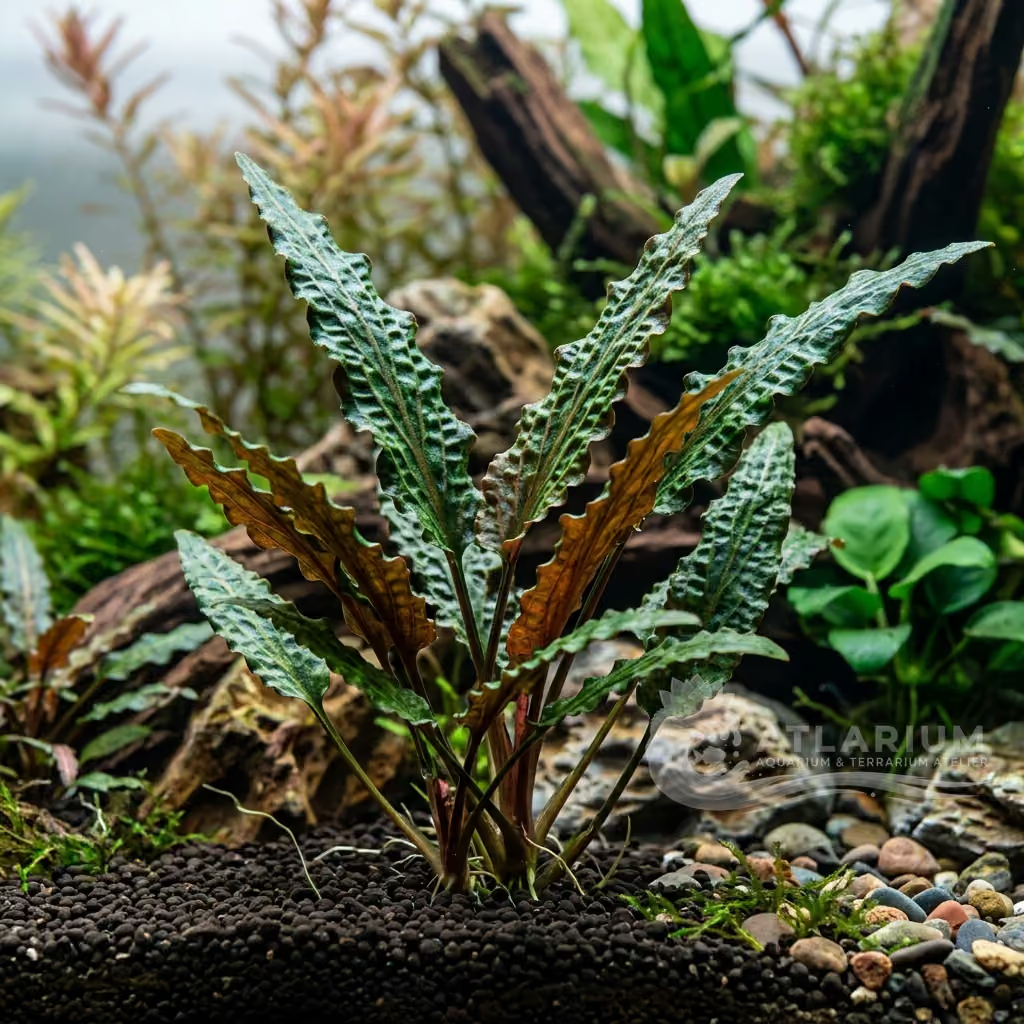
Cryptocoryne blassii
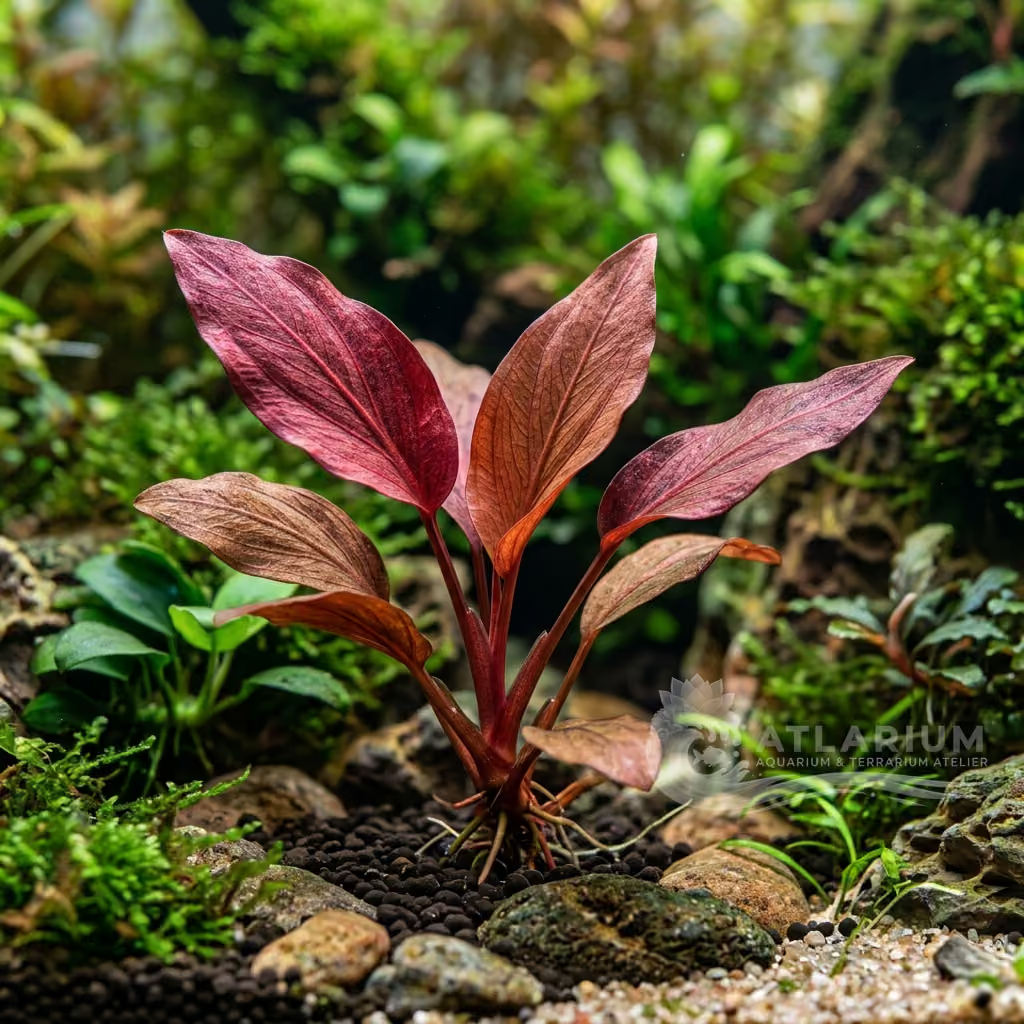
Cryptocoryne siamensis var. siamensis
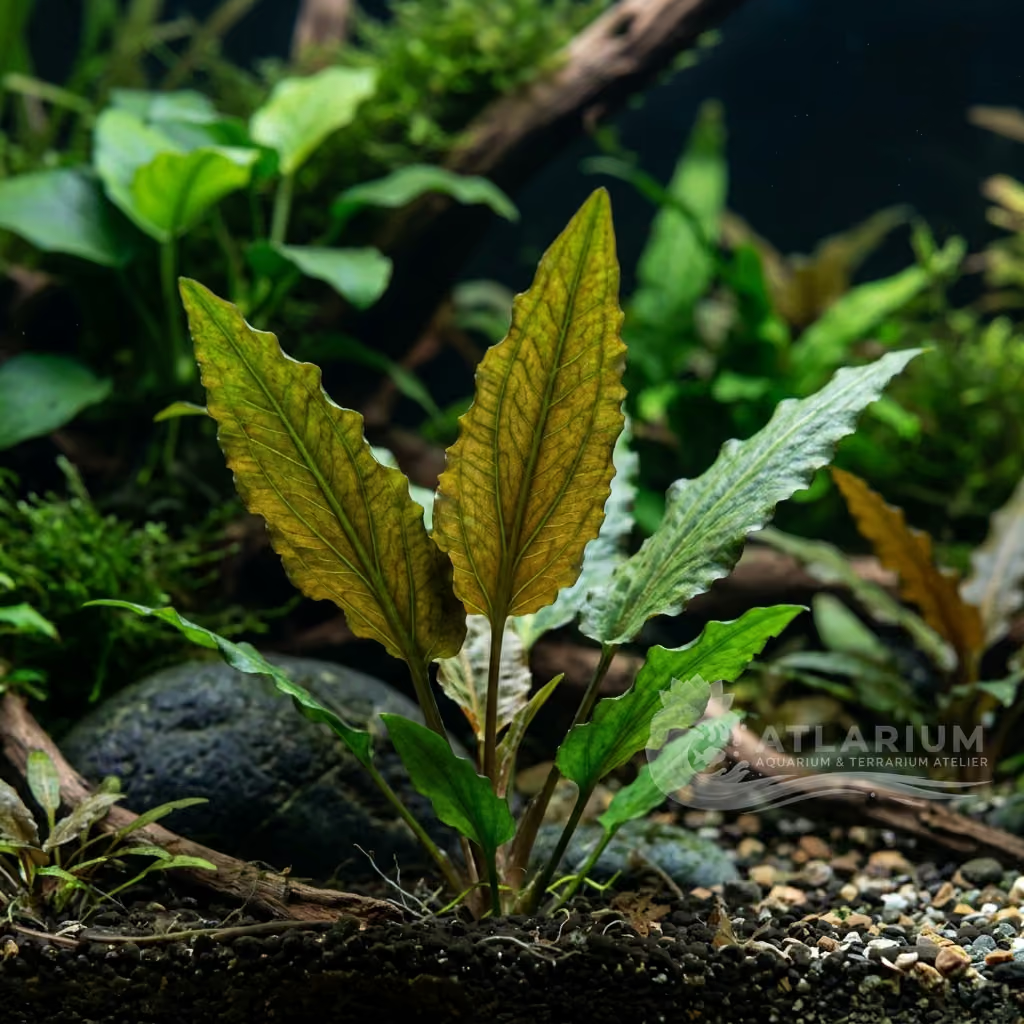
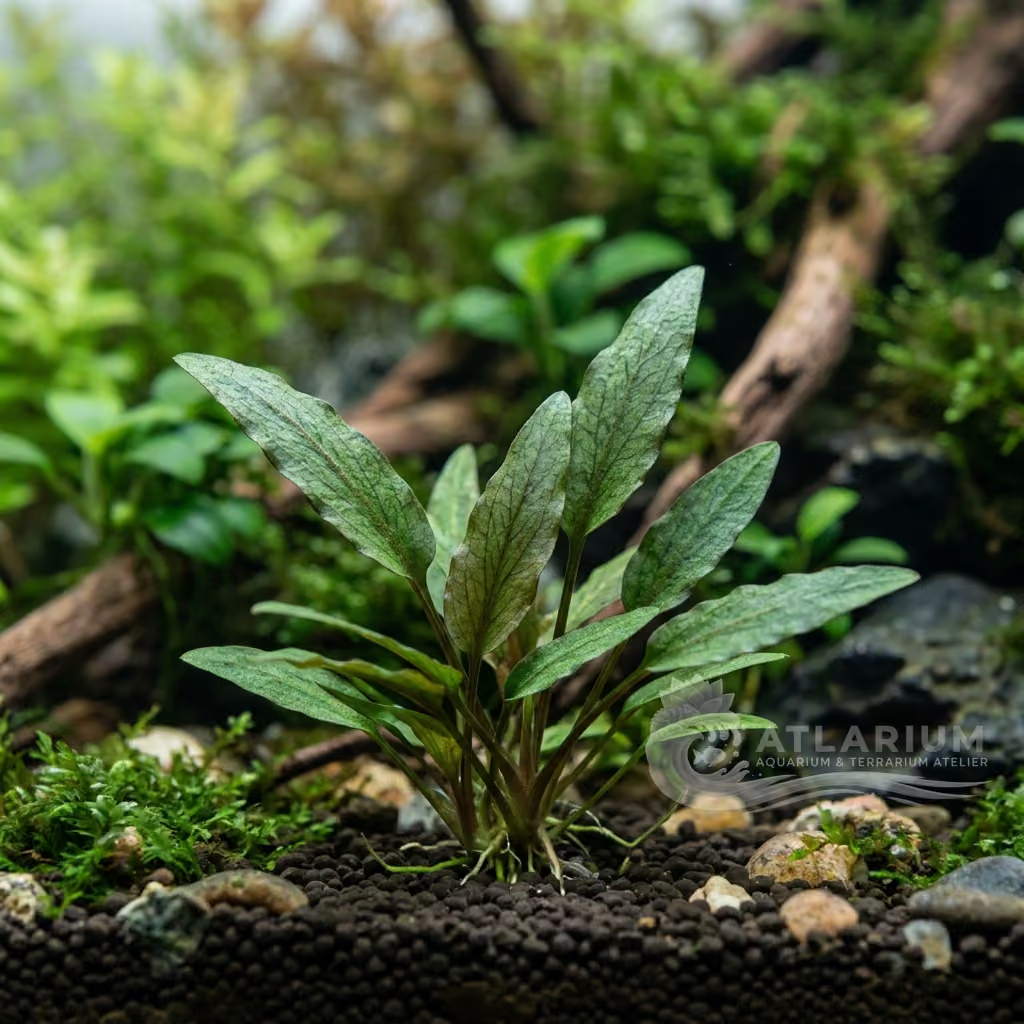
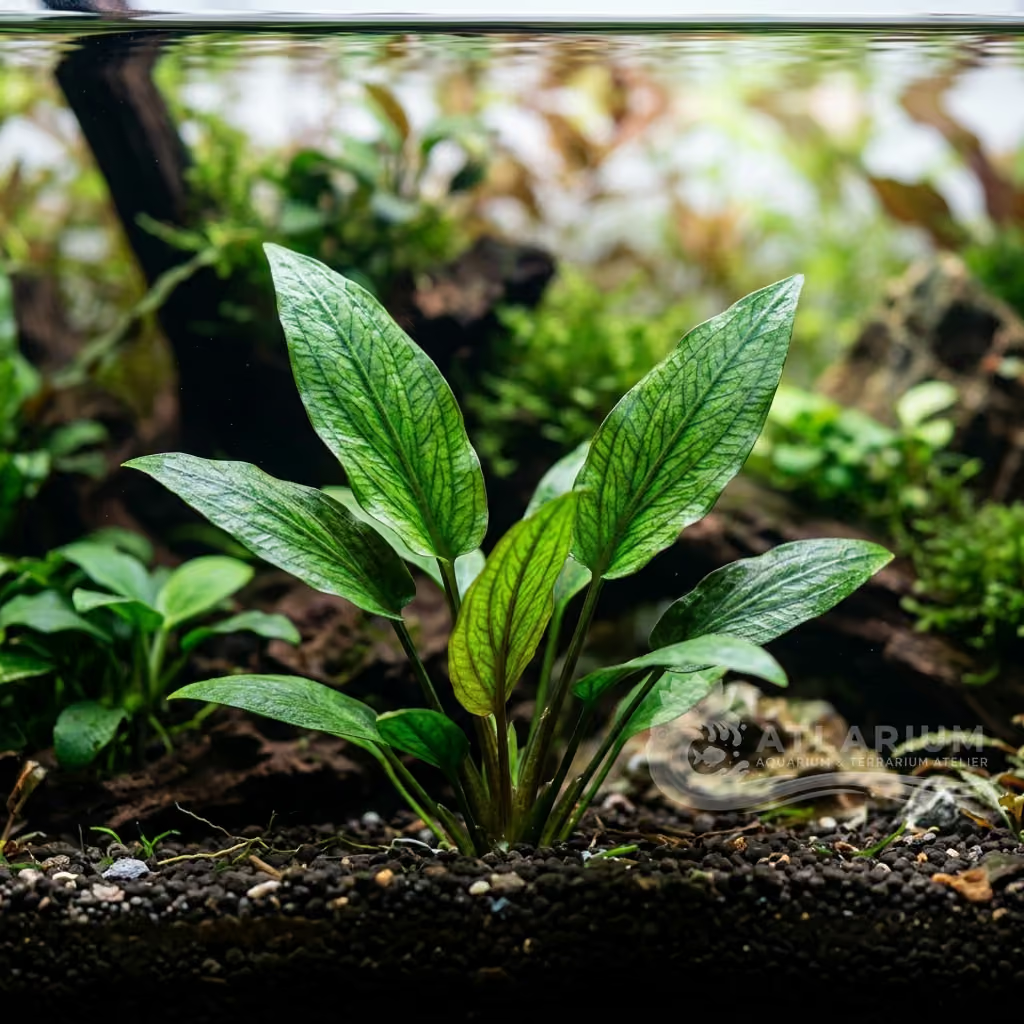
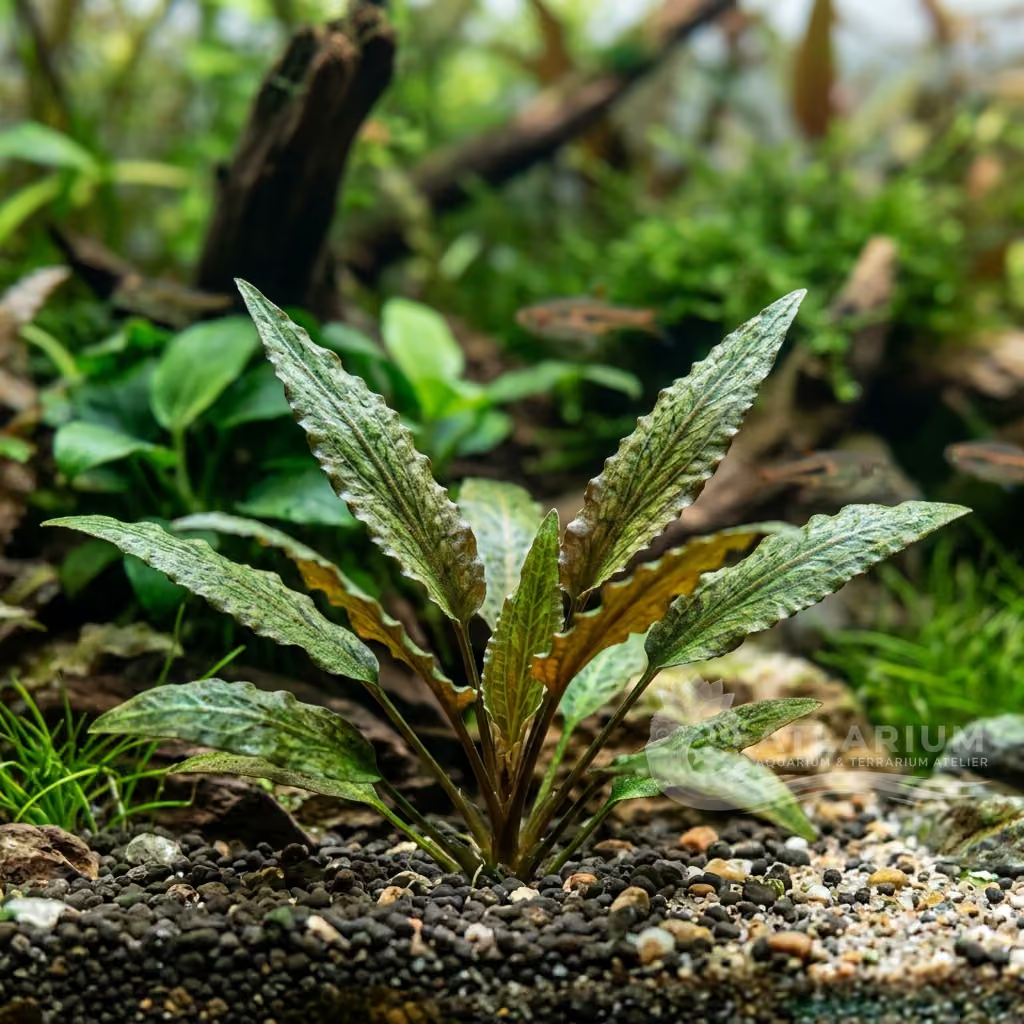
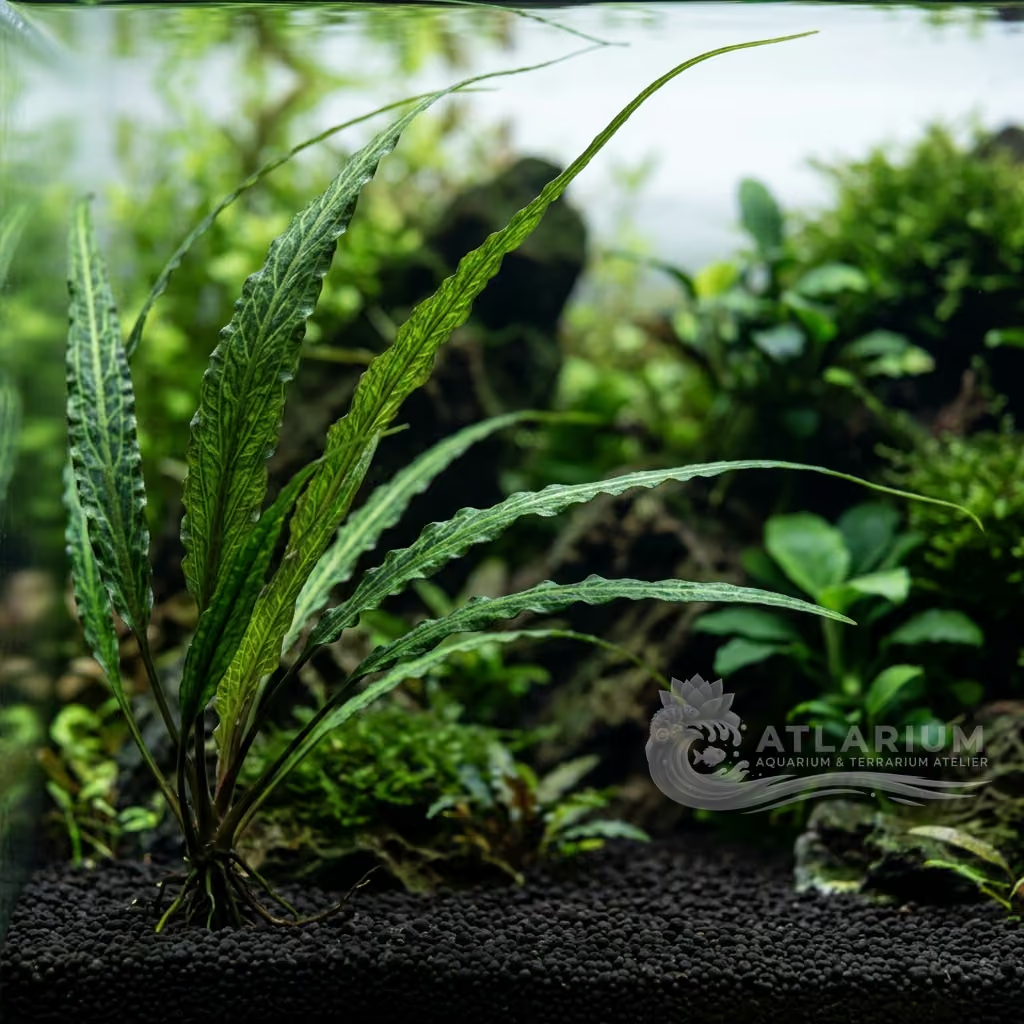
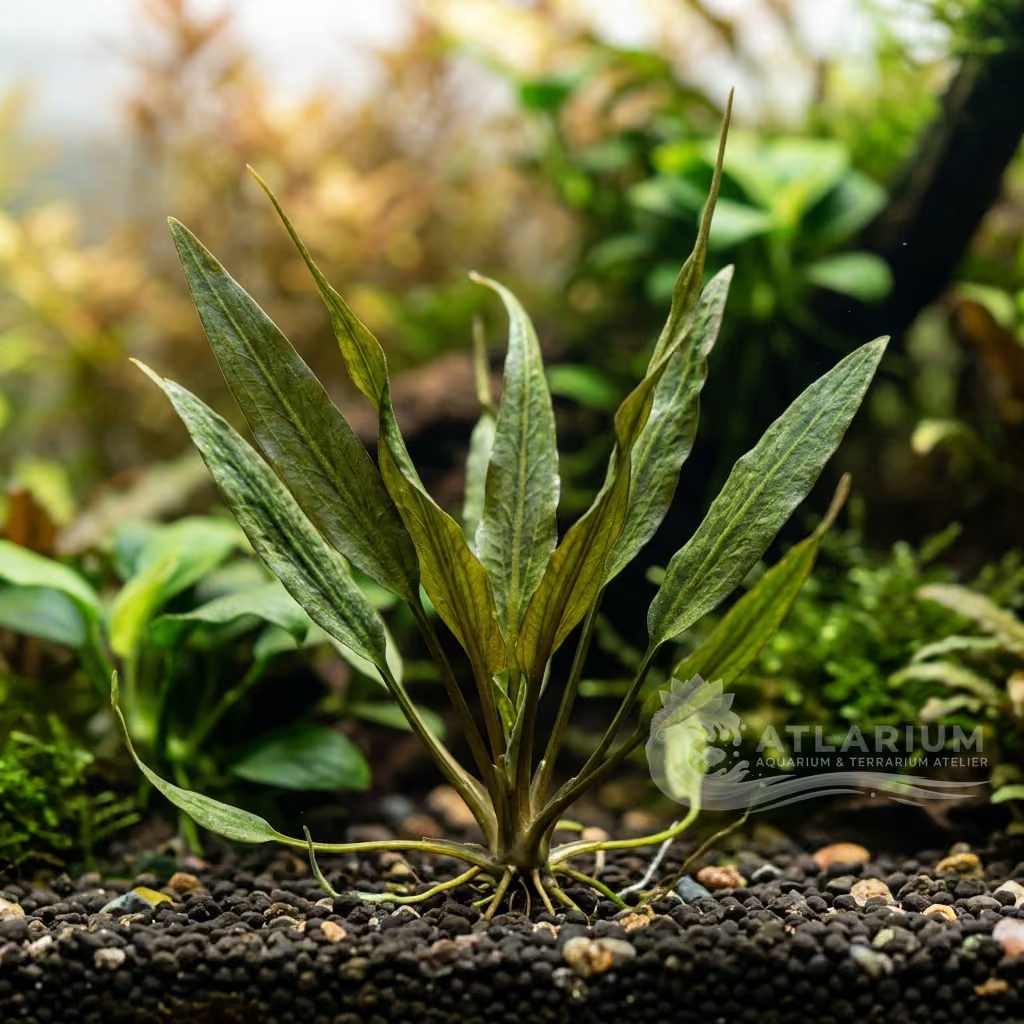
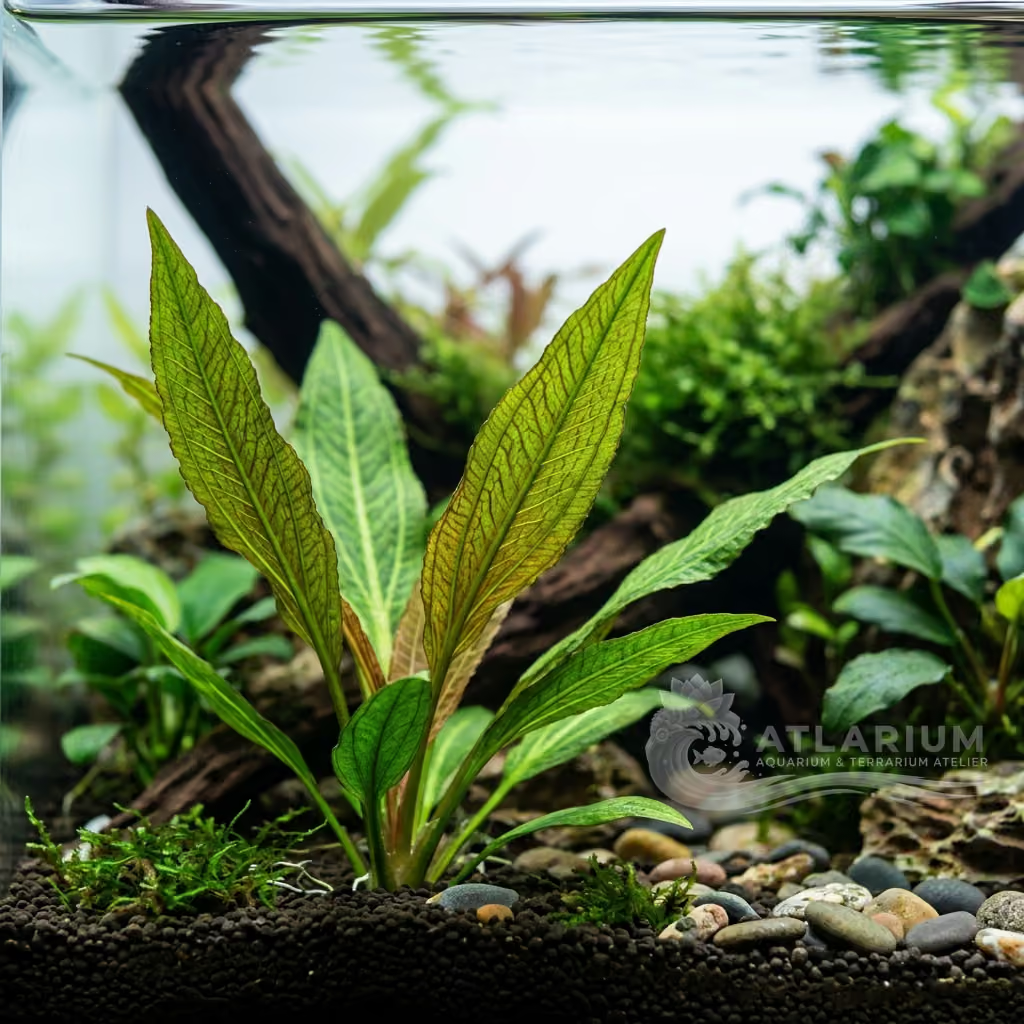
Cryptocoryne blassii: a large, beautiful rosette plant with purplish-bronze leaves and a wine-red underside. Perfect for midground or background placements. Light: Low to medium.
Temperatura da água
22 - 28 °C
Valor de pH
5.5 - 7
Tipo de água
Água doce
Luz
Low to Medium
CO2
Baixa - Alta
Altura esperada
40 cm
Largura esperada
25 cm
KH
1 - 10 dKH

Descrição da espécie
Geographical Origin and Habitat: Cryptocoryne blassii is native to the rainforests of southern Thailand, where it inhabits shaded forest streams and humus-rich swamps. It grows partially or completely submerged along the sandy or muddy banks of small acidic streams. Its natural habitat is heavily shaded by jungle canopies, which protects the plant from direct sunlight and keeps the water warm and rich in humic acids.
Taxonomy & Genetics: It belongs to the Araceae family, genus Cryptocoryne. Often considered a synonym or a variant within the Cryptocoryne cordata taxonomic complex, it maintains horticultural distinctness highly valued by aquarists. Genetically, it possesses the typical robustness of large Thai Cryptocoryne species, with a notable capacity to accumulate anthocyanins in the underside of its leaves, creating a protective barrier against excess light and a striking visual display.
Physical Structure: It develops as a large erect rosette, reaching a height of 30-45 cm and a width of 20-30 cm in mature aquariums. The lanceolate or narrowly ovate leaves are supported by long, fleshy petioles originating from a robust, branched rhizome. The root system is strong and anchors deeply in the substrate.
Color & Texture: It displays magnificent leaf coloration: the upper side is dark olive-green with bronze or chocolate-brown tones, occasionally with silver marbling along the veins, while the underside is deep wine-red or purple. The leaf texture is smooth or slightly wavy at the margins, with a thick, leathery feel.

Cuidado, criação e companheiros de tanque
Lighting & CO2: It prefers low to moderate lighting. Under high light, it is prone to algae growth due to its slow growth rate, unless shaded by driftwood or floating plants. CO2 injection is not mandatory but significantly speeds up growth and improves leaf thickness and luster.
Nutrition & Substrate: A nutrient-rich substrate is essential. It requires the periodic addition of root tabs rich in iron and trace elements. The plant responds well to clay-based substrates or mature aquasoil.
Water Chemistry: It prefers soft to moderately hard water (KH 1-10 dKH) and slightly acidic to neutral conditions, with a pH between 5.5 and 7.0. Water temperature must be stable, ideally between 22°C and 28°C; rapid temperature changes can trigger leaf melt.
Space Management & Placement: Due to its size, it is ideal for the midground or background of medium to large aquariums. It should be planted with plenty of space around it, as the rosette spreads wide and can block light from shorter plants. Avoid moving it once established to protect its delicate roots.
Pruning: Maintenance is minimal, consisting of cutting away older, outer leaves that begin to decay or turn yellow. Cuts should be made close to the rhizome using sharp scissors to prevent rotting of frayed edges.
Risks & Diseases: It is sensitive to Cryptocoryne melt, which appears as sudden leaf tissue dissolution following parameter changes or introduction into an immature aquarium. If melt occurs, leave the underground rhizome intact; it will regenerate the plant once the environment stabilizes.

Origem e distribuição geográfica
Cryptocoryne blassii is native to the rainforests of southern Thailand, where it inhabits shaded forest streams and humus-rich swamps. It grows partially or completely submerged along the sandy or muddy banks of small acidic streams. Its natural habitat is heavily shaded by jungle canopies, which protects the plant from direct sunlight and keeps the water warm and rich in humic acids.
Origem
Sul e Sudeste Asiático

Perfil da planta
- Posicionamento
- Plano intermediário
- This species is ideally placed in midground to background of the aquarium. Its growth habit allows it to blend naturally with surrounding hardscape or other plants. When planted in small groups, it creates a cohesive and visually pleasing bush. Ensure it is not completely shaded by larger overhanging plants.
- Forma botânica
- Roseta
- Cryptocoryne blassii features large broad leaves with reddish undersides. Its rosette growth pattern is typical of the genus, creating a dense crown of foliage. The distinct leaf shape and coloration make it stand out in the aquarium. It is appreciates slightly softer water.
- Crescimento
- Média
- The growth rate of Cryptocoryne blassii is generally moderate. Under lower light, it will grow slowly, but adding CO2 and moderate lighting can increase its pace. It steadily produces new leaves from its rosette once it has adapted to its environment. Patience is key, as it may take time to establish.
- Substrato
- Alta
- Cryptocoryne blassii exhibits a high substrate demand and grows best when planted in an enriched base layer such as aqua soil or laterite-rich gravel. The plant relies heavily on its robust root network to absorb nutrients, necessitating a substrate depth of 3 inches to accommodate deep root penetration. Regular replenishment of the substrate with root tabs will help maintain optimal levels of iron and trace elements, which are crucial for the development of its large, vividly colored leaves.
- Fertilização de coluna
- Recomendada
- While primarily a root feeder, it still benefits from regular water column fertilization. Dosing a comprehensive liquid fertilizer ensures that micronutrients are available. Be careful not to overdose, as excessive nutrients in the water column can promote algae on its slow-growing leaves. A balanced approach is ideal.
- Fertilização radicular
- Recomendada
- Root fertilization is crucial for the optimal development of Cryptocoryne blassii. Providing a rich soil substrate or regularly inserting root tabs will yield the best results. Strong root feeding promotes larger, more robust leaves. It also makes the plant more resilient to environmental fluctuations.
- Corte
- Ocasional
- Trimming should be done carefully by cutting old or decaying leaves near the base. Avoid pulling or uprooting the plant, as it has a delicate and extensive root system. Regular maintenance to remove dying leaves will keep the plant looking fresh and prevent rot. Only trim what is necessary.
- Propagação
- Estolões
- Propagation is easily achieved through the natural production of runners. The mother plant will send out runners through the substrate, forming new plantlets. Once these plantlets have developed their own roots and a few leaves, they can be separated. You can carefully cut the runner and replant the new specimen.
- Sensibilidade
- Moderada
- Like many in its family, Cryptocoryne blassii is prone to 'Crypt melt' when parameters suddenly change. Variations in temperature, lighting, or water chemistry can cause it to shed its leaves. However, the rhizome usually remains healthy. If melting occurs, leave the roots undisturbed and new leaves will soon emerge.
- Função de layout
- Plano intermediário, Fundo, focal point
- Its layout role is primarily for Midground bushes or background transitions. The dense foliage and unique texture provide a natural transition between different zones of the aquascape. It is highly versatile and works well in both Nature Aquarium and Dutch styles. Its enduring presence makes it a reliable staple.

Espécies relacionadas
Recomendações agrupadas por parentes próximos, escolhas de acompanhantes e cuidados semelhantes.