Cryptocoryne spec. 'Flamingo'
Cryptocoryne spec. 'Flamingo'
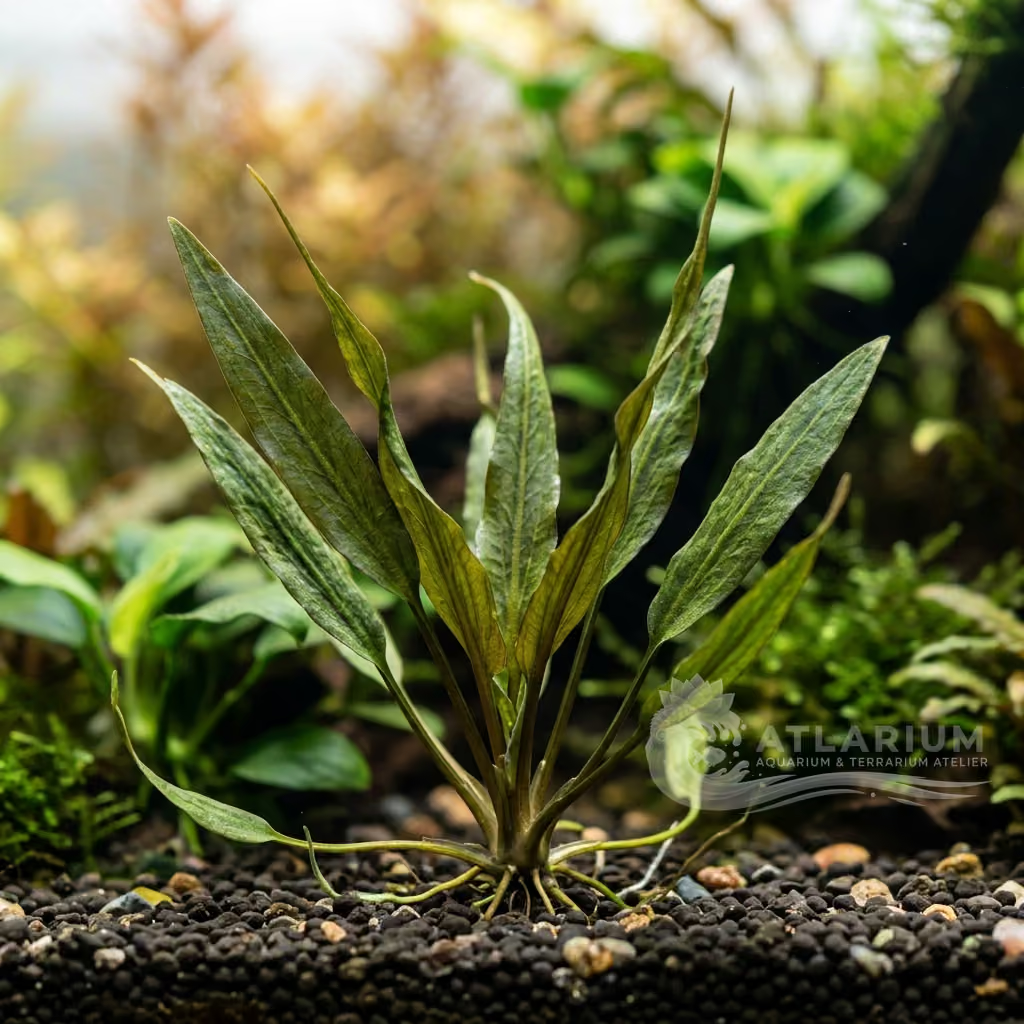
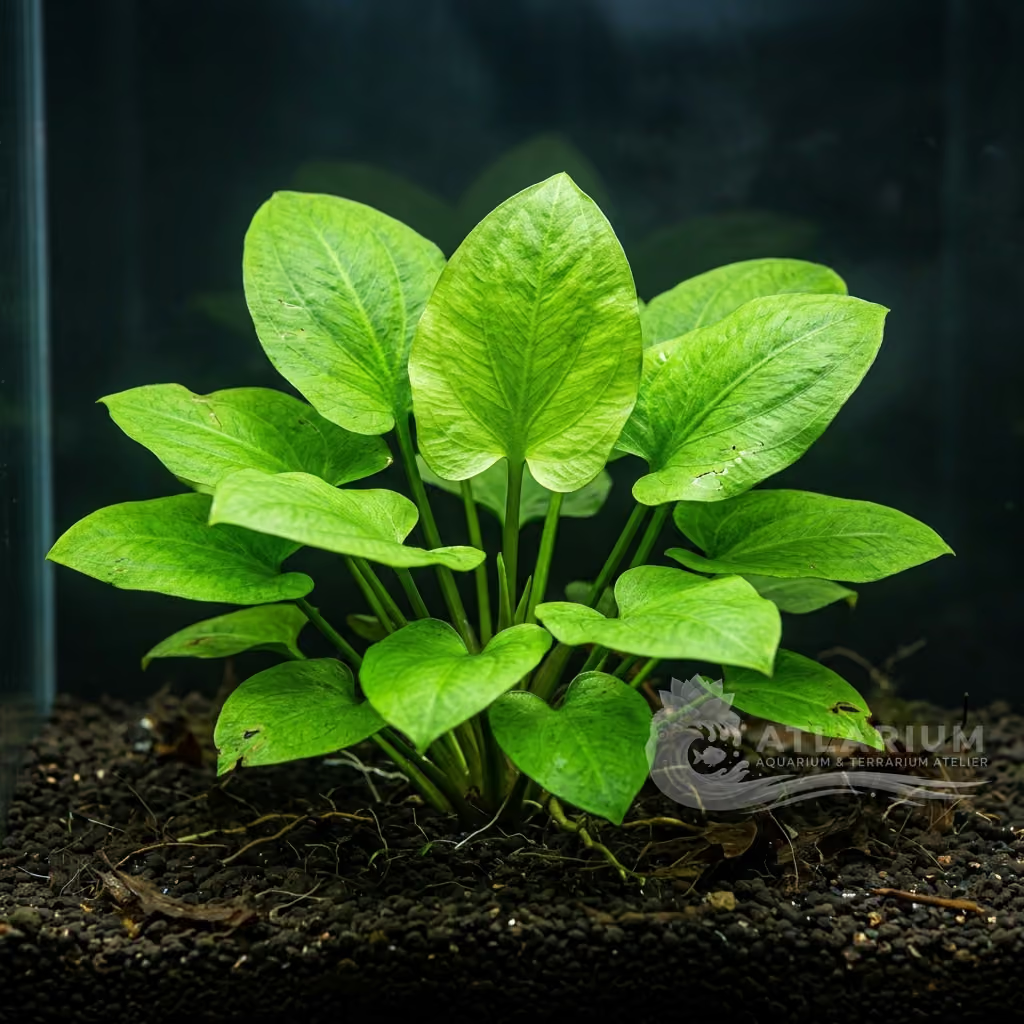
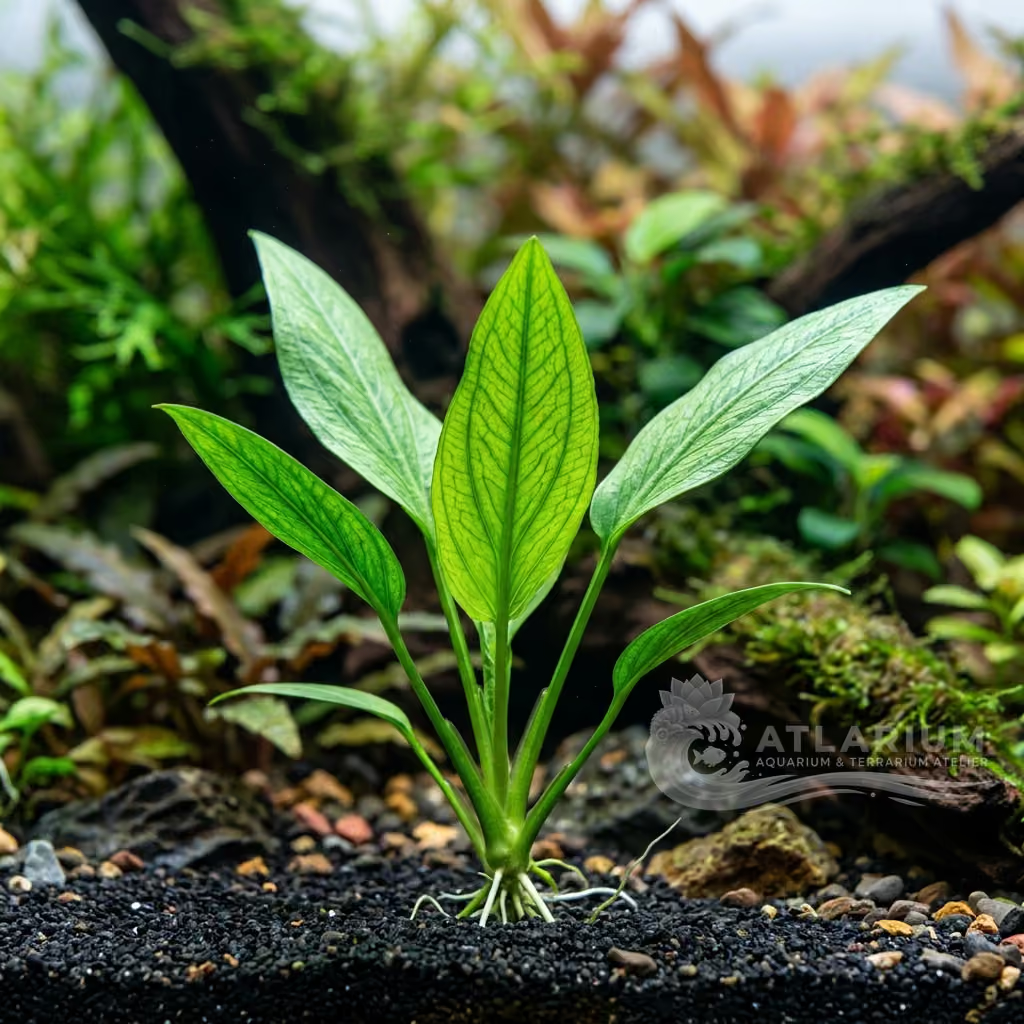
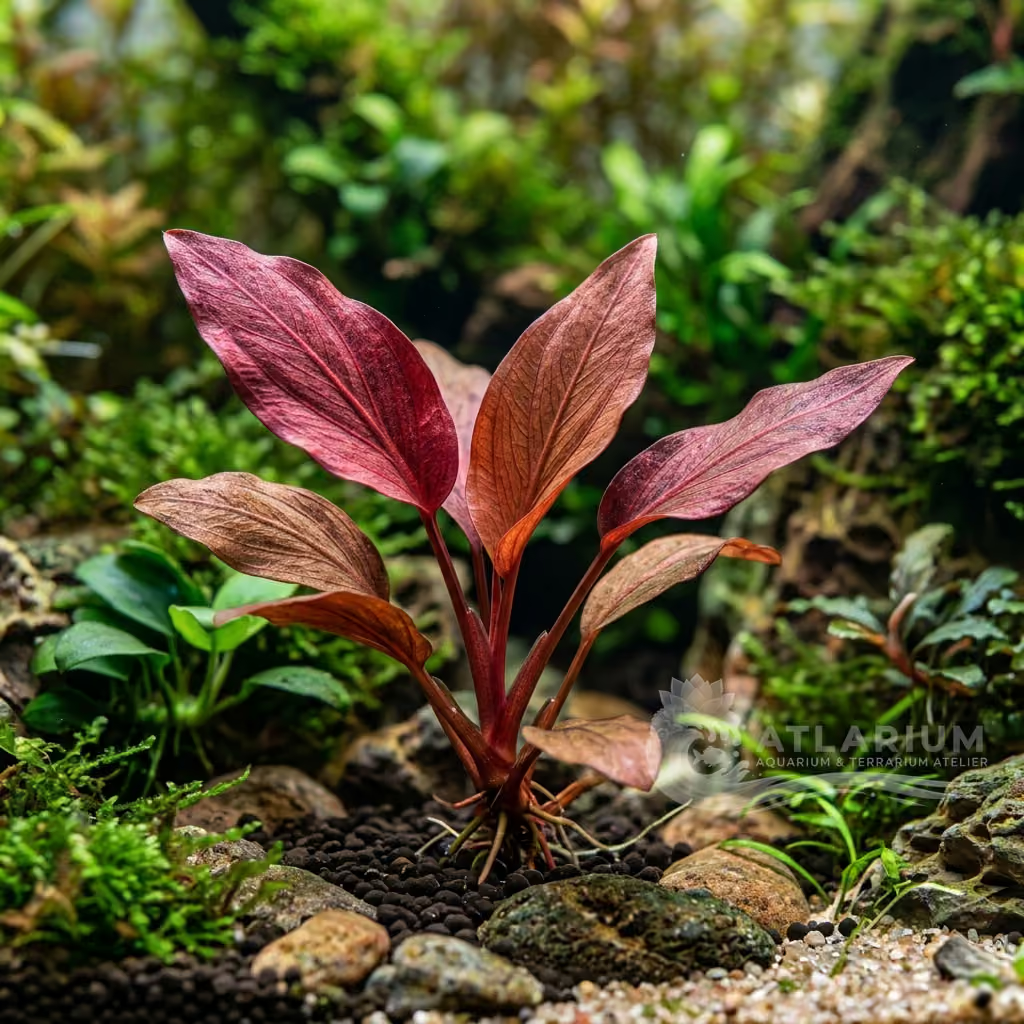
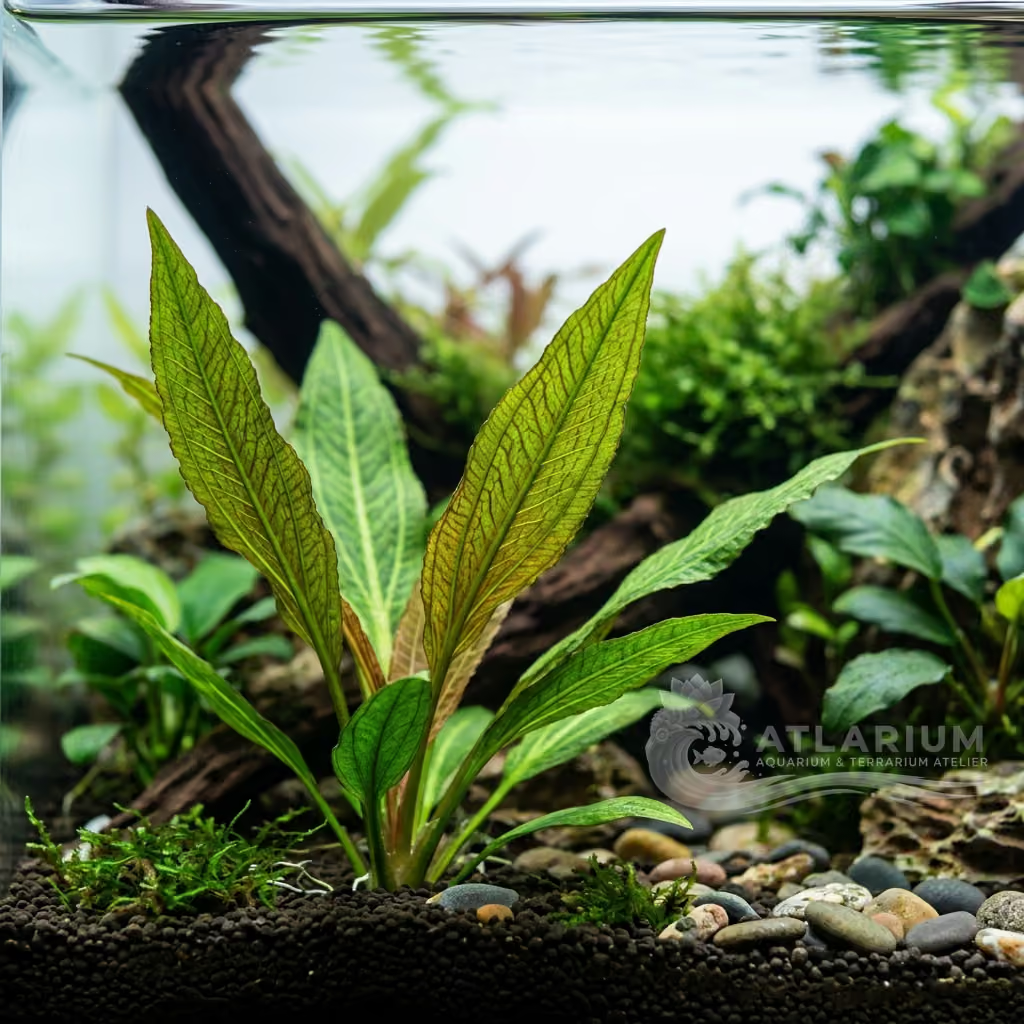
Cryptocoryne spec. 'Flamingo' is an exclusive and famous mutation. Its strikingly bright pink and magenta leaves deliver a phenomenal contrast, making it the ultimate rare focal point for any aquascape.
Temperatura da água
22 - 28 °C
Valor de pH
6 - 7.5
Tipo de água
Água doce
Luz
Média - Alta
CO2
Média - Alta
Altura esperada
10 cm
Largura esperada
10 cm
KH
2 - 10 dKH

Descrição da espécie
Geographical Origin and Habitat: Cryptocoryne spec. 'Flamingo' is a cultivar selected in vitro and propagated under submersed greenhouse conditions; it does not exist in the wild. However, the parent species from which it mutated is native to Sri Lanka, where it colonizes shaded stream beds rich in organic matter and minerals. The 'Flamingo' selection was isolated due to its extraordinary
Color & Texture: mutation that partially inhibits chlorophyll, allowing pink anthocyanin pigments to dominate.
Taxonomy & Genetics: It belongs to the Araceae family, genus Cryptocoryne. It is considered a stable and patented mutation of Cryptocoryne wendtii (or related species). Genetically, the stability of the pink coloration is strictly linked to strong light stimuli and a constant supply of nutrients; under insufficient light, the plant can regress, producing dull green leaves.
Physical Structure: It develops compact and low rosettes, reaching an average height of 5-10 cm. The leaves are lanceolate or slightly ovate, with flexible petioles growing inclined relative to the substrate. The root system, though originating from tissue culture, is capable of developing vigorously, forming strong fibrous roots and lateral runners.
Color & Texture: The absolute highlight is the leaf coloration, which varies from pale pink to baby pink or intense magenta and cherry red under intense lighting. The lower page retains purple hues. The leaf texture is smooth, slightly glossy, with wavy margins that add a dynamic look to the rosette.

Cuidado, criação e companheiros de tanque
Lighting & CO2: Requires medium-high to high lighting. Without adequate light, the plant loses its characteristic pink color, shifting to green-brown. Constant CO2 injection is highly recommended to support its delicate metabolism and promote steady, compact growth.
Nutrition & Substrate: An active and fertilized fine-grain substrate is essential. It requires abundant iron-based root fertilization to stimulate and maintain the pink pigmentation. A balanced liquid column fertilization prevents chlorosis and foliage decay.
Water Chemistry: Prefers soft to moderately hard water with a KH between 2 and 8 dKH and a stable pH between 6.0 and 7.2. It is particularly sensitive to nitrogenous waste accumulation and sudden shifts in chemical parameters. Optimal temperature is between 20°C and 28°C.
Space Management & Placement: Place in the foreground or front midground, preferably in a central or prominent position to utilize its strong color contrast. Plant individual crowns spaced 2 cm apart. Do not place it under the shadow of larger plants.
Pruning: Pruning consists of removing older outer leaves showing signs of yellowing or algae. Cut the leaf near the crown using sharp aquascaping scissors, avoiding pulling petioles by hand to prevent pulling the plant from the soil.
Risks & Diseases: It is considered one of the most delicate Cryptocorynes and is highly prone to "Cryptocoryne melt." Any sudden variation in water changes or lighting can trigger leaf decay. Absolute stability is recommended.

Origem e distribuição geográfica
Cryptocoryne spec. 'Flamingo' is a cultivar selected in vitro and propagated under submersed greenhouse conditions; it does not exist in the wild. However, the parent species from which it mutated is native to Sri Lanka, where it colonizes shaded stream beds rich in organic matter and minerals. The 'Flamingo' selection was isolated due to its extraordinary
Origem
Melhoramento seletivo e cultivaresSul e Sudeste Asiático

Perfil da planta
- Posicionamento
- Primeiro plano
- Due to its unique and striking pink coloration, it is best utilized as a focal point in the midground or foreground of the aquascape. It should be planted where it receives unobstructed, moderate to high lighting to bring out its best colors. Avoid shading it with larger, faster-growing plants.
- Forma botânica
- Roseta
- The plant features slightly ruffled, lanceolate leaves that display a spectacular bright pink to light red color under optimal conditions. In lower light or poorer nutrient conditions, the leaves may shift towards olive green with pinkish undertones. It maintains a relatively compact rosette shape.
- Crescimento
- Lenta
- The growth rate is notably slow, characteristic of many highly variegated or specially colored plant variants. It takes significant time to acclimate to new environments and may suffer from Cryptocoryne melt initially. Patience is required, as it will slowly but steadily produce vividly colored new leaves once settled.
- Substrato
- Alta
- A rich, active substrate is practically mandatory for the successful long-term cultivation of Cryptocoryne 'Flamingo'. The roots need continuous access to a dense nutrient profile to support its specialized pigmentation. High-quality aquasoils layered with specific root fertilizers yield the best results for this sensitive plant.
- Fertilização de coluna
- Recomendada
- Consistent dosing of liquid fertilizers is crucial to keep this plant healthy, emphasizing micro-elements and iron. The water column must be stable, as sudden changes in nutrient parameters can trigger melting. Daily micro-dosing often provides more stable conditions than larger weekly doses.
- Fertilização radicular
- Recomendada
- Strong root fertilization is essential; without it, the plant may fail to thrive despite good column dosing. Inserting iron-rich capsules deep into the substrate near its roots promotes the intense pink coloration. Replenishing these root tabs every few months ensures a continuous nutrient supply.
- Corte
- Ocasional
- Trimming should be done sparingly, removing only older or decaying leaves near the base. Cut the stems as close to the substrate as possible using sharp aquascaping scissors. Avoid cutting healthy foliage, as the slow growth rate means it will take time to recover.
- Propagação
- Estolões
- It propagates by sending out subterranean runners that eventually emerge as tiny pink plantlets in the surrounding substrate. This process is slow, and plantlets should not be separated until they have developed several leaves and their own root network. Carefully cutting the runner and replanting allows for gradual multiplication.
- Sensibilidade
- HIGH
- Cryptocoryne spec. 'Flamingo' is notoriously sensitive to sudden changes in water parameters, which can trigger 'Crypt melt'. If melting occurs, leave the root system intact as it will typically bounce back with new, adapted leaves. It prefers stable environments with consistent lighting and fertilization.
- Função de layout
- Primeiro plano, accent, Nano
- In aquascaping, Cryptocoryne spec. 'Flamingo' serves as a fantastic structural element or accent plant. Its vibrant, striking pink tones provide great contrast against typical green aquatic plants. It works exceptionally well in Nature Aquarium styles and shaded areas beneath driftwood.

Espécies relacionadas
Recomendações agrupadas por parentes próximos, escolhas de acompanhantes e cuidados semelhantes.