Cryptocoryne walkeri "legroi"
Cryptocoryne walkeri
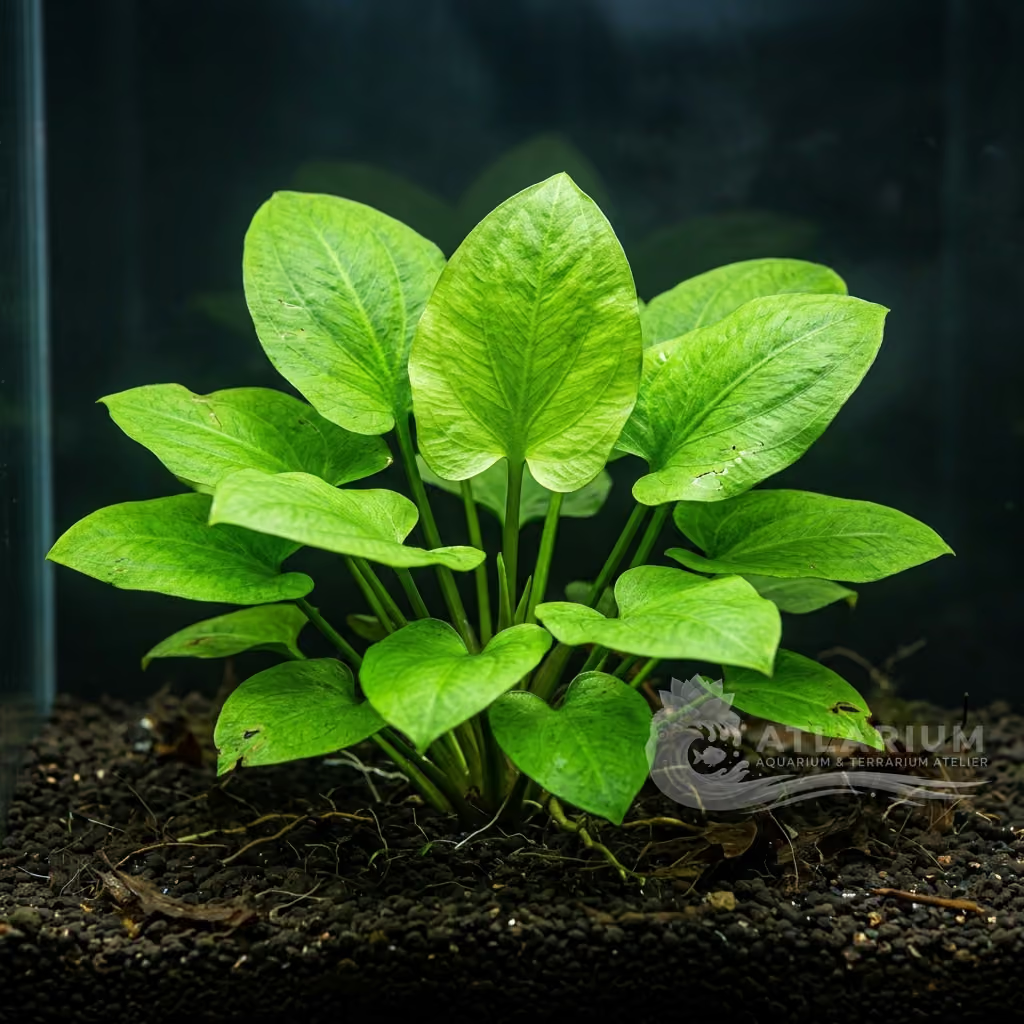
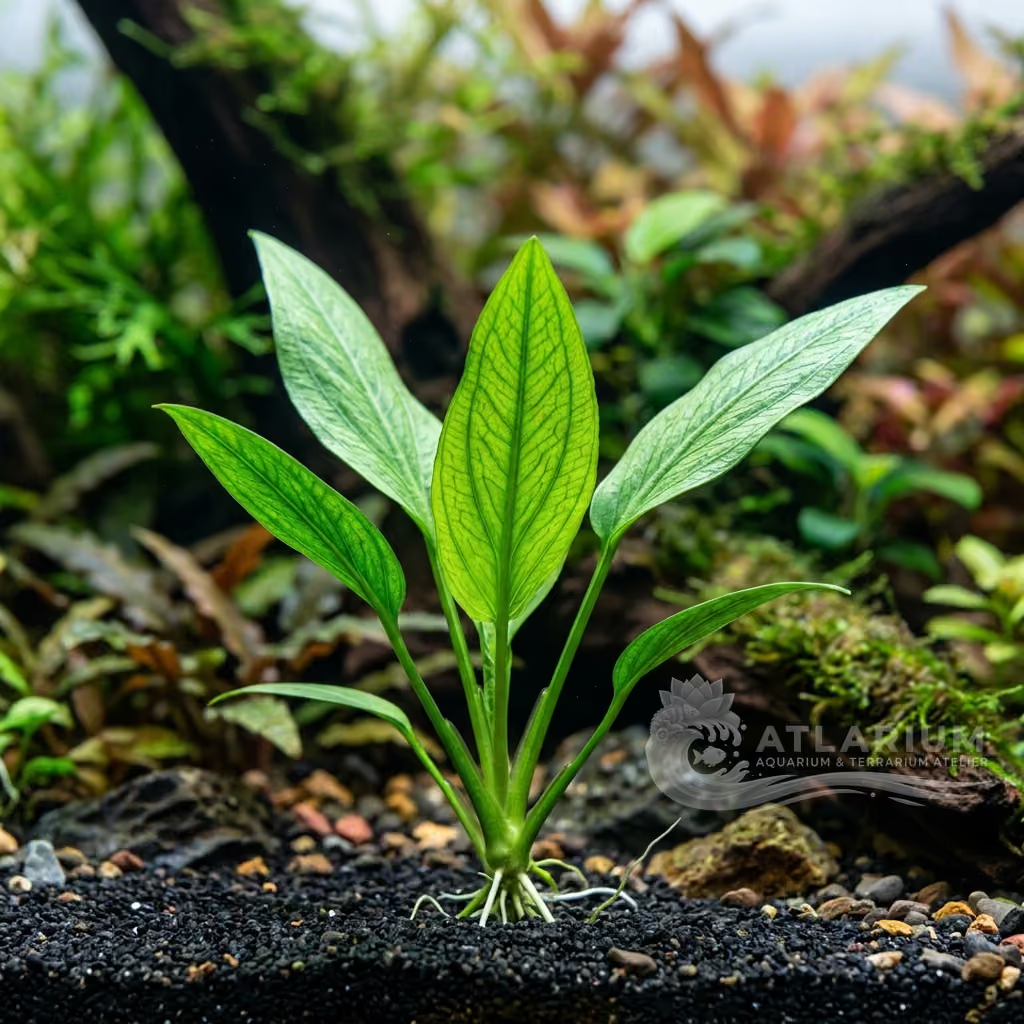
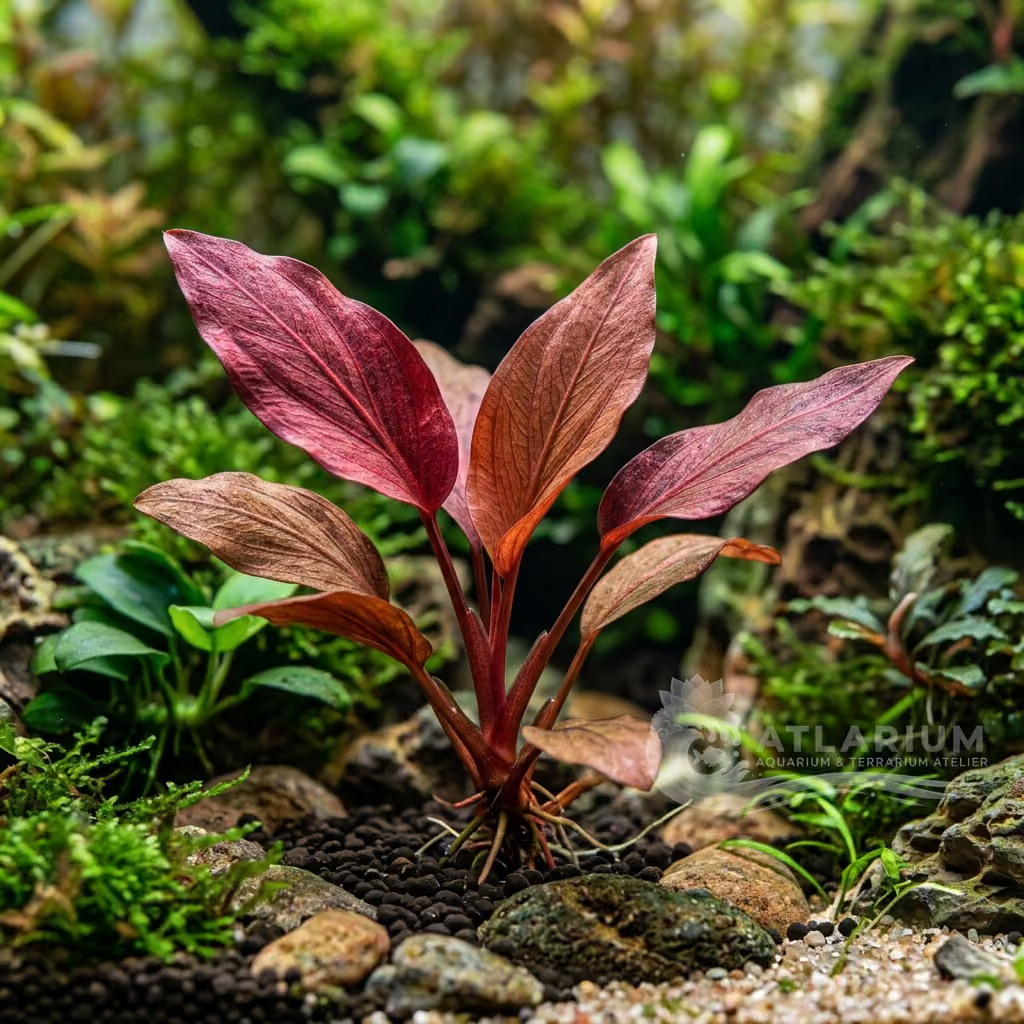
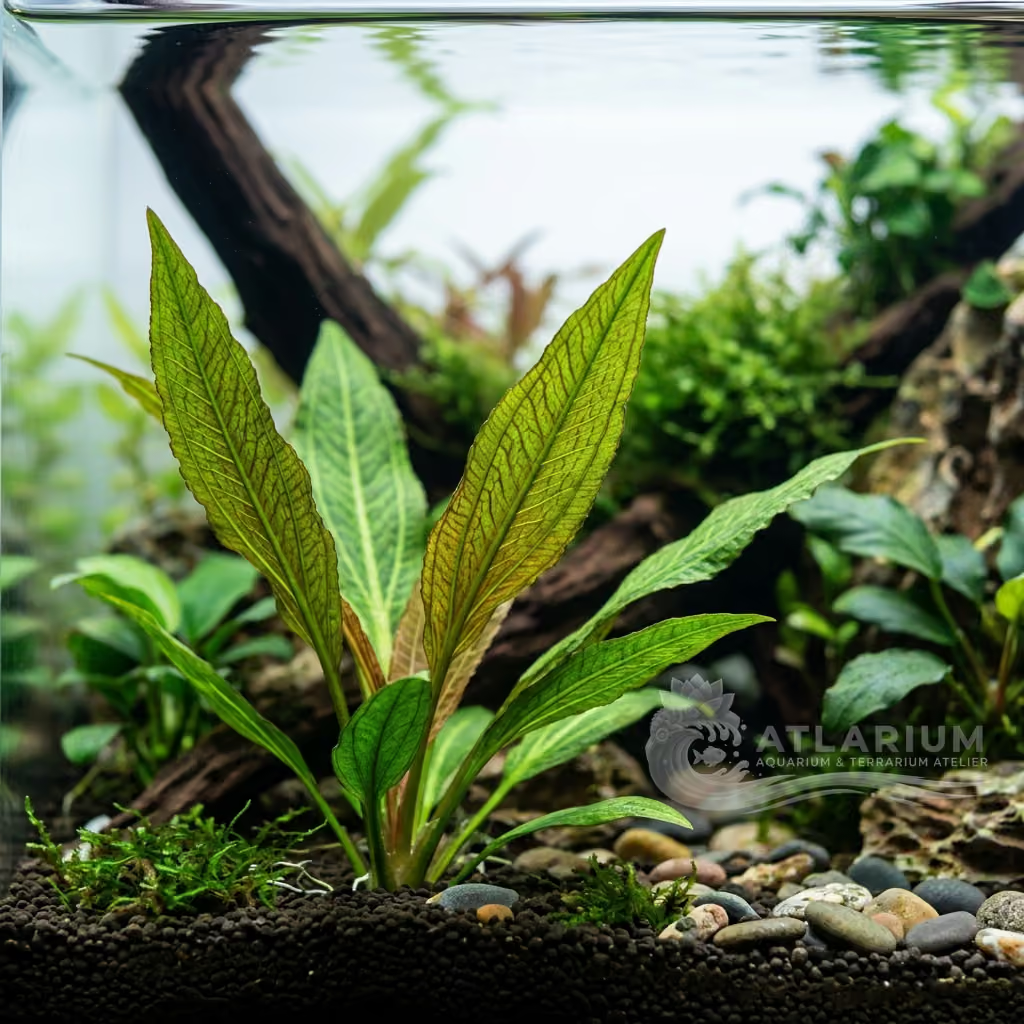
Cryptocoryne walkeri "legroi": a beautiful cultivar of C. walkeri featuring dark bronze or copper-brown leaves with purple hues. Highly compact and perfect for the foreground. Light: Low to high.
Temperatura da água
20 - 28 °C
Valor de pH
6 - 7.8
Tipo de água
Água doce
Luz
Low to High
CO2
Baixa - Alta
Altura esperada
12 cm
Largura esperada
10 cm
KH
2 - 15 dKH

Descrição da espécie
Geographical Origin and Habitat: This cultivar originates botanically from Sri Lanka, where the parent species Cryptocoryne walkeri inhabits shaded banks of forest streams and moist alluvial soils. The 'legroi' selection is named after the Dutch botanist Legro and has been isolated and stabilized in cultivation due to its exceptional purple-brown
Color & Texture: ation and compact leaf structure.
Taxonomy & Genetics: It belongs to the Araceae family, genus Cryptocoryne. It is considered a stable triploid variant or cultivar within the Cryptocoryne walkeri group. Genetically, its main feature is a slow rate of cell division, resulting in slow growth and a compact leaf density, as well as a high concentration of protective dark pigments.
Physical Structure: It develops a low, compact rosette, about 10-12 cm tall. The leaves are lanceolate to narrowly ovate, with sturdy petioles and leaves arranged densely around the crown. The root system is very robust, penetrating deeply into clay or sandy substrates to ensure stability and nutrient uptake.
Color & Texture: The leaves present a dark brown, bronze, or copper coloration on the upper side, often enriched by very intense red-violet or dark purple shades under high light. The underside is typically wine-red or purple. The leaf surface shows a slight roughness or fine bullation, with slightly wavy margins.

Cuidado, criação e companheiros de tanque
Lighting & CO2: Very tolerant regarding lighting. Under low light, it maintains green-brown shades and an upright habit, while under high light, it grows horizontally and exhibits its intense purple coloration. CO2 is not essential for survival but promotes more regular growth and sturdier leaves.
Nutrition & Substrate: It prefers a fertile, fine substrate. It is crucial to insert root tabs rich in iron and potassium to support growth and prevent leaf discoloration. Liquid fertilization in the
Water Chemistry: Highly adaptable to water hardness, tolerating KH values from 2 to 15 dKH and pH between 6.0 and 7.8. The ideal temperature is between 20°C and 28°C. Avoid sudden shifts in chemical parameters to prevent melting.
Space Management & Placement: Due to its small size, it is ideal for the foreground or midground transition of small and medium aquariums. It should be planted in small groups spaced 2-3 cm apart to allow the rosette to expand horizontally without choking neighboring plants.
Pruning: Maintenance is minimal. It consists of removing only the oldest or damaged leaves, cutting them close to the base of the rosette with sharp scissors. Avoid moving the plant once rooted.
Risks & Diseases: It is a hardy cultivar and resistant to Cryptocoryne melt. The main risk is light deprivation due to shading by fast-growing plants, which can cause loss of lower leaves and decay of the rosette.

Origem e distribuição geográfica
This cultivar originates botanically from Sri Lanka, where the parent species Cryptocoryne walkeri inhabits shaded banks of forest streams and moist alluvial soils. The 'legroi' selection is named after the Dutch botanist Legro and has been isolated and stabilized in cultivation due to its exceptional purple-brown
Origem
Sul e Sudeste AsiáticoMelhoramento seletivo e cultivares

Perfil da planta
- Posicionamento
- Primeiro plano
- With its striking dark leaves, it serves as a beautiful focal point in the midground of the aquascape. It contrasts dramatically against bright green plants and light-colored hardscape materials. Plant it in a cluster where it can draw the eye without overshadowing smaller foreground species.
- Forma botânica
- Roseta
- This plant is noted for its beautiful, slightly ruffled leaves that develop a deep olive-green to intensely dark reddish-brown hue. The leaves are relatively broad and rigid, growing in a classic rosette pattern. Under high light, the dark colors become much more pronounced.
- Crescimento
- Lenta
- The growth rate is generally slow, like many dark-leaved Cryptocoryne varieties. It requires a lengthy acclimation period after planting before it begins to show new growth. Once established, it is highly durable and produces leaves at a steady, reliable pace.
- Substrato
- MODERATE
- It thrives in a nutrient-rich, soft substrate like commercial aquasoil, which allows its roots to penetrate easily. A poor substrate will result in stunted growth and pale, uninteresting foliage. Gravel can be used, but must be heavily supplemented with root fertilizers.
- Fertilização de coluna
- Recomendada
- Modest but regular column dosing of a comprehensive fertilizer is recommended. Iron supplementation in the water column helps maintain the rich, dark tones of the leaves. Ensure that nutrient dosing matches the slow growth rate to prevent algae accumulation on the leaves.
- Fertilização radicular
- Recomendada
- It relies heavily on root absorption for optimal health and color. Burying iron-rich root tabs deep beneath the rosette will provide long-term nourishment and encourage strong root development. A well-fed root system makes the plant much more resilient to changes in water parameters.
- Corte
- Ocasional
- Only trim dying, damaged, or heavily algae-covered leaves by cutting them as close to the crown as possible. Avoid cutting healthy leaves midway, as they will simply rot away from the cut point. Minimal pruning is needed due to its slow growth.
- Propagação
- Estacas
- Propagation happens via underground runners that slowly form new rosettes near the base of the parent plant. The process is unhurried, and young plants should not be separated prematurely. Cut the runner only when the new plant has sufficient roots to survive independently.
- Sensibilidade
- LOW
- Susceptible to Crypt melt if parameters shift rapidly, especially temperature or lighting intensity. It may lose leaves when newly introduced to a tank but usually recovers once acclimatized. Stable water conditions are key to preventing sudden leaf loss.
- Função de layout
- Plano intermediário, Primeiro plano, group
- Acts as a strong structural element that can help define spaces in the planted aquarium. Its distinct appearance makes it a popular choice for Nature Aquarium styles. It adds depth and texture without requiring constant maintenance.

Galeria de imagens
Imagens licenciadas vinculadas à espécie ou, quando marcadas, ao táxon representativo mais próximo.

Espécies relacionadas
Recomendações agrupadas por parentes próximos, escolhas de acompanhantes e cuidados semelhantes.