Cryptocoryne bullosa
Cryptocoryne bullosa
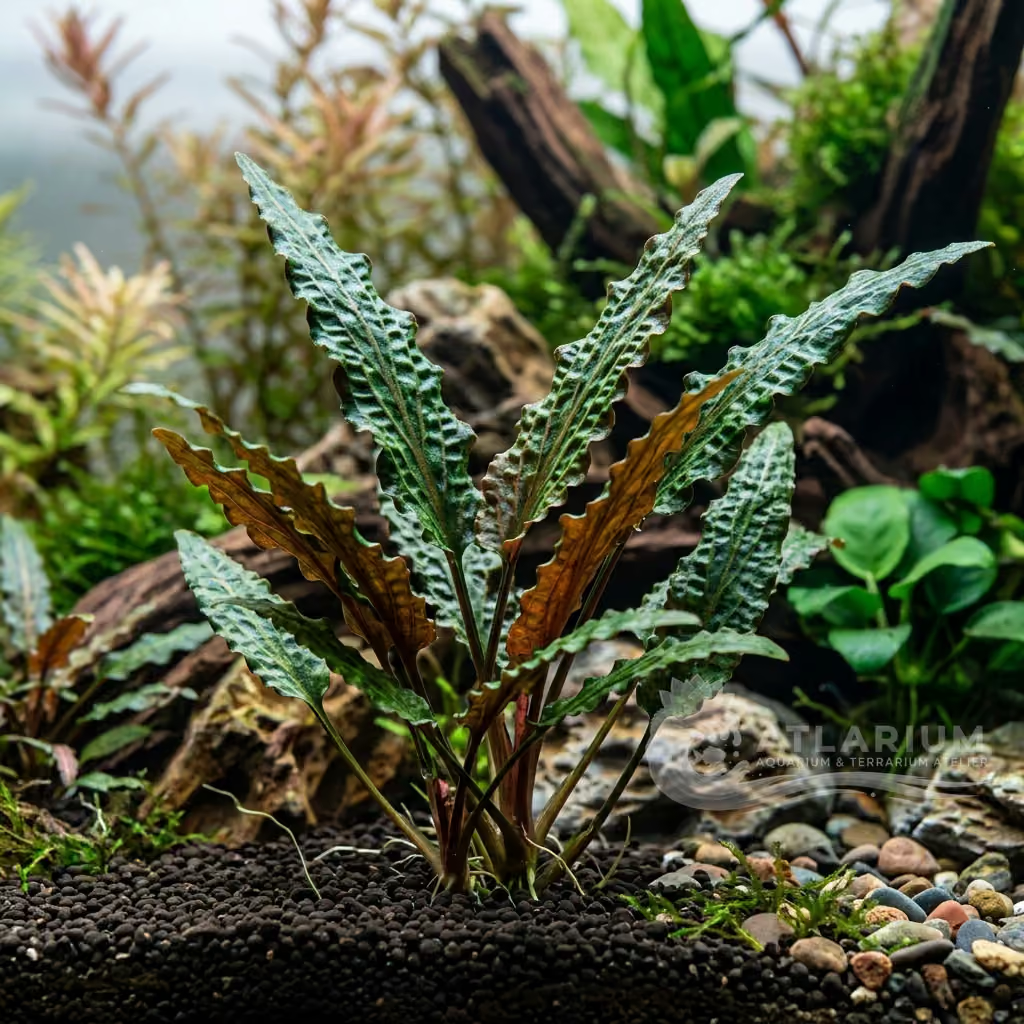
Endemic to fast-flowing streams in Sarawak, Borneo, this rare plant features intensely blistered, puckered leaves. It requires low to moderate light, cool oxygenated water, and benefits greatly from CO2.
Temperatura da água
22 - 28 °C
Valor de pH
6 - 7.5
Tipo de água
Água doce
Luz
Média - Alta
CO2
Média - Alta
Altura esperada
15 cm
Largura esperada
10 cm
KH
2 - 10 dKH

Descrição da espécie
Geographical Origin and Habitat: Cryptocoryne bullosa is endemic to the island of Borneo, specifically within the state of Sarawak. In nature, it colonizes fast-flowing hilly streams and forest rivers running over pebble beds and limestone or sandstone rock formations. It grows submerged in clear, cool, and well-oxygenated water, anchoring firmly between rock crevices and coarse sand deposits. It is adapted to withstand heavy water currents during monsoon rains.
Taxonomy & Genetics: It belongs to the Araceae family, genus Cryptocoryne. Described as an independent species, it is genetically distinguished by its high specialization to fast-flowing river habitats. This specialization makes it phylogenetically distinct and morphologically unique, but also highly sensitive outside its native range. Its genetic structure does not tolerate nitrogenous waste accumulation, requiring an extremely clean aquatic environment.
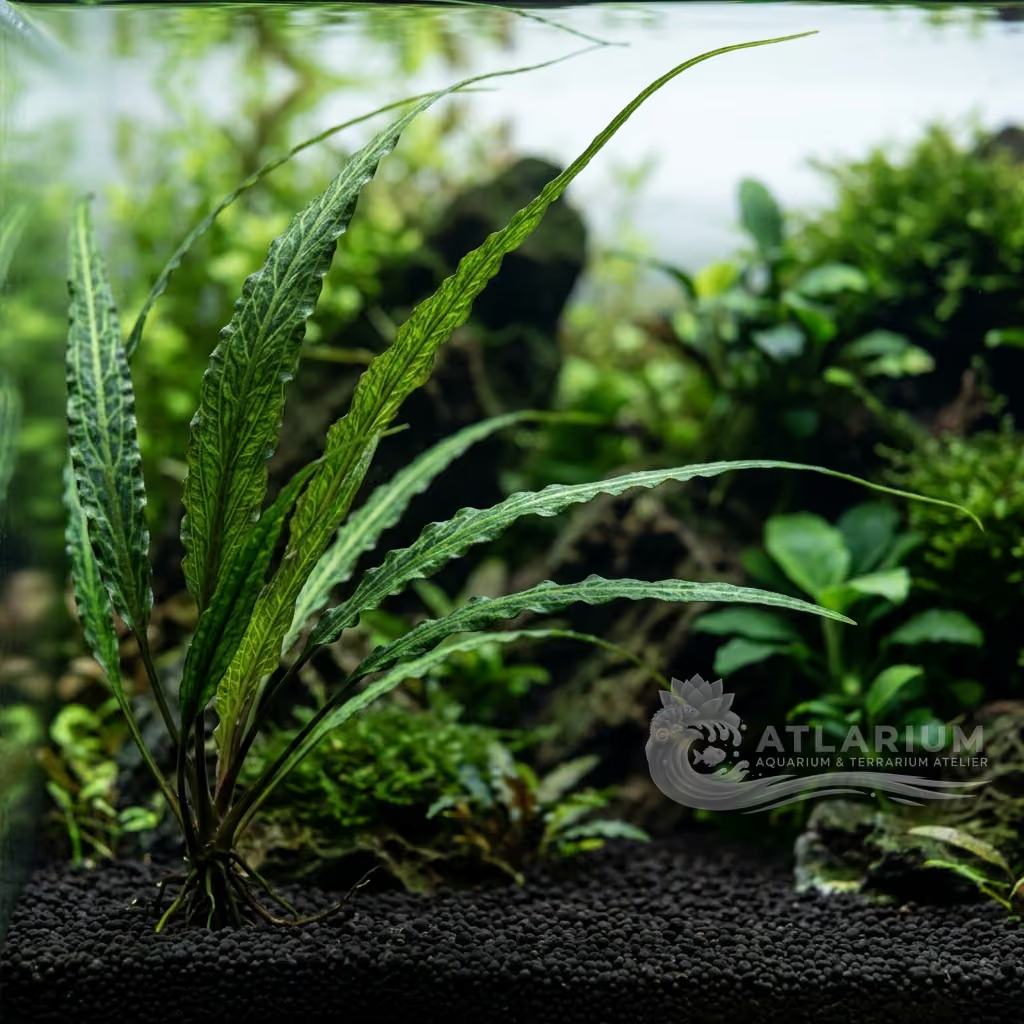
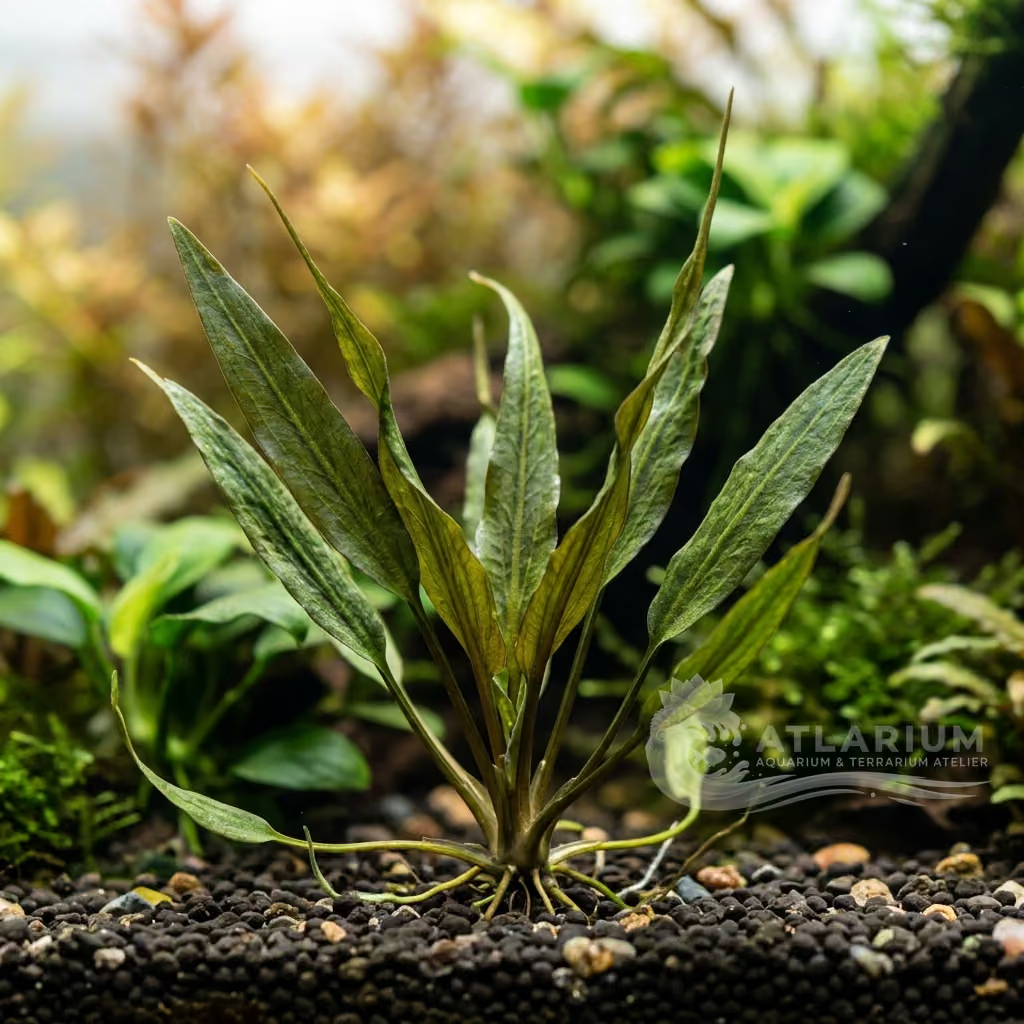
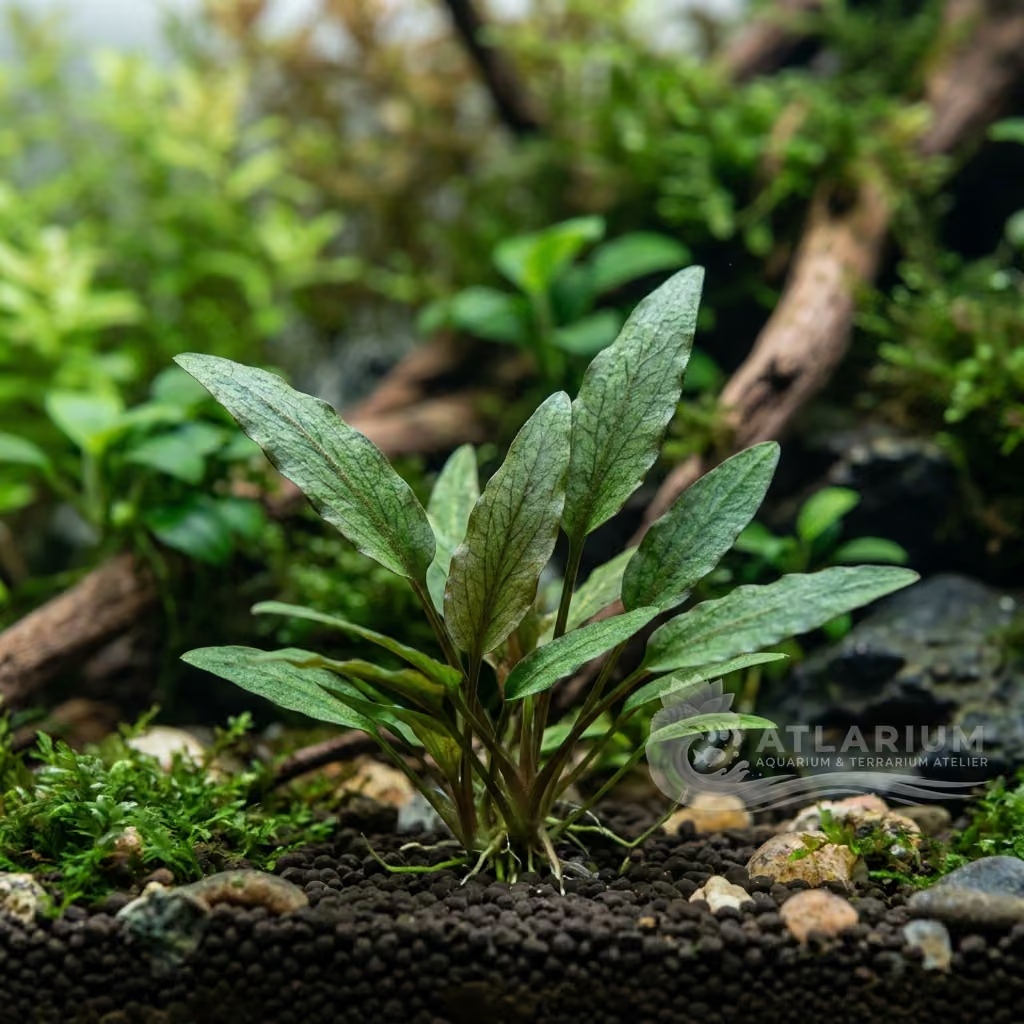
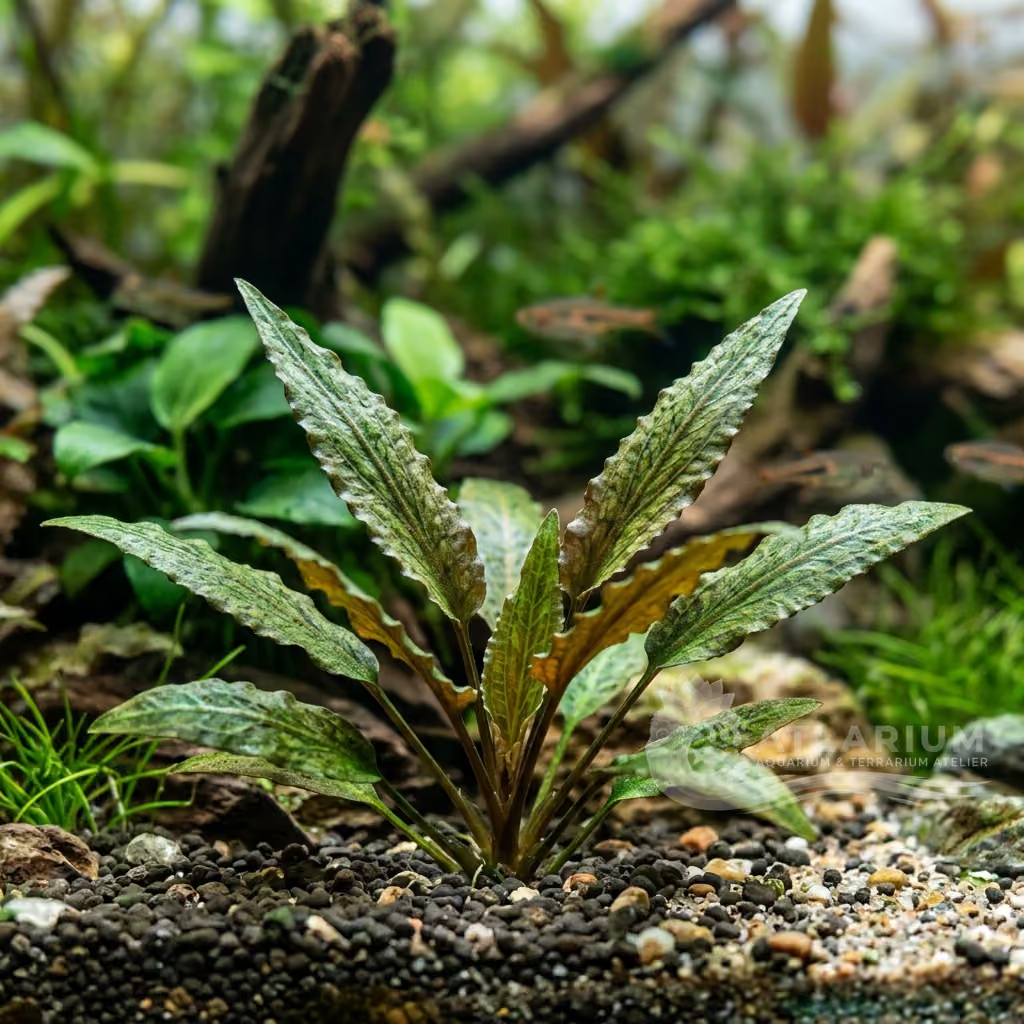
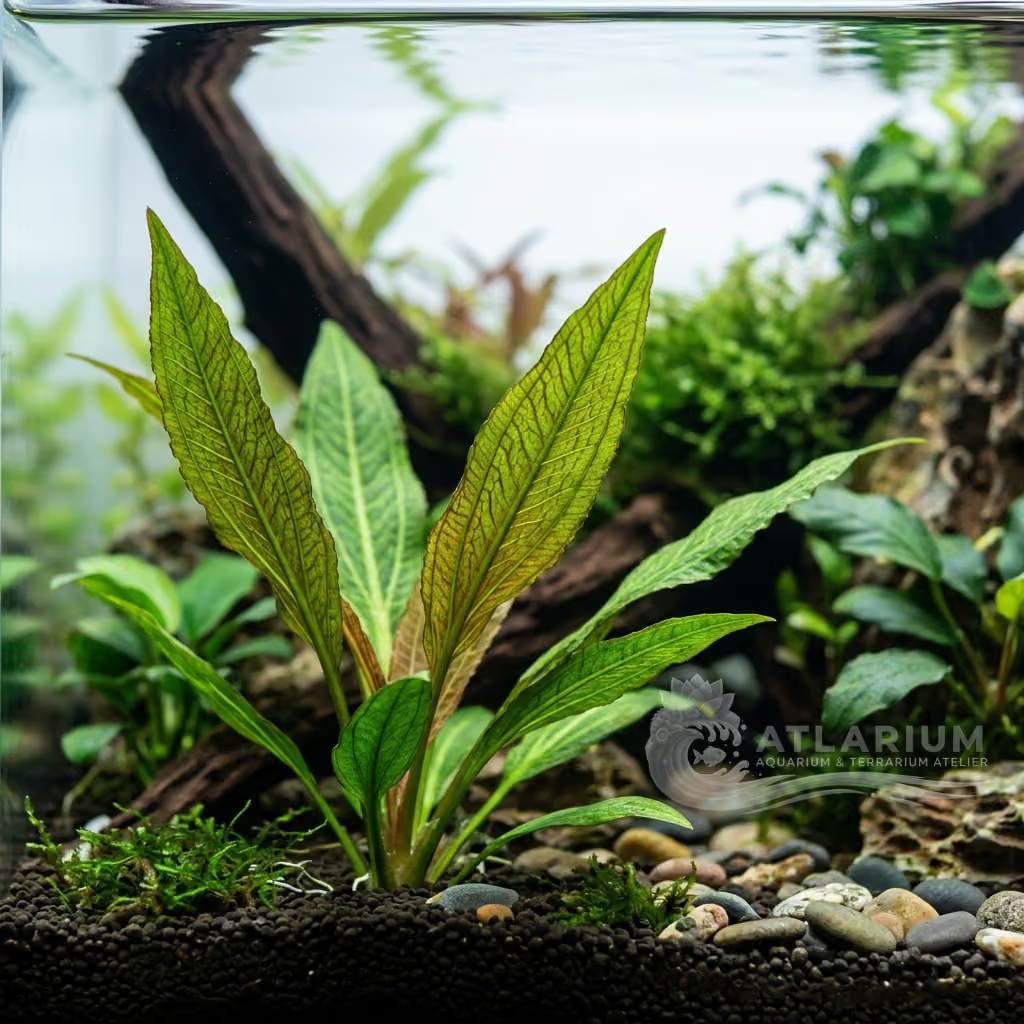
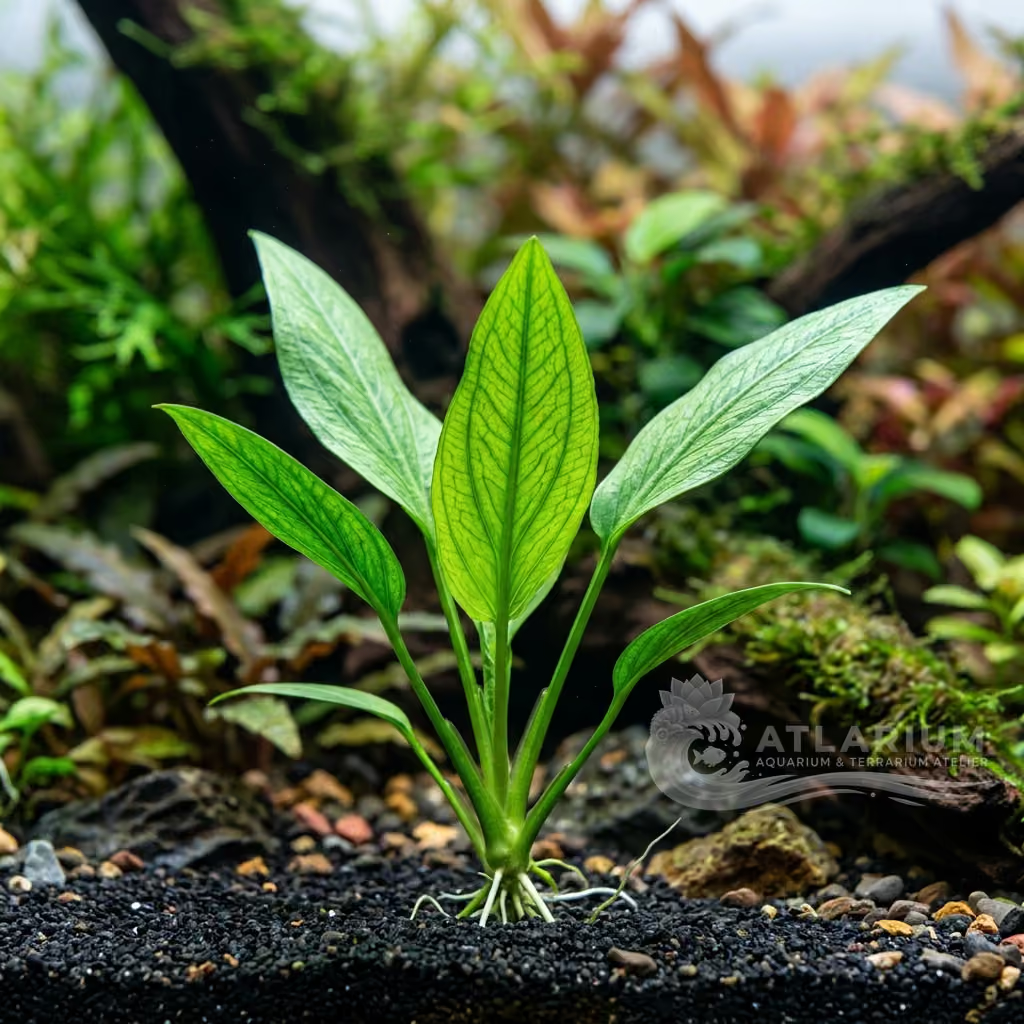
Physical Structure: It develops compact rosettes of lanceolate leaves supported by short, robust petioles. It can reach a height of 10-20 cm. The root system is incredibly strong, consisting of thick, tenacious roots capable of clinging to stony substrates to resist current drag in its native rivers.
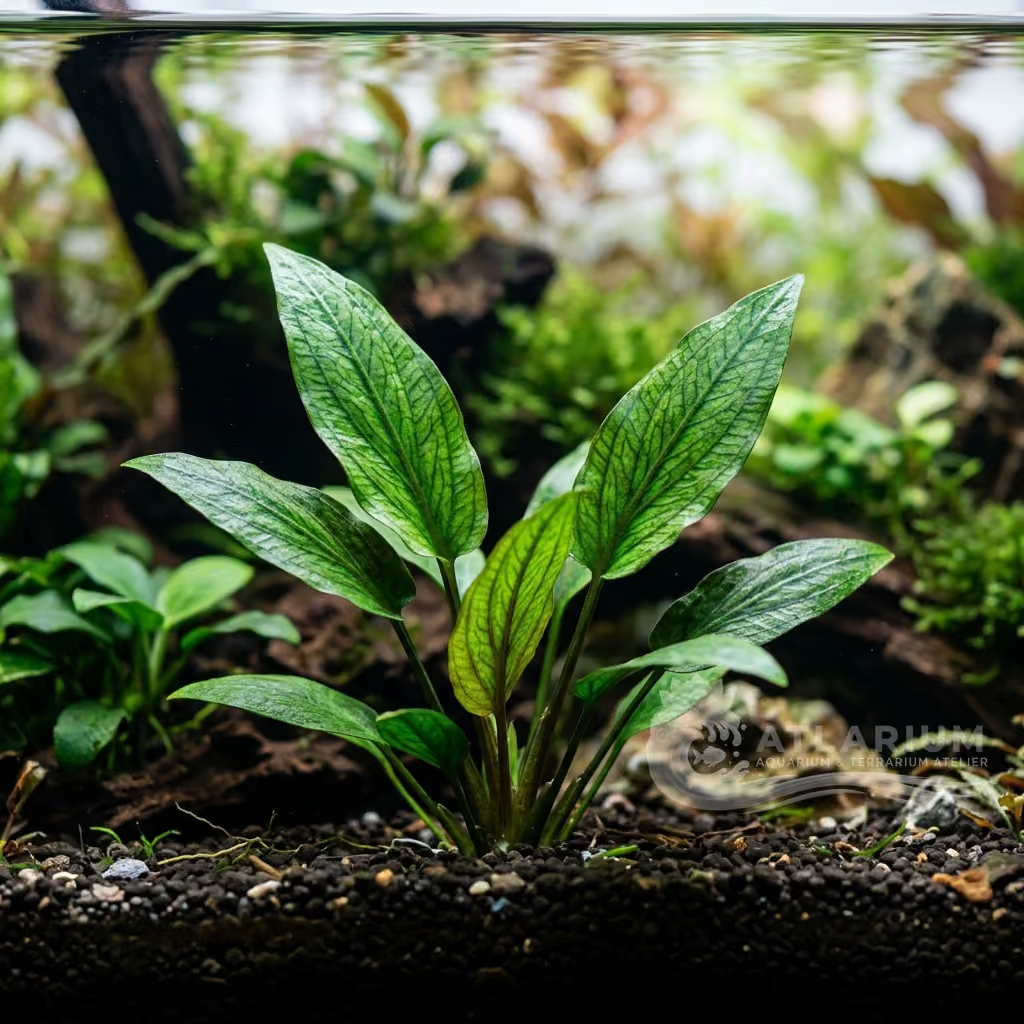
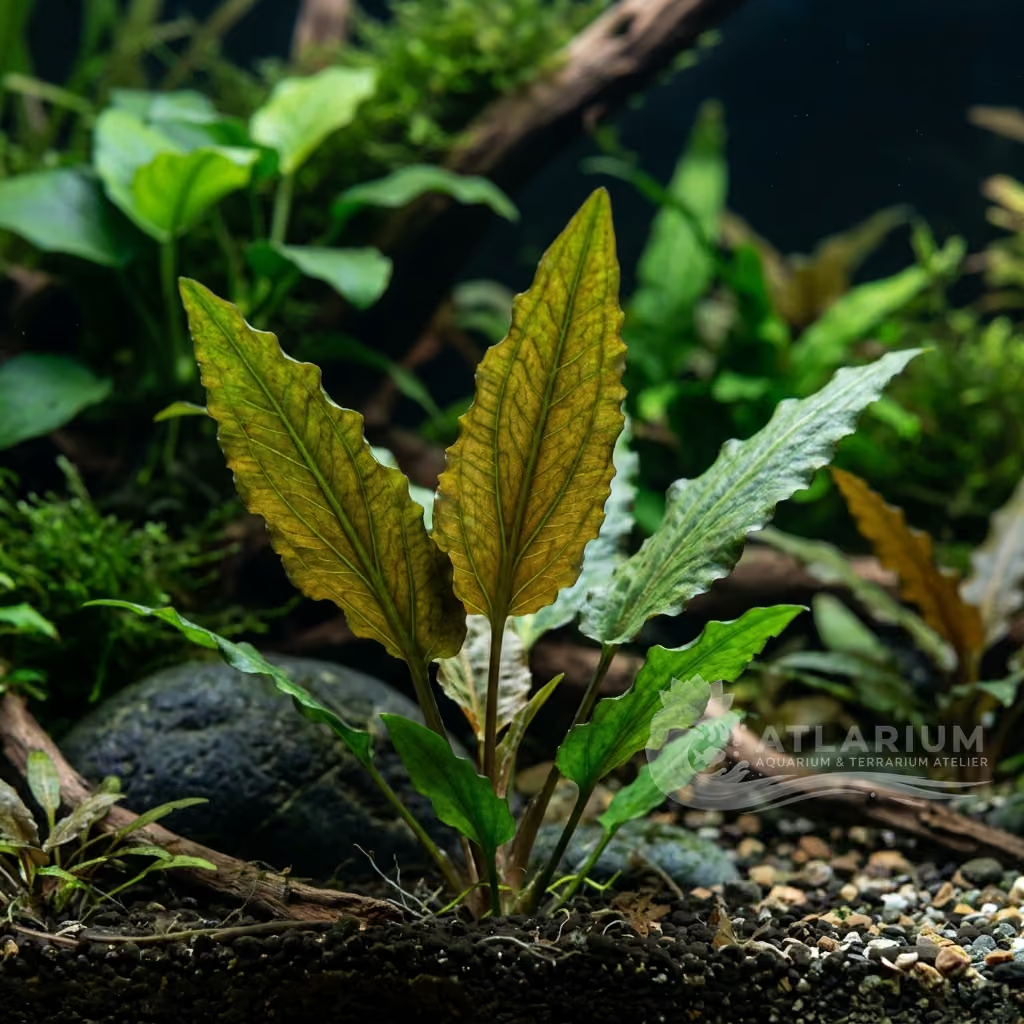
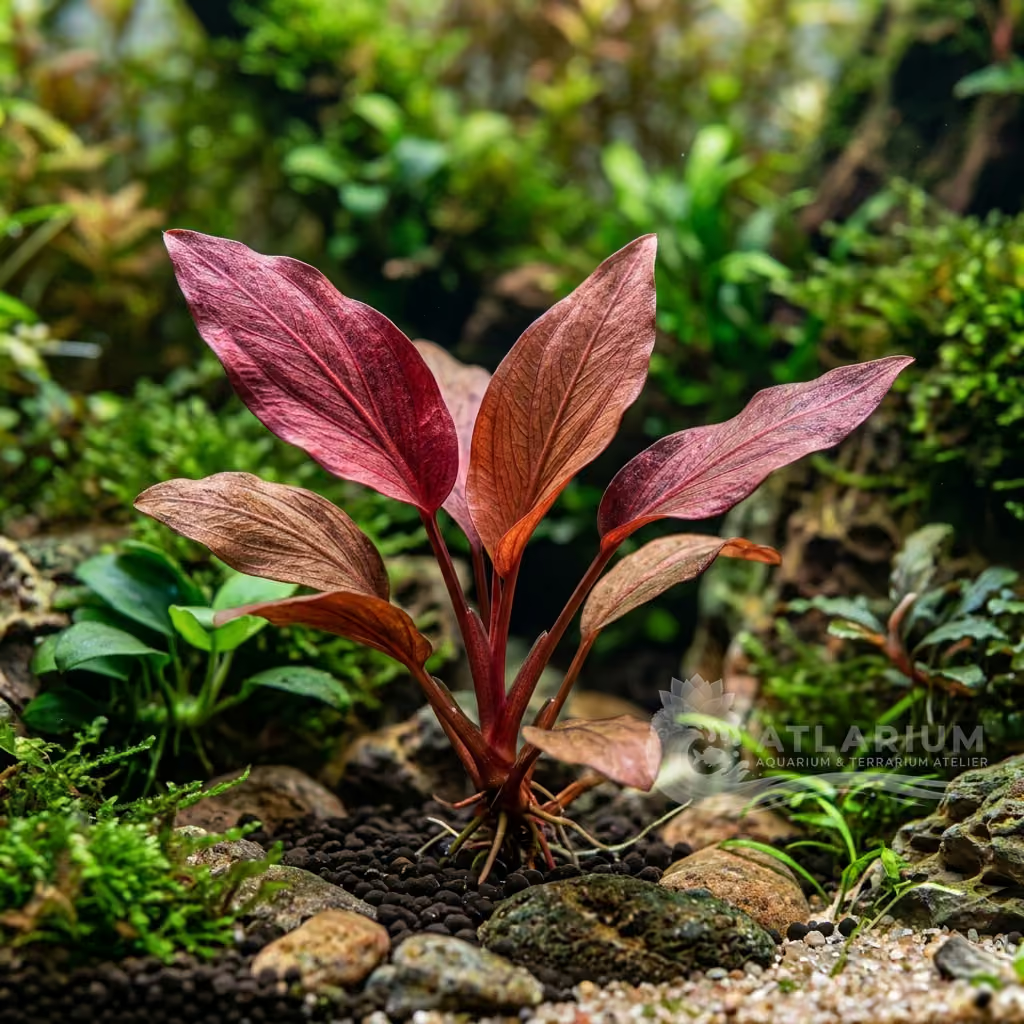
Color & Texture: The prominent feature is the outstanding "bullate" leaf texture, exhibiting deep depressions and highly marked hemispherical ridges (bubbles) across the surface. The color varies from dark olive green to bronze or reddish shades, while the lower page is typically purplish. The blade is stiff and leathery, structured to withstand fast-flowing water.

Cuidado, criação e companheiros de tanque
Lighting & CO2: Requires low to moderate lighting intensity. Intense light is unnecessary and may promote filamentous algae growth on the irregular leaf surfaces. Carbon dioxide injection is highly recommended to support the growth of this demanding species and stimulate nutrient uptake.
Nutrition & Substrate: A substrate of fine gravel or aquasoil rich in iron and nutrients is essential. The roots benefit greatly from localized fertilizer tabs. Light and balanced liquid fertilization prevents leaf deficiencies.
Water Chemistry: Prefers soft and slightly acidic water, with an optimal pH between 5.5 and 6.8 and a KH below 5 dKH. Requires excellent filtration and moderate water movement to simulate native stream currents. Ideal temperature is between 22°C and 26°C.
Space Management & Placement: Place in the midground of the aquarium, preferably near well-directed water flows. Plant individually, spacing the crowns to highlight the unique leaf texture and prevent them from shading each other.
Pruning: Pruning consists solely of removing older or damaged leaves showing signs of decay. Cut near the rhizome using sharp scissors, taking care not to damage the rosette or pull the plant from the bottom.
Risks & Diseases: It is particularly sensitive to "Cryptocoryne melt." Sudden temperature spikes, nitrate accumulation, or drastic light changes cause rapid leaf decay. Chemical stability is recommended, and relocation should be avoided once rooted.

Origem e distribuição geográfica
Cryptocoryne bullosa is endemic to the island of Borneo, specifically within the state of Sarawak. In nature, it colonizes fast-flowing hilly streams and forest rivers running over pebble beds and limestone or sandstone rock formations. It grows submerged in clear, cool, and well-oxygenated water, anchoring firmly between rock crevices and coarse sand deposits. It is adapted to withstand heavy water currents during monsoon rains.
Origem
Sul e Sudeste Asiático

Perfil da planta
- Posicionamento
- Plano intermediário
- This species is ideally placed in midground of the aquarium. Its growth habit allows it to blend naturally with surrounding hardscape or other plants. When planted in small groups, it creates a cohesive and visually pleasing bush. Ensure it is not completely shaded by larger overhanging plants.
- Forma botânica
- Roseta
- Cryptocoryne bullosa features strongly bullated (puckered) leaves. Its rosette growth pattern is typical of the genus, creating a dense crown of foliage. The distinct leaf shape and coloration make it stand out in the aquarium. It is challenging and requires good water flow.
- Crescimento
- Lenta
- The growth rate of Cryptocoryne bullosa is generally slow. Under lower light, it will grow slowly, but adding CO2 and moderate lighting can increase its pace. It steadily produces new leaves from its rosette once it has adapted to its environment. Patience is key, as it may take time to establish.
- Substrato
- Alta
- As a species native to fast-flowing streams, Cryptocoryne bullosa demands a nutrient-dense substrate that is also porous enough to allow water circulation around its roots. It should be planted in 2 to 3 inches of fine to medium-grade aquasoil, which allows its strong root system to anchor firmly against water currents. Because it absorbs the majority of its sustenance directly from the soil, inserting nutrient root tabs will support healthy growth and the formation of its characteristically bullate (blistered) leaves.
- Fertilização de coluna
- Recomendada
- While primarily a root feeder, it still benefits from regular water column fertilization. Dosing a comprehensive liquid fertilizer ensures that micronutrients are available. Be careful not to overdose, as excessive nutrients in the water column can promote algae on its slow-growing leaves. A balanced approach is ideal.
- Fertilização radicular
- Recomendada
- Root fertilization is crucial for the optimal development of Cryptocoryne bullosa. Providing a rich soil substrate or regularly inserting root tabs will yield the best results. Strong root feeding promotes larger, more robust leaves. It also makes the plant more resilient to environmental fluctuations.
- Corte
- Ocasional
- Trimming should be done carefully by cutting old or decaying leaves near the base. Avoid pulling or uprooting the plant, as it has a delicate and extensive root system. Regular maintenance to remove dying leaves will keep the plant looking fresh and prevent rot. Only trim what is necessary.
- Propagação
- Estolões
- Propagation is easily achieved through the natural production of runners. The mother plant will send out runners through the substrate, forming new plantlets. Once these plantlets have developed their own roots and a few leaves, they can be separated. You can carefully cut the runner and replant the new specimen.
- Sensibilidade
- Moderada
- Like many in its family, Cryptocoryne bullosa is prone to 'Crypt melt' when parameters suddenly change. Variations in temperature, lighting, or water chemistry can cause it to shed its leaves. However, the rhizome usually remains healthy. If melting occurs, leave the roots undisturbed and new leaves will soon emerge.
- Função de layout
- Plano intermediário, texture contrast
- Its layout role is primarily for Textural contrast in the midground. The dense foliage and unique texture provide a natural transition between different zones of the aquascape. It is highly versatile and works well in both Nature Aquarium and Dutch styles. Its enduring presence makes it a reliable staple.

Espécies relacionadas
Recomendações agrupadas por parentes próximos, escolhas de acompanhantes e cuidados semelhantes.