Cryptocoryne longicauda
Cryptocoryne longicauda
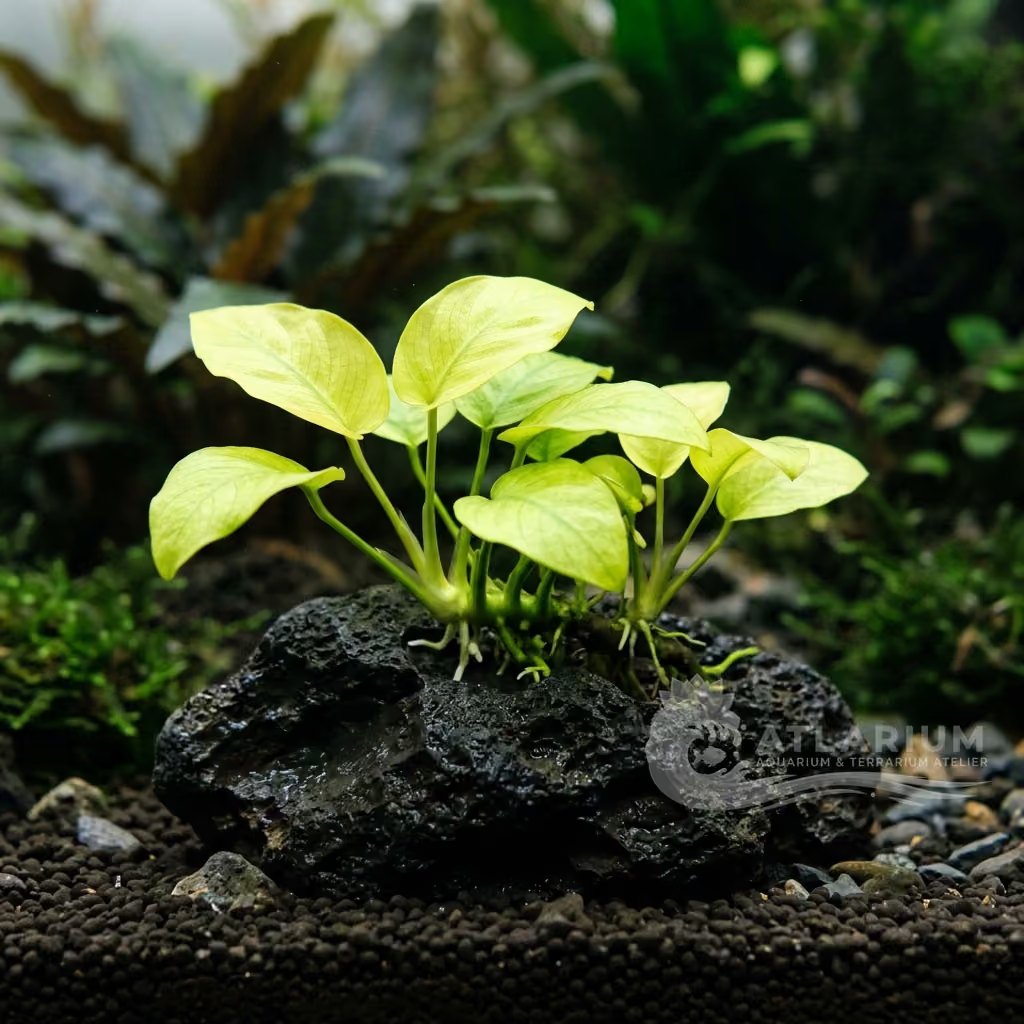
Cryptocoryne longicauda: a rare and impressive rosette plant with broad, deeply veined heart-shaped leaves. Requires warm, soft, and acidic water. Light: Low to medium.
Temperatura da água
25 - 30 °C
Valor de pH
5 - 6
Tipo de água
Água doce
Luz
Low to Medium
CO2
Baixa - Alta
Altura esperada
50 cm
Largura esperada
25 cm
KH
0 - 6 dKH

Descrição da espécie
Geographical Origin and Habitat: Cryptocoryne longicauda is endemic to the lowland rainforests of southern and western Borneo (Sarawak and Kalimantan). It inhabits heavily shaded forest streams with substrates of silica sand mixed with dense layers of decaying leaves. The water in these habitats is typically clear but amber-
Color & Texture: ed due to the massive presence of tannins, with near-zero mineral levels and a highly acidic pH.
Taxonomy & Genetics: It belongs to the Araceae family, genus Cryptocoryne. The specific name 'longicauda' comes from the Latin for 'long tail', referring to the elongated, caudate tip of the spathe in its inflorescence. Genetically, it is a highly specialized species adapted to extreme acidity, which makes it particularly demanding and intolerant of hard water or sudden changes in water chemistry.
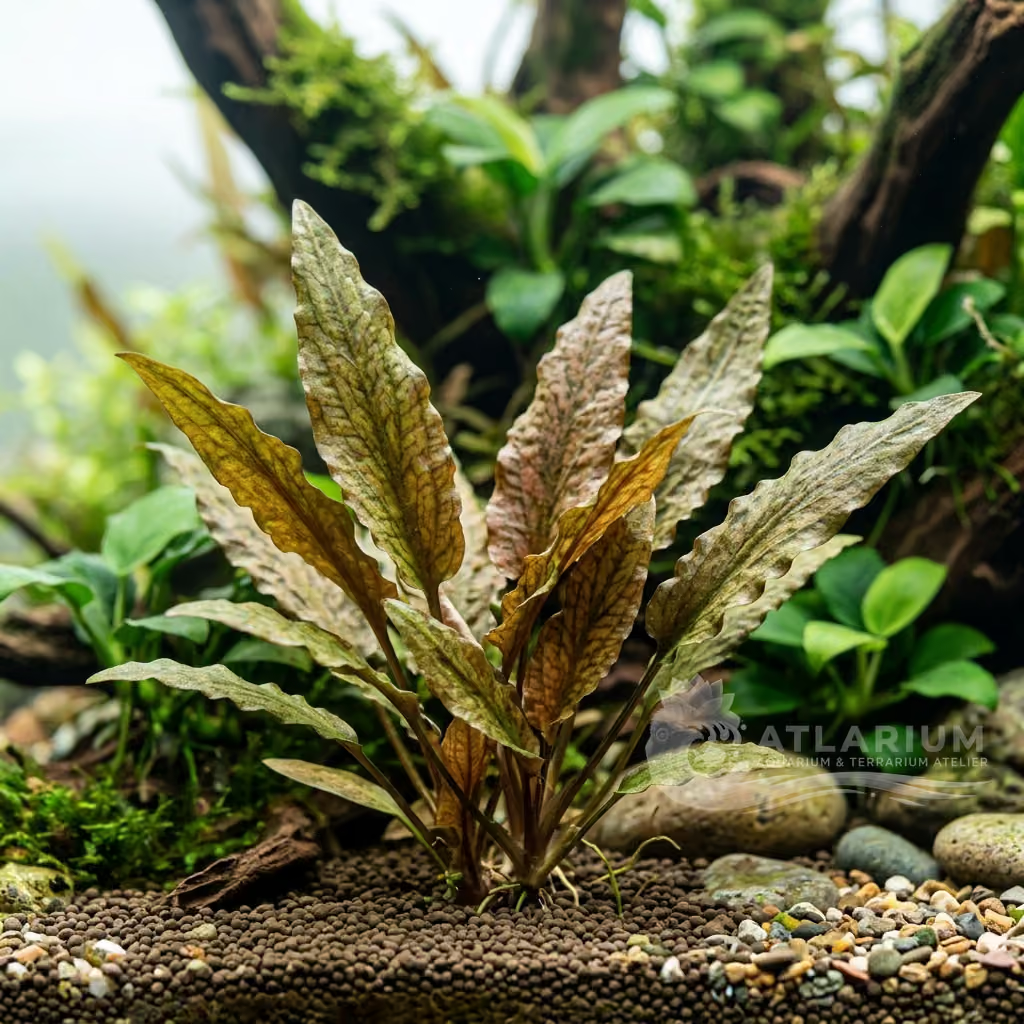
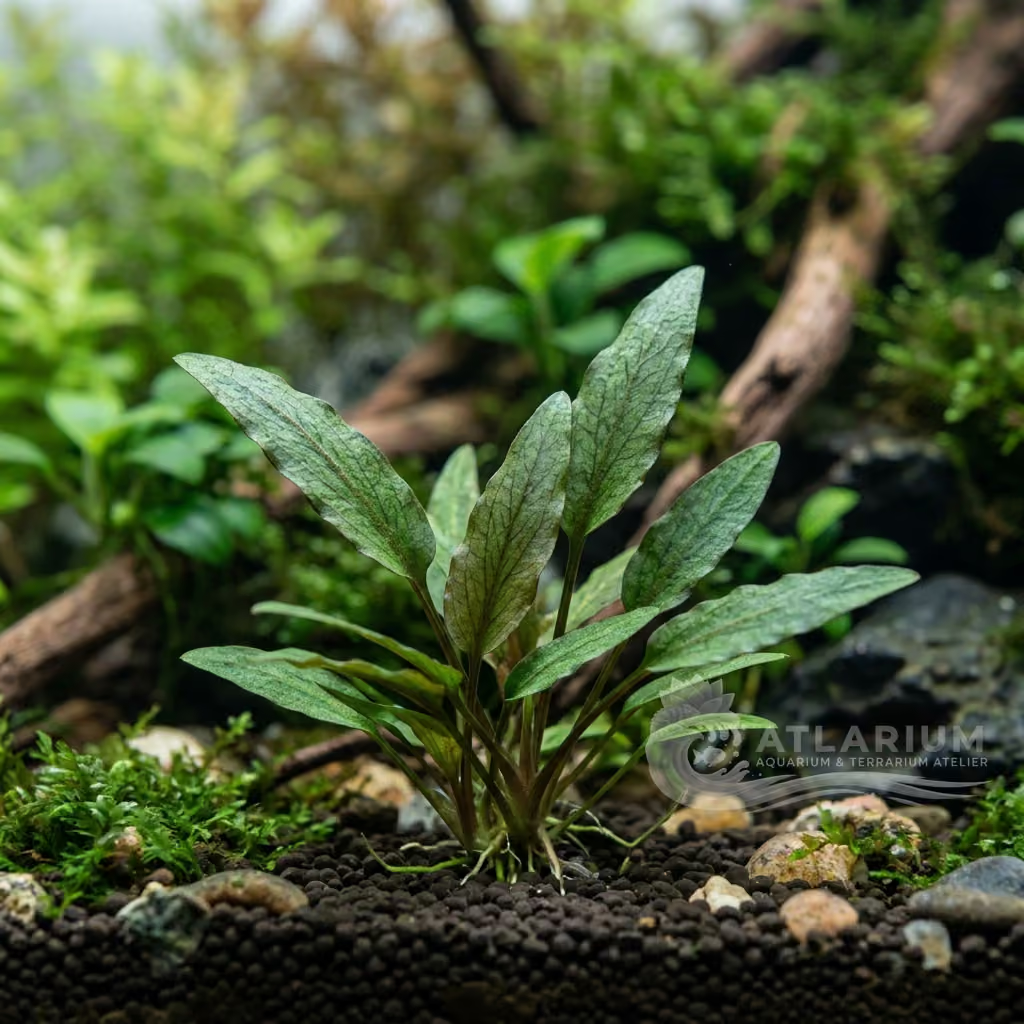
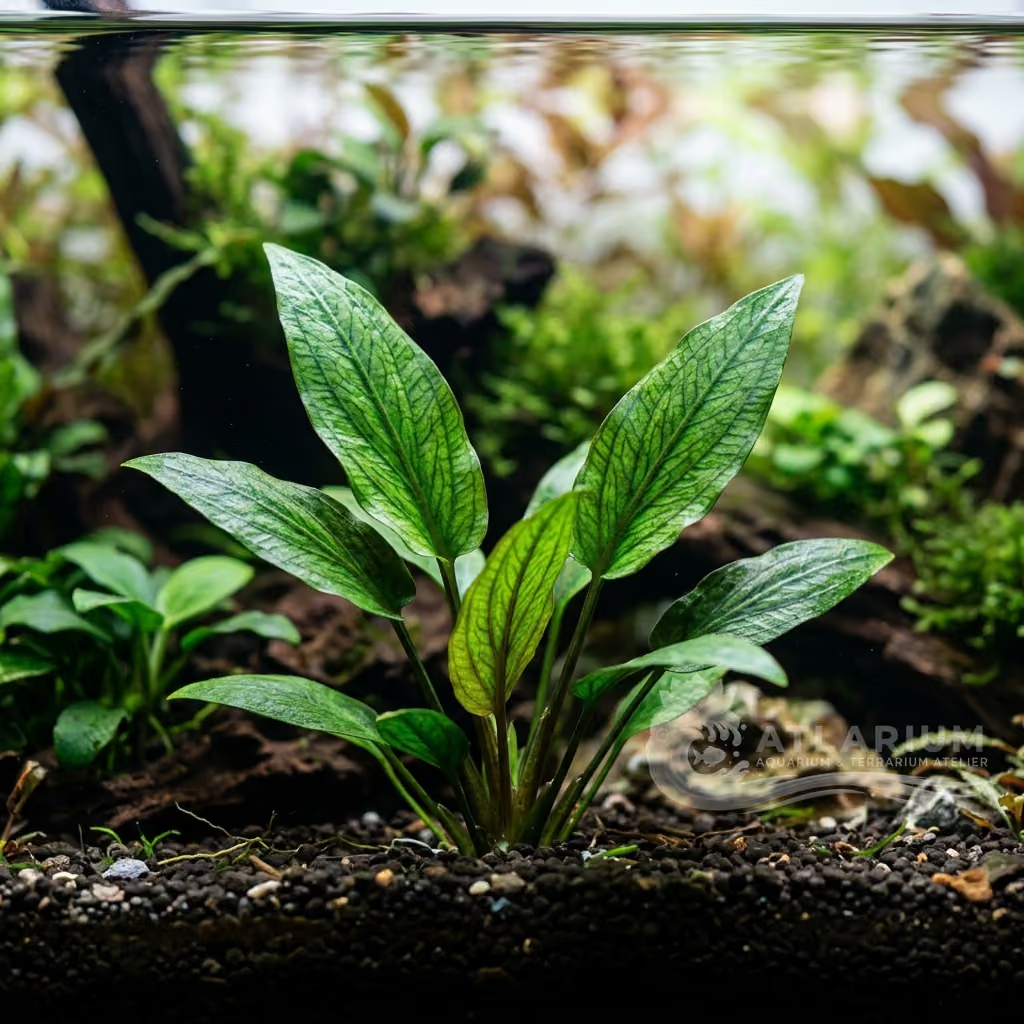
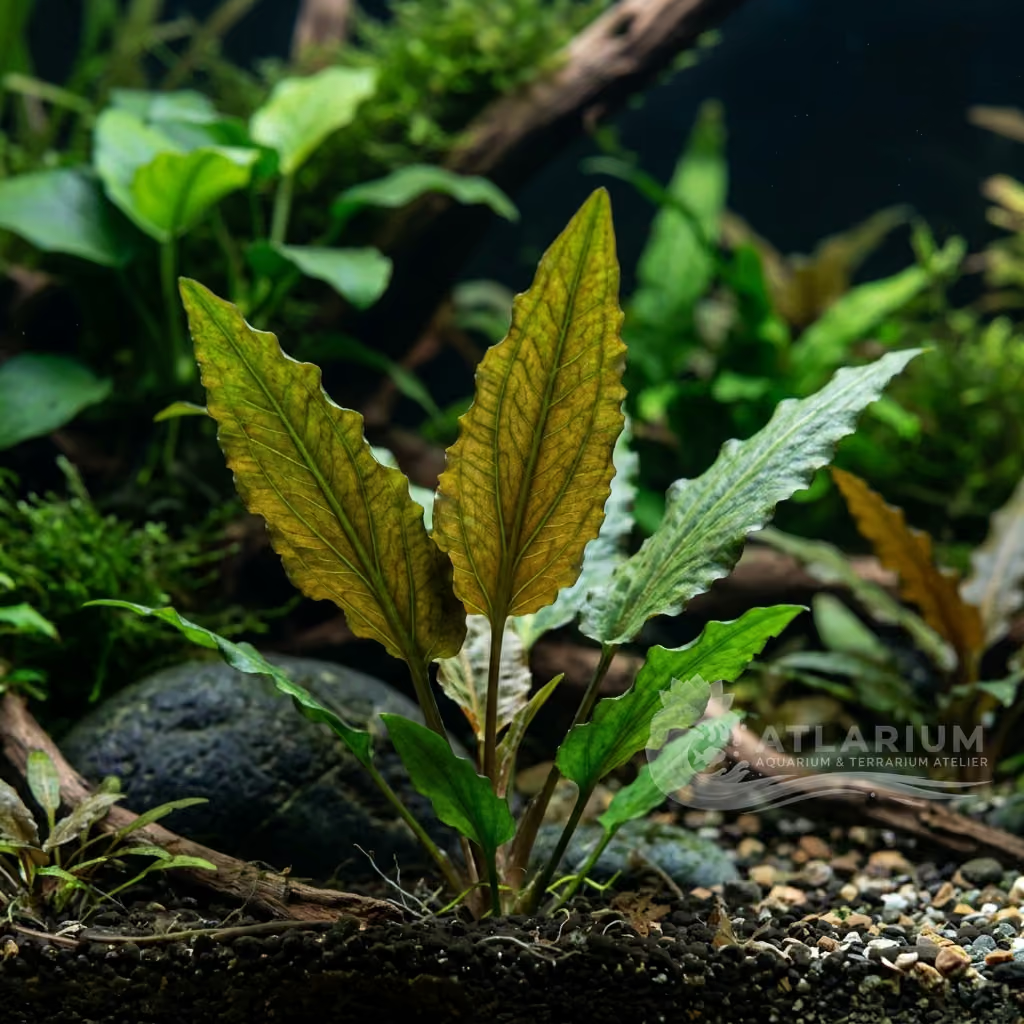
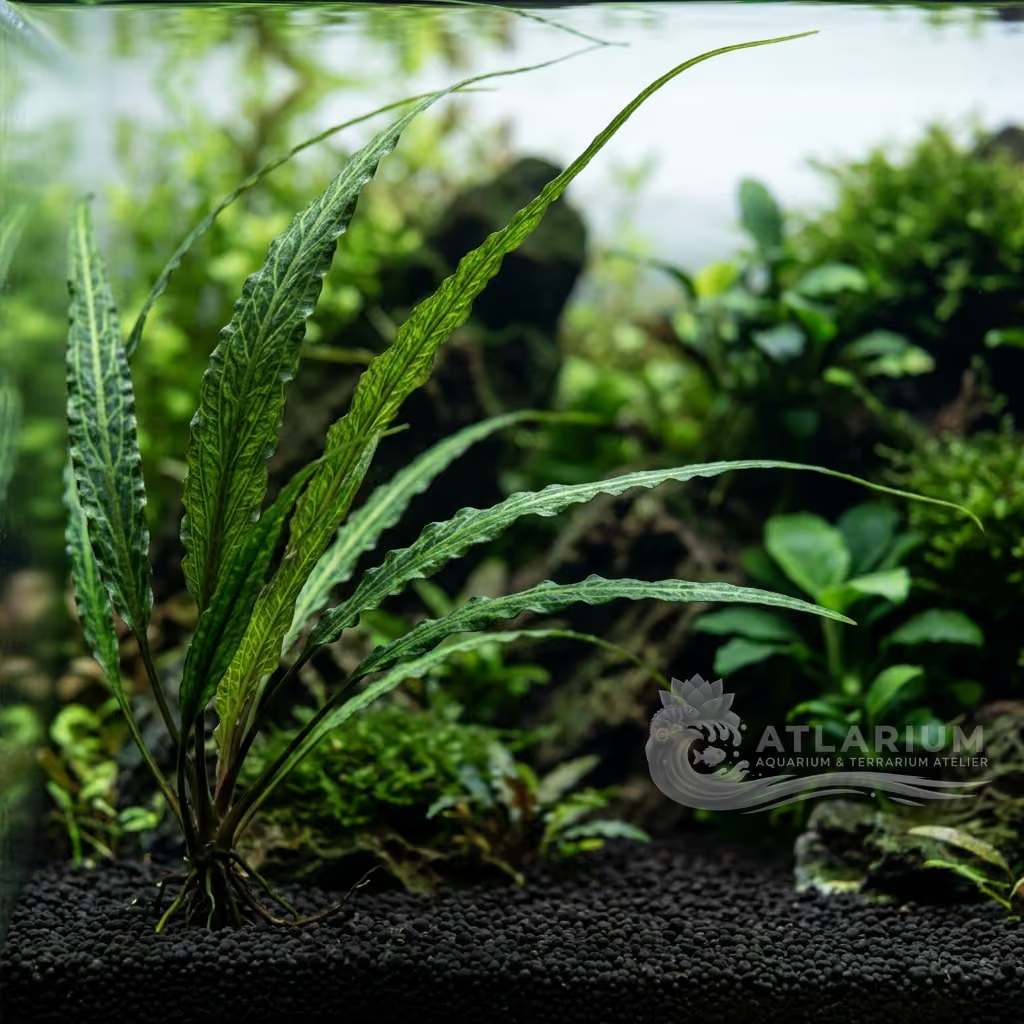
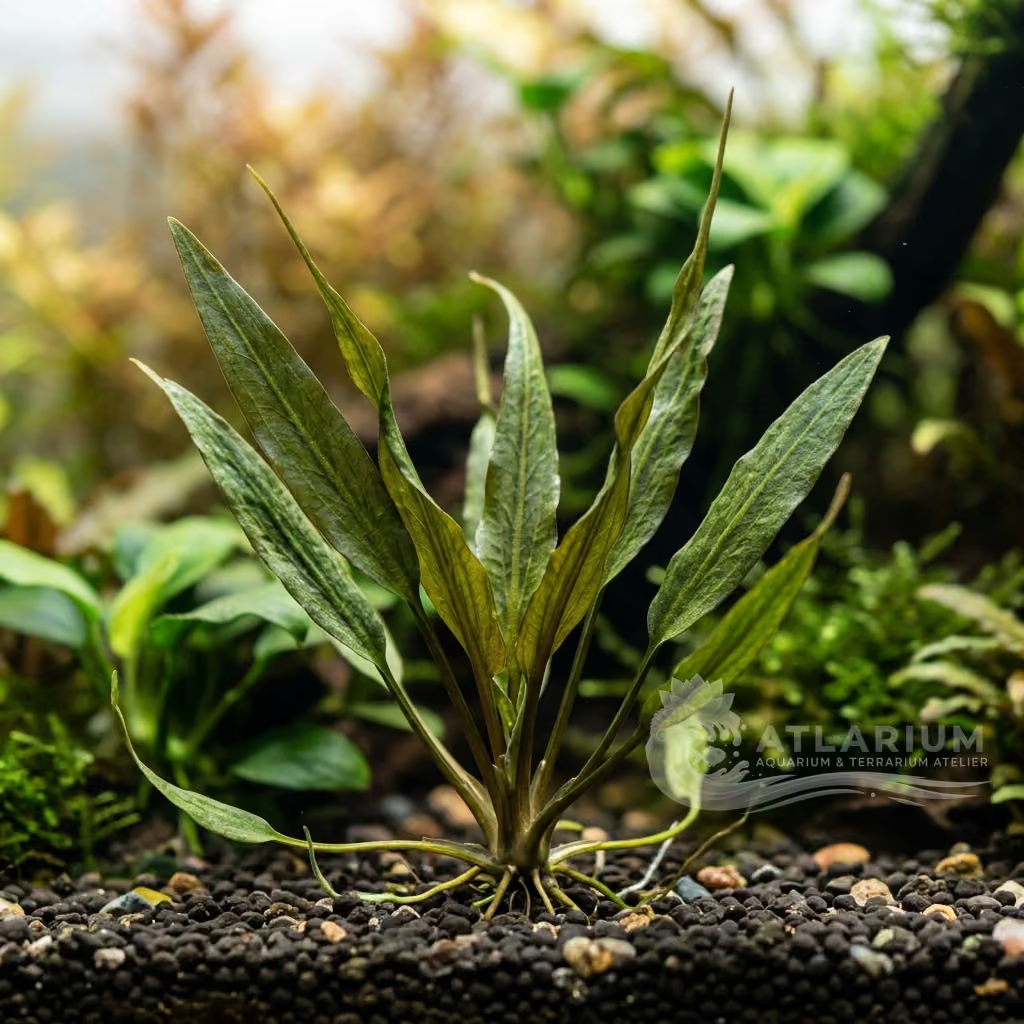
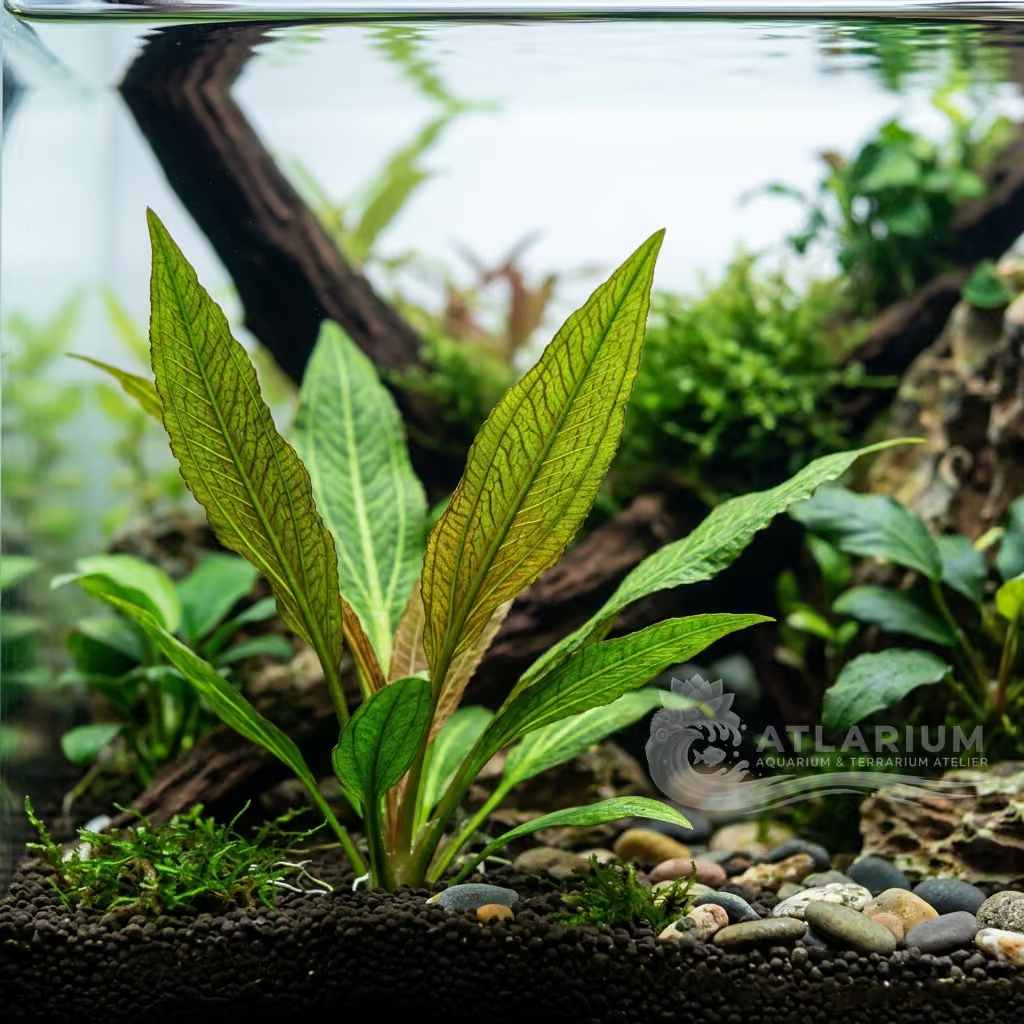
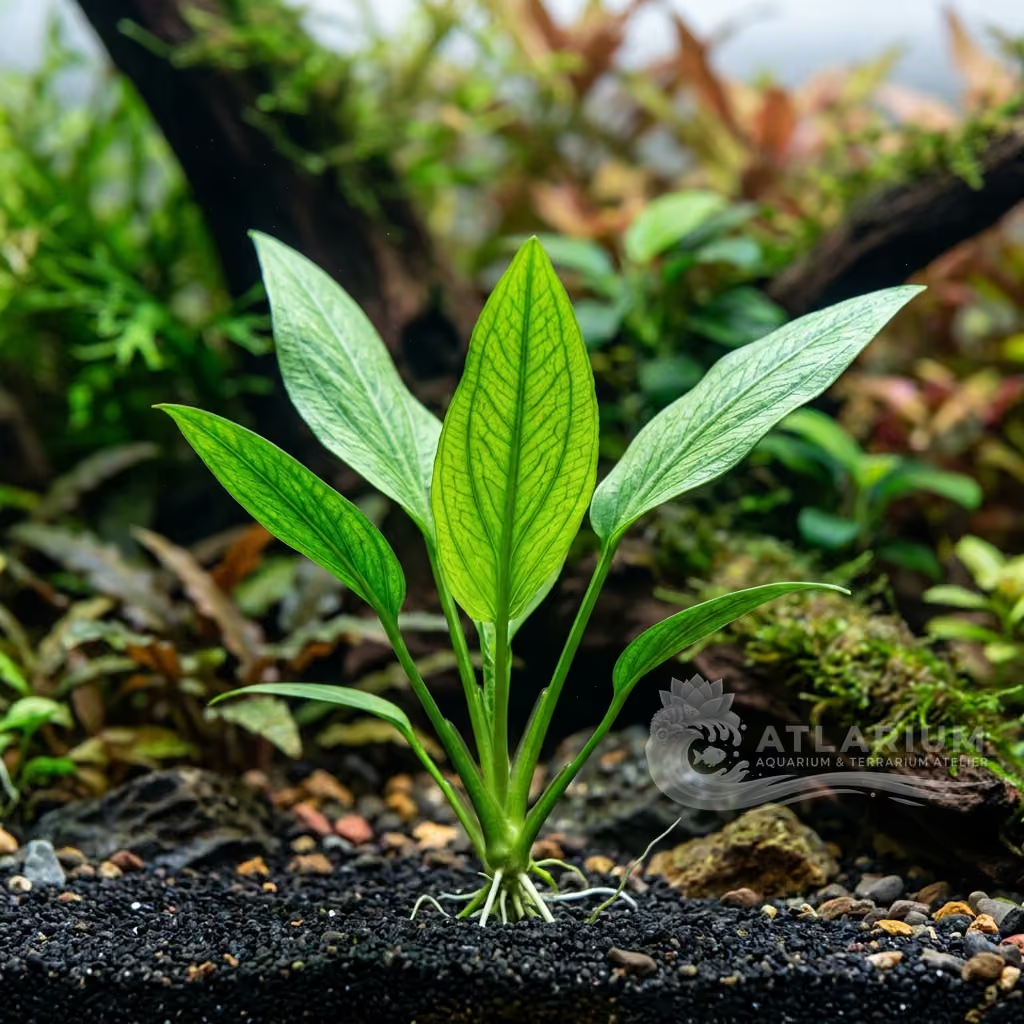
Physical Structure: It develops an impressive rosette that can reach 30-50 cm in height in suitable aquariums. The leaves feature exceptionally long and elastic petioles with a broadly cordate or ovate leaf blade, a lobed base, and a pointed tip. The root system consists of thick, fleshy roots that spread through the muddy substrate and a creeping rhizome from which underground runners originate.
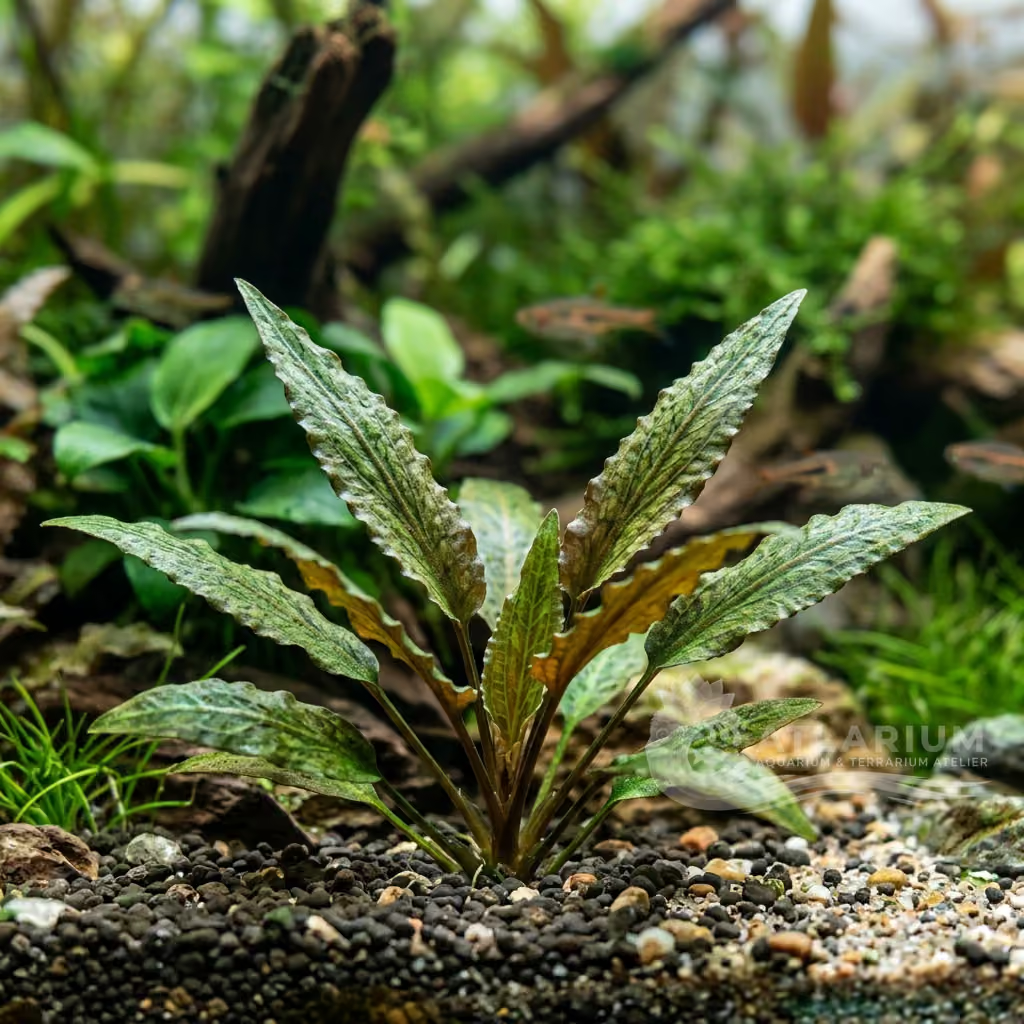
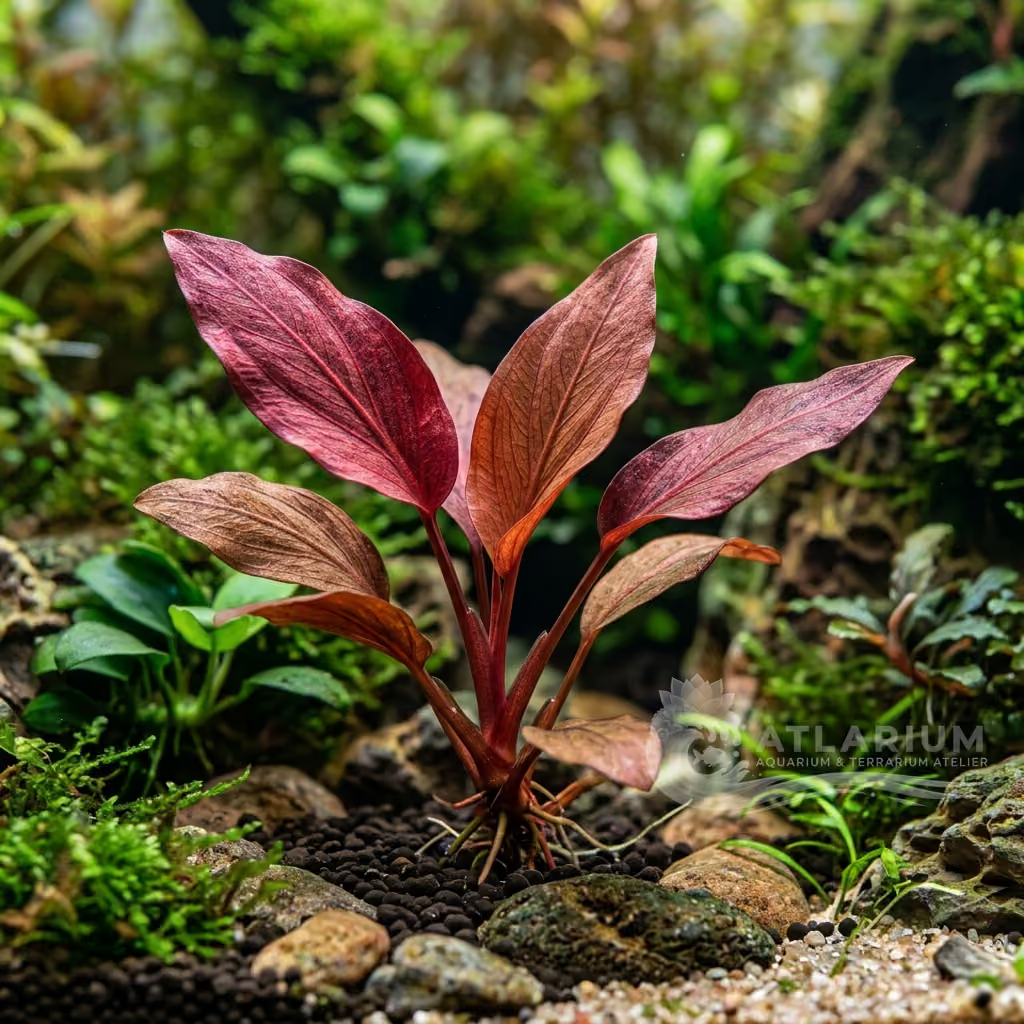
Color & Texture: The leaves have a dark olive-green or brownish-red coloration on the upper side, often enriched by a pattern of sunken veins that create a striking, three-dimensional wrinkled texture. The underside is typically pale green or flushed with reddish or purplish hues. The leaf surface has a waxy, rigid feel.

Cuidado, criação e companheiros de tanque
Lighting & CO2: It requires low to moderate lighting. High light intensity causes stress to the plant and encourages algae growth on its slow-growing leaves. CO2 is not mandatory, but a small, constant supply helps maintain stable pH values, which is essential for the well-being of this sensitive species.
Nutrition & Substrate: A fertile, preferably acidic substrate (such as active soil) is crucial. It must be supplemented periodically with root tabs to ensure a constant supply of micronutrients and iron. Avoid heavy liquid fertilization in the
Water Chemistry: This species is very demanding: it requires warm water (25-30°C), extremely soft conditions (KH 0-6 dKH), and acidic water (pH 5.0-6.0). It tolerates water changes poorly if the fresh water is not pre-stabilized, which can trigger complete leaf melt.
Space Management & Placement: Given the height it can achieve, it is ideal for the midground or background of specialized aquariums or Asian biotope tanks. It should be planted in a quiet area of the tank, away from strong currents and invasive plants that could choke its root system or block light.
Pruning: Pruning is minimal, consisting of cutting away old or decaying leaves near the base of the rosette with sharp aquascaping scissors. Do not tear leaves off by hand, as this can damage the rhizome crown.
Risks & Diseases: It is highly susceptible to Cryptocoryne melt if water parameters fluctuate or if ammonium accumulates in the substrate. In case of melt, it is vital to keep the rhizome in the substrate and ensure chemical stability; if the rhizome is healthy, it will produce new leaves.

Origem e distribuição geográfica
Cryptocoryne longicauda is endemic to the lowland rainforests of southern and western Borneo (Sarawak and Kalimantan). It inhabits heavily shaded forest streams with substrates of silica sand mixed with dense layers of decaying leaves. The water in these habitats is typically clear but amber-
Origem
Sul e Sudeste Asiático

Perfil da planta
- Posicionamento
- Plano intermediário
- Strategically placing Cryptocoryne longicauda as a midground focal point will maximize its aesthetic contribution to the tank. It possesses a classic rosette with heavily puckered leaves that naturally draws the eye and breaks up monotonous plant groupings. Ensure it is planted in an area with stable flow and unobstructed light penetration.
- Forma botânica
- Roseta
- The physical structure of Cryptocoryne longicauda is defined by its classic rosette with heavily puckered leaves. Submersed specimens often display a more delicate and colorful appearance compared to their emersed counterparts. Its unique structural traits make it highly sought after by dedicated planted tank enthusiasts.
- Crescimento
- Lenta
- The growth rate of Cryptocoryne longicauda is generally considered slow to moderate under standard aquarium conditions. With the addition of CO2 injection and optimal lighting, its development can be moderately accelerated. However, patience is required as it establishes its root system before producing significant new foliage.
- Substrato
- Alta
- The substrate plays a crucial role in cultivating Cryptocoryne longicauda successfully in the aquarium. A soft, deep, and fertile soil layer allows its robust root network to expand properly. Providing supplemental root fertilization in inert substrates will drastically improve its stability and growth.
- Fertilização de coluna
- Recomendada
- While it relies heavily on its roots, Cryptocoryne longicauda still benefits from a lean liquid fertilization regime. Trace elements and potassium delivered via the water column help prevent pinholes and yellowing. Regular water changes coupled with careful dosing will keep the plant pristine and algae-free.
- Fertilização radicular
- Recomendada
- Targeted root fertilization is critical for the enduring vitality of Cryptocoryne longicauda. High-quality root tabs inserted deep into the substrate provide a steady, localized supply of essential elements. This practice significantly reduces the risk of the dreaded Cryptocoryne melt during its growth cycle.
- Corte
- Ocasional
- Trimming is a rare occurrence and should only be done to remove deteriorating or older leaves at the outer edge of the rosette. Use sharp scissors to snip the leaf stem near the base, being very careful not to disturb the surrounding substrate. Never remove healthy leaves, as the plant takes a significant amount of time to replace them. Minimal intervention is the best approach for this species.
- Propagação
- Estolões
- Cryptocoryne longicauda spreads across the aquarium substrate by sending out lateral stolons. Aquarists can propagate it by simply snipping the runner connection once the daughter plant is adequately sized. Relocating these clones helps create dense, natural-looking clusters within the aquascape.
- Sensibilidade
- HIGH
- This species is particularly sensitive to hard water and alkaline conditions, which can lead to stunted growth or severe melting. It requires stable, soft water parameters and should not be subjected to sudden changes in temperature or water chemistry. Like many Cryptocorynes, it is prone to melting when newly introduced to an aquarium. If melting occurs, leave the roots intact, as it will slowly recover over time.
- Função de layout
- Plano intermediário, Fundo
- Cryptocoryne longicauda is a true collector's piece that acts as a focal point or a specialized accent in the midground. Its wrinkled, dark leaves offer a remarkable textural contrast against smooth rocks or fine-leaved stem plants. It is perfect for blackwater or soft-water biotope aquariums where it mimics its natural Southeast Asian habitat. Its commanding presence adds maturity and sophistication to the aquascape.

Espécies relacionadas
Recomendações agrupadas por parentes próximos, escolhas de acompanhantes e cuidados semelhantes.