Bucephalandra sp. "Black Leaf"
Bucephalandra sp. "Black Leaf"
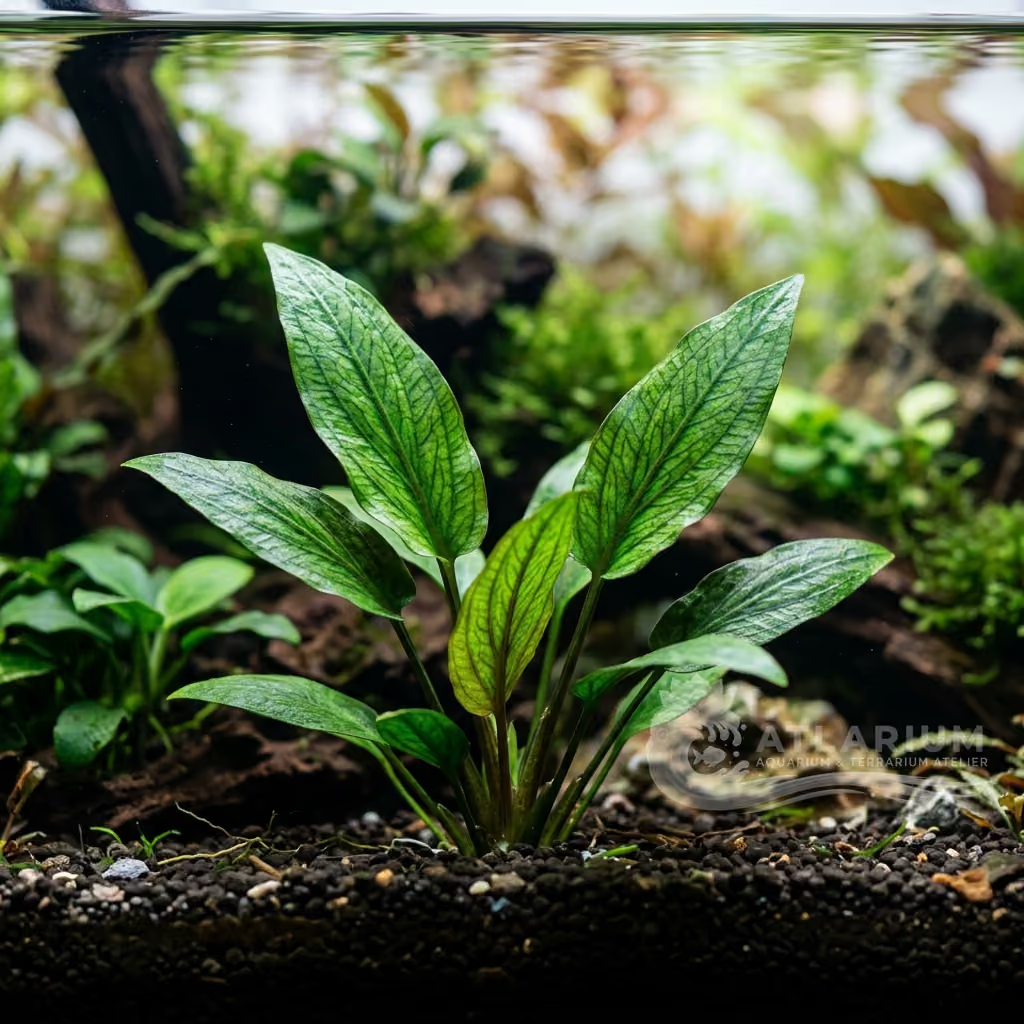
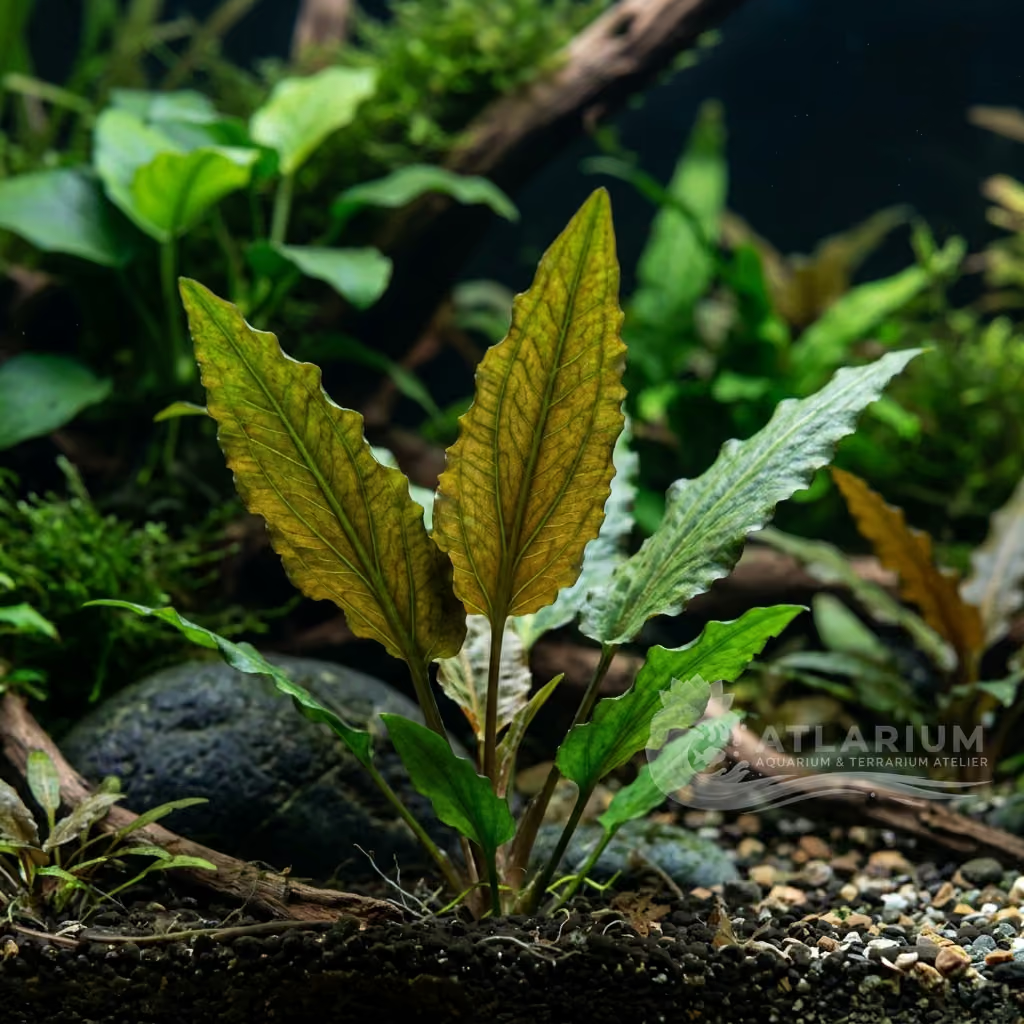
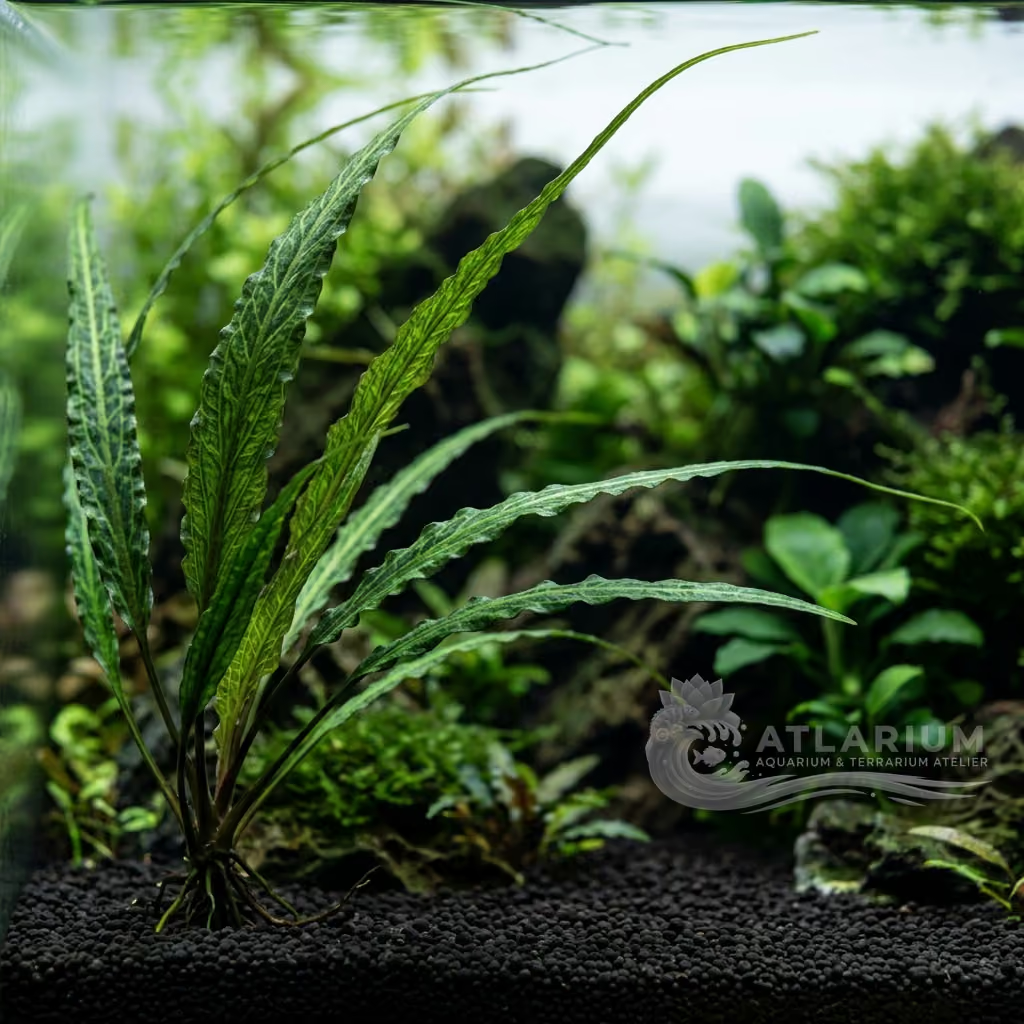
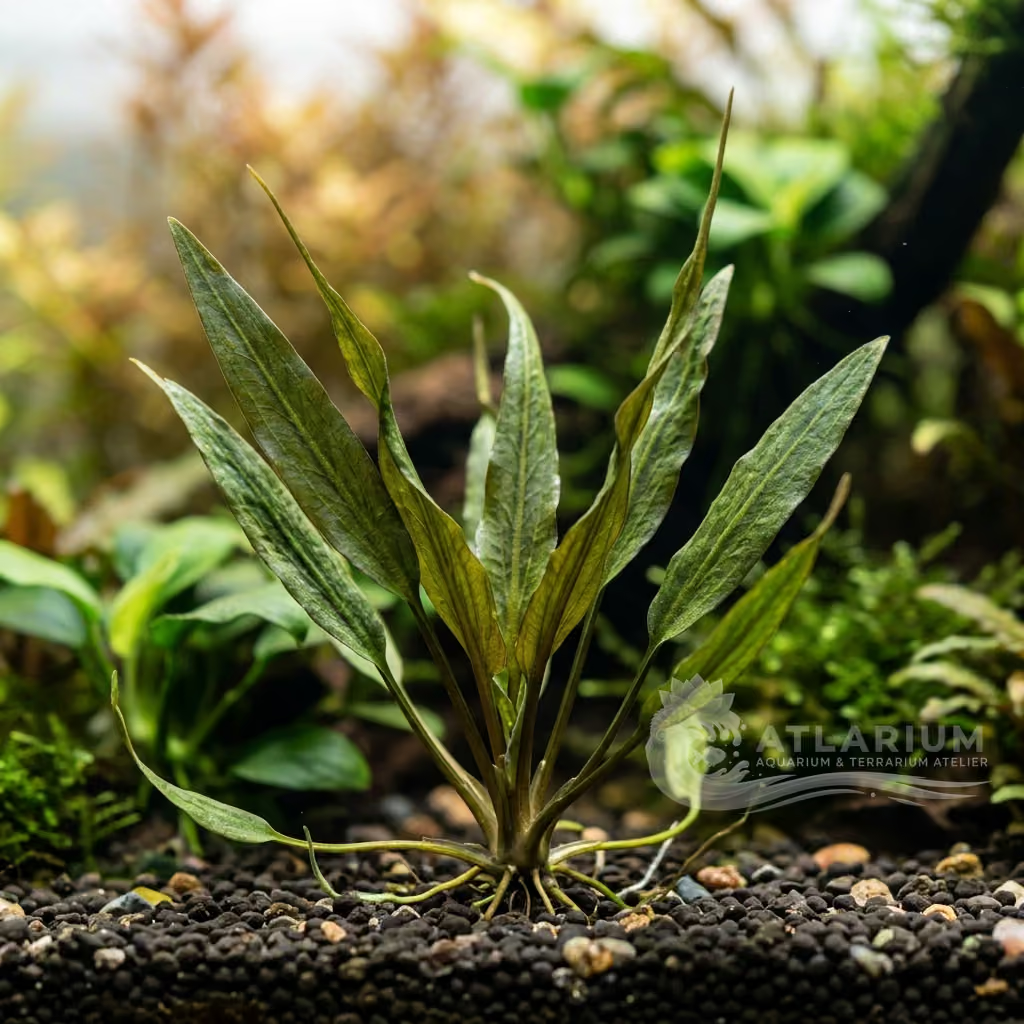
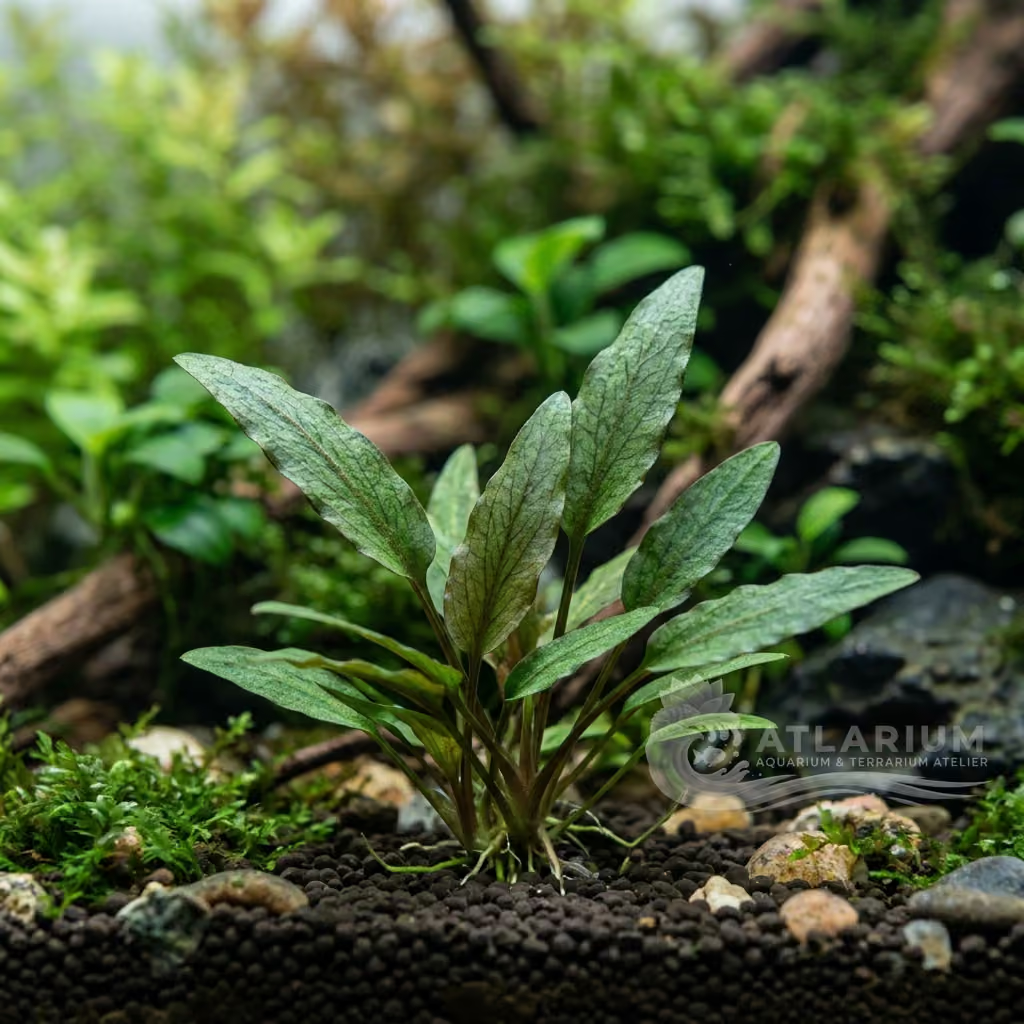
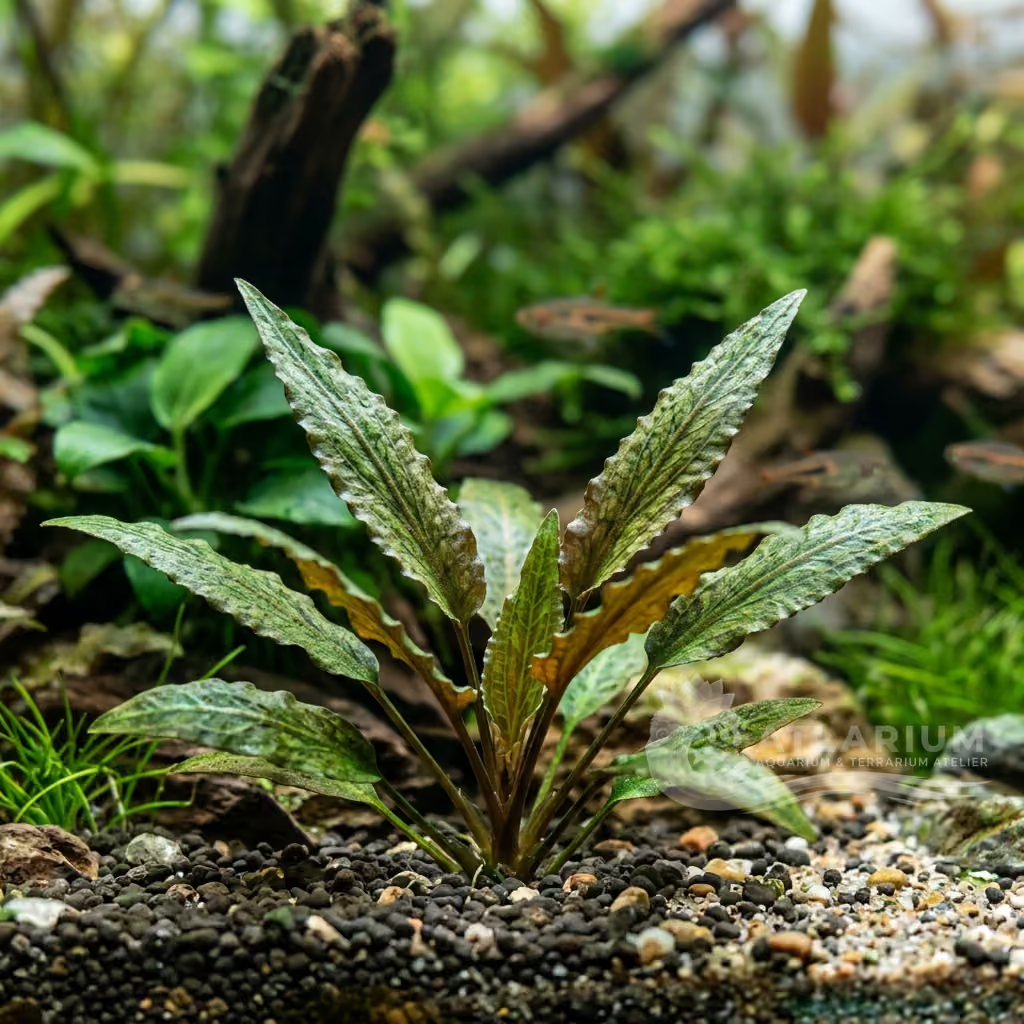
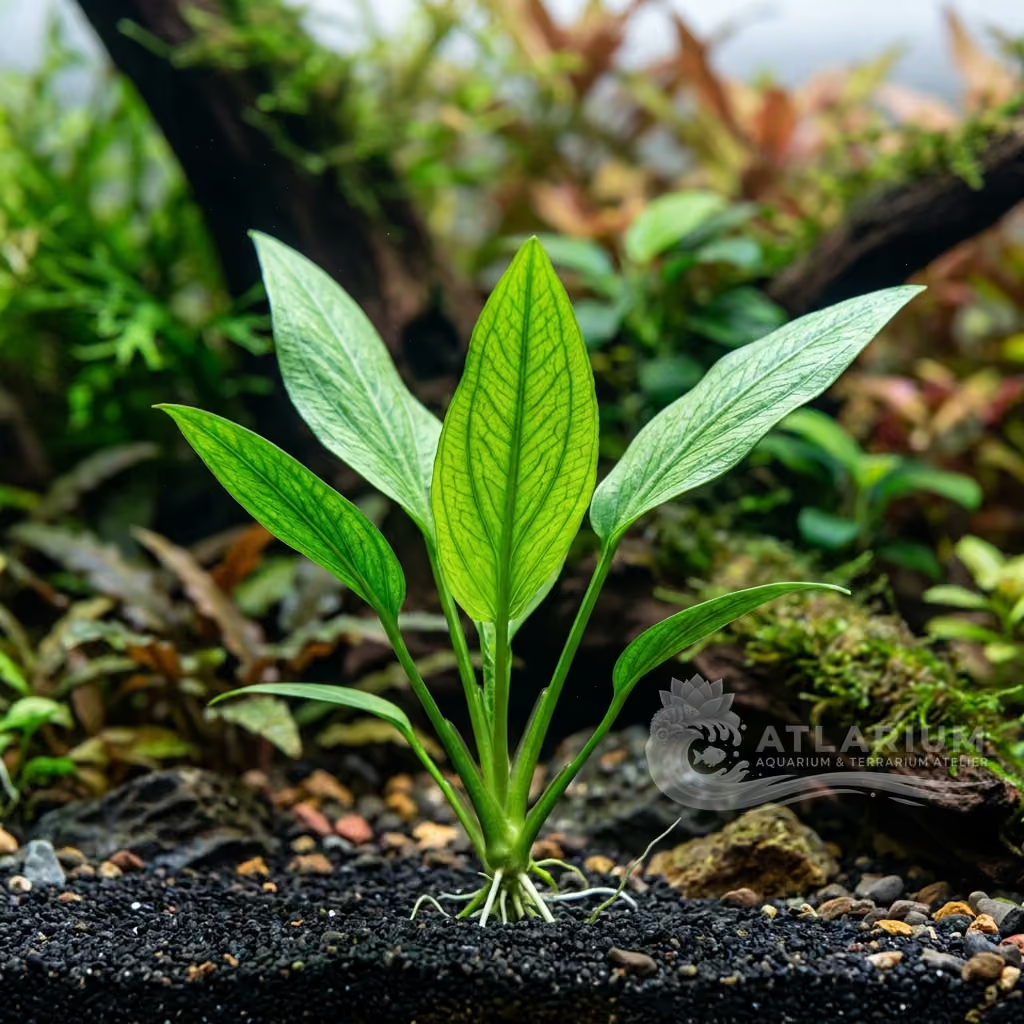
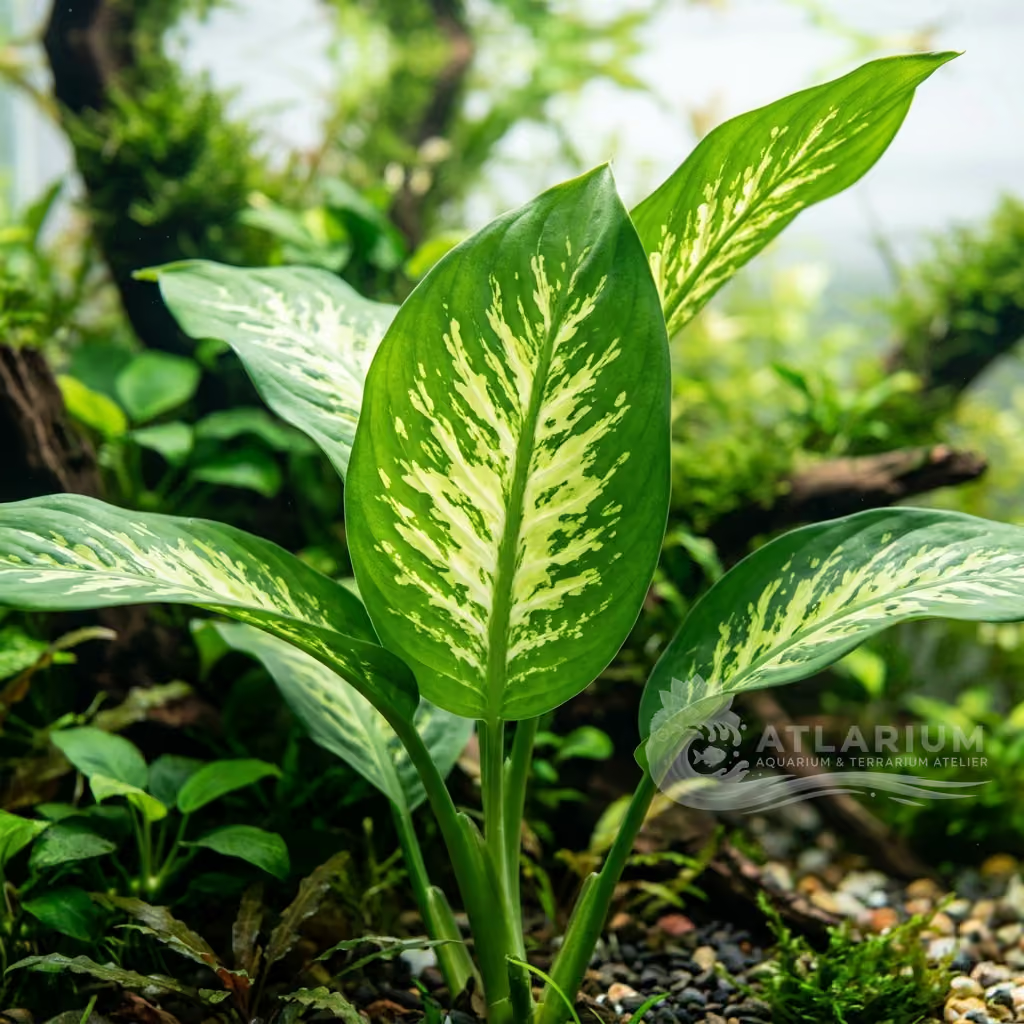
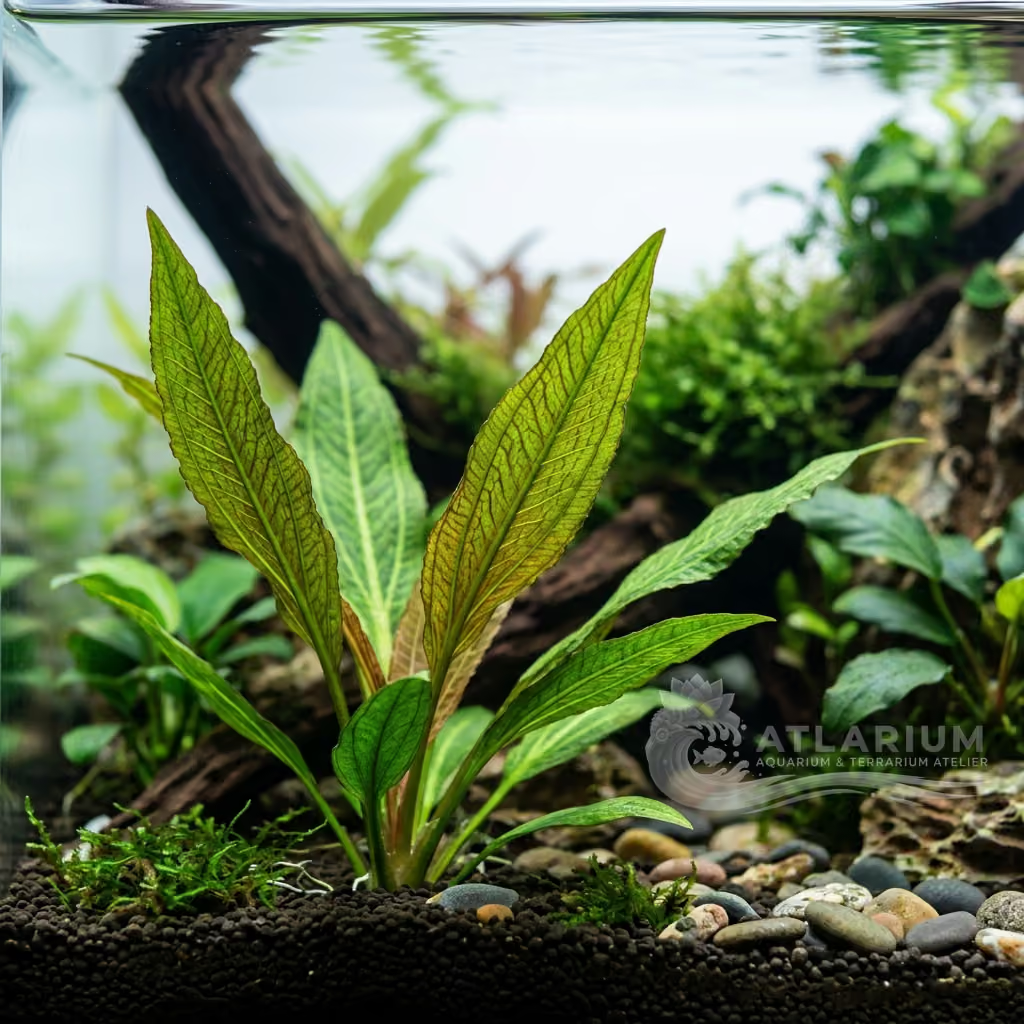
Bucephalandra sp. 'Black Leaf': a fascinating and rare slow-growing epiphytic plant of the Araceae family, characterized by very dark, almost black leaves.
Temperatura da água
20 - 28 °C
Valor de pH
6 - 7.5
Tipo de água
Água doce
Luz
Média - Alta
CO2
Média - Alta
Altura esperada
15 cm
Largura esperada
20 cm
KH
2 - 10 dKH

Descrição da espécie
Geographical Origin and Habitat: Bucephalandra are endemic to the island of Borneo, where they populate pristine rainforests. The 'Black Leaf' variety grows along the banks of fast-flowing streams and waterfalls, anchored firmly to basalt rocks and driftwood. It lives in areas subject to flash floods, adapted to both submerged and wet emersed life. In nature, it receives weak light filtered by the dense forest canopy and waters rich in oxygen and dissolved minerals.
Taxonomy & Genetics: It belongs to the Araceae family and the genus Bucephalandra. Many commercial varieties do not yet have a definitive scientific classification and are marketed with names linked to their appearance or collection site. 'Black Leaf' is genetically selected for its extraordinary ability to accumulate protective dark pigments in leaf cells, a natural adaptation to absorb the weak light of the understory.
Physical Structure: The plant features a dwarf structure formed by a hard creeping rhizome from which arise leathery oval or lanceolate leaves with slightly wavy margins. The roots are extremely robust and adhesive, capable of secreting binding substances to anchor to rock. It produces small, characteristic flower spadices (miniature calla-like inflorescences) even underwater.
Color & Texture: The distinguishing feature is the leaf color: a very dark, almost black green, with bluish, bronze, or purplish metallic reflections under proper lighting. On the upper leaf surface there are tiny reflecting white dots (specialized stomata) that shine underwater, creating a starry effect. The texture is leathery, stiff, and waxy, very resistant.

Cuidado, criação e companheiros de tanque
Lighting & CO2: Prefers low to medium lighting. If exposed to too intense light, it grows with difficulty and is subject to green spot algae. Constant CO2 supply is recommended: it stimulates growth, promotes more saturated and darker colors, and induces more frequent under
Water Chemistry: flowering.
Nutrition & Substrate: It is a strictly epiphytic plant. It must never be planted in fine substrate to avoid rhizome rot. It should be tied or glued to rocks (lava rock is excellent due to its porosity) or driftwood. It draws most of its nutrients from the water, benefiting from constant liquid fertilization.
Water Chemistry: Prefers clean, well-filtered, and oxygenated waters. The ideal temperature range is 20-28°C, with pH between 6.0 and 7.5. It is sensitive to the accumulation of dissolved organic substances and sudden changes in chemical parameters, which can cause leaf drop.
Space Management & Placement: Ideally placed in the foreground or midground, attached to the hardscape. Thanks to its small size, it is perfect for nano setups, Wabi-Kusa, or for highlighting small details and crevices between rocks in large layouts.
Pruning: Growth is extremely slow, requiring minimal intervention. Pruning consists solely of removing deteriorated old leaves by cutting them near the rhizome. Cutting the main rhizome into sections encourages branching and the birth of new shoots.
Risks & Diseases: Rhizome rot is the main danger if buried or in poor water flow. Another problem is the establishment of black brush algae (BBA) on older leaves; this risk is reduced by ensuring regular water changes and a good current.

Origem e distribuição geográfica
Bucephalandra are endemic to the island of Borneo, where they populate pristine rainforests. The 'Black Leaf' variety grows along the banks of fast-flowing streams and waterfalls, anchored firmly to basalt rocks and driftwood. It lives in areas subject to flash floods, adapted to both submerged and wet emersed life. In nature, it receives weak light filtered by the dense forest canopy and waters rich in oxygen and dissolved minerals.
Origem
Sul e Sudeste Asiático

Perfil da planta
- Posicionamento
- Plano intermediário
- A stunning dark-leaved epiphyte from Borneo. As a classic epiphyte, it is meant to be placed directly onto the hardscape. It fits perfectly into the crevices of rocks or along the branches of driftwood. Ensure it receives adequate flow to prevent detritus buildup on its slow-growing leaves. Proper placement highlights its natural beauty and promotes healthy attachment.
- Forma botânica
- Rizoma
- This plant is characterized by its specific morphological adaptations. A stunning dark-leaved epiphyte from Borneo. The leaves possess a distinct texture and structure that adds a unique visual element to the aquascape. When grown under optimal conditions, it exhibits its true botanical form vividly. Its unique structure makes it a valuable addition to diverse aquatic layouts.
- Crescimento
- Lenta
- Under optimal conditions with high light and CO2, the growth rate is considered very slow. A stunning dark-leaved epiphyte from Borneo. In lower tech setups, it will grow significantly slower and may adapt its morphology. Regular pruning may be necessary to maintain a compact growth form over time. Its growth speed is directly correlated with the availability of light, CO2, and dissolved nutrients.
- Substrato
- Nenhuma
- A stunning dark-leaved epiphyte from Borneo. This plant is an epiphyte and should never have its rhizome buried in the substrate. Doing so will lead to rot and eventual death. Instead, it must be attached to hardscape materials such as wood or rocks using thread or aquarium-safe glue. Over time, its roots will naturally grip the surfaces.
- Fertilização de coluna
- Recomendada
- A stunning dark-leaved epiphyte from Borneo. Water column feeding plays a massive role in the overall vitality of this species. Consistent dosing of micro and macronutrients ensures the leaves remain vibrant and free of deficiencies. It is highly responsive to changes in liquid nutrient levels, making it a good indicator species. Employing a strict dosing schedule will yield the most consistent and impressive results.
- Fertilização radicular
- Nenhuma
- A stunning dark-leaved epiphyte from Borneo. Since it does not grow in the substrate, traditional root tabs are entirely ineffective. This plant relies almost exclusively on its exposed root system and leaves to absorb nutrients directly from the water flow. Maintaining a rich water column is therefore the primary method of fertilization. Occasional use of liquid root-stimulators in the water can help establish new growth.
- Corte
- Ocasional
- Trimming is rarely needed due to the slow growth rate. When necessary, simply cut the rhizome with clean, sharp scissors to remove old or damaged sections. Avoid cutting individual leaves unless they are decaying, as this will not encourage new growth from the cut stem.
- Propagação
- Rhizome division
- A stunning dark-leaved epiphyte from Borneo. Propagation is achieved by carefully cutting the rhizome into smaller pieces. Each new piece must have at least three to four healthy leaves and a portion of the root system to survive. Use very sharp, sterilized scissors to make a clean cut and prevent infection. The new segments can then be reattached to other areas of the hardscape.
- Sensibilidade
- Moderada
- This plant is sensitive to sudden changes in water parameters, which can trigger leaf melt. It is also susceptible to algae growth on its leaves if placed under very intense light without adequate CO2. Stable conditions and good water flow are essential for its long-term health.
- Função de layout
- Epífita, Plano intermediário, Nano
- It serves as an excellent detail plant for midground or foreground areas, adding texture and unique colors. Its small size and epiphytic nature make it perfect for naturalizing hardscape transitions. It is highly valued in aquascaping for creating focal points in nano tanks or intricate details in larger layouts.

Espécies relacionadas
Recomendações agrupadas por parentes próximos, escolhas de acompanhantes e cuidados semelhantes.