Bucephalandra motleyana "Riam Macam"
Bucephalandra motleyana
Named after the Tiger Rapids of Borneo, this rare cultivar serves as a highly decorative, slow-growing midground epiphyte with remarkable resilience.
Temperatura da água
22 - 28 °C
Valor de pH
6 - 7.5
Tipo de água
Água doce
Luz
Média - Alta
CO2
Média - Alta
KH
1 - 10 dKH

Descrição da espécie
Geographical Origin and Habitat: This cultivar of Bucephalandra motleyana is named after its locality of origin, "Riam Macam," in the Borneo region of Indonesia. Bucephalandra species are endemic to the island of Borneo, where they grow exclusively as rheophytes along the banks of swift-flowing rainforest streams. They anchor themselves tenaciously to basaltic rocks and riverbed gravel using highly specialized roots to withstand strong currents during flash floods. They inhabit humid, shaded environments under the canopy of the dense rainforest.
Taxonomy & Genetics: Belonging to the family Araceae and the genus Bucephalandra, the exact taxonomy of these plants is complex due to high phenotypic variation. The "Riam Macam" form is closely associated with the Motleyana group. Genetically, it possesses adaptations to resist physical stress and low light. It reproduces vegetatively in the aquarium through rhizome splitting. Vegetative propagation ensures that its unique leaf
Color & Texture: and shape remain stable across generations.
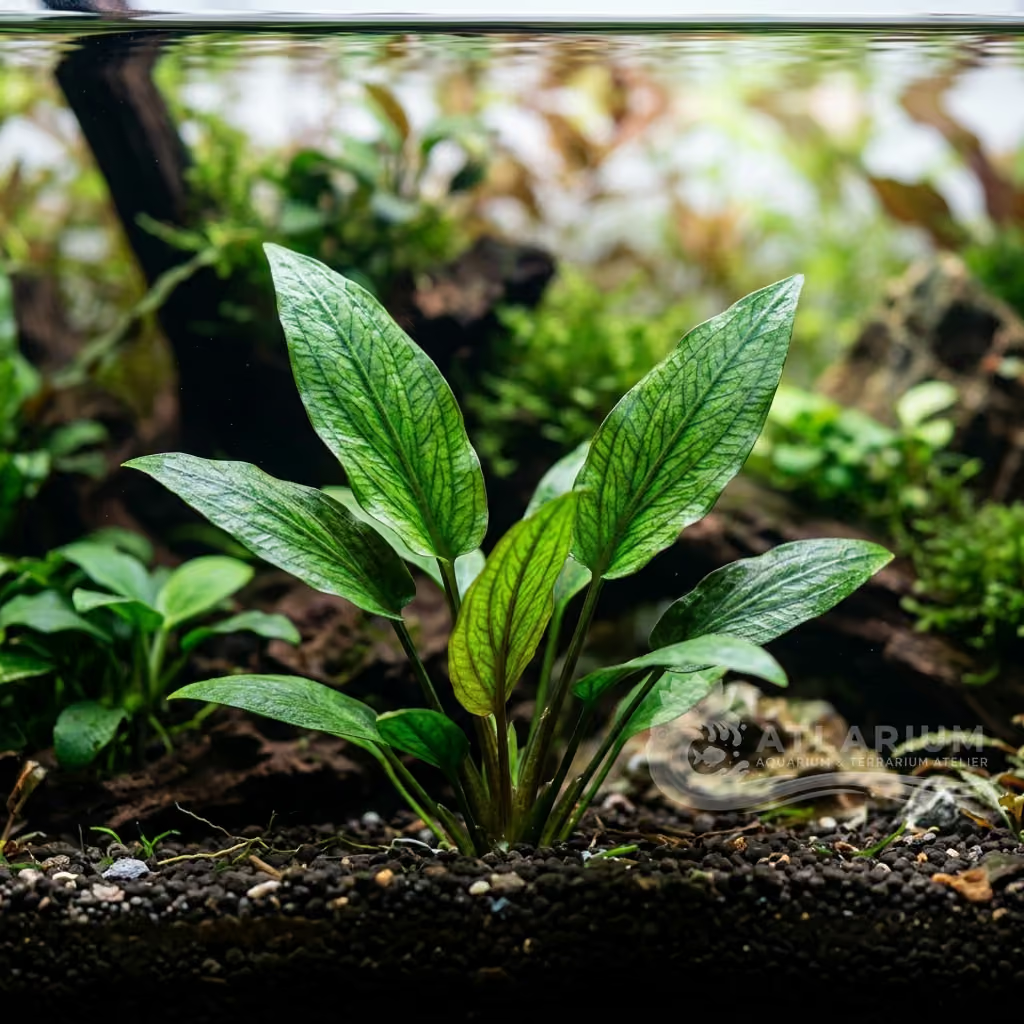
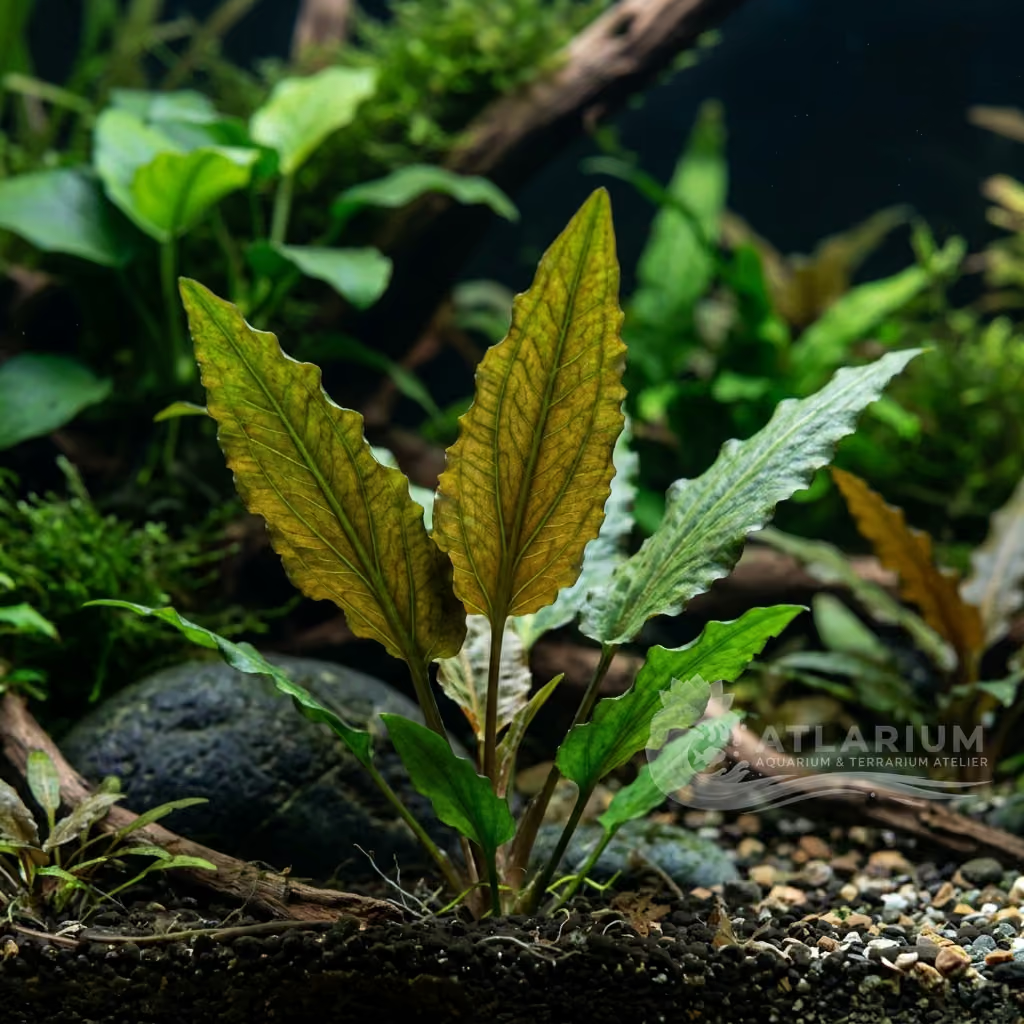
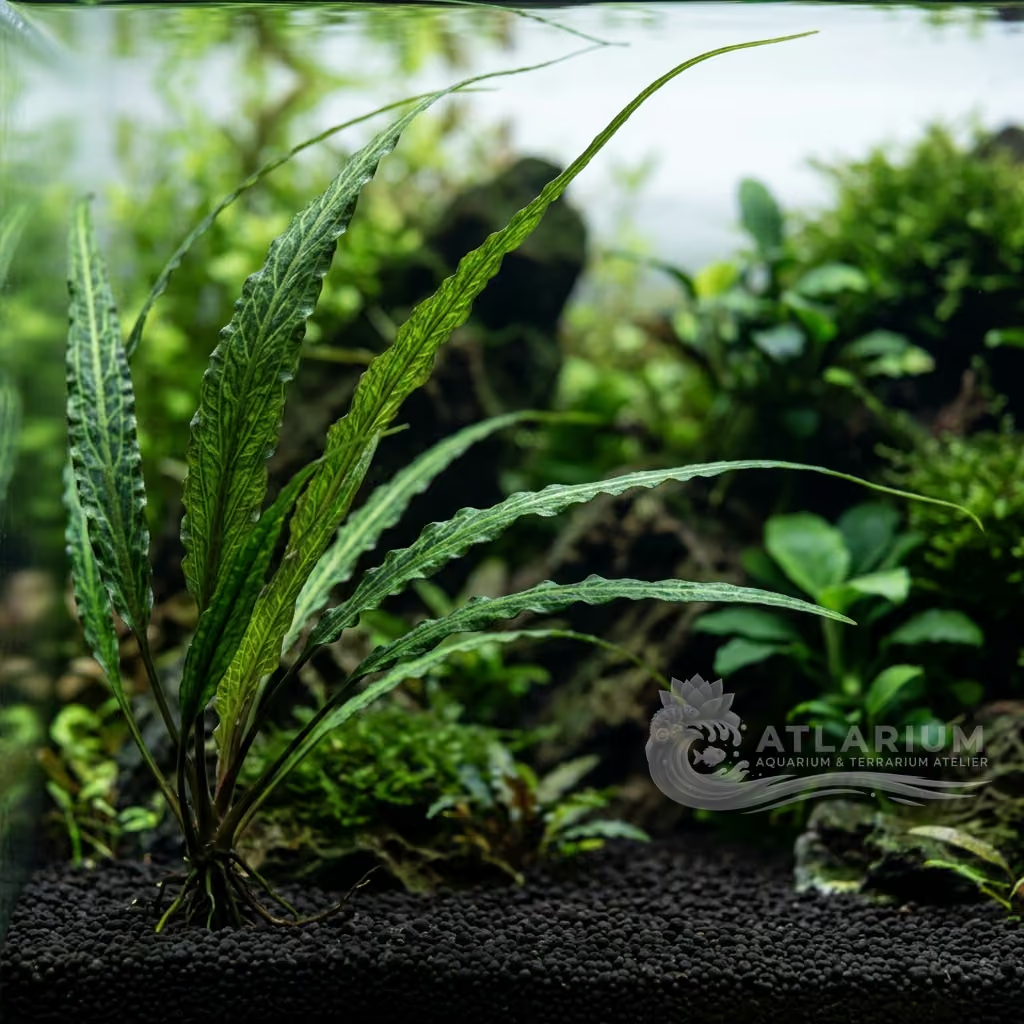
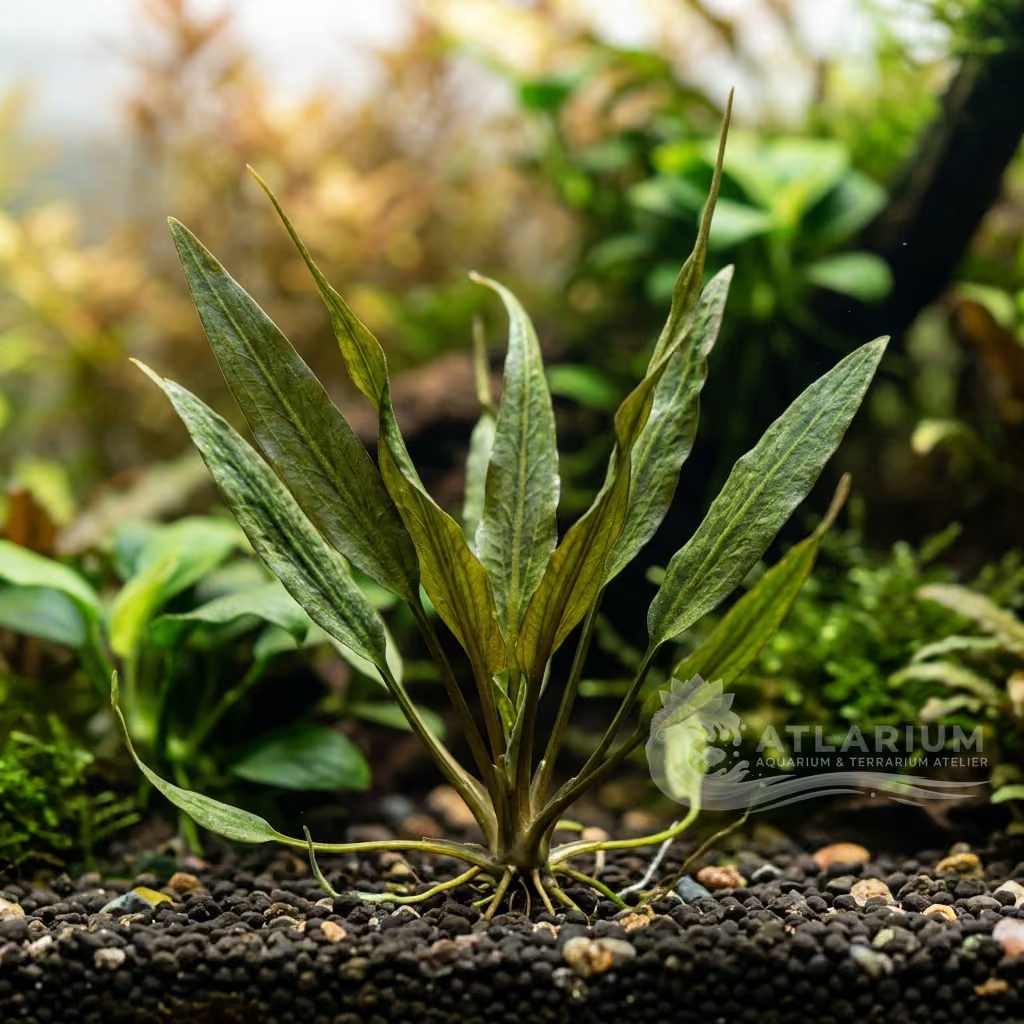
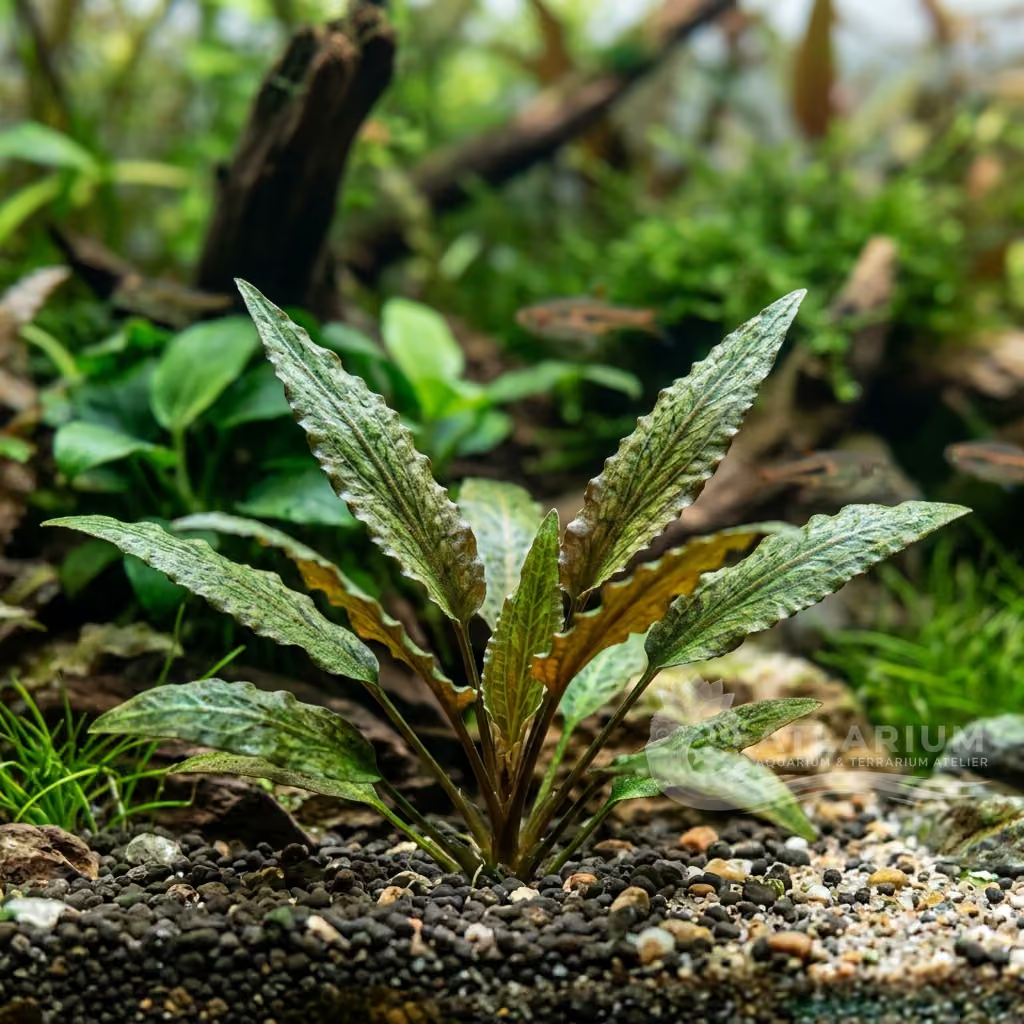
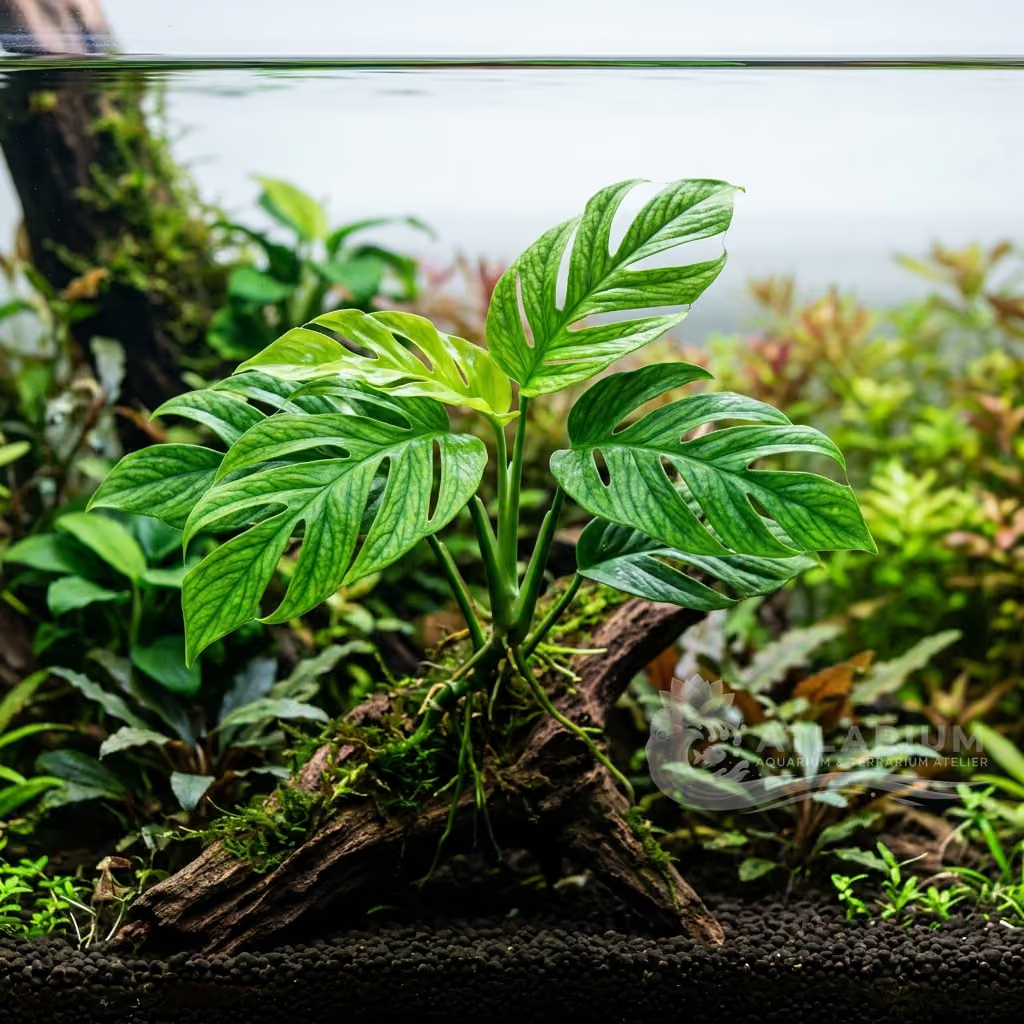
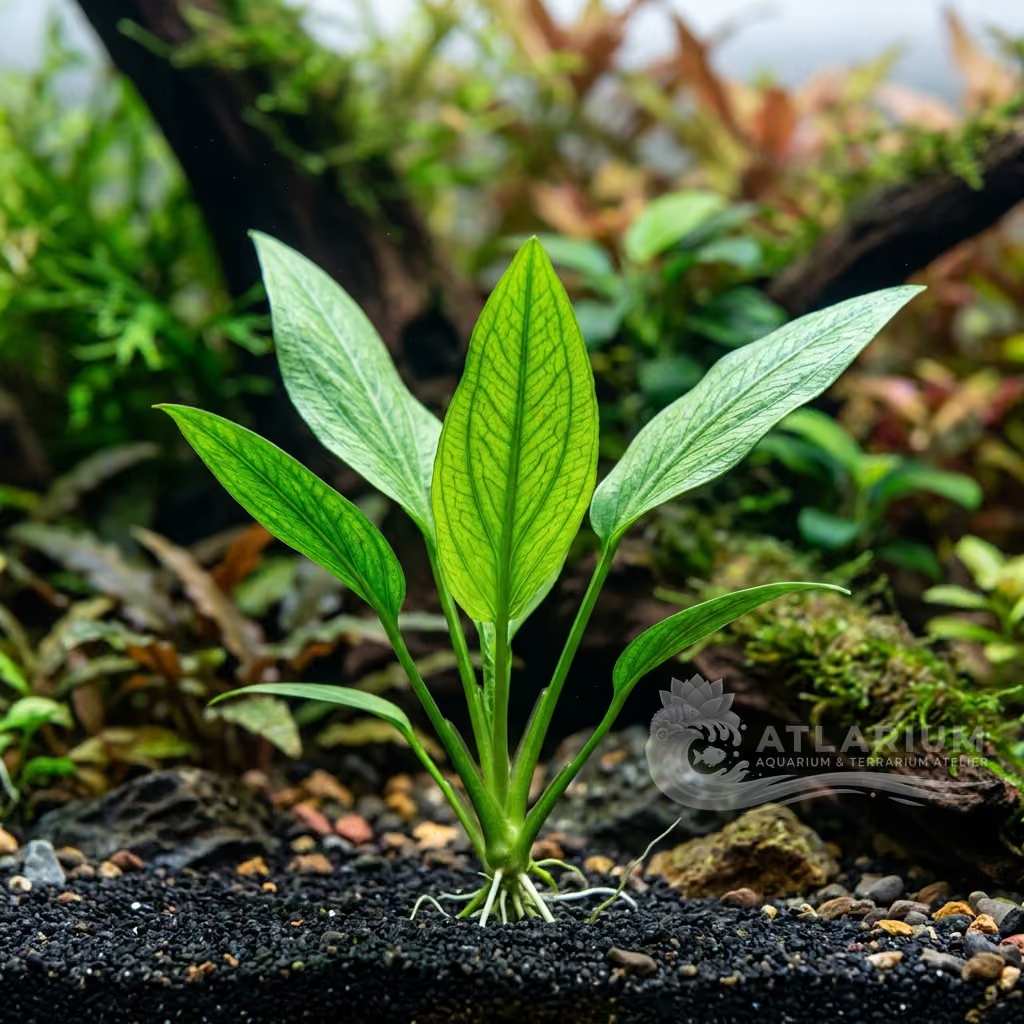
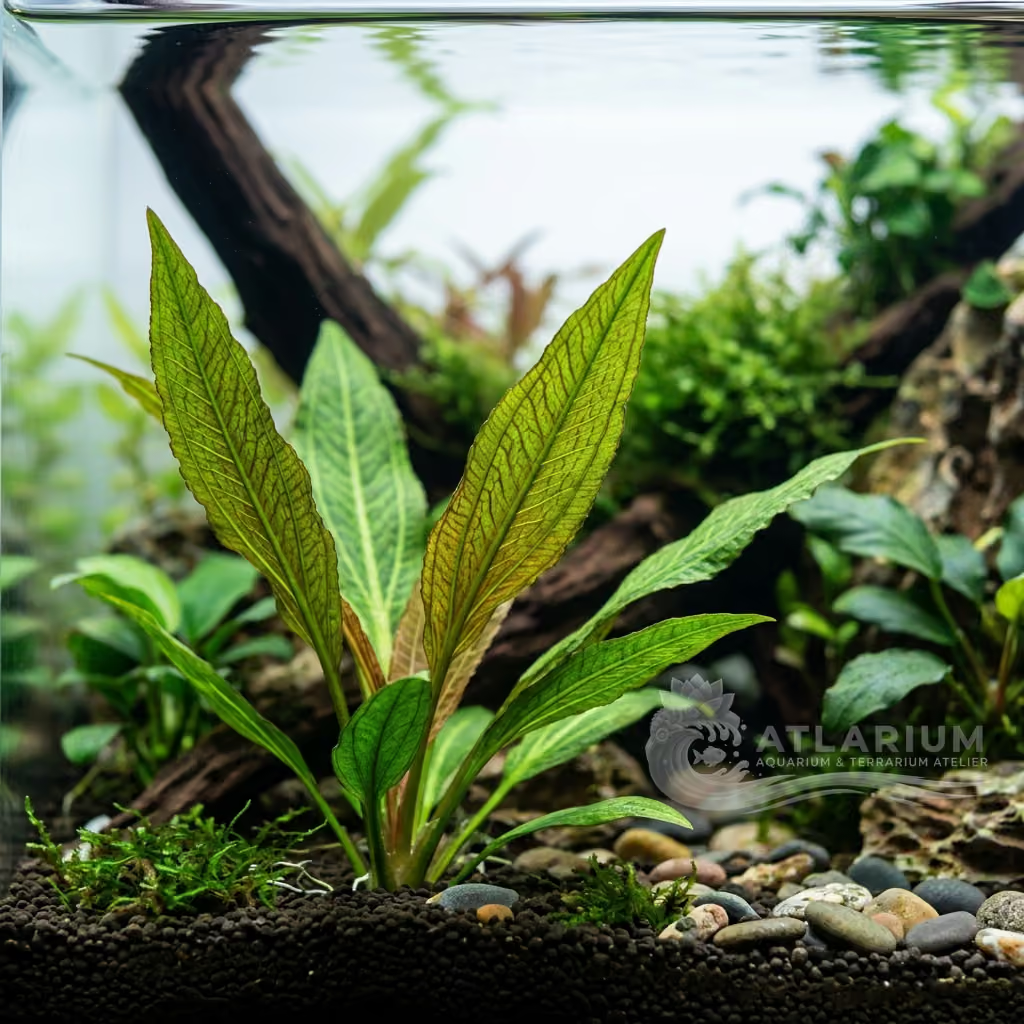
Physical Structure: The plant develops from a woody, creeping rhizome that produces leaves in a rosette or alternate pattern. Its roots are exceptionally strong and covered in microscopic root hairs that secrete adhesive substances to grip hard surfaces. The leaves of "Riam Macam" are small to medium-sized with slightly wavy margins and an elongated-spatulate shape. The petiole is short, robust, and often displays a reddish-brown coloration.
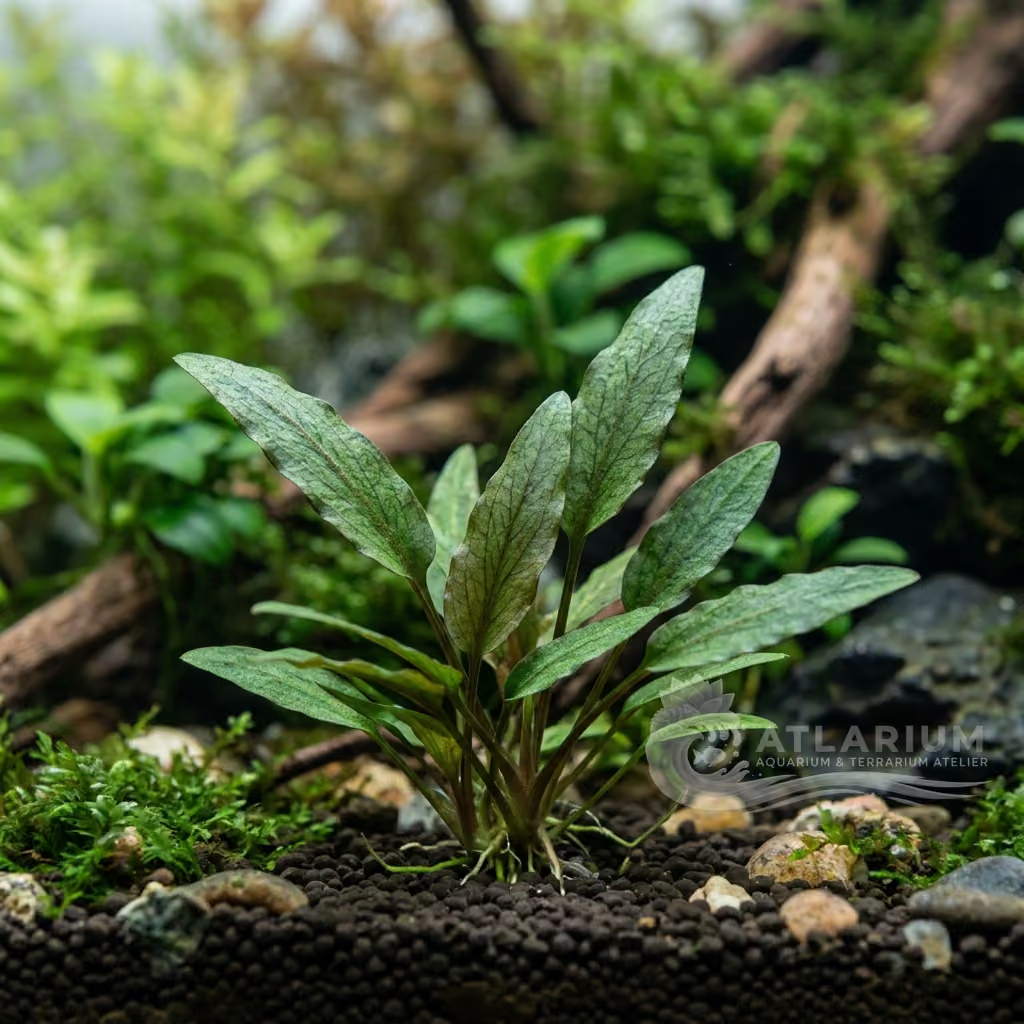
Color & Texture: The leaves exhibit a stunning array of colors ranging from dark olive green to metallic blue or bronze depending on light levels and nutrient availability. The upper surface of the leaf blade is covered in tiny silvery dots (modified stomata) that shimmer underwater. The leaf texture is thick, leathery, and rigid, an evolutionary trait that prevents tearing or abrasion from debris carried by rapid stream currents.

Cuidado, criação e companheiros de tanque
Lighting & CO2: Prefers low to moderate lighting. High light should be avoided unless nutrient levels are perfectly balanced, as it can cause algae to grow on the slow-growing leaves. CO2 injection is highly recommended, as it significantly enhances the plant's metallic colors and encourages a more compact growth form.
Nutrition & Substrate: Like all Bucephalandra, it is an epiphyte and must never be buried in the substrate. The rhizome should be attached to rocks or driftwood using superglue gel, thread, or fishing line. It absorbs nutrients mainly through its leaves and
Water Chemistry: Thrives in clean, well-oxygenated water with soft to medium hardness (KH 1-10 dKH) and a pH between 6.0 and 7.5. Regular water changes are essential to keep organic waste levels low, mimicking the pristine forest streams of its native habitat. Suitable temperature range is 20°C to 28°C.
Space Management & Placement: Ideal for midground or foreground placement, attached to lava rocks or driftwood. It grows very slowly, eventually forming dense, low clumps that add detail to the aquascape. It is highly valued for nature-style layouts and nano aquariums.
Pruning: Propagation is done by cutting the creeping rhizome with a sharp blade. Each divided piece must have at least 3-4 leaves and some healthy roots to survive. Dead or decaying leaves should be trimmed near the rhizome to maintain cleanliness and prevent rot.
Risks & Diseases: Rhizome rot is the most common issue, usually occurring if the rhizome is buried in the substrate or if water circulation is poor. Black Beard Algae (BBA) can easily colonize the leaf edges in tanks with unbalanced nutrients. Sudden changes in water chemistry can trigger leaf melting similar to Cryptocoryne species.

Origem e distribuição geográfica
This cultivar of Bucephalandra motleyana is named after its locality of origin, "Riam Macam," in the Borneo region of Indonesia. Bucephalandra species are endemic to the island of Borneo, where they grow exclusively as rheophytes along the banks of swift-flowing rainforest streams. They anchor themselves tenaciously to basaltic rocks and riverbed gravel using highly specialized roots to withstand strong currents during flash floods. They inhabit humid, shaded environments under the canopy of the dense rainforest.
Origem
Sul e Sudeste Asiático

Perfil da planta
- Posicionamento
- Plano intermediário
- This epiphyte is perfectly suited for the foreground or midground of the aquascape. Bucephalandra motleyana "Riam Macam" should be attached directly to hardscape materials such as wood or porous rocks. Burying its rhizome in the substrate will cause it to rot and die off. Its textured, green leaves provide an excellent textural contrast when placed in crevices.
- Forma botânica
- Rizoma
- Bucephalandra motleyana "Riam Macam" is characterized by its textured, green leaves that adapt well to submerged life. The foliage often displays tiny silver speckles on the surface, adding to its visual appeal under strong lighting. It grows from a creeping rhizome that firmly attaches to surfaces using strong, specialized roots. The plant occasionally produces beautiful small white underwater flowers.
- Crescimento
- Lenta
- Like most Bucephalandra species, Bucephalandra motleyana "Riam Macam" exhibits a notoriously slow growth rate even under optimal conditions. The addition of CO2 injection can slightly increase the speed of development and improve leaf density. You can expect only a few new leaves per month from a healthy rhizome. Patience is key when cultivating this plant.
- Substrato
- Nenhuma
- As a true epiphyte, Bucephalandra motleyana 'Riam Macam' should never be buried in conventional aquarium substrates like gravel or aqua soil. Its roots are functionally designed for anchoring onto hardscape materials such as porous rocks and driftwood branches. If the main rhizome is covered by substrate, it becomes highly susceptible to anoxic rot. The plant relies entirely on water column fertilization to uptake the necessary elements for healthy foliage and strong root development.
- Fertilização de coluna
- Recomendada
- Liquid fertilization is the preferred method for feeding Bucephalandra motleyana "Riam Macam". A comprehensive fertilizer containing iron and micronutrients will enhance its textured, green appearance. Dosing should be kept lean to prevent algae from outcompeting its slow growth. Regular water column dosing ensures the leaves remain healthy and vibrant.
- Fertilização radicular
- Nenhuma
- Root fertilization is entirely unnecessary for Bucephalandra motleyana "Riam Macam" as it does not rely on substrate nutrients. Its roots serve primarily as anchors to grip onto hardscape elements rather than for nutrient uptake. Any root tabs placed in the soil will not directly benefit the plant. Instead, focus entirely on water column enrichment.
- Corte
- Ocasional
- Trimming Bucephalandra motleyana "Riam Macam" is rarely needed due to its exceptionally slow growth habit. When necessary, use sharp aquascaping scissors to cut the rhizome cleanly, ensuring each separated piece has several healthy leaves. Remove any decaying or older leaves at the base to encourage fresh growth. Regular pruning of damaged foliage helps keep the plant looking pristine.
- Propagação
- Rhizome division
- Propagation of Bucephalandra motleyana "Riam Macam" is easily achieved by simply dividing the main rhizome. Ensure that each cut segment contains a growing tip and at least three or four established leaves for best results. Use superglue or cotton thread to attach the newly separated rhizomes to fresh hardscape. Over time, these cuttings will establish their own root systems and continue to creep along the surface.
- Sensibilidade
- Moderada
- Bucephalandra motleyana "Riam Macam" is somewhat sensitive to sudden fluctuations in water parameters, which can trigger leaf melt. It is also highly susceptible to black beard algae and green spot algae on its slow-growing leaves. Maintaining stable CO2 levels, consistent maintenance, and clean water is crucial to prevent these issues. It generally prefers slightly acidic to neutral water conditions with good flow.
- Função de layout
- Plano intermediário, Primeiro plano, Nano
- Bucephalandra motleyana "Riam Macam" serves as an exquisite detailing plant in natural, forest, or jungle style aquascapes. The textured, green leaves offer a beautiful contrast against bright green mosses and light-colored rocks. It works wonderfully for highlighting small focal points or filling gaps in the hardscape structure. Its relatively compact size makes it ideal for both large setups and nano aquariums.

Espécies relacionadas
Recomendações agrupadas por parentes próximos, escolhas de acompanhantes e cuidados semelhantes.