Apalanthe granatensis
Elodea granatensis
Fast-growing South American submerged plant. Needs medium-high light and CO2 dosing to prevent stringy stems and boost dense, rapid underwater growth.
Température de l’eau
22 - 30 °C
Valeur du pH
5 - 8
Type d'eau
Eau douce
Lumière
Moyenne - Élevée
CO2
Faible - Élevée
Hauteur attendue
40 cm
Largeur attendue
15 cm
KH
0 - 21 dKH

Description de l'espèce
Geographical Origin and Habitat: The species Apalanthe granatensis is native to the tropical freshwaters of South America, where it populates lakes, ponds, and slow rivers, growing in dense submerged beds. In its natural environment, it is typically found in slow-flowing or stagnant waters, such as swamps, ponds, and tropical riverbanks, where it adapts beautifully to seasonal water level variations. This habitat provides a rich organic substrate and consistent, filtered light exposure. The plant's ability to grow both submersed and emersed is a testament to its extraordinary evolutionary resilience in these humid ecosystems.
Taxonomy & Genetics: From a taxonomic perspective, the plant belongs to the Hydrocharitaceae family, genus Apalanthe. It is closely related to well-known genera such as Elodea and Egeria. This phylogenetic placement places it within a group of vascular plants highly specialized for aquatic life. Genetically, species in this genus exhibit high phenotypic plasticity, meaning their outward appearance can vary drastically based on available light and nutrient conditions. Selection and hybridization efforts have led to the development of specific cultivars suited for aquarium cultivation.
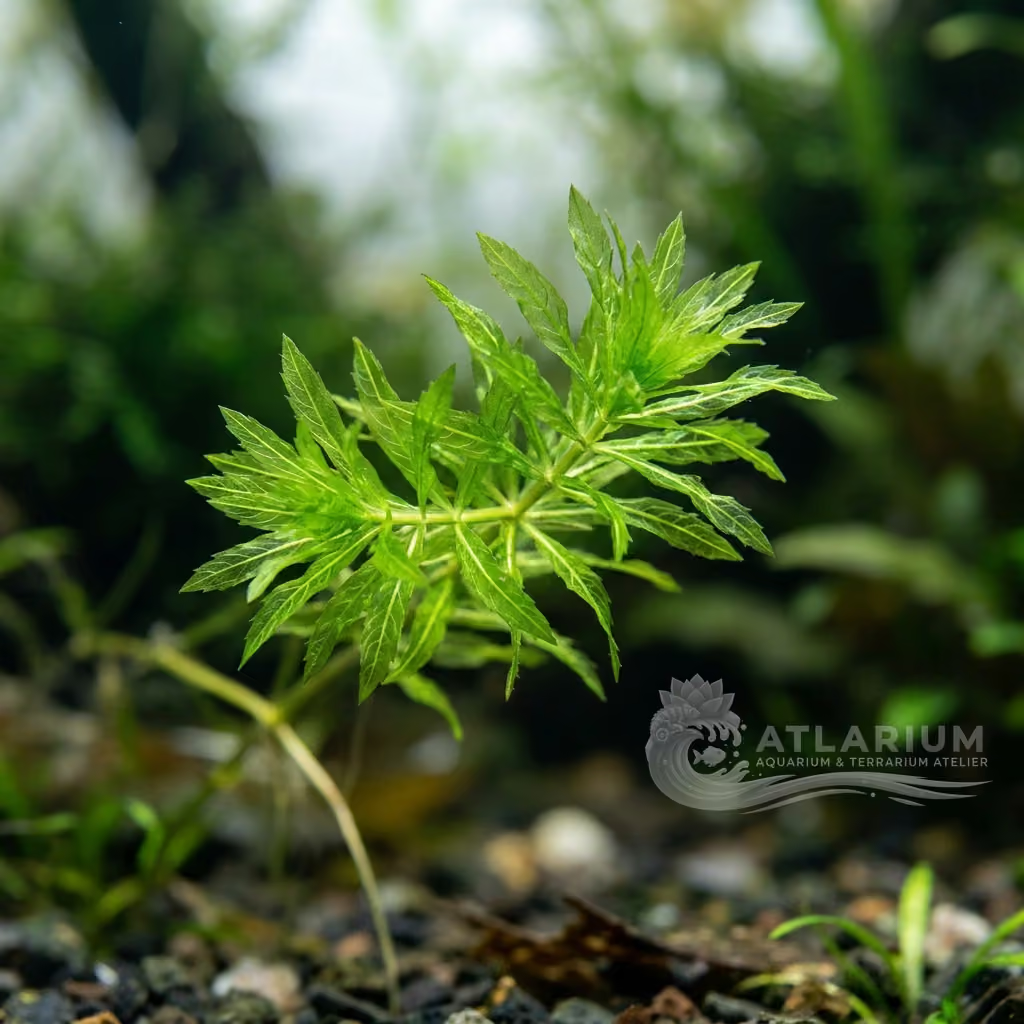
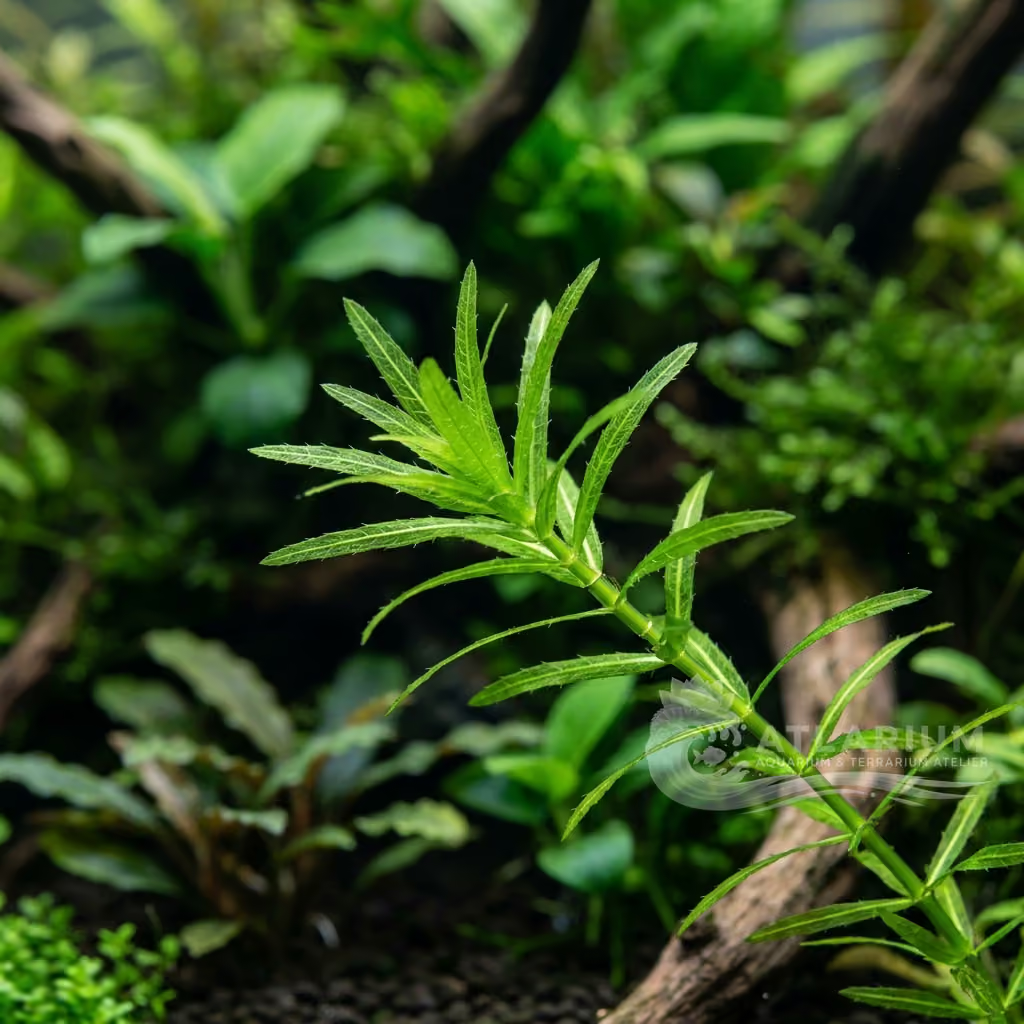
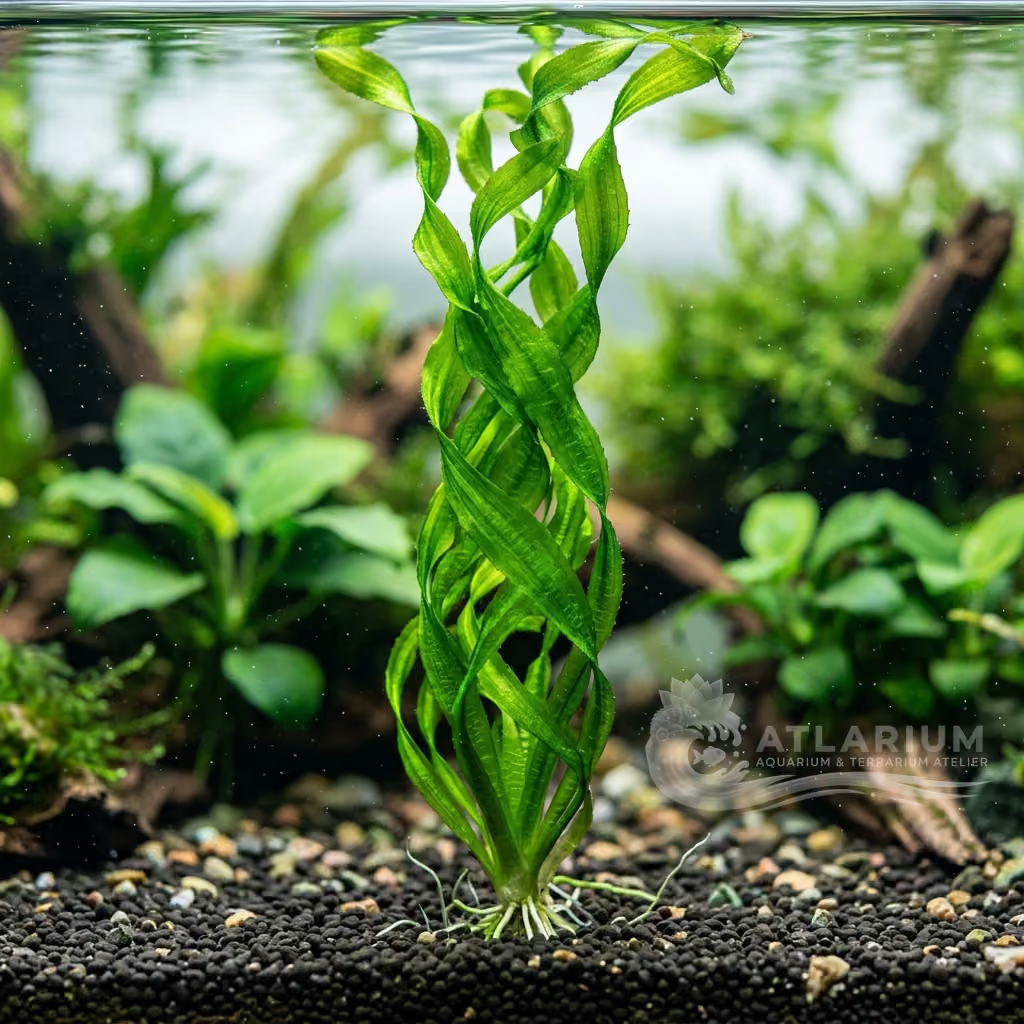
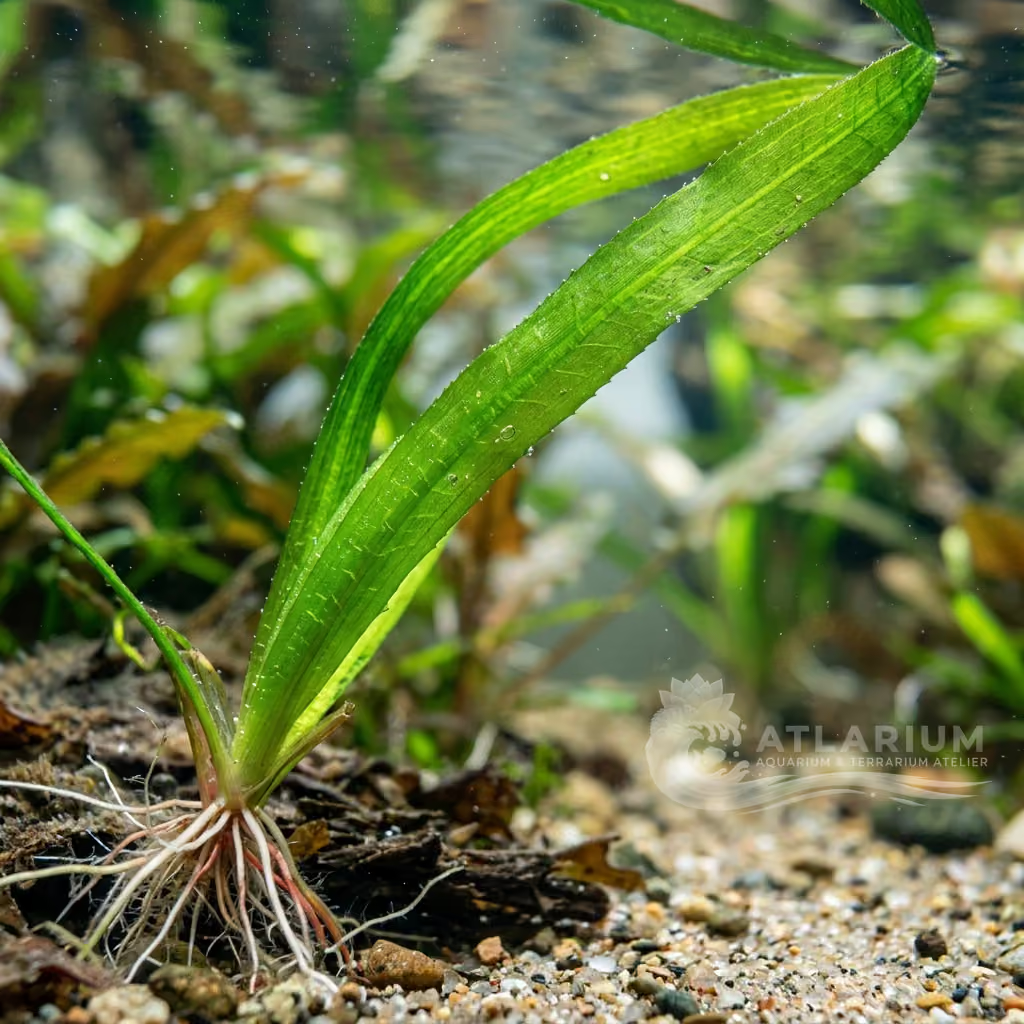
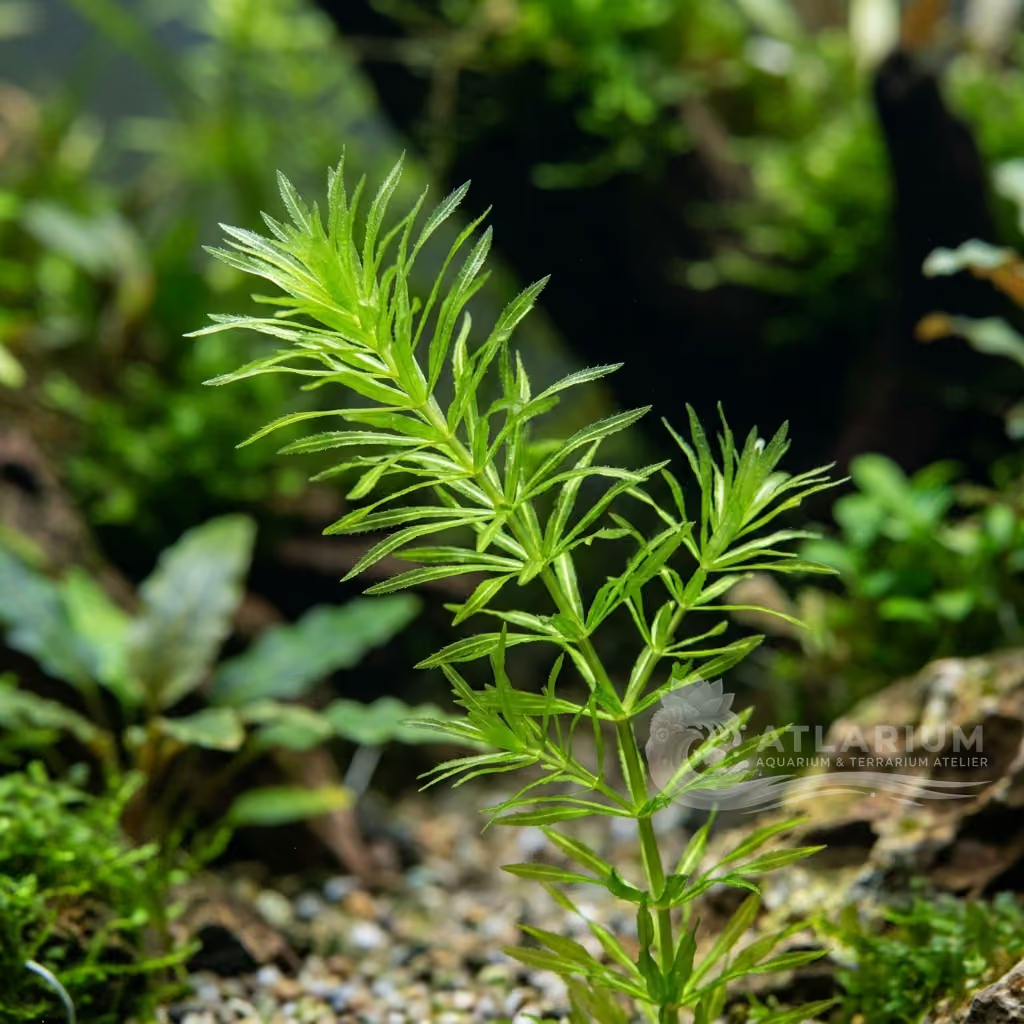
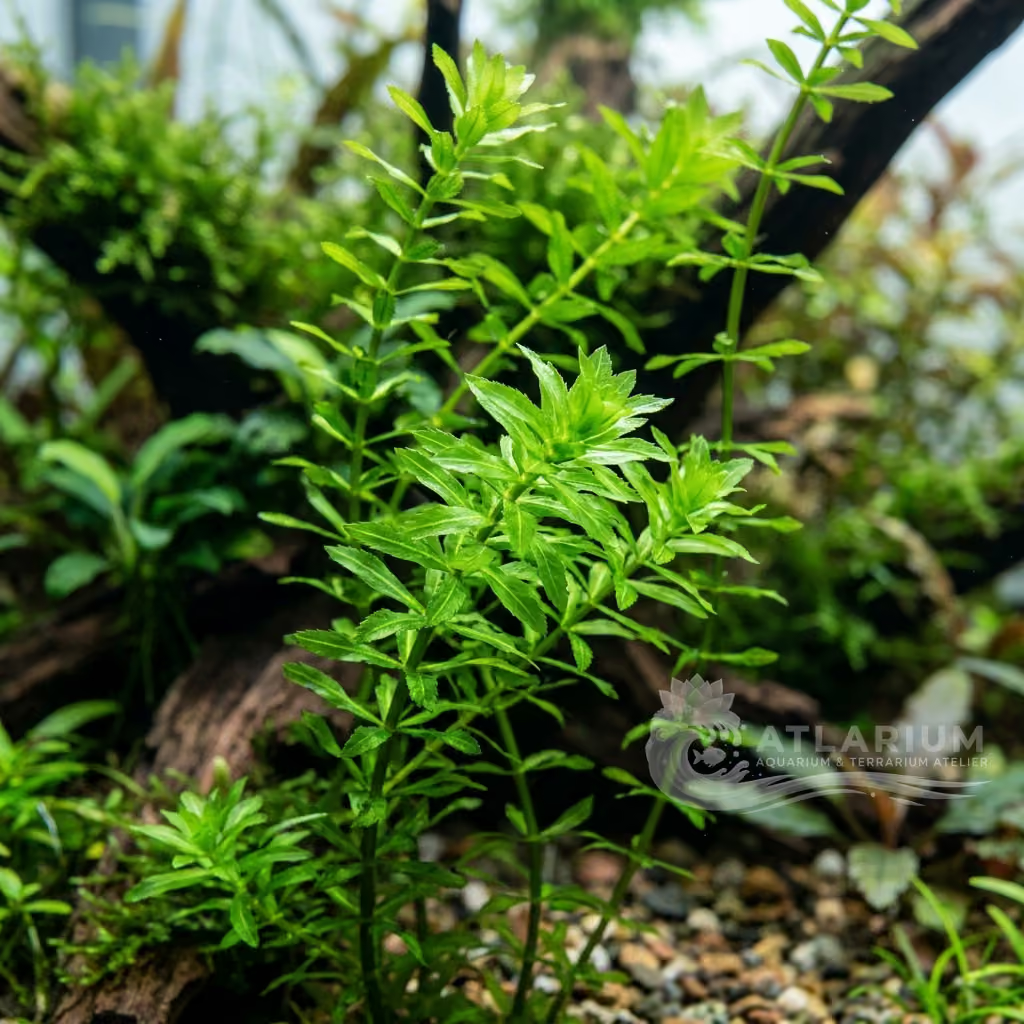
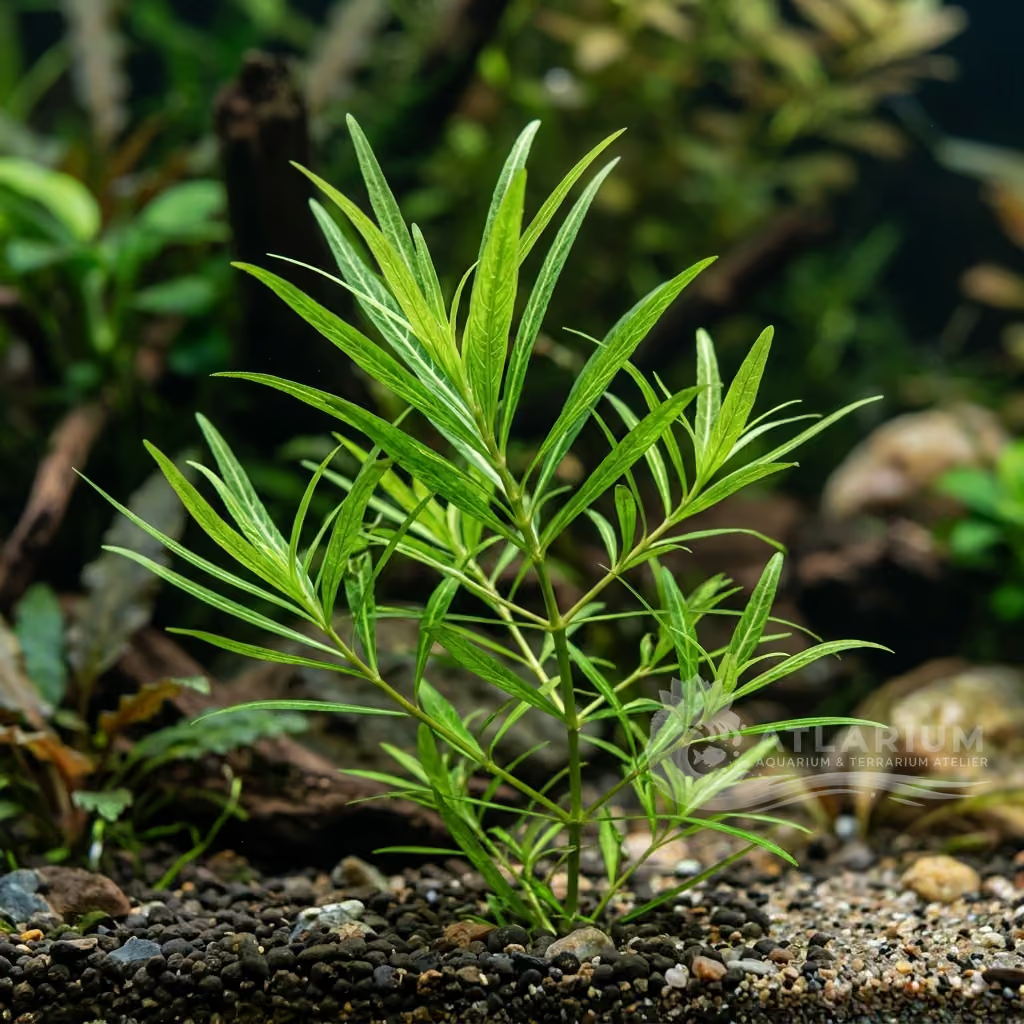
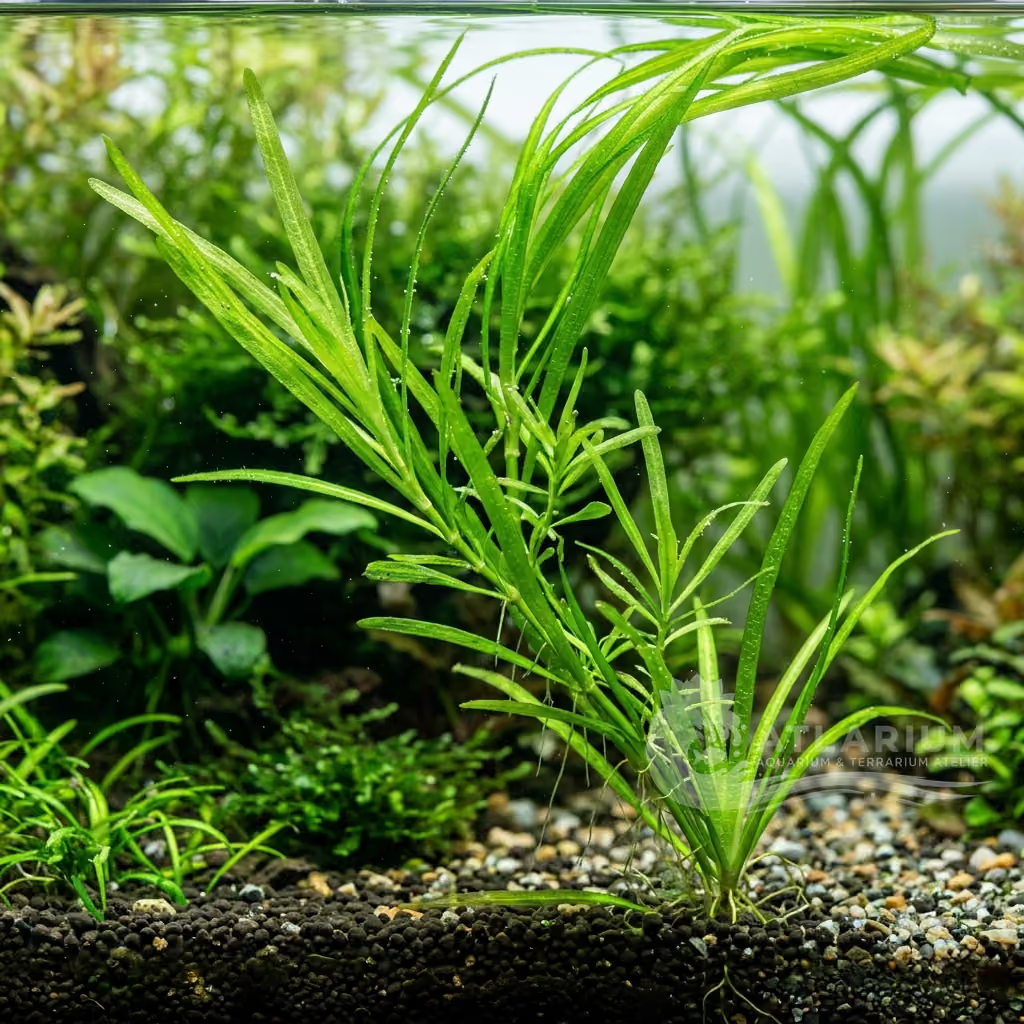
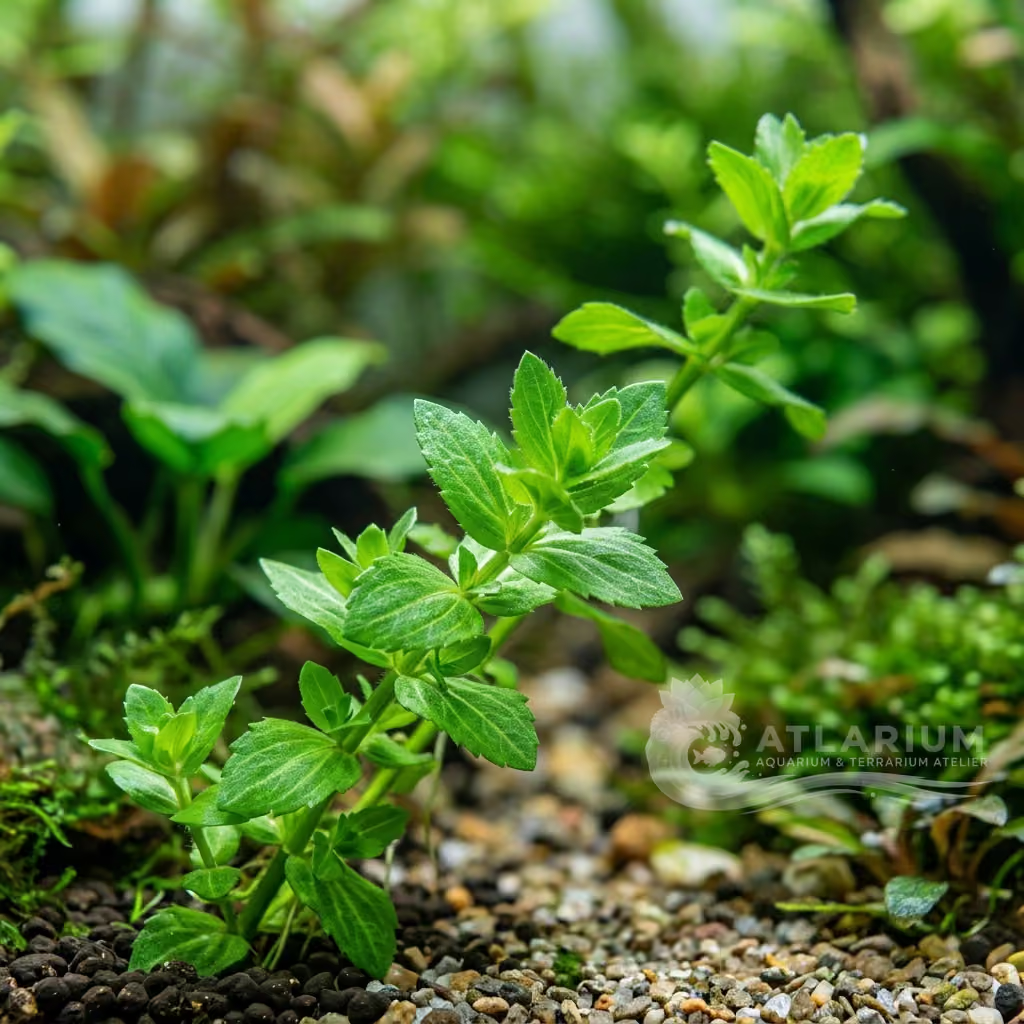
Physical Structure: The morphology of this plant is characterized by slender, branched submerged stems, equipped with narrow, flexible leaves arranged in dense whorls along the entire length of the stem. This structural conformation allows the plant to withstand moderate water currents and maximize the absorption of carbon dioxide and light. The root system is designed to anchor the plant firmly to the soil and absorb mineral nutrients. In aquariums, the vertical or creeping development provides excellent natural barriers and shelter zones for small fish and invertebrates.
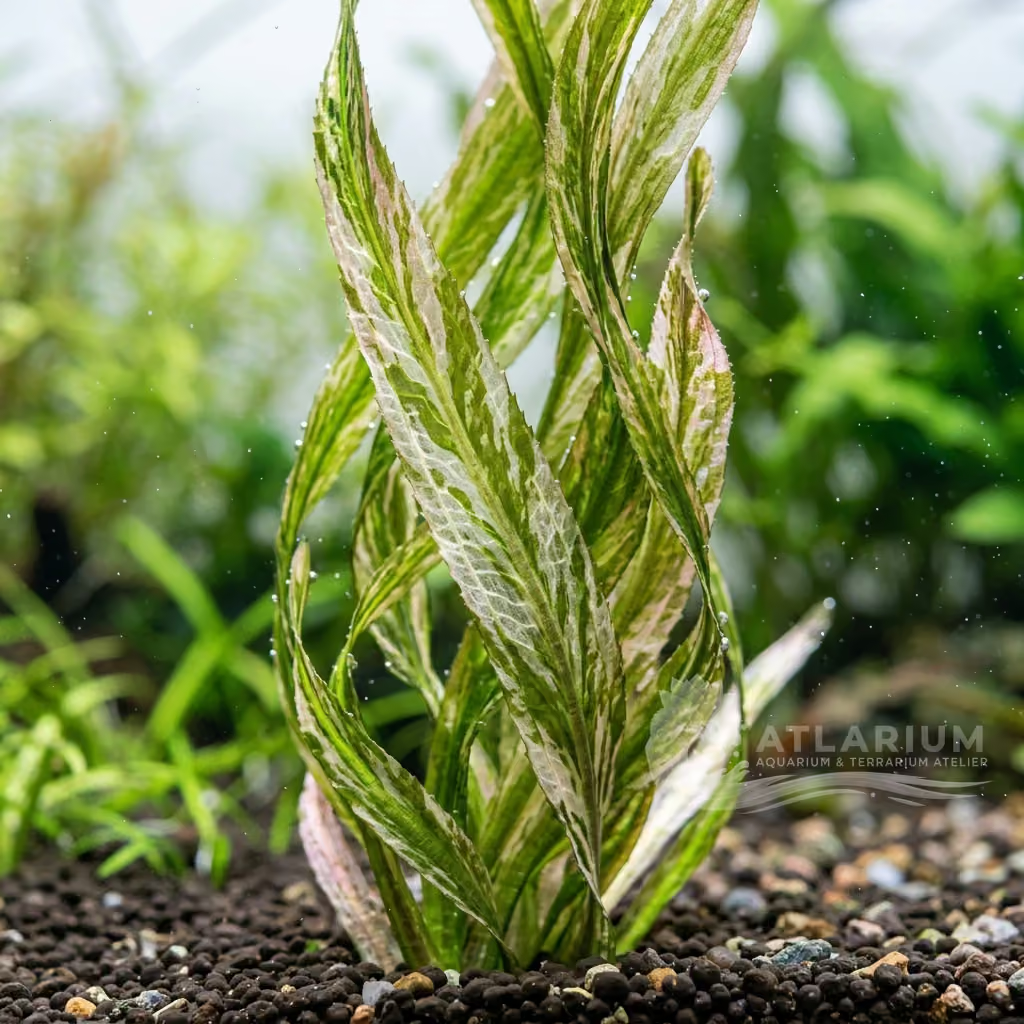
Color & Texture: Aesthetically, the plant offers a bright, translucent green that brings freshness and luminosity to the aquarium, creating a natural contrast with hardscape and other plants. The leaf texture, soft yet resilient to the touch, adds visual depth and a sense of naturalness to any aquascaping composition. The chromatic variation serves as an excellent color contrast compared to traditional, all-green plants. Under strong lighting and targeted fertilization, the intensity of the color reaches its maximum visual splendor.

Soins, reproduction et cohabitation
Lighting & CO2: For optimal growth, the plant requires medium-high lighting and recommended CO2 dosing to support its very rapid growth rate and prevent weak, stringy stems. Intense light promotes shorter internodes and the development of more saturated colors, while the CO2 supply ensures stable photosynthesis, preventing plant tissue decay. In the absence of these elements, the plant will tend to stretch excessively towards the light, losing its lower leaves and exhibiting weak, stunted growth.
Nutrition & Substrate: Nutrition must be managed by providing balanced liquid column fertilization, as it absorbs most of its nutrients dissolved in the
Water Chemistry: This species prefers stable temperatures between 22 and 30 °C, pH between 5.0 and 8.0, and tolerance to wide ranges of carbonate hardness (KH 0-21) for continuous growth. Regular water changes are recommended to maintain stable parameters and low levels of pollutants such as nitrates and phosphates. Good mechanical and biological filtration will ensure an environment free of suspended particles, which could settle on the leaves and limit photosynthesis.
Space Management & Placement: The ideal placement is the midground or background of the aquarium, where it can serve as an excellent shelter for fry and small invertebrates. As a plant that can expand laterally or vertically, it is important to carefully calculate distances from neighboring species to avoid mutual shading. Proper water circulation among the foliage also prevents the formation of stagnant zones susceptible to bacterial infections.
Pruning: Maintenance is carried out by regularly trimming the stems that tend to rapidly occupy the surface space, and replanting even small healthy fragments. Periodically removing older or damaged leaves at the base stimulates the plant to focus energy on new growth. Using sterile, very sharp tools is essential to avoid crushing stem tissues, which could lead to necrosis or fungal infections.
Risks & Diseases: The main risks include the risk of overrunning the tank if unchecked due to its fast growth, and the fragility of the stems which break easily. Under conditions of poor water movement or nutrient imbalance, the leaves can be colonized by filamentous or green spot algae. In cases of severe stress, the stems can rot from the inside; if this occurs, damaged parts must be removed immediately to prevent infecting the entire plant.

Origine et répartition géographiques
The species Apalanthe granatensis is native to the tropical freshwaters of South America, where it populates lakes, ponds, and slow rivers, growing in dense submerged beds. In its natural environment, it is typically found in slow-flowing or stagnant waters, such as swamps, ponds, and tropical riverbanks, where it adapts beautifully to seasonal water level variations. This habitat provides a rich organic substrate and consistent, filtered light exposure. The plant's ability to grow both submersed and emersed is a testament to its extraordinary evolutionary resilience in these humid ecosystems.
Origine
Amérique du Sud hors Amazonie

Profil de plante
- Emplacement
- Plan intermédiaire
- It is best positioned in the background of the aquarium where it can stretch towards the light. Grouping multiple stems together creates a dense, bush-like effect that provides excellent depth. Be careful not to plant the stems too closely to ensure adequate light reaches the lower sections.
- Forme botanique
- Tige
- The plant develops delicate, narrow leaves arranged in whorls along a fragile stem. Its appearance is somewhat similar to Egeria species but often has a more refined and compact structure. The bright green color of the foliage offers a fresh and vibrant look to the aquascape.
- Croissance
- Rapide
- Under optimal lighting and nutrient availability, this plant exhibits a very fast growth rate. It requires frequent trimming to prevent it from reaching the surface and blocking light from other plants. This rapid growth makes it an excellent candidate for absorbing excess nutrients in newly set up aquariums.
- Substrat
- Moyen
- This delicate stem plant generally benefits from a moderately nutrient-rich substrate to support healthy growth. A fine-grained aqua soil or sand enriched with root tabs provides an ideal environment for its fine roots to anchor and establish. A substrate depth of at least 4-5 cm (1.5-2 inches) allows the delicate stems to be securely planted without floating away. While it takes up a fair amount of nutrients from the water column, an active substrate encourages more robust vertical shoots and stable rooting.
- Fertilisation de la colonne d'eau
- Recommandée
- Regular liquid fertilization is highly recommended to keep up with its fast metabolism. It rapidly depletes nitrates and phosphates from the water column, necessitating consistent dosing. Providing sufficient iron will help maintain the intense green coloration of the delicate leaves.
- Fertilisation racinaire
- Facultative
- While it draws many nutrients from the water, a fertile substrate significantly boosts its growth and overall health. Inserting root tabs near the base of the stems can encourage a more robust root system. This dual-feeding approach ensures the plant remains vigorous and densely foliated.
- Taille
- Occasionnelle
- Frequent pruning is mandatory to maintain its shape and prevent it from overgrowing the tank. You can trim the tops and replant them to increase the density of the bush. The lower remaining portions will quickly sprout new side shoots, creating a fuller appearance over time.
- Propagation
- Boutures
- Propagation is incredibly simple and is achieved through basic stem cuttings. Simply snip the top portion of a healthy stem and push it gently into the substrate. The cutting will quickly develop its own root system and continue to grow upwards.
- Sensibilité
- Modérée
- It is somewhat sensitive to sudden changes in water parameters and may melt if conditions fluctuate drastically. Liquid carbon products (like glutaraldehyde) can sometimes cause damage if overdosed. However, once established in stable conditions, it proves to be a fairly adaptable stem plant.
- Rôle dans le décor
- Plan intermédiaire, Arrière-plan
- It serves primarily as a vibrant background filler that adds volume and movement to the aquascape. Its fine texture contrasts beautifully with broad-leaved plants like Echinodorus or Anubias. The dense growth also provides excellent cover for fry and shy aquatic species.

Espèces associées
Recommandations regroupées par proches parents, compagnons et soins similaires.