Ottelia ulvifolia
Ottelia ulvifolia
Ottelia ulvifolia is a fast-growing aquatic plant ideal for midground placement in aquariums, featuring long, undulating leaves. Requiring medium to high light and a nutrient-rich substrate, it makes a striking focal point in larger tanks.
Température de l’eau
15 - 32 °C
Valeur du pH
5 - 7.5
Type d'eau
Eau douce
Lumière
Medium to High
CO2
Élevée
Hauteur attendue
50 cm
Largeur attendue
30 cm
KH
0 - 14 dKH

Description de l'espèce
Geographical Origin and Habitat: Ottelia ulvifolia is native to widespread tropical and subtropical regions of Africa and Asia, where it thrives in freshwater aquatic habitats. It typically favors slow-moving or stagnant waters, such as swamps, ponds, ditches, and rice paddies, demonstrating remarkable adaptability to various environmental conditions. This natural provenance suggests a tolerance for higher temperatures and a broad range of water parameters, though it ideally prefers stable, nutrient-rich environments.
Taxonomy & Genetics: Belonging to the Hydrocharitaceae family, Ottelia ulvifolia shares common ancestry with several well-known aquarium plants, including Vallisneria and Egeria. This family is characterized by submerged or floating aquatic species, often distinguished by reproduction through stolons or flowers that emerge above the water surface. Its botanical classification underscores its strictly aquatic nature and the unique morphological and reproductive traits shared within this group of plants.
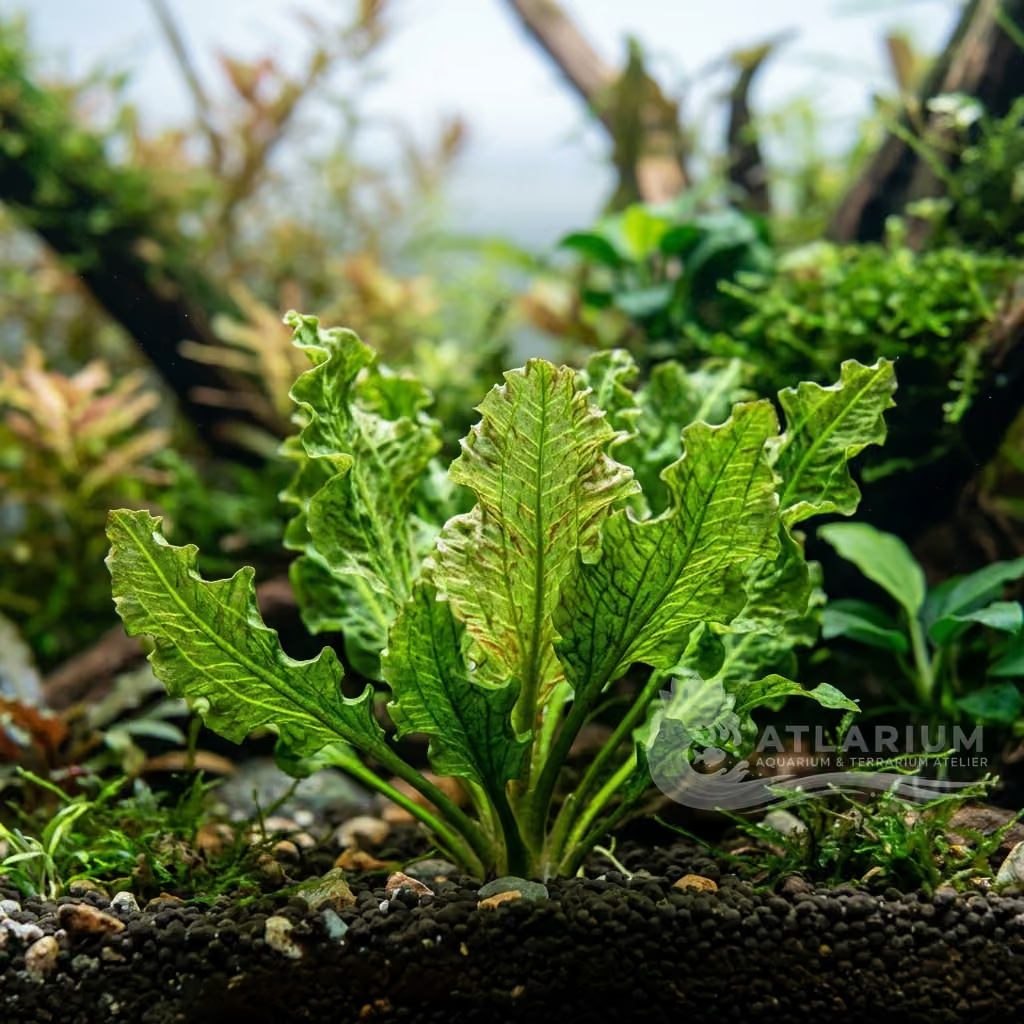
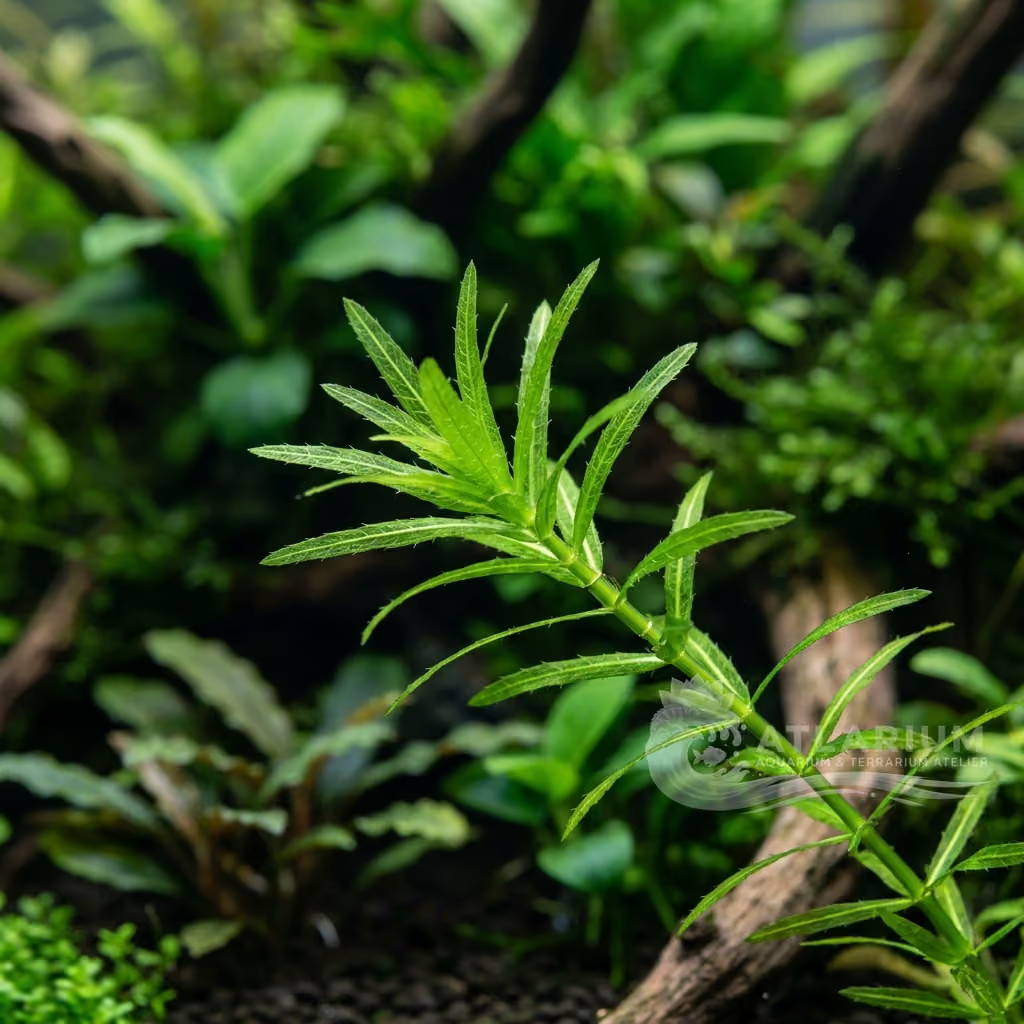
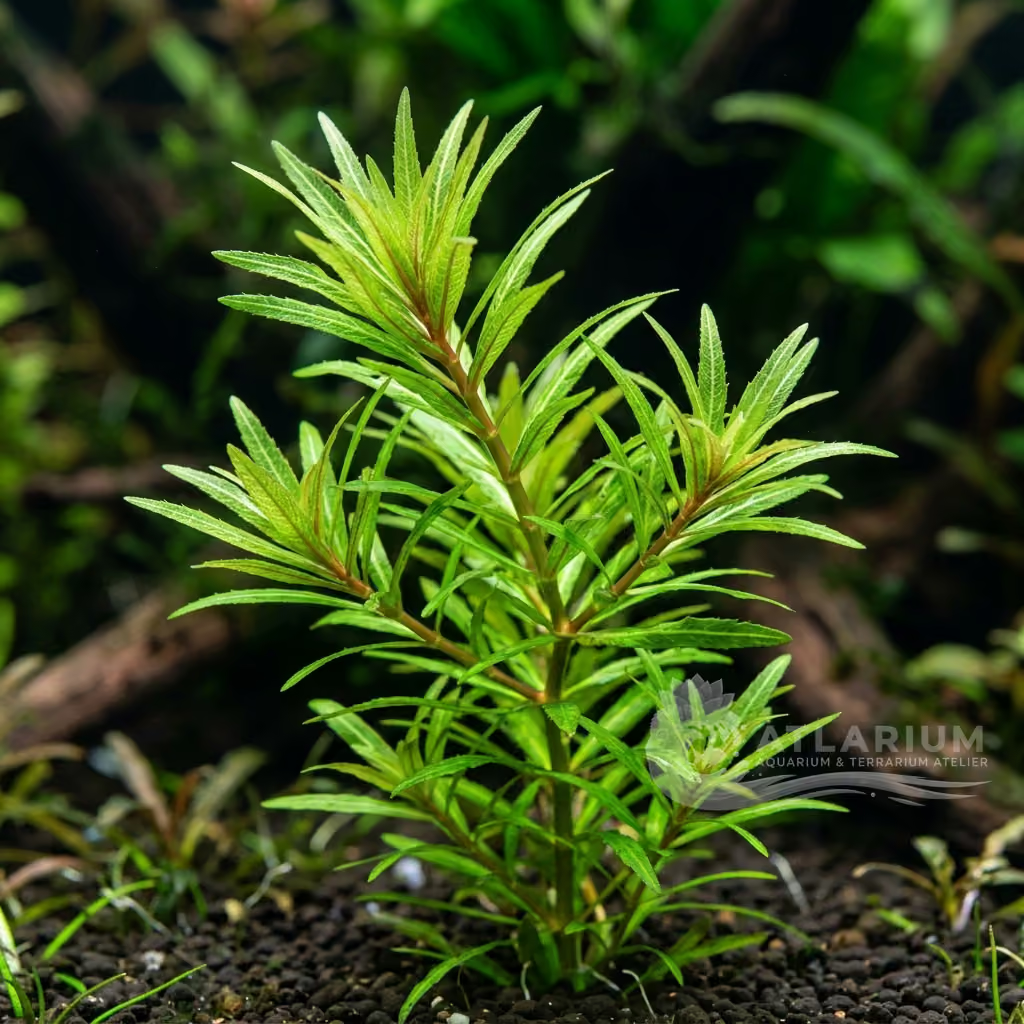
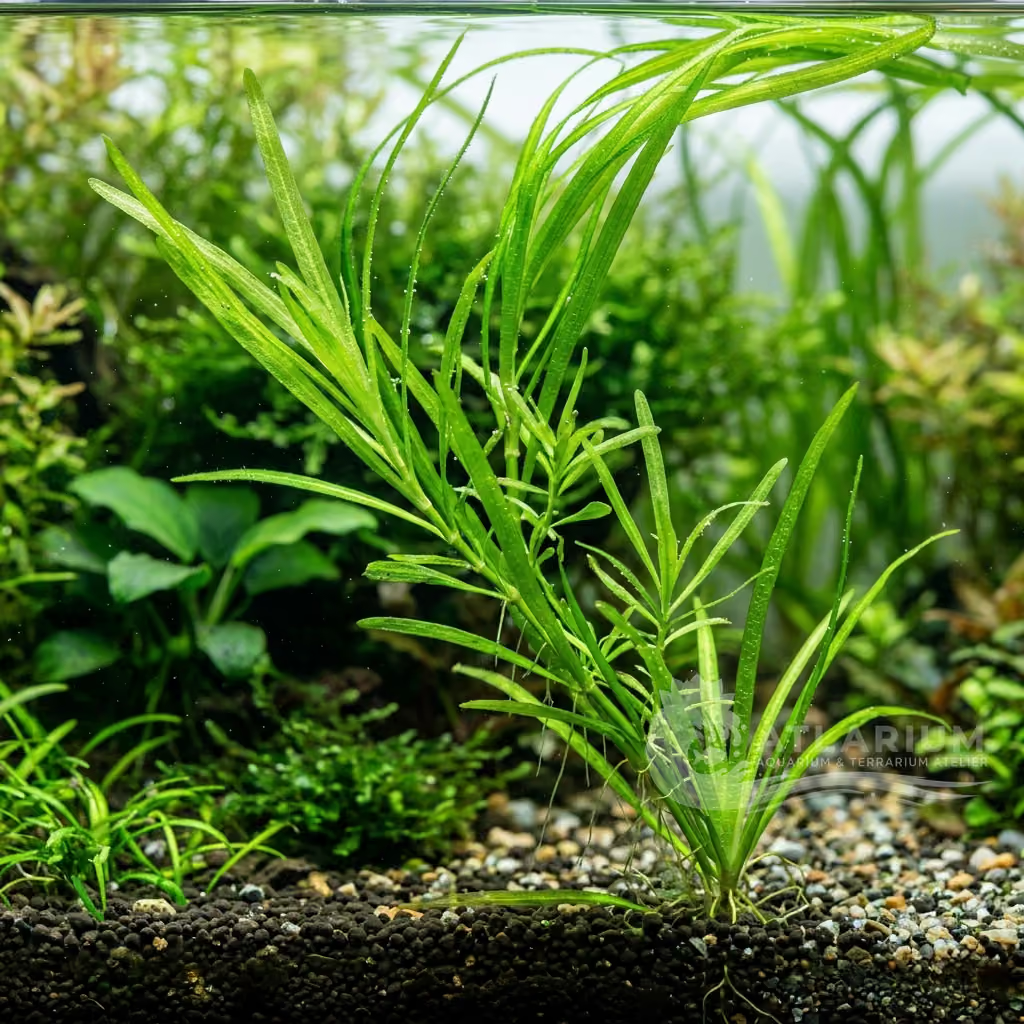
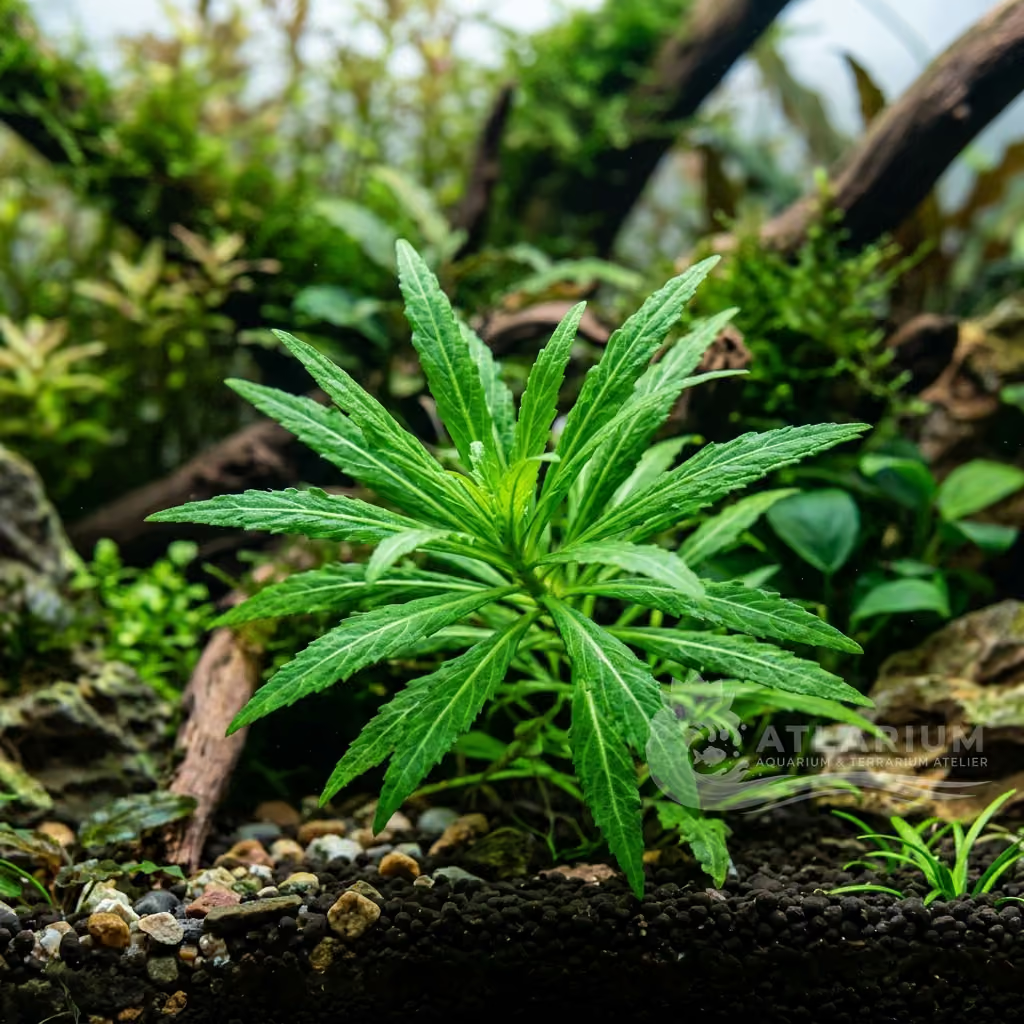
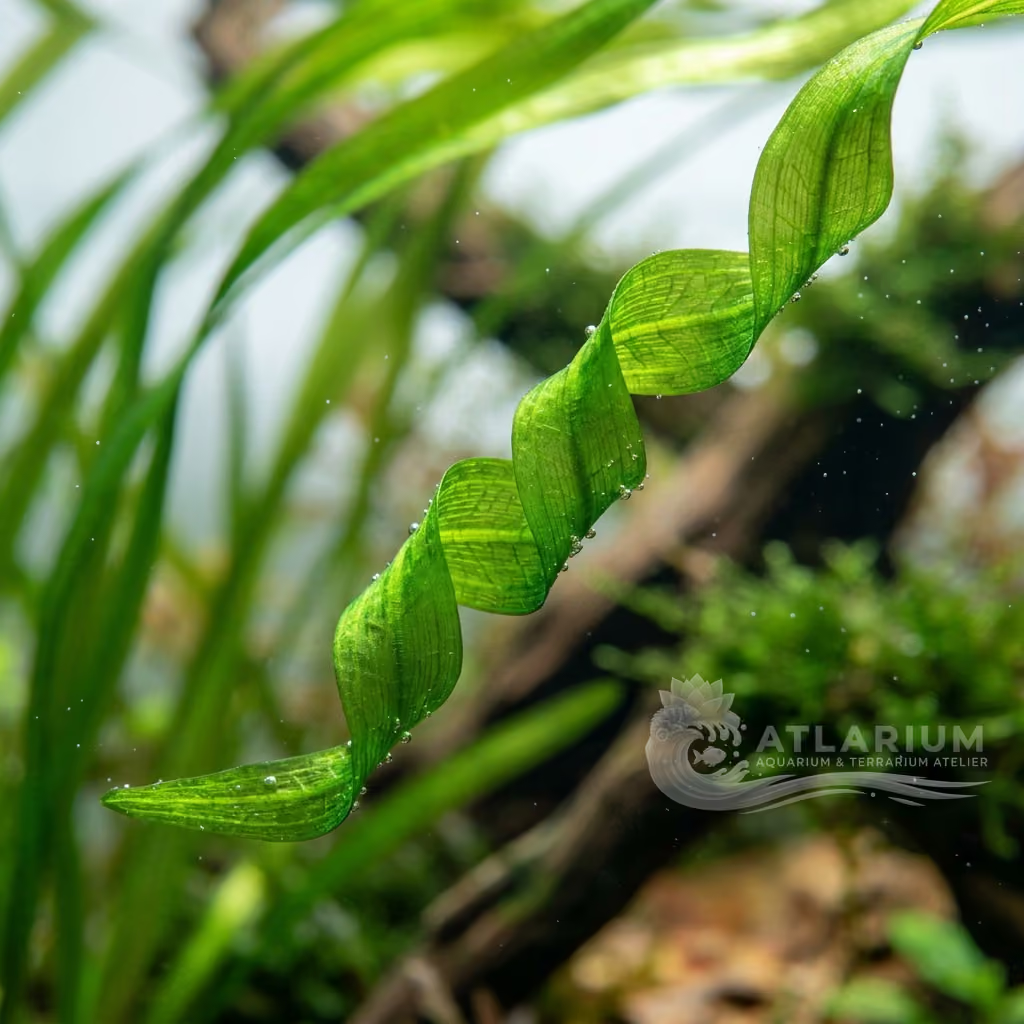
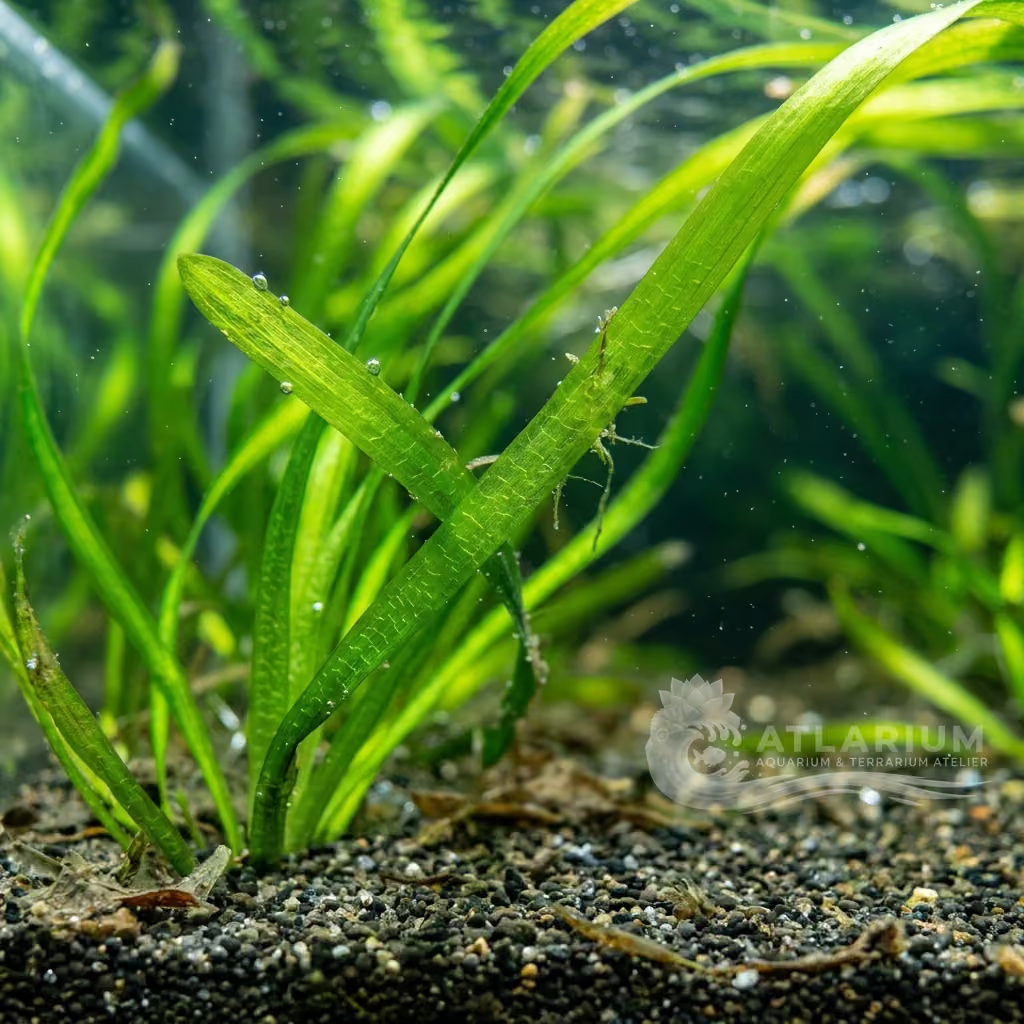
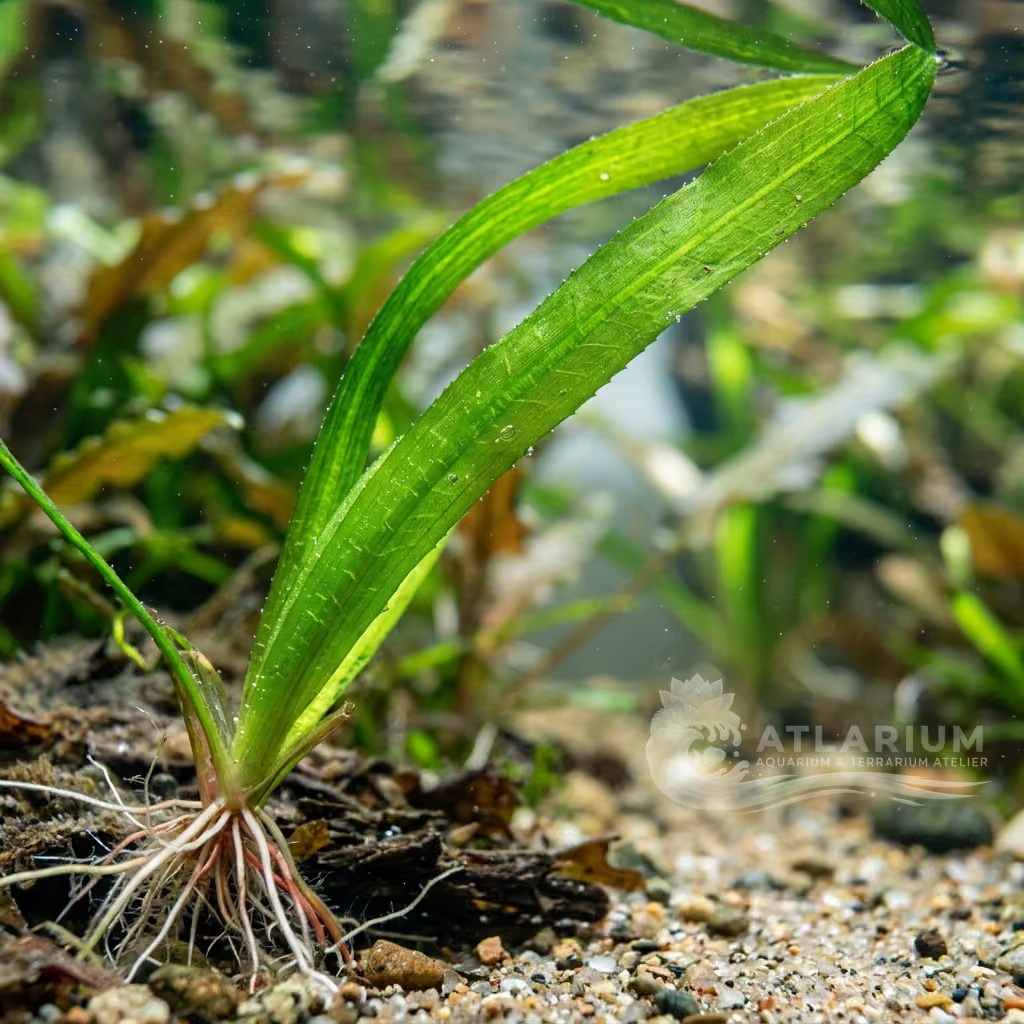
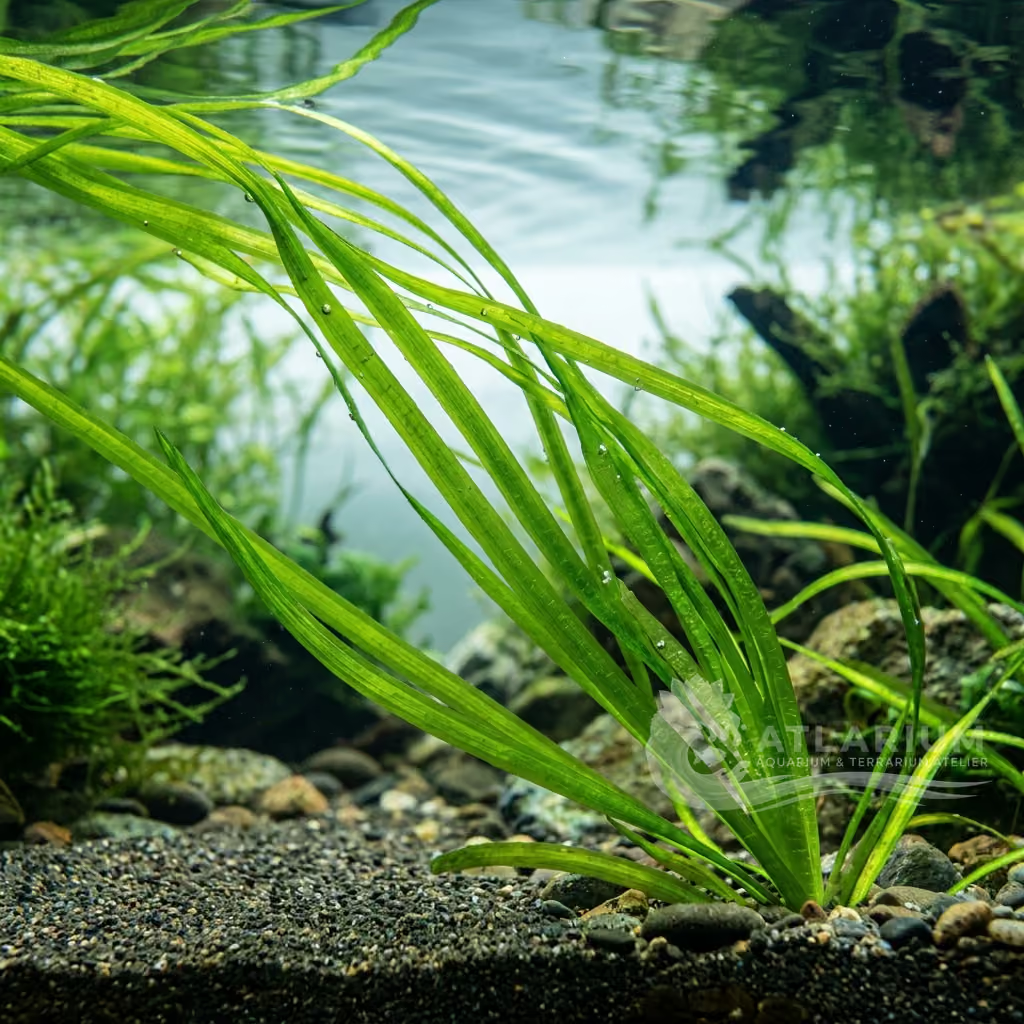
Physical Structure: The physical structure of Ottelia ulvifolia is characterized by a basal rosette from which long, ribbon-like leaves emerge, capable of reaching considerable lengths, often exceeding 30-50 cm. The leaves feature undulated or crinkled margins, reminiscent of the marine algae Ulva, hence its specific epithet "ulvifolia." Firmly anchored to the substrate by a robust root system, the plant develops a rhizomatous system that allows it to efficiently absorb nutrients.
Color & Texture: The leaves of Ottelia ulvifolia display a color spectrum ranging from medium to vibrant dark green, sometimes exhibiting reddish or brownish tints under very intense lighting or specific nutrient conditions. Their texture is smooth yet firm to the touch, and the undulated margins provide the plant with visually interesting and dynamic texture. This combination of color and structure makes it an eye-catching focal point in the aquascape, providing effective contrast against other aquatic plants.

Soins, reproduction et cohabitation
Lighting & CO2: Ottelia ulvifolia requires medium to high light intensity to truly flourish, with insufficient light leading to stunted growth and pale coloration. CO2 supplementation is highly recommended for this fast-growing species, promoting lush development and helping to prevent algae proliferation on its leaves. Maintaining a consistent photoperiod of 8-10 hours per day is crucial to support its vigorous metabolism and photosynthesis.
Nutrition & Substrate: As a fast-growing plant with a robust root system, Ottelia ulvifolia is a heavy feeder, primarily drawing nutrients from the substrate. It is therefore essential to use a fertile, nutrient-rich substrate, ideally supplemented with root tabs placed near the plant's base. Concurrently, it benefits from a balanced liquid fertilization regimen in the
Water Chemistry: This species demonstrates considerable tolerance to a wide range of water temperatures, from 15.0 to 32.0 C, though it prefers stable conditions between 22-28°C for optimal growth. It adapts well to soft to moderately hard water, with a KH range of 0.0 to 14.0, and a slightly acidic to neutral pH, between 5.0 and 7.5. Stability in parameters and regular water changes are crucial to maintain water quality and prevent plant stress.
Space Management & Placement: Given the potential length of its leaves, Ottelia ulvifolia is ideally suited for midground placement in sufficiently large aquariums, where its dramatic form can be fully appreciated. It is important to provide ample space around the plant to prevent it from excessively shading neighboring species and to allow for good water circulation. Strategic placement can turn it into a magnificent focal point, adding depth and visual interest to the entire aquascape.
Pruning: Pruning Ottelia ulvifolia should focus on removing older or damaged leaves, which should be cut at the base of the rosette to encourage new growth. It is crucial to avoid damaging the central stem or crown of the plant, as this could severely impair its health or even cause its demise. This type of pruning helps maintain the plant's desired shape, prevents detritus accumulation, and ensures better light penetration to younger leaves.
Risks & Diseases: Although a robust plant, Ottelia ulvifolia can be susceptible to nutrient deficiencies, particularly iron deficiency causing chlorosis (yellowing leaves) or potassium deficiency manifesting as pinholes in the leaves. Algae proliferation can occur on older or decaying leaves if the balance between light and nutrients is not optimal. While pest infestations are rare, it is always advisable to thoroughly inspect new plants and, if necessary, implement a quarantine period to prevent issues.

Origine et répartition géographiques
Ottelia ulvifolia is native to widespread tropical and subtropical regions of Africa and Asia, where it thrives in freshwater aquatic habitats. It typically favors slow-moving or stagnant waters, such as swamps, ponds, ditches, and rice paddies, demonstrating remarkable adaptability to various environmental conditions. This natural provenance suggests a tolerance for higher temperatures and a broad range of water parameters, though it ideally prefers stable, nutrient-rich environments.
Origine
Afrique et MadagascarAsie du Sud et du Sud-EstAsie de l'Est

Profil de plante
- Emplacement
- Plan intermédiaire
- This plant is typically placed in the midground or background, depending on the size of the aquarium. Its broad leaves require ample space to spread out naturally without being shaded. It serves as an excellent focal point in the aquascape.
- Forme botanique
- Rosette
- The plant grows in a classic rosette pattern, with leaves radiating from a central crown. The leaves are often broad, elegantly textured, and sometimes undulated. Its striking form makes it a bold architectural element in any aquatic garden.
- Croissance
- Rapide
- Under favorable conditions, Ottelia ulvifolia grows at a steady, moderate rate. High lighting and CO2 supplementation encourage faster production of new leaves from the central rosette. It continuously replaces older outer leaves with fresh central ones.
- Substrat
- Élevé
- Ottelia ulvifolia develops a highly demanding root system that necessitates a nutrient-dense and relatively deep substrate to flourish. Providing a premium aquasoil or a mature, enriched gravel bed is vital to supply the abundant minerals required for its broad, delicate foliage. A substrate layer of approximately 6 to 8 centimeters allows its dense roots to penetrate deeply, securing the plant and facilitating maximal nutrient uptake.
- Fertilisation de la colonne d'eau
- Recommandée
- While root feeding is primary, Ottelia ulvifolia also benefits from liquid fertilization. Comprehensive water column dosing ensures micronutrients like iron and trace elements are readily available. Regular dosing complements root nutrition perfectly.
- Fertilisation racinaire
- Nécessaire
- A rich substrate is absolutely critical for the long-term success of this rosette plant. Root tabs should be placed deeply near the crown every few months to replenish exhausted nutrients. Aquasoils provide an excellent foundation for its massive root structure.
- Taille
- Occasionnelle
- Pruning involves selectively removing older, decaying, or algae-covered leaves from the outer edge of the rosette. Cut the leaf stems as close to the crown as possible to prevent rot. Never cut the central new growth, as this can severely stunt the plant.
- Propagation
- Division
- Propagation usually occurs naturally through the production of side shoots or daughter plants from the base. Once a daughter plant has developed its own roots and several leaves, it can be carefully detached. Alternatively, some species propagate via seeds.
- Sensibilité
- Modérée
- Ottelia ulvifolia can be sensitive to root disturbance once established, so transplanting should be minimized. It is prone to melting if introduced to drastically different water parameters. Herbivorous fish or large snails might damage the tender foliage.
- Rôle dans le décor
- Plan intermédiaire, Arrière-plan
- Its main role is to serve as a strong focal point or a dominant feature in the midground. The broad, textured leaves break up the fine foliage of stem plants beautifully. In larger tanks, it anchors the aquascape with its solid visual weight.

Espèces associées
Recommandations regroupées par proches parents, compagnons et soins similaires.