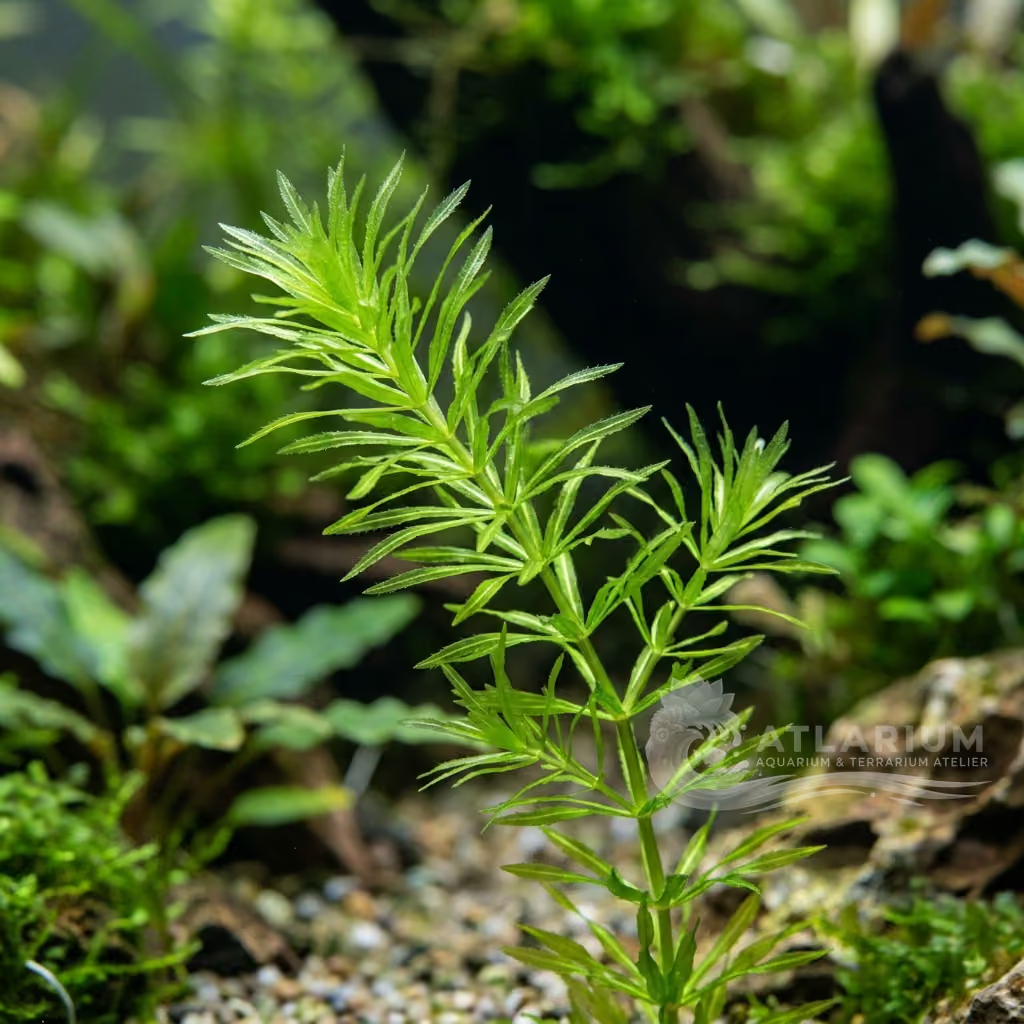
Vallisneria nana "Tiger"
Vallisneria nana
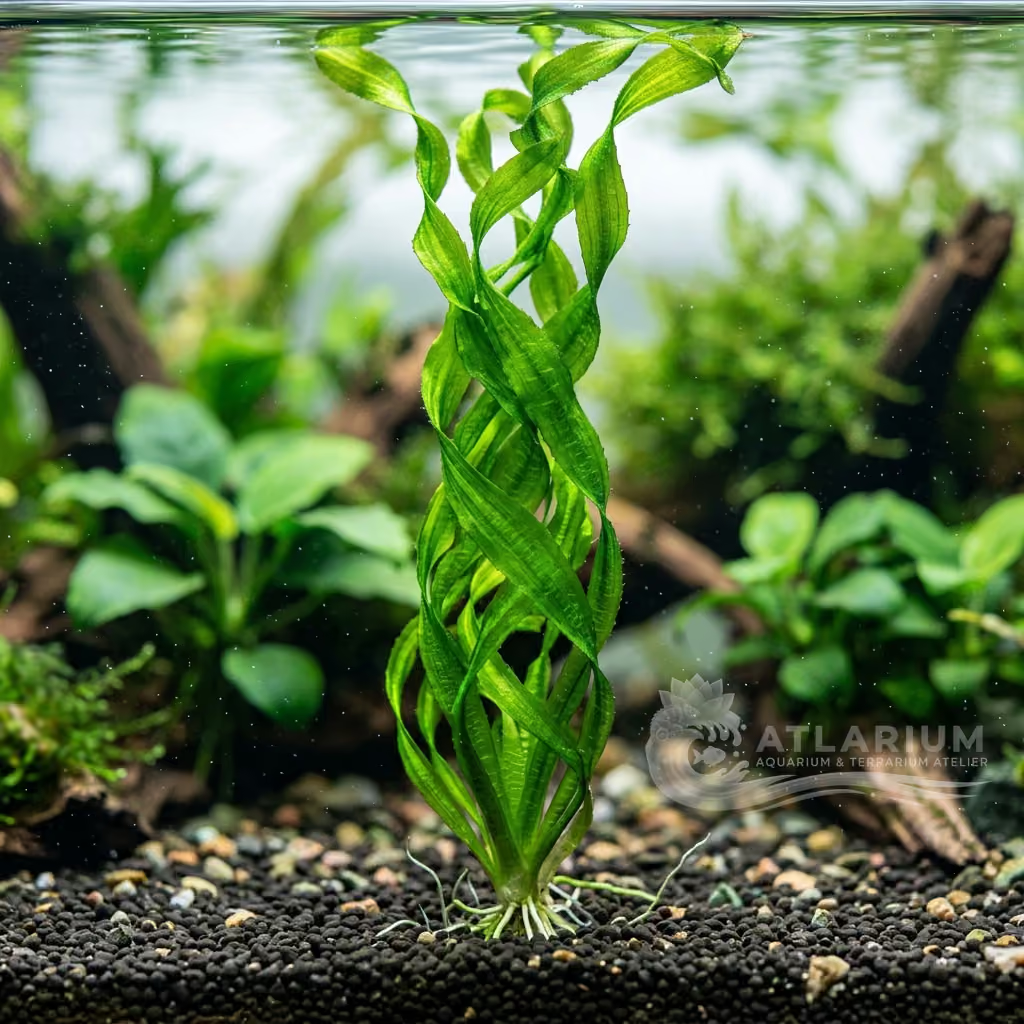
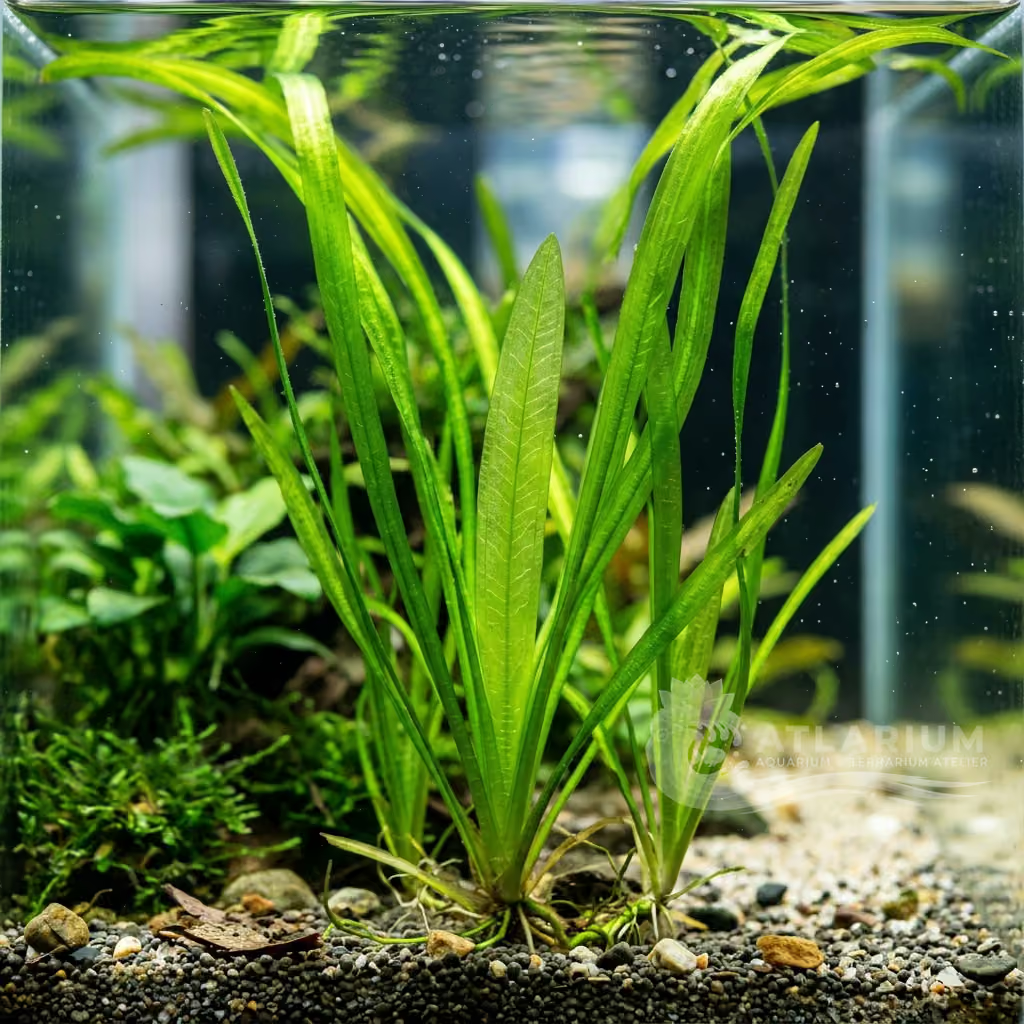
Vallisneria nana "Tiger" is a fast-growing aquatic plant, ideal for midground placement due to its manageable height and elegant upright growth. It readily propagates through runners, allowing it to quickly establish dense and attractive groupings within the aquarium.
Température de l’eau
15 - 30 °C
Valeur du pH
6 - 8
Type d'eau
Eau douce
Lumière
Medium to High
CO2
Faible - Élevée
Hauteur attendue
60 cm
KH
2 - 21 dKH

Description de l'espèce
Geographical Origin and Habitat:
Taxonomy & Genetics:
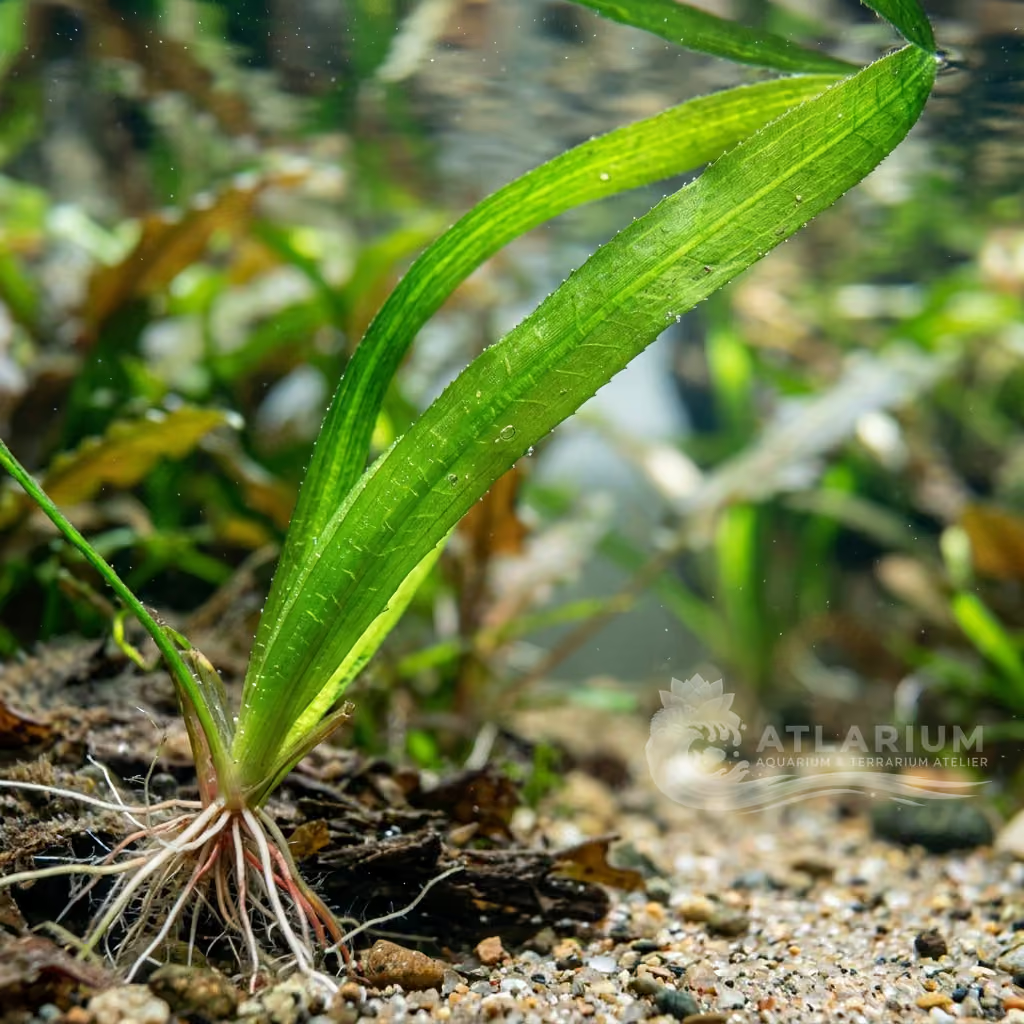
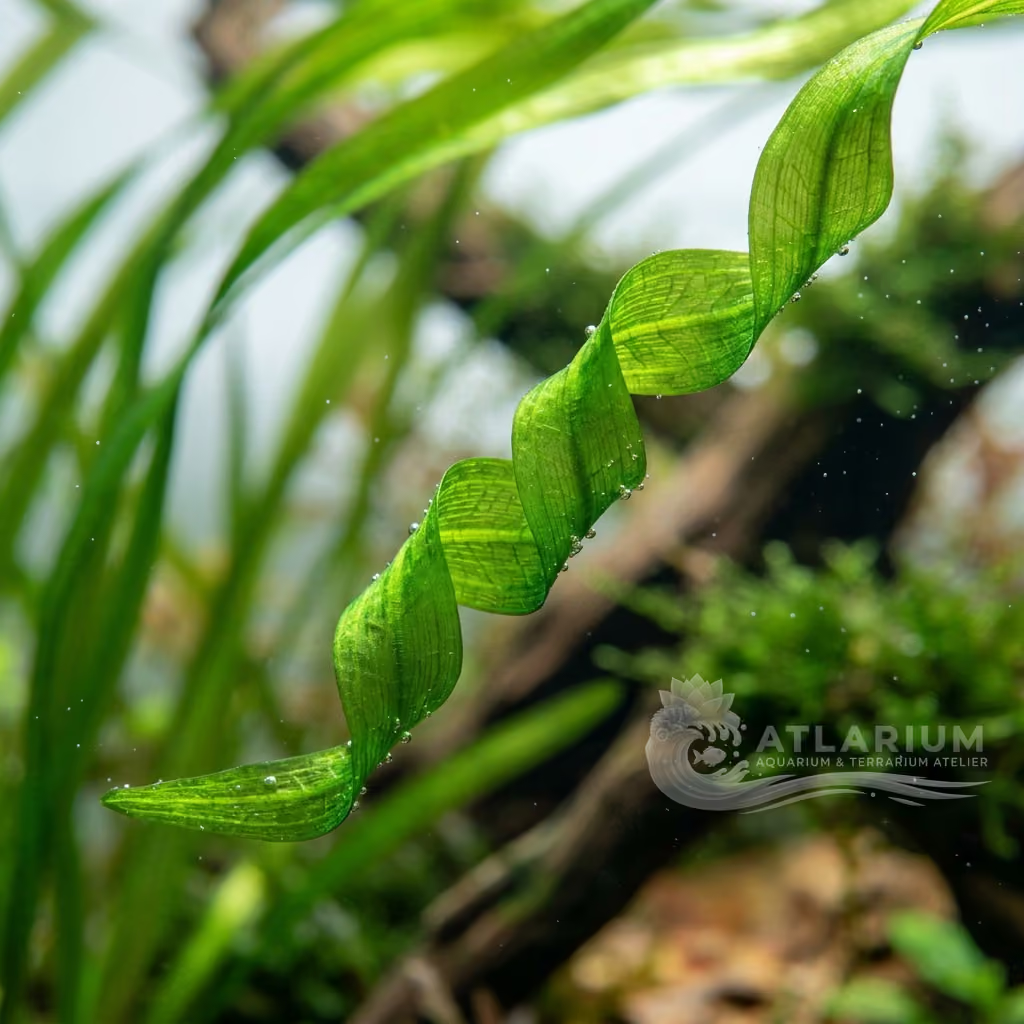
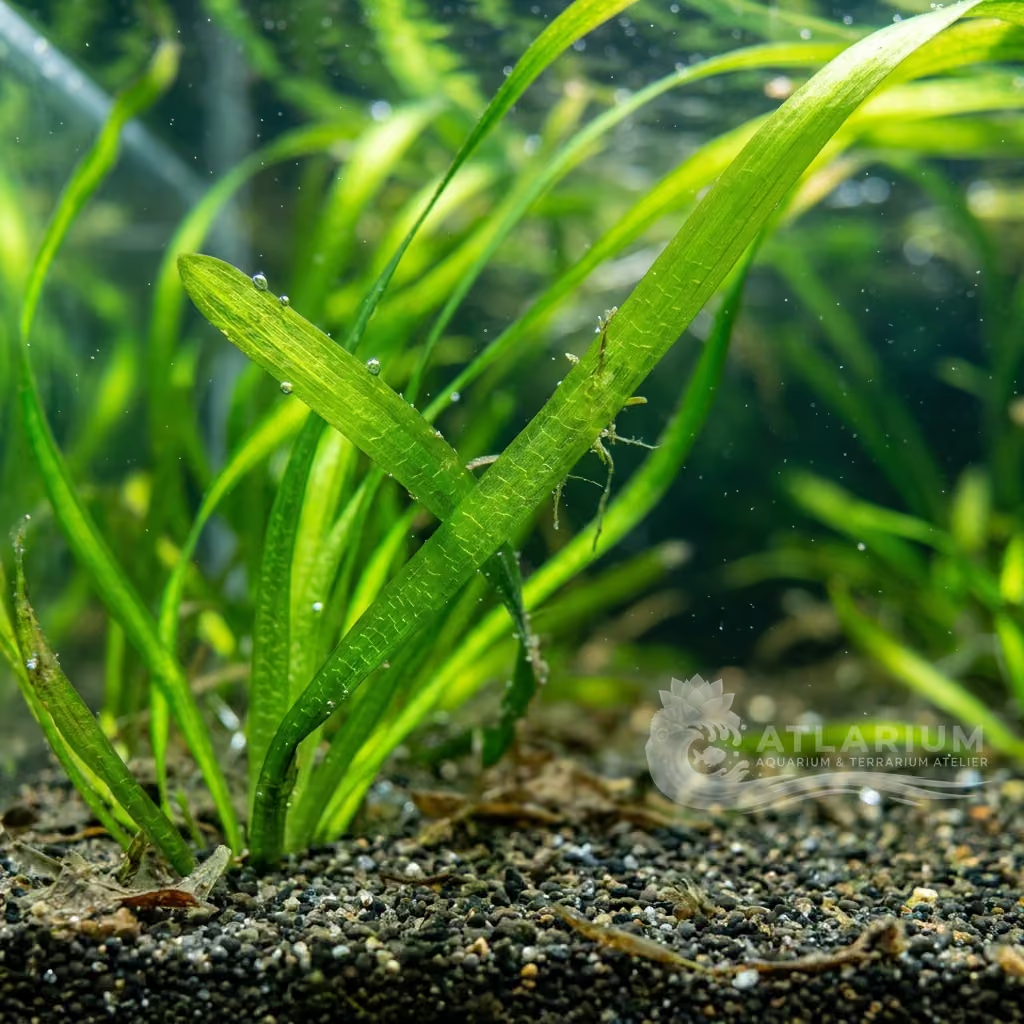
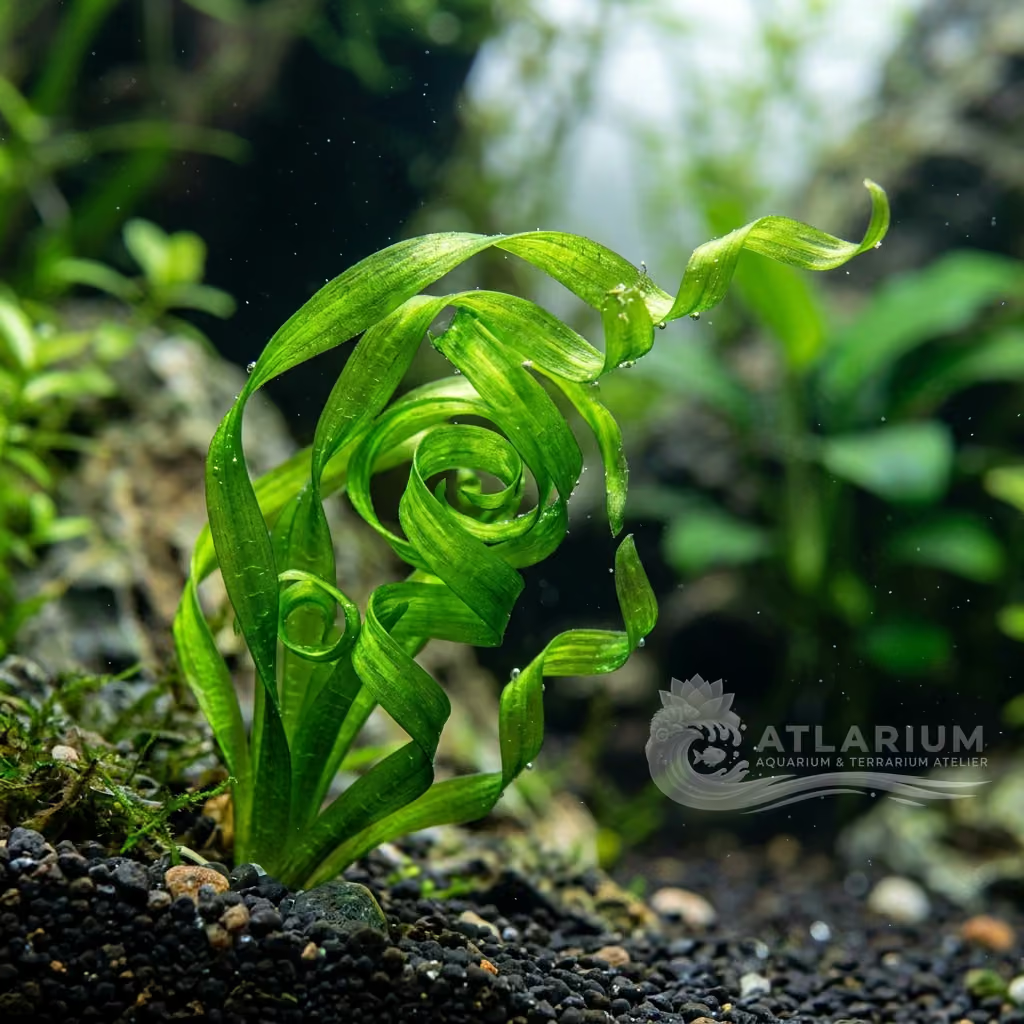
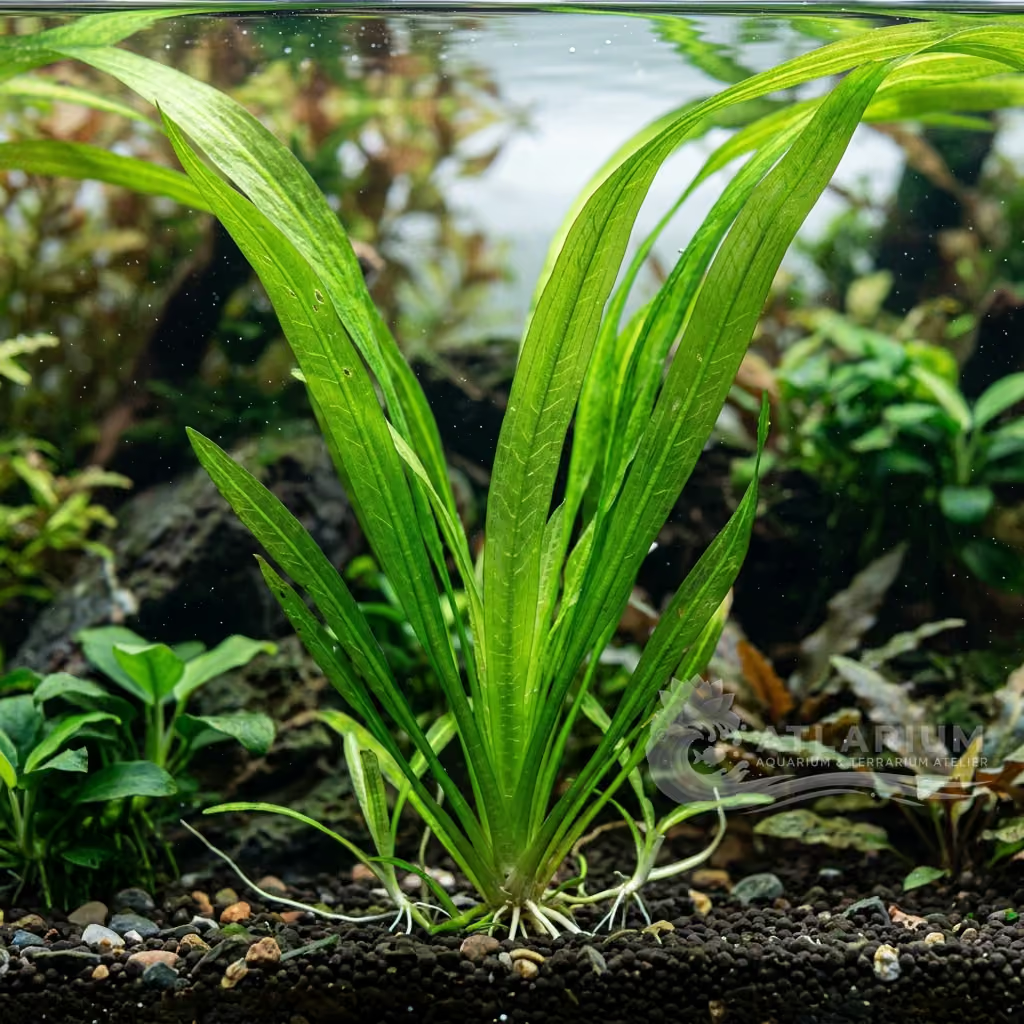
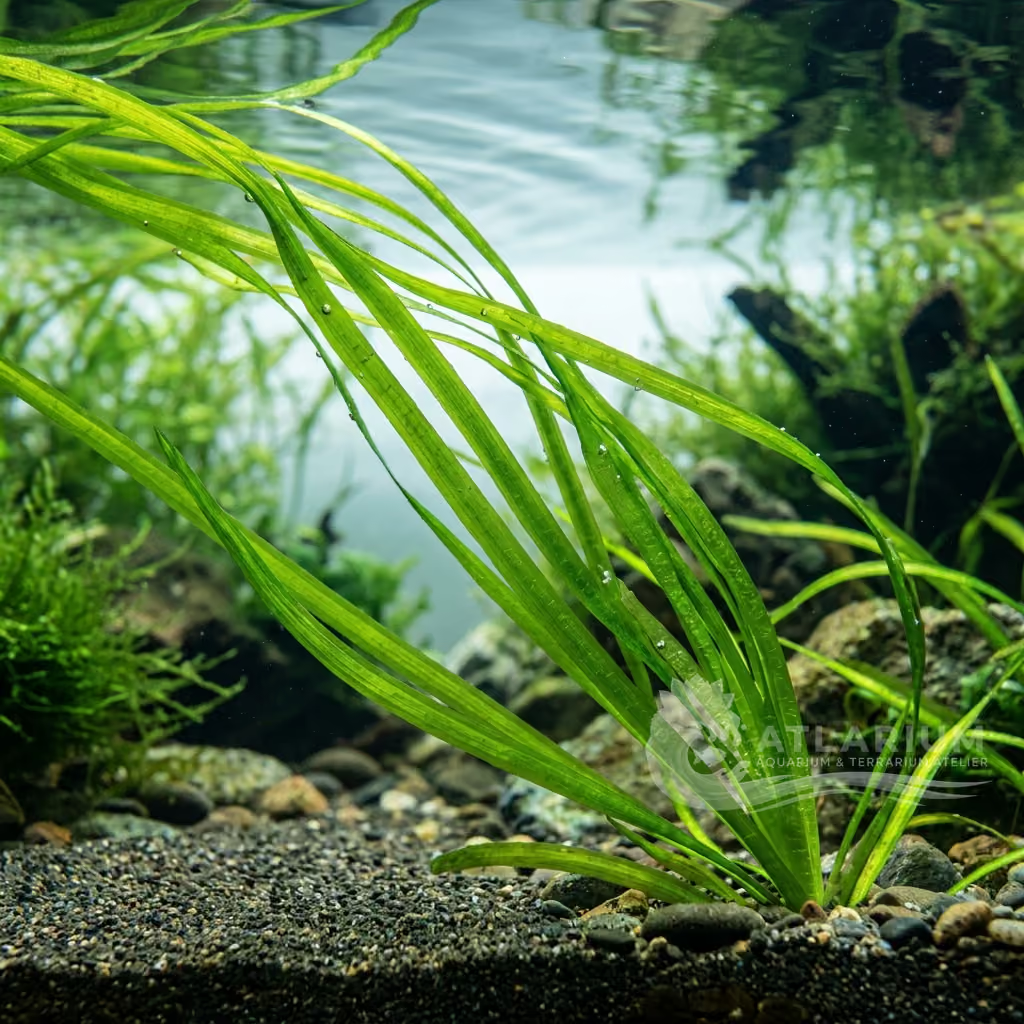
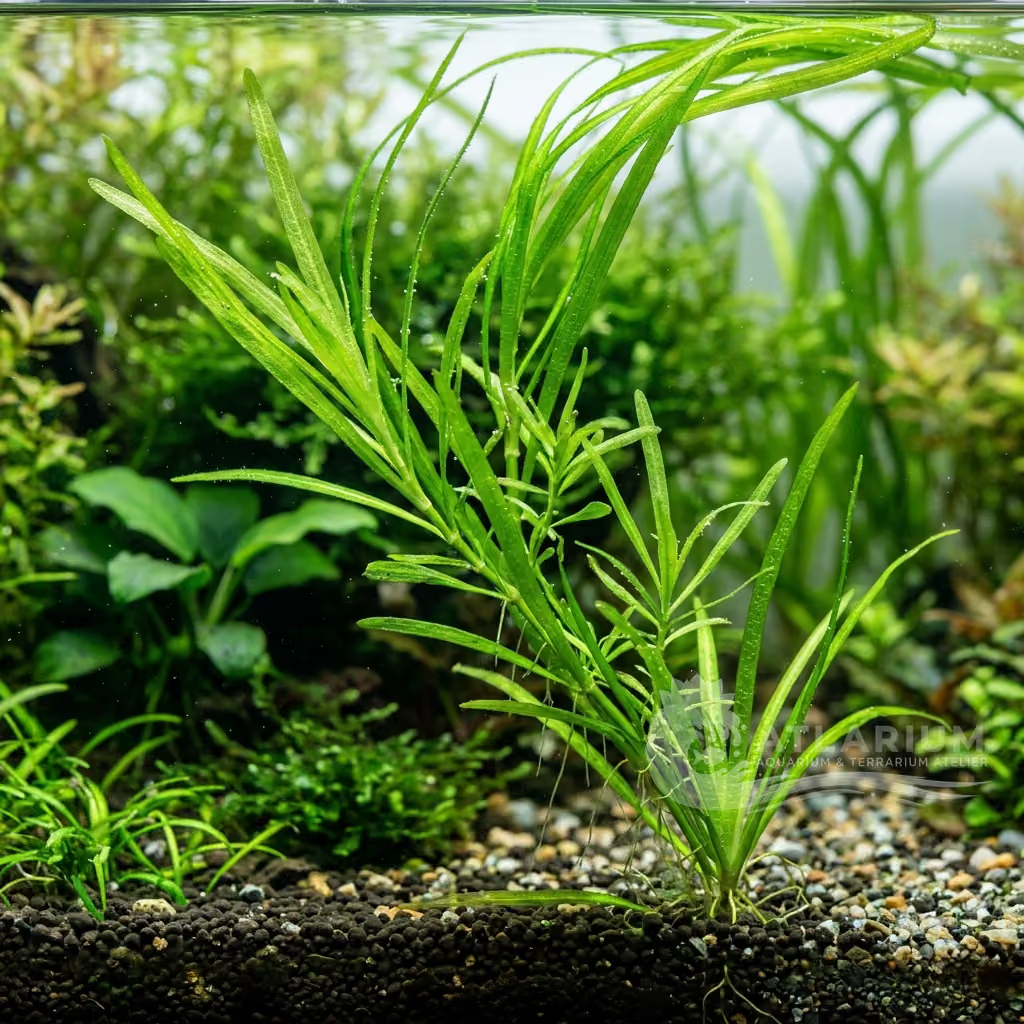
Physical Structure: This cultivar features narrow, ribbon-like leaves, typical of Vallisneria, but generally shorter and more compact, justifying the "nana" epithet. The leaves emerge from a basal rosette and can reach considerable lengths, though they remain more manageable than other Vallisneria species, making it suitable for medium-sized aquariums. The plant actively propagates via runners that branch out from the mother plant, producing new plantlets that quickly form a dense cluster.
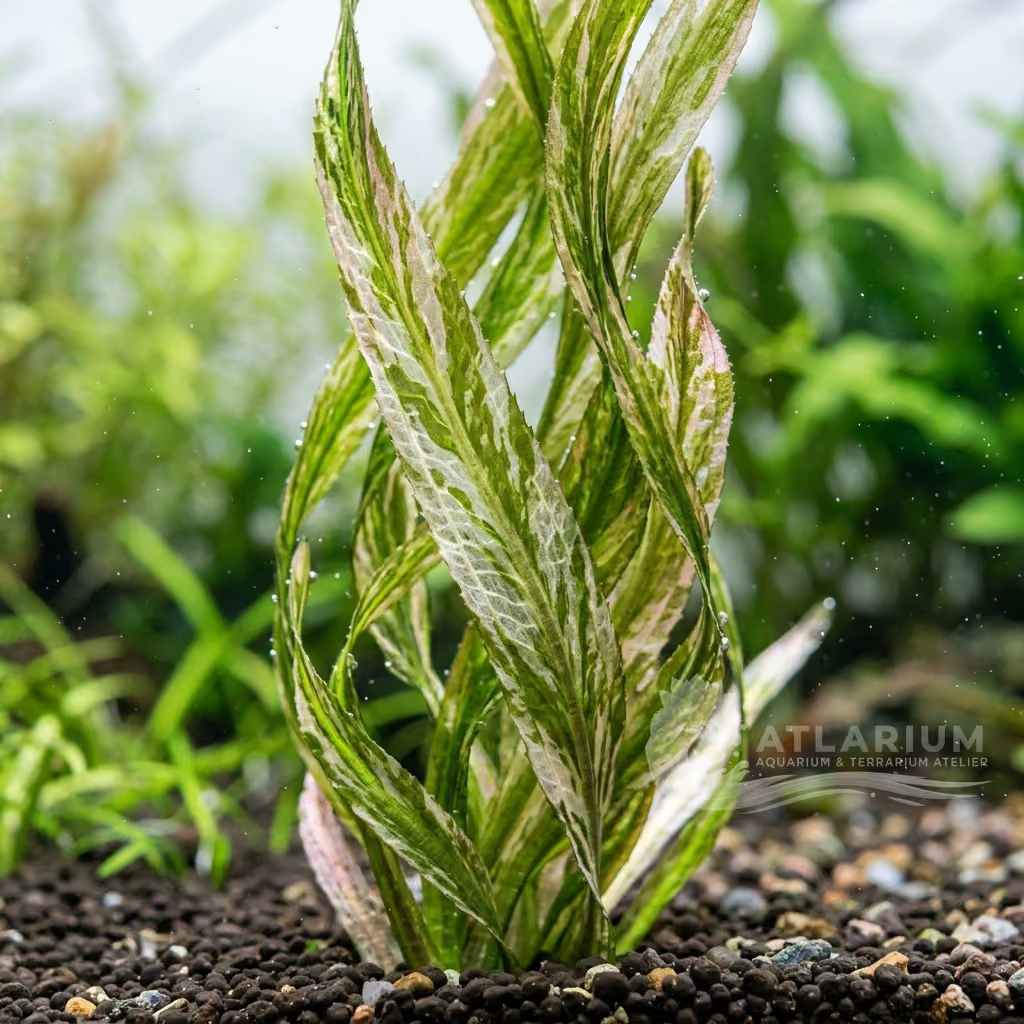
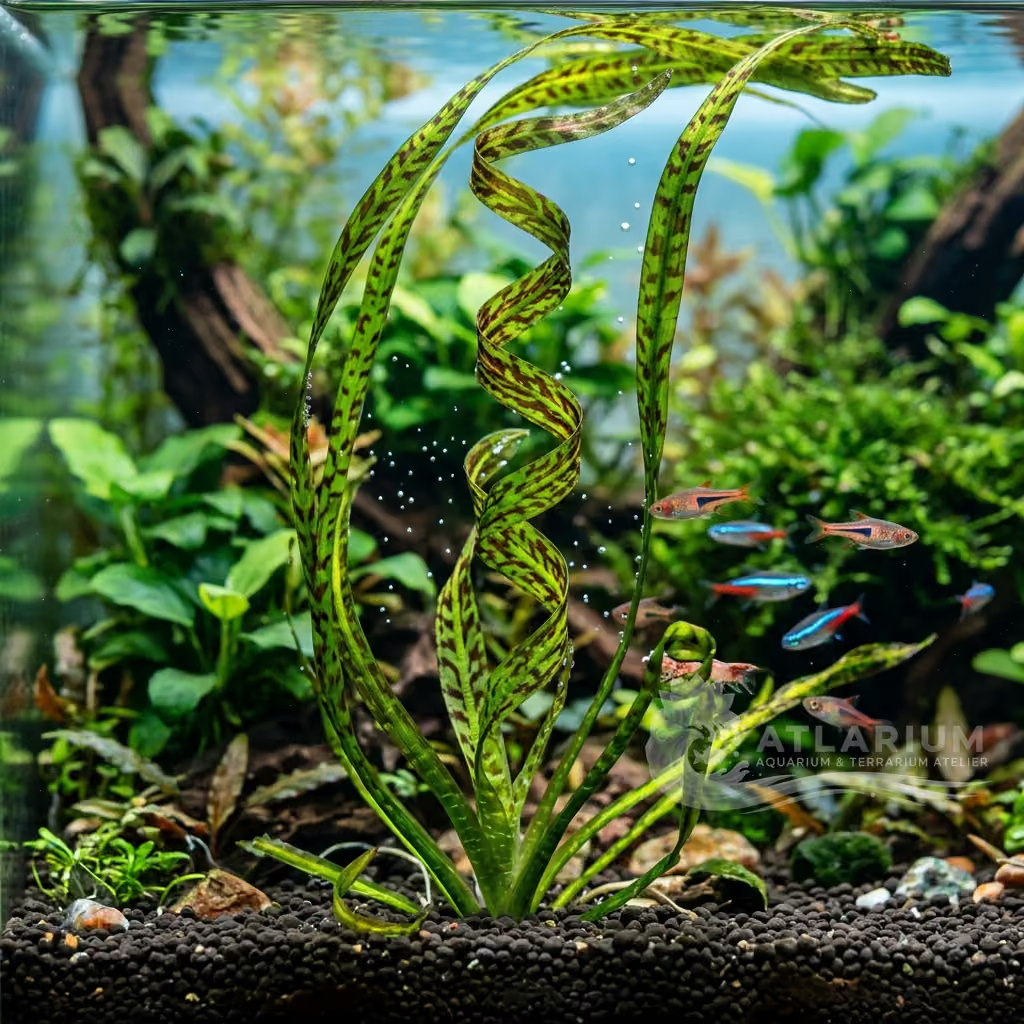
Color & Texture: The distinguishing feature of Vallisneria nana "Tiger" lies in its coloration and texture. Its bright to medium green leaves are adorned with darker stripes or spots, often brown or reddish, creating a tiger-like effect from which its name is derived. These markings can vary in intensity depending on lighting conditions and nutrient availability, offering significant visual dynamism. The leaf surface is smooth and slightly glossy, contributing to the plant's overall elegance.

Soins, reproduction et cohabitation
Lighting & CO2: Vallisneria nana "Tiger" thrives under medium to high lighting conditions, which encourages robust growth and intensifies its distinctive striping. While it can survive in lower light, its growth will be slower and its coloration less pronounced. The addition of CO2 is highly recommended to stimulate rapid growth and overall plant health, promoting thicker leaves and increased vitality.
Nutrition & Substrate: As a typical root feeder, Vallisneria nana "Tiger" greatly benefits from a nutrient-rich substrate enriched with clay or specific granular aquarium plant fertilizers. It is important that the substrate is sufficiently deep to allow the roots to anchor firmly and absorb necessary nutrients. Supplementing with liquid fertilizers in the
Water Chemistry: This Vallisneria demonstrates remarkable tolerance for a wide range of water parameters, making it suitable for many aquariums. The ideal temperature ranges between 15.0 and 30.0 °C, pH can fluctuate between 6.0 and 8.0, and carbonate hardness (KH) between 2.0 and 21.0. Despite this flexibility, stable parameters are always preferable to avoid plant stress, ensuring a consistent environment less prone to fluctuations that could hinder its growth.
Space Management & Placement: Vallisneria nana "Tiger" is ideal for midground placement, where its medium-length leaves can create a natural barrier or an elegant focal point. Thanks to its rapid propagation via runners, it excels at quickly filling empty areas and creating a dense, lush "jungle" effect. It is crucial to anticipate sufficient space for its lateral expansion, regularly managing runners to contain its spread.
Pruning: Pruning Vallisneria nana "Tiger" primarily involves managing its growth and removing old or damaged leaves. It is advisable to remove the outermost, yellowing leaves at the base to keep the plant clean and encourage the growth of healthier new leaves. Runners producing new plantlets can be trimmed, and the young plants either replanted elsewhere or discarded to control density, preventing the plant from excessively overgrowing the aquarium.
Risks & Diseases: This Vallisneria is generally robust but can be susceptible to nutrient deficiencies, manifesting as yellowing leaves or stunted growth. Abrupt changes in water conditions, including CO2 spikes or temperature fluctuations, can cause leaf melting. It is also sensitive to certain chemicals, such as specific copper-based algaecides, which can severely damage it. Therefore, it is always advisable to test on a small portion or avoid using aggressive products.

Origine et répartition géographiques
Cette espèce provient de : Australia.
Origine
Australie, Nouvelle-Guinée et Océanie

Profil de plante
- Emplacement
- Plan intermédiaire
- It is best utilized in the midground or as a background plant in smaller aquaria. The patterned leaves should be placed where they can be easily seen and appreciated. Avoid placing it in deep shade, which may cause the tiger stripes to fade.
- Forme botanique
- Rosette
- It shares the extremely narrow, grass-like leaf structure of V. nana, but features a distinct mutation. The leaves are adorned with dark, horizontal crossbands, earning it the 'Tiger' moniker. This unique striping is most pronounced under strong lighting.
- Croissance
- Rapide
- It grows at a moderate to fast pace, depending heavily on light and nutrient availability. It will actively produce runners and form dense clusters over time. Regular maintenance is required to prevent it from encroaching on foreground areas.
- Substrat
- Élevé
- *Vallisneria nana* "Tiger" develops a strong root base that requires a deeply fertilized substrate to support its unique, patterned foliage. Planting in 2 to 3 inches (5-8 cm) of aqua soil or root-tab-enriched gravel ensures that the roots can hold the plant firmly and spread runners efficiently. The plant absorbs essential iron and micronutrients primarily from the soil layer, which directly enhances the distinctive tiger-like striping on its leaves.
- Fertilisation de la colonne d'eau
- Recommandée
- Dosing a complete liquid fertilizer with iron is crucial for maintaining the dark tiger stripes. The plant relies on the water column for micronutrients to support its rapid growth. Consistent dosing prevents the leaves from becoming pale and losing their pattern.
- Fertilisation racinaire
- Recommandée
- A fertile substrate or the use of root tabs is highly recommended to support its vigorous runner production. Strong root feeding ensures the plant has the energy to maintain its distinct coloration. It develops a surprisingly extensive root system for such a delicate-looking plant.
- Taille
- Occasionnelle
- Prune by removing the oldest leaves at the very base of the plant. Do not give the plant a "haircut" by snipping the leaves in half, as the cut ends will decay. Thin the colony by removing errant runners to maintain a clean aquascape design.
- Propagation
- Stolons
- It propagates easily and continuously via subterranean runners. The daughter plants will inherit the striped pattern of the mother plant. Once a new plant is established with roots, the runner can be cut and the plant moved if desired.
- Sensibilité
- Modérée
- It is notoriously sensitive to liquid carbon supplements and will melt rapidly if exposed to them. It thrives in moderate to hard water and appreciates stable water parameters. Significant fluctuations in water chemistry can cause it to drop leaves or lose its pattern.
- Rôle dans le décor
- Plan intermédiaire, group
- It serves as a highly textured focal point in the midground or background. The tiger stripes add a layer of complex visual interest not found in standard grass-like plants. It contrasts beautifully with solid green or red plants in a planted aquarium.

Espèces associées
Recommandations regroupées par proches parents, compagnons et soins similaires.