Vallisneria americana
Vallisneria americana
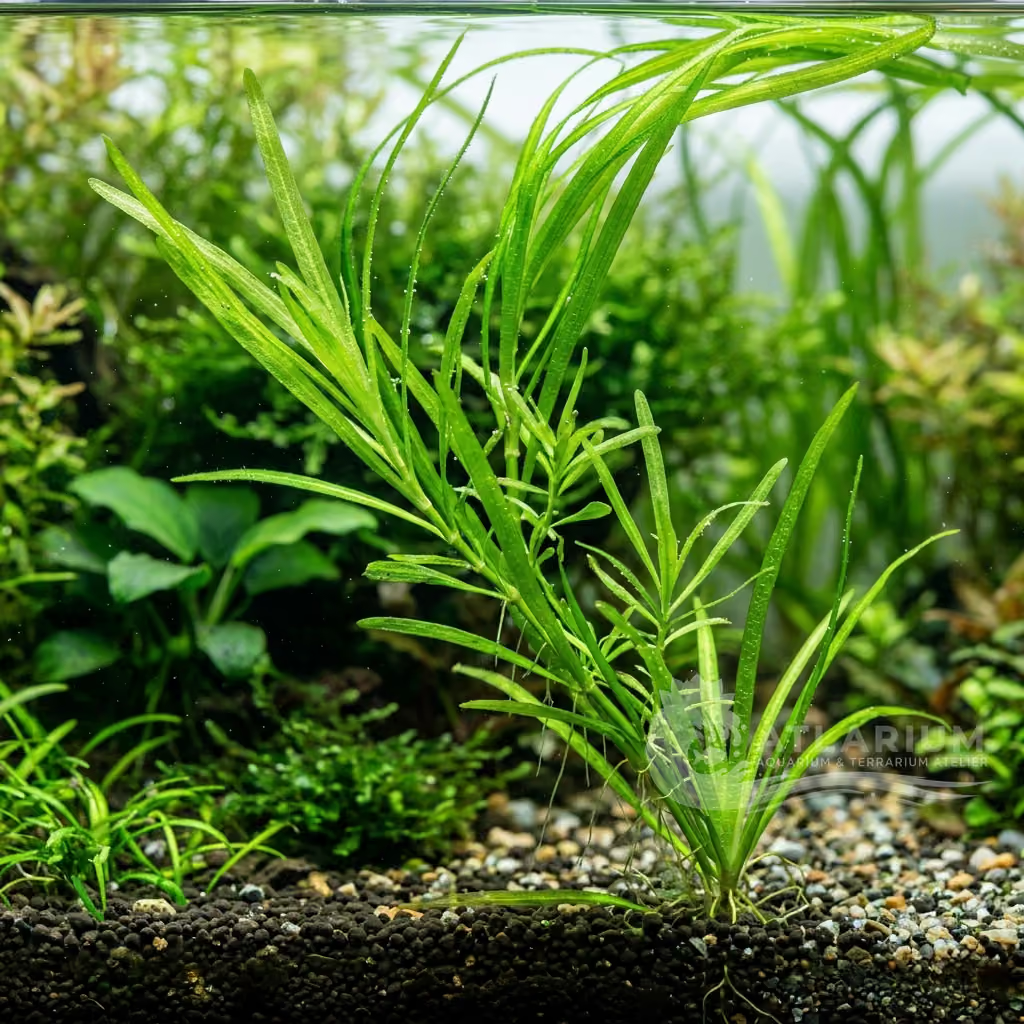
Vallisneria americana is a robust and highly adaptable aquatic plant, favored for its long, ribbon-like leaves that create a lush background or natural hedge in the aquarium. With a medium growth rate, it is an excellent choice for midground placement, where it elegantly expands through runners, quickly colonizing the space with natural grace.
Température de l’eau
22 - 28 °C
Valeur du pH
6 - 7.5
Type d'eau
Eau douce
Lumière
Moyenne - Élevée
CO2
Moyenne - Élevée
Hauteur attendue
100 cm
KH
2 - 10 dKH

Description de l'espèce
Geographical Origin and Habitat: Vallisneria americana, commonly known as "Jungle Val" or "American Val," originates from a wide range spanning North America, Central America, and parts of South America and Asia. This aquatic species thrives in diverse freshwater habitats, including lakes, slow-moving rivers, swamps, and canals, often forming dense submerged colonies. Its remarkable adaptability allows it to tolerate various environmental conditions, making it a popular and reliable choice for aquascaping.
Taxonomy & Genetics: Belonging to the Hydrocharitaceae family, Vallisneria americana is closely related to other well-known aquatic plants like Elodea and Egeria. The genus Vallisneria is characterized by dioecious plants, meaning individuals are either male or female, a trait observable during flowering when male flowers detach and float to pollinate female flowers at the surface. Its taxonomy has undergone revisions, and it is frequently confused with similar species like Vallisneria spiralis, though leaf form and growth habit can subtly differ depending on the specific variety and growing conditions.
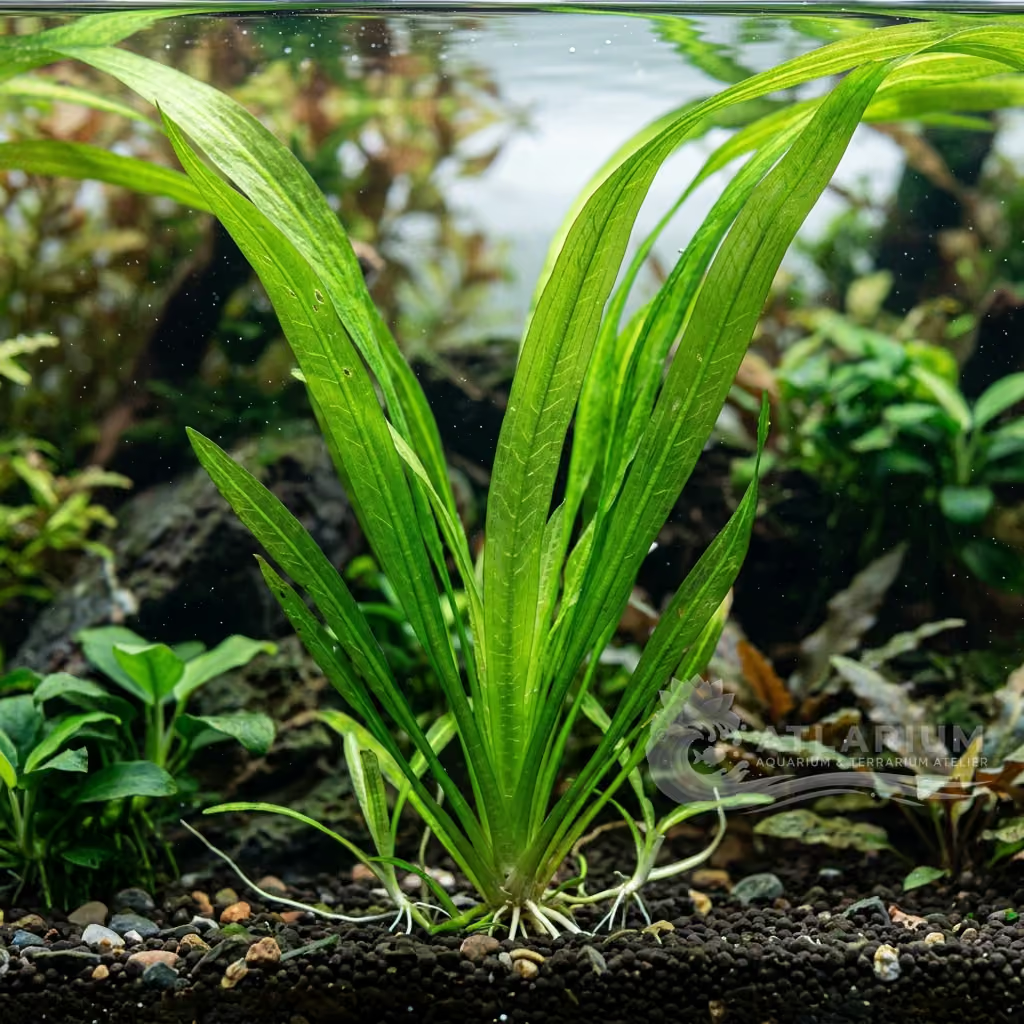
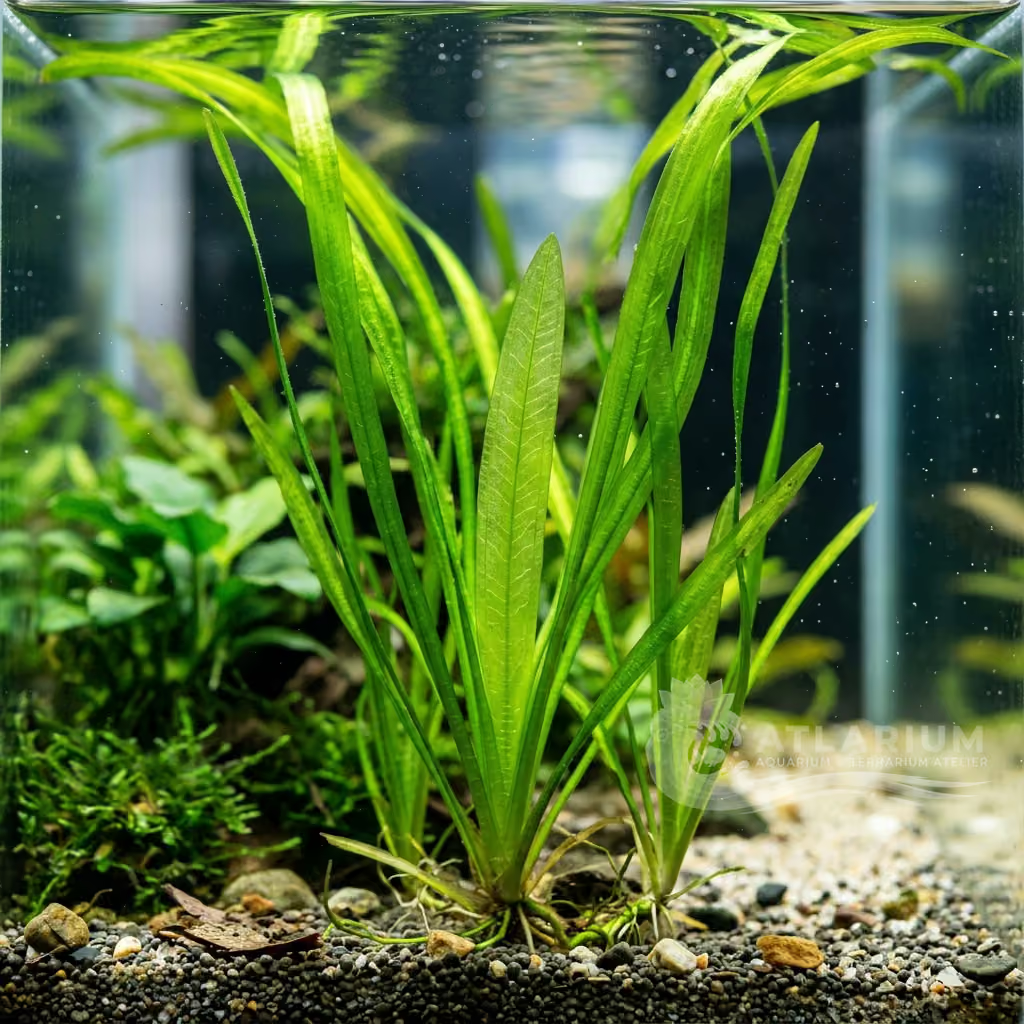
Physical Structure: Vallisneria americana is a rosette-forming plant that develops long, strap-like leaves which can reach considerable lengths, often exceeding 50-60 cm (20-24 inches) under optimal conditions. The leaves emerge from a short rhizome and a basal rosette, and the plant actively propagates itself via subterranean runners (stolons), producing new plantlets a short distance from the mother plant. This efficient vegetative reproduction method allows Vallisneria to rapidly form dense thickets or even carpet-like expanses.
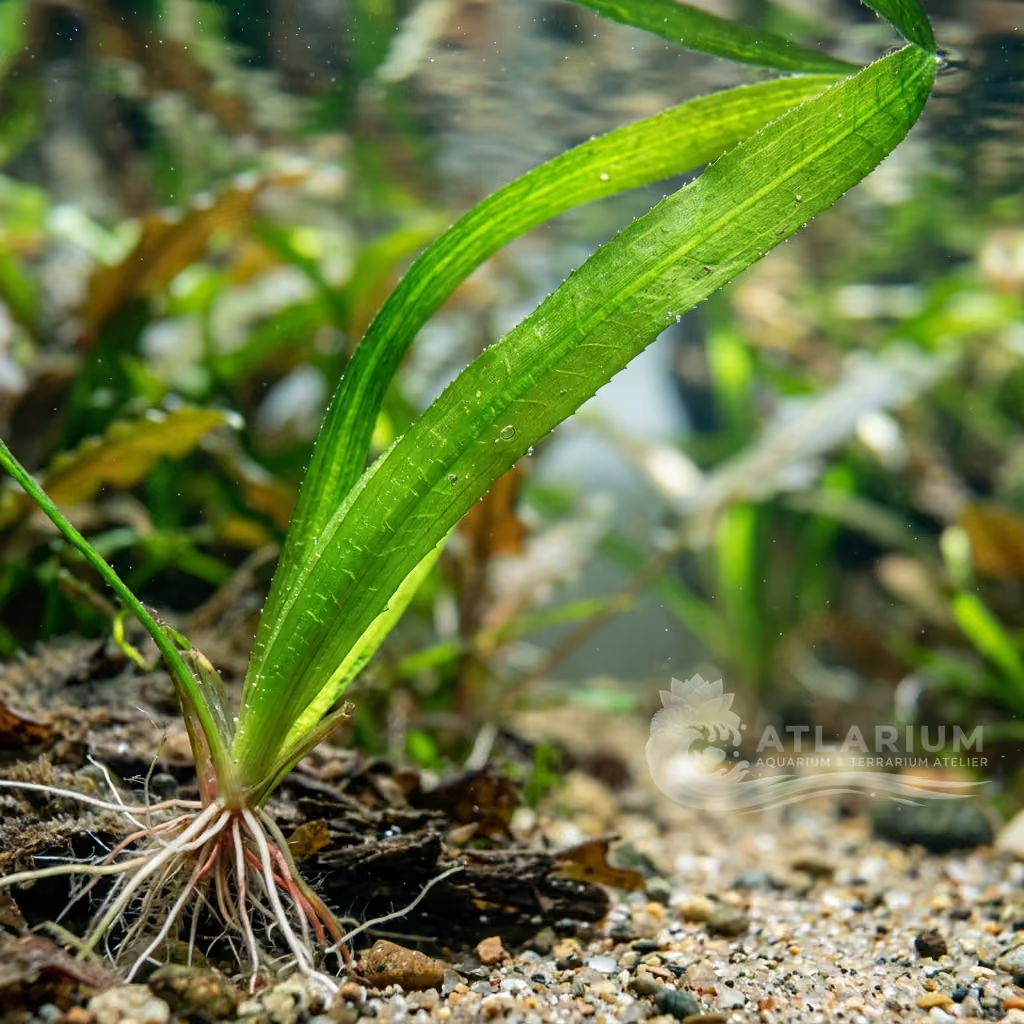
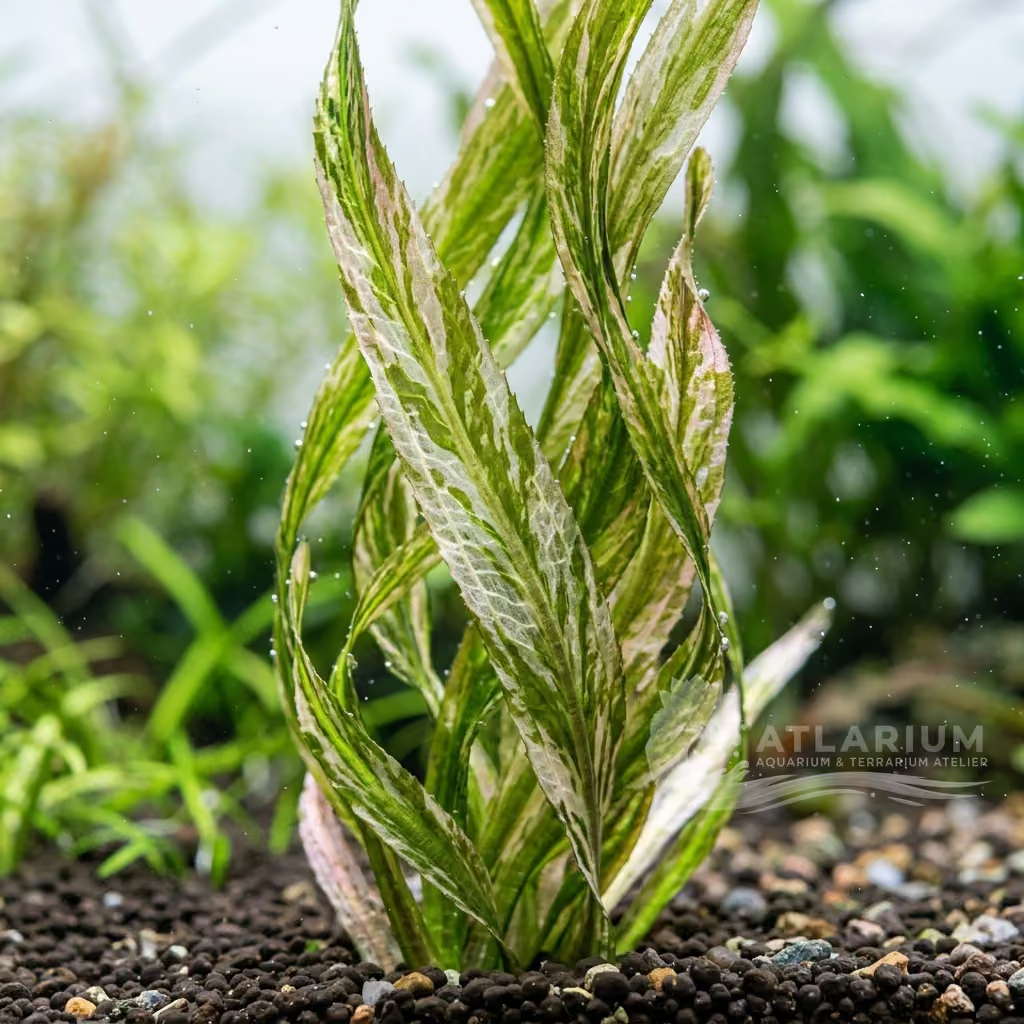
Color & Texture: The leaves of Vallisneria americana typically display a vibrant bright green to medium green coloration, which can vary in intensity depending on lighting conditions and nutrient availability. Their surface is smooth and slightly glossy, featuring subtle longitudinal veins that emphasize their elegant, linear appearance. In some varieties or under specific light spectra, the leaf tips may develop reddish or bronze hues, adding a subtle touch of color to the aquascape.

Soins, reproduction et cohabitation
Lighting & CO2: Vallisneria americana adapts well to medium lighting conditions, approximately 0.5-0.7 watts per liter or 30-50 lumens per liter for an 8-10 hour photoperiod. While it can survive in lower light, adequate illumination promotes more vigorous growth and richer coloration. Carbon dioxide (CO2) injection is not strictly essential but can significantly accelerate its growth rate and encourage a more lush development, resulting in larger and more robust leaves.
Nutrition & Substrate: This plant is predominantly a root feeder, meaning it absorbs most of its nutrients from the substrate through its extensive root system. A fertile substrate rich in clay, laterite, or specific aquatic plant nutrients is highly recommended for optimal growth. The integration of root tabs or nutrient capsules beneath the substrate, especially in aquariums with inert gravel, can be extremely beneficial to ensure a consistent supply of macro and microelements.
Water Chemistry: Vallisneria americana thrives in water temperatures between 20 and 28 degrees Celsius (68-82°F), tolerating fluctuations within this range quite well. It prefers slightly acidic to neutral pH, ideally between 6.0 and 7.5, and a carbonate hardness (KH) ranging from 2 to 12 dKH. While relatively tolerant, maintaining stable parameters within these optimal ranges will help prevent stress and growth issues, fostering a healthier plant.
Space Management & Placement: Given its tendency to grow tall and spread rapidly via runners, Vallisneria americana is ideally suited for placement in the midground or background of the aquarium. Planted in groups, it creates a natural barrier or a "green wall" that can effectively conceal equipment or provide refuge for fish. It is crucial to anticipate sufficient space for its lateral expansion, as its stolons can colonize large areas of the tank bottom if left unchecked.
Pruning: Pruning Vallisneria americana is a relatively straightforward operation primarily focused on managing leaf length and controlling runner proliferation. Overly long leaves should be shortened by cutting them near the base of the rosette, avoiding cuts in the middle of the leaf blade to prevent browning and decay. Stolons with new plantlets can be severed from the mother plant and replanted elsewhere or removed to manage the spread and density.
Risks & Diseases: Vallisneria americana is generally a robust and resilient plant, but it can exhibit signs of stress under suboptimal conditions. Leaves may yellow or become transparent due to nutrient deficiencies, particularly iron or potassium. Insufficient lighting can lead to stunted and leggy growth, while sudden changes in water parameters can induce a "melting" of the leaves, especially after introduction to a new environment.

Origine et répartition géographiques
Vallisneria americana, commonly known as "Jungle Val" or "American Val," originates from a wide range spanning North America, Central America, and parts of South America and Asia. This aquatic species thrives in diverse freshwater habitats, including lakes, slow-moving rivers, swamps, and canals, often forming dense submerged colonies. Its remarkable adaptability allows it to tolerate various environmental conditions, making it a popular and reliable choice for aquascaping.
Origine
Amérique du NordAmérique du Sud hors AmazonieAmérique centrale et CaraïbesAsie du Sud et du Sud-EstAsie de l'Est

Profil de plante
- Emplacement
- Plan intermédiaire
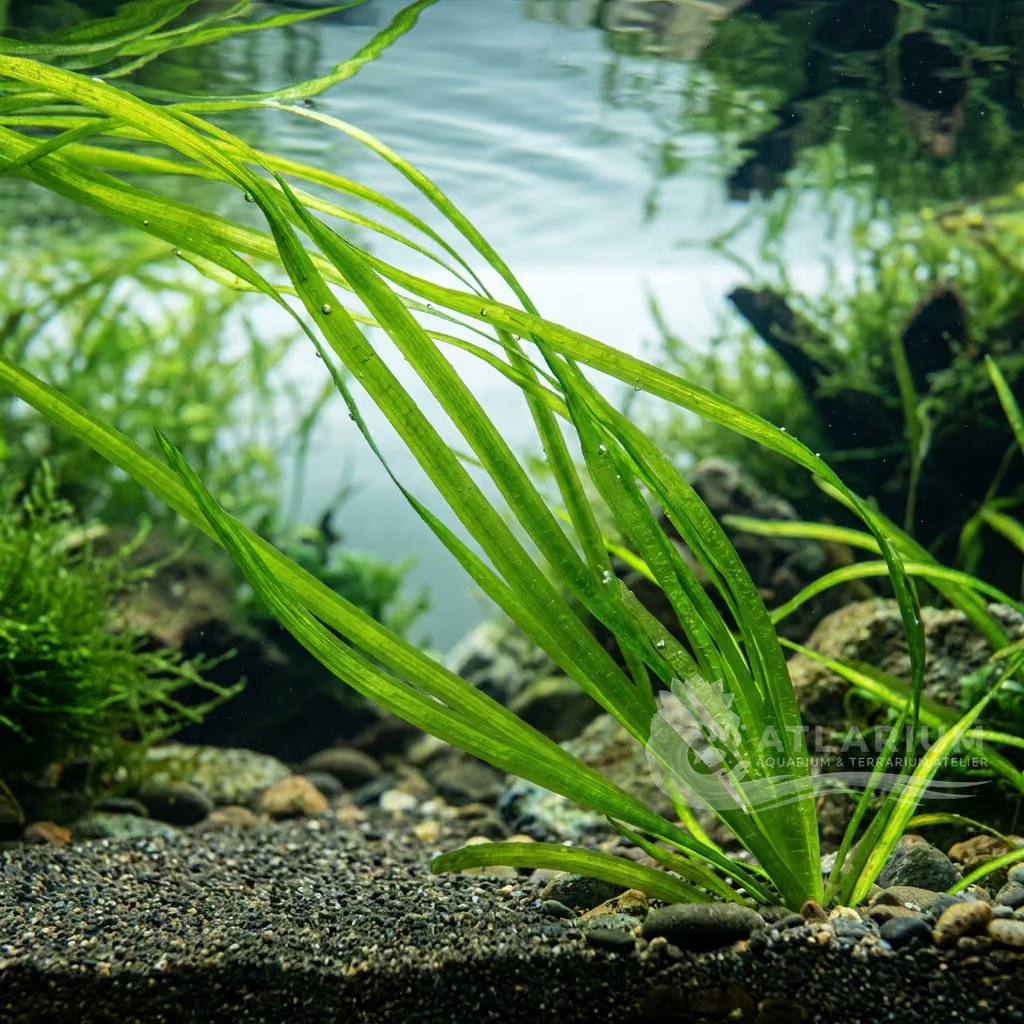
- These plants are overwhelmingly utilized as background vegetation due to their towering leaf span. They should be planted directly into the substrate at the rear of the aquarium. The leaves will gracefully arch across the water surface, creating a dynamic visual flow.
- Forme botanique
- Rosette
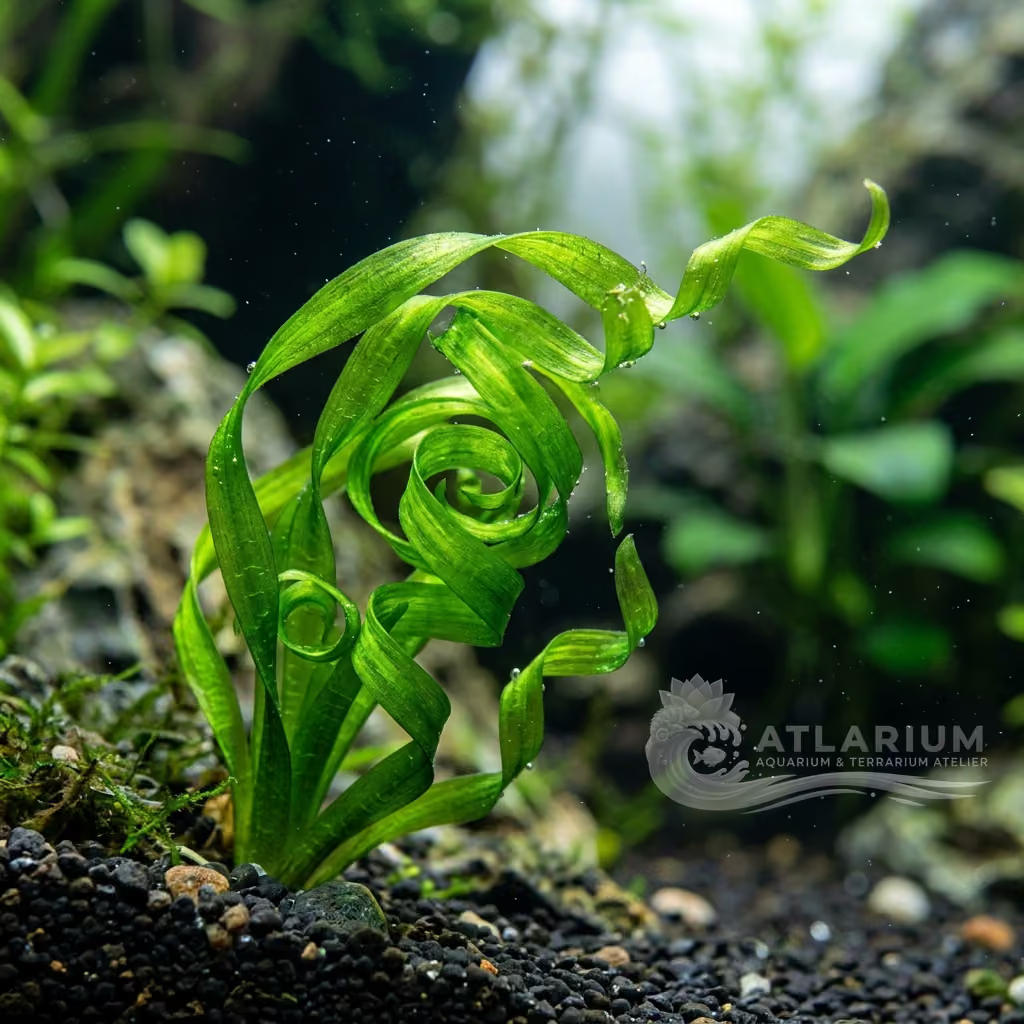
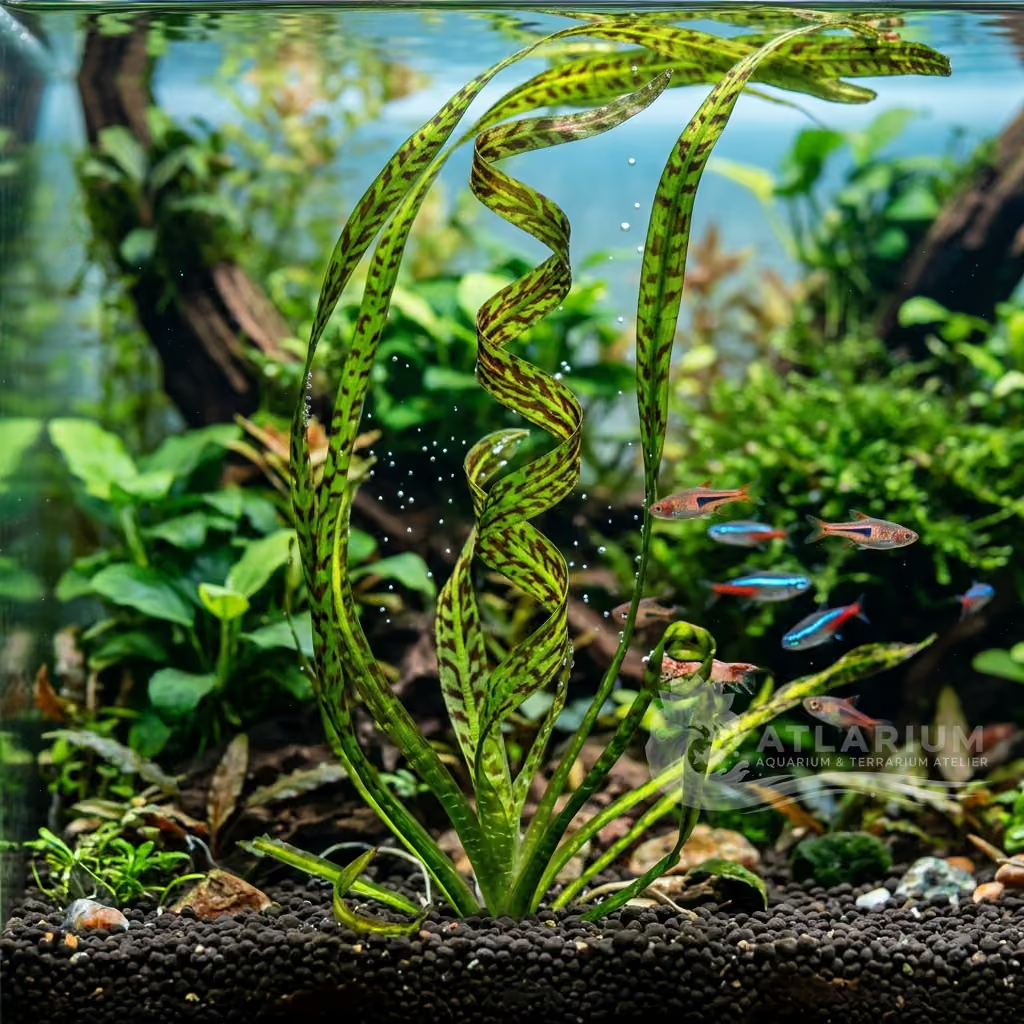
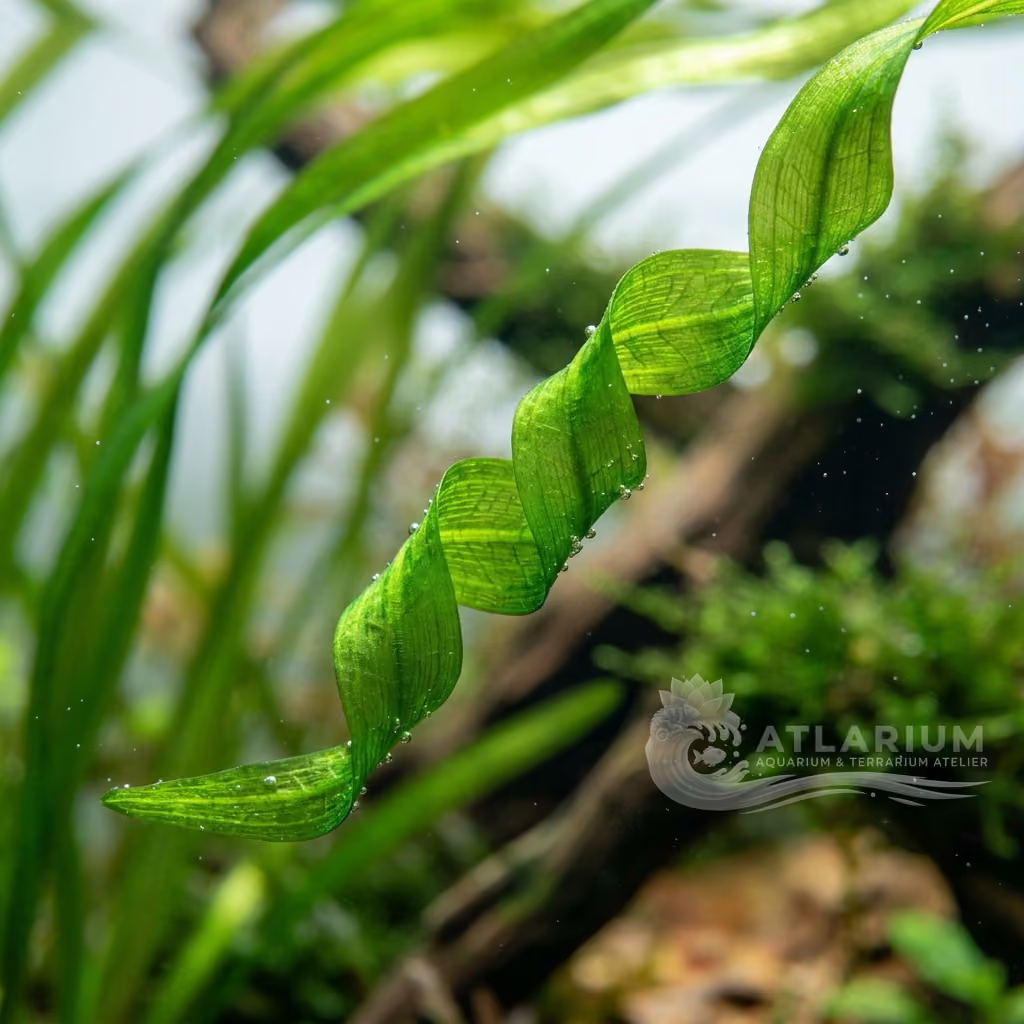
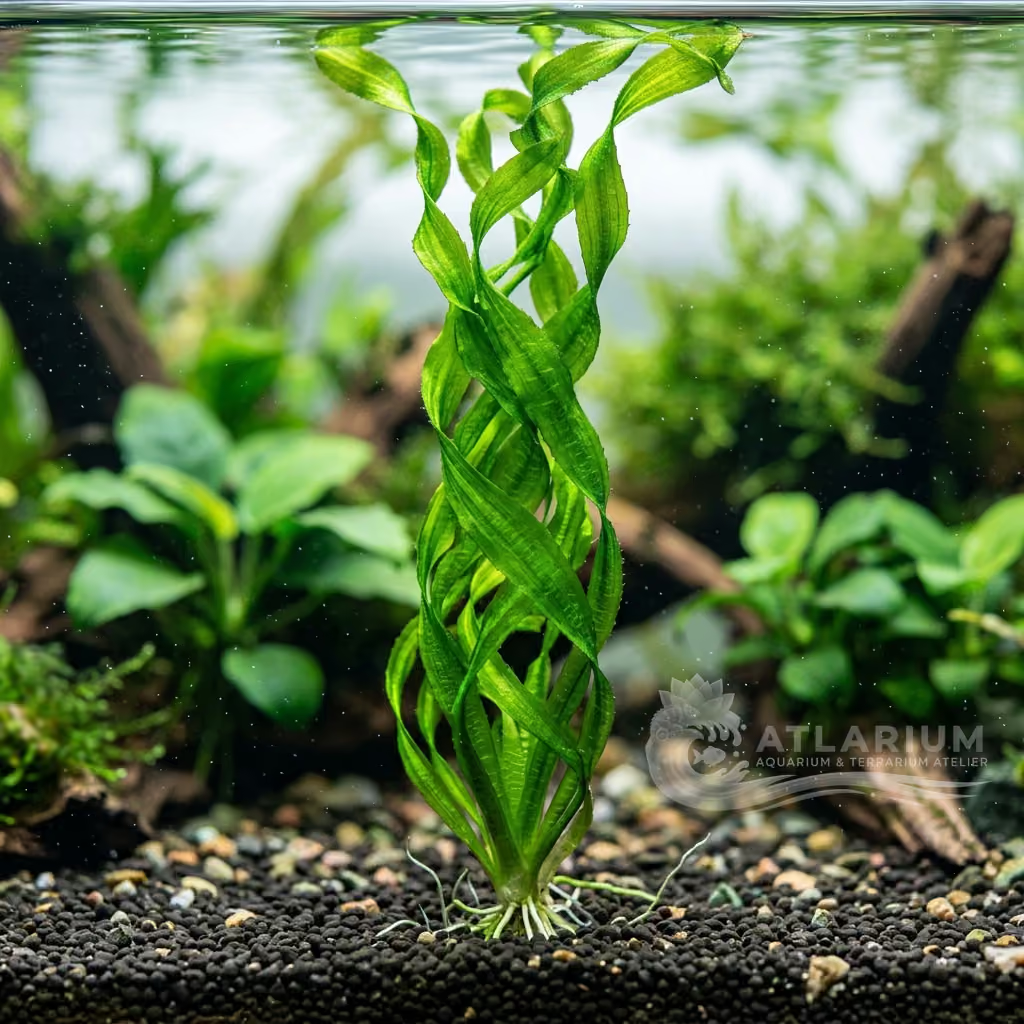
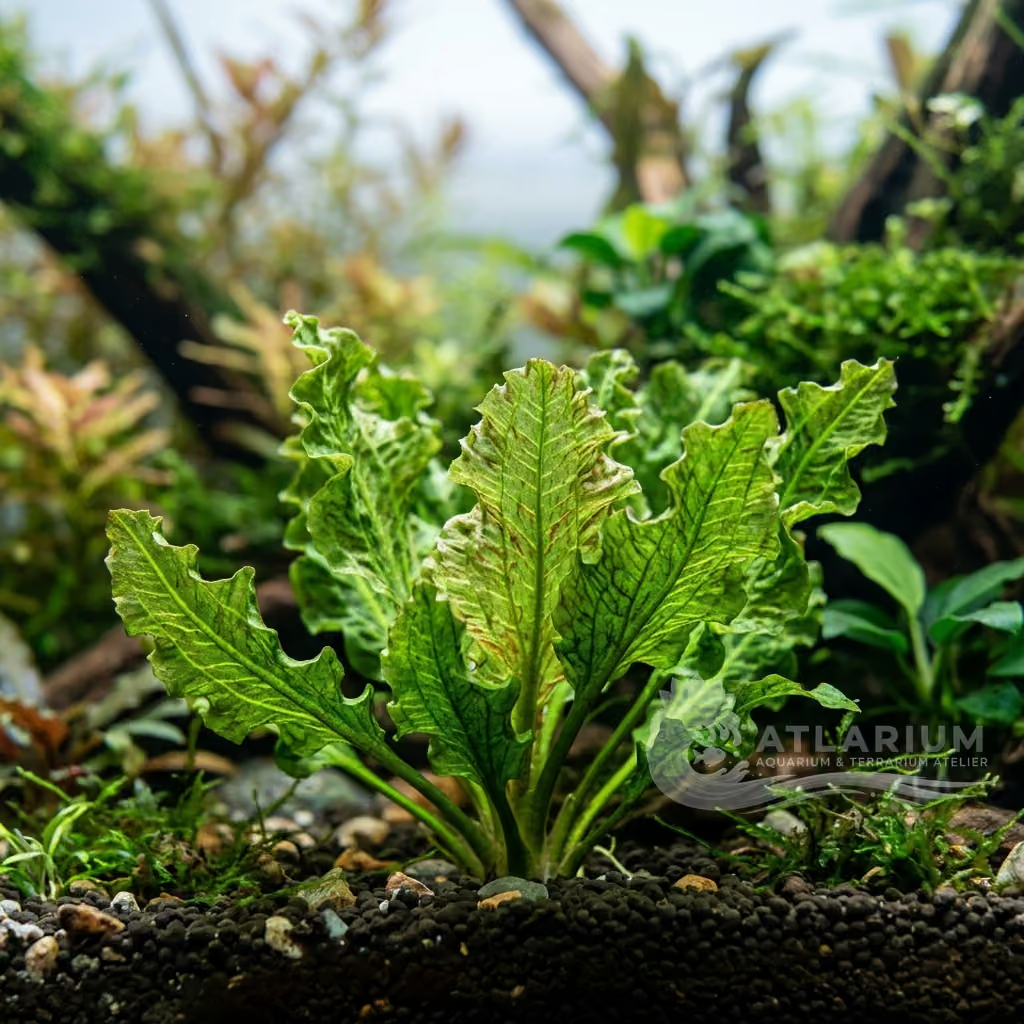
- It displays a classic rosette form with long, ribbon-like leaves extending upwards to the surface. Depending on the variety, the leaves may be straight, slightly twisted, or intensely corkscrewed. The vibrant green foliage forms dense, impenetrable thickets over time.
- Croissance
- Moyenne
- The growth rate is exceptionally fast, especially when the roots have established in a mature substrate. It continuously sends out runners to colonize available space. Frequent maintenance may be required to keep it from shading the entire tank.
- Substrat
- Élevé
- *Vallisneria americana* is a robust plant with a high substrate demand due to its extensive and deep-reaching root system. It thrives best in a nutrient-rich aqua soil or a heavily supplemented gravel base with a depth of at least 5-7 cm to firmly anchor its long leaves. Strong root feeders by nature, these plants extract the majority of their essential minerals directly from the substrate rather than the water column. Providing root tabs or a fertile bottom layer will ensure vigorous growth and prolific propagation through runners.
- Fertilisation de la colonne d'eau
- Recommandée
- Liquid fertilization is beneficial as a supplement but not the primary driver of growth. Regular dosing ensures the leaves remain vibrant and free of nutrient deficiencies. However, it will adapt well even in setups with minimal water column fertilization if the roots are fed.
- Fertilisation racinaire
- Aucune
- Root fertilization is paramount for the long-term success and vitality of this species. It develops a massive root system that rapidly depletes substrate nutrients. Providing root tabs or a rich aquasoil will dramatically improve leaf size and overall health.
- Taille
- Occasionnelle
- Trimming leaves by cutting them across the middle can lead to tissue decay at the cut site. It is better to remove older, overgrown leaves completely at the base. To control spreading, simply sever the runners and remove the unwanted daughter plants.
- Propagation
- Stolons
- Propagation is incredibly easy and happens naturally via lateral runners. A healthy mother plant will continuously push out runners that root nearby to form new plants. These can be separated with sharp scissors once the daughter plant has established a few leaves.
- Sensibilité
- Modérée
- Like many tapegrasses, it is notoriously sensitive to liquid carbon supplements like glutaraldehyde. Dosing these products frequently causes the plant to melt away completely. It is otherwise very hardy and tolerates a wide range of water parameters and temperatures.
- Rôle dans le décor
- Plan intermédiaire, Arrière-plan
- It is a quintessential background plant that adds height and vertical motion to the aquascape. The trailing leaves create beautiful overhead shading that mimics natural river margins. It is also excellent for concealing hardware like filters and heaters at the back.

Espèces associées
Recommandations regroupées par proches parents, compagnons et soins similaires.