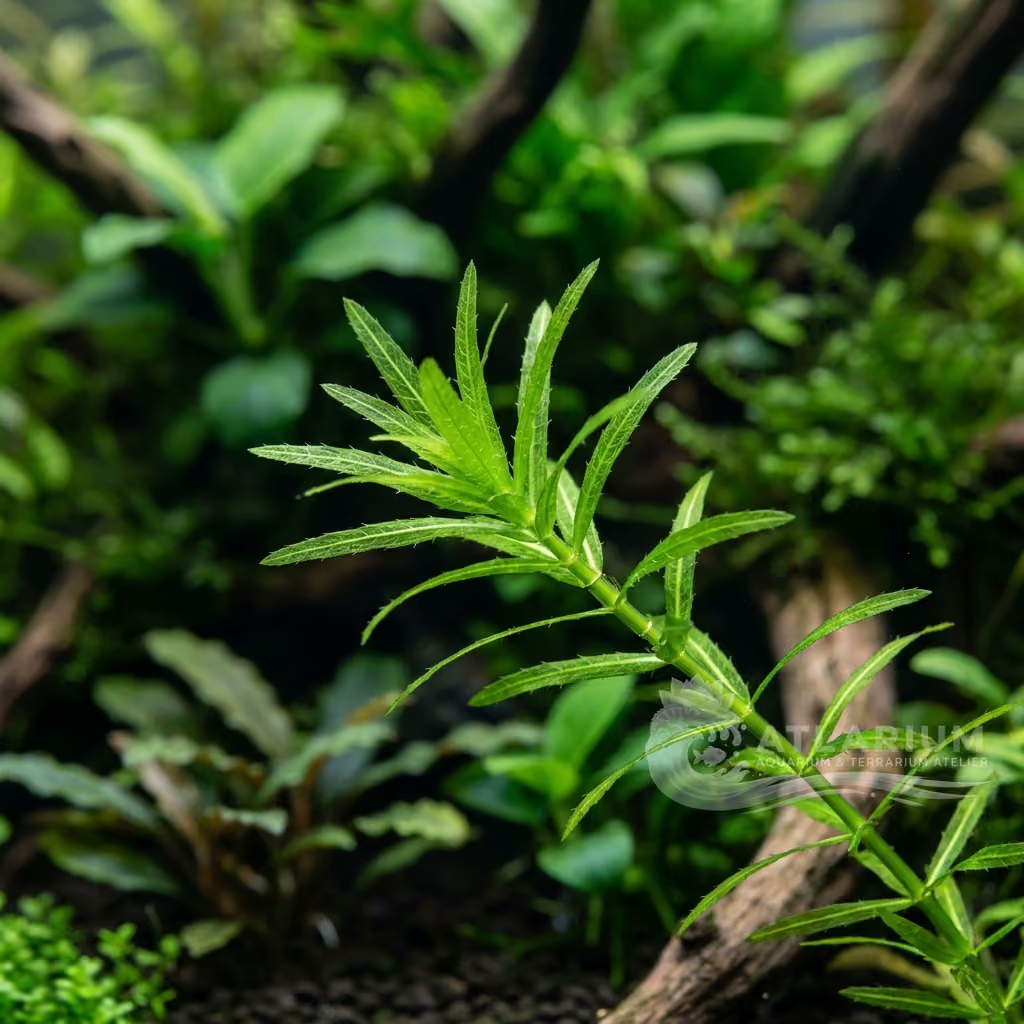
Vallisneria americana 'Mini Twister'
Vallisneria americana
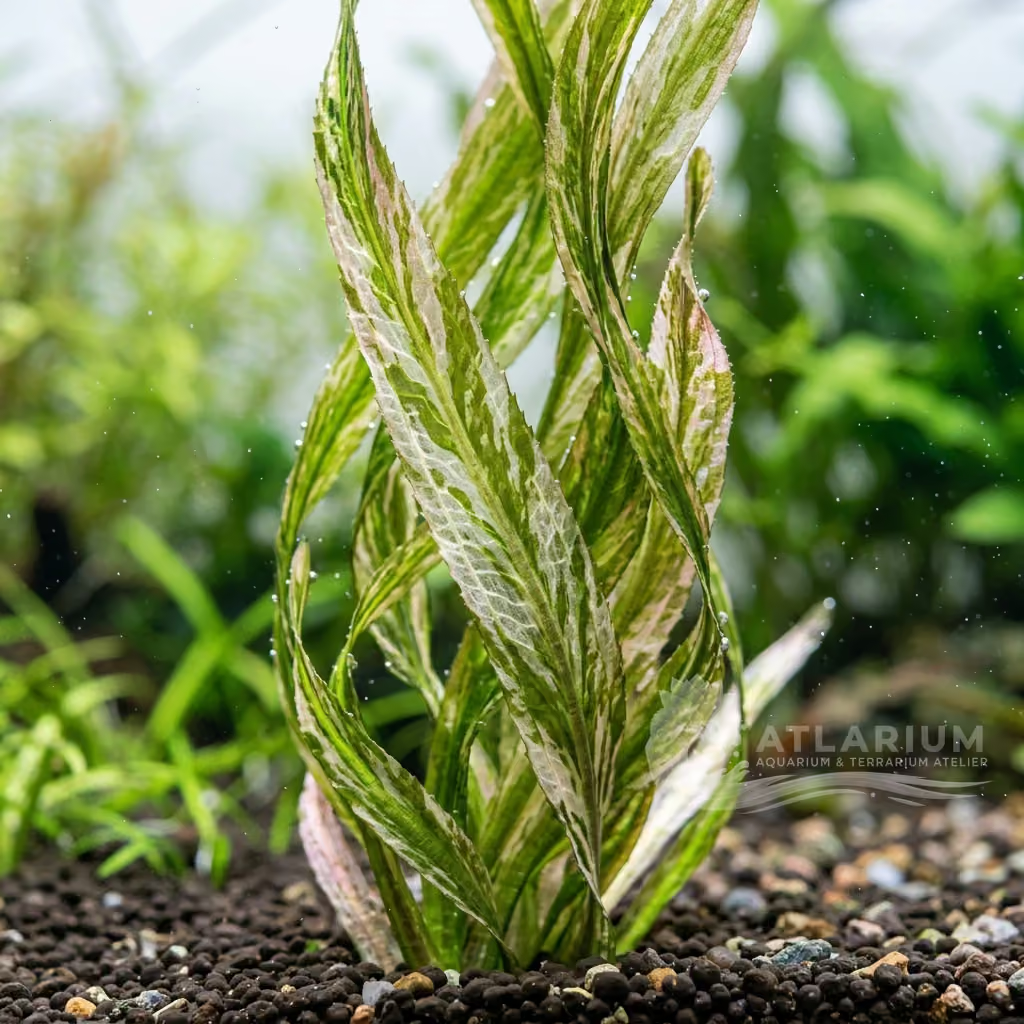
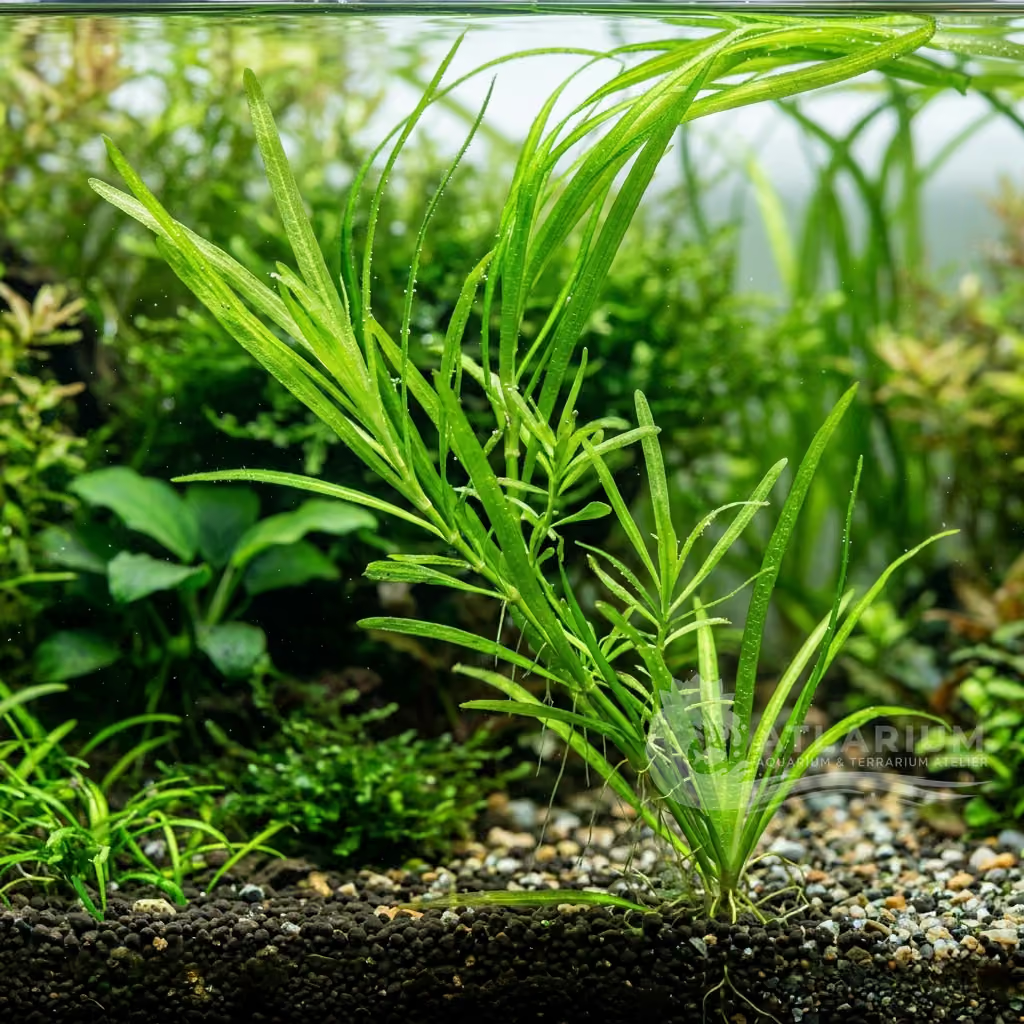
Vallisneria americana 'Mini Twister' is a compact variety ideal for the midground, offering a dynamic touch with its spiraling leaves. Characterized by a medium growth rate, it is perfect for adding movement and depth to the aquarium layout.
Température de l’eau
22 - 28 °C
Valeur du pH
6 - 7.5
Type d'eau
Eau douce
Lumière
Moyenne - Élevée
CO2
Moyenne - Élevée
Hauteur attendue
20 cm
KH
2 - 10 dKH

Description de l'espèce
Geographical Origin and Habitat: The identity of Vallisneria americana 'Mini Twister' stems from its parent species, Vallisneria americana, which originates from a wide range of aquatic habitats across North and Central America, including lakes, rivers, and slow-moving streams. This particular cultivar has been selectively bred for its reduced size and characteristic spiraling leaf form, making it an excellent option for aquariums. While the wild species thrives in clear, nutrient-rich waters, 'Mini Twister' has adapted well to aquarium cultivation, maintaining its hardiness under controlled conditions.
Taxonomy & Genetics: Vallisneria americana 'Mini Twister' belongs to the Hydrocharitaceae family, a group of aquatic plants found worldwide, known for including species like Egeria and Elodea. As a cultivar, 'Mini Twister' is the result of artificial selection or a spontaneous mutation of Vallisneria americana, aimed at achieving specific traits such as a dwarf form and twisted leaves. This distinguishes it from other Vallisneria varieties due to its unique genetic makeup, while still retaining the general characteristics of robustness and runner propagation typical of the genus.
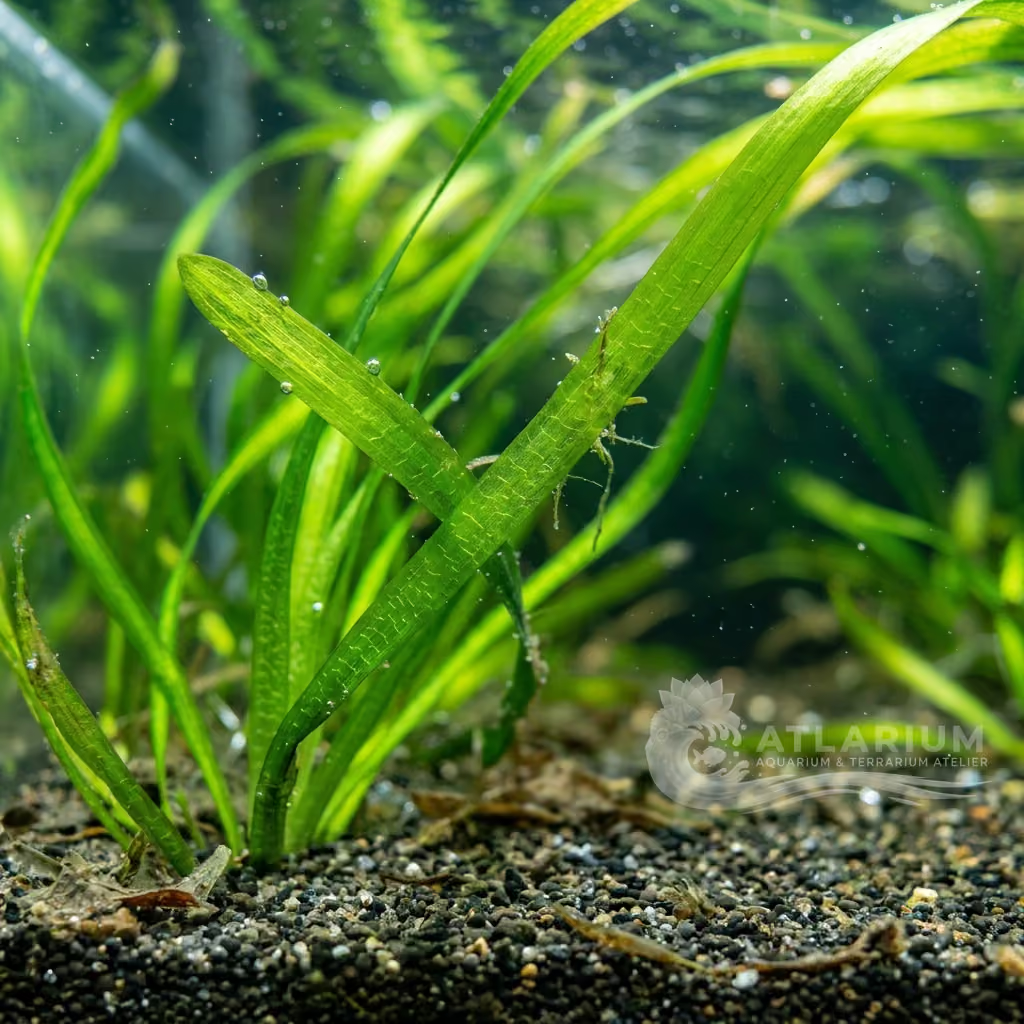
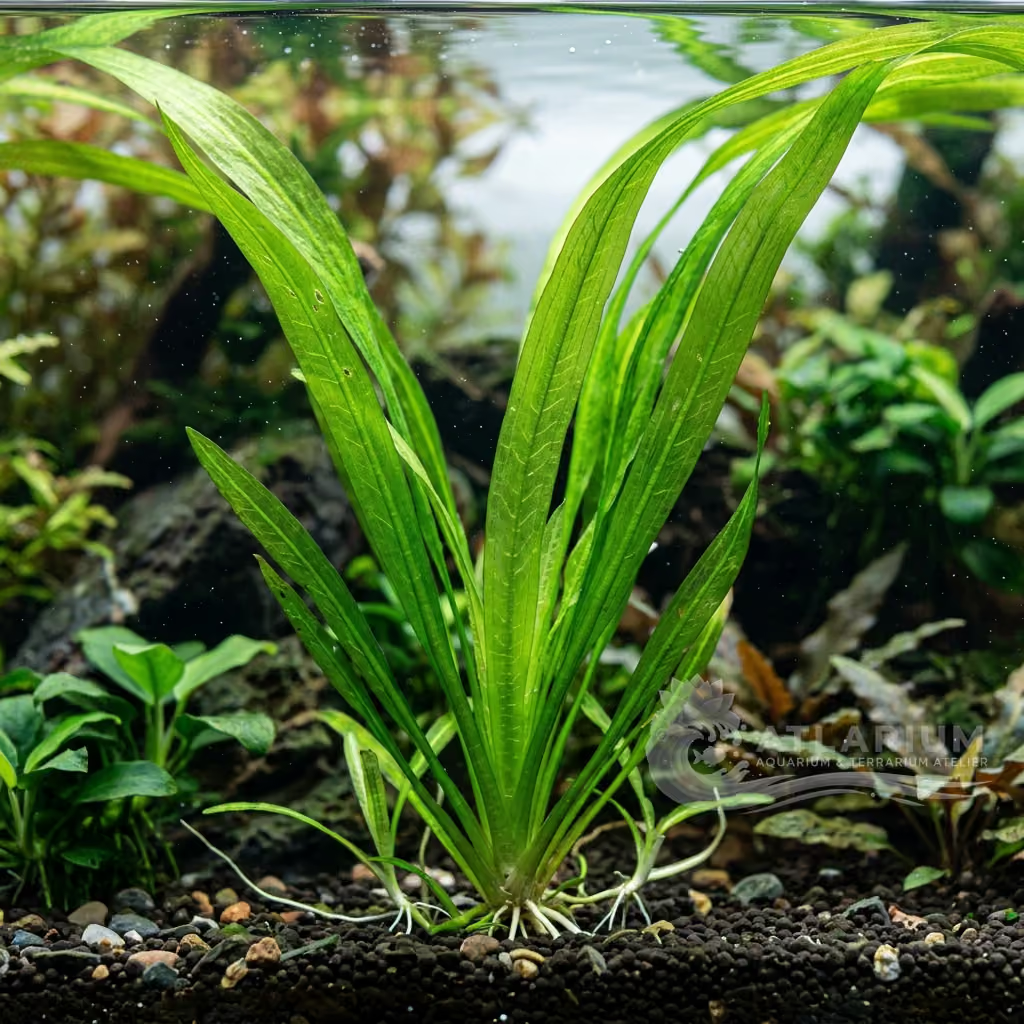
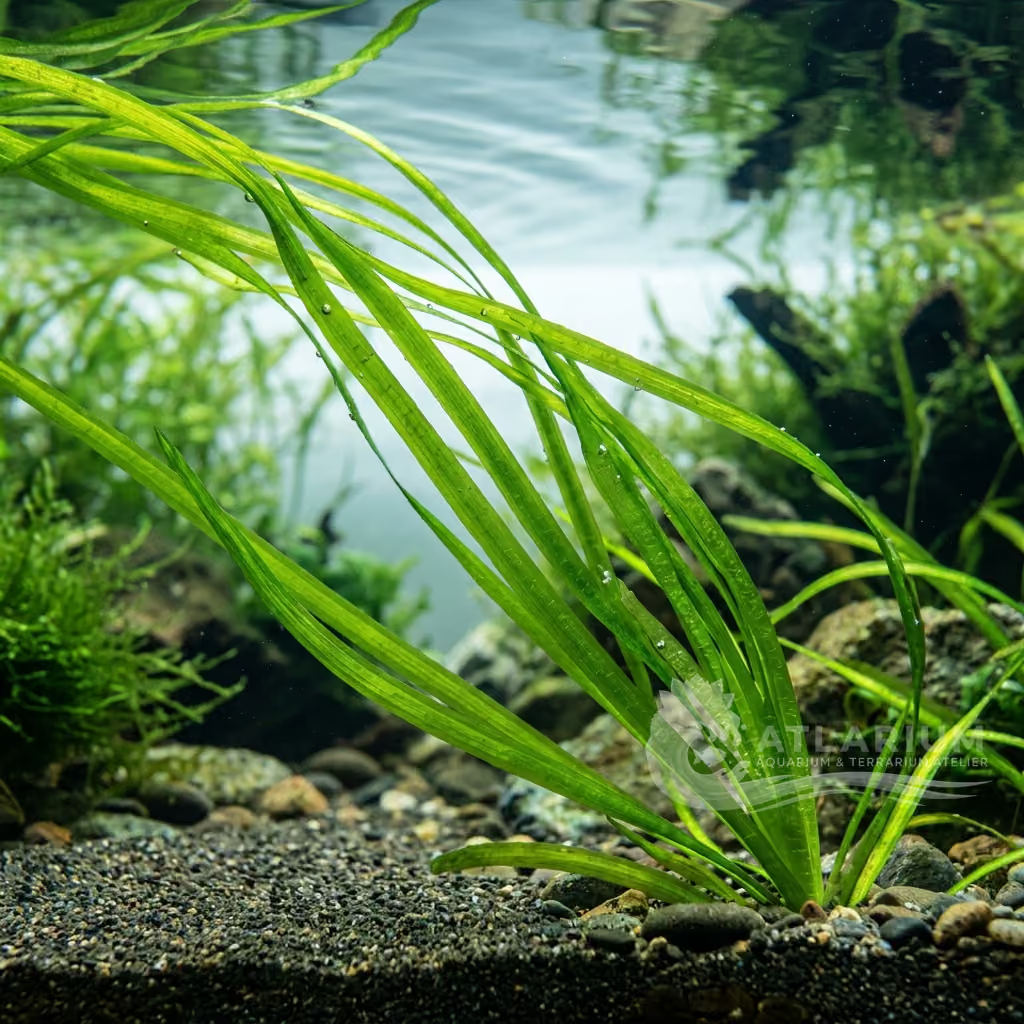
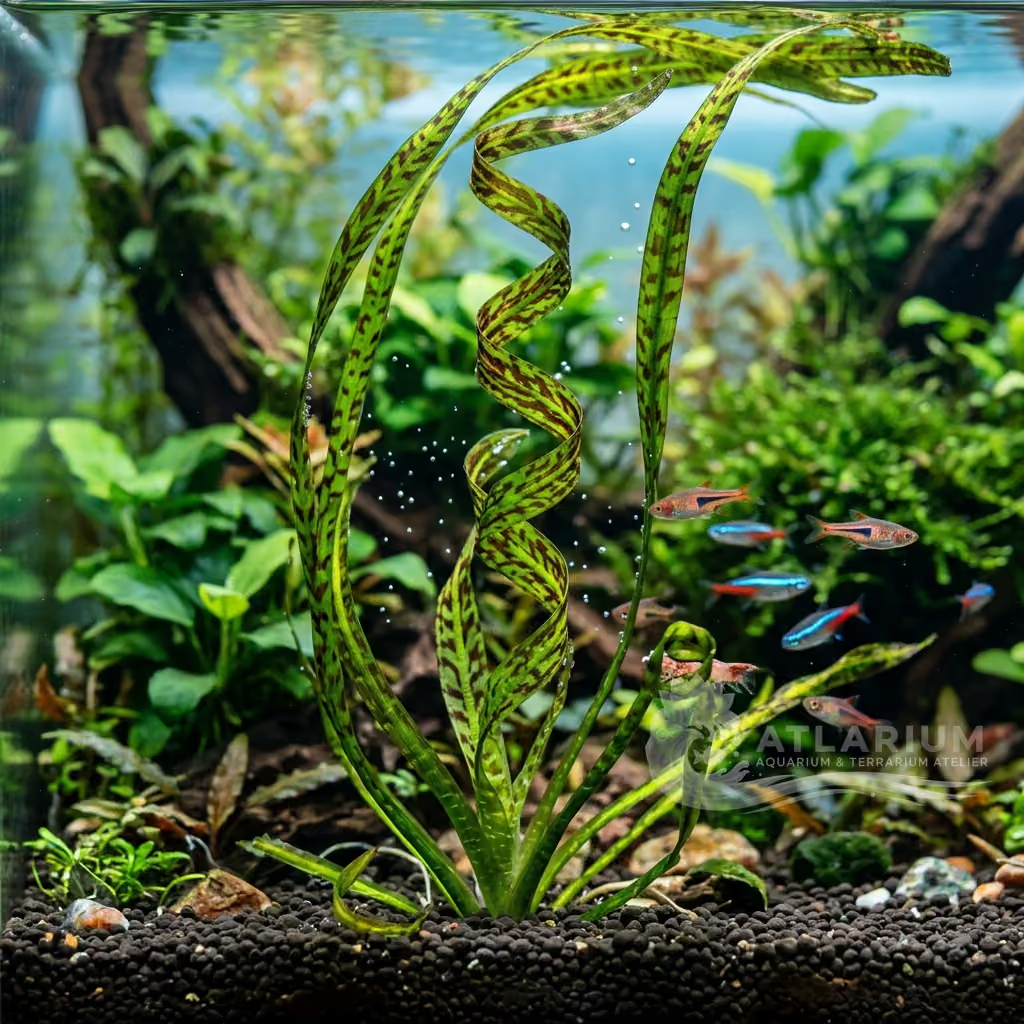
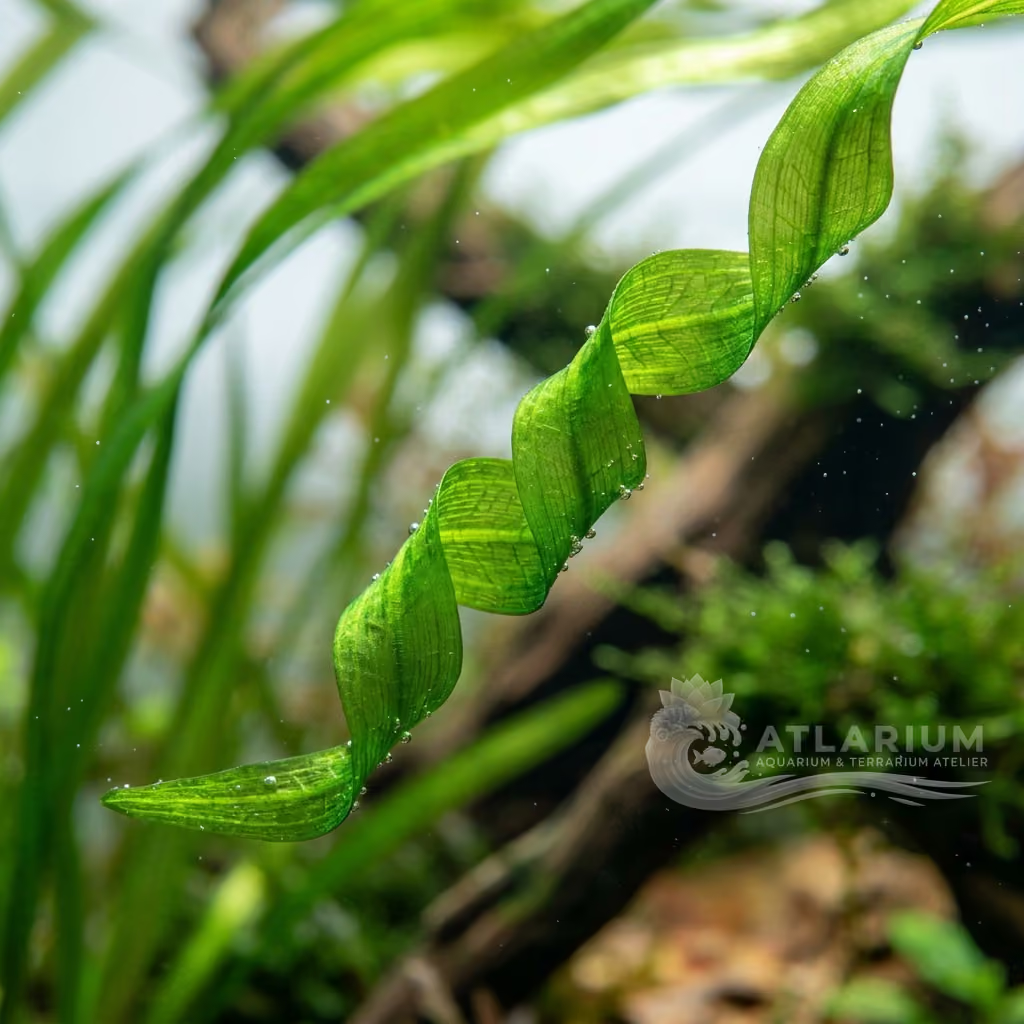
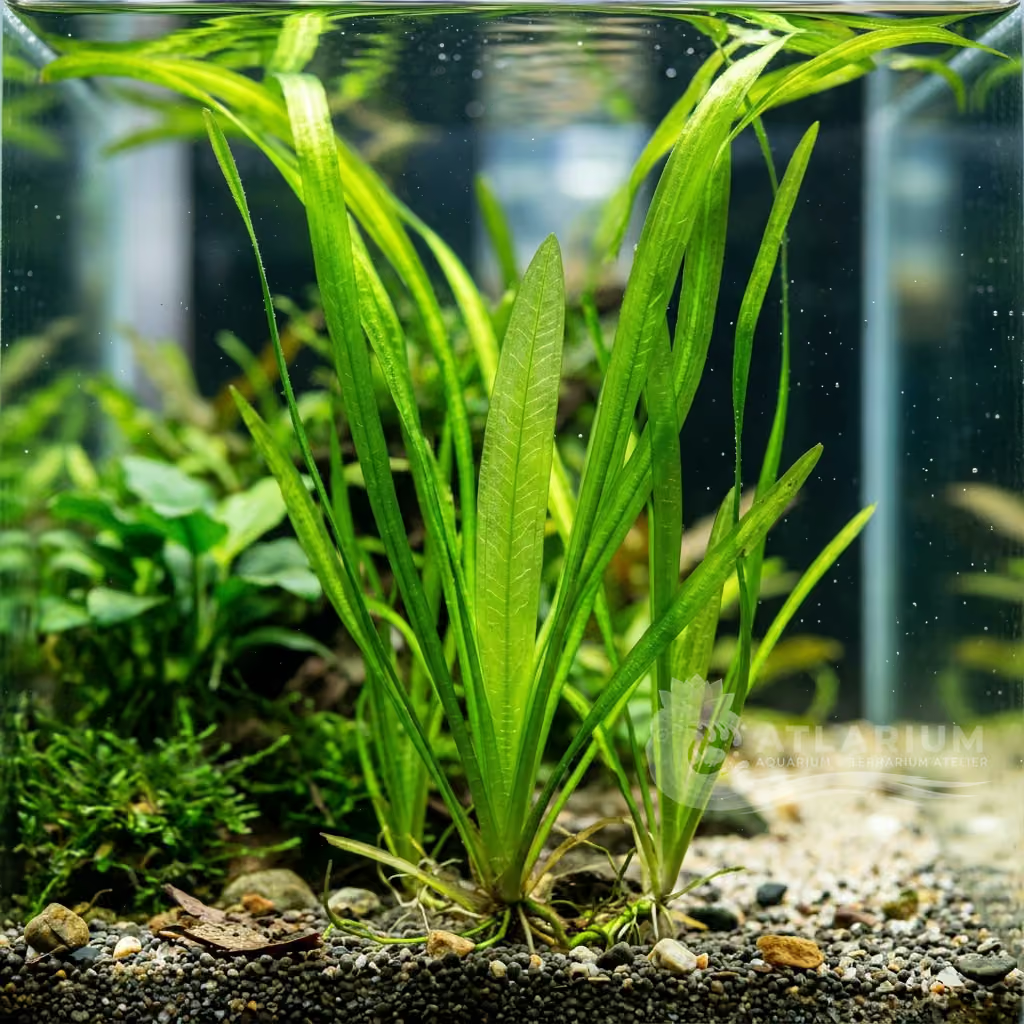
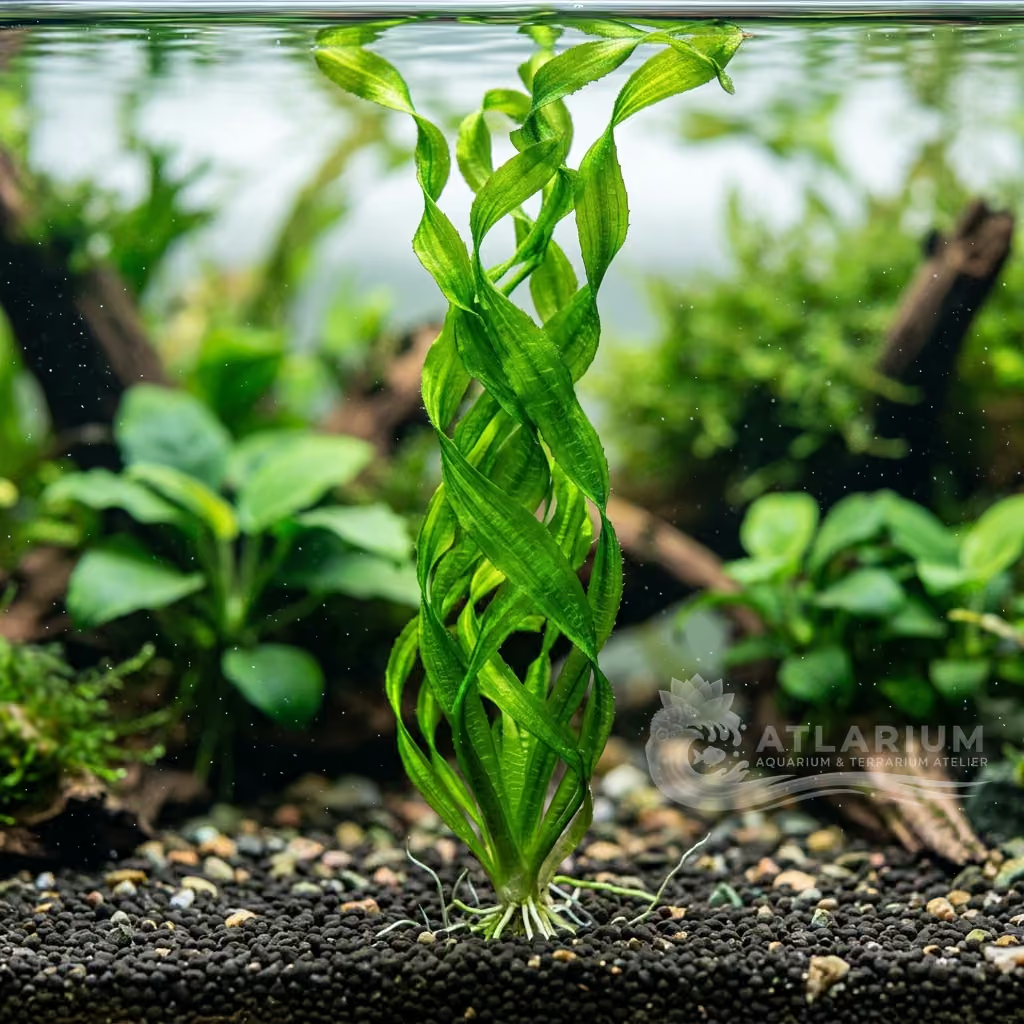
Physical Structure: The 'Mini Twister' is distinguished by its narrow, ribbon-like leaves, whose length rarely exceeds 20-30 cm, giving it a more contained stature compared to other Vallisneria, making it ideal for the midground. Its most captivating feature is its "twister" or corkscrew habit, where the leaves delicately spiral upon themselves, creating a dynamic and unusual visual effect. The plant propagates through underground runners, from which new daughter plants emerge, forming dense clumps that can quickly colonize the available area.
Color & Texture: The leaf color of Vallisneria americana 'Mini Twister' ranges from bright green to medium-dark green, depending on lighting conditions, nutrient availability, and leaf age. Under adequate light and good fertilization, the leaves can acquire more intense and vibrant hues, highlighting their peculiar twisting. Their texture is smooth and slightly leathery, yet flexible enough to sway gracefully with the water current, adding a sense of natural movement to the aquarium.

Soins, reproduction et cohabitation
Lighting & CO2: Vallisneria americana 'Mini Twister' benefits from medium lighting, approximately 0.5-0.8 watts per liter or 30-50 PAR, to best express its coloration and characteristic spiraling habit. While not strictly essential, additional CO2 supplementation can stimulate more vigorous growth and more intense leaf coloration, accelerating its development from medium to rapid. Insufficient light can lead to stunted growth and paler leaves, whereas excessive light may encourage algae growth on its delicate surfaces.
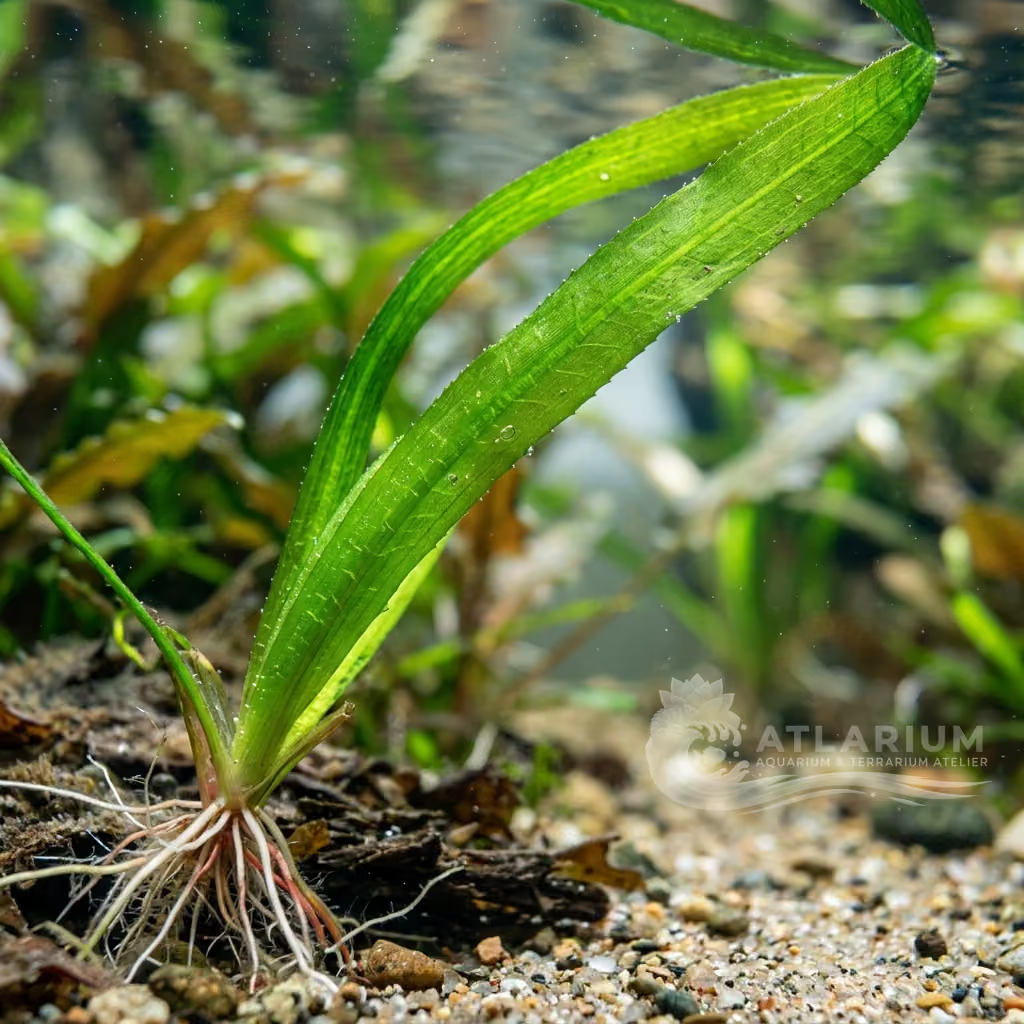
Nutrition & Substrate: As a typical root feeder, the 'Mini Twister' draws much of its nutrition from the substrate, making the use of a nutrient-rich substrate or regular integration with specific root fertilizer tabs essential. These inputs ensure the absorption of essential macro and micronutrients for healthy development and to maintain its bright green appearance. Liquid fertilization can be a useful supplement, especially for micronutrients like iron and potassium, but the primary focus should be on the substrate to promote robust root growth and prevent deficiencies.
Water Chemistry: This Vallisneria variety is tolerant and adapts to a wide range of water parameters, thriving in temperatures between 20 and 28 °C, with an ideal pH between 6.0 and 7.5, and a carbonate hardness (KH) between 2 and 12. Maintaining stable conditions is more important than aiming for specific values, as sudden fluctuations can stress the plant and cause leaf melting, a phenomenon known as "melting." It prefers soft to medium-hard water, but its robustness allows it to adapt to various conditions, provided they remain stable.
Space Management & Placement: Vallisneria americana 'Mini Twister' is perfectly suited for midground placement, where its moderate height and twisted leaves can create an interesting focal point, a natural boundary, or a dynamic contrasting effect. Given its tendency to propagate rapidly via runners, it is advisable to leave sufficient space around the parent plant to allow new daughter plants to develop without overcrowding. Used in groups, it can form a dense and charming spiraling bush, adding depth and movement to the aquarium layout.
Pruning: Pruning the 'Mini Twister' is essential to manage its propagation and maintain a tidy appearance, especially when daughter plants begin to overlap or invade other areas of the aquarium. Older, damaged, or algae-affected leaves can be removed by cutting them with sharp scissors directly at the base of the root rosette. Managing runners, by cutting them at the base of new plants, helps to control spread and promote denser, more compact growth in the desired area, keeping the layout clean.
Risks & Diseases: Despite its hardiness, the 'Mini Twister' can be susceptible to nutritional deficiencies, manifesting as pale or yellowing leaves, and to algae attacks, especially under unbalanced conditions of light, CO2, and nutrients. Sudden shifts in water parameters or the use of certain aggressive chemicals, such as some algaecides or copper-based medications, can cause "melting" or dissolution of the leaves. It is crucial to carefully monitor aquarium parameters and intervene promptly to prevent serious problems and keep the plant healthy.

Origine et répartition géographiques
The identity of Vallisneria americana 'Mini Twister' stems from its parent species, Vallisneria americana, which originates from a wide range of aquatic habitats across North and Central America, including lakes, rivers, and slow-moving streams. This particular cultivar has been selectively bred for its reduced size and characteristic spiraling leaf form, making it an excellent option for aquariums. While the wild species thrives in clear, nutrient-rich waters, 'Mini Twister' has adapted well to aquarium cultivation, maintaining its hardiness under controlled conditions.
Origine
Amérique du NordAmérique centrale et CaraïbesSélection et cultivars

Profil de plante
- Emplacement
- Plan intermédiaire
- Unlike its larger relatives, 'Mini Twister' is ideally suited for the midground or even the foreground in larger aquariums. Its shorter stature allows it to be placed forward without obscuring the background. It looks best planted in small clusters amongst hardscape materials.
- Forme botanique
- Rosette
- This variant features remarkably twisted, corkscrew-like leaves that remain much shorter than the standard species. The tight spirals provide an incredible structural contrast against flat-leaved plants. It typically forms dense, compact rosettes that stay confined to the midground.
- Croissance
- Moyenne
- The growth rate is exceptionally fast, especially when the roots have established in a mature substrate. It continuously sends out runners to colonize available space. Frequent maintenance may be required to keep it from shading the entire tank.
- Substrat
- Élevé
- *Vallisneria americana* 'Mini Twister' exhibits a high demand for a rich, supportive substrate where it can bury its extensive root system. Cultivating it in a 5 cm layer of high-quality aqua soil or supplemented sand ensures it remains securely anchored against water currents. The plant relies heavily on root absorption for macronutrients, making regular soil fertilization critical for maintaining the vibrant green of its twisted leaves. A healthy, nutrient-packed bottom layer directly translates to faster runner production and denser grouping.
- Fertilisation de la colonne d'eau
- Recommandée
- Liquid fertilization is beneficial as a supplement but not the primary driver of growth. Regular dosing ensures the leaves remain vibrant and free of nutrient deficiencies. However, it will adapt well even in setups with minimal water column fertilization if the roots are fed.
- Fertilisation racinaire
- Aucune
- Root fertilization is paramount for the long-term success and vitality of this species. It develops a massive root system that rapidly depletes substrate nutrients. Providing root tabs or a rich aquasoil will dramatically improve leaf size and overall health.
- Taille
- Occasionnelle
- Trimming leaves by cutting them across the middle can lead to tissue decay at the cut site. It is better to remove older, overgrown leaves completely at the base. To control spreading, simply sever the runners and remove the unwanted daughter plants.
- Propagation
- Stolons
- Propagation is incredibly easy and happens naturally via lateral runners. A healthy mother plant will continuously push out runners that root nearby to form new plants. These can be separated with sharp scissors once the daughter plant has established a few leaves.
- Sensibilité
- Modérée
- Like many tapegrasses, it is notoriously sensitive to liquid carbon supplements like glutaraldehyde. Dosing these products frequently causes the plant to melt away completely. It is otherwise very hardy and tolerates a wide range of water parameters and temperatures.
- Rôle dans le décor
- Plan intermédiaire, group
- It is a quintessential background plant that adds height and vertical motion to the aquascape. The trailing leaves create beautiful overhead shading that mimics natural river margins. It is also excellent for concealing hardware like filters and heaters at the back.

Espèces associées
Recommandations regroupées par proches parents, compagnons et soins similaires.