Cryptocoryne undulata 'Broad Leaves'
Cryptocoryne undulata
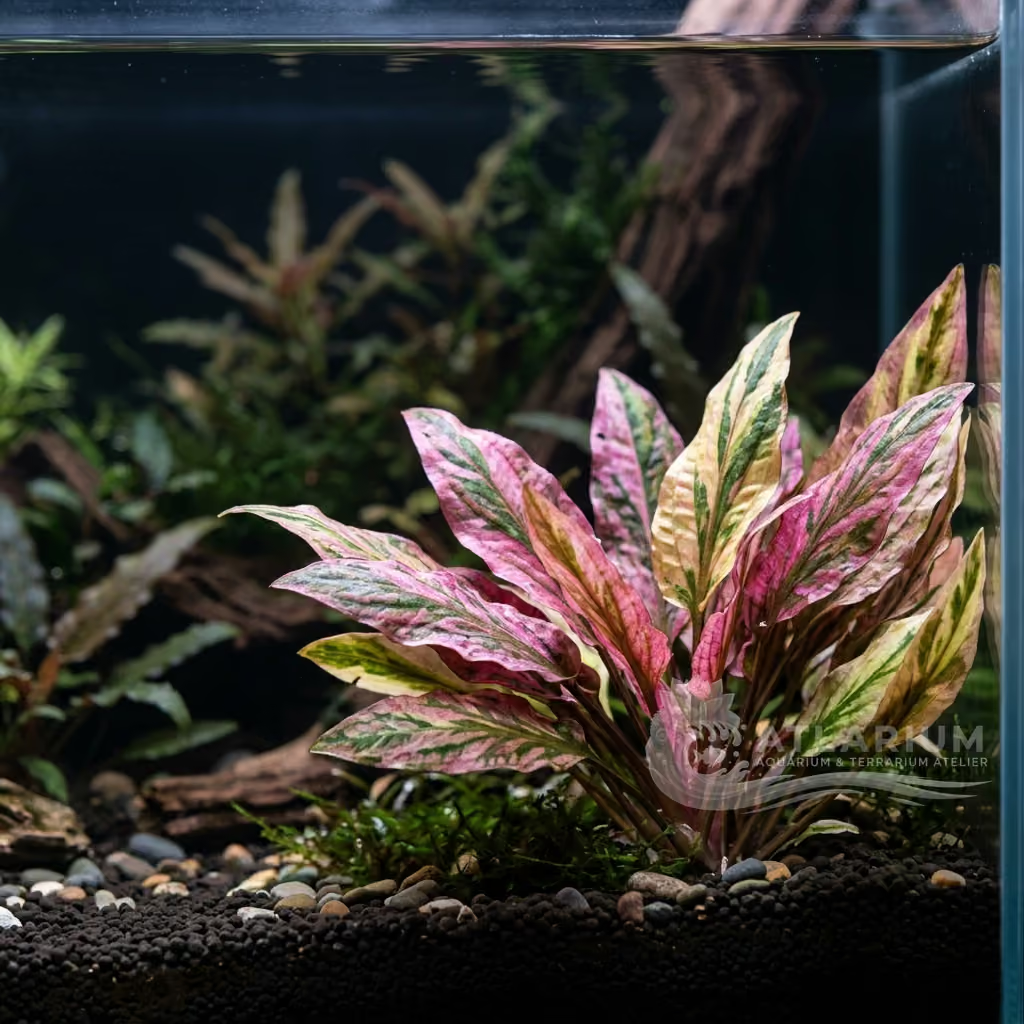
Cryptocoryne undulata 'Broad Leaves' is a fantastic cultivar with wider, undulating foliage. Its intense bronze and reddish tones establish a warm, lush midground focal point in any planted tank.
Température de l’eau
15 - 28 °C
Valeur du pH
5 - 8
Type d'eau
Eau douce
Lumière
Da bassa ad alta
CO2
Faible
Hauteur attendue
25 cm
Largeur attendue
20 cm
GH
4 - 20 dGH
KH
1 - 18 dKH

Description de l'espèce
Geographical Origin and Habitat: Endemic to the deeply shaded, fast-flowing tropical streams and heavily vegetated river margins of central and southwestern Sri Lanka. Cryptocoryne undulata "Broad Leaves" is a highly specialized, spectacularly mutated variant of the classic C. undulata. Like its parent species, it thrives as a deeply rooted amphibious survivor, driving its thick rhizome into dense, nutrient-rich gravel and mud banks. It has evolved to dominate the riverbed by forming extremely dense, tightly knit colonies that can withstand the rushing torrents of the monsoonal flood season.
Taxonomy & Genetics: Scientifically classified within the Araceae family, "Broad Leaves" is taxonomically prized as a highly stabilized, distinct morphological cultivar. While the standard C. undulata is defined by very narrow, strictly lanceolate leaves, this specific variant possesses a genetic mutation that forces the leaves to grow significantly broader and slightly larger overall. Furthermore, this genetic trait heavily amplifies both the intense, wavy crinkling along the leaf margins and the capacity to produce brilliant reddish-bronze anthocyanin pigments.
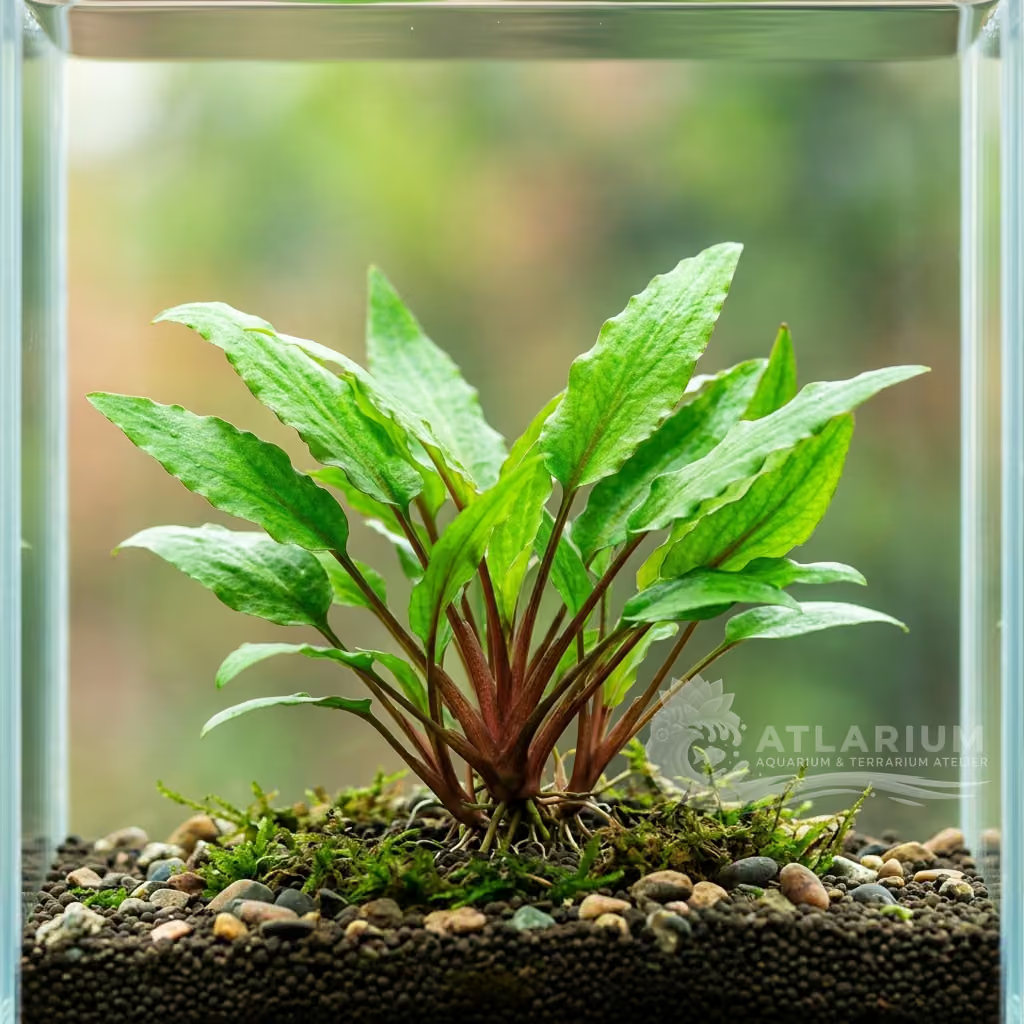
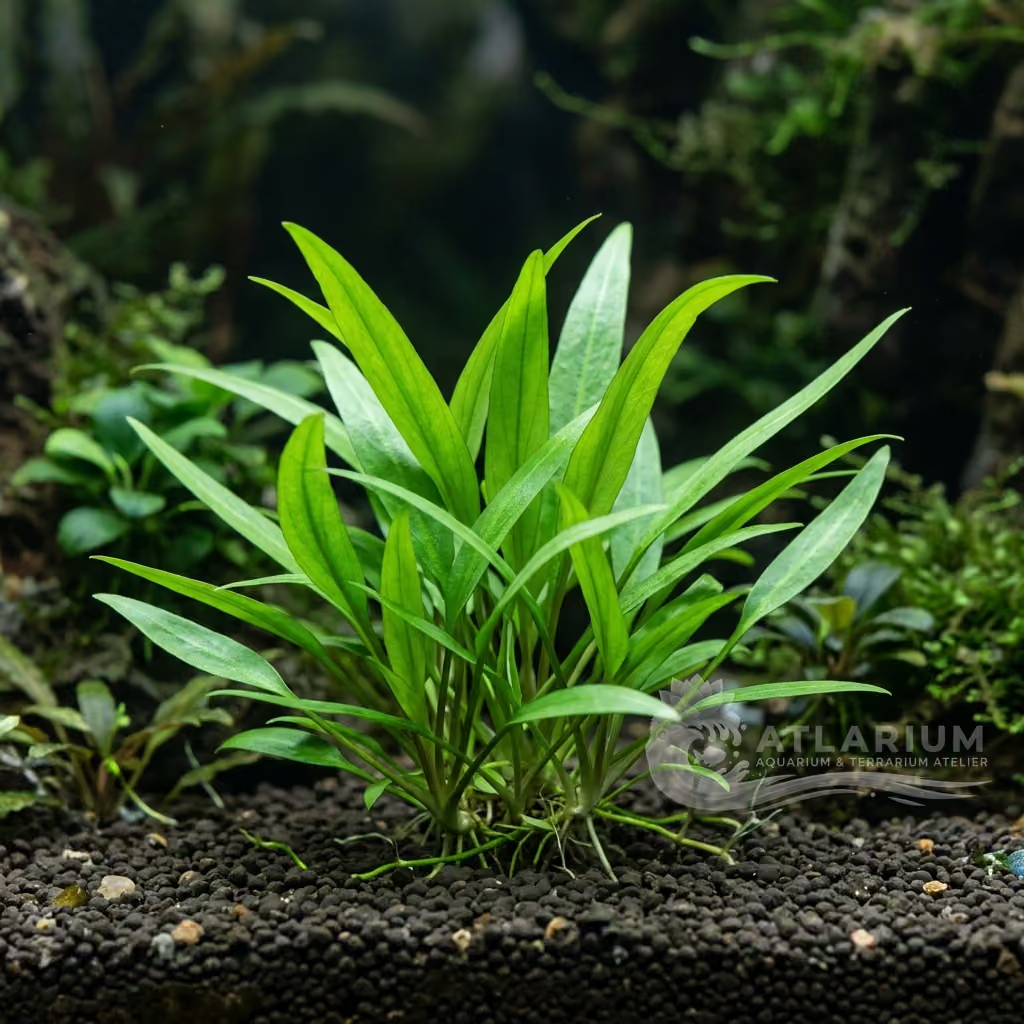
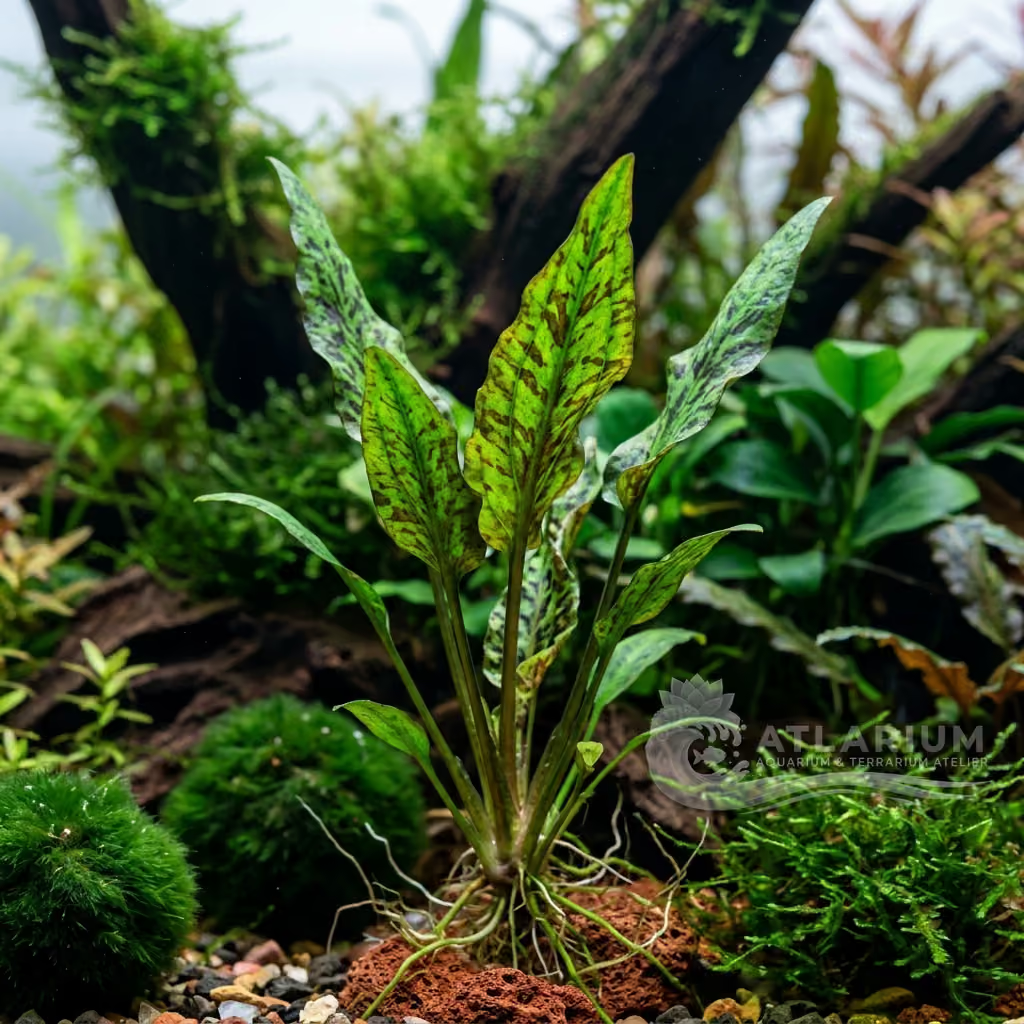
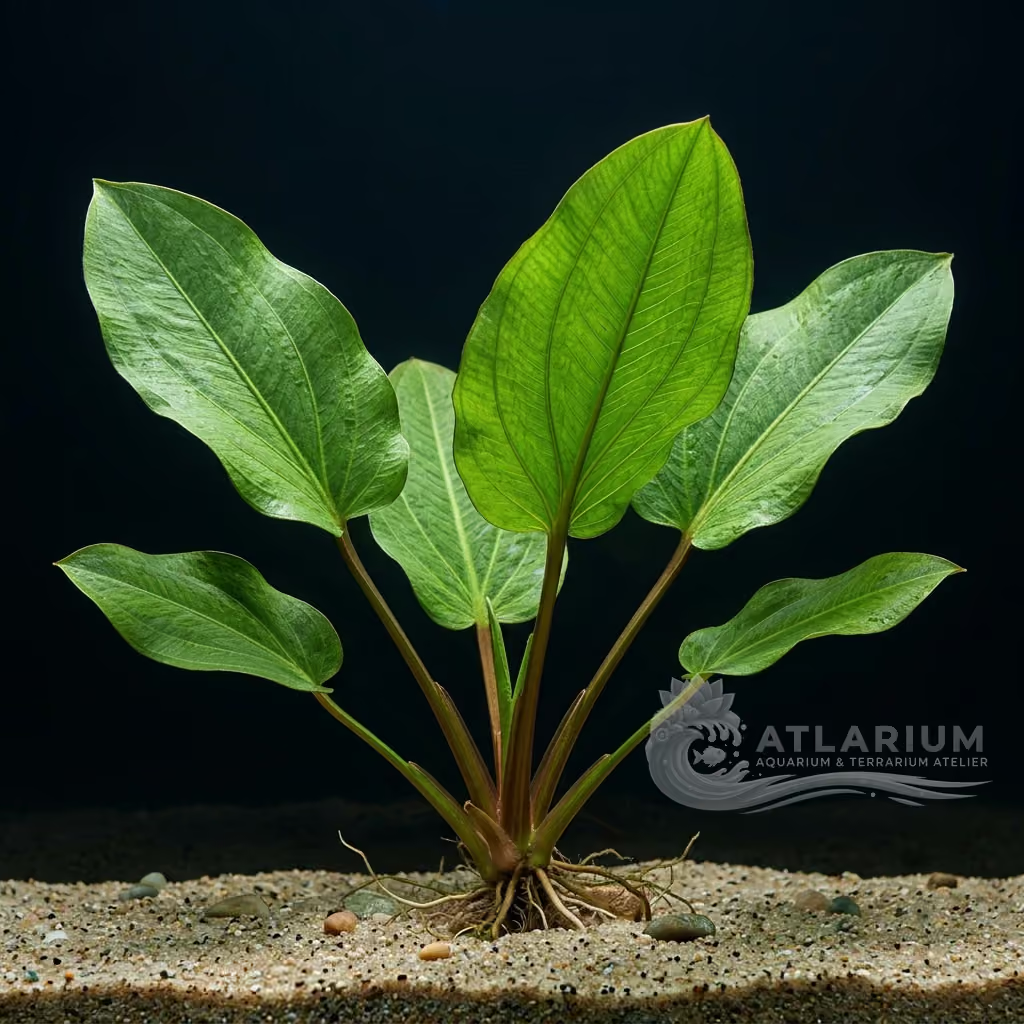
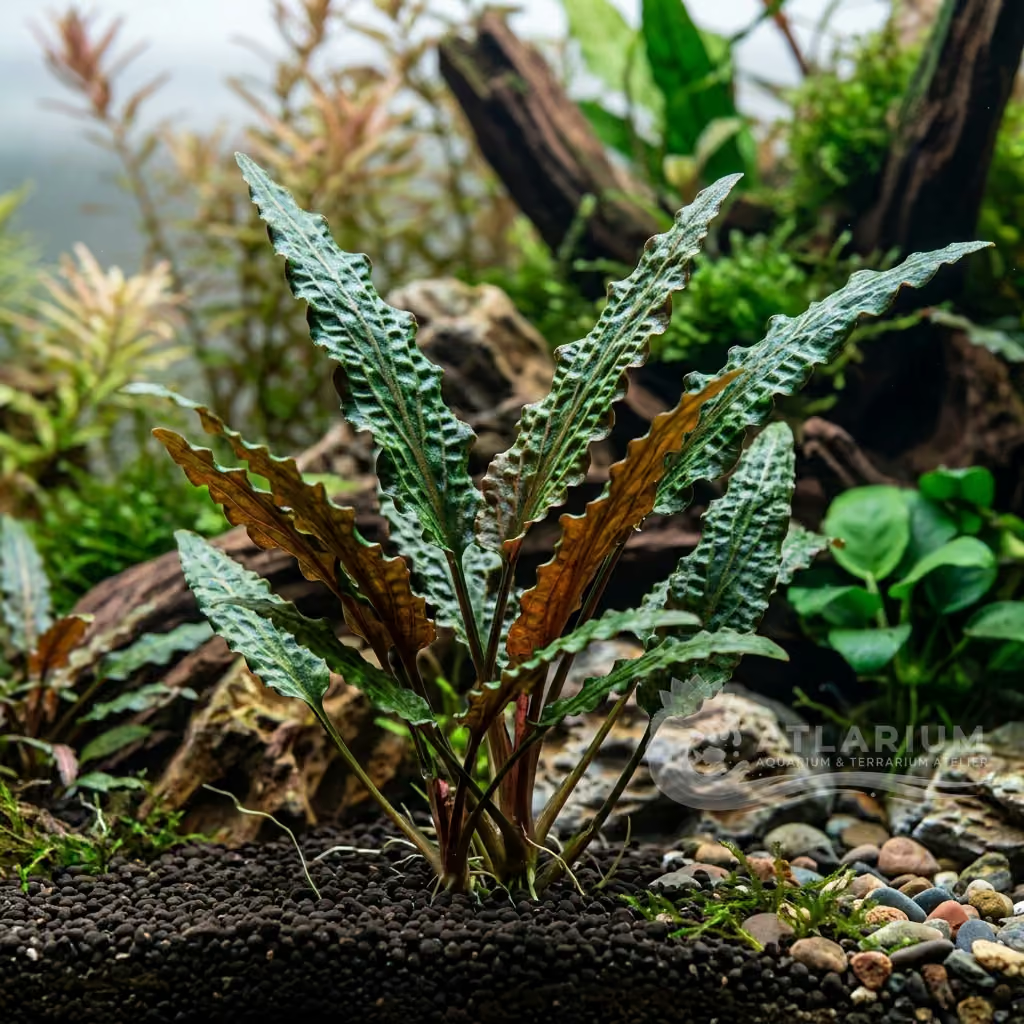
Physical Structure: The architectural structure of "Broad Leaves" is dominant, heavy, and extremely dense. It is a massive rosette plant completely lacking vertical stems. The foundation is a thick, woody underground rhizome that deploys an aggressive white root system deep into the substrate. The leaves emerge directly from the crown on exceptionally rigid petioles. The defining feature is the giant foliage: the leaves are much wider than the standard species (broadly ovate), very large (up to 25 cm), and feature aggressively crinkled, wildly wavy margins.
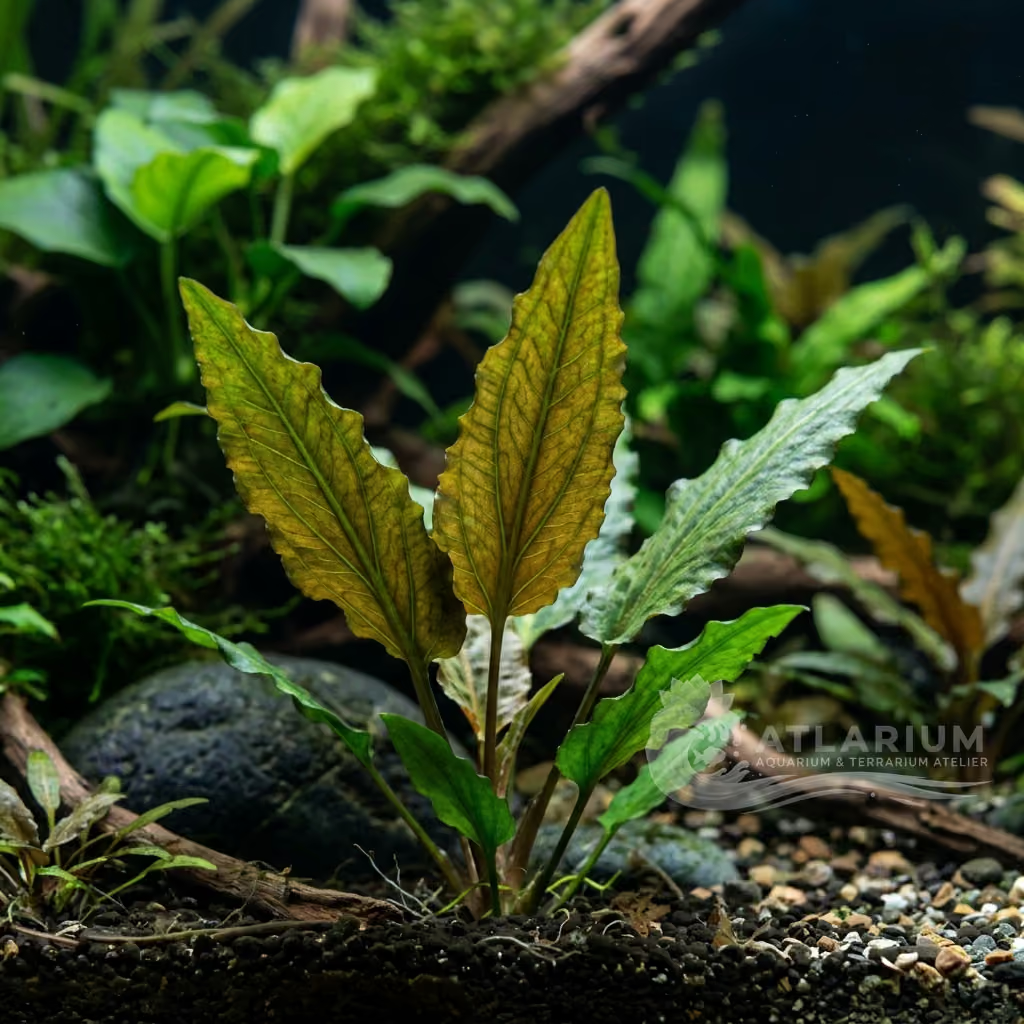
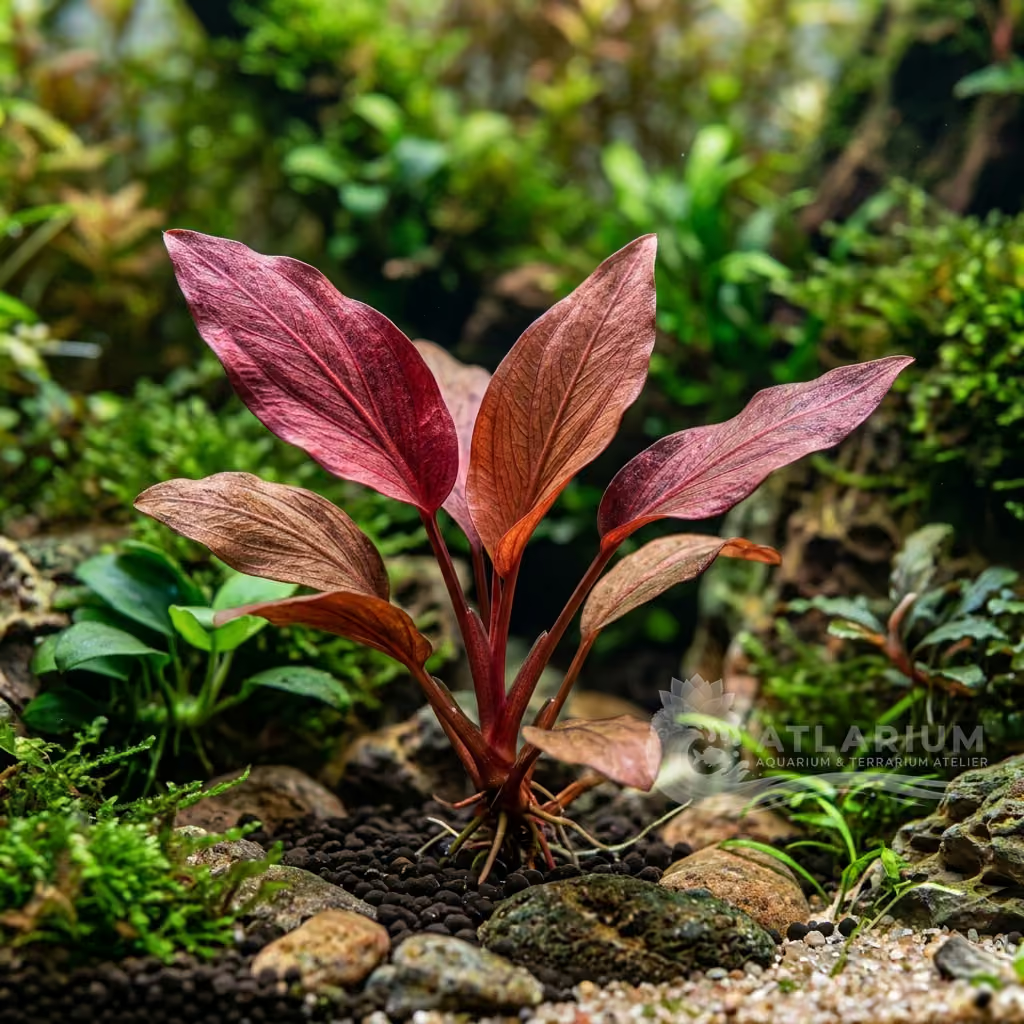
Color & Texture: The coloration is explosive, spectacularly moody, and exceptionally vibrant. Grown submerged under good lighting, the massive upper leaf surface shifts from a dark, rich olive-green to a blindingly bright reddish-bronze, deep chocolate, or metallic maroon. The underside of the broad leaves permanently flashes a stunning, highly visible magenta or deep violet. The texture is completely dominated by the intense "undulating" (wavy) crinkles along the edge, creating a visually heavy, dramatically textured leaf surface.

Soins, reproduction et cohabitation
Lighting & CO2: It is an incredibly forgiving plant that adapts easily to low-tech tanks. It will survive in deeply shaded aquariums, but its broad leaves will turn muddy green and lose their intense crinkles. To force the plant to grow in a spectacular, dense rosette and completely unlock its blindingly bright reddish-bronze and metallic maroon coloration, medium to high-intensity LED lighting is heavily recommended. Pressurized CO2 is not required, but injecting it drastically accelerates its overall massive growth and heavily intensifies its dark colors.
Nutrition & Substrate: As a massive, classic Sri Lankan Cryptocoryne, "Broad Leaves" is an absolute, obligate root feeder. Its highly aggressive root system strictly demands a very deep (minimum 7 cm / 3 inches), mature, nutrient-dense substrate. It heavily prefers premium aquasoil or a mature gravel bed enriched with iron-rich root tabs directly beneath the rhizome. If planted in sterile, inert gravel without heavy root supplementation, it will quickly stunt, turn violently yellow, and melt away. It absorbs virtually zero nutrition directly from the water column.
Water Chemistry: Originating from the tropical streams of Sri Lanka, it is practically invincible regarding standard water parameters. It thrives effortlessly in heated tropical aquariums (22-26°C) and is highly adaptable, tolerating both soft, slightly acidic blackwater and moderately hard, alkaline tap water (pH 6.0 - 7.8). The single most critical environmental requirement is absolute chemical stability. It drastically prefers stable, unchanging parameters over perfectly optimized ones. It prefers moderate water flow to keep its massive wavy leaves clean.
Space Management & Placement: Due to its deliberately broad, massive leaves (up to 25 cm height), deeply compact habit, intensely crinkled edges, and stunning maroon coloration, "Broad Leaves" is the ultimate, premium midground centerpiece plant. It should be meticulously used to create massive, dark, highly textured focal points directly in the center of the aquascape. Because it spreads relentlessly via extremely thick subterranean runners, it will eventually form a stunning, interconnected, impenetrable bronze bush that completely shadows smaller foreground plants.
Pruning: Pruning is a simple, delicate procedure. Never attempt to trim a broad, crinkled leaf in half; the cut edge will instantly turn black, rot, and destroy the elegant aesthetic. To prune dead, melting, or heavily shaded older leaves, you must reach down to the absolute base of the rosette and cleanly snap or slice the thick petiole directly at the gravel line. To manage its relentless, creeping spread, physically dig into the substrate and cleanly sever the thick subterranean runner connecting the baby clone to the mother rhizome.
Risks & Diseases: The absolute greatest threat to the "Broad Leaves" variant is the infamous "Crypt Melt." This massive plant is highly sensitive to sudden environmental instability. A rapid change in pH, a massive water change with cold water, or forcefully uprooting the established plant will trigger a violent biological panic, causing all the beautiful crinkled maroon leaves to dissolve into a slimy mush within 24 hours. However, the thick underground rhizome is nearly indestructible; if the leaves melt, do not disturb the roots, and it will regrow.

Origine et répartition géographiques
Endemic to the deeply shaded, fast-flowing tropical streams and heavily vegetated river margins of central and southwestern Sri Lanka. Cryptocoryne undulata "Broad Leaves" is a highly specialized, spectacularly mutated variant of the classic C. undulata. Like its parent species, it thrives as a deeply rooted amphibious survivor, driving its thick rhizome into dense, nutrient-rich gravel and mud banks. It has evolved to dominate the riverbed by forming extremely dense, tightly knit colonies that can withstand the rushing torrents of the monsoonal flood season.
Origine
Asie du Sud et du Sud-EstSélection et cultivars

Profil de plante
- Emplacement
- Plan intermédiaire
- Due to its broad leaves and wider spread, it is best suited as a prominent midground plant or a background plant in smaller tanks. It requires ample space to spread out its leaves without being cramped by surrounding vegetation. It serves well as a transition plant between the foreground and tall background stem plants.
- Forme botanique
- Rosette
- This cultivar features significantly wider leaves than the standard form, while retaining the characteristic wavy edges. The robust, broad foliage is usually green to brown, offering a heavier, more substantial appearance. It forms a large, imposing rosette that can easily dominate a small space.
- Croissance
- Moyenne
- It grows at a moderate pace, steadily pushing out new, large leaves from its central rosette. Growth is robust and reliable once the plant has overcome the initial transplant shock. CO2 addition will noticeably increase both the speed of growth and the ultimate size of the leaves.
- Substrat
- Élevé
- A deep and nutrient-dense substrate is ideal for supporting its broad, heavy leaves and strong roots. It thrives in aquasoils but performs exceptionally well in gravel if regularly fortified with root tabs. Good substrate circulation prevents the roots from rotting in compacted areas.
- Fertilisation de la colonne d'eau
- Recommandée
- Standard column dosing of comprehensive fertilizers will keep the plant in excellent condition. Ensure that potassium levels are sufficient to prevent small holes from appearing in the older, broad leaves. It absorbs nutrients readily from the water, supplementing its root intake.
- Fertilisation racinaire
- Aucune
- Heavy root fertilization is highly recommended to sustain the large leaf biomass. Pushing comprehensive root tabs deep into the substrate near the base will promote vigorous health and deep coloration. The roots are extensive and very efficient at taking up localized nutrients.
- Taille
- Occasionnelle
- Only trim dying, damaged, or heavily algae-covered leaves by cutting them as close to the crown as possible. Avoid cutting healthy leaves midway, as they will simply rot away from the cut point. Minimal pruning is needed due to its slow growth.
- Propagation
- Division du rhizome, Stolons
- It propagates through sturdy subterranean runners, producing new plantlets around the parent plant. Due to the broad leaves, new plants may quickly crowd the mother plant and should be separated once they have a good root system. Trimming the runners helps control its spread in the aquarium.
- Sensibilité
- Modérée
- Susceptible to Crypt melt if parameters shift rapidly, especially temperature or lighting intensity. It may lose leaves when newly introduced to a tank but usually recovers once acclimatized. Stable water conditions are key to preventing sudden leaf loss.
- Rôle dans le décor
- Plan intermédiaire, Premier plan
- Acts as a strong structural element that can help define spaces in the planted aquarium. Its distinct appearance makes it a popular choice for Nature Aquarium styles. It adds depth and texture without requiring constant maintenance.

Galerie d'images
Images sous licence liées à l'espèce ou, lorsqu'elles sont indiquées, au taxon représentatif le plus proche.

Espèces associées
Recommandations regroupées par proches parents, compagnons et soins similaires.