Pogostemon stellatus
Pogostemon stellatus
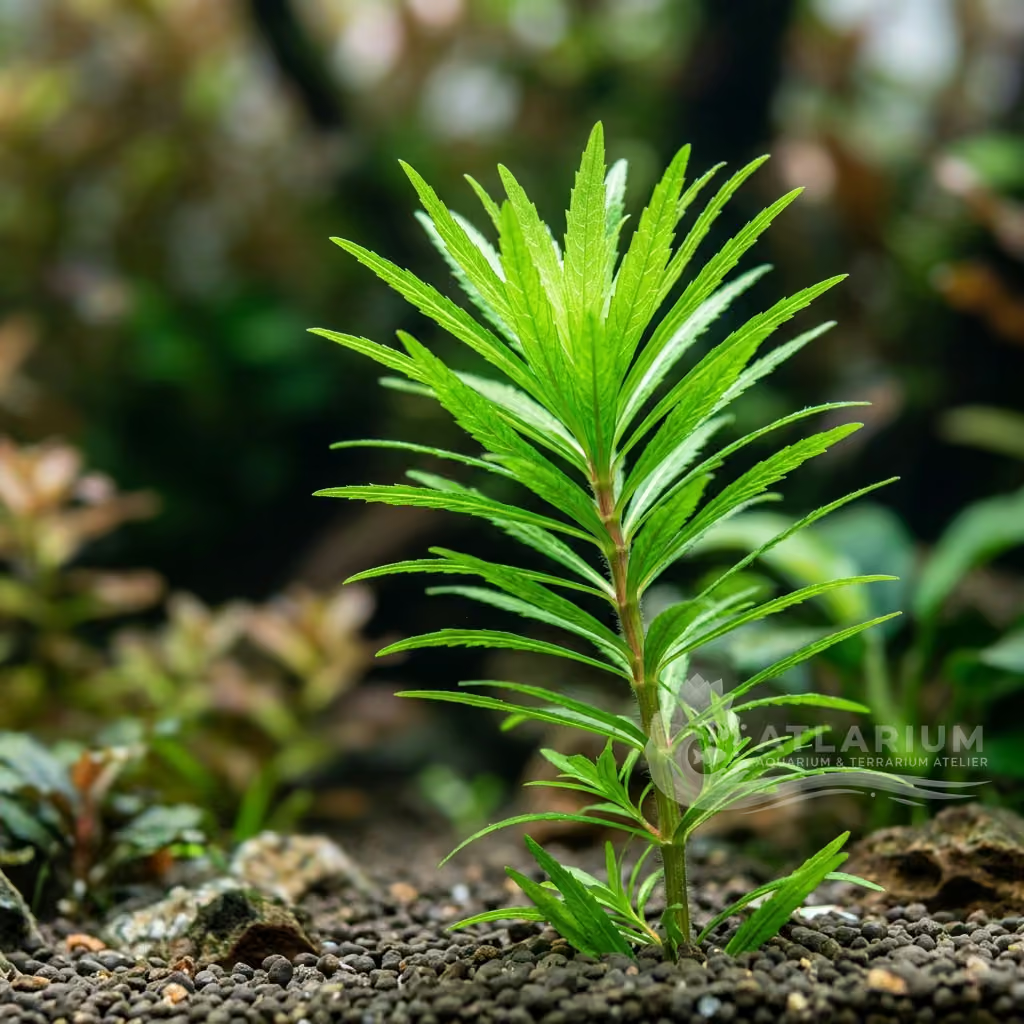
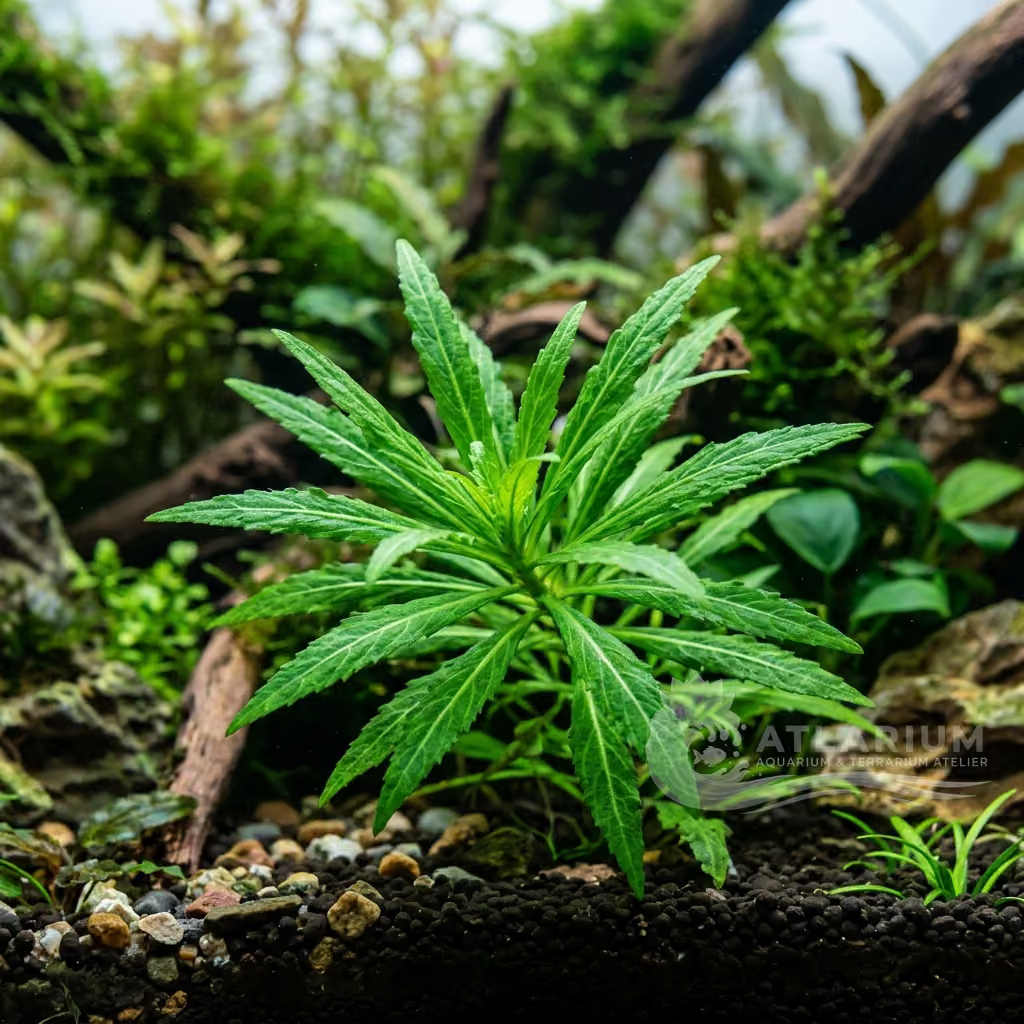
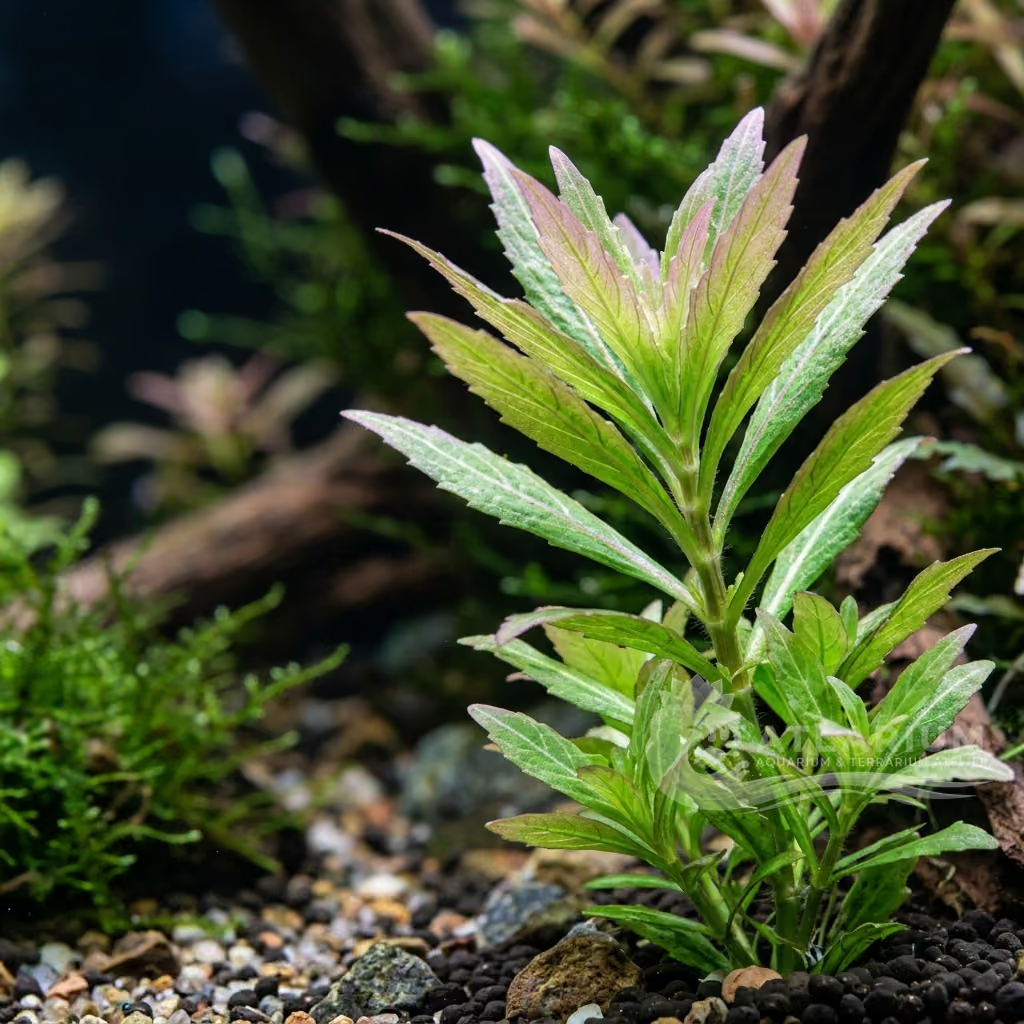
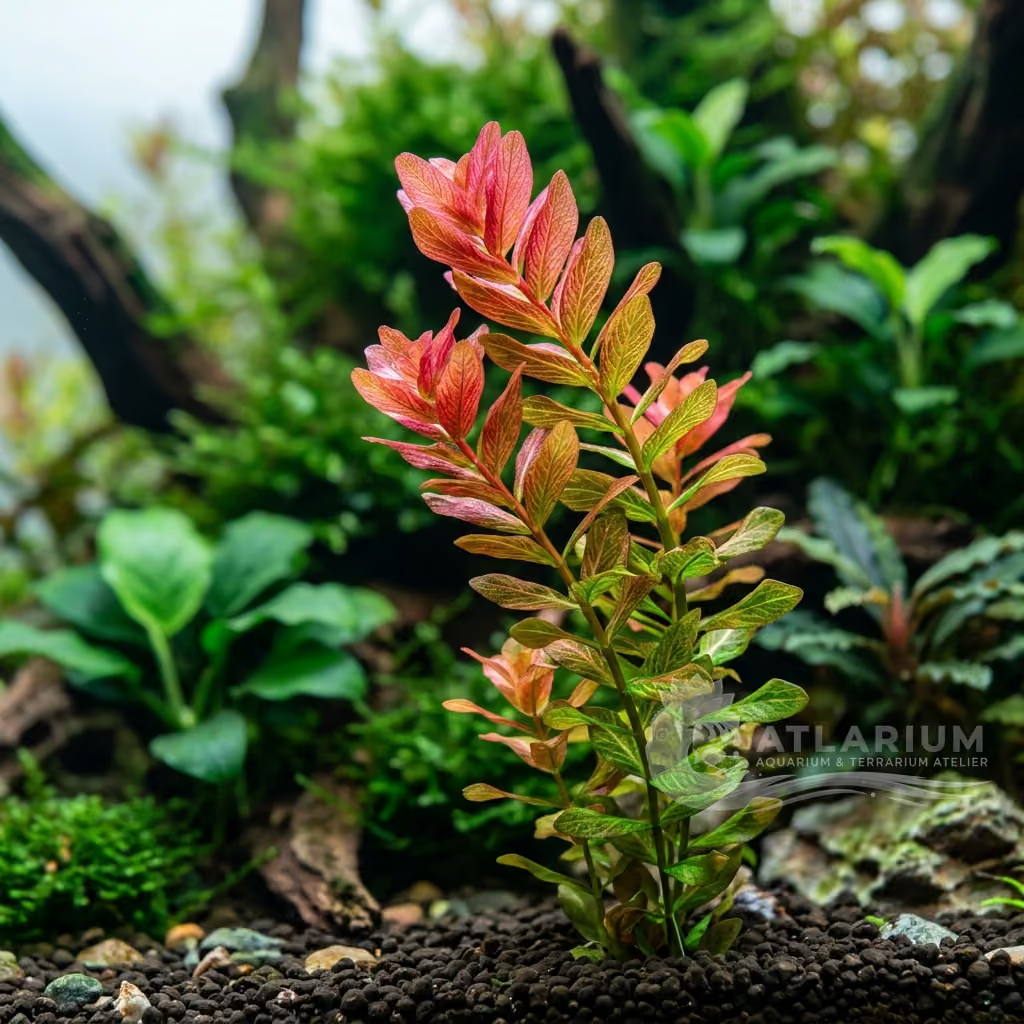
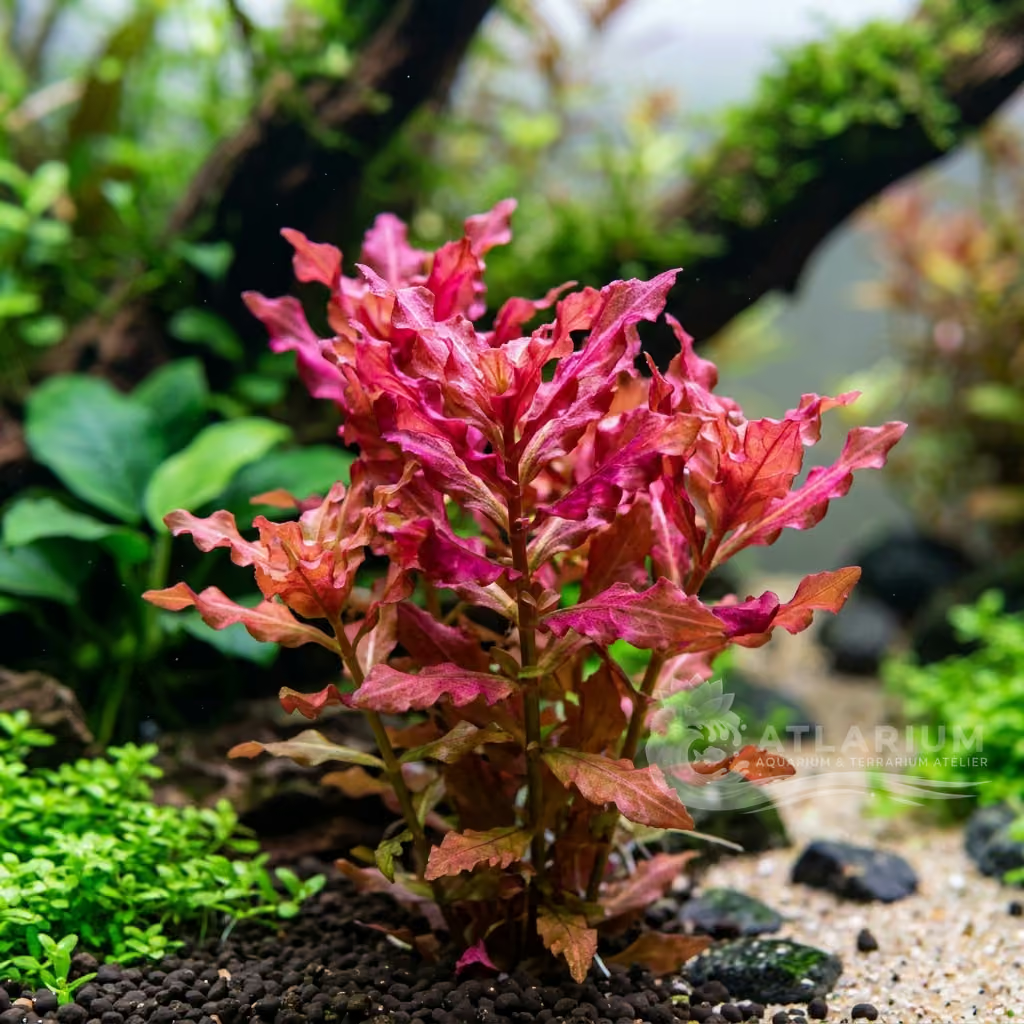
Pogostemon stellatus is a classic and spectacular fast-growing stem plant, ideal for creating colorful backgrounds with hues ranging from red to intense purple.
Température de l’eau
15 - 32 °C
Valeur du pH
5 - 7
Type d'eau
Eau douce
Lumière
Élevée
CO2
Élevée
Largeur attendue
15 cm
GH
0 - 15 dGH
KH
1 - 18 dKH

Description de l'espèce
Geographical Origin and Habitat: This stunning species is native to Southern Asia, East Asia, and Northern Australia, where it colonizes warm streams, swamps, and ditches. It commonly grows submerged during seasonal floods, adapting to strong currents.
Taxonomy & Genetics: It belongs to the Lamiaceae family and the genus Pogostemon. Pogostemon stellatus is a highly polymorphic species that has generated several cultivated variants in the aquarium hobby, all characterized by strong photosensitivity.
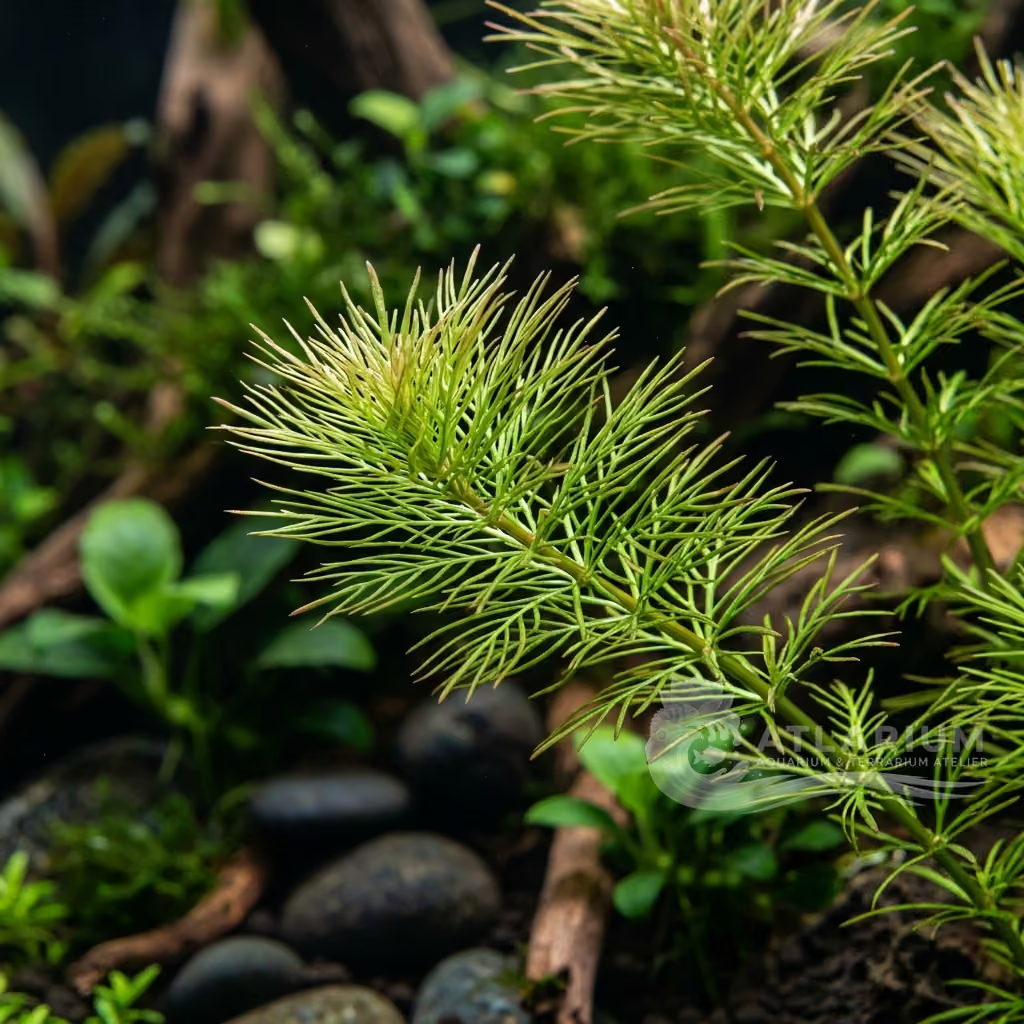
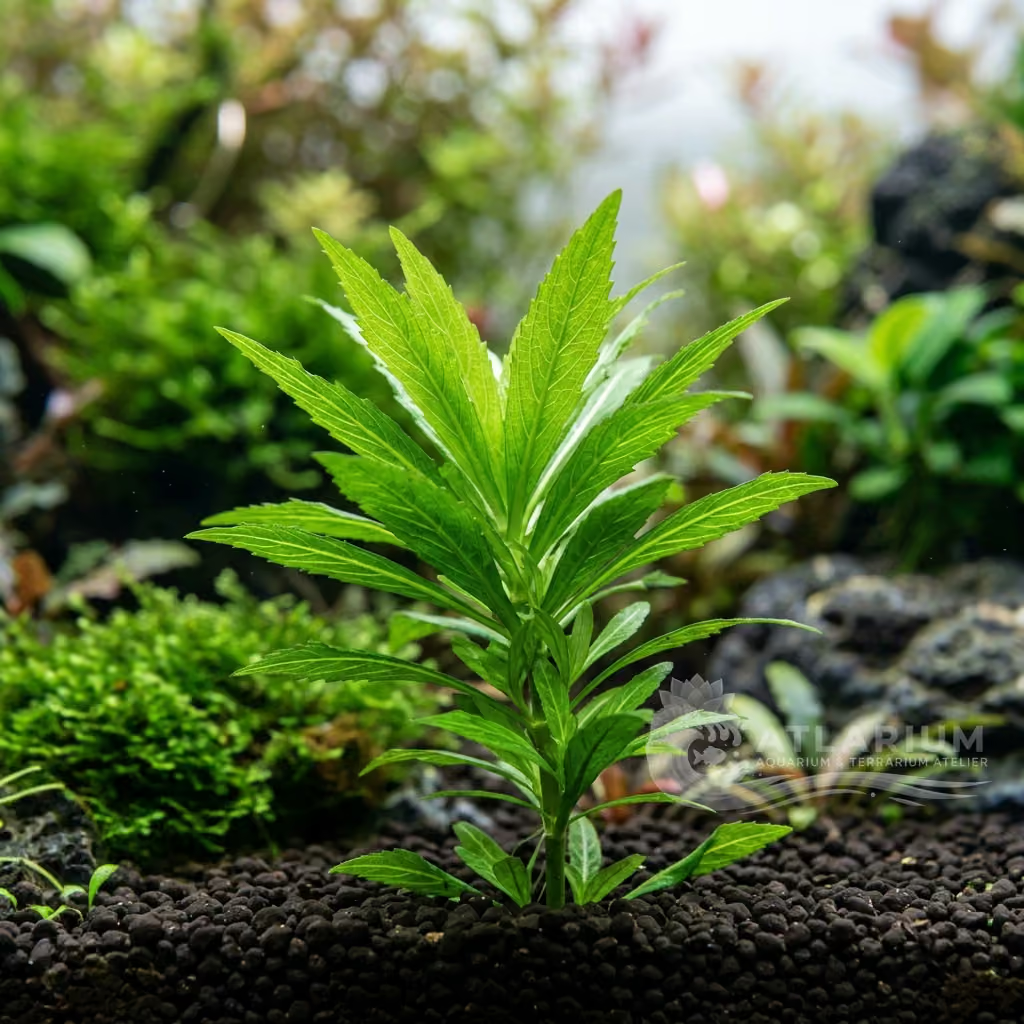
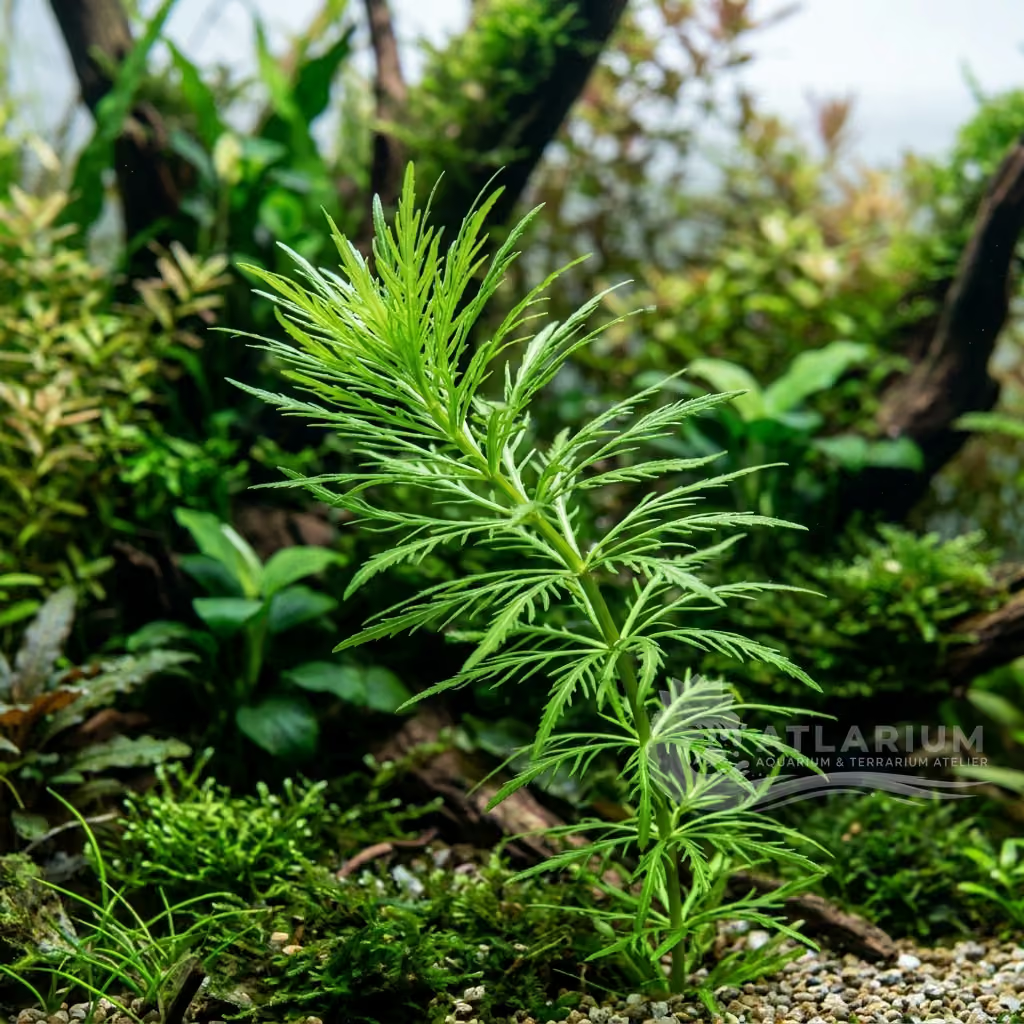
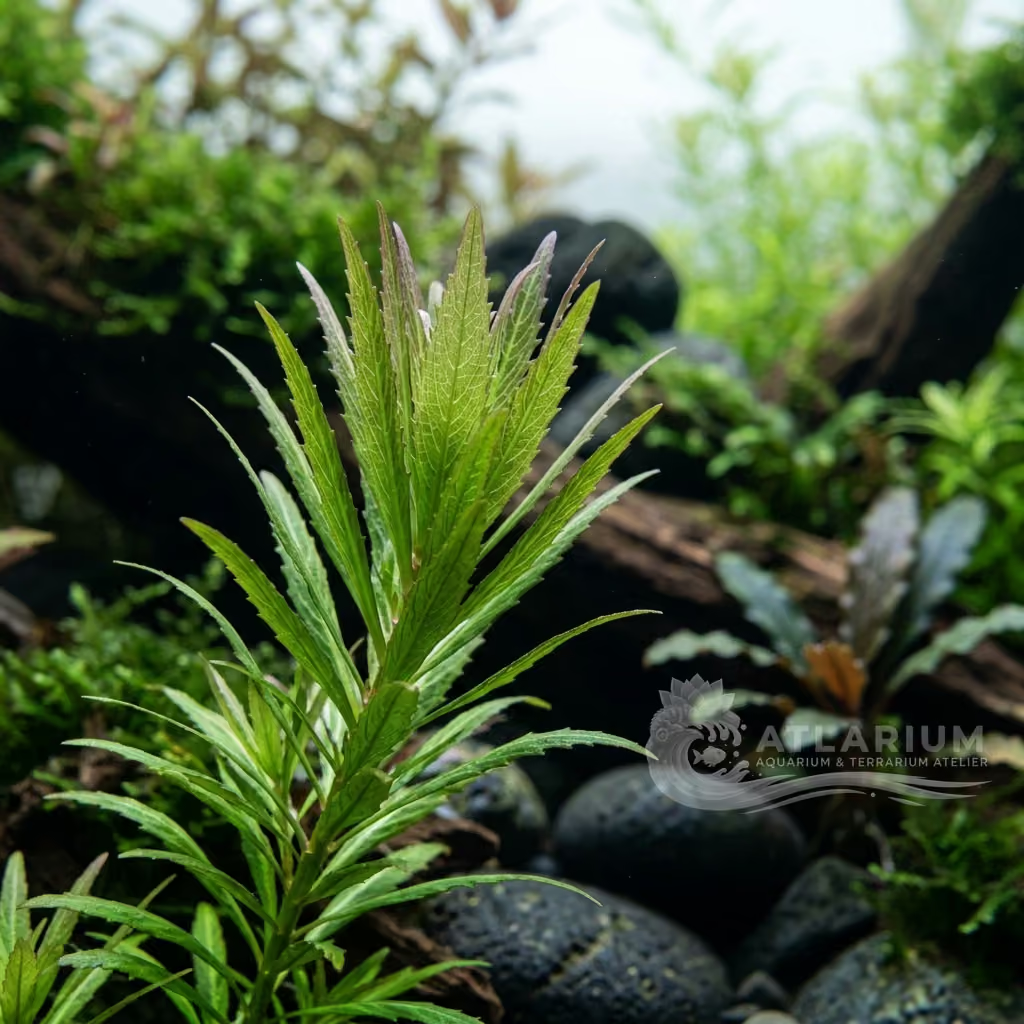
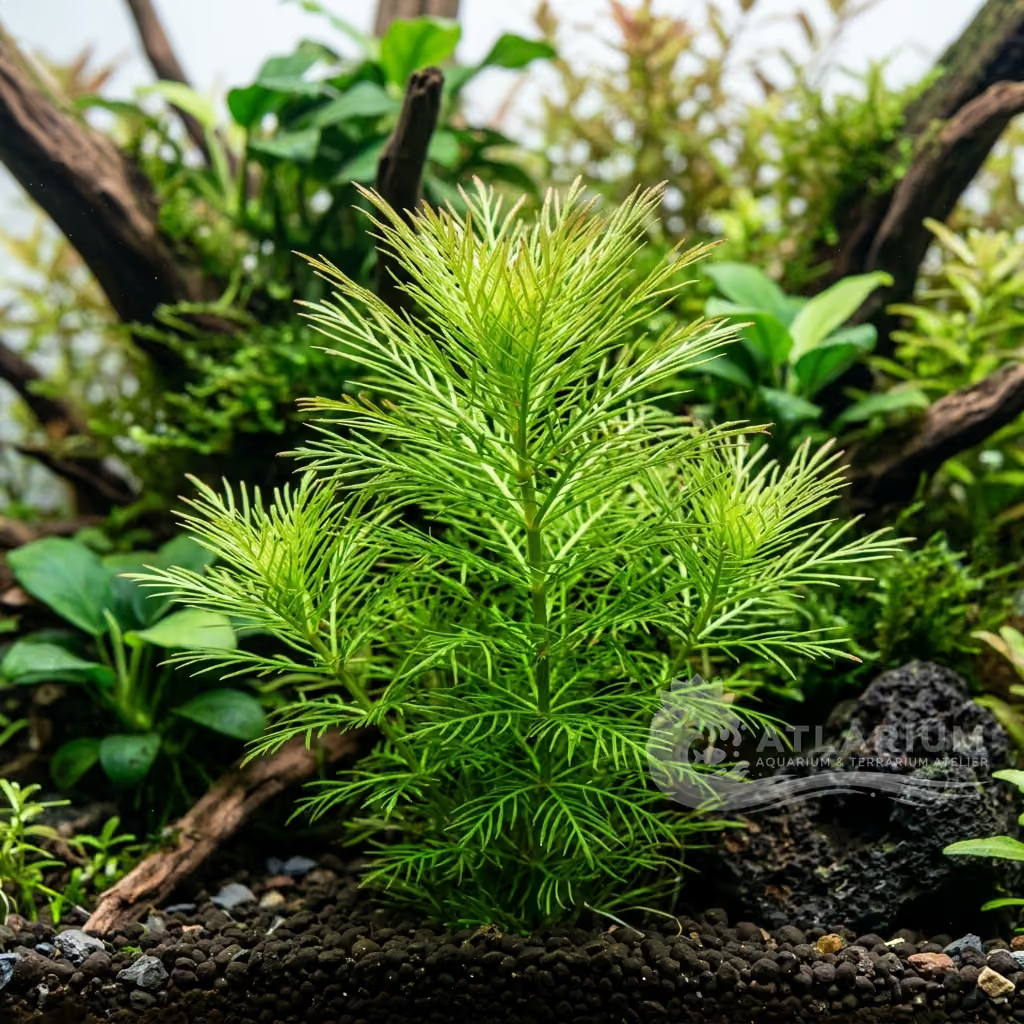
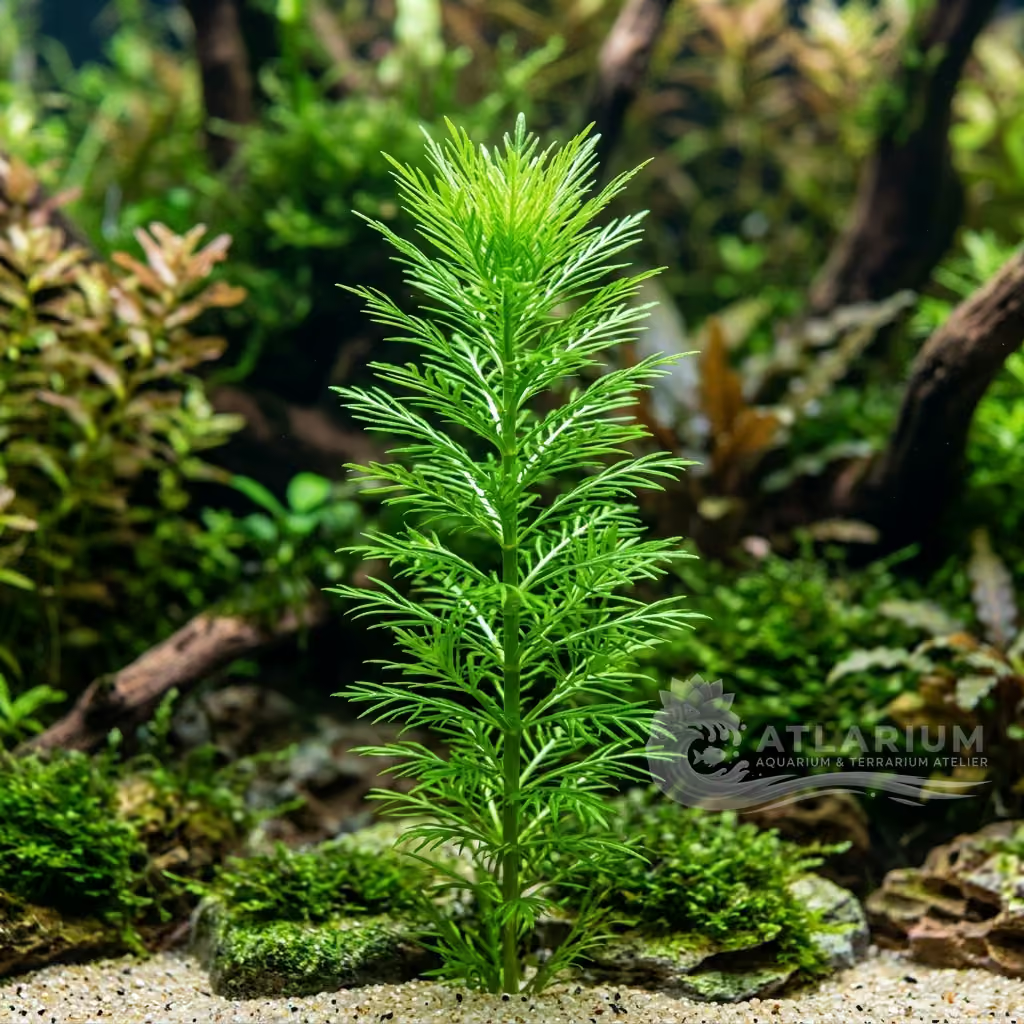
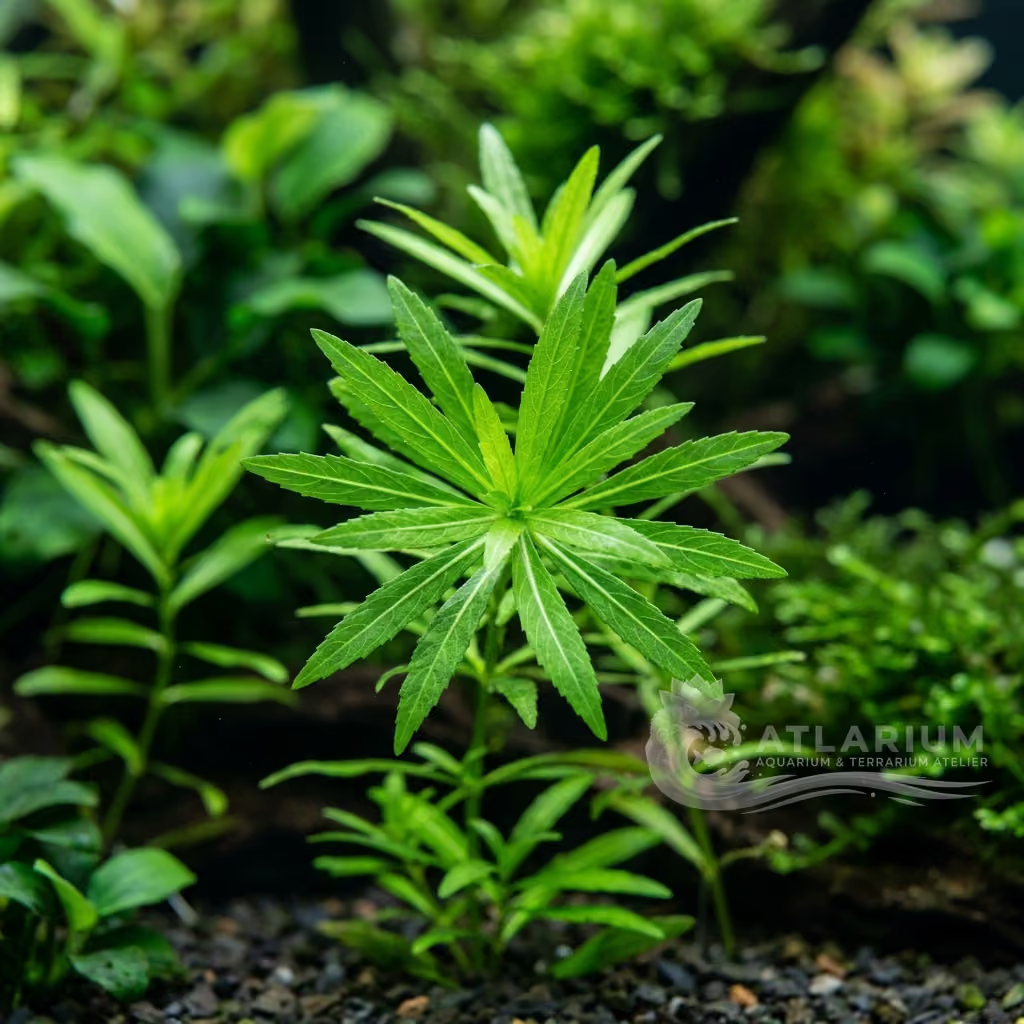
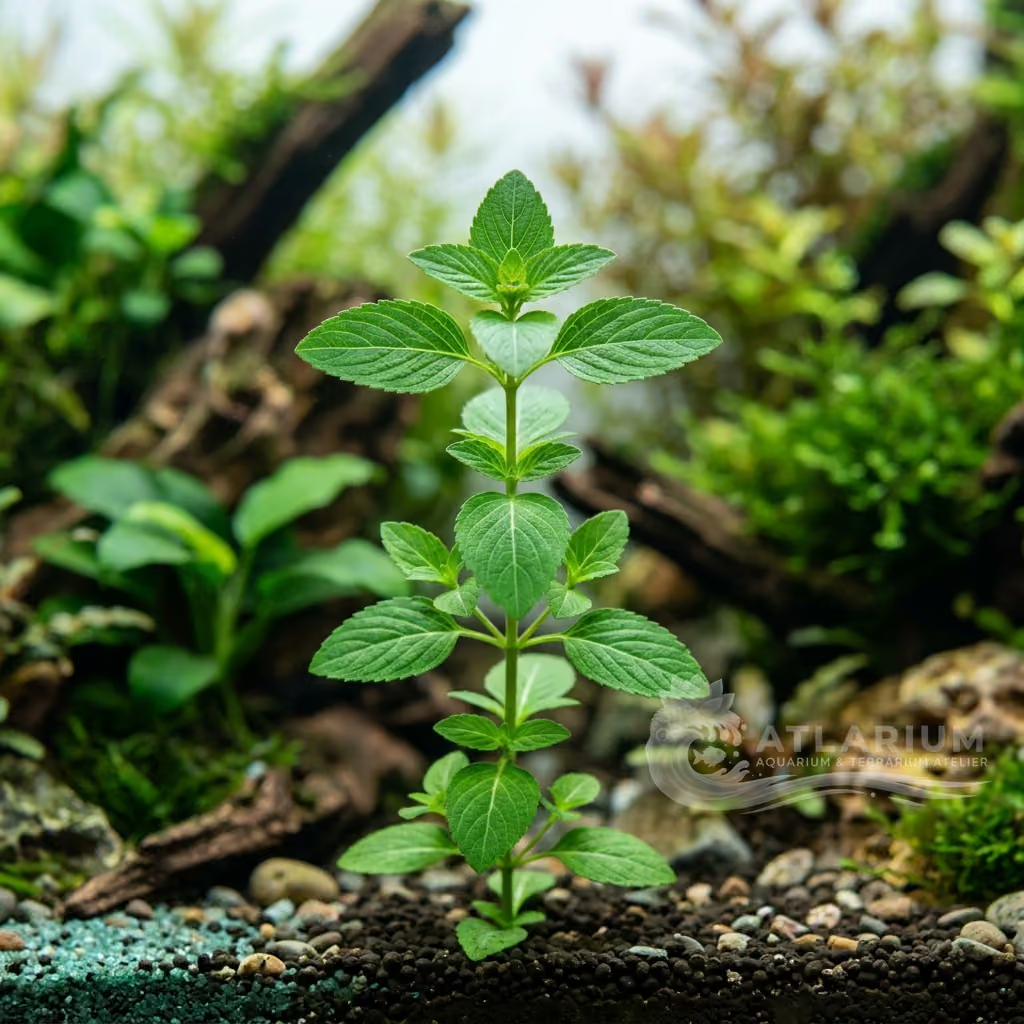
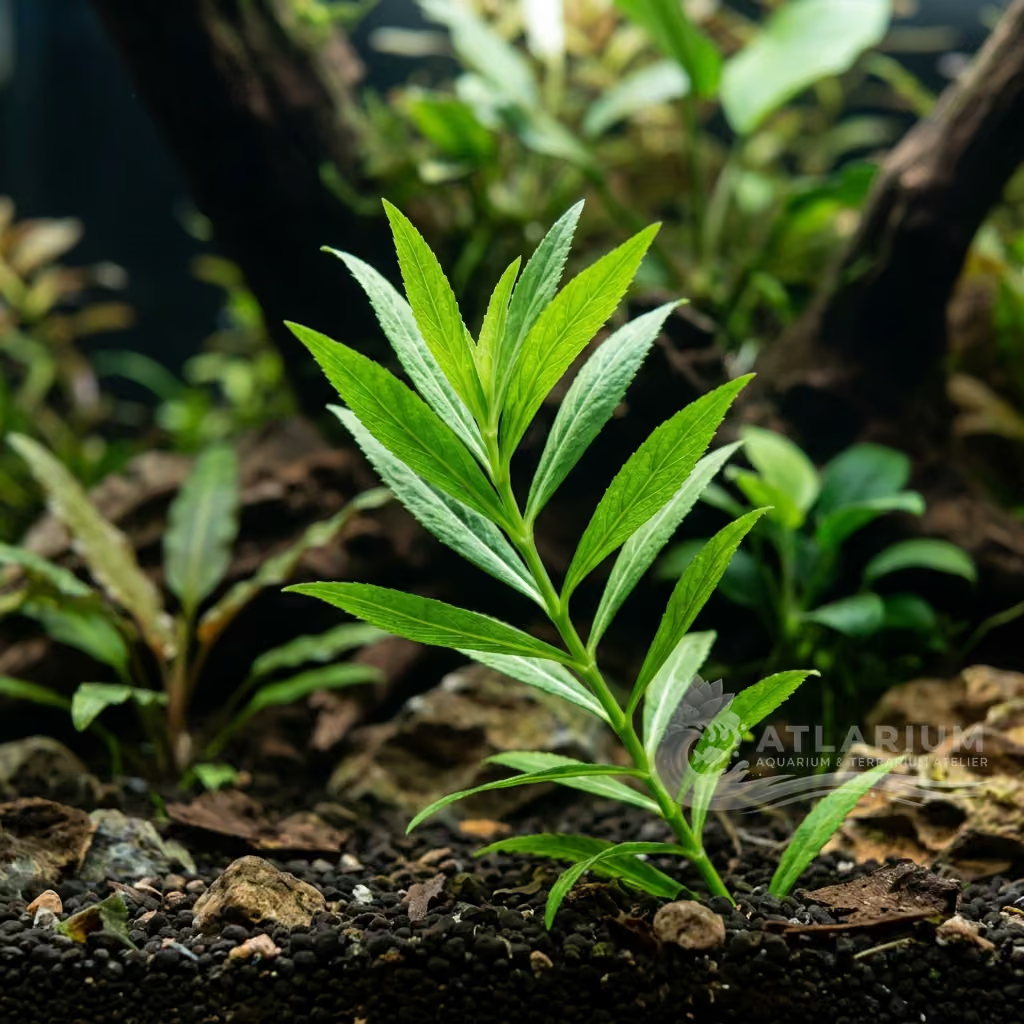
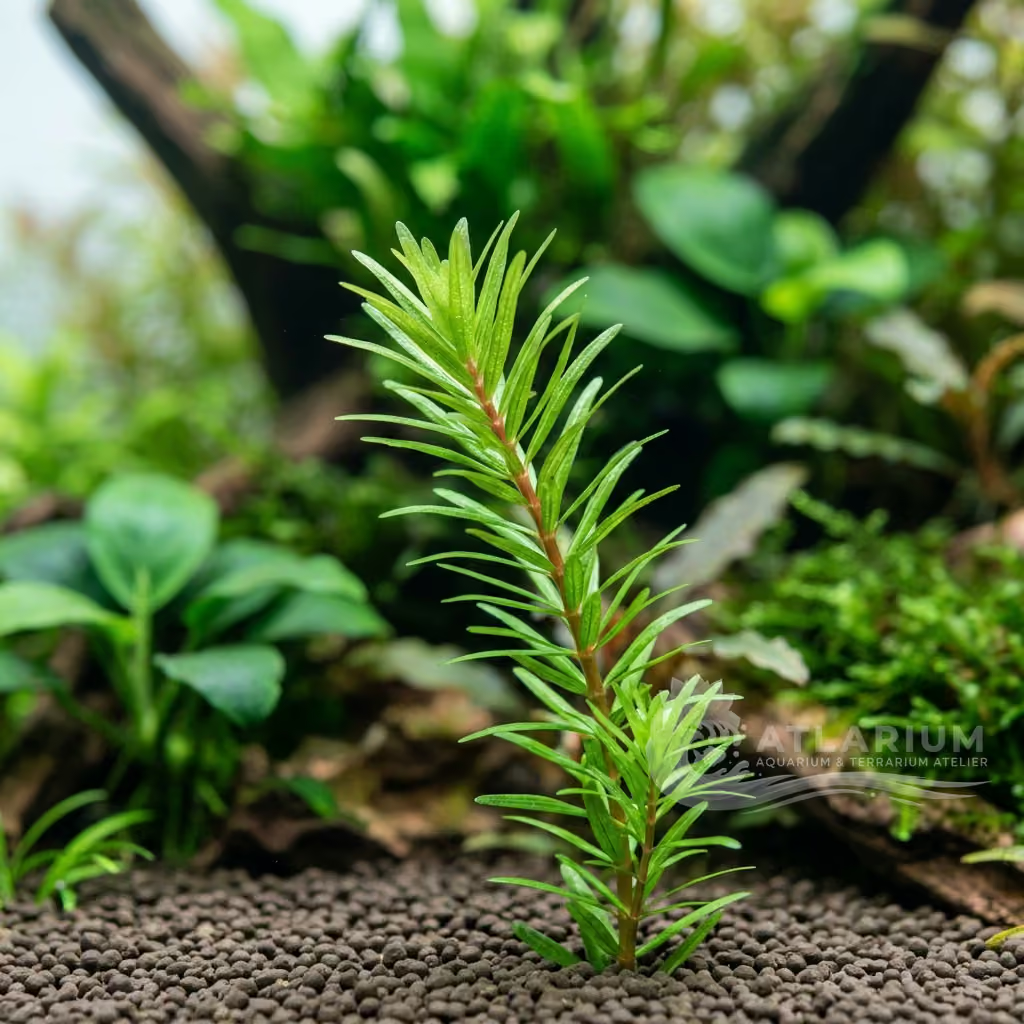
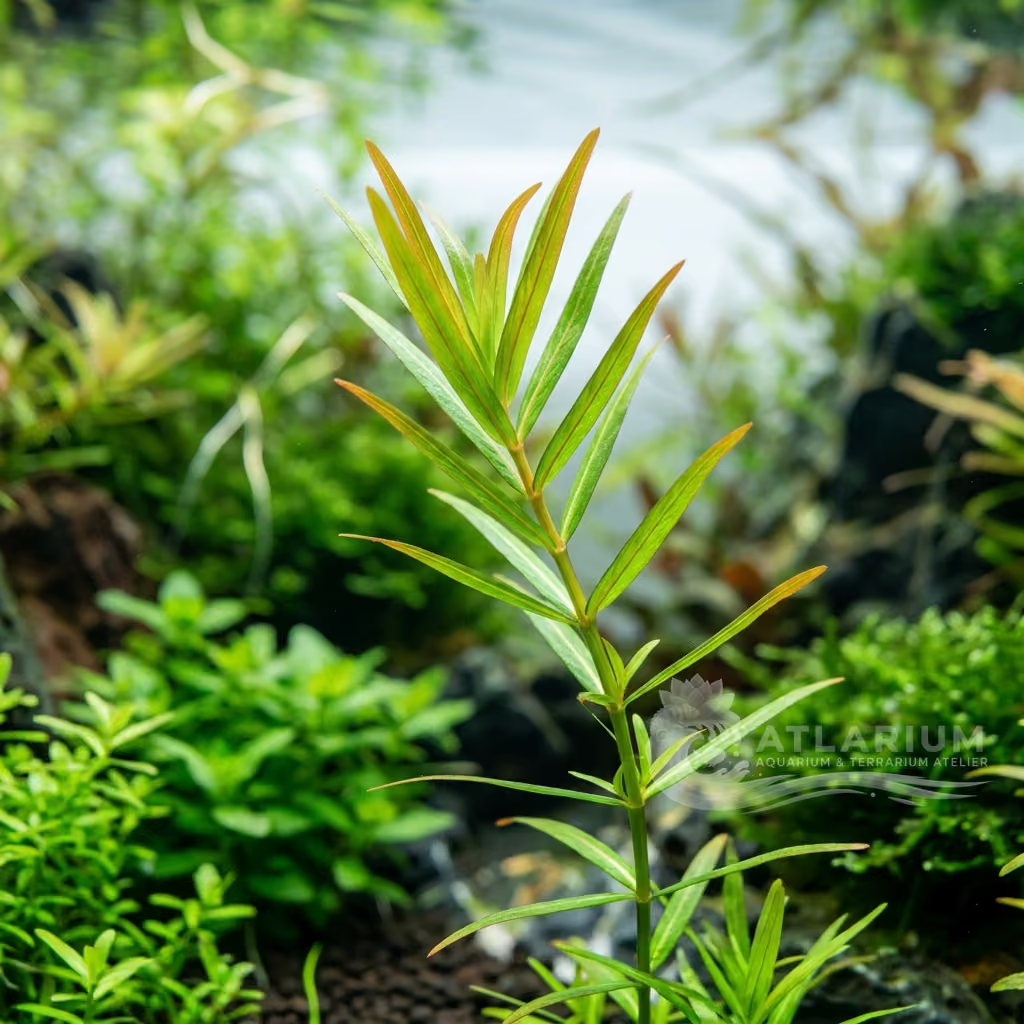
Physical Structure: The plant has an upright structure with thick, sturdy stems from which dense whorls of lanceolate, pointed leaves branch out. Under proper conditions, it develops a strong root system that firmly anchors the stem to the ground.
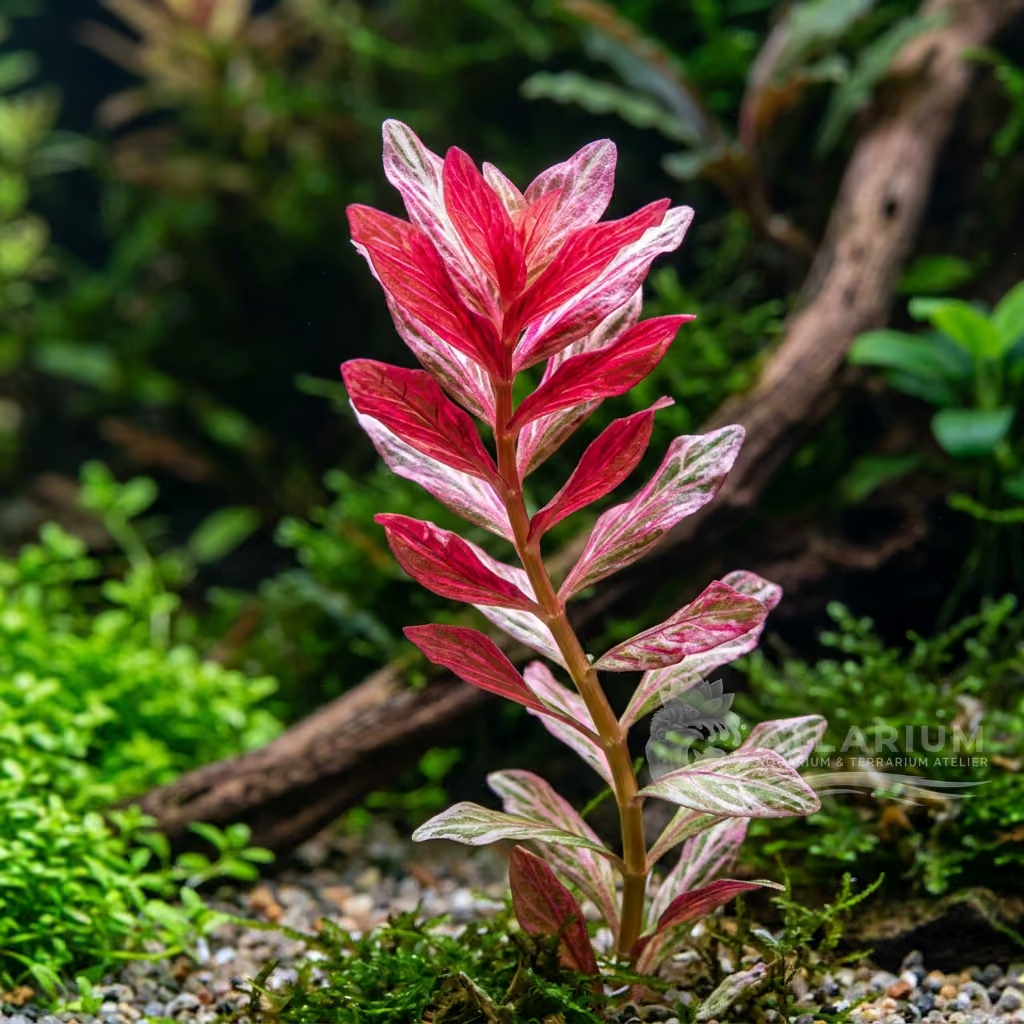
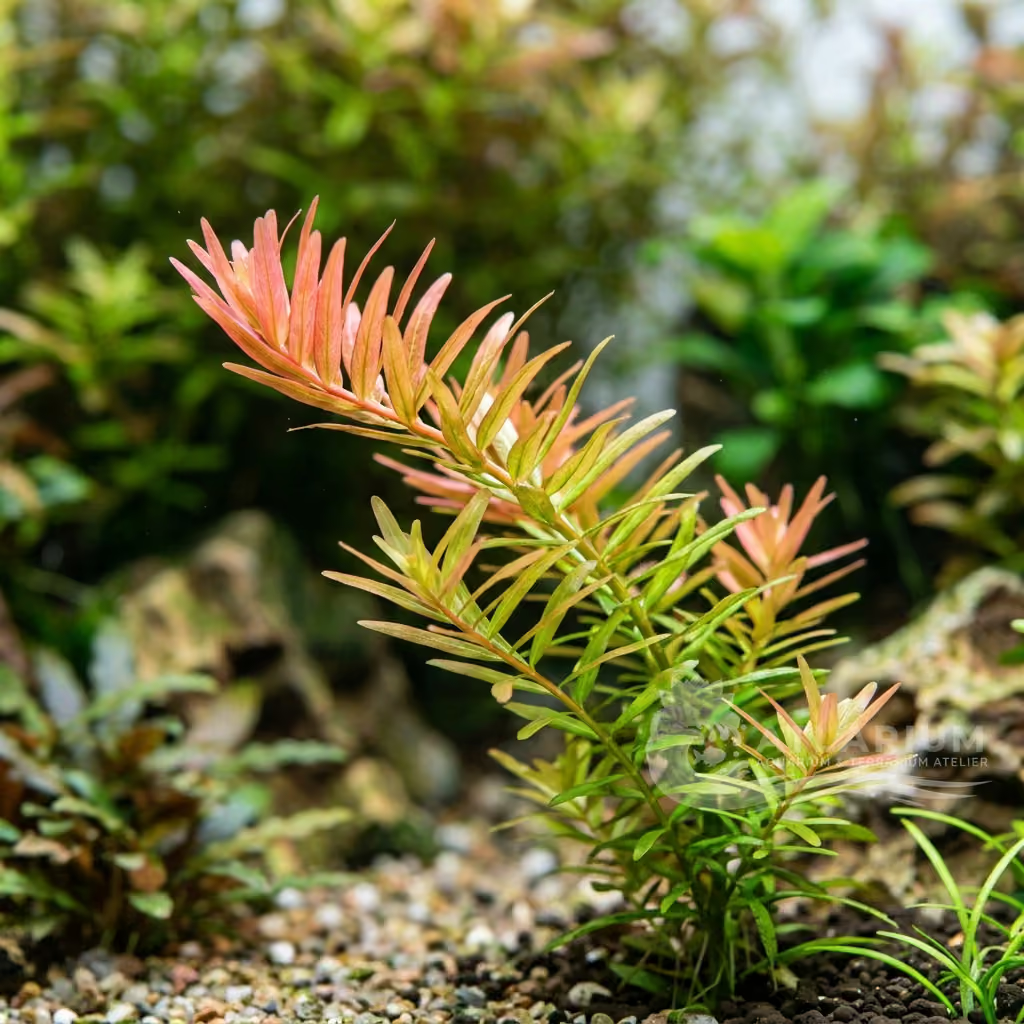
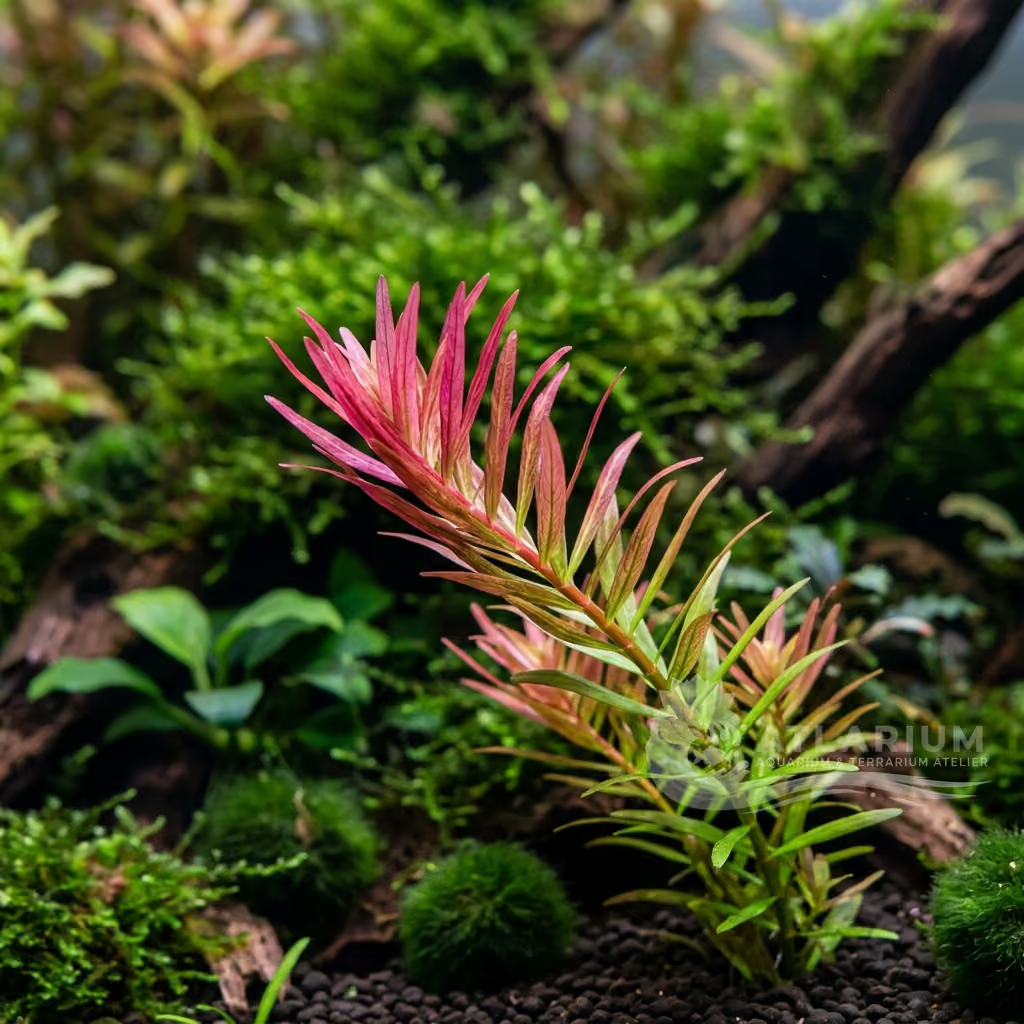
Color & Texture: The color varies significantly depending on light and nutrient availability, shifting from bright olive green to incredible shades of purple, fire red, and magenta. The dense, geometric leaf texture provides a strong visual impact.

Soins, reproduction et cohabitation
Lighting & CO2: Requires very intense lighting to display its best color shades and prevent the stretching of internodes. CO2 must be supplied constantly and in generous amounts to prevent the stems from decaying.
Nutrition & Substrate: It is a heavy nutrient feeder; it requires a fertile substrate rich in iron and regular
Water Chemistry: Prefers soft to moderately hard water, with an optimal pH between 5.0 and 7.0 and KH between 1 and 18. It tolerates wide temperature ranges, but optimal development is observed between 20 and 28 °C.
Space Management & Placement: Its ideal placement is in the background of the aquarium or as a main group in the midground for Dutch or Nature style layouts, where it acts as an outstanding color contrast to green plants.
Pruning: It must be pruned regularly by topping the upper parts of the stems. The apical shoots can be replanted in the substrate, promoting the growth of new bushy clumps from the stems left behind.
Risks & Diseases: The main risks lie in nutrient deficiencies, particularly microelements, which cause deformation of new leaves. It is also prone to algae attacks if CO2 levels fluctuate.

Origine et répartition géographiques
This stunning species is native to Southern Asia, East Asia, and Northern Australia, where it colonizes warm streams, swamps, and ditches. It commonly grows submerged during seasonal floods, adapting to strong currents.
Origine
Asie du Sud et du Sud-EstAsie de l'EstAustralie, Nouvelle-Guinée et Océanie

Profil de plante
- Emplacement
- Plan intermédiaire
- Best utilized as a background focal point due to its striking colors and size. It should be planted in groups with adequate space between stems for light penetration. It draws the eye immediately and should be placed strategically.
- Forme botanique
- Tige
- A magnificent stem plant with fine, pointed leaves arranged in whorls. Under ideal conditions, the leaves exhibit vibrant shades of pink, purple, and orange. The stems can grow quite thick and tall.
- Croissance
- Rapide
- The growth rate is fast under high light and heavy CO2 injection. It requires frequent trimming to prevent it from taking over the tank. If conditions are suboptimal, it will stunt and stop growing entirely.
- Substrat
- Élevé
- Pogostemon stellatus is notoriously demanding and requires a mineral-rich aqua soil to maintain its stunning crown coloration and prevent lower leaf loss. Its strong, invasive root system deeply penetrates the substrate to extract heavy quantities of macronutrients, making bottom fertilization indispensable. A substrate bed of 5 to 6 centimeters is recommended to physically support its thick stems and accommodate its widespread root structure.
- Fertilisation de la colonne d'eau
- Recommandée
- Heavy water column fertilization is absolutely essential. It requires high doses of nitrogen, phosphorus, potassium, and trace elements. Daily dosing of iron is often necessary to achieve the best colors.
- Fertilisation racinaire
- Recommandée
- It requires a very rich substrate to thrive. Aqua soil supplemented with root tabs is highly recommended. A strong root system is necessary to support its rapid growth and high nutrient uptake.
- Taille
- Régulière
- Trimming can be tricky, as the remaining bottom portion sometimes struggles to sprout new shoots. It is often best to uproot, discard the bottom, and replant the colorful tops. If topping, leave a significant portion of healthy stem behind.
- Propagation
- Boutures
- Propagated by stem cuttings, though care must be taken to use healthy shoots. Plant the cuttings deeply into a rich substrate. Ensure they receive immediate high light and CO2.
- Sensibilité
- Modérée
- Notoriously sensitive to changes in water parameters, leading to 'stunting' where the growth tip stops developing. It demands intense lighting and high, stable CO2 levels. Extremely susceptible to shading.
- Rôle dans le décor
- Plan intermédiaire, Arrière-plan
- A premier background or midground focal point plant. Its vivid colors provide a spectacular contrast to green plants. Very popular in Dutch style aquariums for creating strong color streets.

Galerie d'images
Images sous licence liées à l'espèce ou, lorsqu'elles sont indiquées, au taxon représentatif le plus proche.

Espèces associées
Recommandations regroupées par proches parents, compagnons et soins similaires.