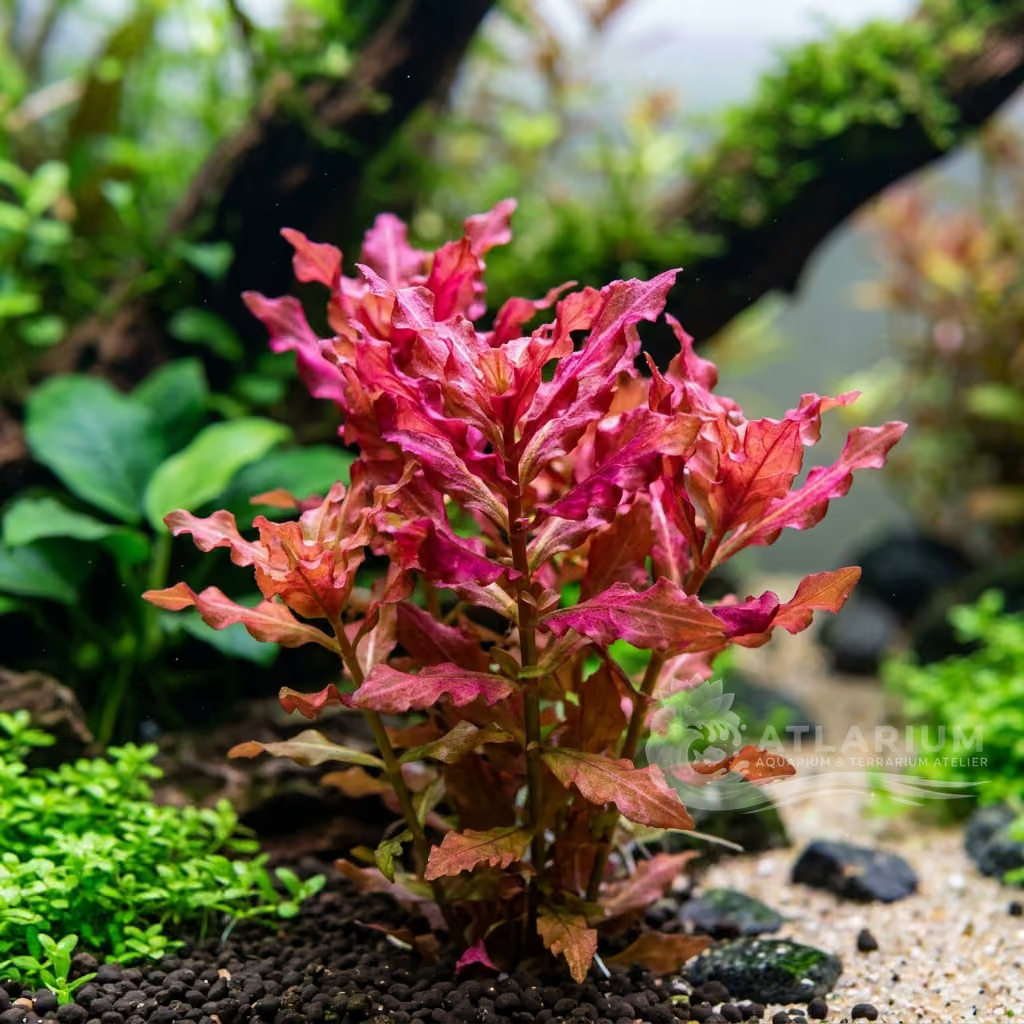
Pogostemon erectus
Pogostemon erectus
Pogostemon erectus is a distinctive midground aquarium plant cherished for its vibrant green foliage and erect growth habit. With a medium growth rate, it can form attractive, compact bushes, perfect for adding structure and bright color to any aquarium layout.
Température de l’eau
24 - 28 °C
Valeur du pH
5 - 7
Type d'eau
Eau douce
Lumière
Élevée
CO2
Faible - Élevée
KH
1 - 14 dKH

Description de l'espèce
Geographical Origin and Habitat: Pogostemon erectus originates from the tropical regions of Asia, specifically India and certain areas of Southeast Asia. In its natural habitat, this species is typically found in humid, semi-aquatic zones such as the banks of slow-flowing rivers, ponds, and swamps. It is capable of both emersed and submersed growth, demonstrating remarkable adaptive plasticity to various aquatic environments. This natural habitat suggests its preference for stable conditions and good nutrient availability.
Taxonomy & Genetics: Belonging to the Lamiaceae family, the same family as many aromatic plants like mint and basil, Pogostemon erectus shares some morphological characteristics with its terrestrial relatives. The genus Pogostemon includes several aquatic and semi-aquatic species, often valued for their beauty in natural aquariums. Genetically, this plant is distinguished by its ability to maintain an upright growth habit and a relatively compact form, characteristics that make it unique within its genus and highly sought after by aquascapers. Its clear identification is due to its unique leaf morphology and robust stem.
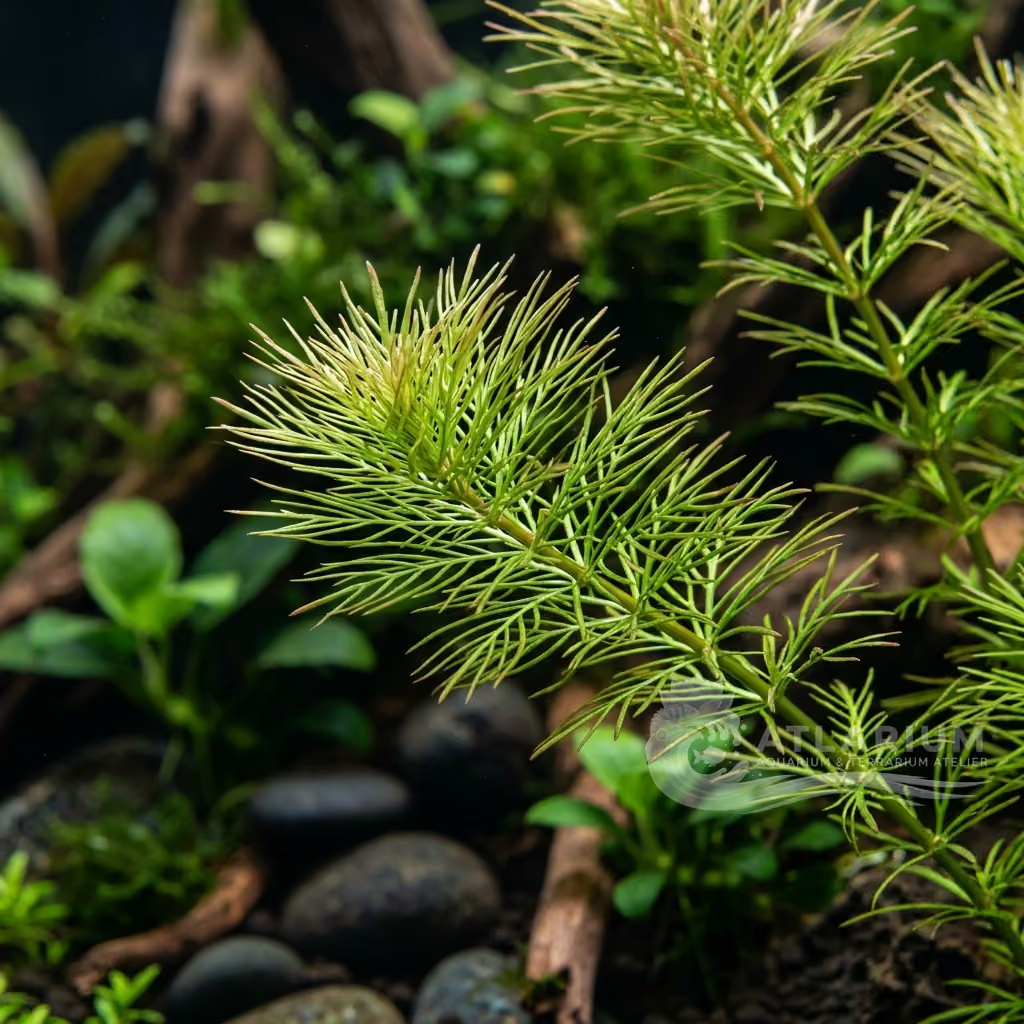
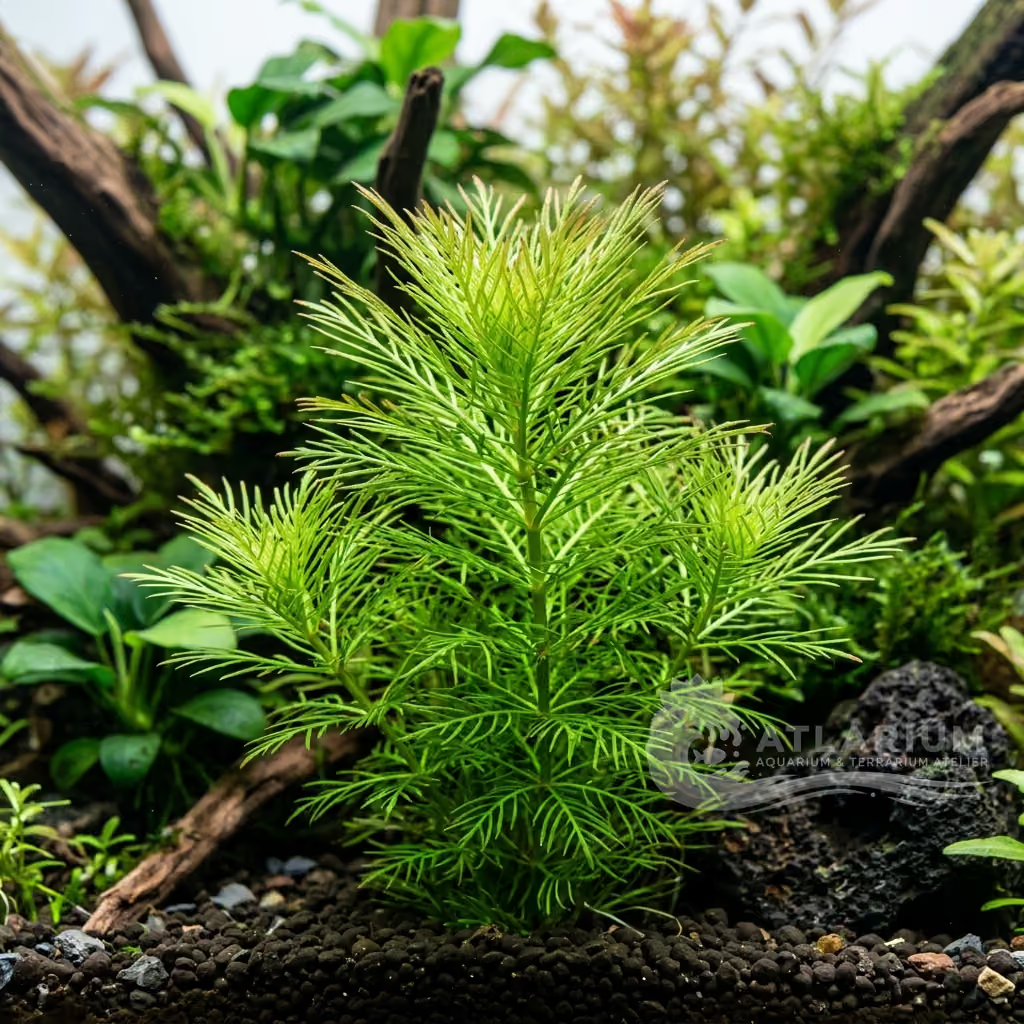
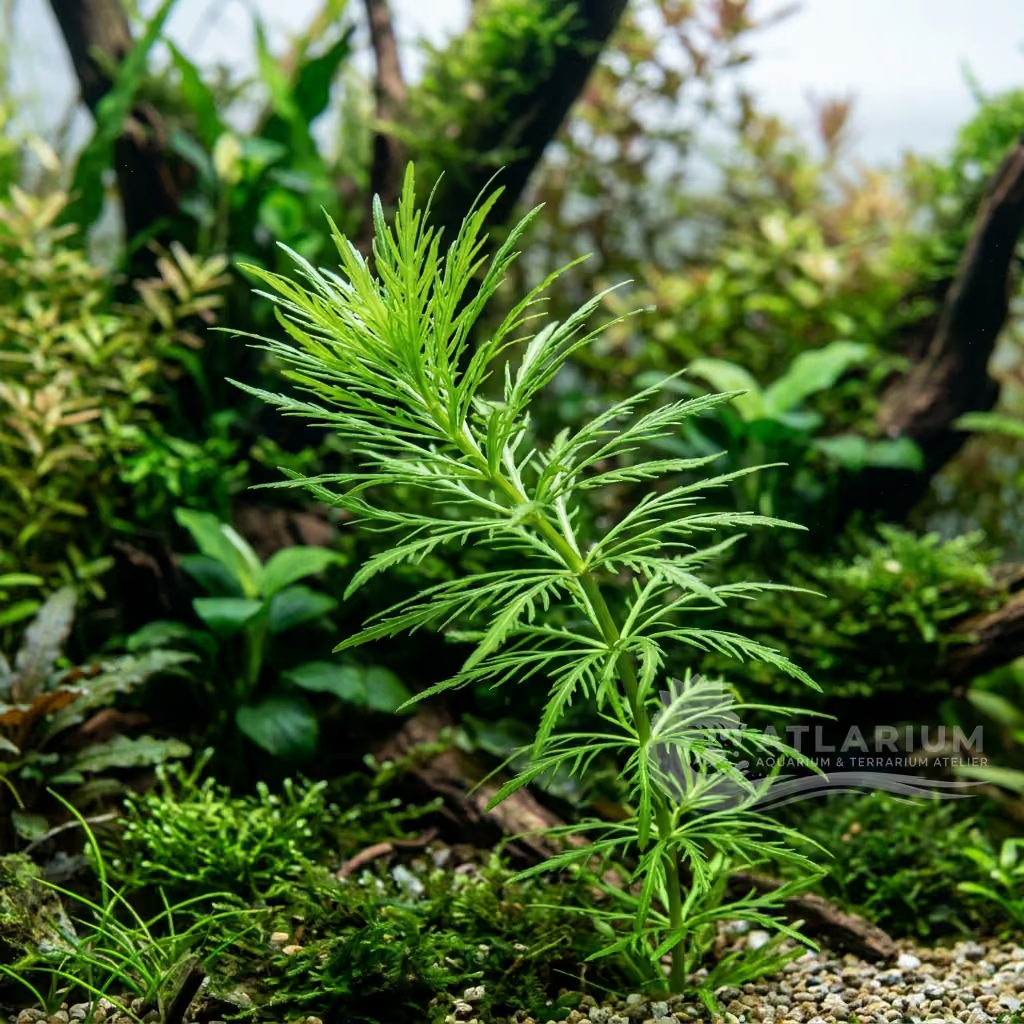
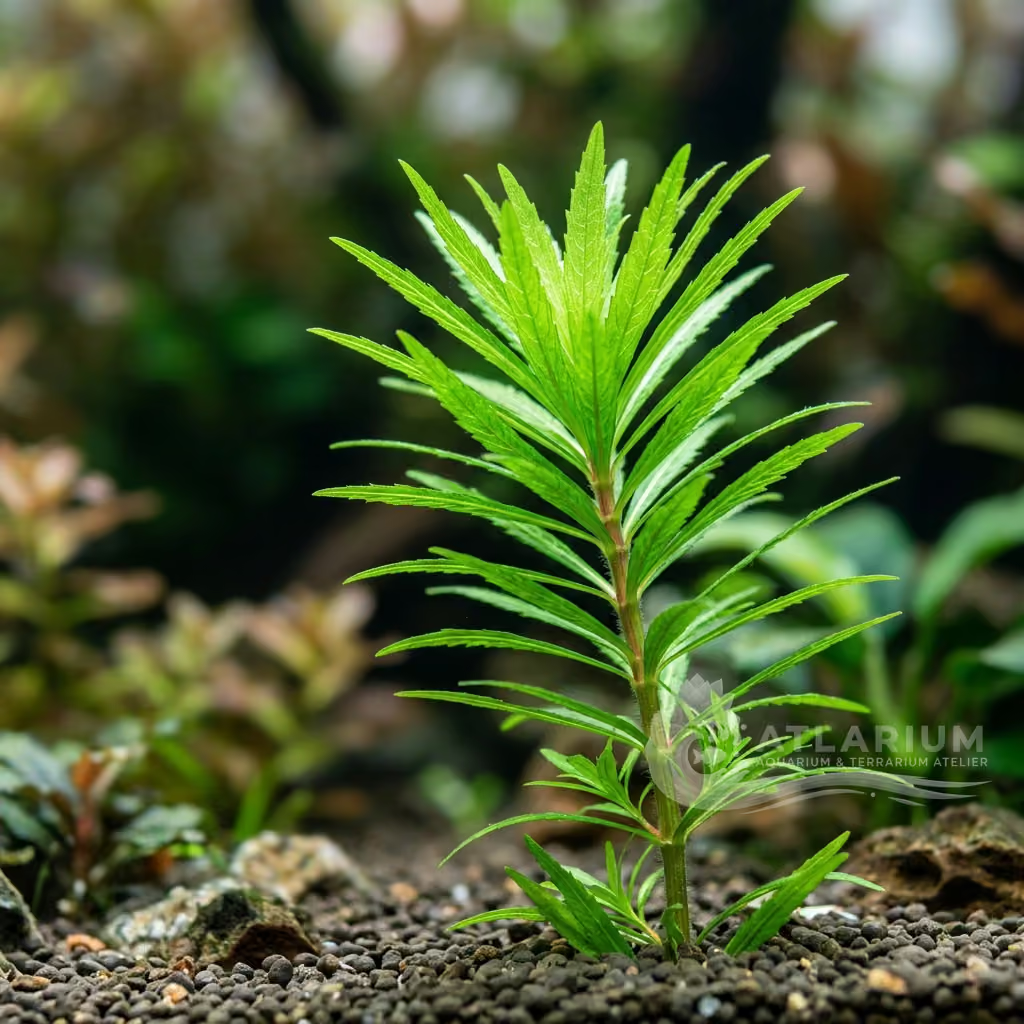
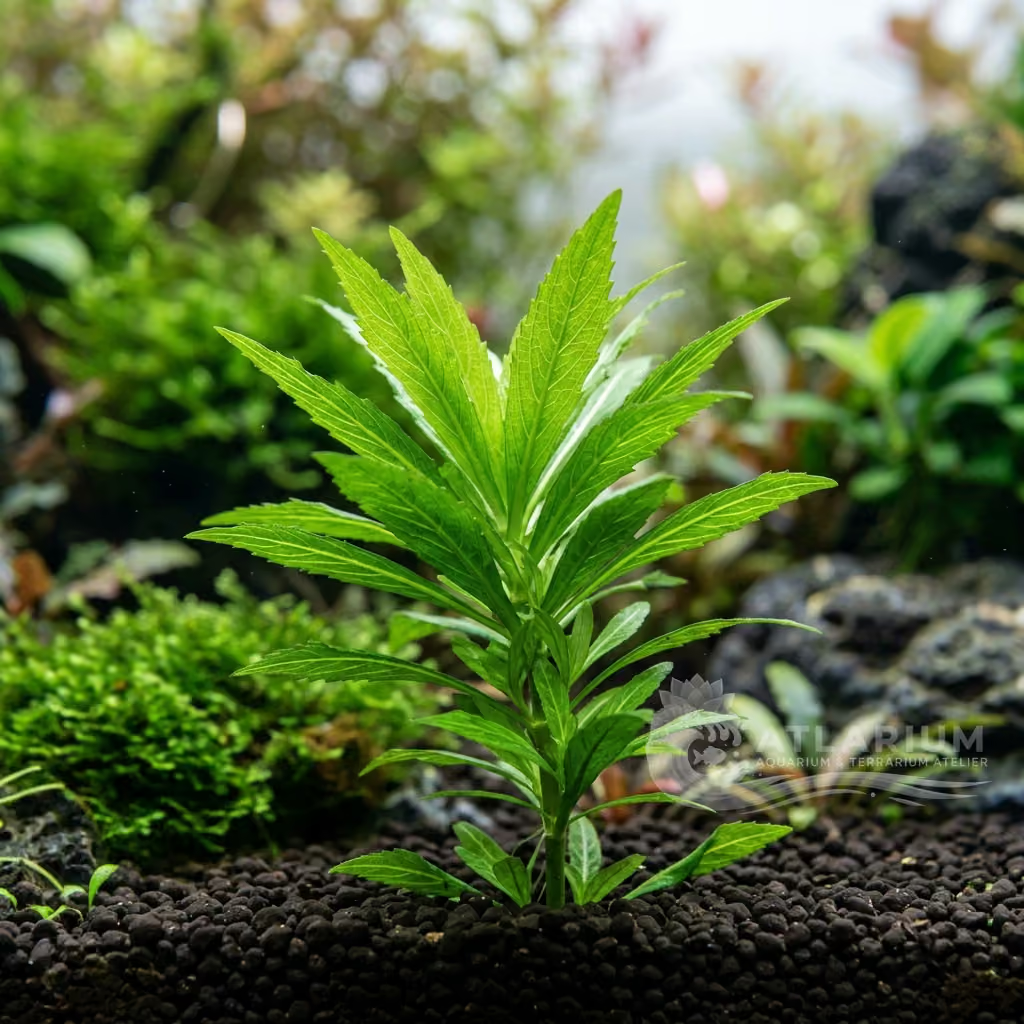
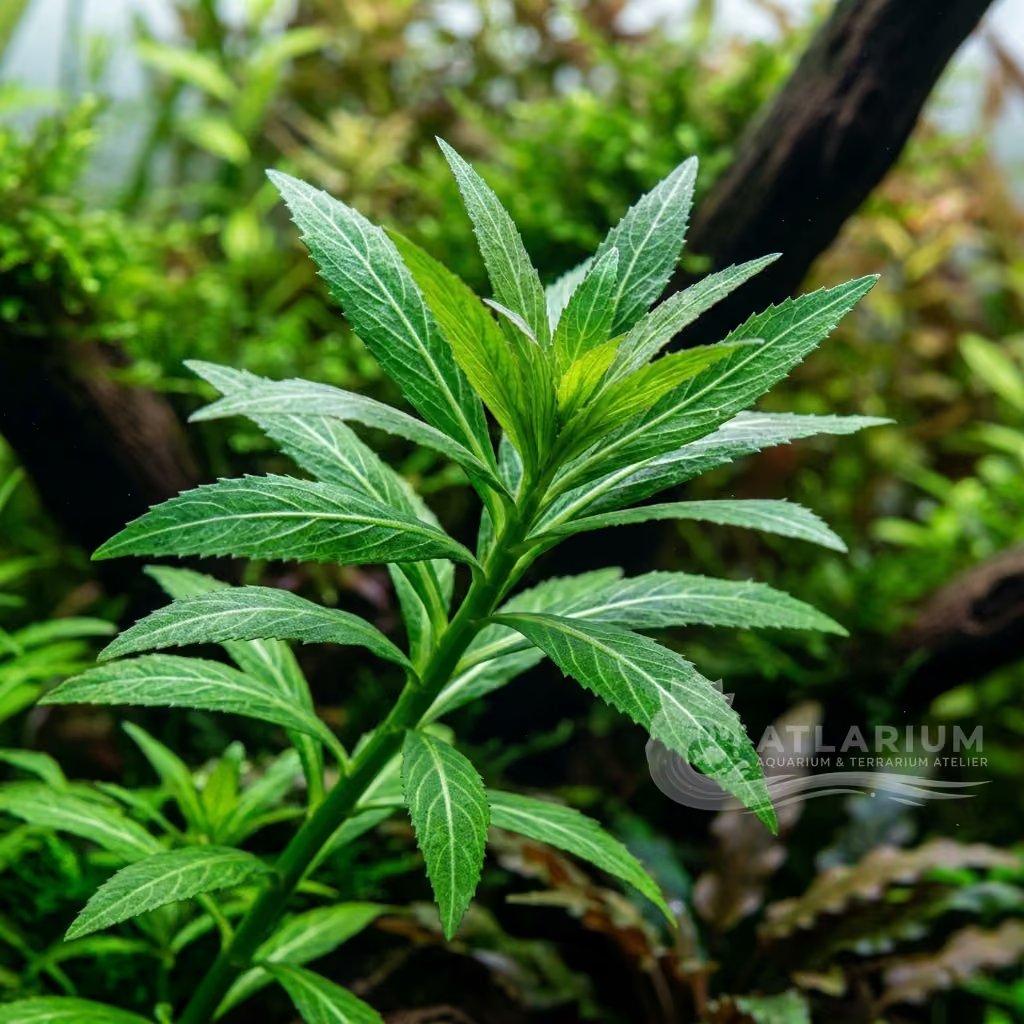
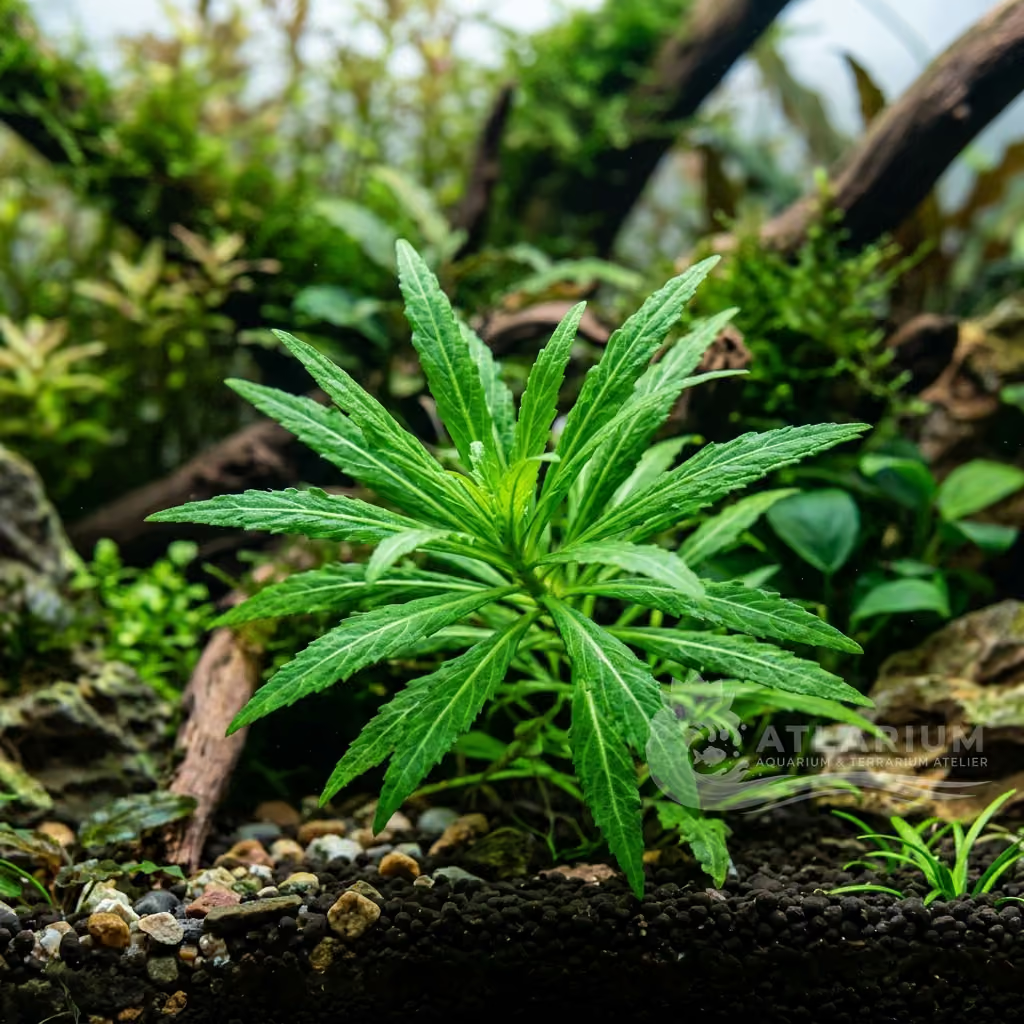
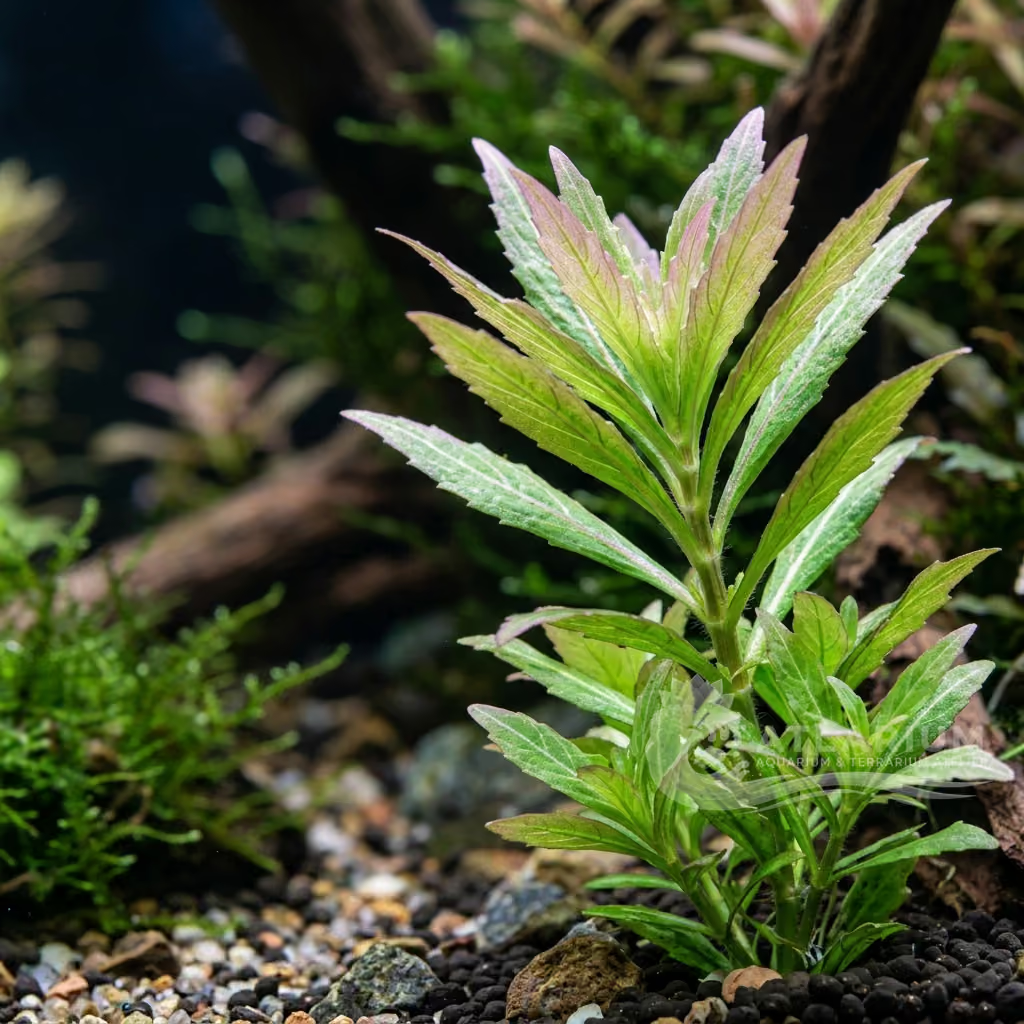
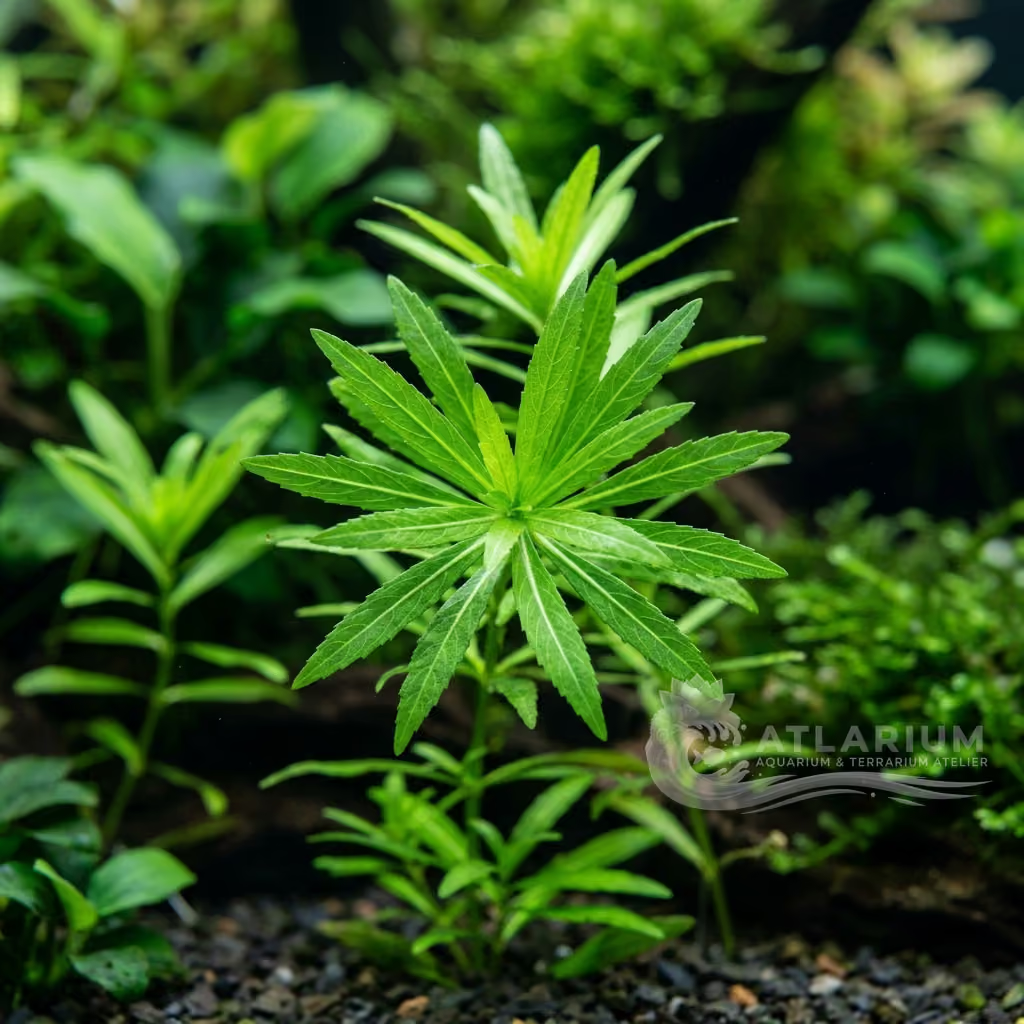
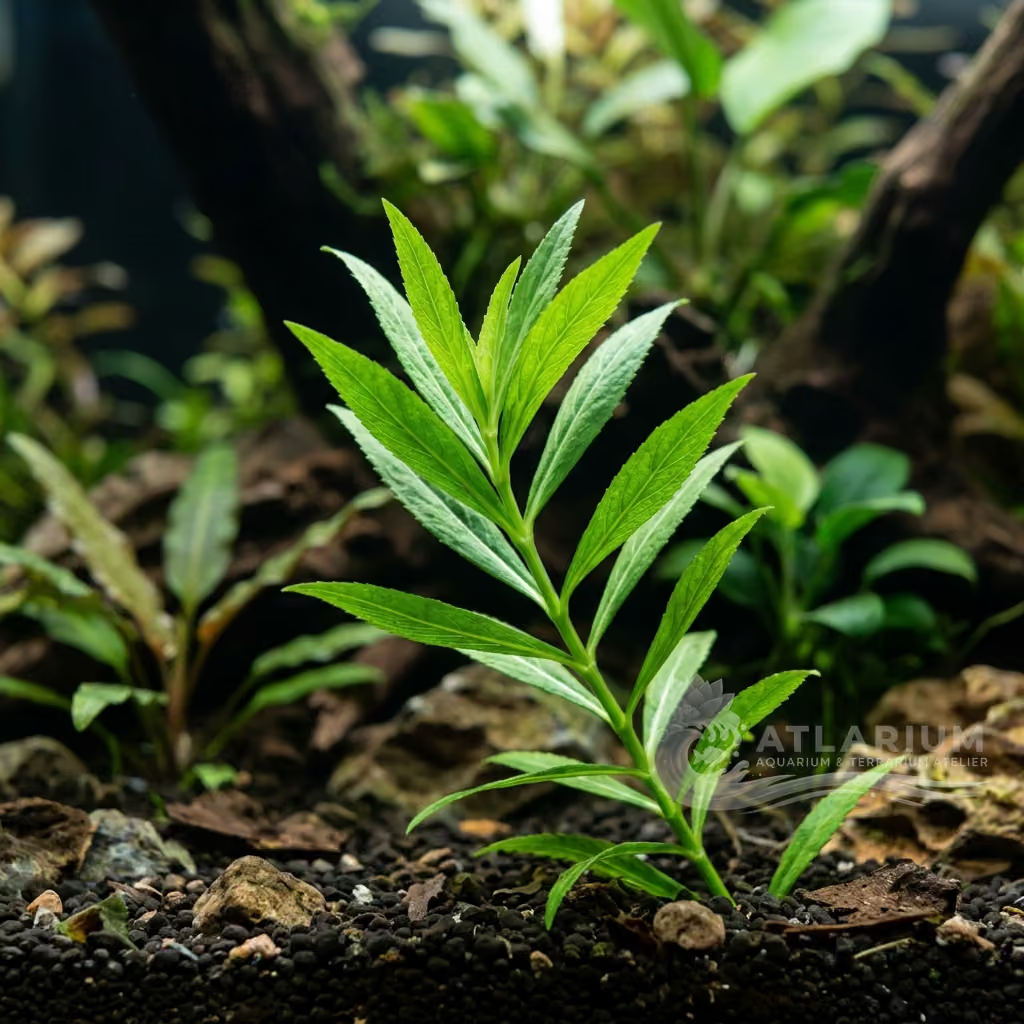
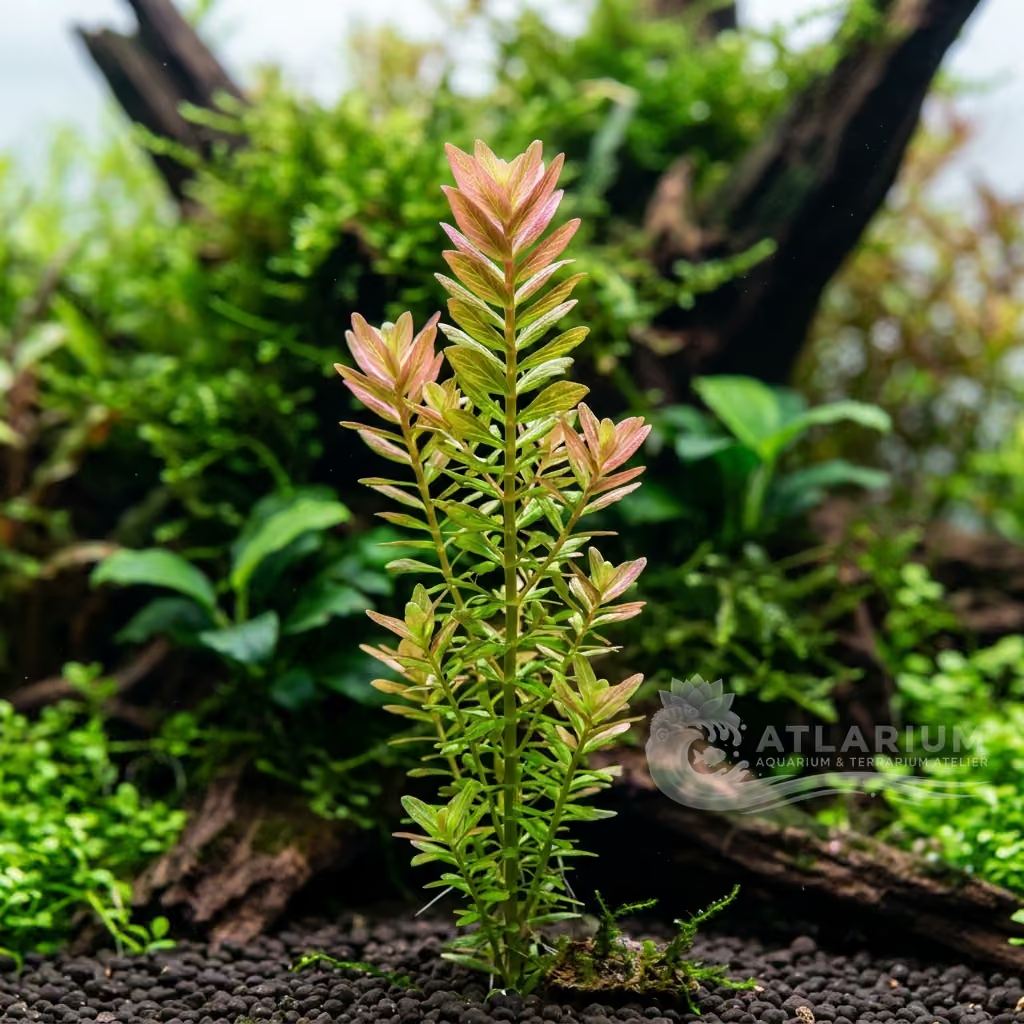
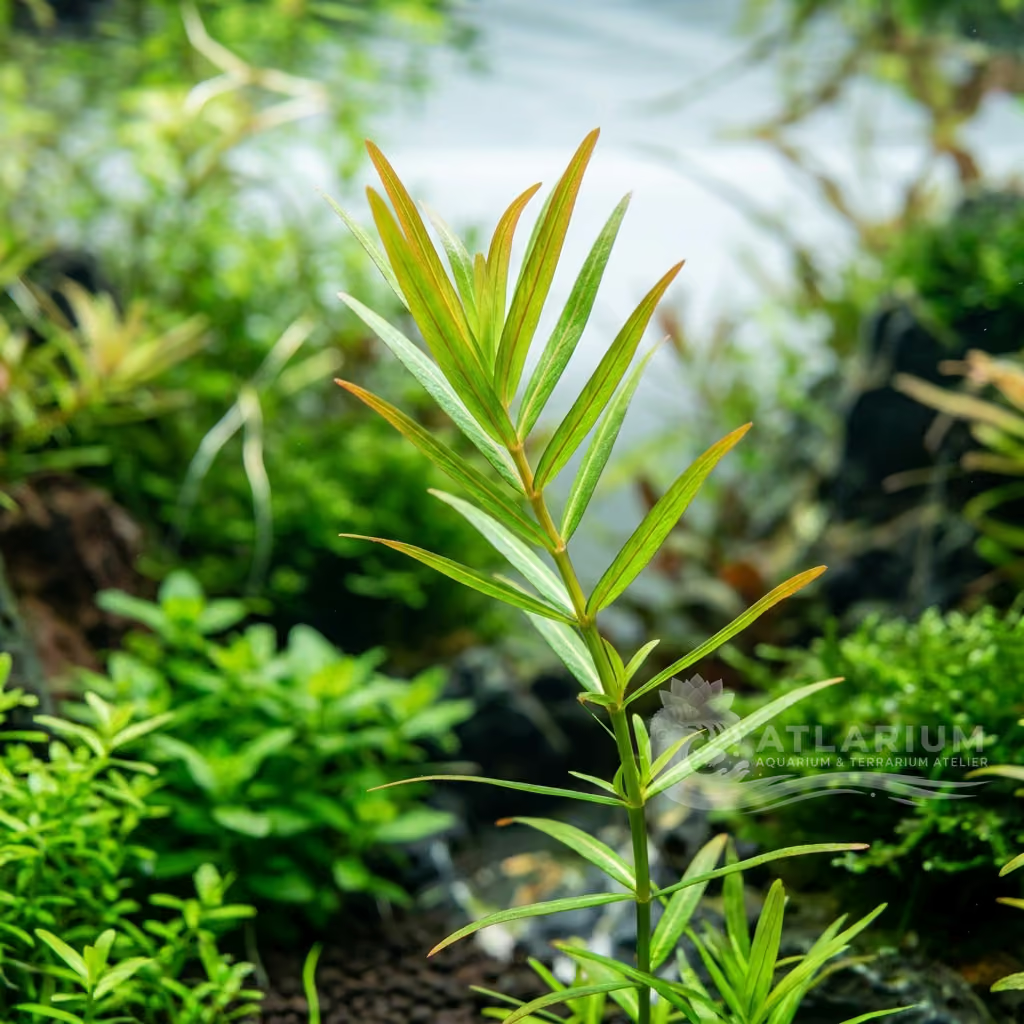
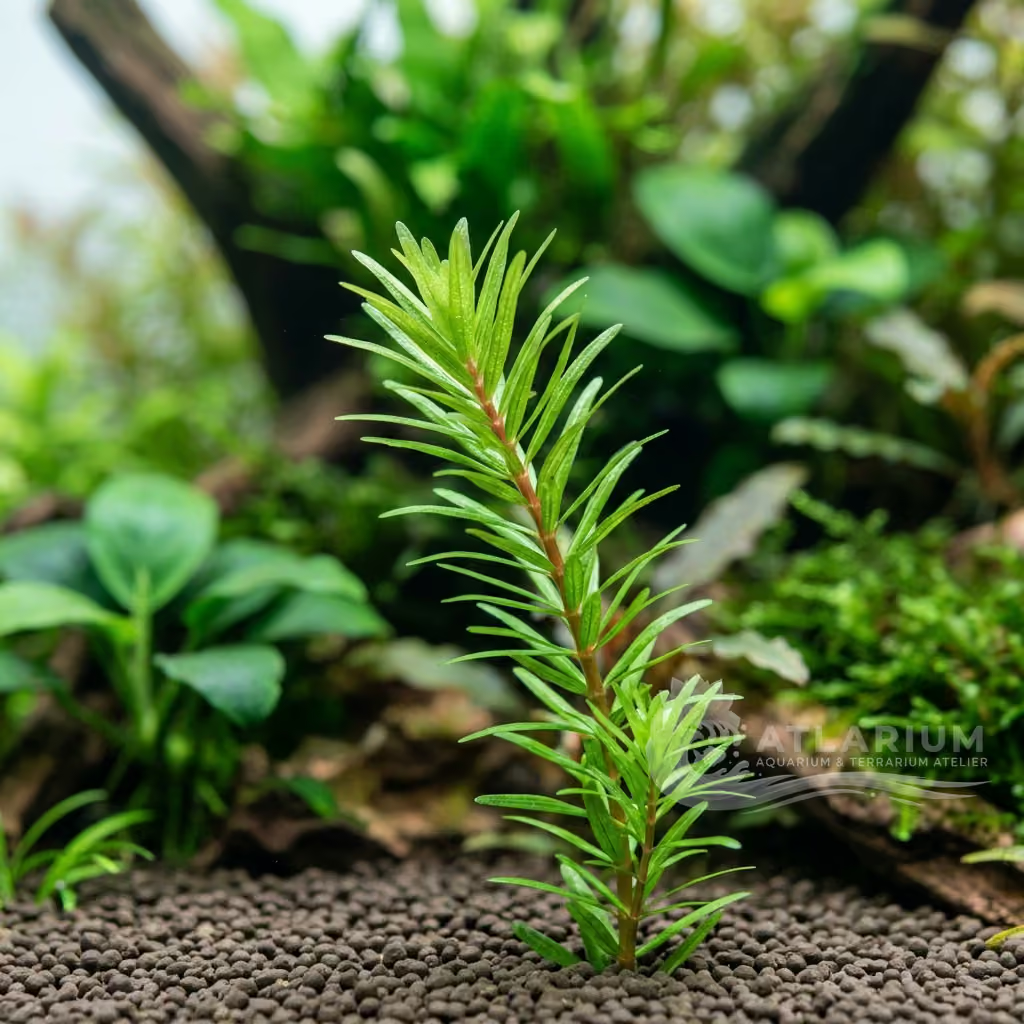
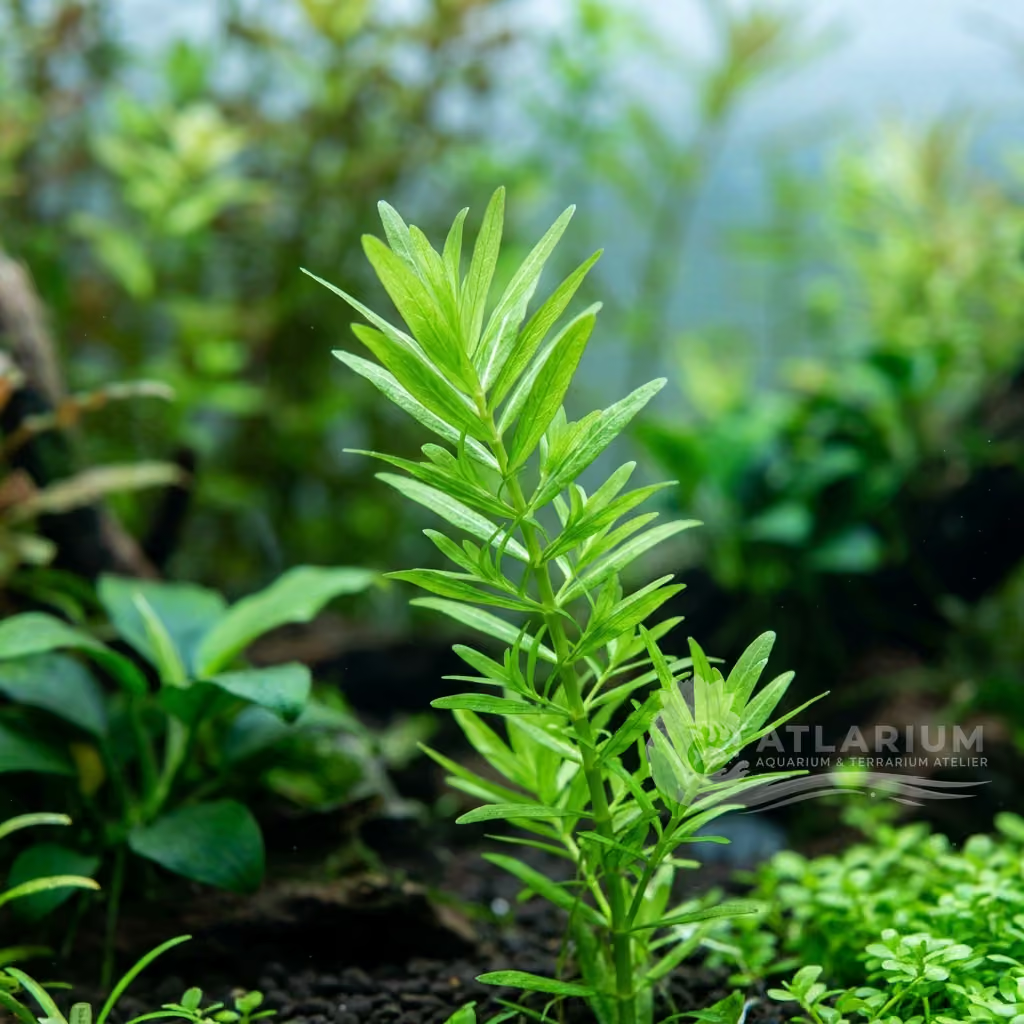
Physical Structure: Pogostemon erectus is characterized by its robust stem and leaves that grow in dense spirals or whorls, giving it a full and lush appearance. The leaves are linear, needle-like, and relatively narrow, compactly arranged along the vertically growing stem. This structure allows it to form dense, upright masses, ideal for creating a submerged "hedge" or "bush" effect. The root system is well-developed, helping to firmly anchor the plant to the substrate, ensuring stability even with moderate water flow.
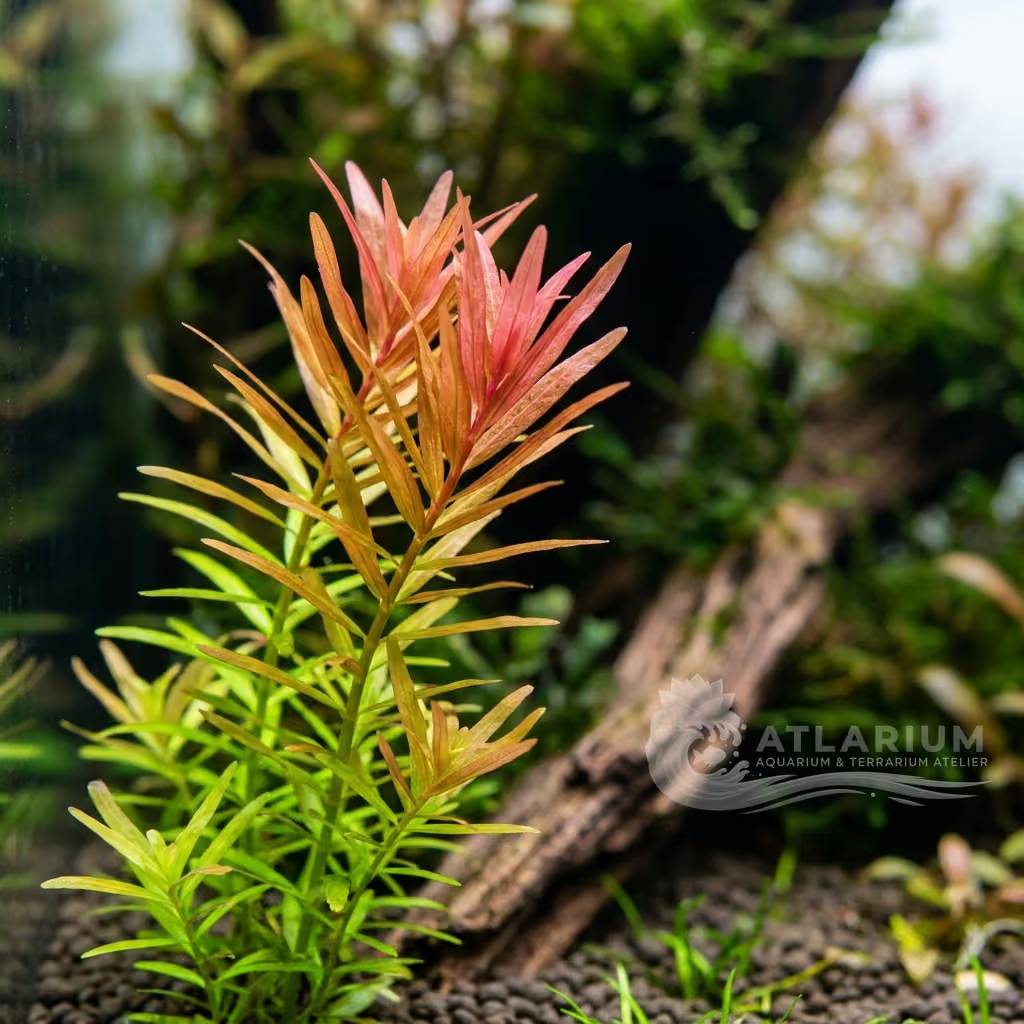
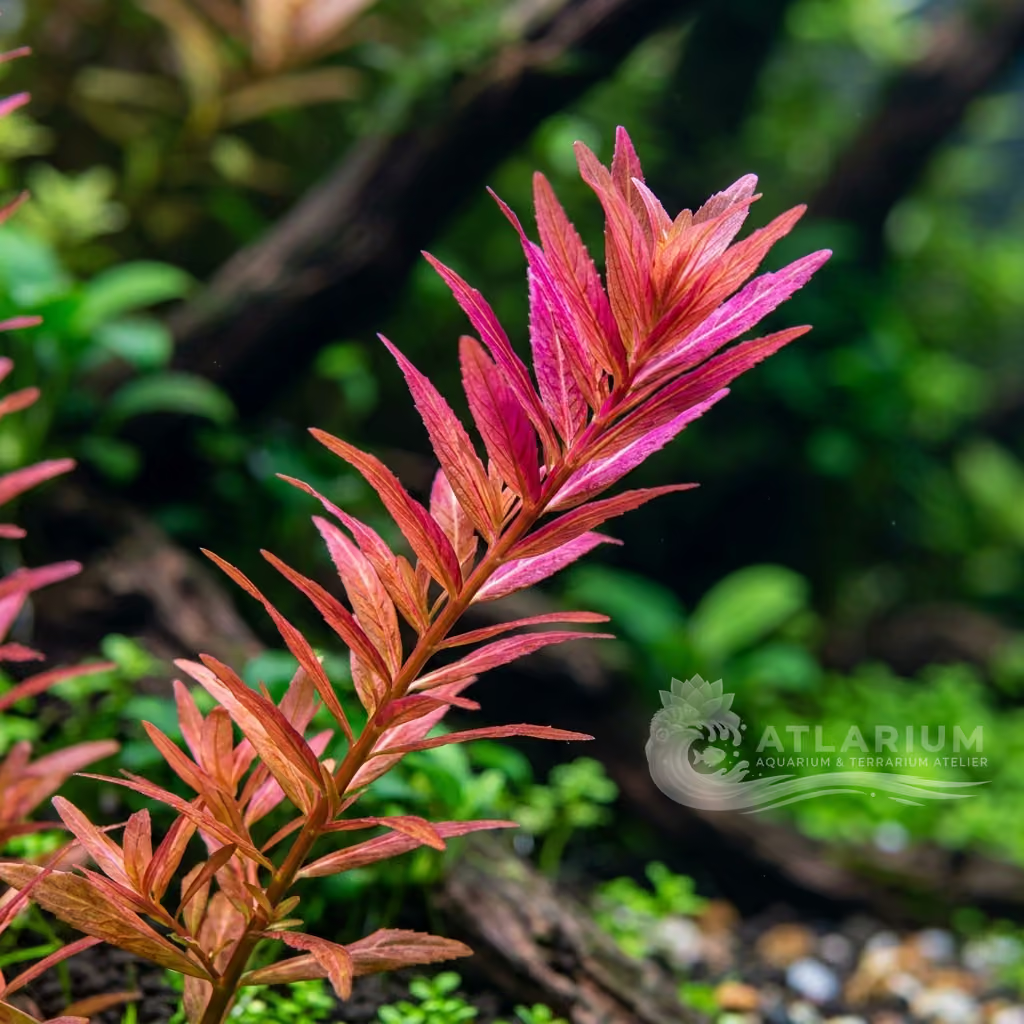
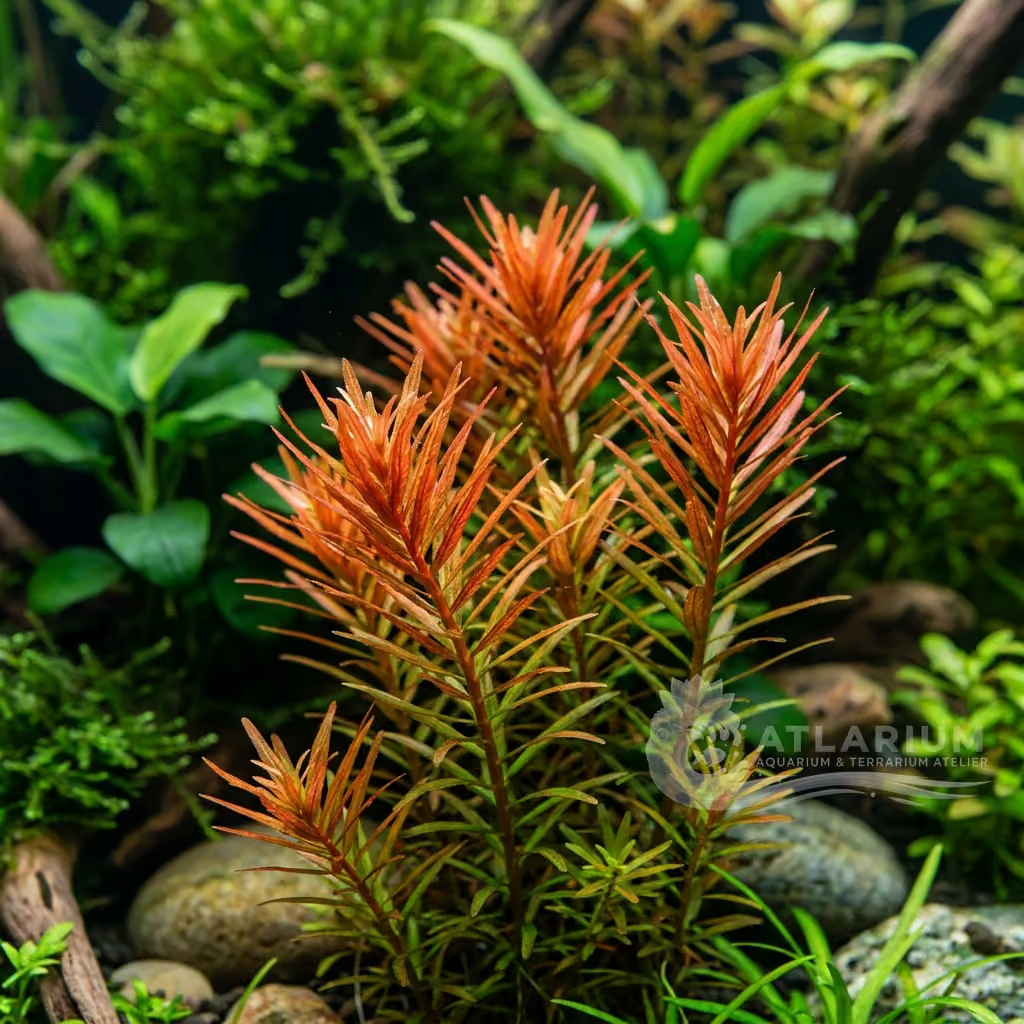
Color & Texture: The distinctive color of Pogostemon erectus is a vibrant, bright green, which can take on more intense and rich shades with adequate lighting and iron supplementation. Under very intense light conditions and with excellent nutrition, the leaf tips can sometimes develop slight reddish or orange hues, adding further visual interest. The texture of the leaves is relatively fine and delicate to the touch, but the plant as a whole is robust and maintains a defined shape. This combination of bright color and fine texture makes it an excellent focal point in any aquascape.

Soins, reproduction et cohabitation
Lighting & CO2: For optimal growth, Pogostemon erectus requires medium intensity lighting, but it develops more vigorously and densely under medium-high light. A photoperiod of 8-10 hours per day is generally sufficient to prevent algal growth and promote healthy photosynthesis. CO2 injection is highly recommended to stimulate robust growth, vibrant color, and prevent slow or stunted growth. Without adequate CO2, the plant may grow slower, become more leggy, and its leaves may appear less dense or less bright.
Nutrition & Substrate: Pogostemon erectus benefits immensely from a nutrient-rich substrate, which provides stable anchoring and a constant source of essential elements through its roots. Supplementation with complete liquid fertilizers, containing both macronutrients (N, P, K) and micronutrients (especially iron), is crucial to maintain its bright green color and vigorous growth. An iron deficiency, for example, can manifest as yellowing of new leaves (chlorosis). It is important to regularly monitor nutrient levels in the water to prevent deficiencies or excesses that could encourage algal growth or compromise plant health.
Water Chemistry: This plant thrives in a water temperature range of 20 to 28 degrees Celsius, making it compatible with most tropical fish species. Regarding carbonate hardness (KH), it prefers values between 2 and 12, while the optimal pH is between 6.0 and 7.5. Maintaining stable water parameters is fundamental, as significant fluctuations can stress the plant, leading to leaf melt or stunted growth. Regular water changes are advisable to replenish minerals and maintain water quality.
Space Management & Placement: Pogostemon erectus is an excellent choice for the midground of the aquarium, where its upright and dense growth can create a "hedge" effect or a visually appealing focal point. Planted in groups, it forms a compact bush that adds depth and structure to the layout. Due to its tendency to grow tall, it is important to consider its placement to avoid excessively shading lower-growing plants. Ensure sufficient space between groups to guarantee good water circulation and light access for each stem.
Pruning: Pruning is an essential aspect of caring for Pogostemon erectus to maintain its shape and promote denser growth. It is advisable to regularly trim the tops of the stems once they reach the desired height or when they begin to cast too much shade. This encourages the plant to produce new lateral shoots, making it bushier and more compact. The trimmed tops can be replanted into the substrate to propagate the plant, creating new groups and maintaining a young, vigorous population in the aquarium.
Risks & Diseases: Pogostemon erectus is generally robust, but it can be susceptible to various problems if conditions are not optimal. Nutrient deficiencies, particularly iron, can lead to chlorosis (yellowing of young leaves). Insufficient lighting or lack of CO2 can cause slow growth, elongated internodes, and smaller, less vibrant leaves. Like many stem plants, it is also prone to algae attacks if there is a nutrient imbalance or excessive light. Carefully monitoring the plant's growth and color helps to identify and quickly resolve any issues.

Origine et répartition géographiques
Pogostemon erectus originates from the tropical regions of Asia, specifically India and certain areas of Southeast Asia. In its natural habitat, this species is typically found in humid, semi-aquatic zones such as the banks of slow-flowing rivers, ponds, and swamps. It is capable of both emersed and submersed growth, demonstrating remarkable adaptive plasticity to various aquatic environments. This natural habitat suggests its preference for stable conditions and good nutrient availability.
Origine
Asie du Sud et du Sud-Est

Profil de plante
- Emplacement
- Plan intermédiaire
- Best placed in the midground or background, depending on the aquascape's scale. It forms tight, attractive bushes that add significant texture to the layout. Plant stems individually but close together to form a cohesive group.
- Forme botanique
- Tige
- This stem plant features narrow, pine-needle-like leaves that are bright green. The stems grow strictly upright, giving it a very structural, architectural look. Under high light, the tips can sometimes take on a slightly yellowish hue.
- Croissance
- Moyenne
- It exhibits a moderate to fast growth rate when supplied with high light and CO2. Regular pruning is needed to control its size and shape. Without CO2, growth is much slower and the plant may become leggy.
- Substrat
- Élevé
- Pogostemon erectus requires a highly nutritious, porous substrate such as aqua soil to fuel its dense, coniferous-like growth. The plant develops a robust root system that effectively mines the substrate for essential macronutrients and iron, which are vital to prevent stunting and yellowing. Planting individual stems about 4 to 5 centimeters deep allows them to firmly anchor and quickly establish nutrient uptake pathways in the soil.
- Fertilisation de la colonne d'eau
- Recommandée
- Consistent liquid fertilization is crucial. A complete fertilizer regimen ensures the plant does not exhaust the water column of essential nutrients. Regular iron dosing is particularly important for this species.
- Fertilisation racinaire
- Recommandée
- It develops a substantial root system and benefits immensely from a nutrient-rich substrate. Using aquatic soil or supplementing with root tabs leads to thicker stems and healthier overall growth. Strong roots also help it withstand higher water flow.
- Taille
- Occasionnelle
- Trimming is done by topping the stems. The remaining base will readily produce new side shoots, increasing the density of the bush. It responds very well to regular, aggressive pruning.
- Propagation
- Boutures
- Easily propagated by taking stem cuttings. Plant the cuttings directly into the substrate where they will quickly take root. Even small cuttings are usually viable.
- Sensibilité
- Modérée
- Susceptible to algae growth on its fine leaves if water circulation is poor. It requires high light levels to prevent the lower portions from decaying. Sudden changes in CO2 levels can cause melting.
- Rôle dans le décor
- Plan intermédiaire, group
- Often used to create striking focal points or dense background bushes. The pine-like texture provides excellent contrast against plants with larger, rounded leaves. It is a staple in both Dutch and Nature style aquascapes.

Espèces associées
Recommandations regroupées par proches parents, compagnons et soins similaires.