Rotala sp. "Long Leaf"
Rotala sp. "Long Leaf"
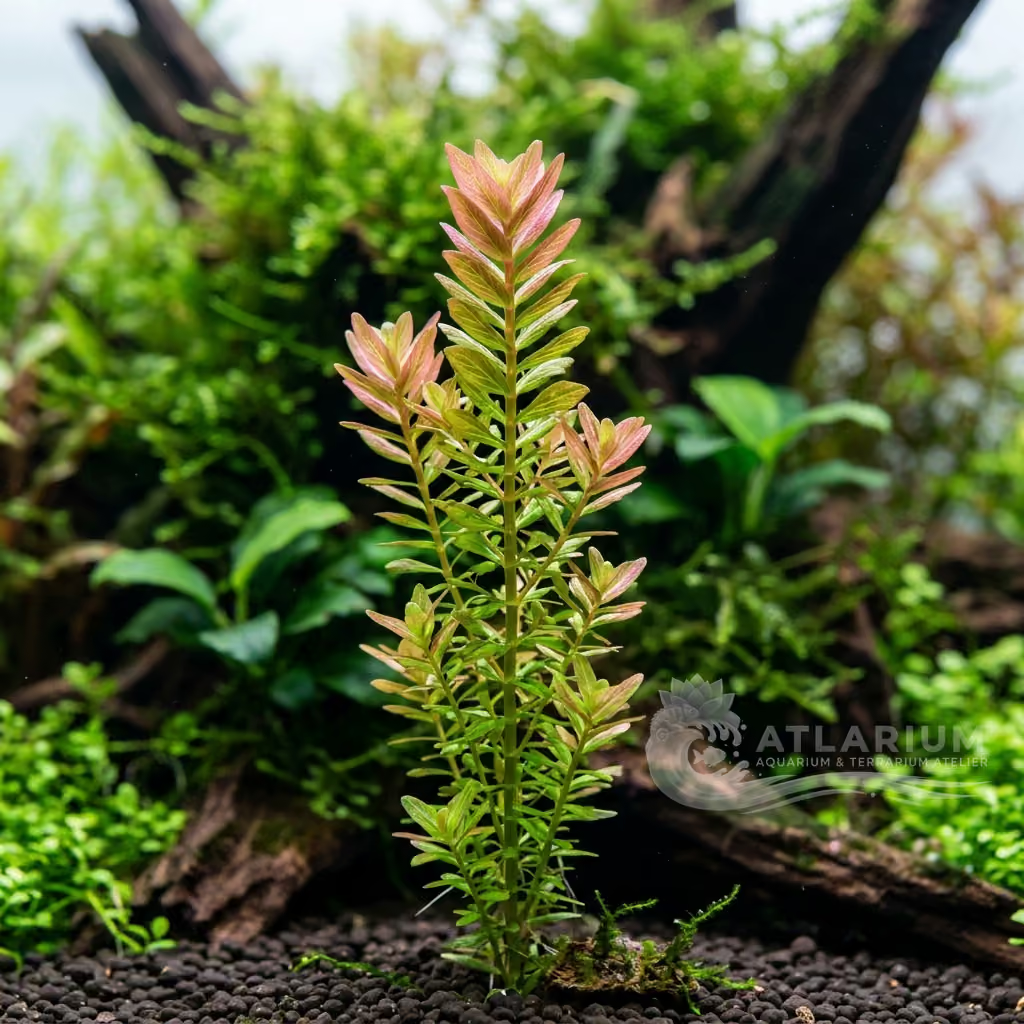
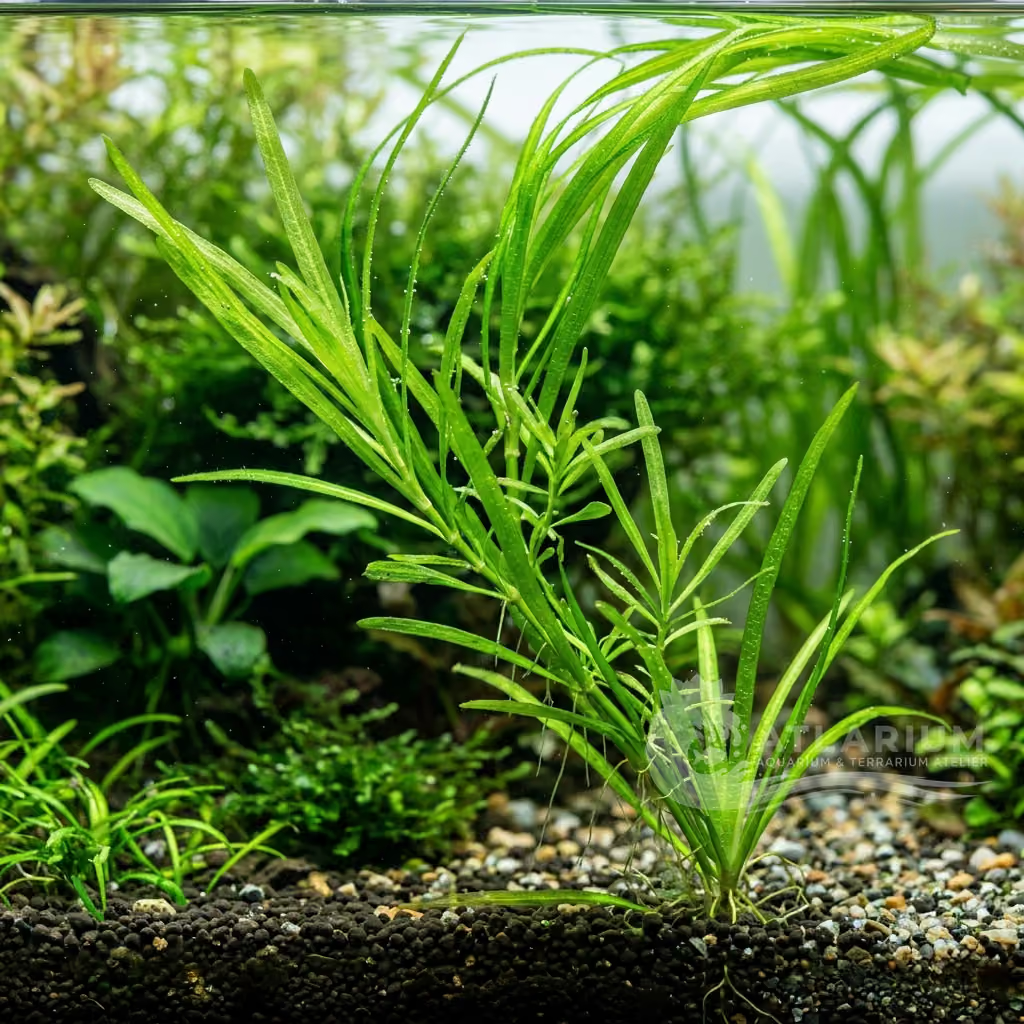
Rotala sp. "Long Leaf" is a fast-growing stem plant ideal for midground placement in freshwater aquariums. It requires medium to high light to exhibit its full potential in color and form, contributing to a lush and vibrant aquascape.
Température de l’eau
22 - 28 °C
Valeur du pH
5 - 7
Type d'eau
Eau douce
Lumière
Medium to High
CO2
Faible - Élevée
Hauteur attendue
60 cm
Largeur attendue
5 cm
KH
0 - 12 dKH

Description de l'espèce
Geographical Origin and Habitat: Although "Long Leaf" suggests a specific cultivar, the precise geographical origin of Rotala sp. often remains undocumented, generally falling within the broad distribution of the genus Rotala, predominantly found in tropical and subtropical regions of Asia. Like many Rotala species, it likely originates from aquatic or semi-aquatic habitats such as riverbanks, ponds, or rice paddies, where it can grow both submerged and emergent. Its adaptability to various humid environments makes it a robust and relatively versatile species for aquascaping.
Taxonomy & Genetics: Belonging to the Lythraceae family, Rotala sp. "Long Leaf" shares the Rotala genus with numerous other popular aquarium species, known for their beauty and vigorous growth. The "sp." designation indicates that it is either an undescribed species or a horticultural variety with distinct characteristics, developed through selection. Genetically, different Rotala forms are distinguished by variations in leaf morphology, growth habit, and the ability to develop intense
Color & Texture: ation under optimal light and nutrient conditions. These differences make each cultivar unique while maintaining the general characteristics of the genus.
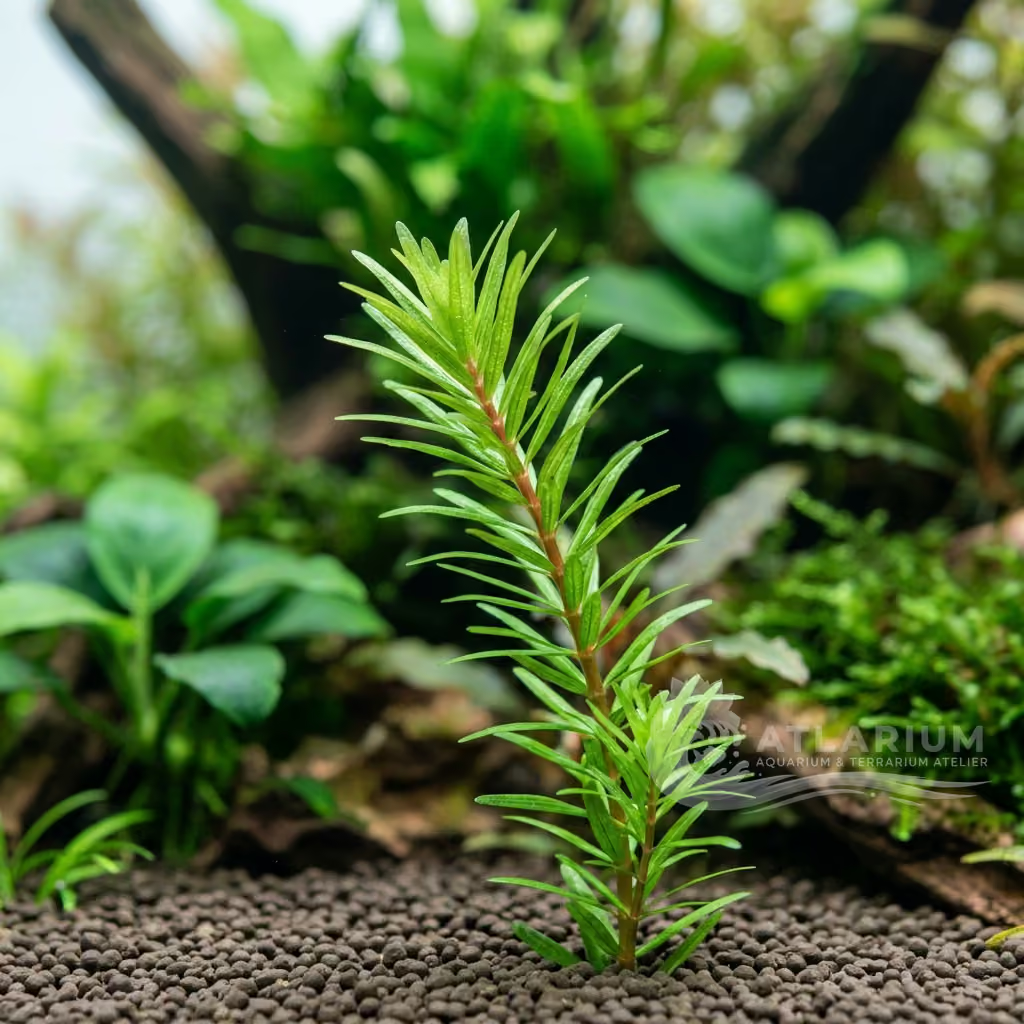
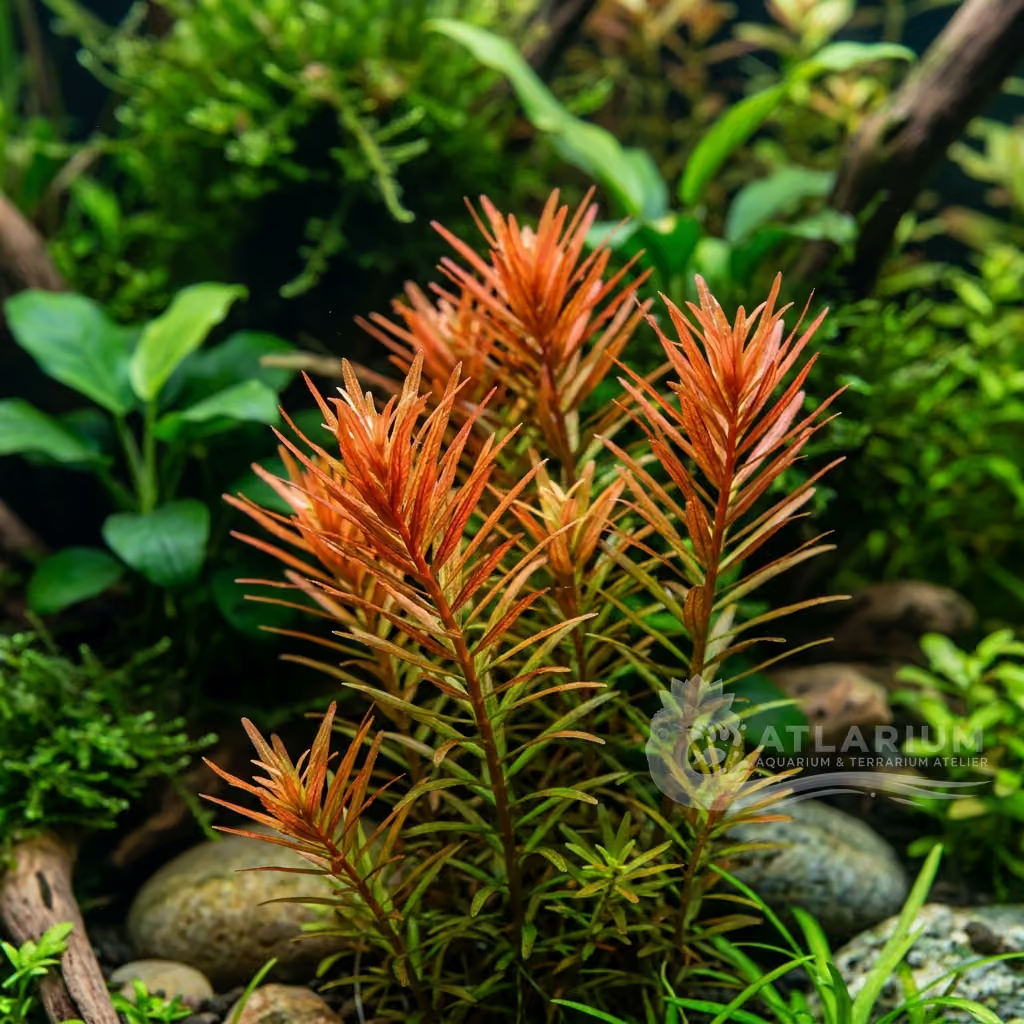
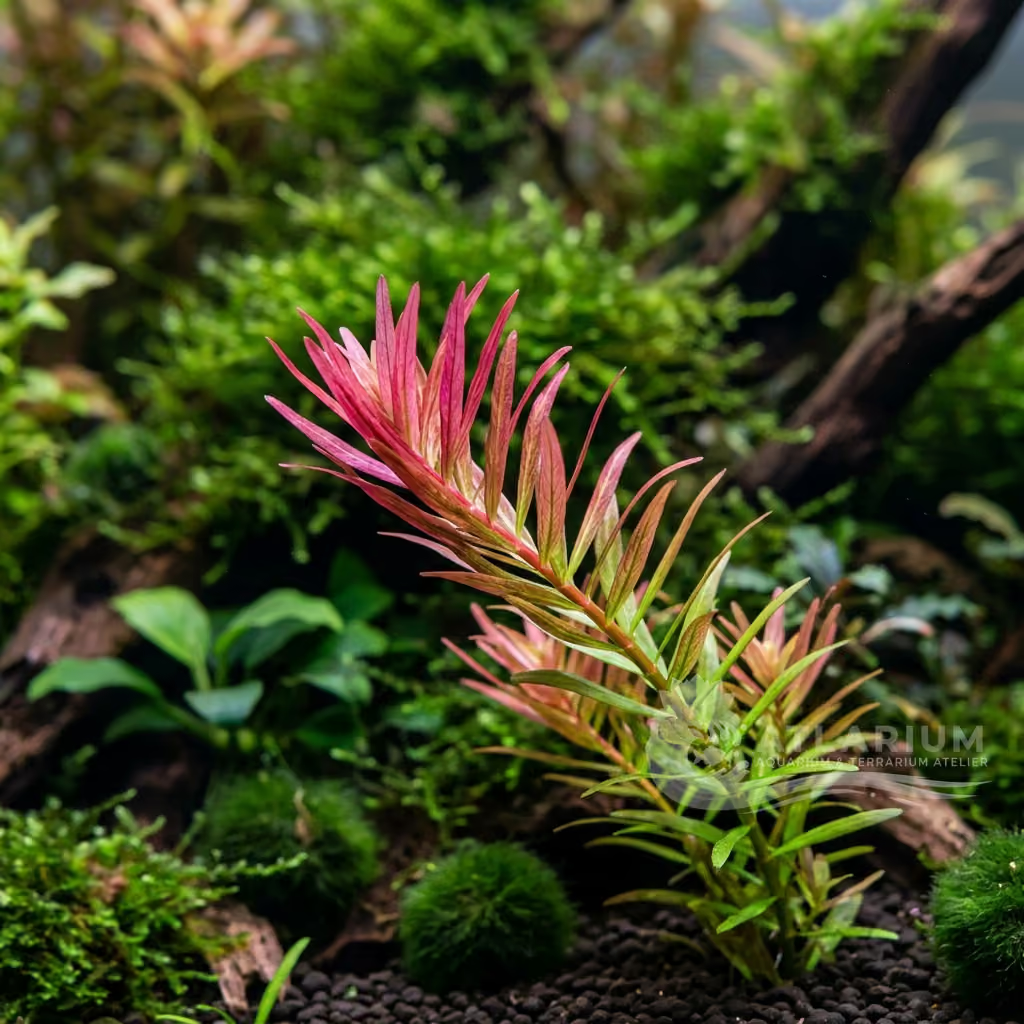
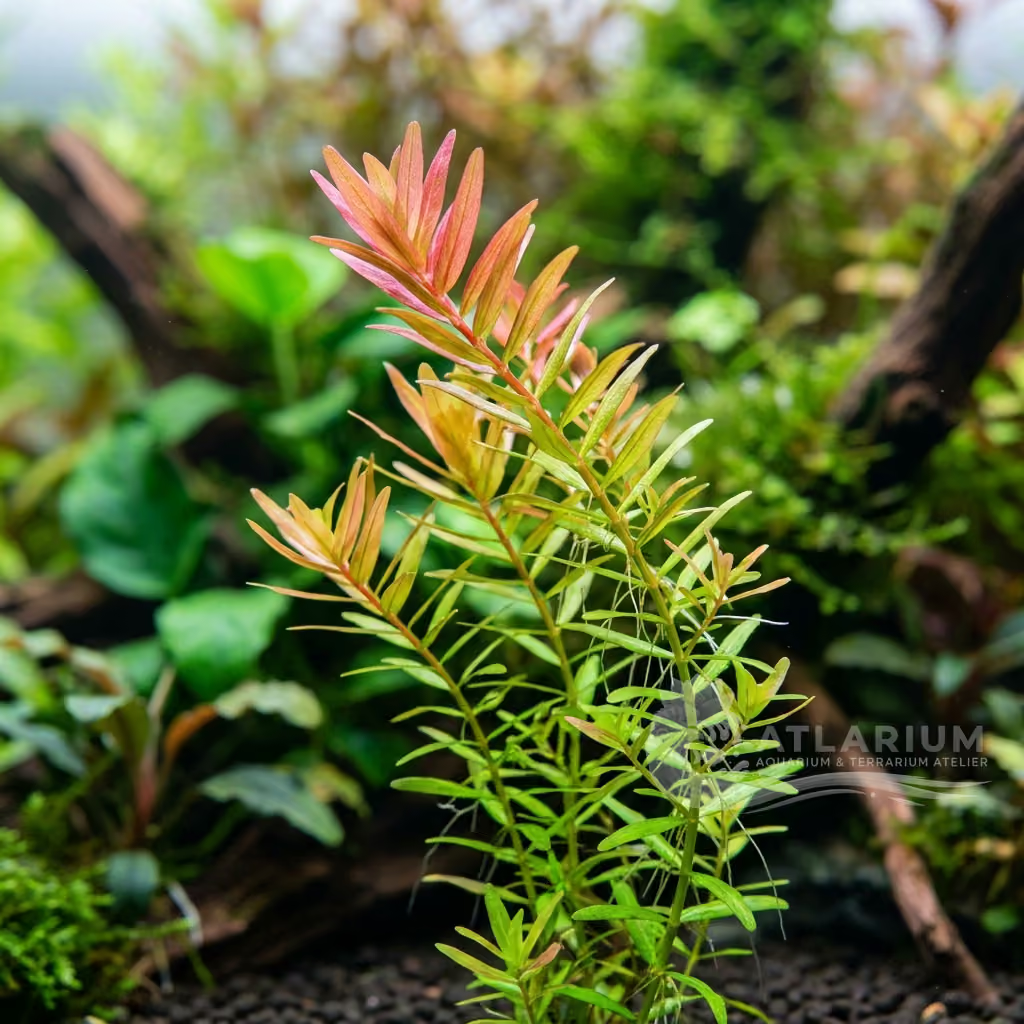
Physical Structure: Rotala sp. "Long Leaf" is characterized by its upright growth habit and stems that can reach considerable heights if left untrimmed, making it suitable as a midground or background plant in medium to large aquariums. Its leaves are typically arranged in opposite pairs or whorls along the stem, with the distinguishing feature of this variety being their elongated and slender shape, which gives it an elegant, filiform appearance. This leaf structure contributes to creating a dense yet delicate mass effect, especially when the plant is grown in thick, well-maintained bunches.
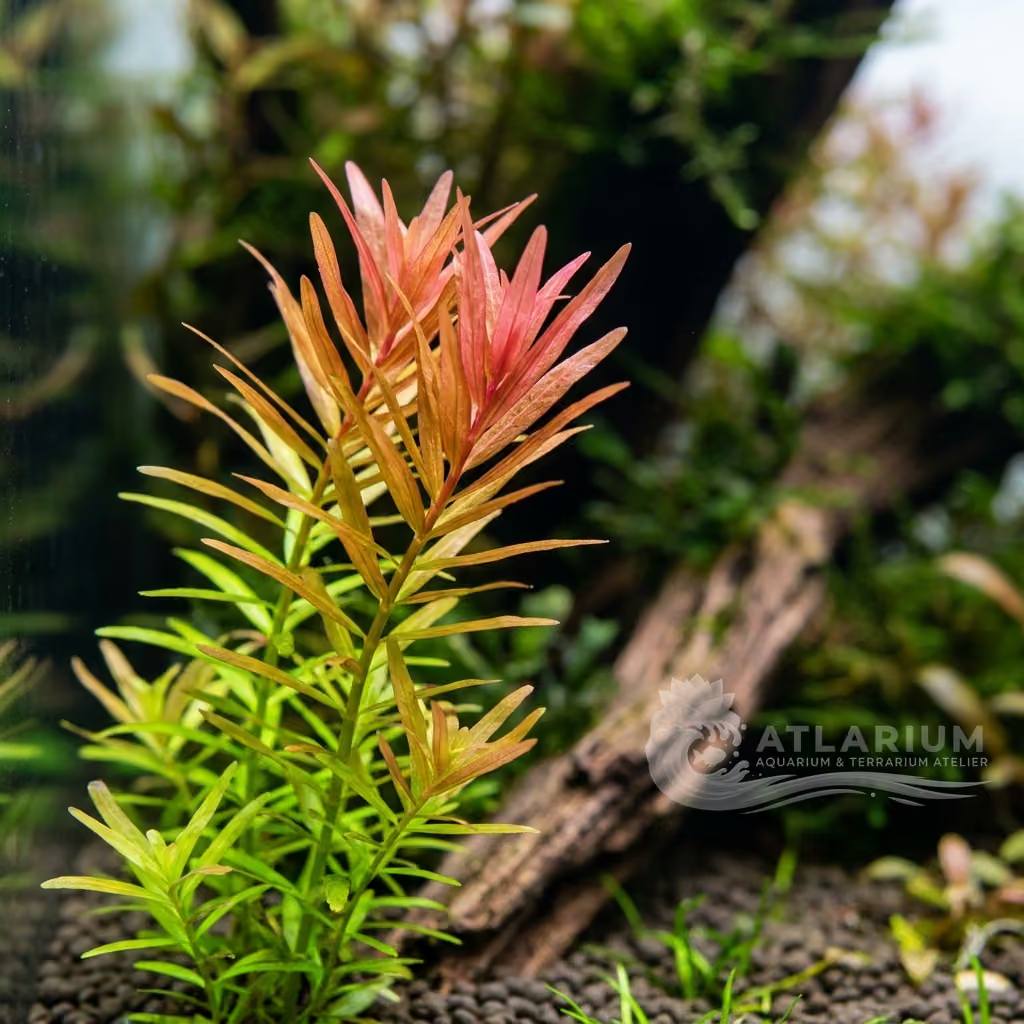
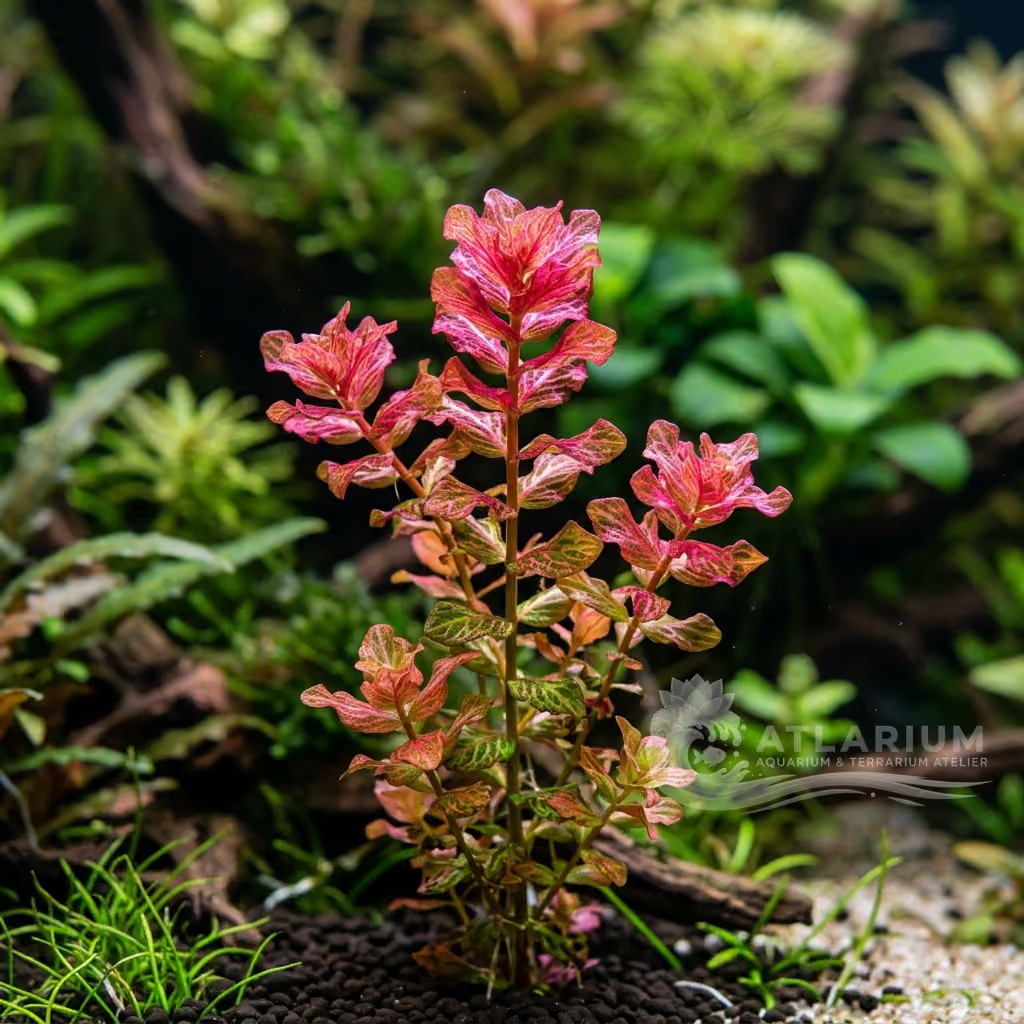
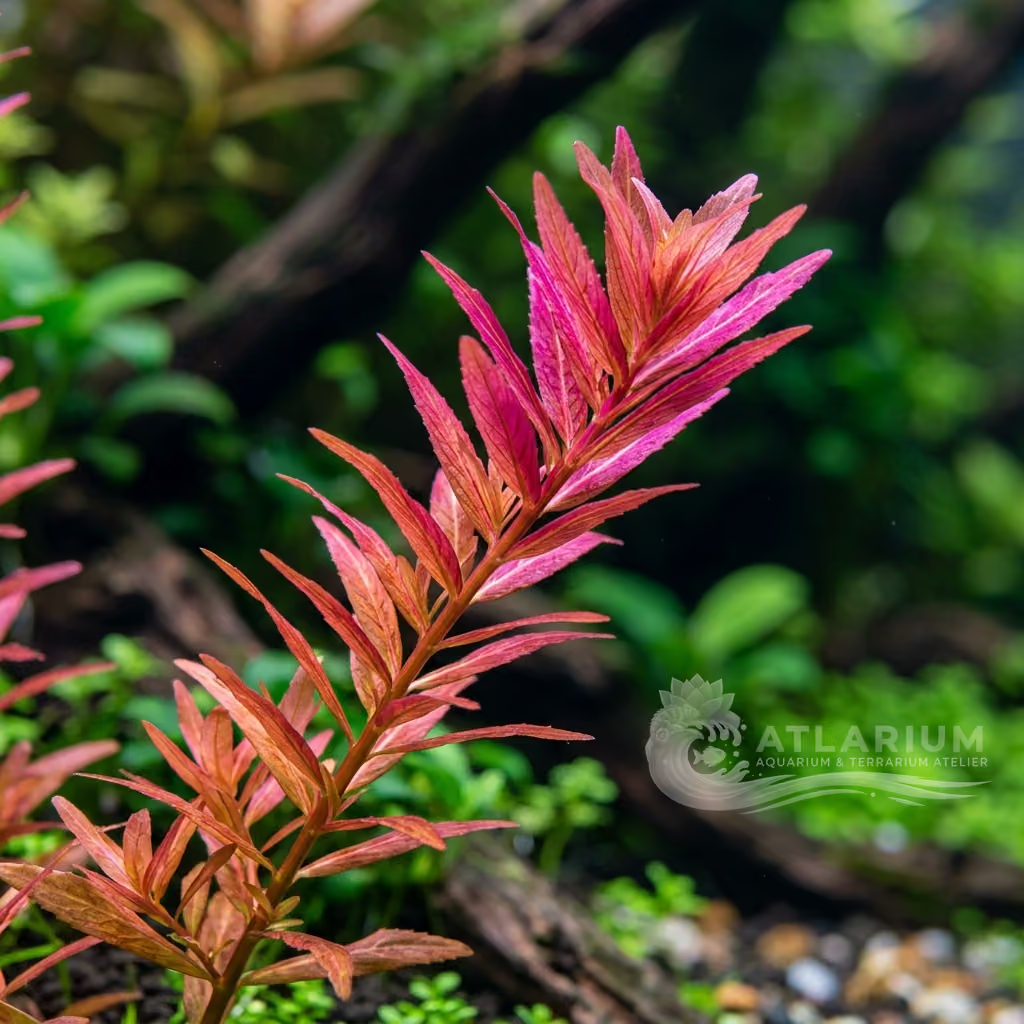
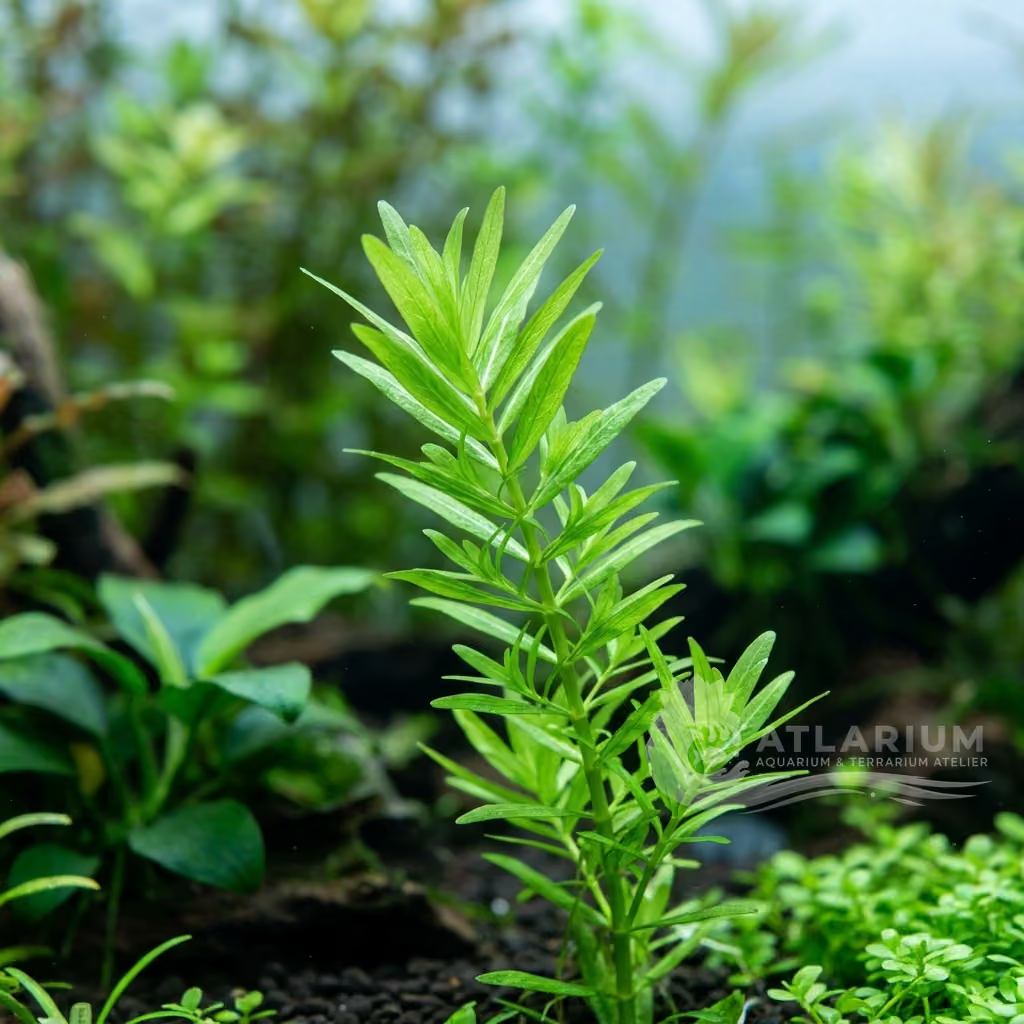
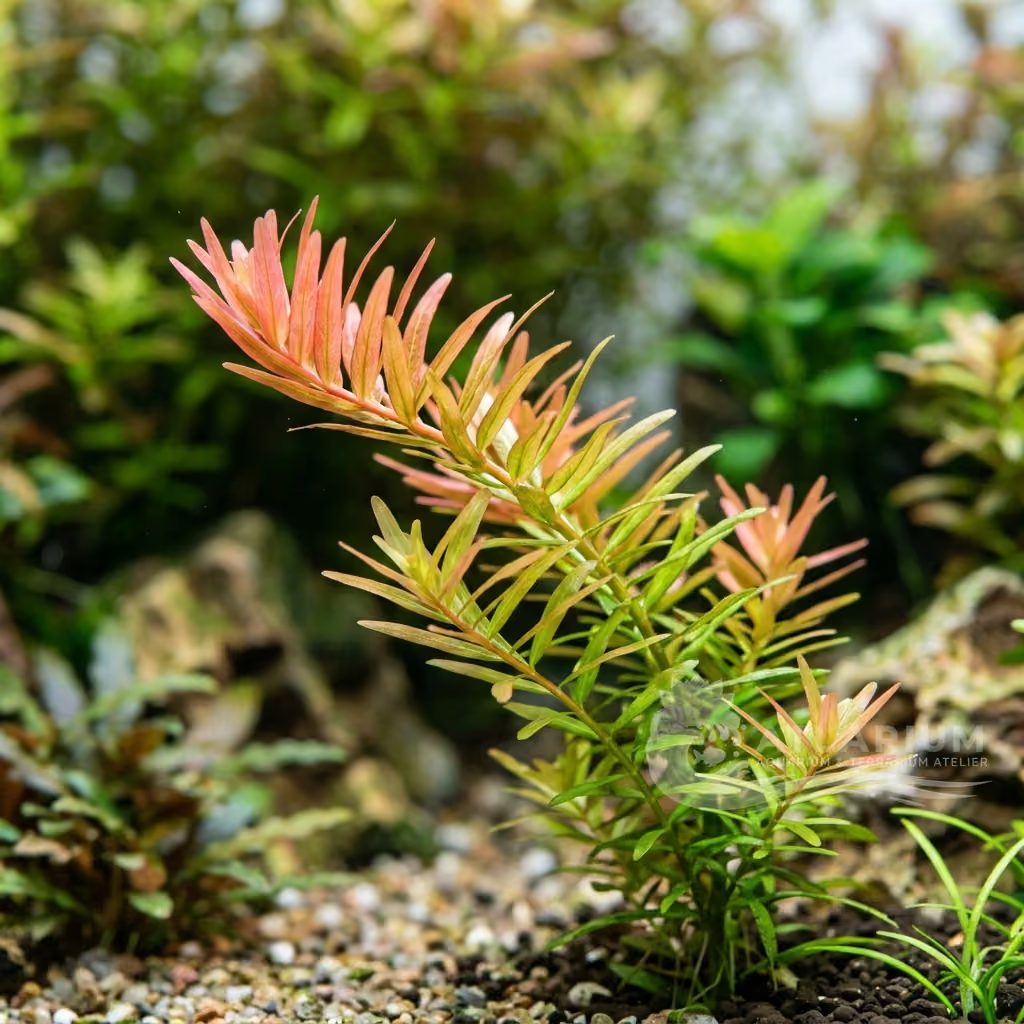
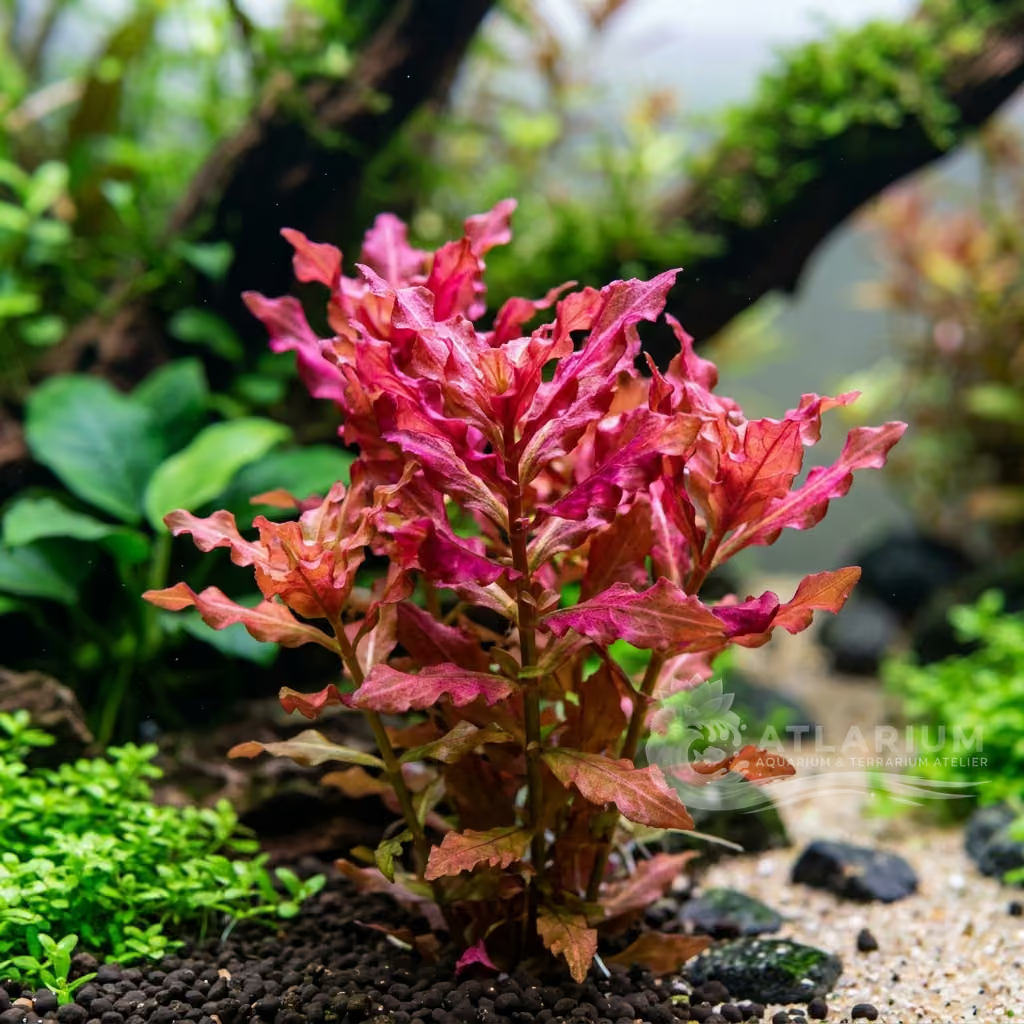
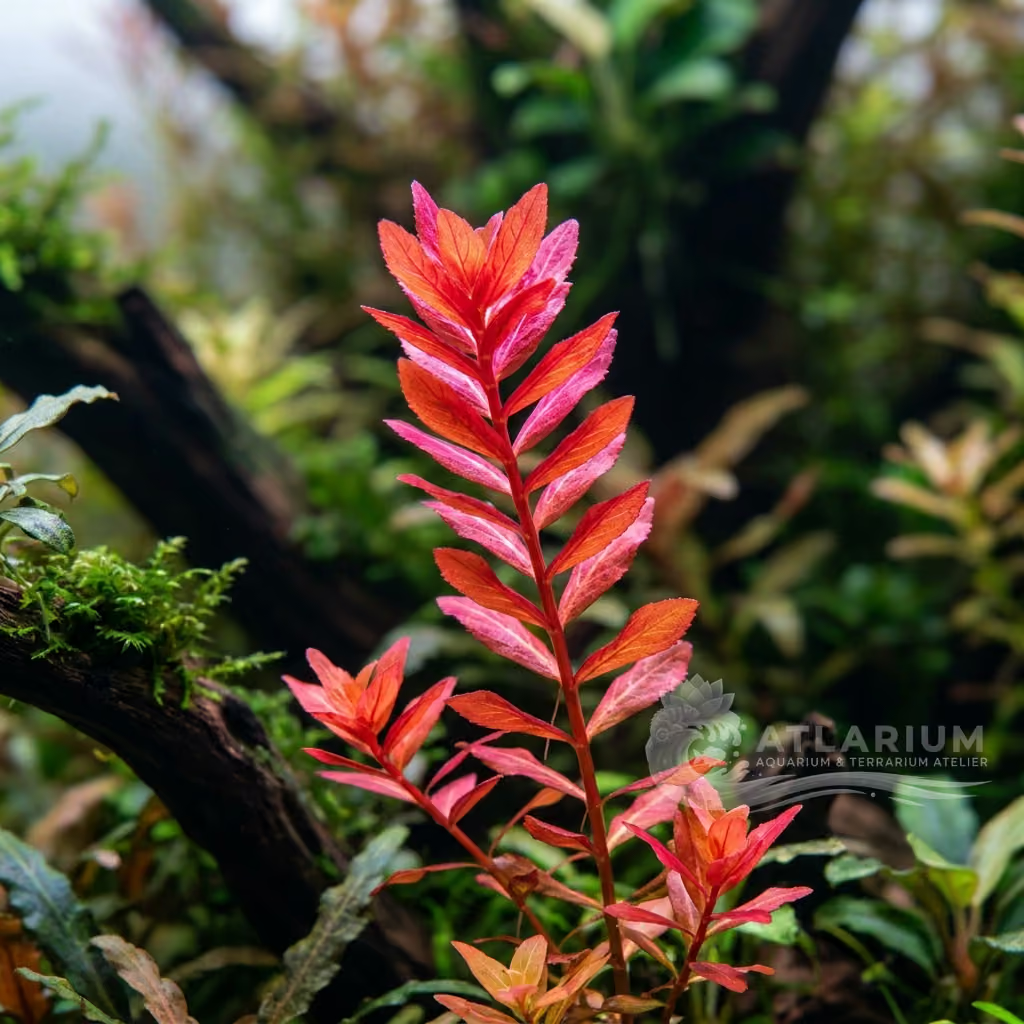
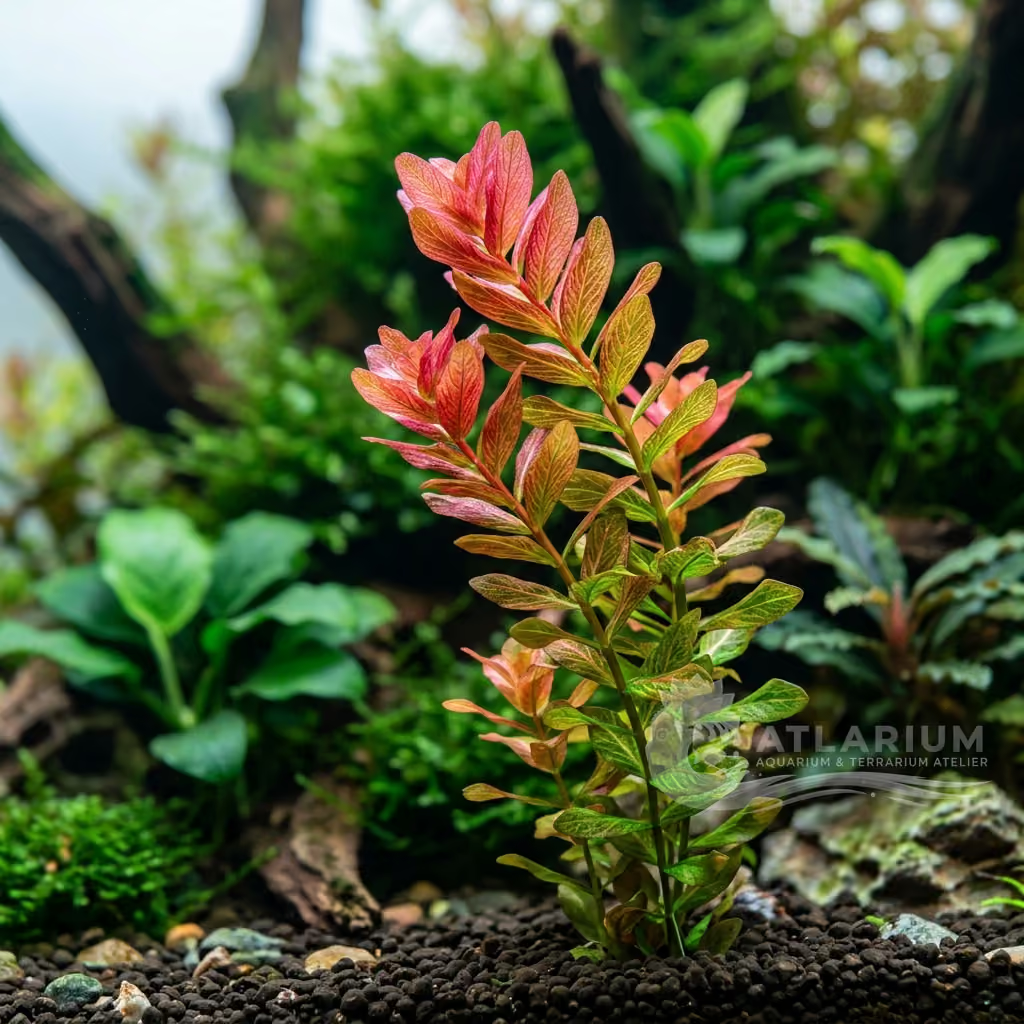
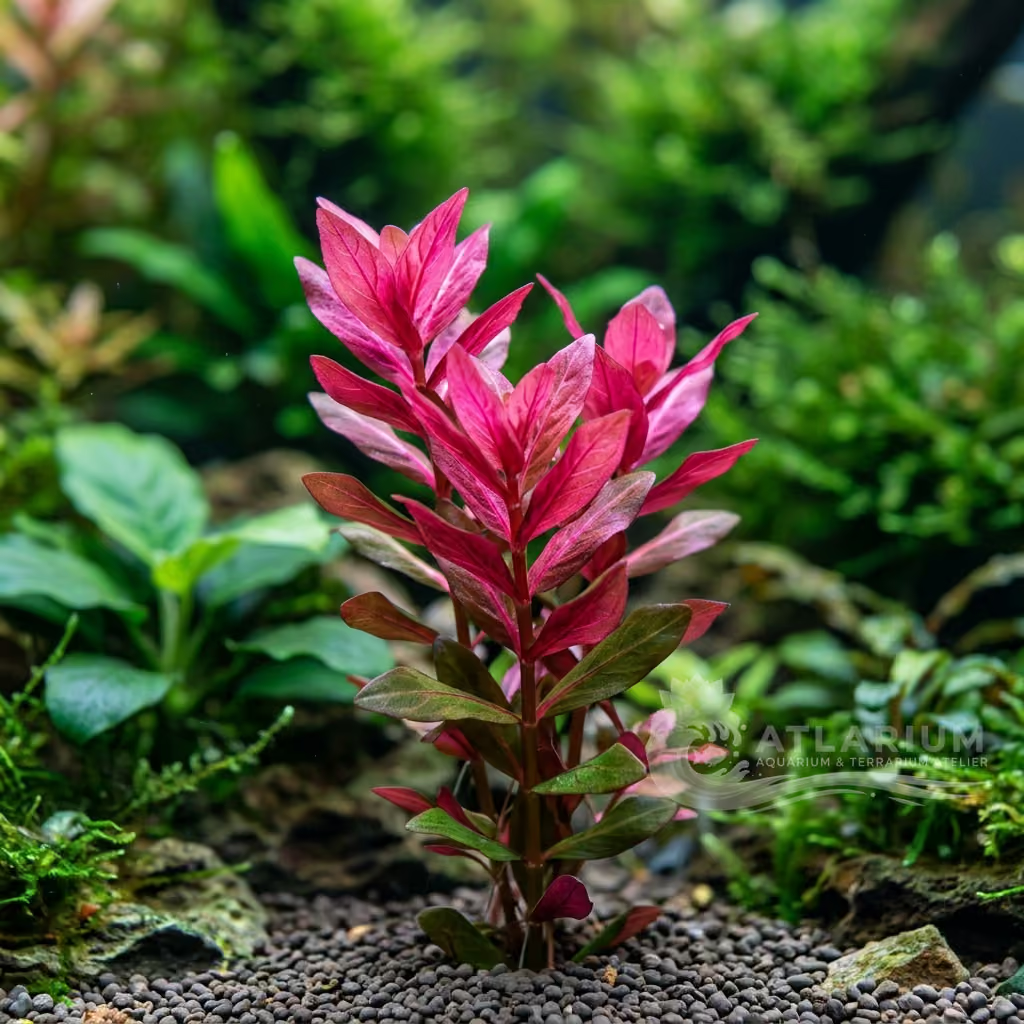
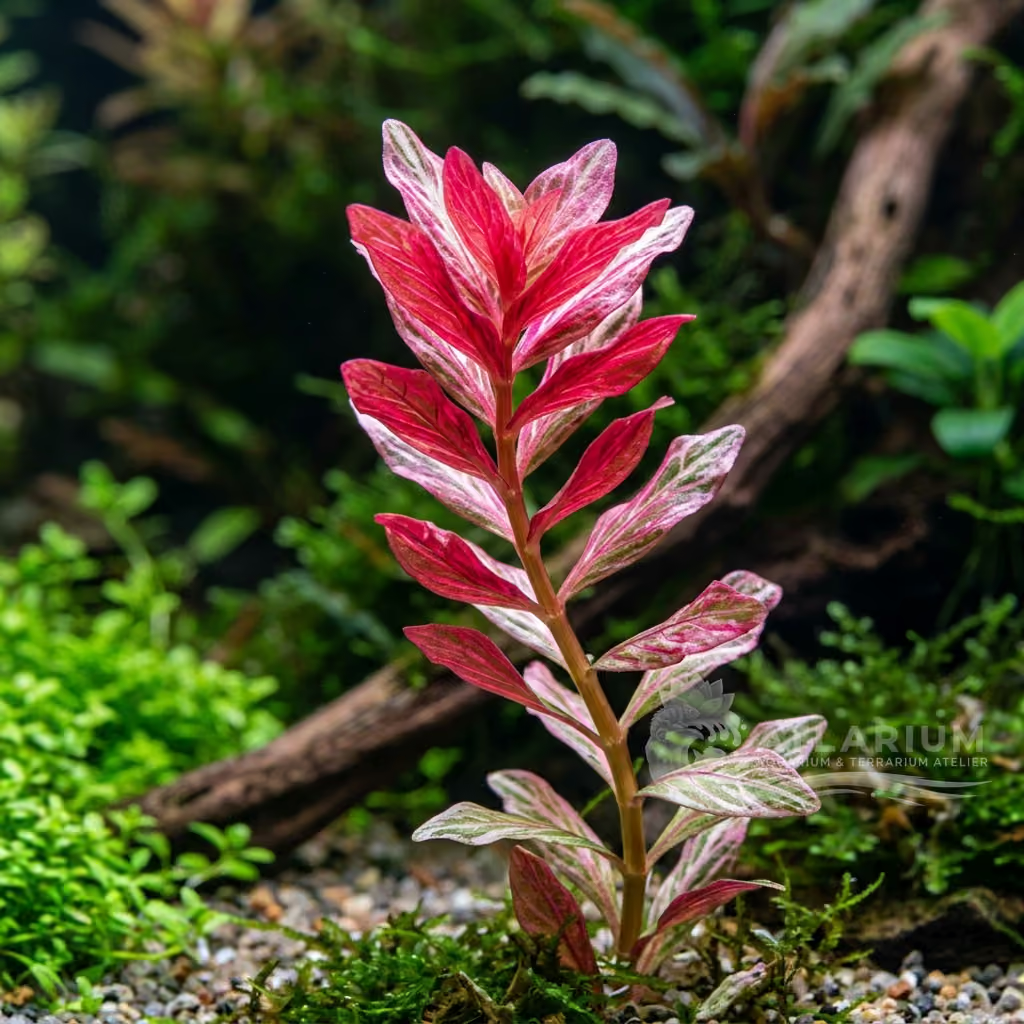
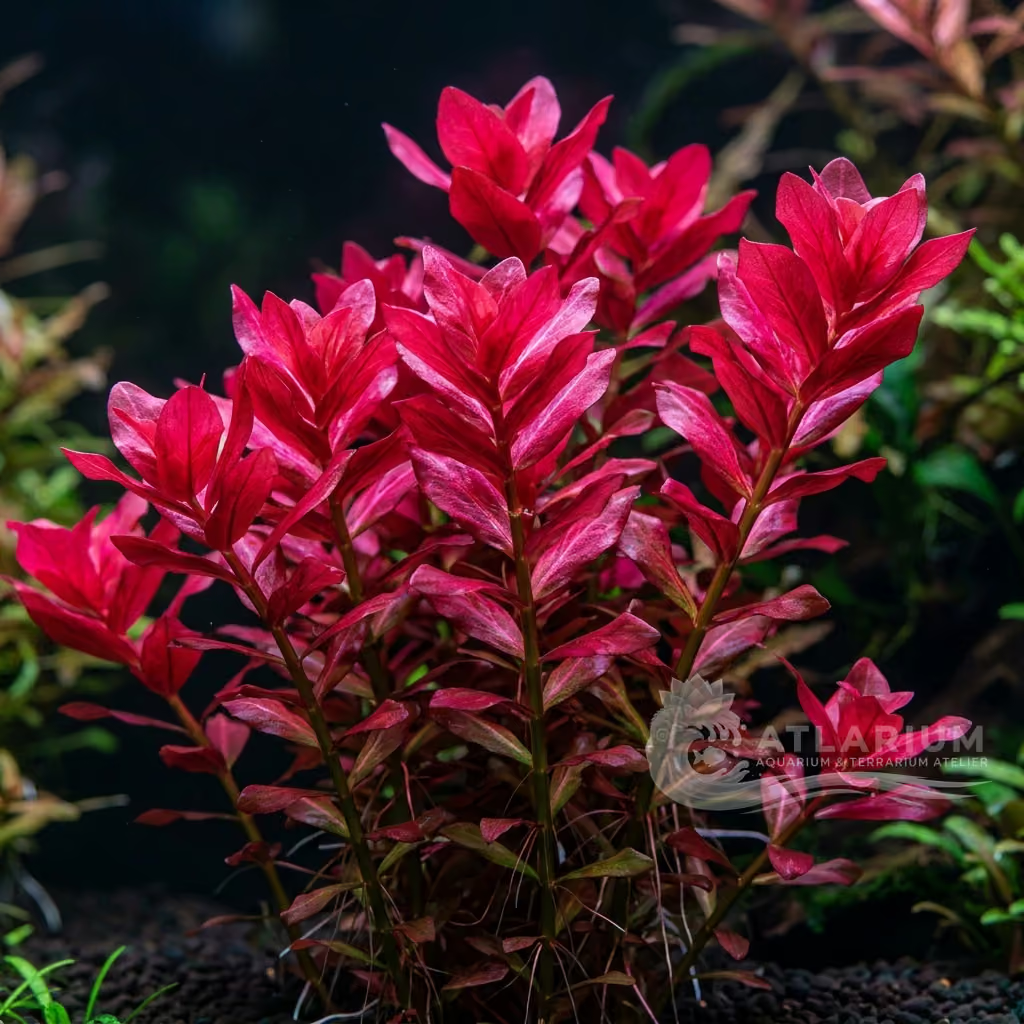
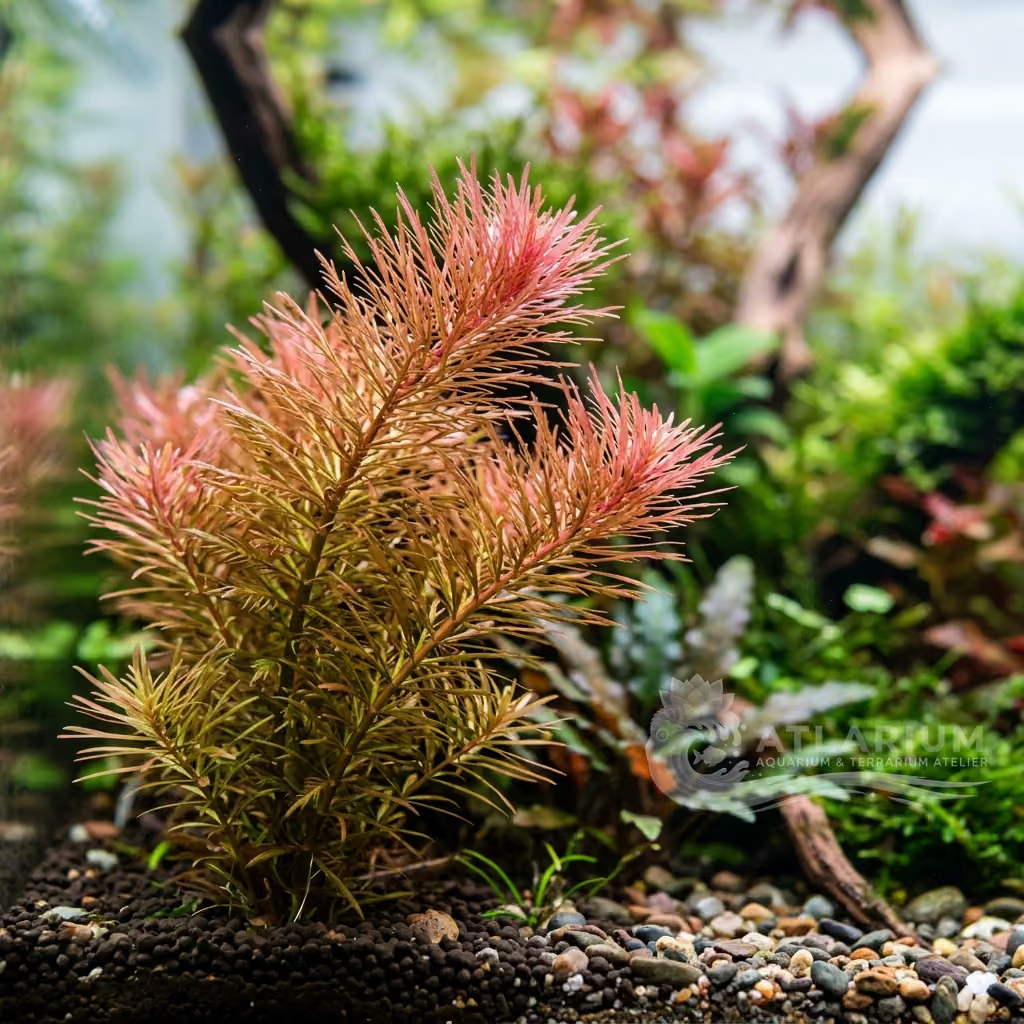
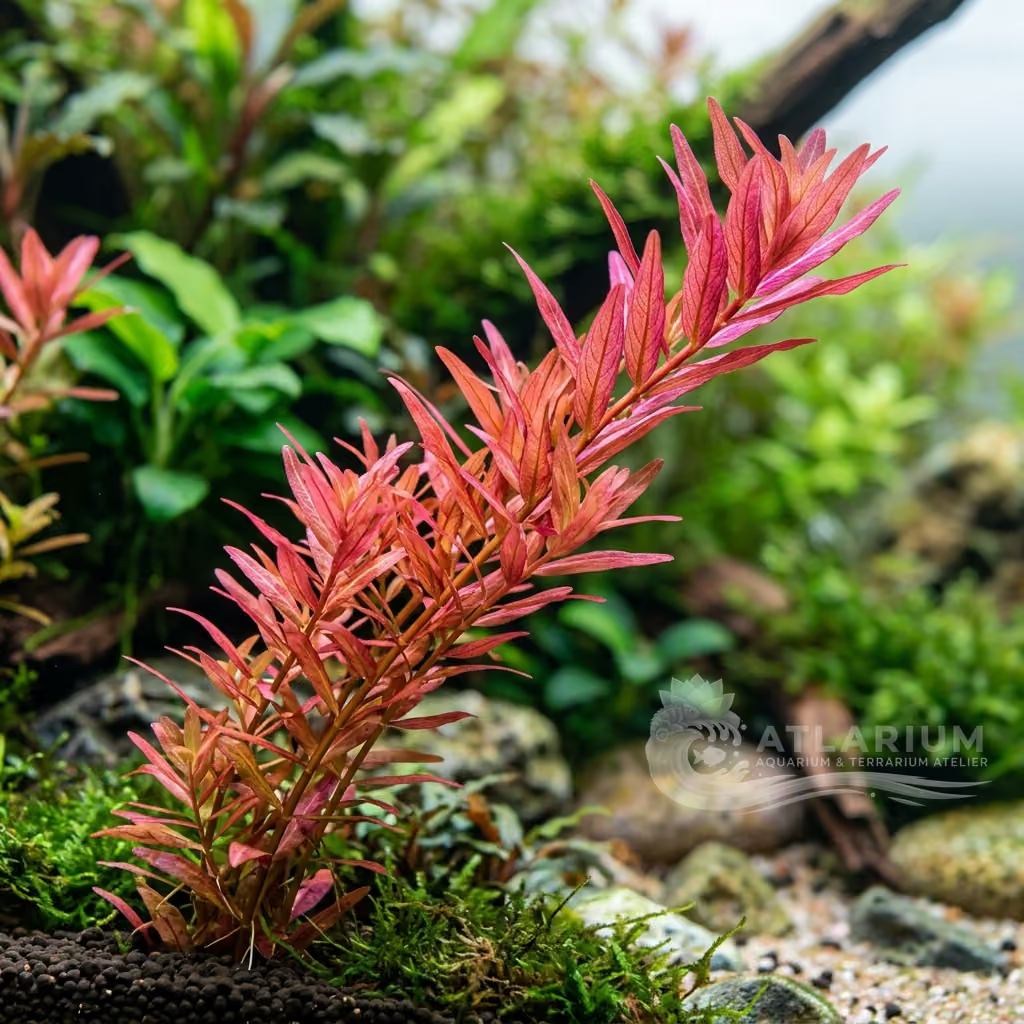
Color & Texture: Under moderate to high light conditions, Rotala sp. "Long Leaf" can display a fascinating range of colors, varying from bright green on the lower stems and in less intense lighting, to red, orange, or pinkish hues on the upper leaves exposed to strong illumination. The leaf surface is generally smooth and delicate to the touch, contributing to the plant's overall fine texture. The vibrancy of the color is a direct indicator of the plant's health and the availability of nutrients, particularly iron and macroelements, as well as an adequate supply of CO2.

Soins, reproduction et cohabitation
Lighting & CO2: For optimal growth and to enhance its reddish coloration, Rotala sp. "Long Leaf" requires medium to high lighting, ideally between 40 and 70 lumens per liter or approximately 0.5-1 watt per liter. A photoperiod of 8-10 hours per day is generally recommended to promote efficient photosynthesis without encouraging algal growth. CO2 supplementation is almost essential for this species, especially under strong lighting, as it significantly accelerates the growth rate, improves nutrient uptake, and intensifies coloration, leading to more robust stems and more vibrant leaves.
Nutrition & Substrate: Rotala sp. "Long Leaf," like most fast-growing stem plants, is a heavy consumer of both macro (nitrogen, phosphorus, potassium) and micro (iron, manganese, boron) nutrients. Regular supplementation of these elements via liquid fertilizers is crucial, with particular attention to iron to promote red tones. A nutrient-rich substrate, such as a clay-based substrate or one enriched with organic compounds, is highly recommended to support root growth and provide a constant supply of nutrients, helping to maintain a healthy and robust plant.
Water Chemistry: This Rotala prefers stable and well-maintained water parameters to thrive. The ideal temperature ranges between 20 and 28 degrees Celsius, while the pH should be kept in a slightly acidic to neutral range, between 6.0 and 7.5. For carbonate hardness (KH), values between 2 and 12 dKH are generally well-tolerated, indicating a preference for soft to moderately hard water. Maintaining these parameters within the recommended ranges is crucial to prevent plant stress and encourage vigorous growth and intense coloration.
Space Management & Placement: Rotala sp. "Long Leaf" is best suited for midground placement in an aquarium, where its elongated leaves can create an interesting visual contrast with broader or shorter-leaved plants. Given its rapid growth, it's essential to consider the space it will occupy and plan for regular
Pruning: Pruning is a crucial aspect of cultivating Rotala sp. "Long Leaf" to promote denser growth and control the plant's size. It is advisable to trim the apical (top) stems once they reach the desired height or begin to overshadow nearby plants. The cuttings obtained can be easily replanted into the substrate to propagate the plant or to thicken existing bunches. This practice not only keeps the plant in an aesthetically pleasing shape but also stimulates lateral branching, contributing to a fuller and more compact appearance.
Risks & Diseases: While Rotala sp. "Long Leaf" is generally robust, it can be susceptible to common aquarium issues such as algal growth, especially under conditions of nutrient imbalance or excessive lighting. Nutrient deficiencies can manifest as yellowing leaves (nitrogen or iron deficiency) or stunted growth. It is also sensitive to abrupt changes in water parameters or aggressive chemical treatments, which can cause leaf melt or general decline. Careful monitoring and a stable environment are the best prevention against these problems.

Origine et répartition géographiques
Although "Long Leaf" suggests a specific cultivar, the precise geographical origin of Rotala sp. often remains undocumented, generally falling within the broad distribution of the genus Rotala, predominantly found in tropical and subtropical regions of Asia. Like many Rotala species, it likely originates from aquatic or semi-aquatic habitats such as riverbanks, ponds, or rice paddies, where it can grow both submerged and emergent. Its adaptability to various humid environments makes it a robust and relatively versatile species for aquascaping.
Origine
Asie du Sud et du Sud-EstAsie de l'Est

Profil de plante
- Emplacement
- Plan intermédiaire
- Given its impressive vertical growth and sizable leaf span, it is best placed in the background of the aquarium. It should be planted in small groups with some space between individual stems to ensure light penetrates down to the lower leaves. It needs an open area where it won't be shaded by neighboring plants to maintain its lower foliage. Its unique leaf shape makes it an excellent standalone feature plant.
- Forme botanique
- Tige
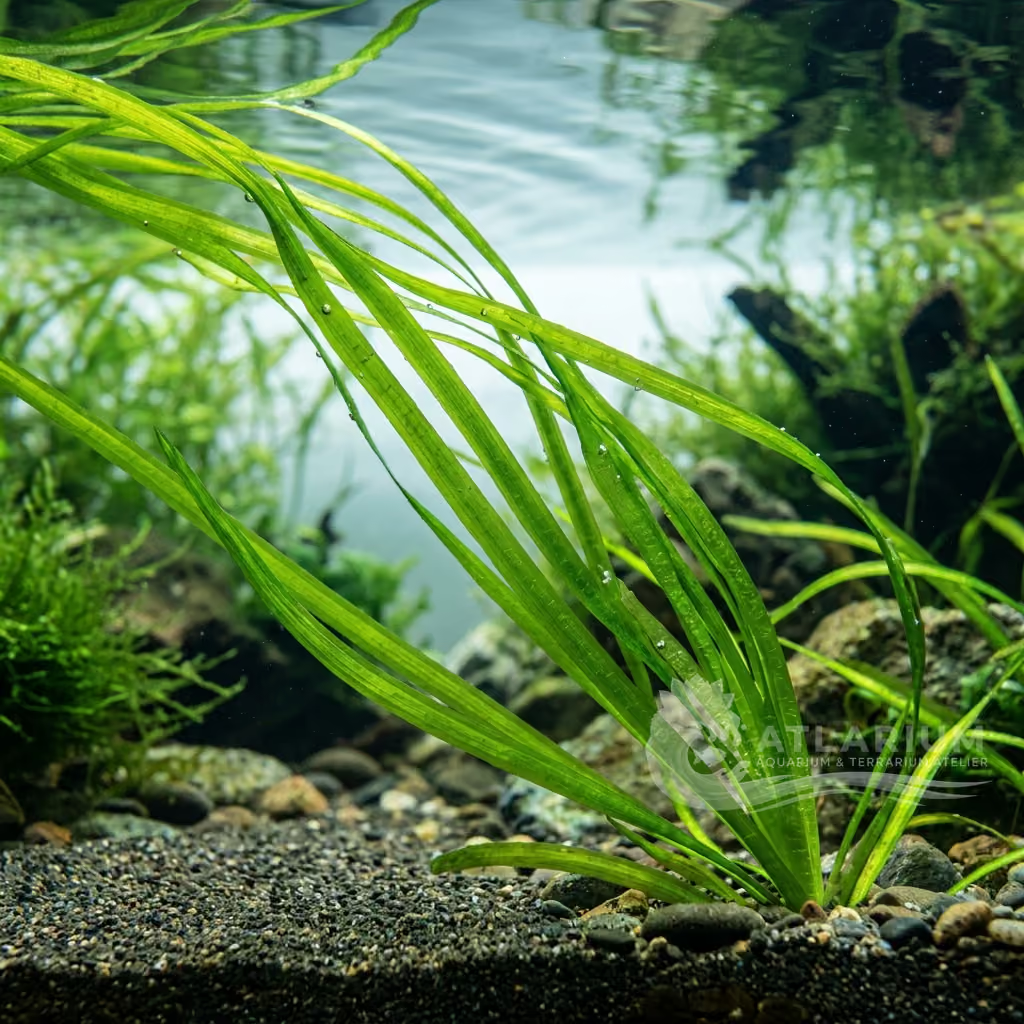
- This plant is defined by its distinctively long, narrow, lanceolate leaves that grow opposite one another along a relatively thick stem. The leaves gracefully arch downwards, giving the plant a somewhat weeping or relaxed appearance. Under intense illumination, the foliage takes on beautiful reddish-orange to pink hues. In its emersed form, the leaves are broader, shorter, and primarily green.
- Croissance
- Rapide
- It exhibits a moderately fast growth rate when provided with high light, CO2, and abundant nutrients. While it grows vertically quite readily, it is not as aggressively invasive as standard Rotala rotundifolia varieties. This moderate pace makes it slightly easier to manage and prune. However, if conditions are sub-optimal, its growth will slow considerably and the lower stem will begin to degrade.
- Substrat
- Moyen
- Rotala sp. "Long Leaf" thrives in a moderately rich aqua soil that can support its elongated leaves and sturdy stems. A substrate depth of about 2 inches (5 cm) is recommended to properly house its developing root system. The plant's roots naturally seek out porous, uncompacted areas in the substrate to extract the necessary macronutrients, leading to a much thicker and more robust overall plant structure.
- Fertilisation de la colonne d'eau
- Recommandée
- It benefits immensely from a comprehensive liquid fertilization regime. Because of its large leaf surface area, it efficiently absorbs nutrients directly from the water column. Daily dosing of trace elements, especially iron, helps maintain the vibrancy of its colored leaves. Maintaining steady potassium levels will prevent the development of pinholes in the older, lower leaves.
- Fertilisation racinaire
- Aucune
- A nutrient-rich substrate, such as a quality aquasoil, is highly recommended to support this plant's robust structure. A strong root system helps anchor its thick stems and provides a reliable secondary source of nutrients. Root tabs can be very beneficial in older setups to rejuvenate growth and enhance stem thickness. Strong root feeding contributes significantly to the overall health and size of the leaves.
- Taille
- Occasionnelle
- Trimming should be approached by cutting the main stem and allowing lateral shoots to develop from the nodes below. Because of its larger leaf size, it takes a bit more time to look natural after a hard trim compared to fine-leaved species. Replanting the tops is the preferred method to maintain the best visual appearance and stem thickness. Discarding the woody, leafless bottom portions during a rescape will keep the stand looking fresh.
- Propagation
- Boutures
- Propagation is simple and is done by taking stem cuttings. Cut the top portion of a healthy stem and plant it deeply into the substrate to prevent it from uprooting. The original cut stem will slowly produce one or two new shoots from the highest remaining node. Ensure the cuttings have enough space to receive light to their base to encourage quick rooting.
- Sensibilité
- Modérée
- It is moderately sensitive to poor water circulation and shading, which quickly lead to the lower leaves rotting and falling off. It requires stable CO2 levels; fluctuations can cause the new leaves to curl or stunt. It prefers softer water parameters and a slightly acidic pH. If the lighting is insufficient, the plant will lose its warm colors and revert to a pale, uninspiring green.
- Rôle dans le décor
- Plan intermédiaire, Arrière-plan
- Its unique, long, drooping leaves provide a fantastic textural contrast to both fine-leaved and broad-leaved plants in the aquascape. It serves as a beautiful background accent that adds a touch of elegance and warm color. Its structure is less dense than bushy Rotalas, making it ideal for a more relaxed, loose planting style. It draws the eye upward and adds vertical interest to the design.

Espèces associées
Recommandations regroupées par proches parents, compagnons et soins similaires.