Pogostemon sp. "E 401"
Pogostemon sp. "E 401"
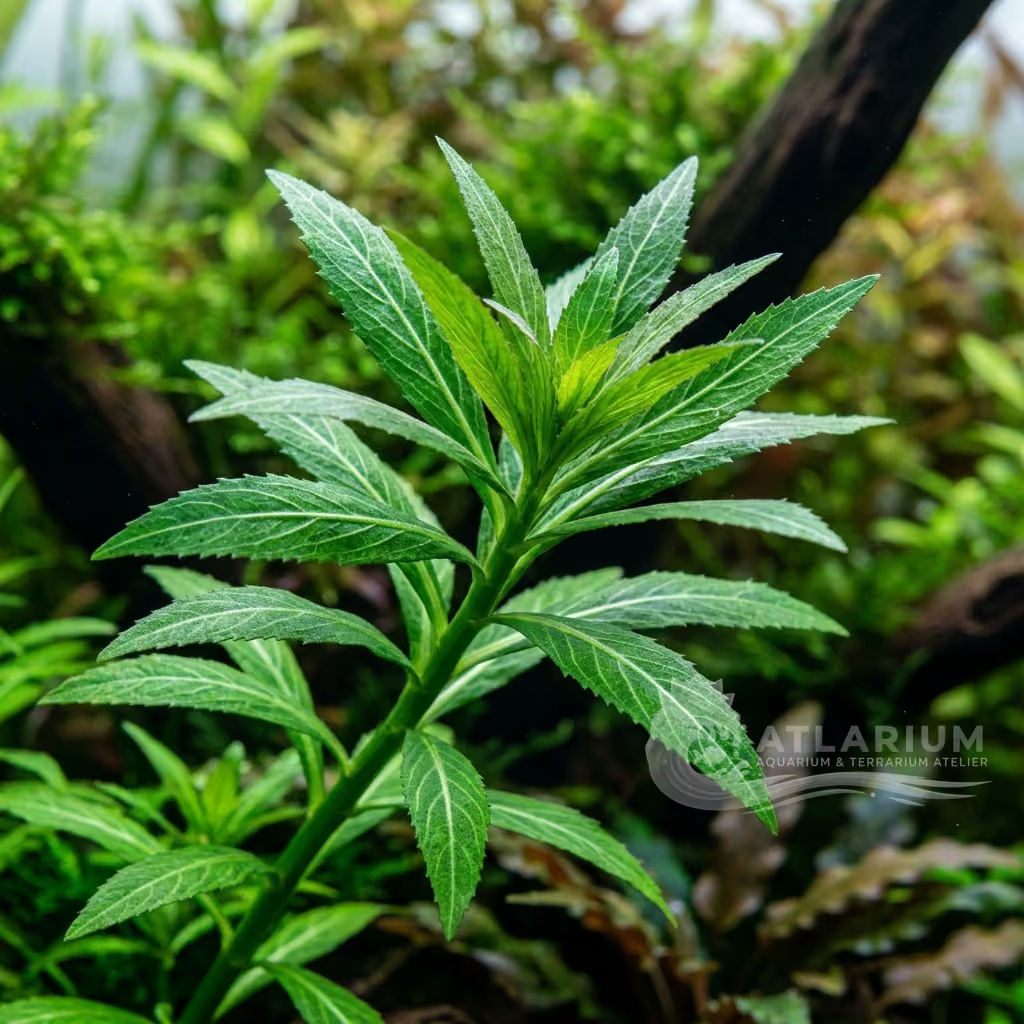
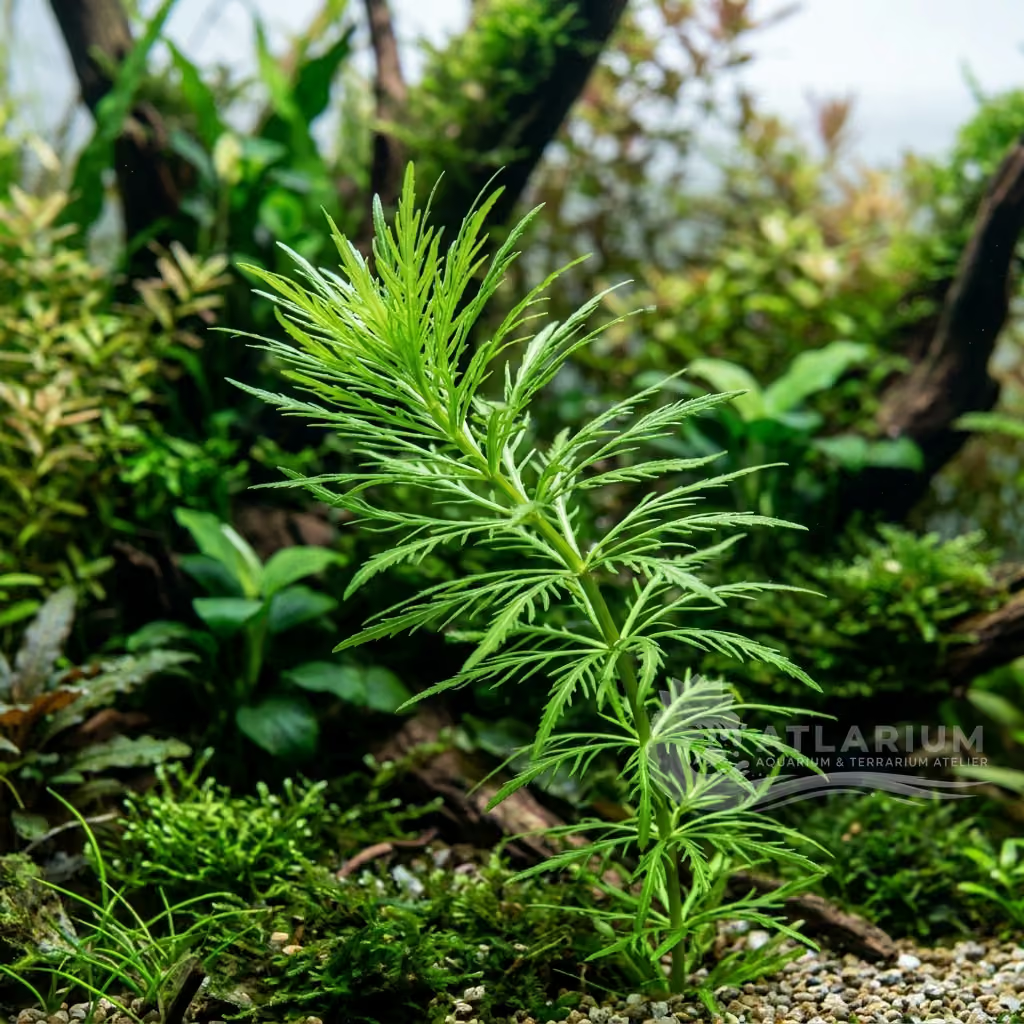
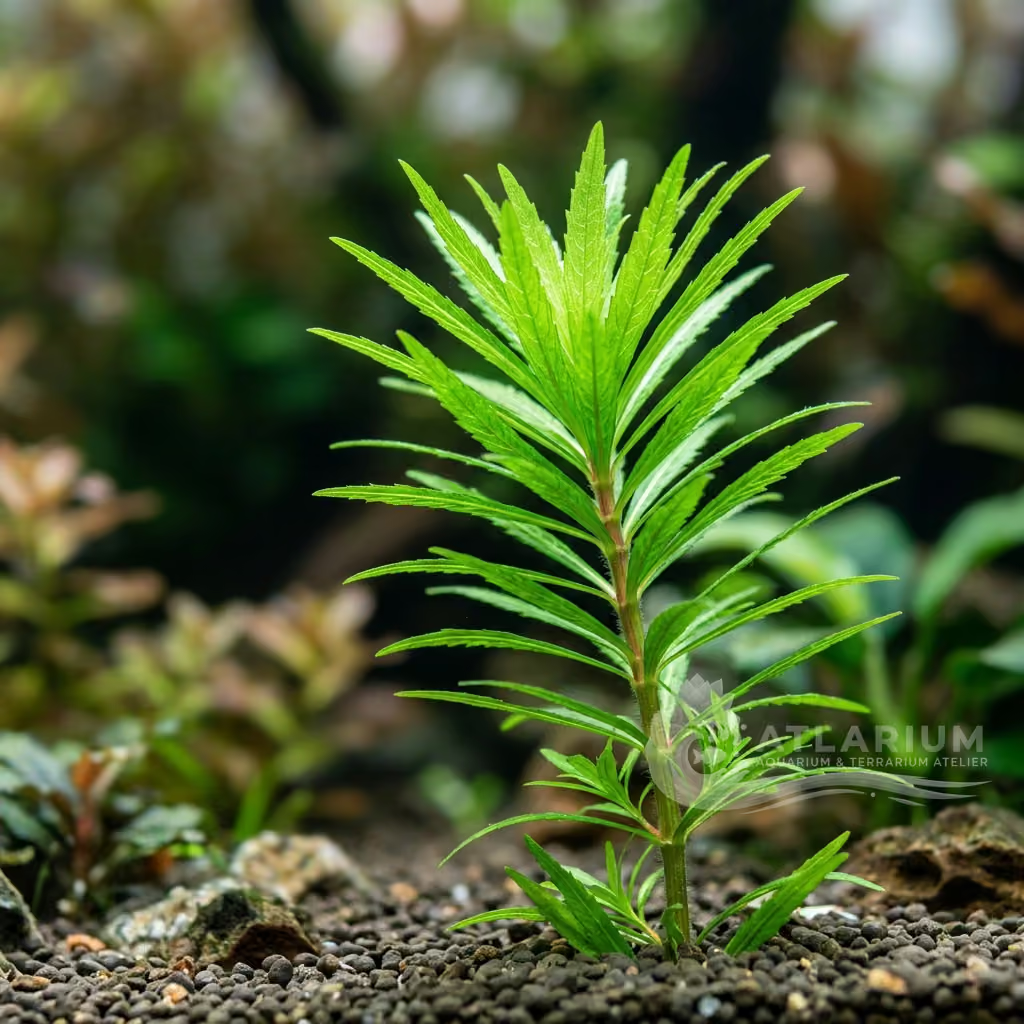
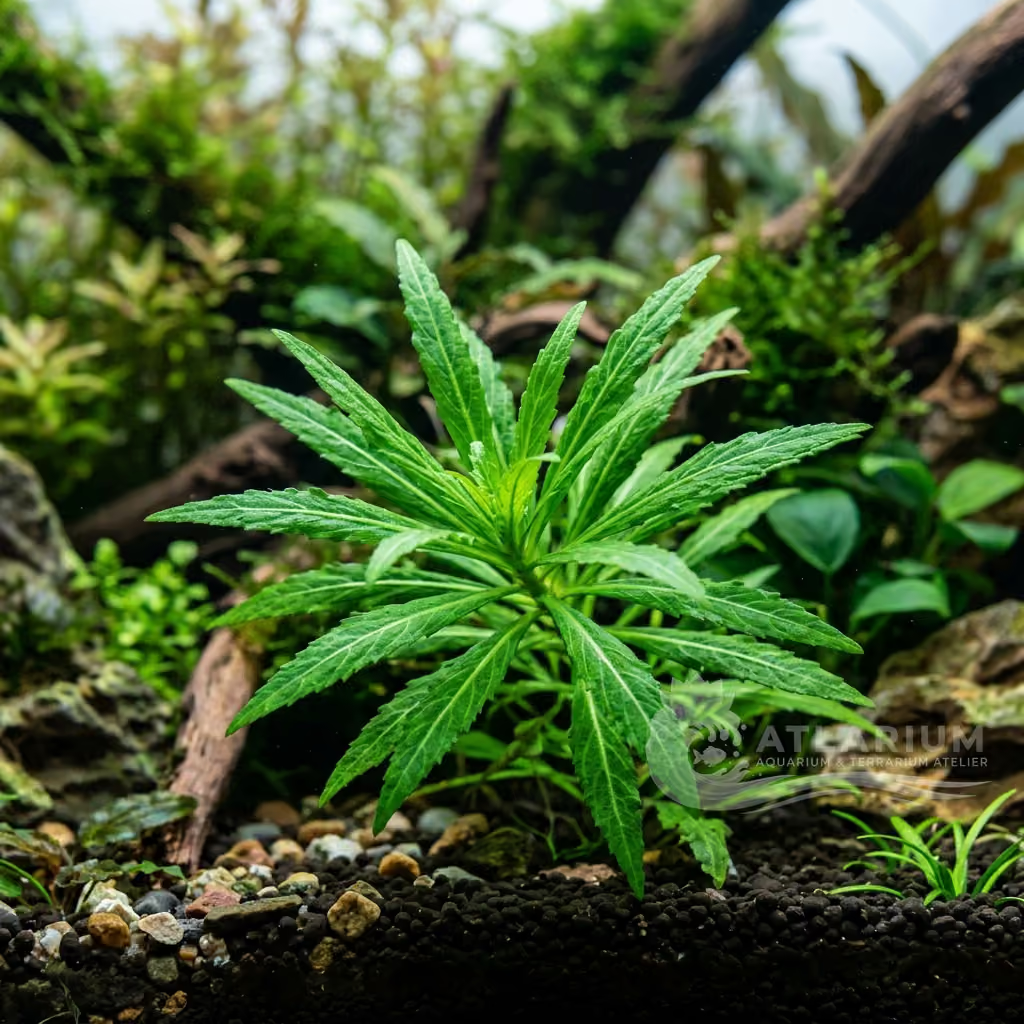
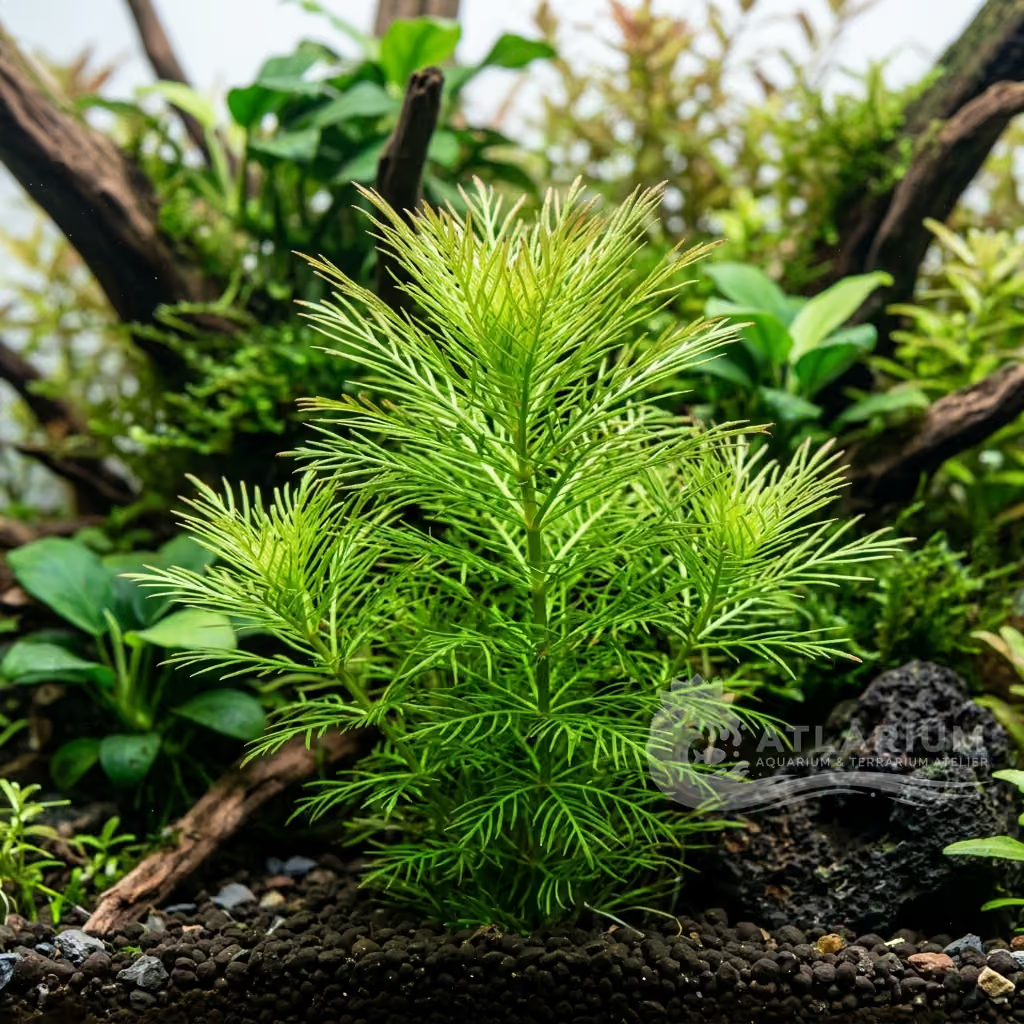
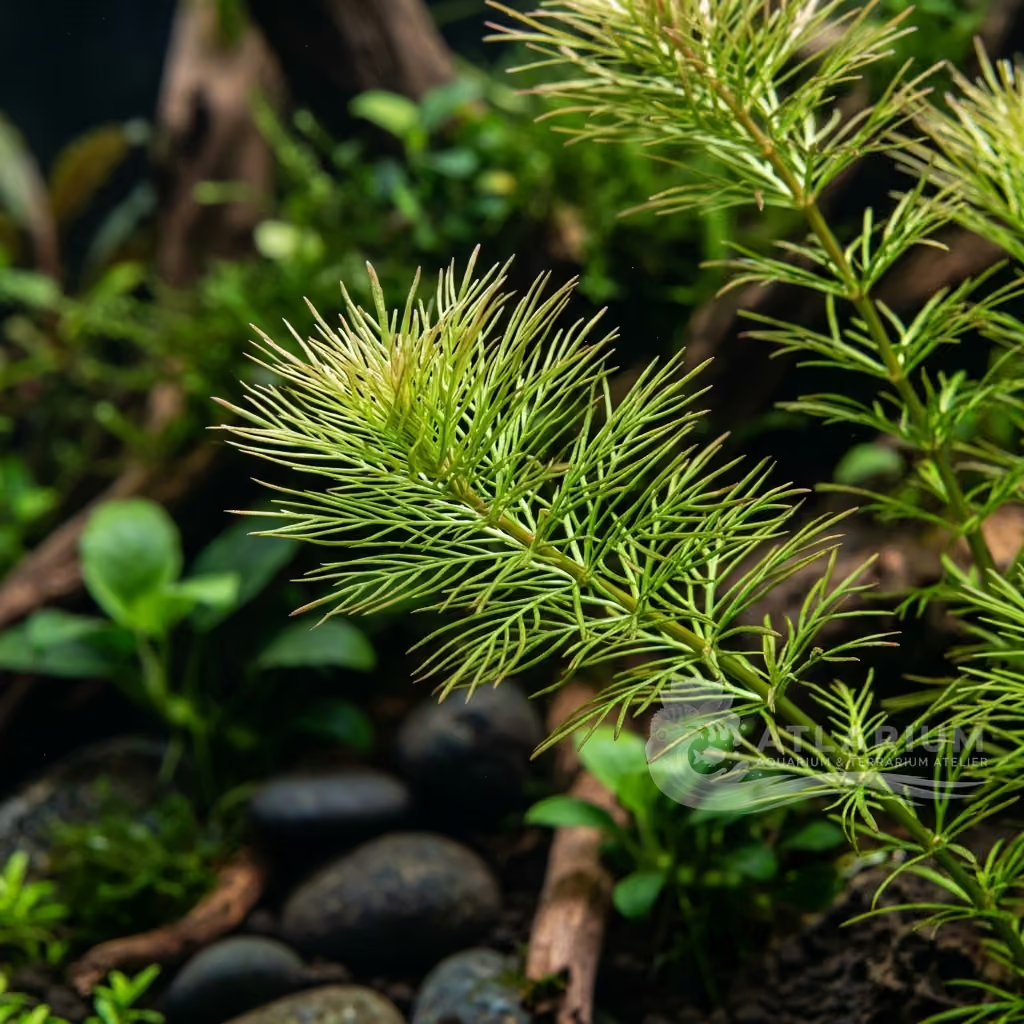
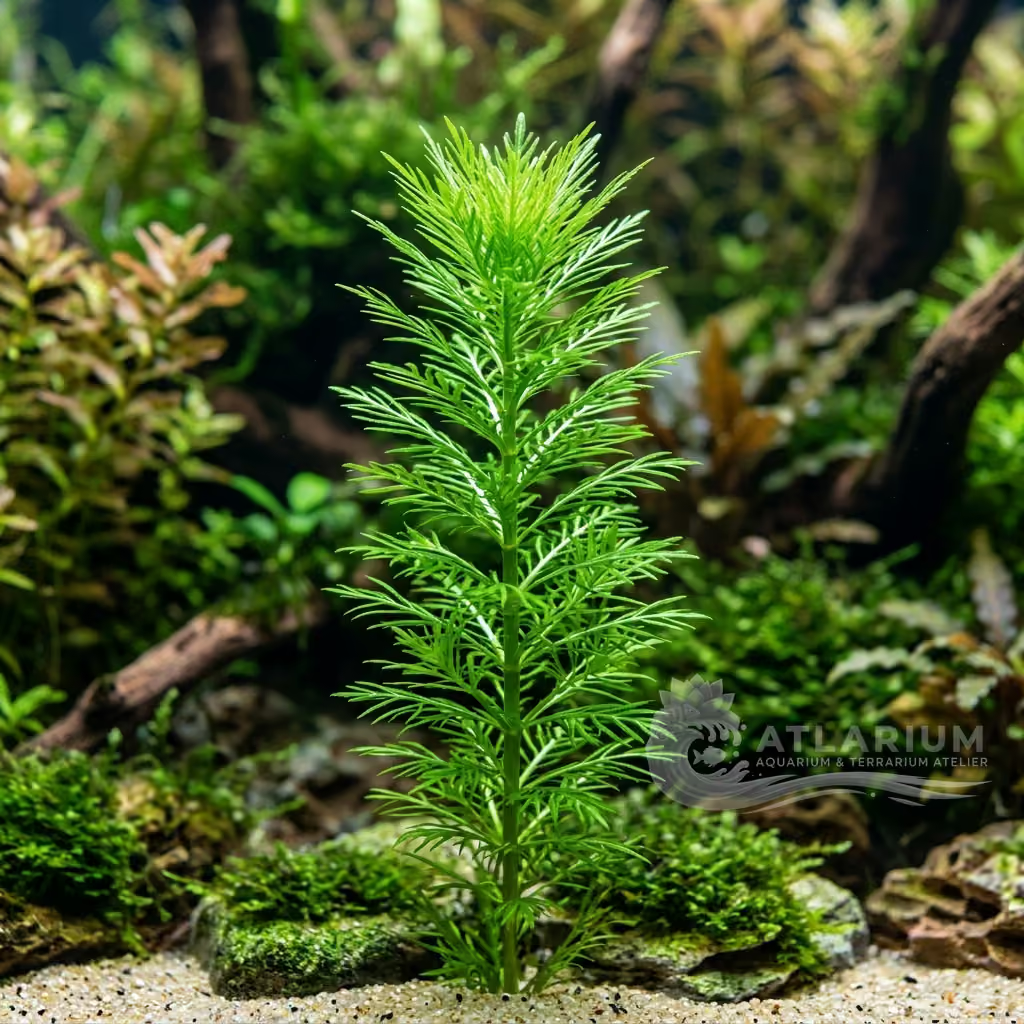
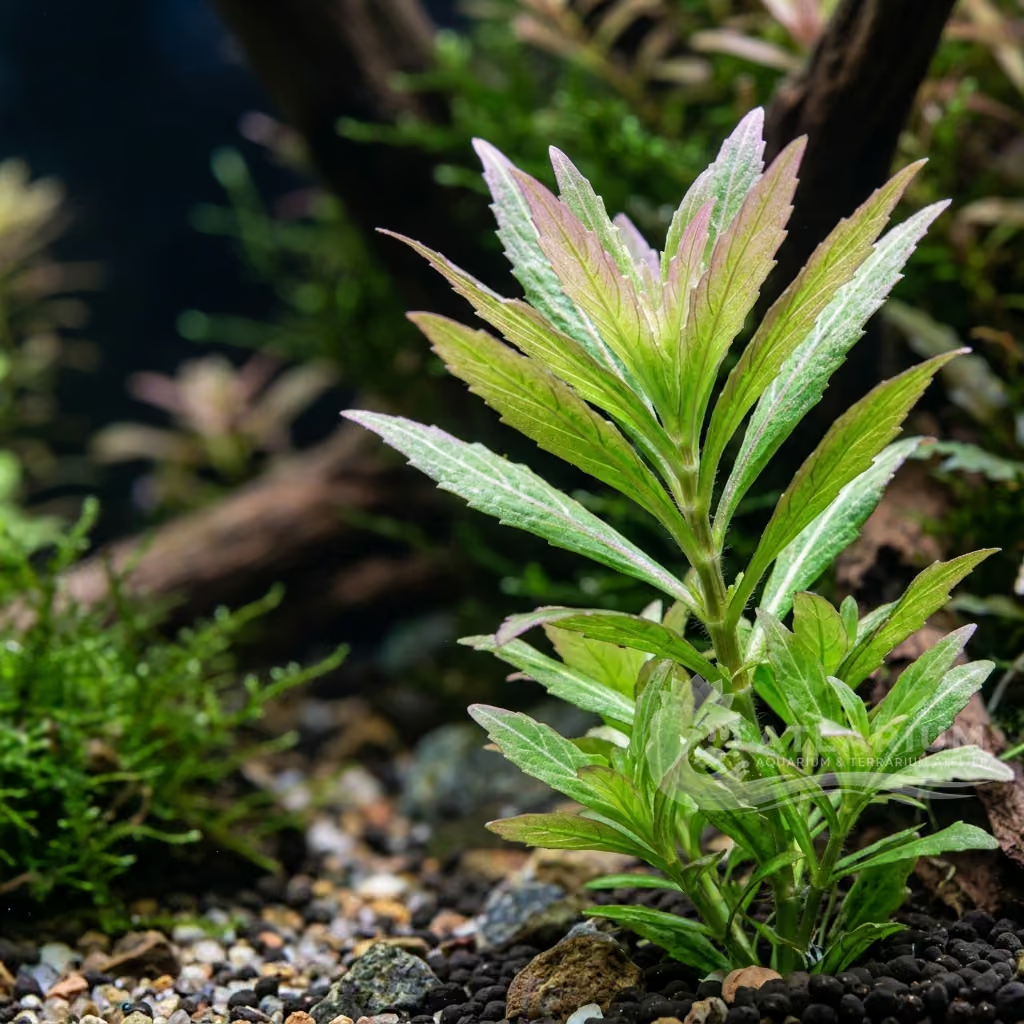
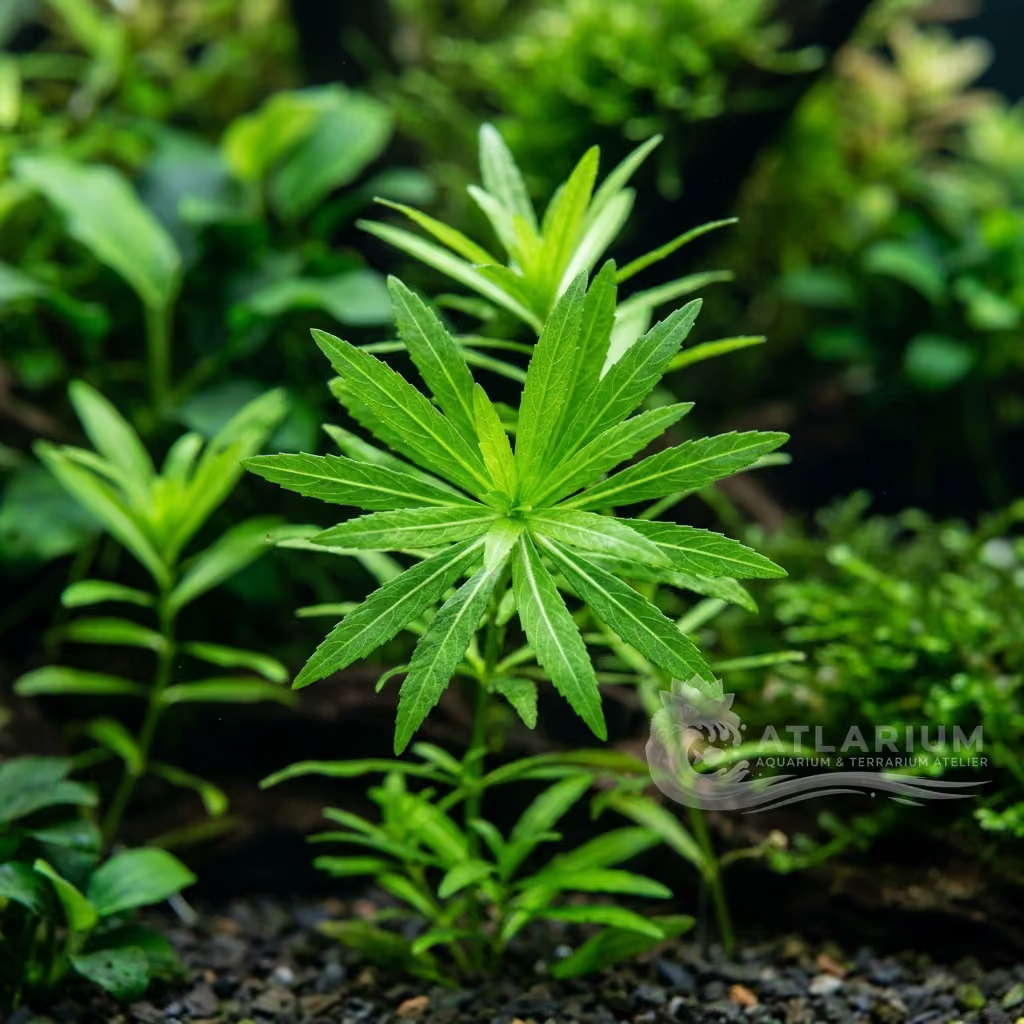
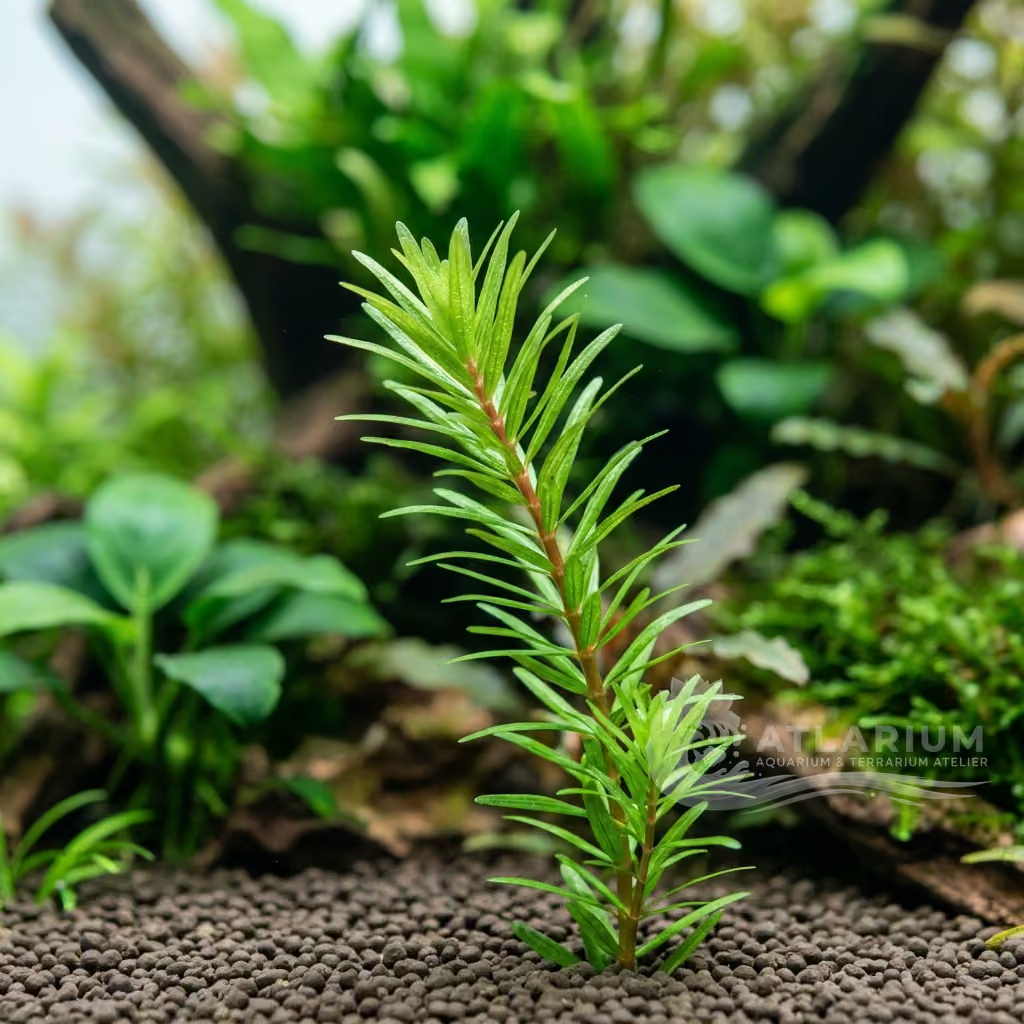
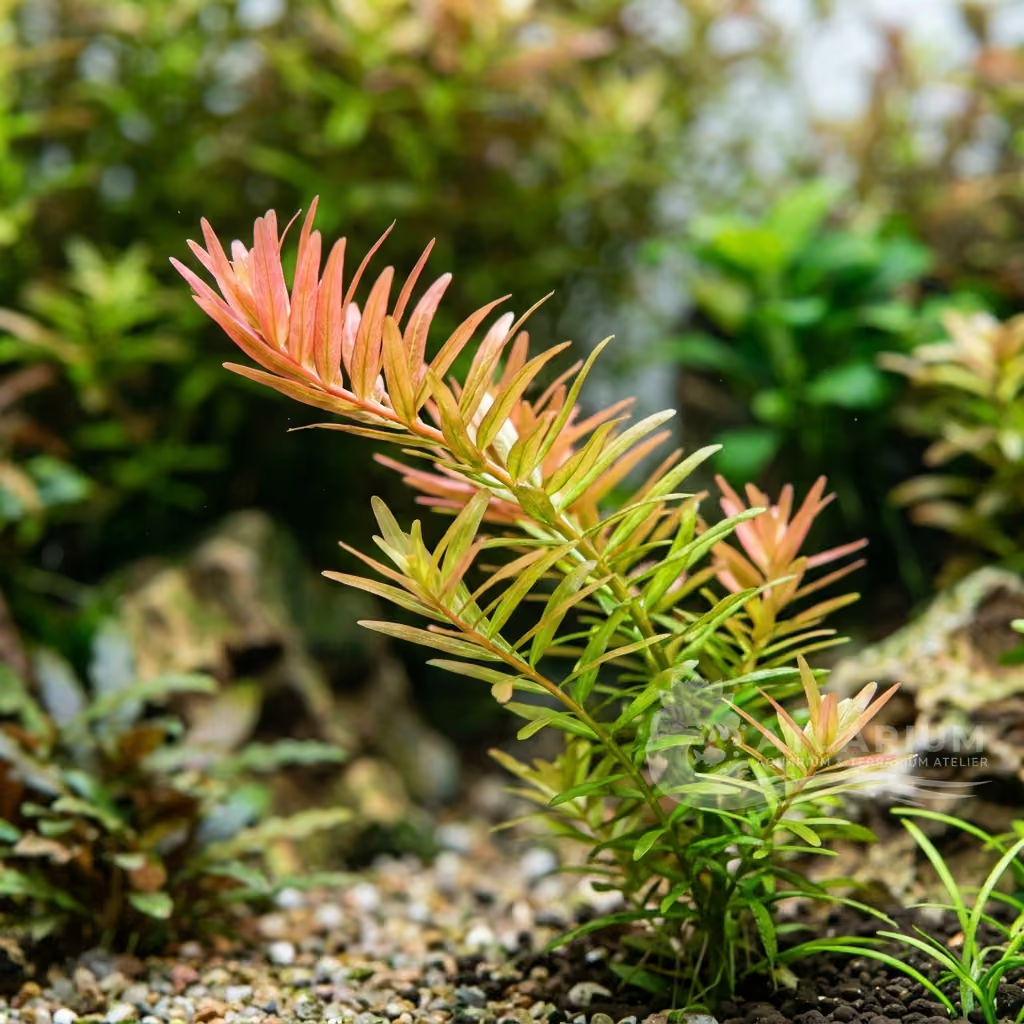
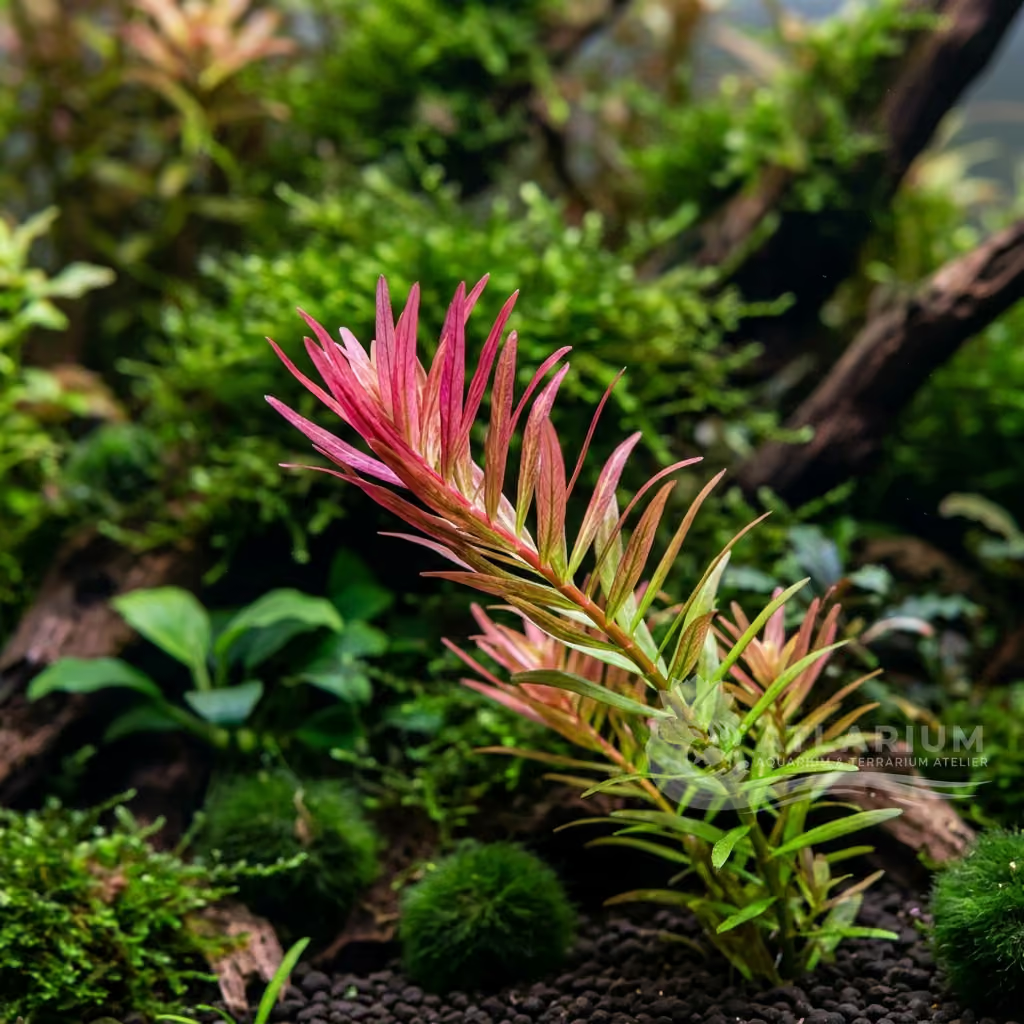
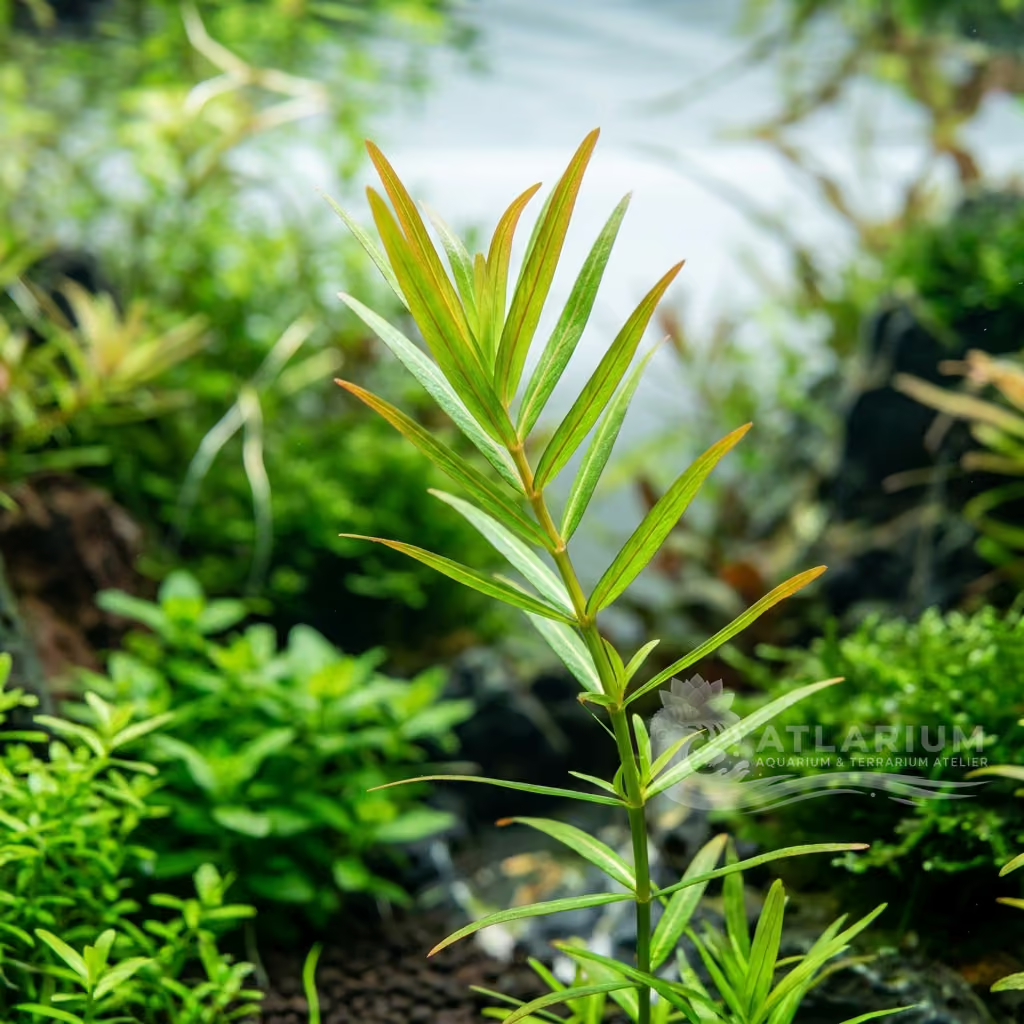
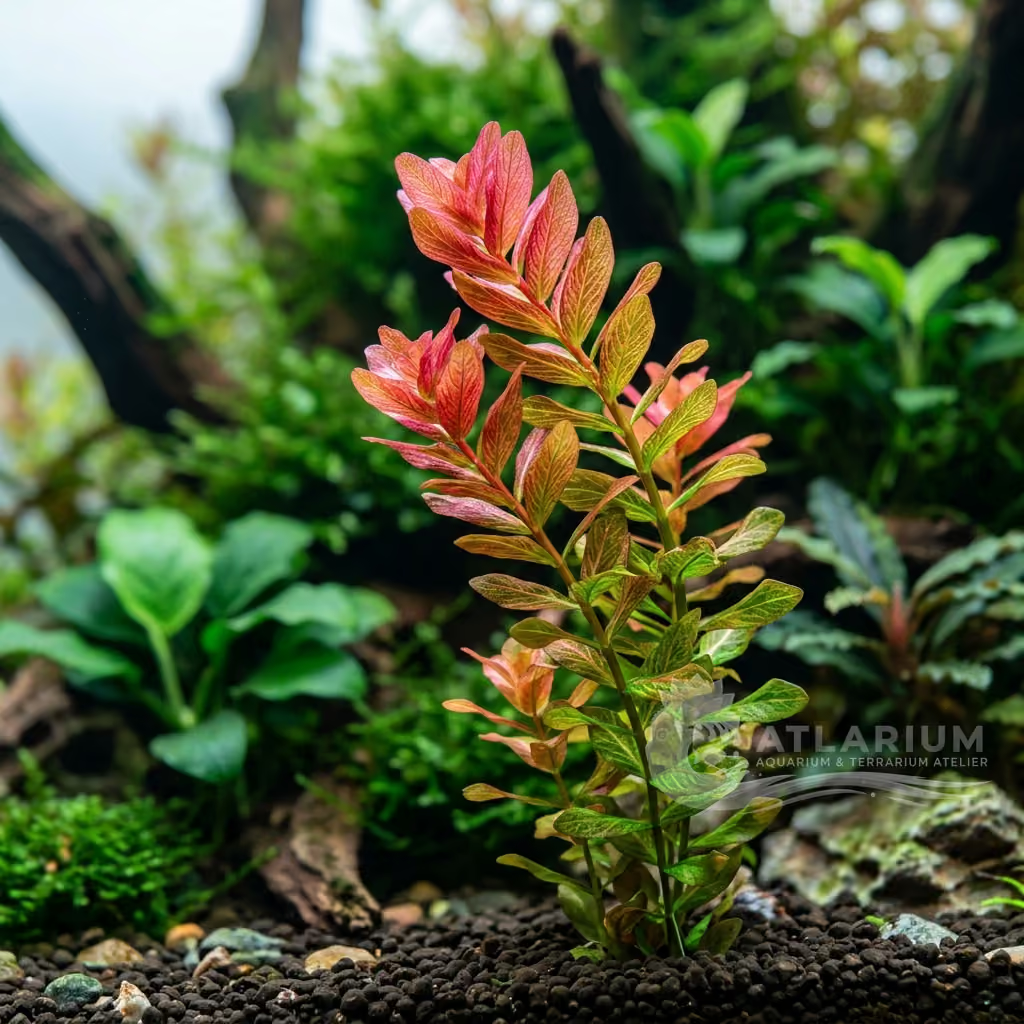
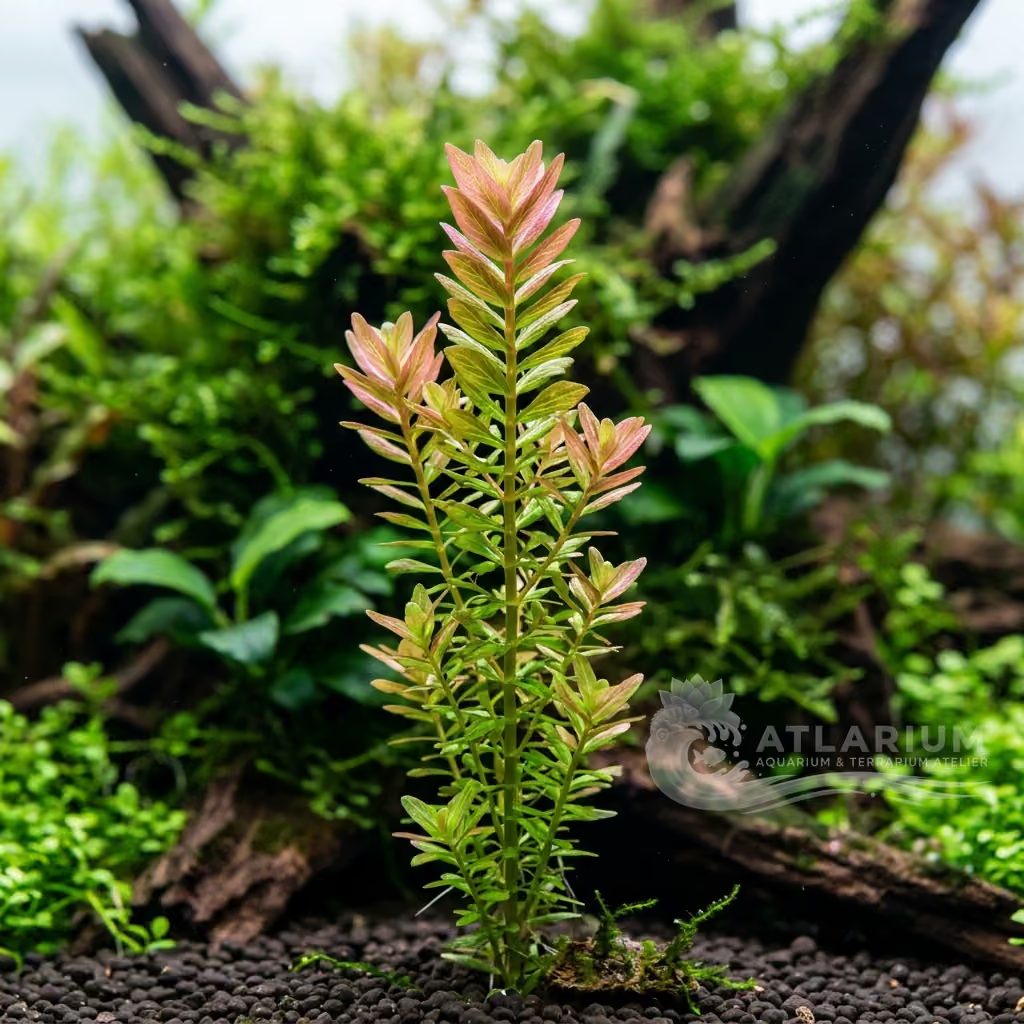
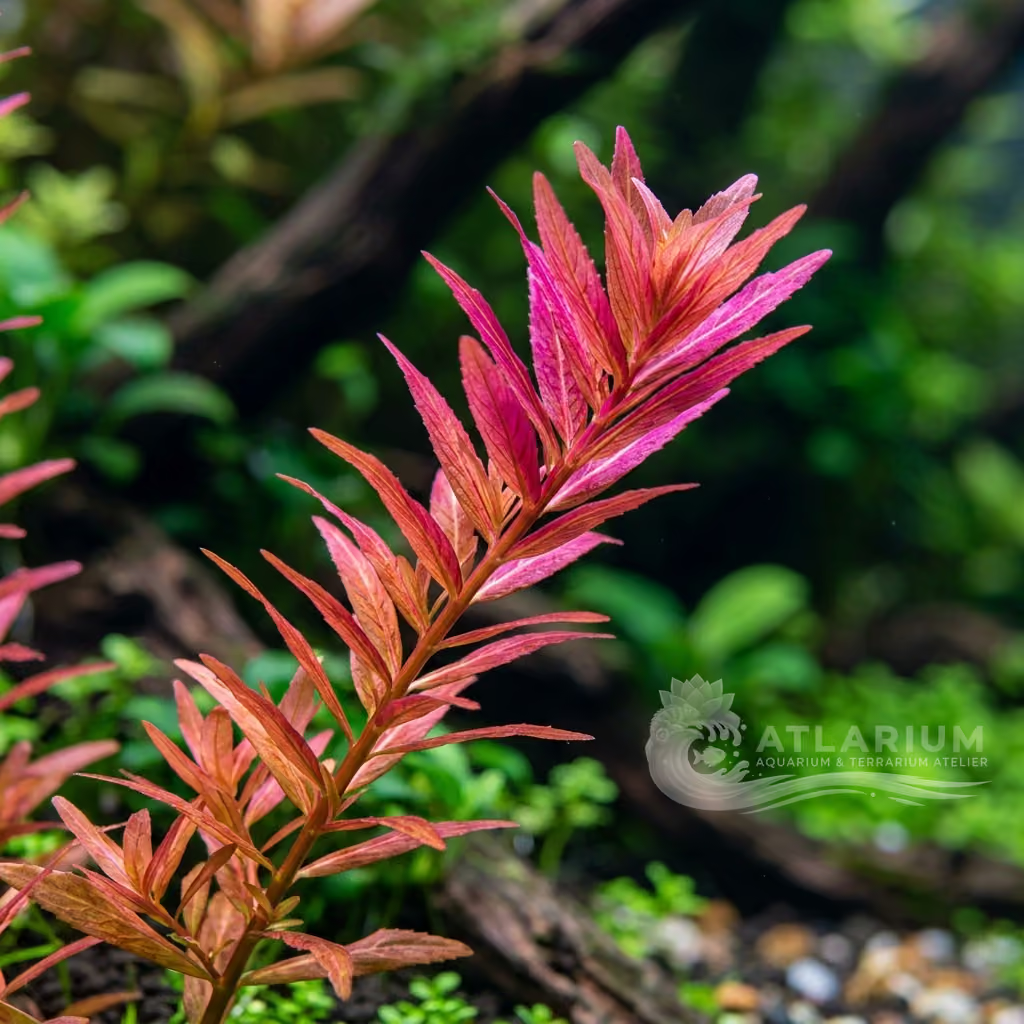
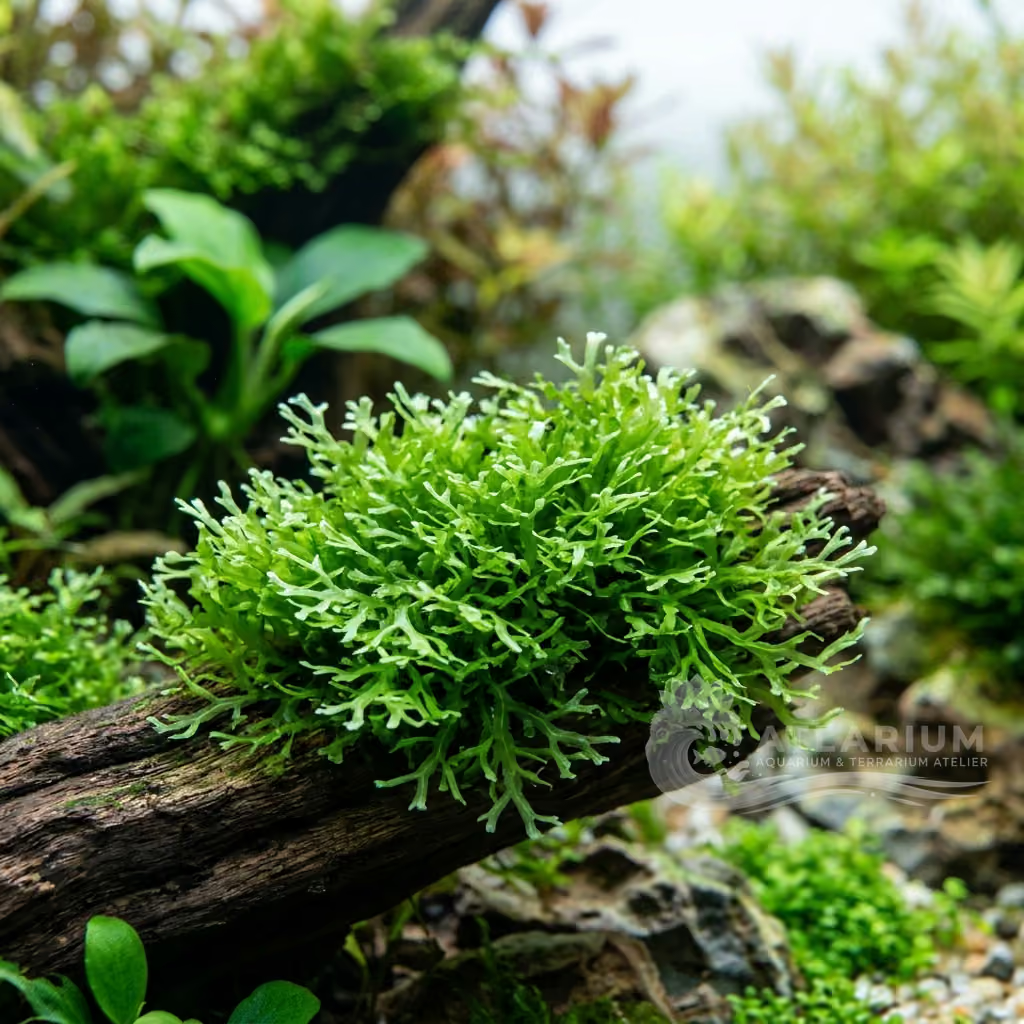
Pogostemon sp. 'E 401': a vigorous stem plant for midground or background. It features leaves arranged in whorls with purplish hues under intense light.
Température de l’eau
15 - 32 °C
Valeur du pH
5 - 7
Type d'eau
Eau douce
Lumière
Élevée
CO2
Élevée
KH
1 - 18 dKH

Description de l'espèce
Geographical Origin and Habitat: Originating from tropical regions of Asia, where it grows in wetlands, canals, and along slow-flowing riverbanks. It is accustomed to strong insolation and seasonal fluctuations in water availability.
Taxonomy & Genetics: Member of the Lamiaceae family and the genus Pogostemon. The code 'E 401' identifies a specific selection or commercial clone not yet formally assigned to a known species. Genetics closely related to Pogostemon stellatus.
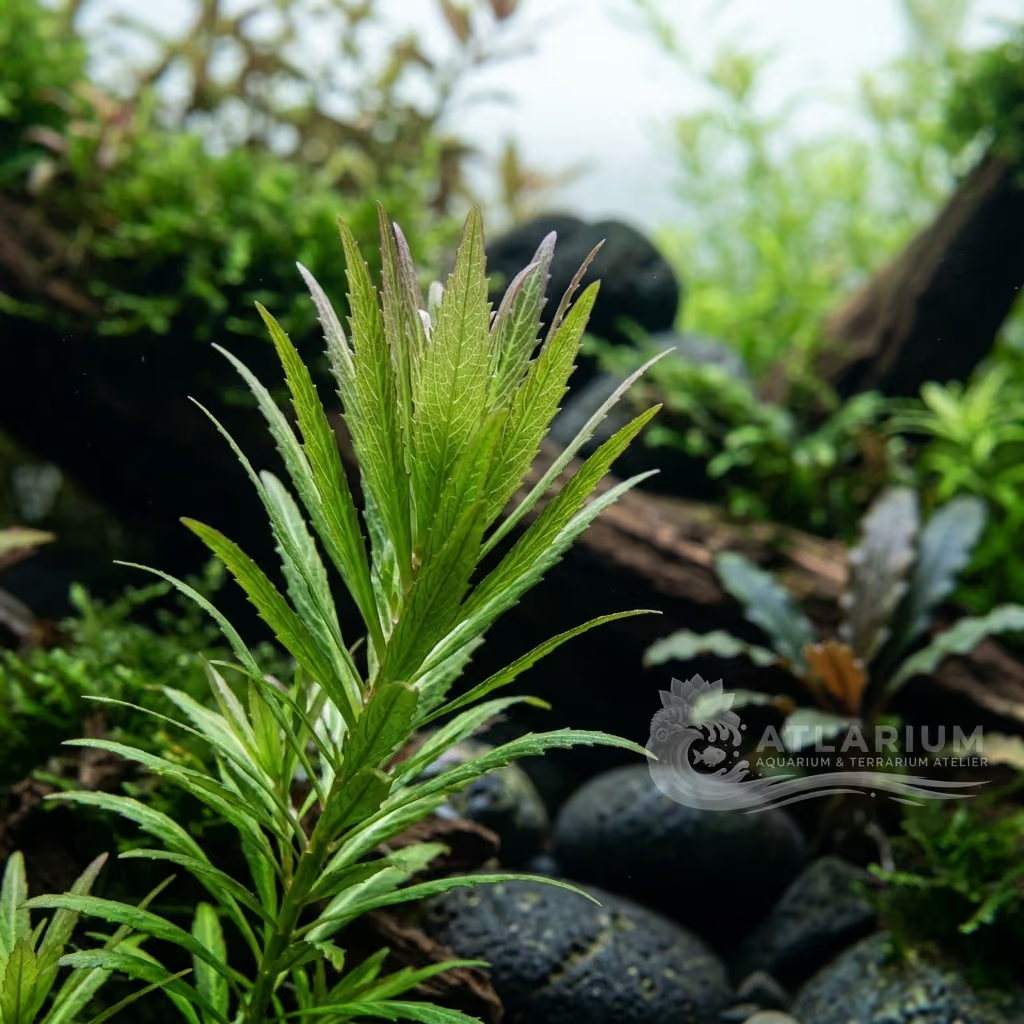
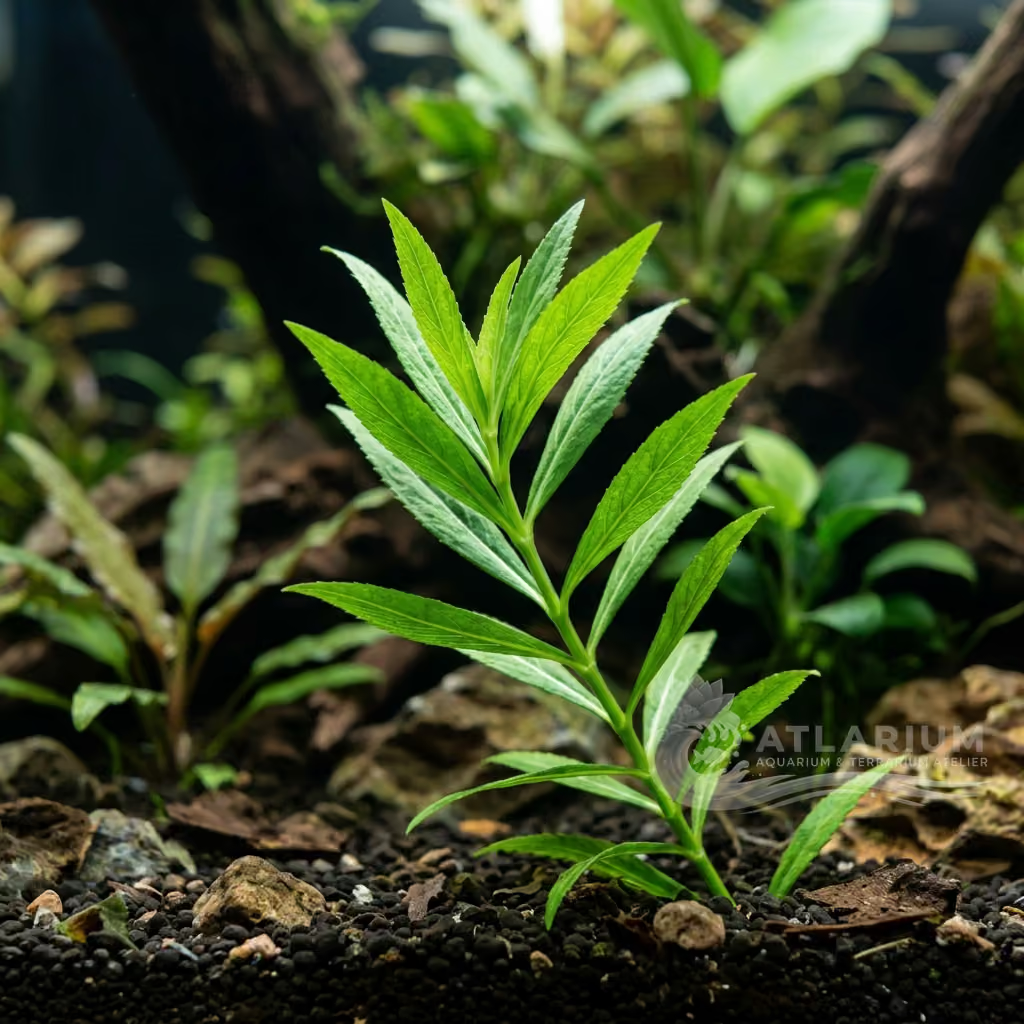
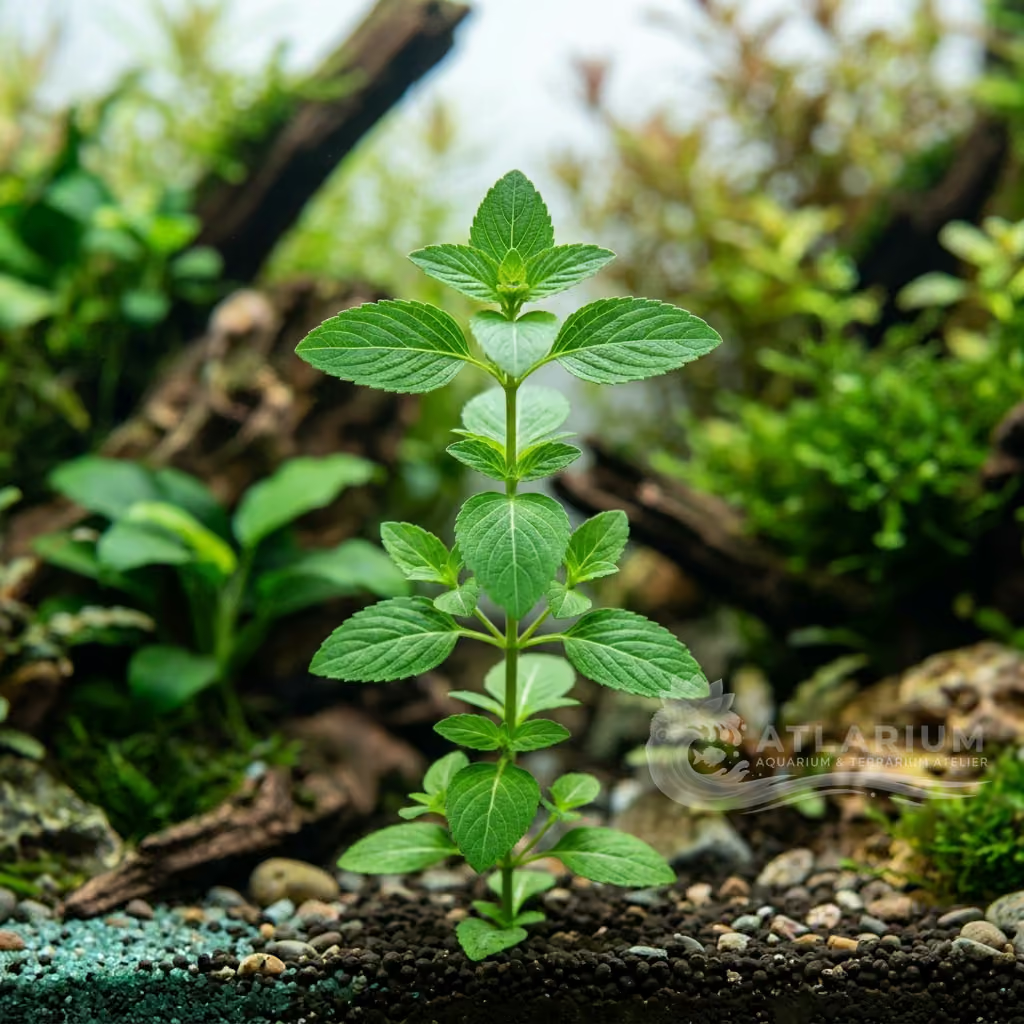
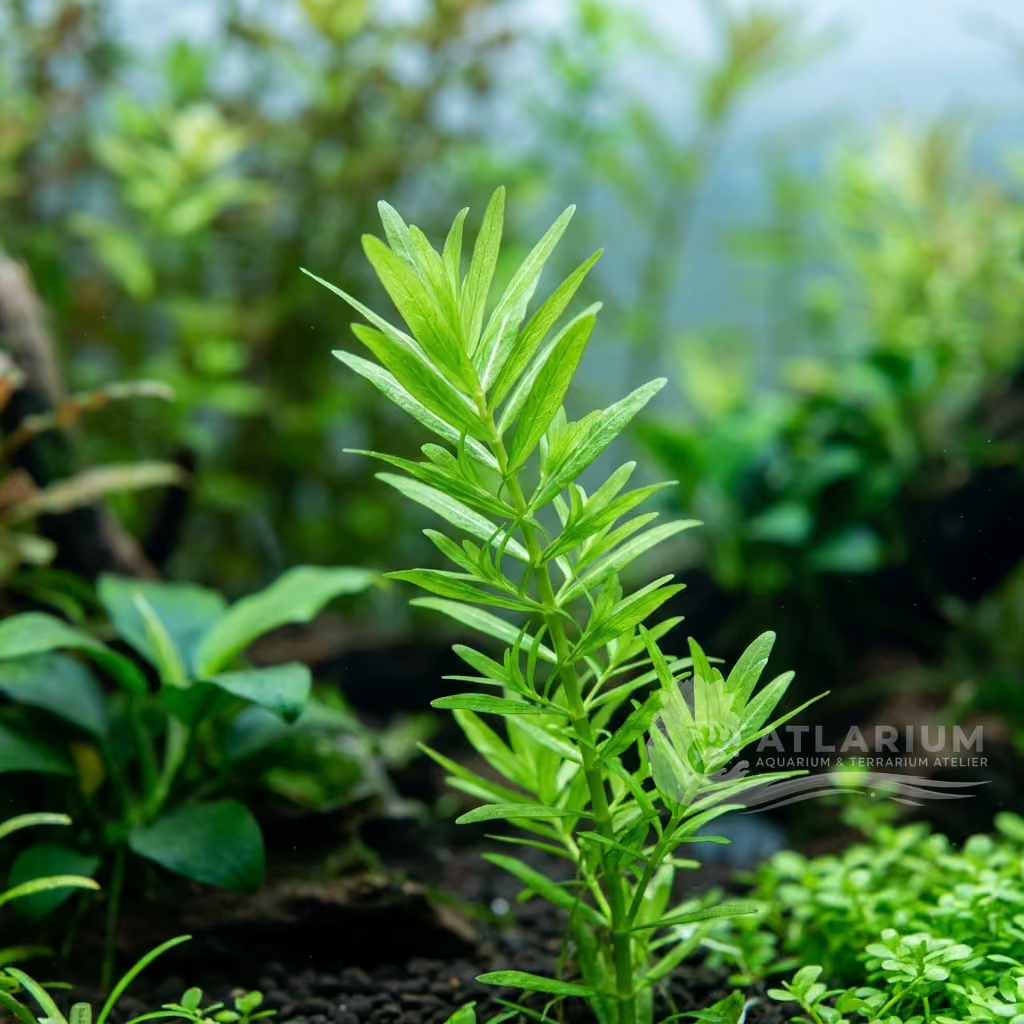
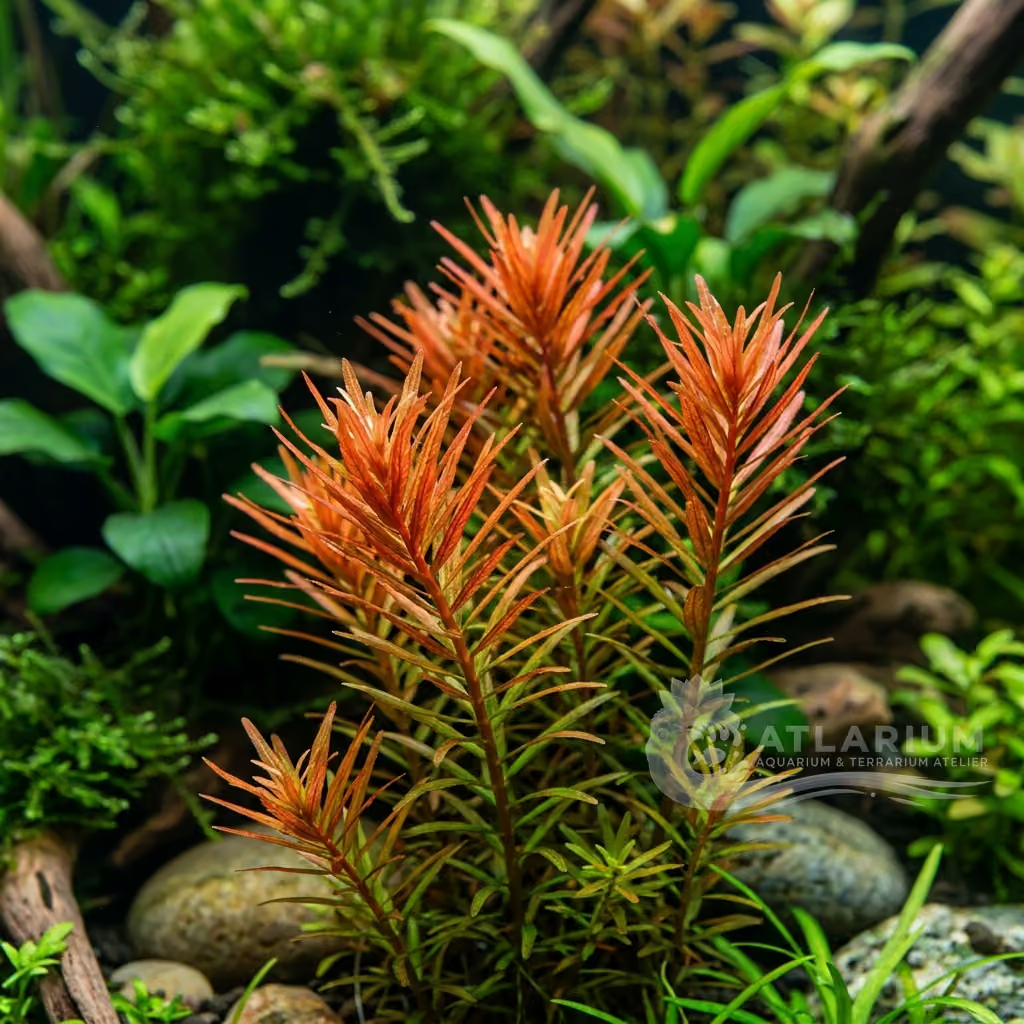
Physical Structure: Erect and robust stem structure with closely spaced internodes. The leaves are lanceolate and arranged in compact whorls along the main stem, giving it a geometric and tidy appearance.
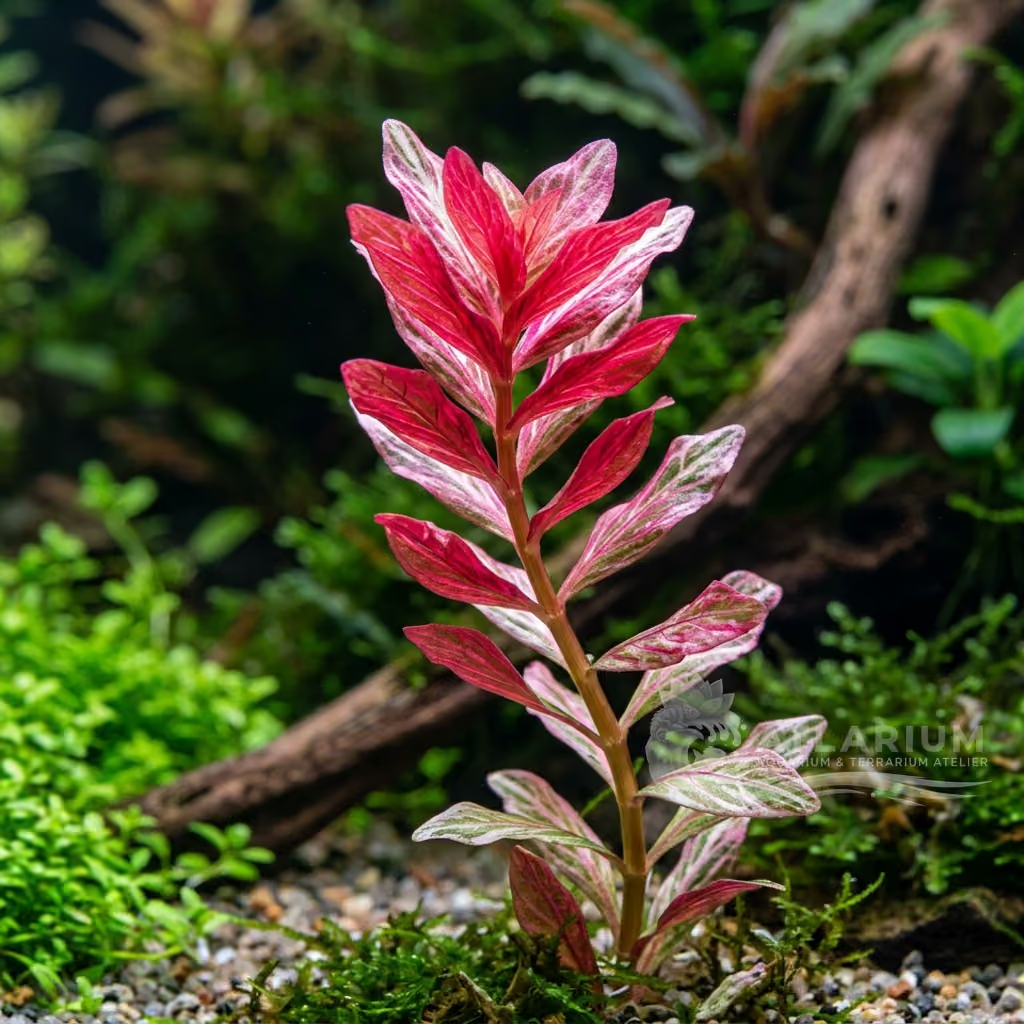
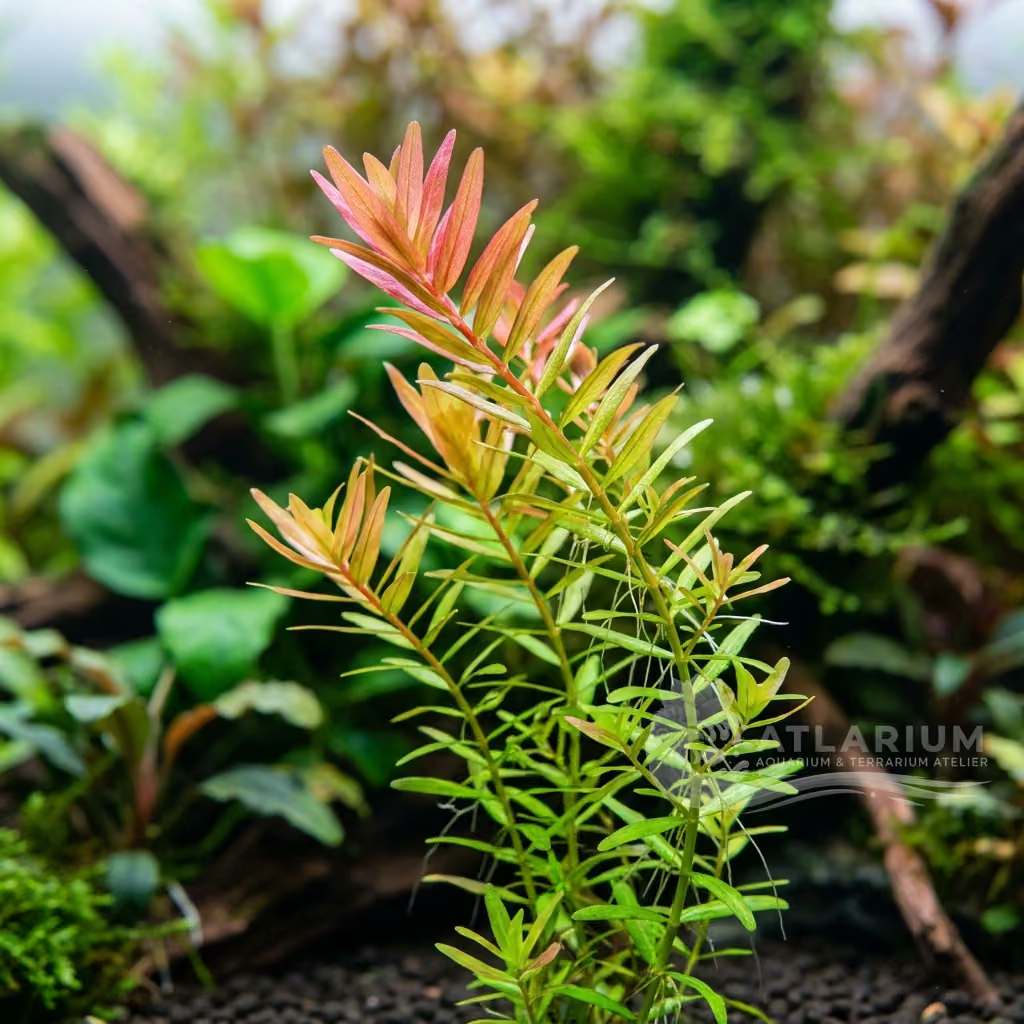
Color & Texture: The leaves can vary from light green to pinkish or purplish shades on the tops when exposed to intense light. The texture is soft and slightly wrinkled on the upper surface.

Soins, reproduction et cohabitation
Lighting & CO2: Requires very strong lighting to develop purplish colors. CO2 injection must be constant and at medium-high levels to support growth.
Nutrition & Substrate: Needs a rich, fertilized substrate. Fertilization in the
Water Chemistry: Adapts to a wide range of pH (5.0-7.0) and hardness (KH 1-18), as long as they are stable. The optimal temperature is between 15 and 32 °C.
Space Management & Placement: Place in the midground or background. Being moderately branched, it should be positioned in groups to form dense bushes.
Pruning: Pruning is done by cutting the top of the main stem; this stimulates the growth of numerous lateral shoots, making the plant bushier.
Risks & Diseases: It is sensitive to micronutrient deficiencies, which cause deformation of the apical leaves and stunted stem growth.

Origine et répartition géographiques
Originating from tropical regions of Asia, where it grows in wetlands, canals, and along slow-flowing riverbanks. It is accustomed to strong insolation and seasonal fluctuations in water availability.
Origine
Asie du Sud et du Sud-Est

Profil de plante
- Emplacement
- Plan intermédiaire
- This plant is ideal for the midground of the aquascape. Its compact growth habit makes it perfect for creating dense bushes. Plant the stems in tight clusters to achieve the best visual effect.
- Forme botanique
- Tige
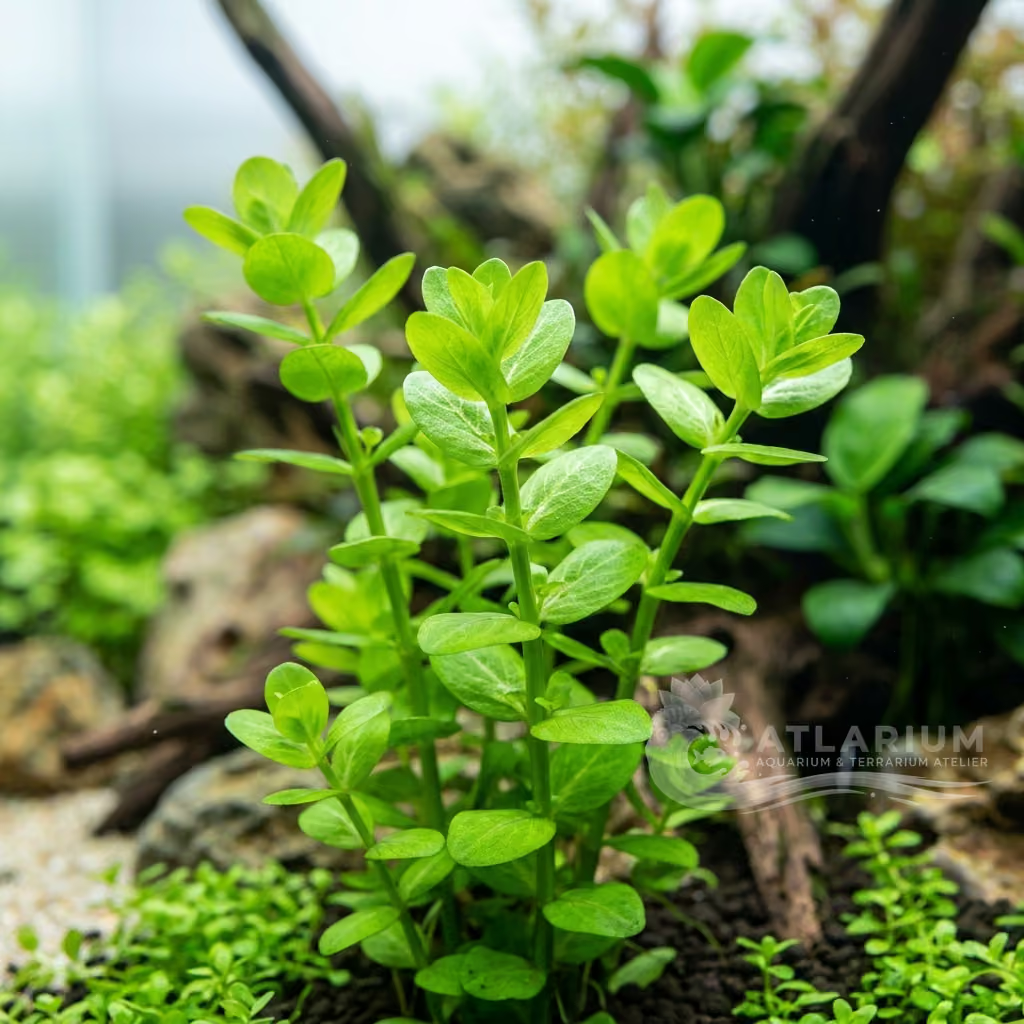
- It is a stem plant with light green, slightly serrated leaves. The leaves grow densely along the stem, giving the plant a very compact and bushy appearance. It readily forms side shoots, enhancing its density.
- Croissance
- Moyenne
- It has a moderate growth rate under optimal conditions with CO2 and high light. It grows steadily but does not require constant pruning like some faster stem plants. In lower tech setups, the growth will be significantly slower.
- Substrat
- Élevé
- Pogostemon sp. "E 401" exhibits optimal growth and structural stability when planted in an enriched, porous aqua soil. Since its extensive root network functions as a primary pathway for nutrient assimilation, a steady supply of substrate-bound iron and trace minerals is highly beneficial. Planting the stems about 4 centimeters deep in a well-aerated soil prevents uprooting and encourages vigorous lateral root expansion.
- Fertilisation de la colonne d'eau
- Recommandée
- Regular liquid fertilization is necessary to support its growth. A comprehensive fertilizer containing all essential nutrients ensures the leaves remain robust and colorful. Consistent dosing prevents the lower leaves from deteriorating.
- Fertilisation racinaire
- Recommandée
- A nutrient-rich substrate is highly beneficial for this species. It develops a strong root system that draws heavily from the soil. The use of aqua soil or root tabs promotes thicker stems and healthier overall growth.
- Taille
- Occasionnelle
- Trimming is straightforward; cut the stems at the desired height. The lower rooted sections will quickly produce new side shoots. Replant the healthy tops to expand the bush.
- Propagation
- Boutures
- Propagation is easily done via stem cuttings. Simply cut a top shoot and plant it into the substrate. The cutting will quickly develop roots and begin growing.
- Sensibilité
- Modérée
- It is sensitive to poor light penetration, which can cause the lower leaves to melt. Good water circulation is important to deliver nutrients and CO2 evenly. Avoid sudden changes in water chemistry.
- Rôle dans le décor
- Plan intermédiaire, Arrière-plan
- Excellent as a midground bushy plant to provide texture and transition. Its bright green color contrasts nicely with dark hardscape or red plants. It is a versatile plant suitable for various aquascaping styles.

Espèces associées
Recommandations regroupées par proches parents, compagnons et soins similaires.