Ranunculus papulentus
Ranunculus papulentus
Ranunculus papulentus is a charming midground plant with a medium growth rate, ideal for creating lush green accents in various aquascape styles. Its delicate foliage contributes to a natural, vibrant aesthetic within the aquatic environment.
Température de l’eau
22 - 28 °C
Valeur du pH
5 - 7
Type d'eau
Eau douce
Lumière
Élevée
CO2
Élevée
Hauteur attendue
20 cm
Largeur attendue
15 cm
KH
0 - 14 dKH

Description de l'espèce
Geographical Origin and Habitat: Ranunculus papulentus, often known as the River Buttercup, is a fascinating aquatic plant native to southeastern Australia, where it thrives in a variety of freshwater habitats. It can be found growing submersed or emergent in slow-moving streams, swamps, and ephemeral pools, adapting remarkably to fluctuating water levels and seasonal changes. This adaptability in its natural environment speaks to its potential resilience when cultivated in a well-managed aquarium setting.
Taxonomy & Genetics: Belonging to the extensive Ranunculaceae family, which encompasses over 2,000 species, Ranunculus papulentus shares characteristics with its buttercup relatives, though it has evolved specific adaptations for aquatic life. The genus Ranunculus itself is renowned for its diverse forms, ranging from terrestrial to fully aquatic species, highlighting its significant botanical variability. Understanding its familial ties provides insight into its potential growth patterns and requirements, rooting it firmly within a well-studied plant group.
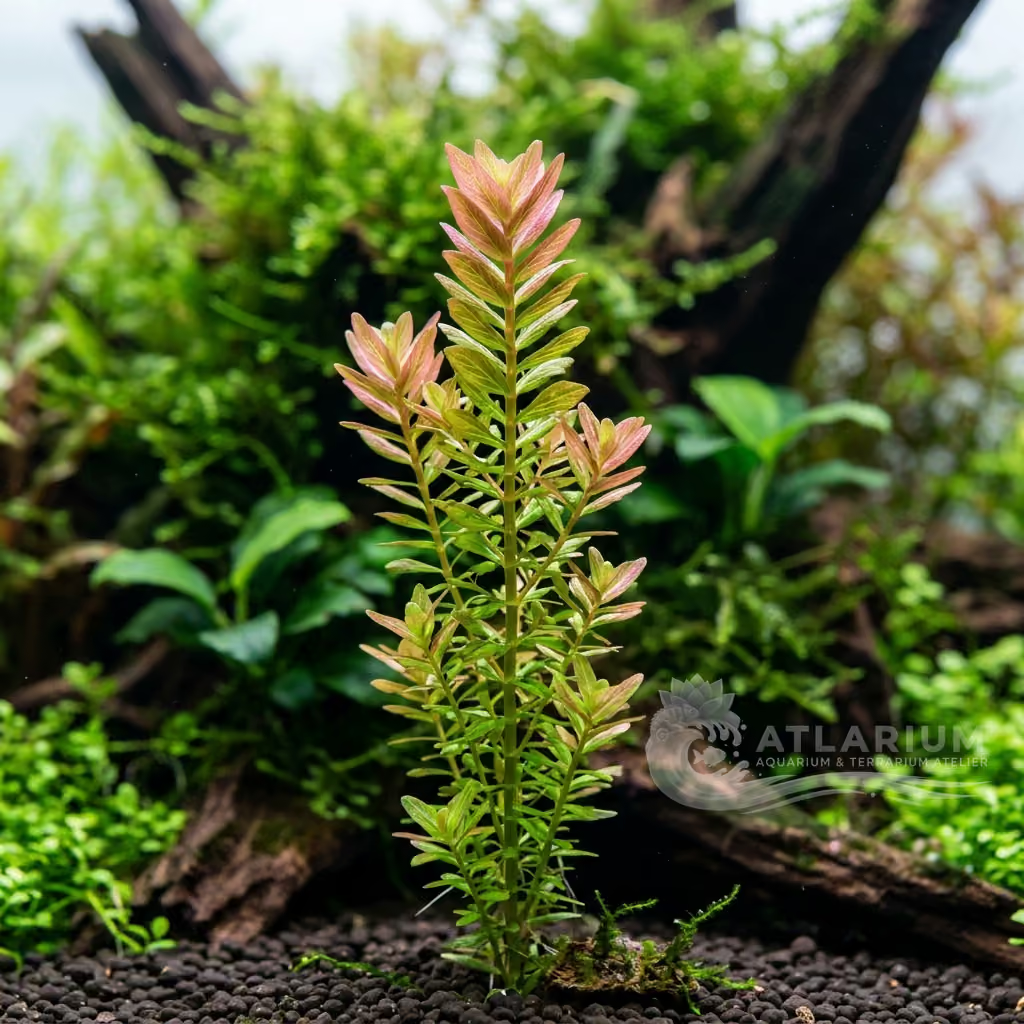
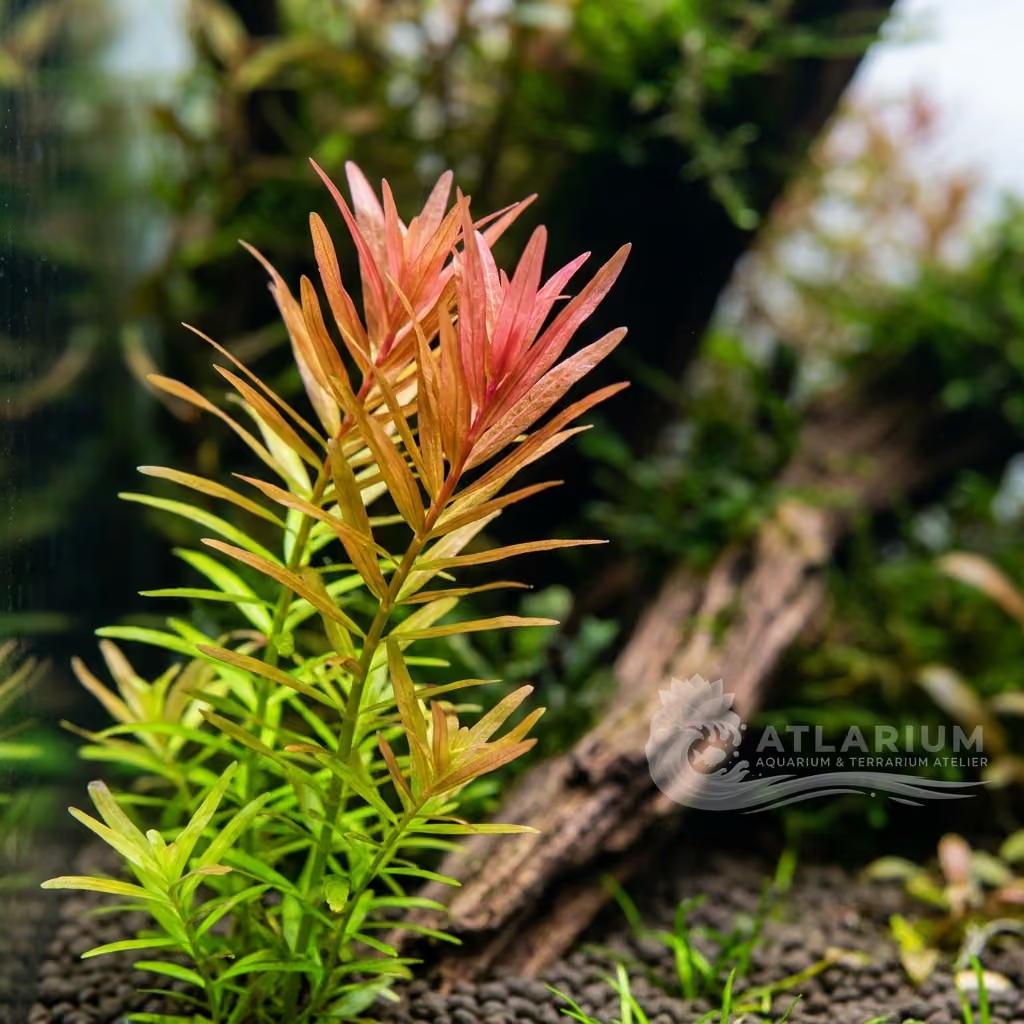
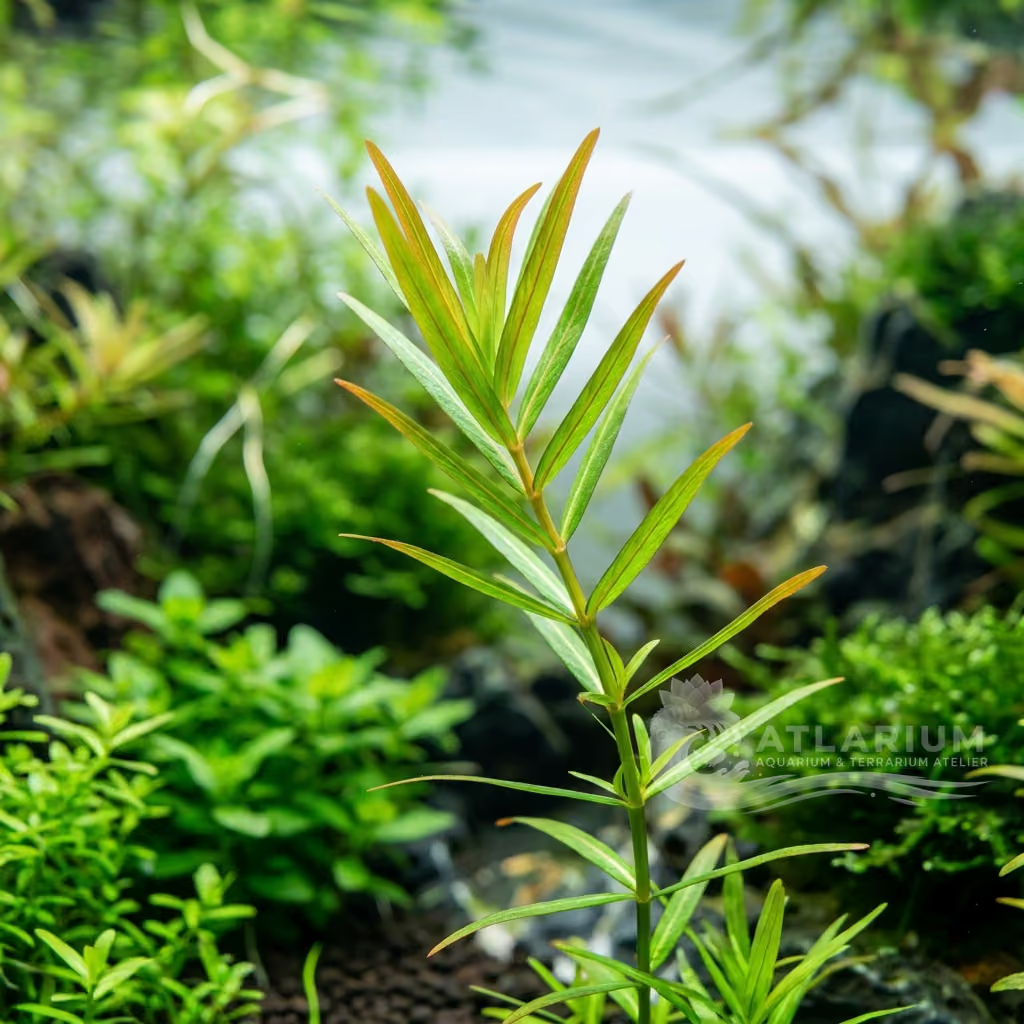
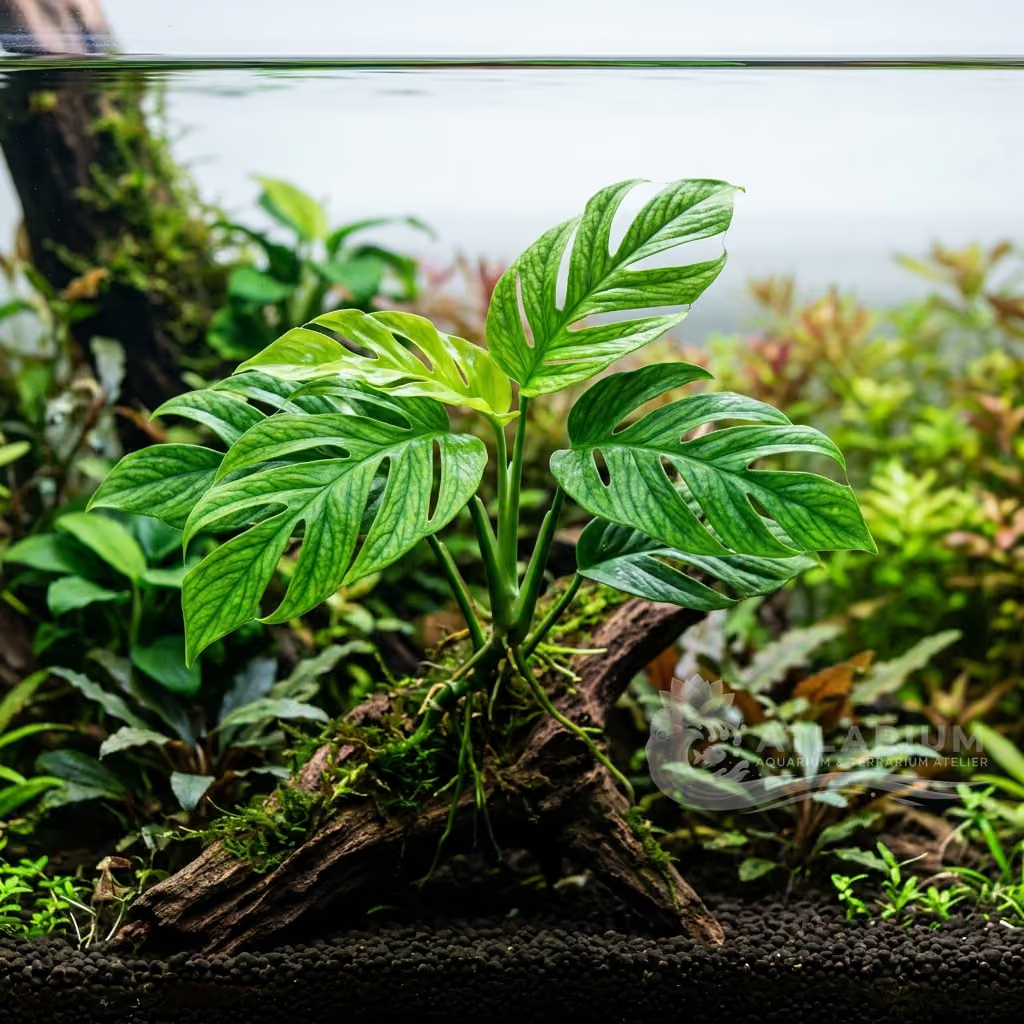
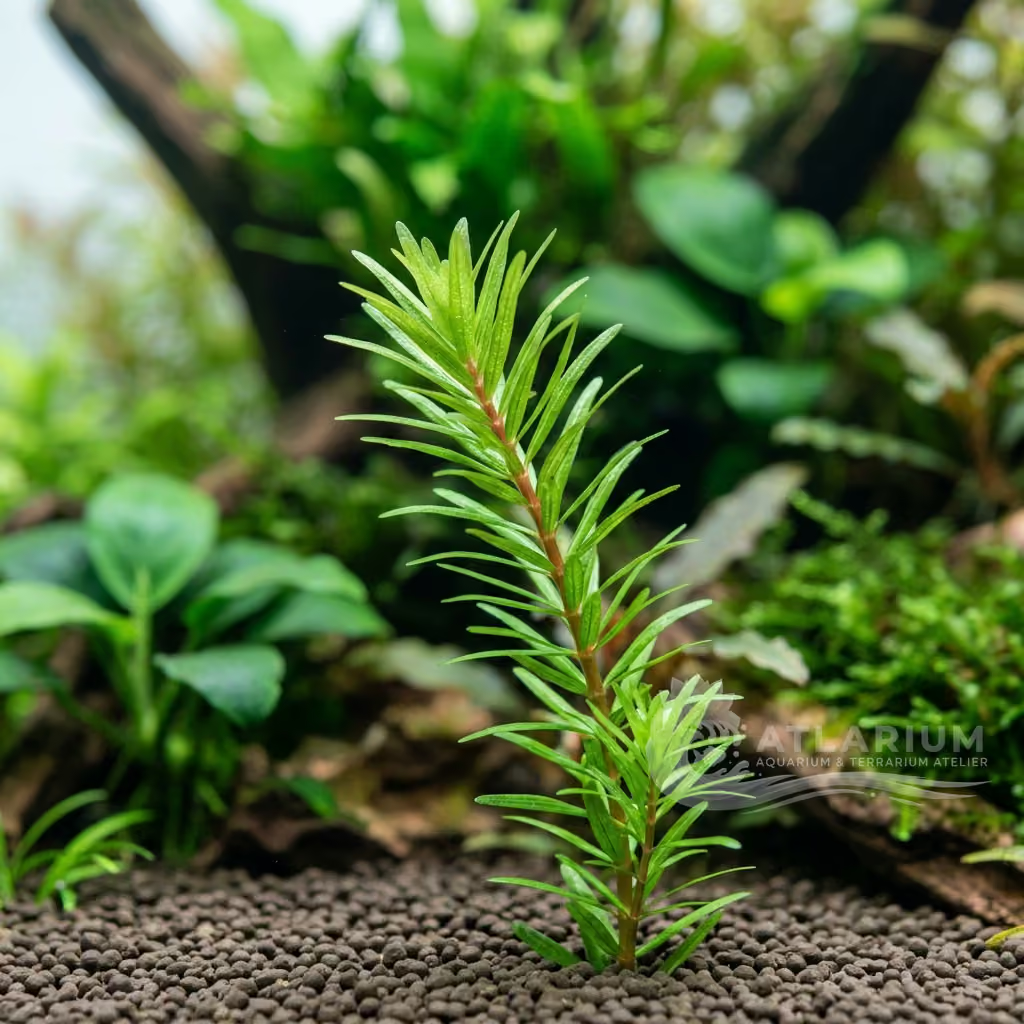
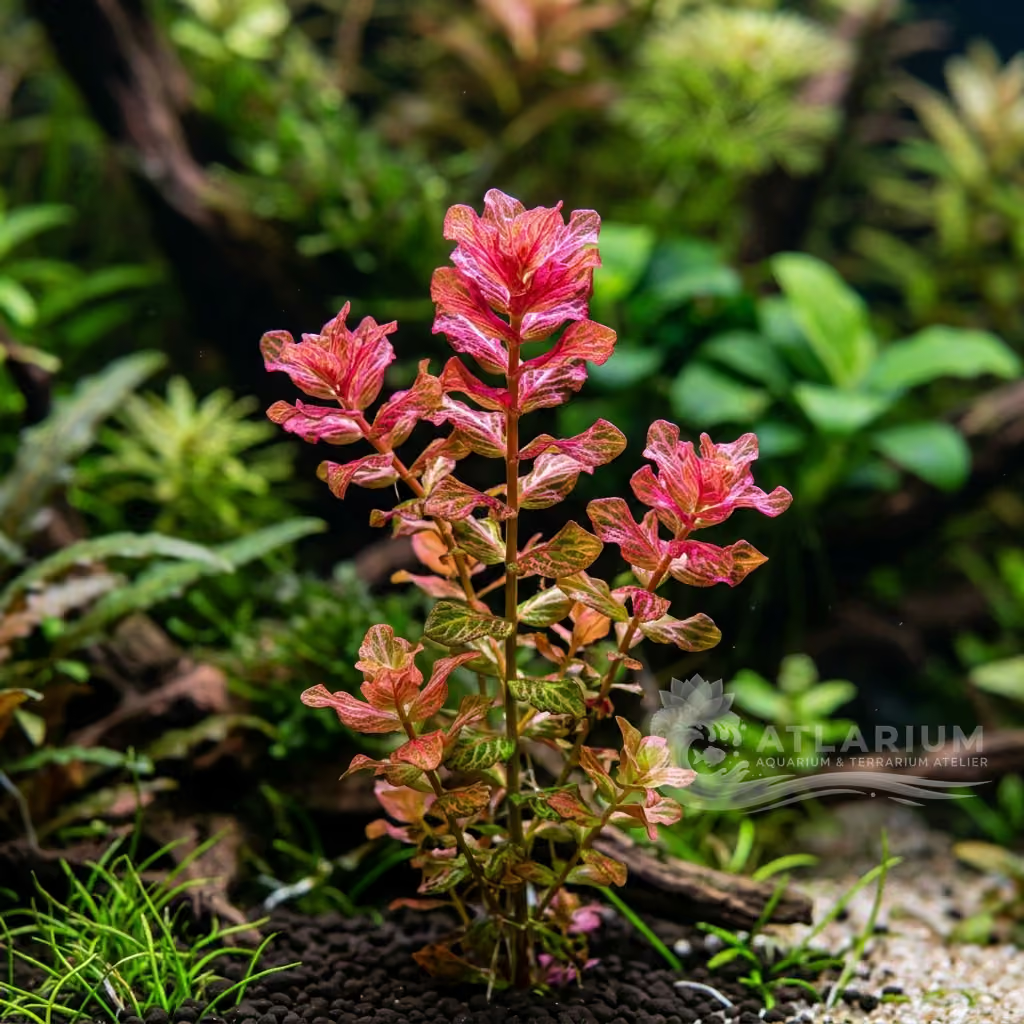
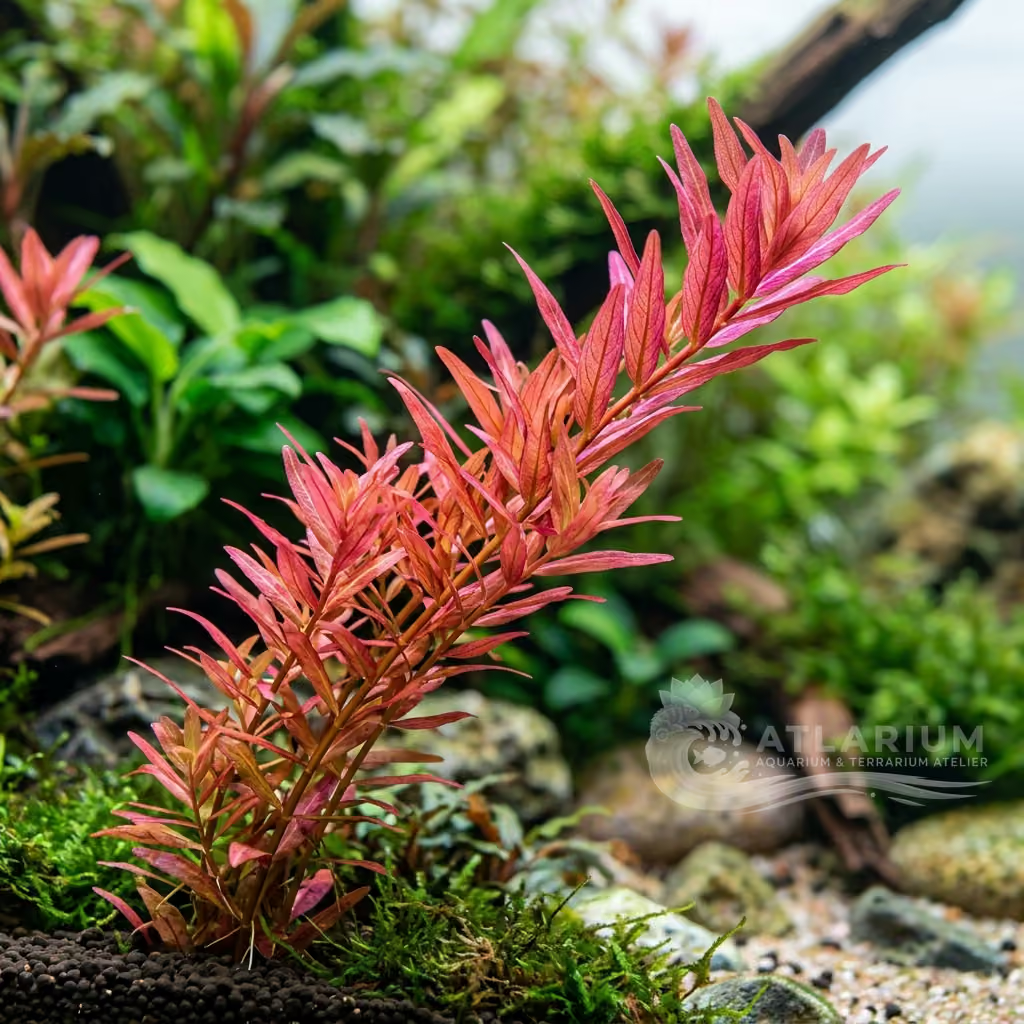
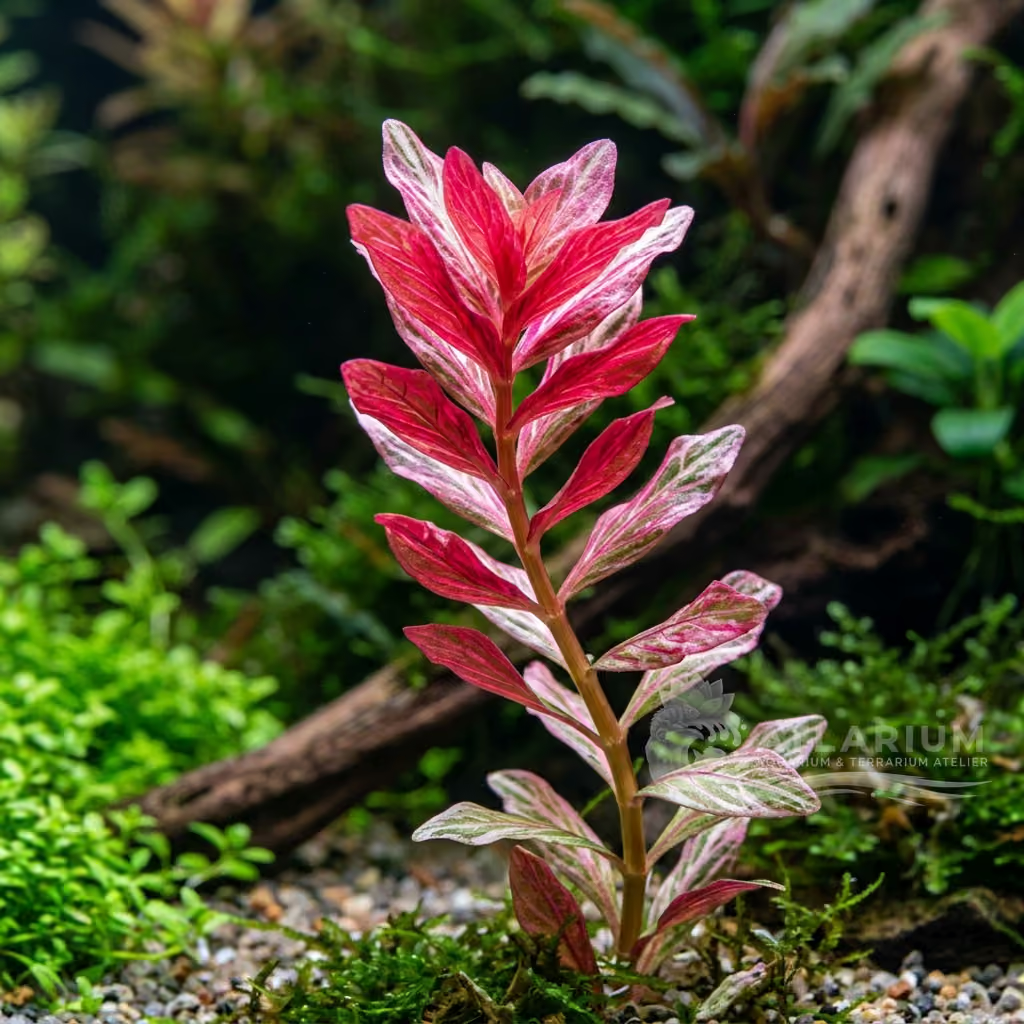
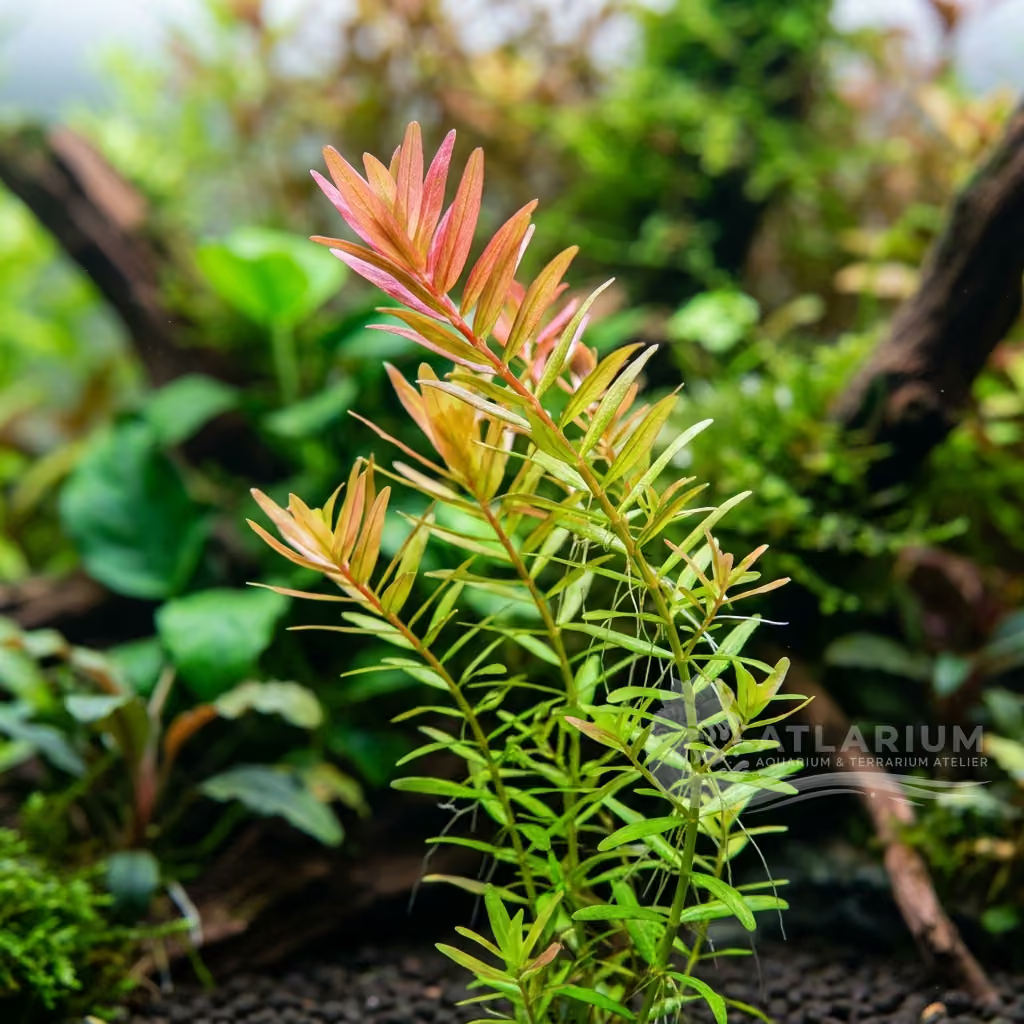
Physical Structure: This Ranunculus species typically develops finely dissected, bright green leaves when submerged, creating a delicate, feathery appearance that adds intricate detail to the aquascape. The leaves are generally arranged alternately along slender stems, which can reach varying heights depending on light and nutrient availability. When grown emersed, the plant may exhibit broader, lobed leaves and produce its characteristic small yellow buttercup flowers, though this is less common in typical aquarium conditions.
Color & Texture: The primary allure of Ranunculus papulentus lies in its vibrant, fresh green coloration, which can range from a light lime green to a deeper emerald depending on light intensity and nutrient status. Its finely textured, almost ethereal foliage provides a stark contrast to broad-leaved plants, adding a dynamic visual layer to the aquascape. This fine texture contributes to a sense of naturalism and movement under the gentle currents of an aquarium.

Soins, reproduction et cohabitation
Lighting & CO2: Ranunculus papulentus thrives under medium light conditions, meaning approximately 25-40 PAR at the substrate level is generally sufficient for healthy growth. While it can survive in lower light, its growth will be significantly slower and its coloration less vibrant; conversely, excessively high light may lead to algae issues if not balanced with adequate CO2. The addition of supplemental CO2 is highly recommended to encourage robust growth, improve nutrient uptake, and prevent stunted development.
Nutrition & Substrate: As a root-feeding plant, Ranunculus papulentus greatly benefits from a nutrient-rich substrate, such as aquasoil or a sandy substrate supplemented with root tabs. Consistent liquid fertilization, providing essential macro and micronutrients like nitrates, phosphates, potassium, and trace elements, is also crucial for its overall health and lush appearance. A balanced nutrient regimen will prevent deficiencies, which can manifest as yellowing leaves or stunted growth.
Water Chemistry: Maintaining stable water parameters within its preferred range is vital for Ranunculus papulentus; specifically, a temperature of 20-28°C, a pH between 6.0 and 7.5, and a KH of 2-12. Drastic fluctuations in these parameters can cause stress, leading to melting or general decline. Regular water changes and consistent monitoring ensure a suitable and stable environment for this delicate plant.
Space Management & Placement: Given its medium growth rate and typical height, Ranunculus papulentus is ideally positioned in the midground of an aquascape, where it can form dense, attractive bushes or naturalistic clumps. Proper spacing should be considered during planting to allow for adequate light penetration and water flow around individual stems, preventing overcrowding. Its delicate appearance also makes it suitable for creating natural transitions between foreground and background plants.
Pruning: Regular pruning is essential to maintain the desired shape and density of Ranunculus papulentus and to prevent it from overgrowing adjacent plants or blocking light. Trimming the stems encourages lateral branching, leading to a bushier and more compact growth habit. Pruning also helps to remove older or decaying foliage, promoting healthier new growth and improving overall plant vigor.
Risks & Diseases: Like many aquatic plants, Ranunculus papulentus can be susceptible to common aquarium issues such as nutrient deficiencies, which may cause chlorosis or necrosis of leaves, and various forms of algae if lighting or nutrient balance is off. Melting can occur during initial acclimation, especially if transitioning from emersed to submerged growth. Monitoring water parameters and providing a stable, nutrient-rich environment are key to preventing these problems.

Origine et répartition géographiques
Ranunculus papulentus, often known as the River Buttercup, is a fascinating aquatic plant native to southeastern Australia, where it thrives in a variety of freshwater habitats. It can be found growing submersed or emergent in slow-moving streams, swamps, and ephemeral pools, adapting remarkably to fluctuating water levels and seasonal changes. This adaptability in its natural environment speaks to its potential resilience when cultivated in a well-managed aquarium setting.
Origine
Australie, Nouvelle-Guinée et Océanie

Profil de plante
- Emplacement
- Plan intermédiaire
- It is best utilized as a striking foreground or lower midground plant, where it can be appreciated without being overshadowed. Under high light, it creeps along the substrate; under lower light, it may stretch upwards and look unsightly. Careful placement is needed to ensure it receives completely unobstructed illumination.
- Forme botanique
- Tige
- It features uniquely lobed, deeply divided leaves resembling small umbrellas or parsley, emerging from creeping runners. The distinct bright green foliage adds an incredibly unique, complex texture to the aquascape. Its low, creeping habit forms a thick, intricately woven mat across the substrate.
- Croissance
- Moyenne
- With high lighting and CO2 injection, Ranunculus papulentus exhibits a fast growth rate, quickly carpeting the aquarium floor. Without these ideal conditions, growth is drastically reduced, and the plant may slowly melt away. Regular pruning of the runners is required to prevent it from invading the territory of other foreground plants.
- Substrat
- Élevé
- A nutrient-rich aquasoil is highly recommended, as it sends extensive runner networks through the substrate. Coarse or inert gravels will hinder its ability to spread and form the dense mats it is known for. The substrate must be soft enough for the delicate runners to penetrate easily while providing ample nutrition.
- Fertilisation de la colonne d'eau
- Recommandée
- Liquid fertilization is crucial to complement its root feeding and sustain its rapid growth. Dosing a complete fertilizer containing all essential trace elements helps prevent the delicate leaves from becoming transparent. Maintaining balanced water column nutrients is key to avoiding algae issues, which can easily ruin its appearance.
- Fertilisation racinaire
- Aucune
- Because of its creeping runner system, long-lasting substrate nutrition is vital. If planted in an older, depleted tank, the addition of root tabs will significantly rejuvenate its growth. The roots deeply integrate into the substrate, drawing heavily on localized nutrient pockets to fuel its expansion.
- Taille
- Occasionnelle
- Control its spread by snipping the runners. Thinning out the dense center of the patch is important to prevent the lower leaves from rotting due to lack of light.
- Propagation
- Boutures
- Propagation is remarkably simple due to its prolific production of runners. To propagate, simply sever a section of the runner containing at least one leaf node and its associated roots. These cut sections can be planted in new areas of the tank, where they will quickly establish and begin sending out new runners.
- Sensibilité
- Modérée
- Very susceptible to shading. Ensure it remains unshaded by taller background plants. If light is insufficient, the stems will elongate unattractively reaching for light.
- Rôle dans le décor
- Plan intermédiaire, group
- Serves as an excellent accent or carpeting plant with its highly textured, dissected leaves, effectively breaking up flat, monotonous foreground areas.

Espèces associées
Recommandations regroupées par proches parents, compagnons et soins similaires.