Najas sp. "Roraima"
Najas sp. "Roraima"
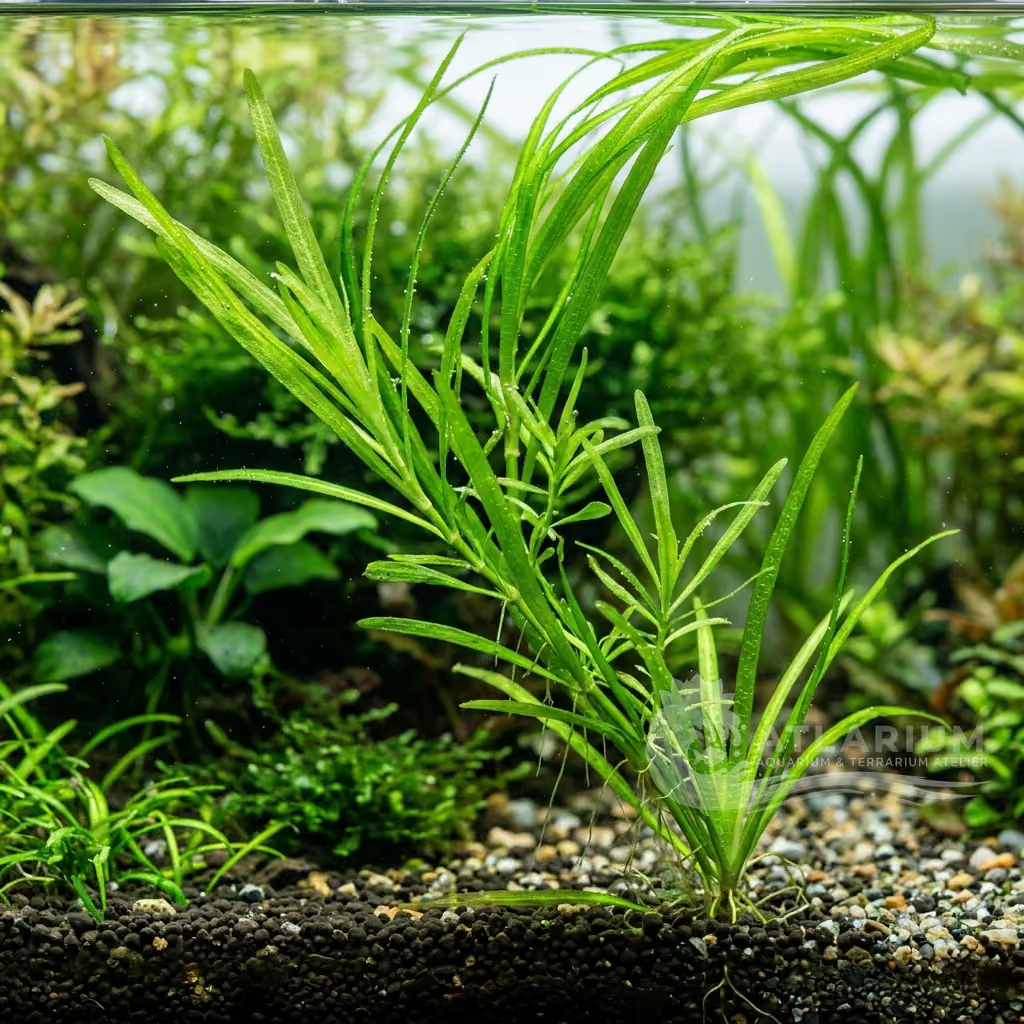
Najas sp. "Roraima" is a fast-growing aquatic plant, suitable for the foreground with diligent trimming, or as a dense filler for the midground and background. Its fine texture and efficient nutrient uptake make it an excellent choice for ecosystem stability.
Température de l’eau
20 - 28 °C
Valeur du pH
5 - 7.5
Type d'eau
Eau douce
Lumière
Medium to High
CO2
Élevée
KH
1 - 10 dKH

Description de l'espèce
Geographical Origin and Habitat: This specific form of Najas, designated "Roraima", suggests a geographical origin linked to the Roraima state in Brazil, a region renowned for its rich aquatic biodiversity. In its natural habitat, Najas species typically thrive in shallow, slow-moving freshwater bodies such as lakes, ponds, ditches, and rivers with moderate currents, where they can grow fully submerged or partially floating. Its adaptability to various conditions has allowed its widespread distribution, though the "Roraima" form retains distinct characteristics.
Taxonomy & Genetics: Najas sp. "Roraima" belongs to the Hydrocharitaceae family, which encompasses several fully submerged aquatic plants. The "sp." designation indicates that it is either an undescribed species or a specific phenotypic variant of an already known species, with "Roraima" identifying its provenance or a distinct feature related to that region. Najas plants are characterized by a reproductive system that can be both sexual and asexual, often through fragmentation, contributing to their rapid spread and resilience in diverse aquatic environments.
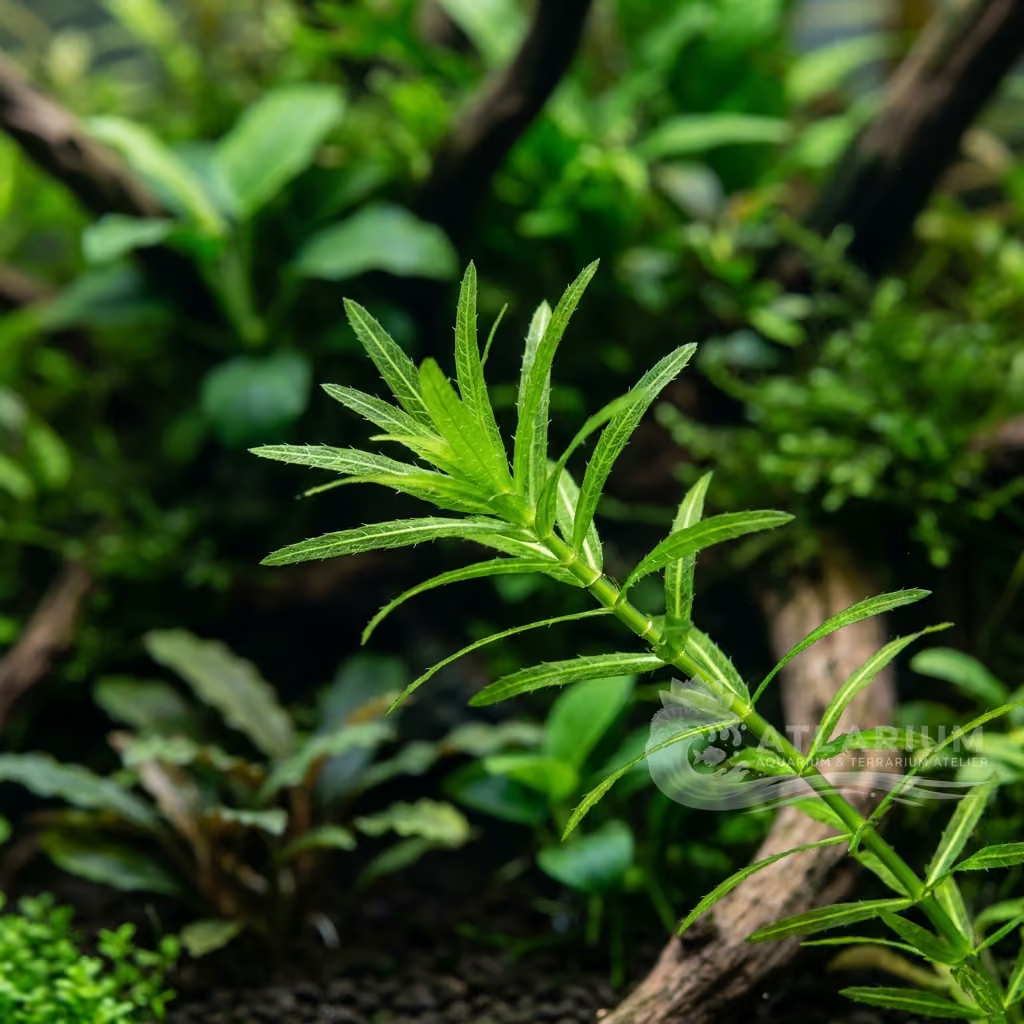
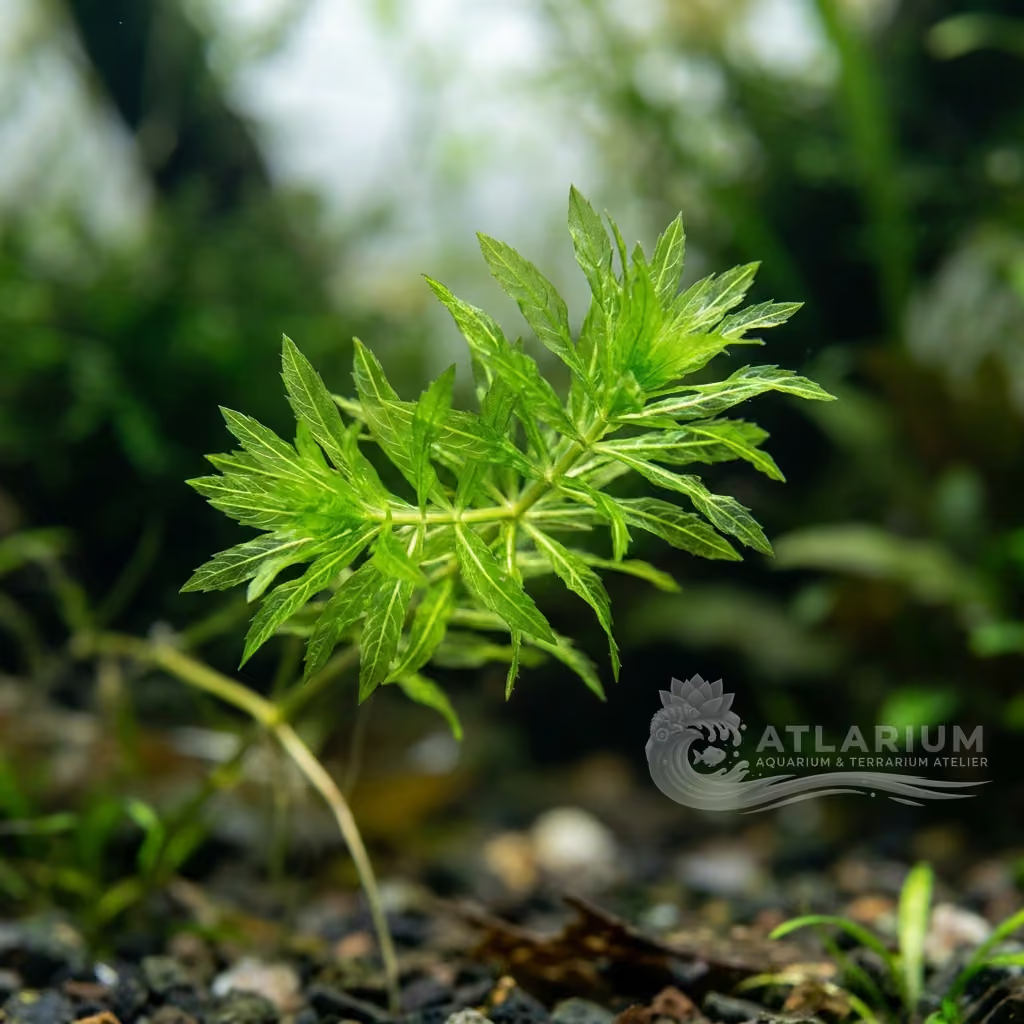
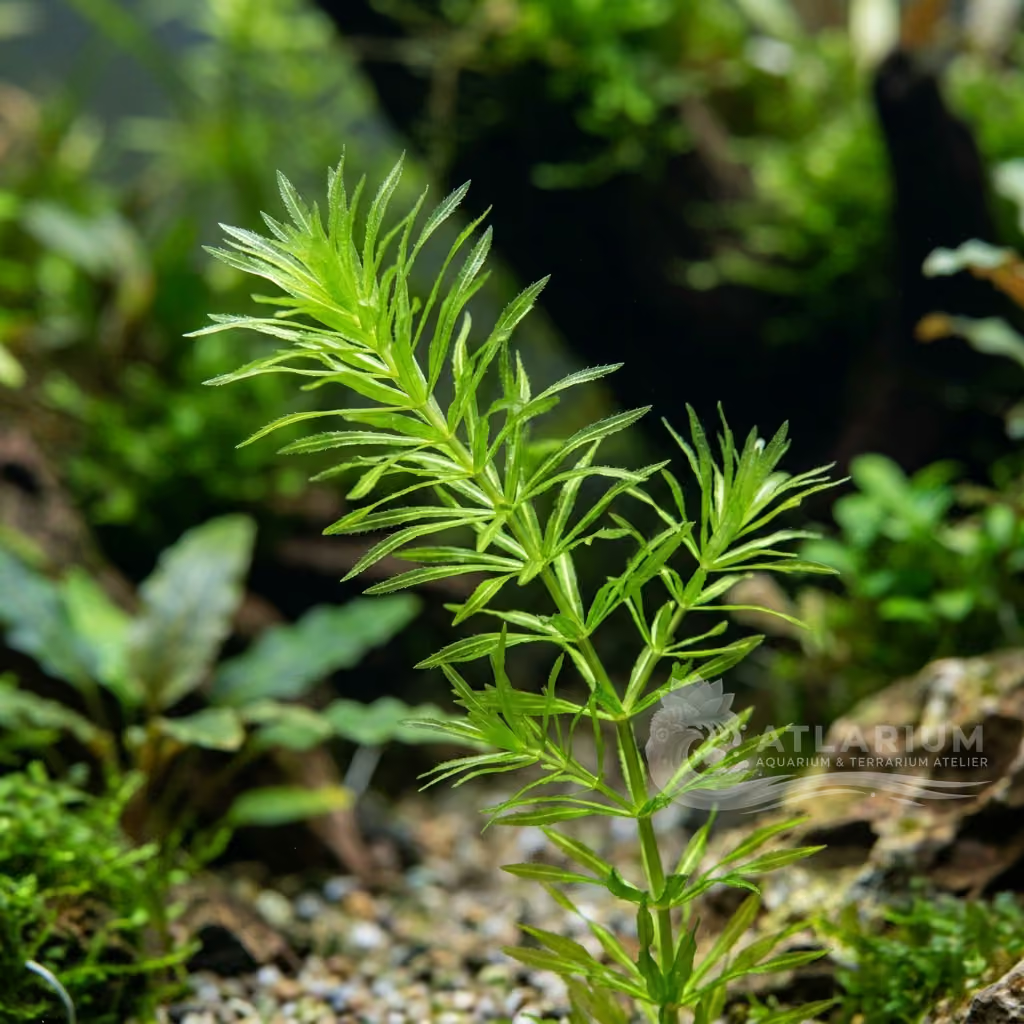
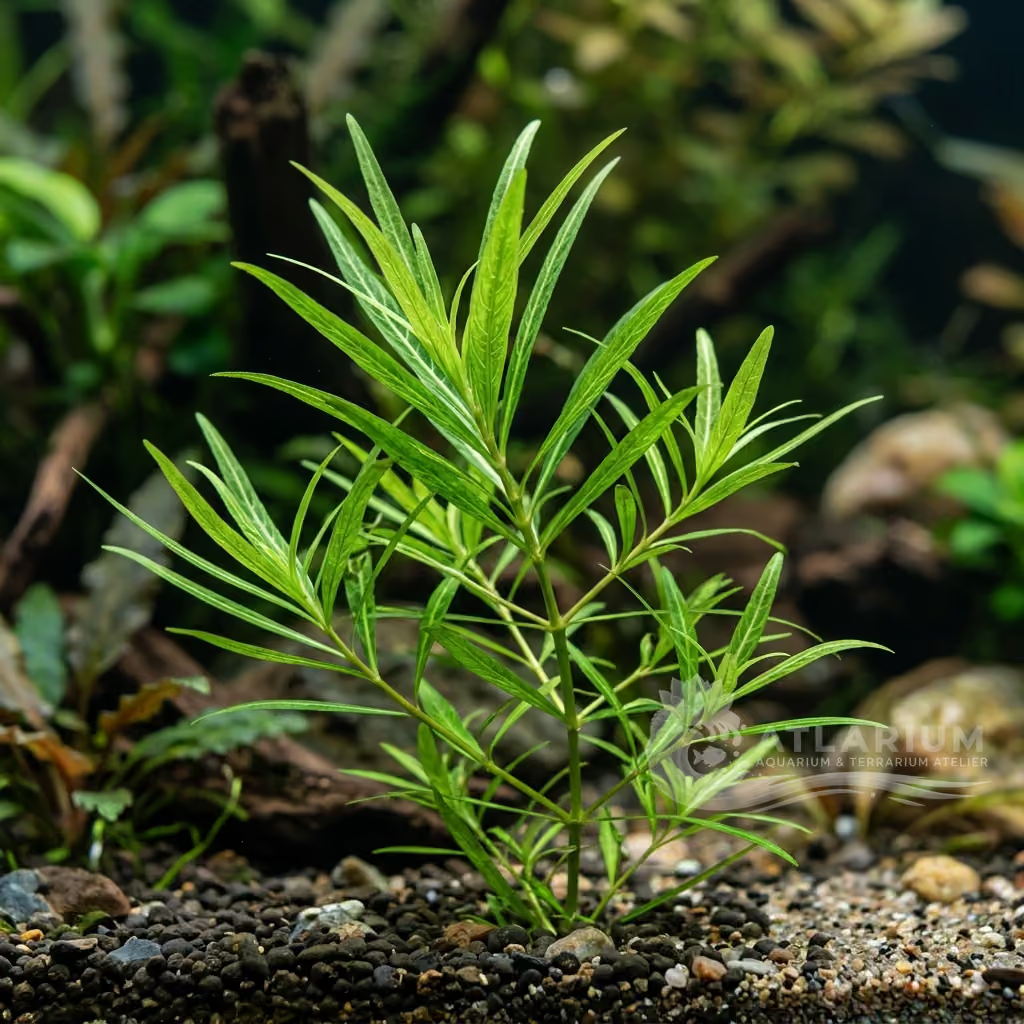
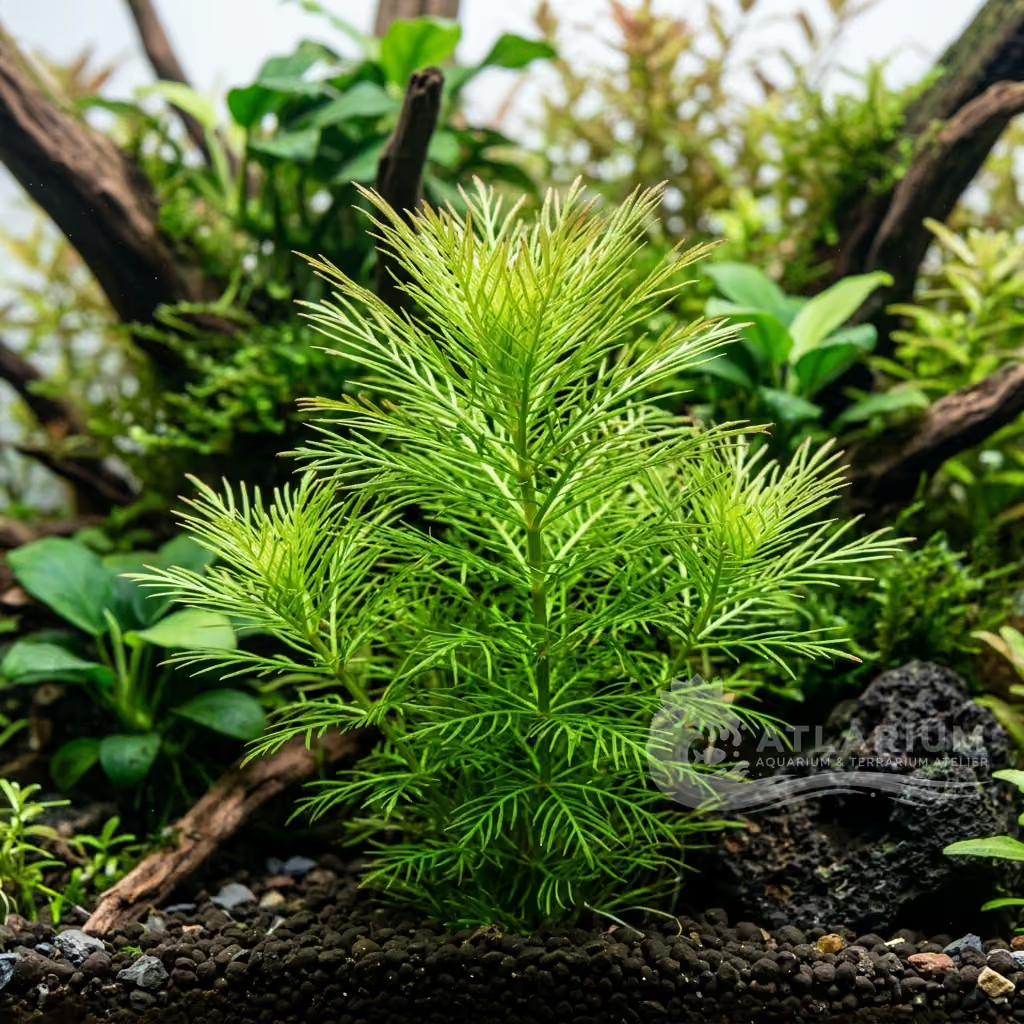
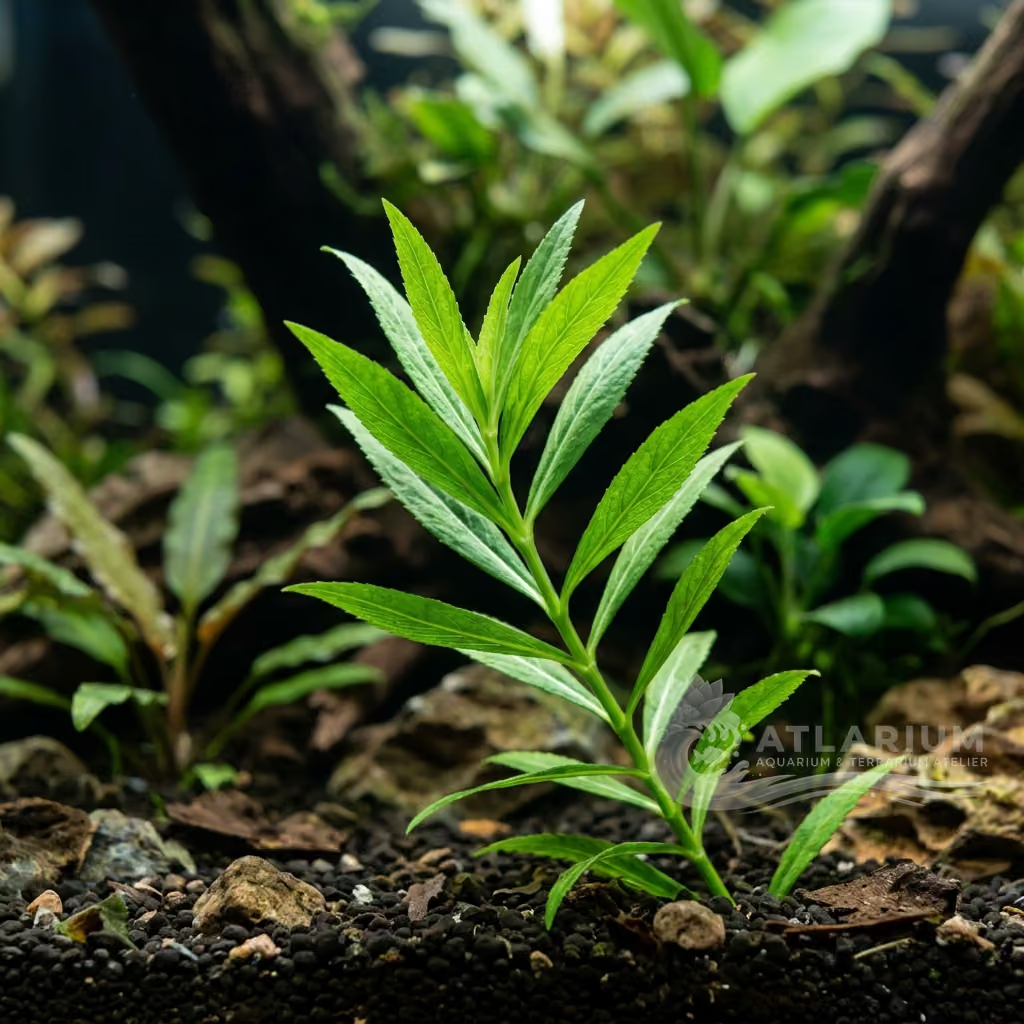
Physical Structure: The physical structure of Najas sp. "Roraima" is characterized by delicate, branching stems that can reach considerable lengths if not regularly pruned, forming a dense, bushy mass. Its leaves are small, thin, lanceolate, and typically arranged in whorls or oppositely along the stem. The root system is often minimal or adventitious, with the plant absorbing most of its nutrients directly from the water column, and it can even float freely without anchoring to the substrate, though it can form adventitious roots to anchor itself. This aerial growth allows it to thrive even without a rich substrate.
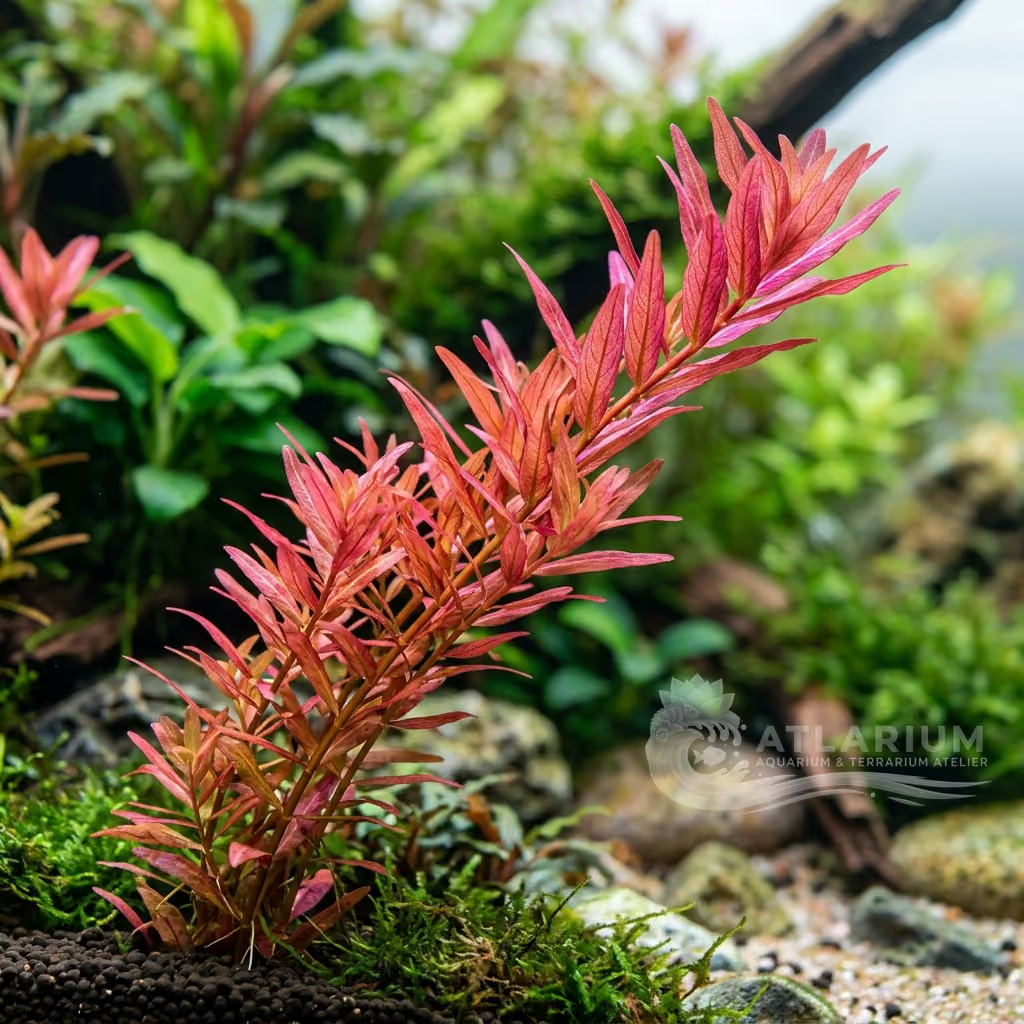
Color & Texture: The predominant color of Najas sp. "Roraima" is a bright, vibrant green, which can vary in intensity depending on lighting conditions and nutrient availability. Under intense lighting and with good CO2 supplementation and nutrients, it is possible to observe reddish or bronze hues on the leaf tips or younger stems, a distinctive trait that makes this variant particularly attractive. Its texture is extremely fine and feathery, imparting a light and airy appearance to the aquarium, which beautifully contrasts with broader-leaved plants or hardscape elements like rocks and driftwood.

Soins, reproduction et cohabitation
Lighting & CO2: For Najas sp. "Roraima", medium to high lighting is crucial to promote vigorous growth and, potentially, the intensification of reddish tones. Under medium light, growth will be sustained; under high light, the plant will thrive exponentially and display its maximum chromatic potential. CO2 injection is highly recommended, especially with intense lighting, as it accelerates the plant's metabolism, improving growth, density, and coloration, and contributing to algae prevention due to its competitive nutrient uptake.
Nutrition & Substrate: As a plant that primarily absorbs nutrients from the
Water Chemistry: Najas sp. "Roraima" thrives in a water temperature range of 20.0 to 28.0 C, reflecting typical tropical environmental conditions. It prefers soft to moderately hard water, with a KH ranging from 1.0 to 10.0, and a slightly acidic to neutral pH, ideally between 5.0 and 7.5. The stability of these parameters is more critical than specific values at the range limits; sudden fluctuations can cause stress to the plant, leading to slowed growth or, in severe cases, decline.
Space Management & Placement: Despite its potential foreground placement, Najas sp. "Roraima" is such a fast-growing and branching plant that it requires very careful space management. For foreground use, it necessitates extremely regular trimming to maintain a short height and compact appearance. More commonly, it is employed in the midground or background, where its ability to form dense thickets provides excellent refuge for fry and small invertebrates, and adds depth and texture to the aquascape. It can also be left free-floating, creating shaded areas and natural filters.
Pruning: Pruning Najas sp. "Roraima" is a fundamental and frequent operation due to its very rapid growth. To maintain the desired shape, particularly if used in the foreground, it is necessary to regularly trim the tips of the stems. This practice not only controls height but also stimulates lateral branching, making the plant denser and bushier. Trimmed sections can be easily replanted in the substrate or left to float to propagate the plant, contributing to a constant renewal and overall health of the plant mass.
Risks & Diseases: Najas sp. "Roraima" is generally a robust plant and not particularly prone to specific diseases. However, it can show signs of stress or decline under suboptimal conditions. A sudden nutrient deficiency, especially iron, can cause leaf yellowing (chlorosis). Imbalances in water parameters or sudden changes can lead to a phenomenon of "melting" or rotting of leaves and stems. Excessive algal proliferation can occur if the plant does not absorb enough nutrients due to insufficient light or CO2, or if nutrient levels are too high relative to the plant mass.

Origine et répartition géographiques
This specific form of Najas, designated "Roraima", suggests a geographical origin linked to the Roraima state in Brazil, a region renowned for its rich aquatic biodiversity. In its natural habitat, Najas species typically thrive in shallow, slow-moving freshwater bodies such as lakes, ponds, ditches, and rivers with moderate currents, where they can grow fully submerged or partially floating. Its adaptability to various conditions has allowed its widespread distribution, though the "Roraima" form retains distinct characteristics.
Origine
Amazonie, Orénoque et Guyanes

Profil de plante
- Emplacement
- Premier plan
- This species is typically placed in the midground or background of the aquarium due to its fine, delicate foliage and branching habit. It can also be left to float freely at the surface, providing excellent cover for small fish and fry. Planting it in dense groups creates a beautiful, textured thicket.
- Forme botanique
- Tige
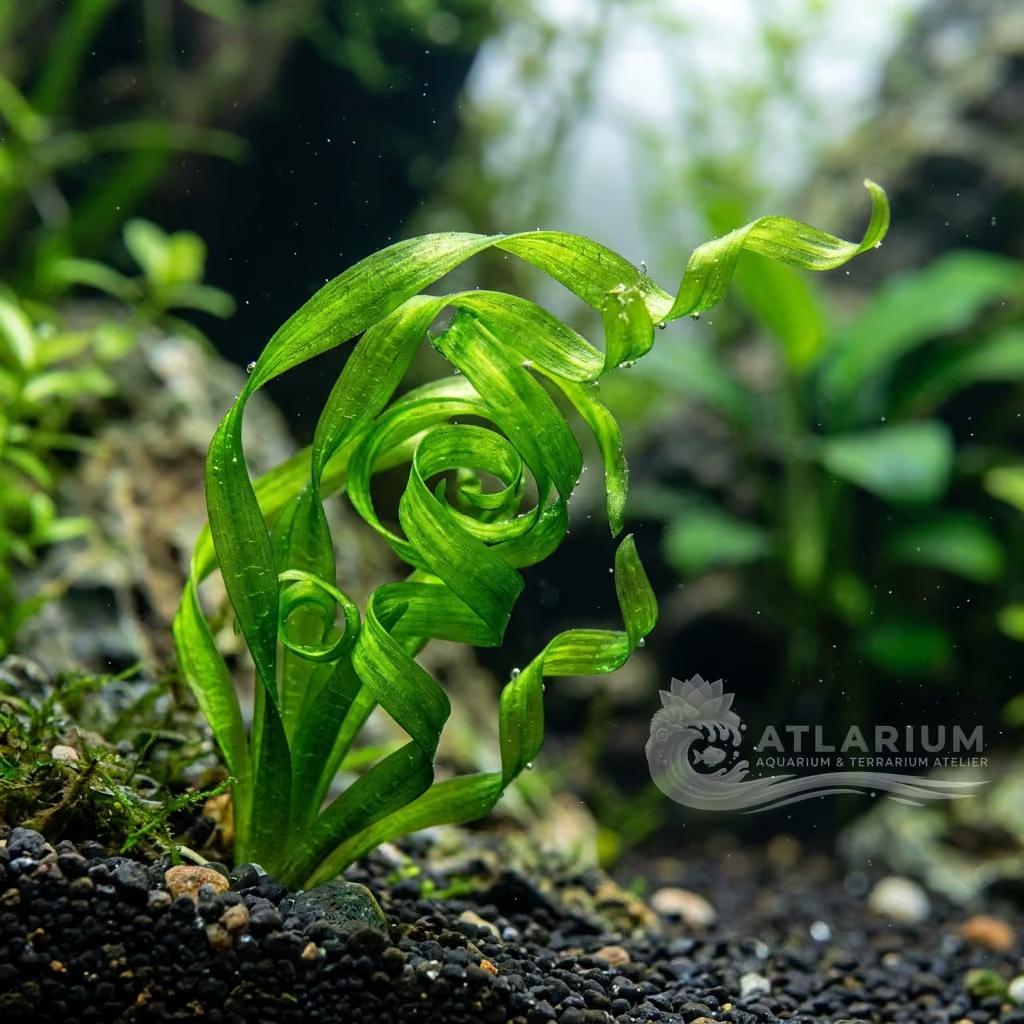
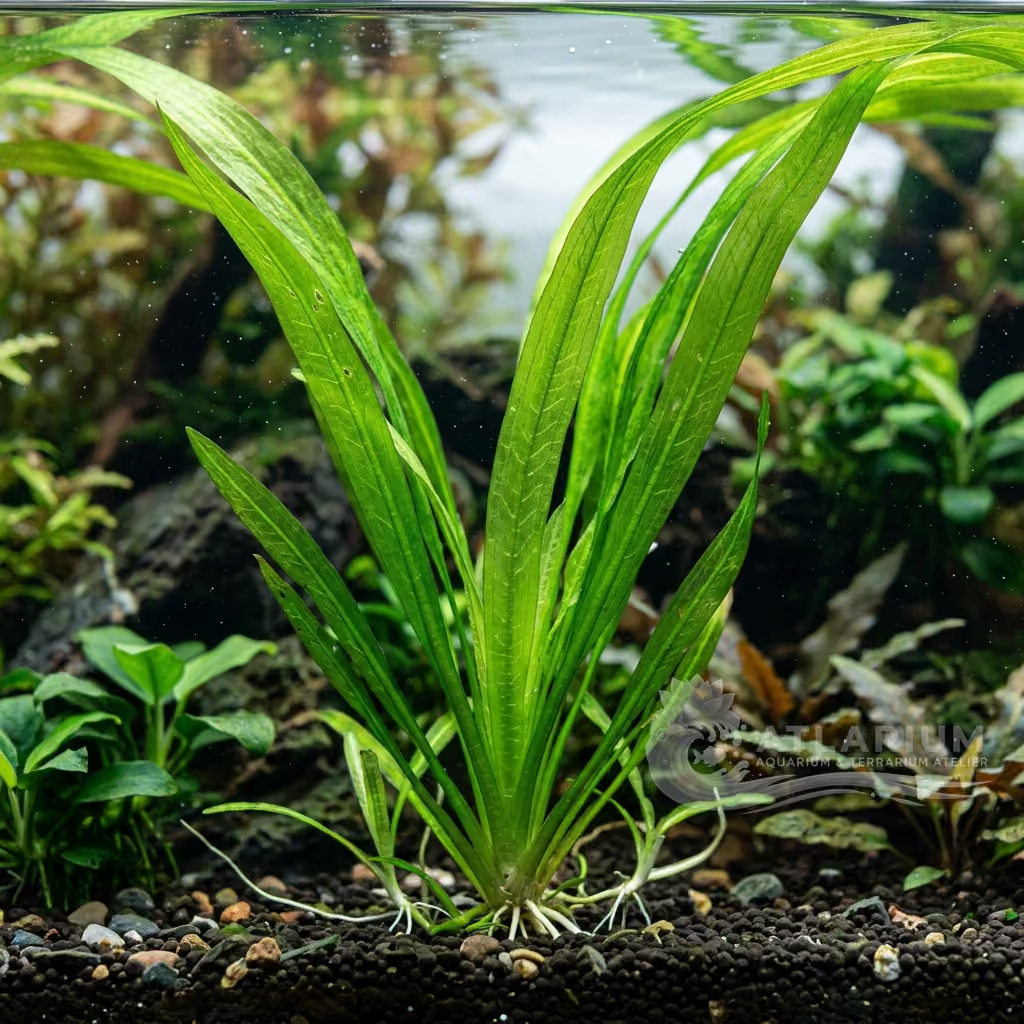
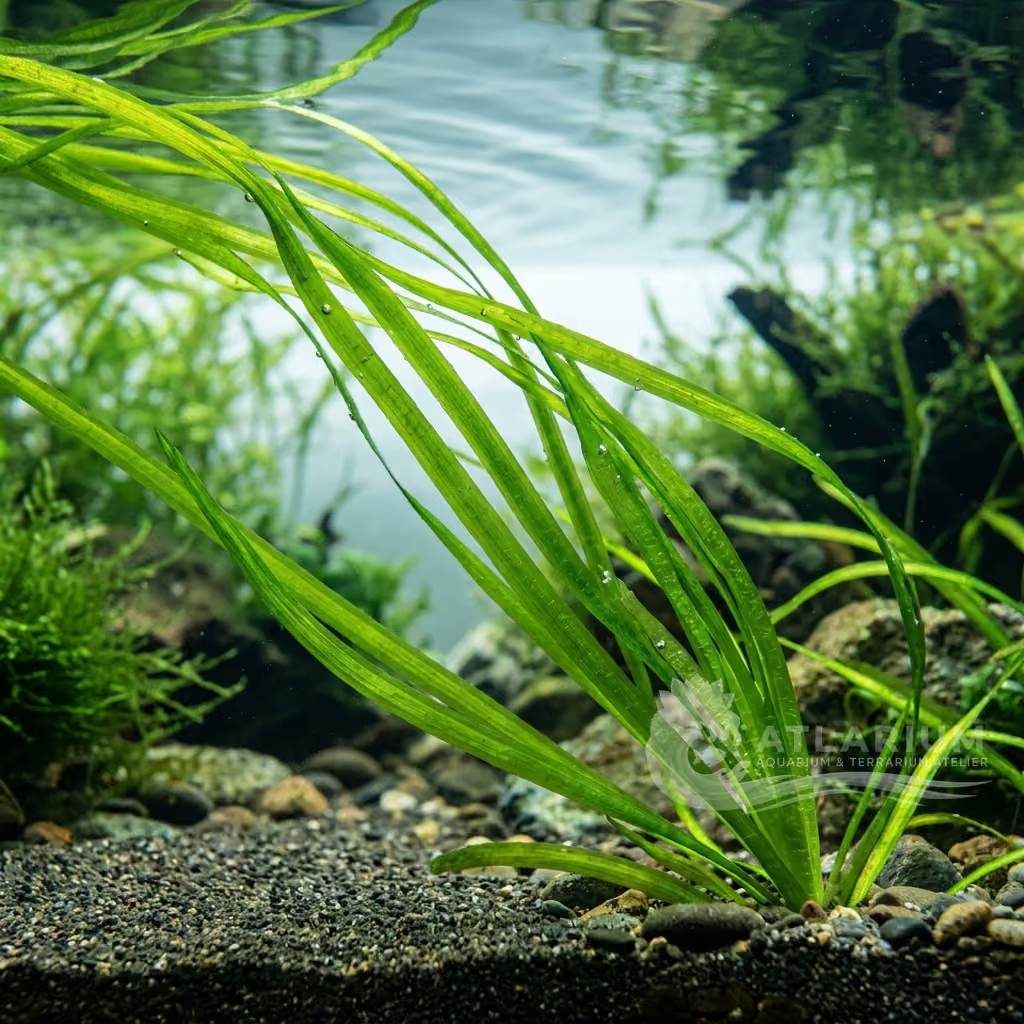
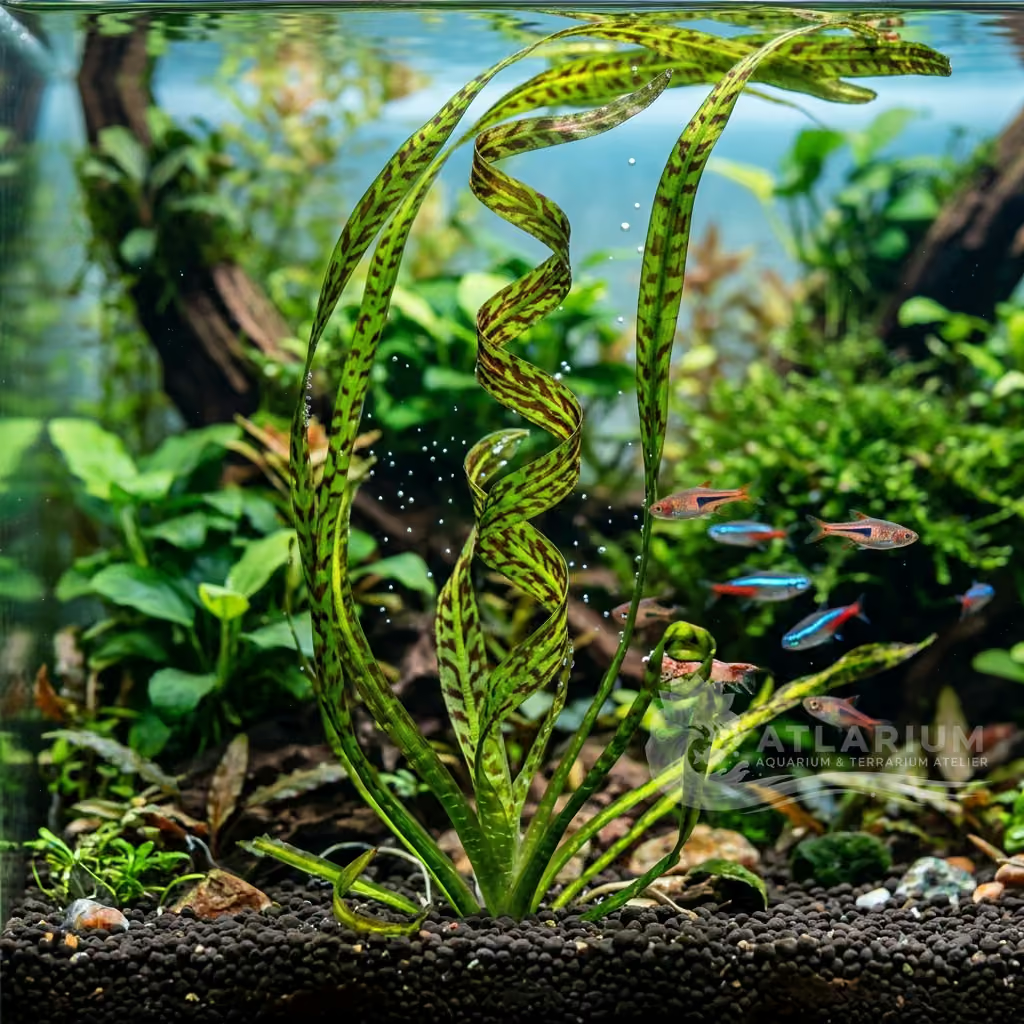
- It features thin, serrated, slightly curved leaves arranged along fragile, branching stems. The overall appearance is highly delicate and feathery, with a distinctive reddish-brown to green hue depending on light intensity. Its frail structure means it can break easily during handling.
- Croissance
- Rapide
- The growth rate of Najas sp. "Roraima" is generally fast, especially under ideal conditions with ample light and nutrients. It quickly forms large masses and can rapidly fill empty spaces in the aquascape. Frequent pruning might be necessary to prevent it from overtaking slower-growing plants.
- Substrat
- Aucun
- Najas sp. "Roraima" is a versatile plant that does not require a specialized nutrient-rich substrate, as it primarily absorbs nutrients directly from the water column. Its delicate root system is mainly used for gentle anchoring rather than heavy nutrient uptake, allowing it to thrive whether left floating or loosely planted. If rooted, a fine to medium-grained sand or gravel layer of 1 to 2 inches is sufficient to hold the slender stems in place. It will grow successfully in completely inert substrates without the need for root tabs or soil.
- Fertilisation de la colonne d'eau
- Recommandée
- Being a true aquatic plant with a fine root structure, it absorbs the vast majority of its nutrients directly from the water column. Liquid fertilization providing a complete spectrum of nutrients, particularly potassium and trace elements, is highly recommended. Regular dosing helps maintain its vibrant color and rapid growth.
- Fertilisation racinaire
- Aucune
- While it does develop fine roots, these are primarily used for anchorage rather than nutrient uptake. Nutrient-rich substrates are not strictly necessary, although they can provide a slight benefit. It thrives equally well when planted in plain sand or gravel, provided the water column is well-fertilized.
- Taille
- Régulière
- Due to its rapid growth and fragile stems, trimming should be done carefully to avoid breaking the plant into too many small pieces. You can trim the tops to encourage bushier growth or remove whole stems if the thicket becomes too dense. Discarded clippings should be carefully netted out, as every small fragment can grow into a new plant.
- Propagation
- Boutures
- Propagation is exceptionally straightforward; it naturally branches and small pieces that break off will readily grow into new plants. You can simply pinch off a side shoot or the top portion of a stem and replant it or let it float. This vigorous reproduction makes it an excellent choice for rapid multiplication.
- Sensibilité
- Modérée
- This plant is notoriously fragile and stems can snap easily if handled roughly or in areas of very high water flow. It is somewhat sensitive to sudden changes in water parameters, particularly extreme shifts in pH or hardness. Algaecides and certain chemical treatments can also cause it to melt.
- Rôle dans le décor
- Premier plan, Plan intermédiaire, group, Arrière-plan
- It serves beautifully as a soft, textural filler in the background, creating a wild, natural look. When allowed to float, it offers invaluable shelter for breeding setups and shrimp tanks. Its delicate foliage contrasts nicely with larger, broad-leaved plants in the aquascape.

Espèces associées
Recommandations regroupées par proches parents, compagnons et soins similaires.