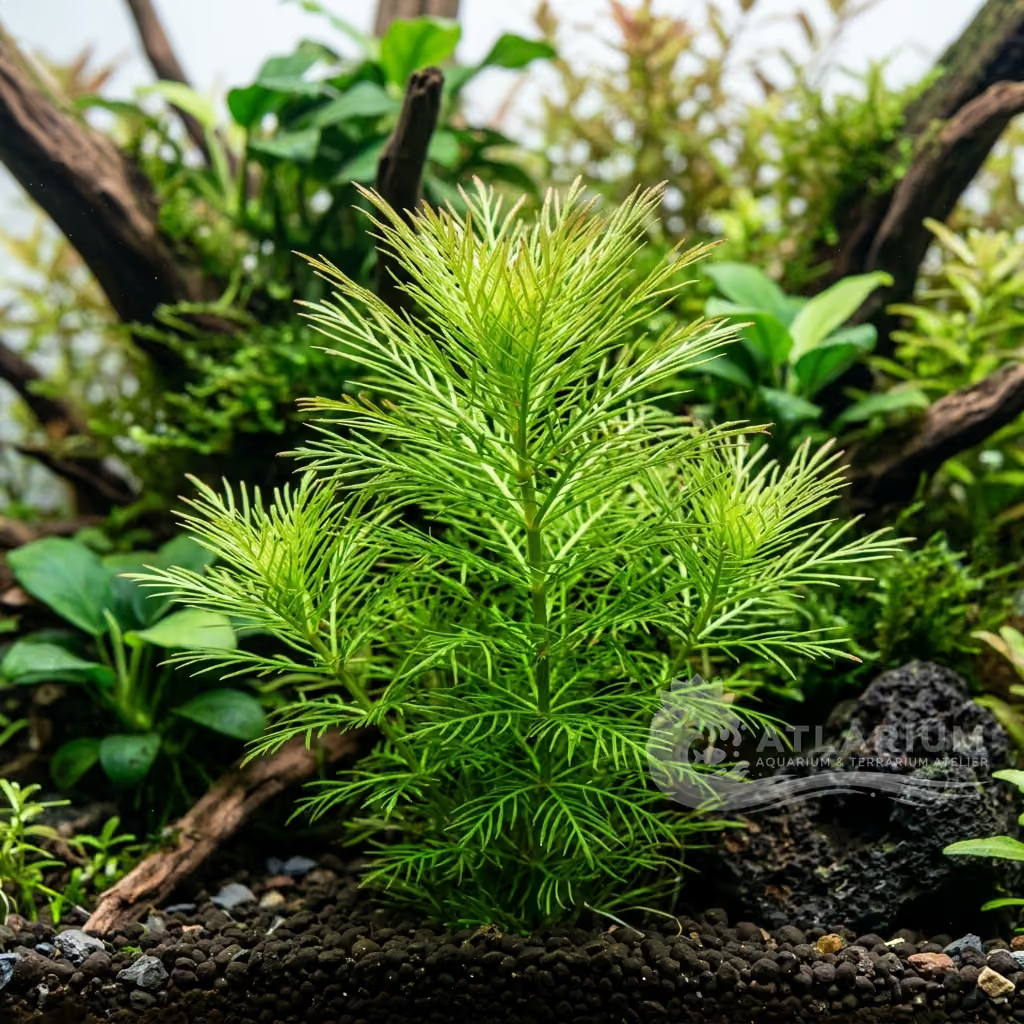
Nesaea sp. 'Red Leaved'
Nesaea sp. 'Red Leaved'
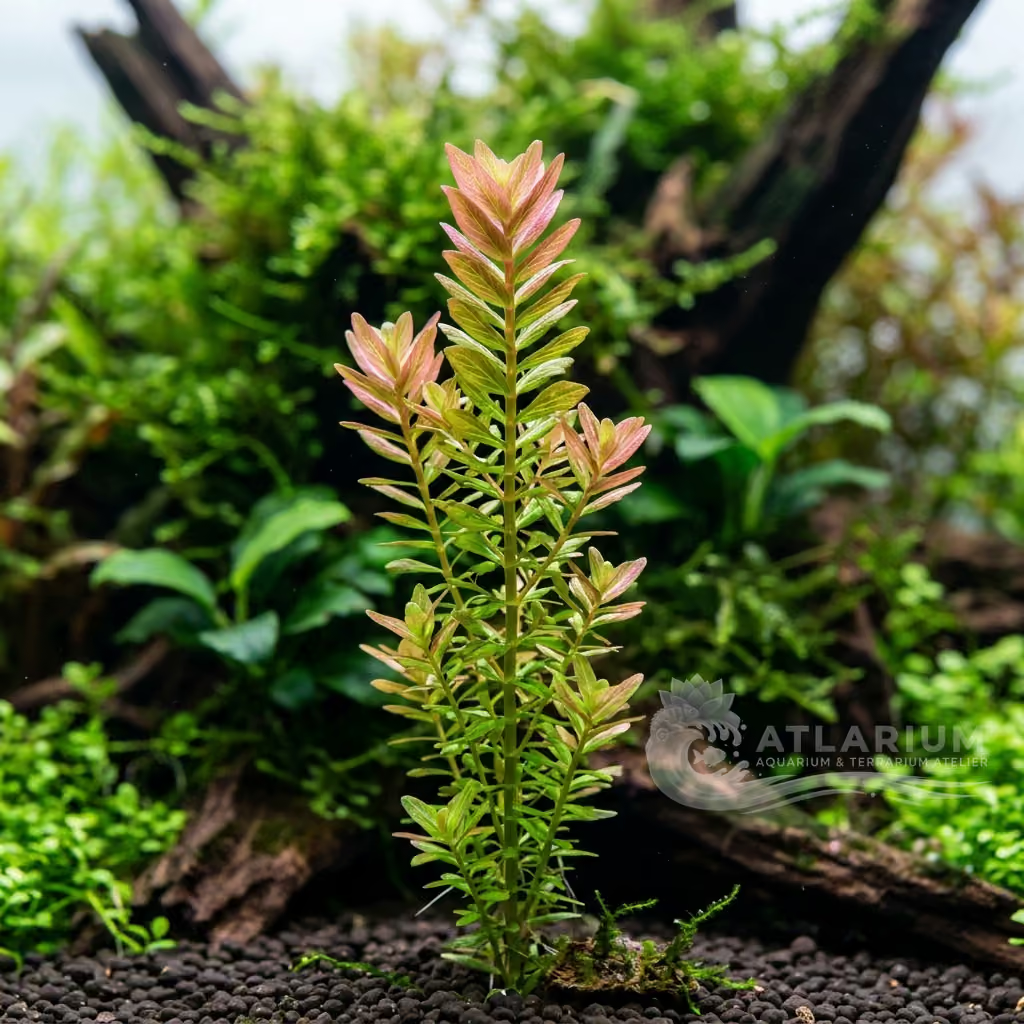
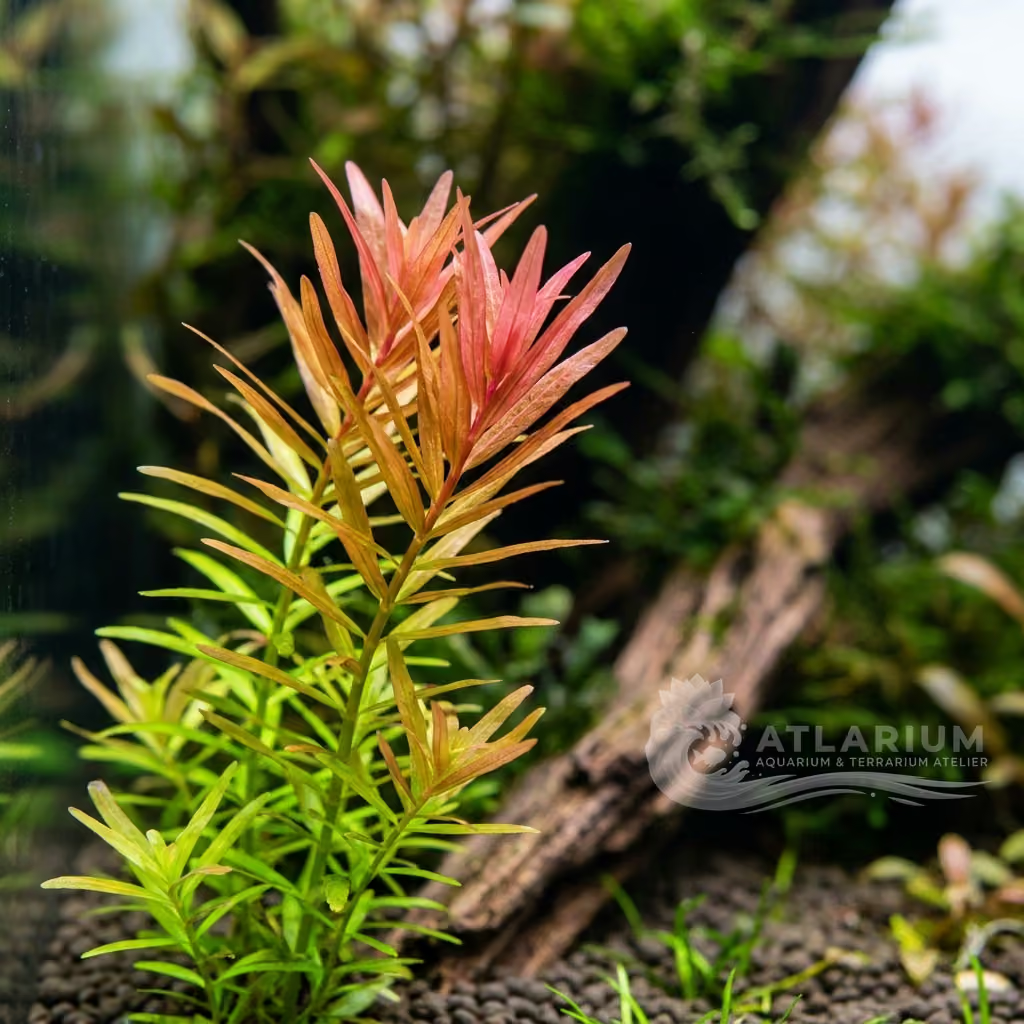
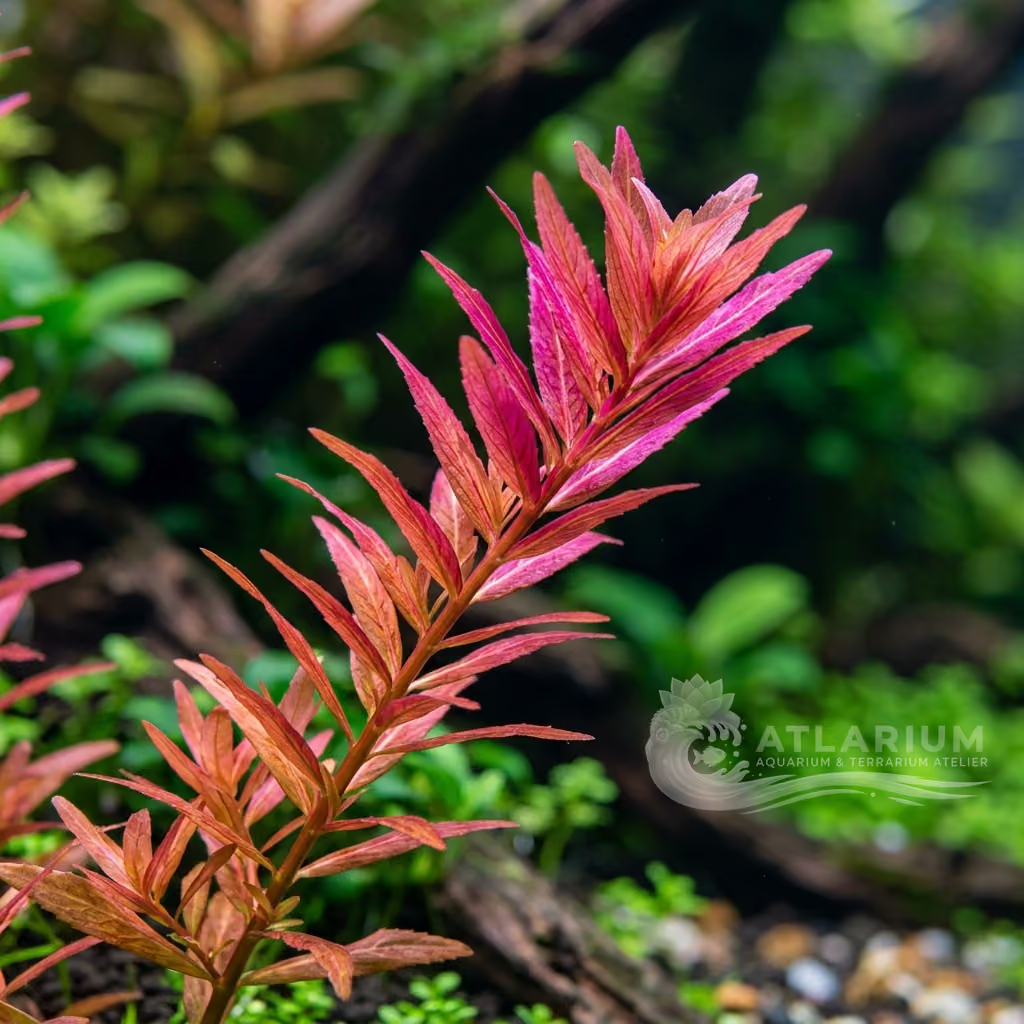
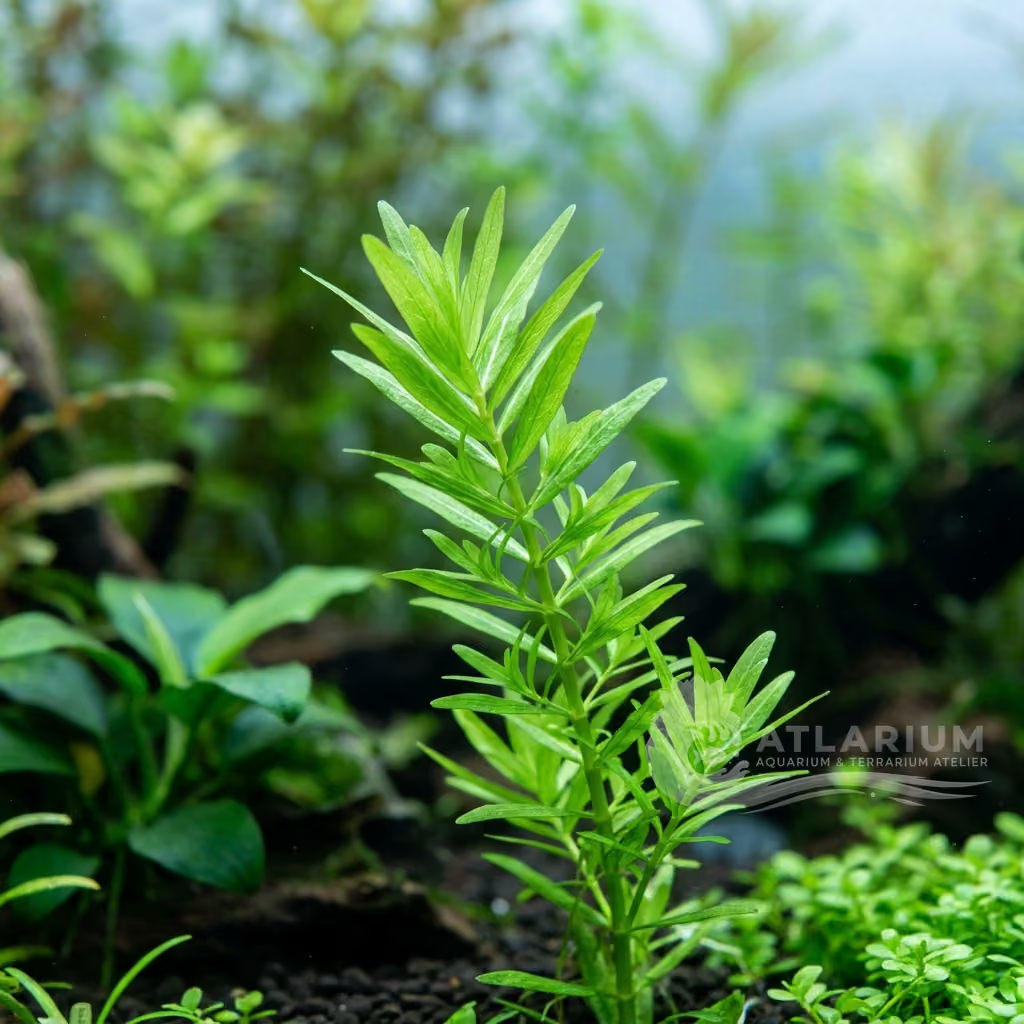
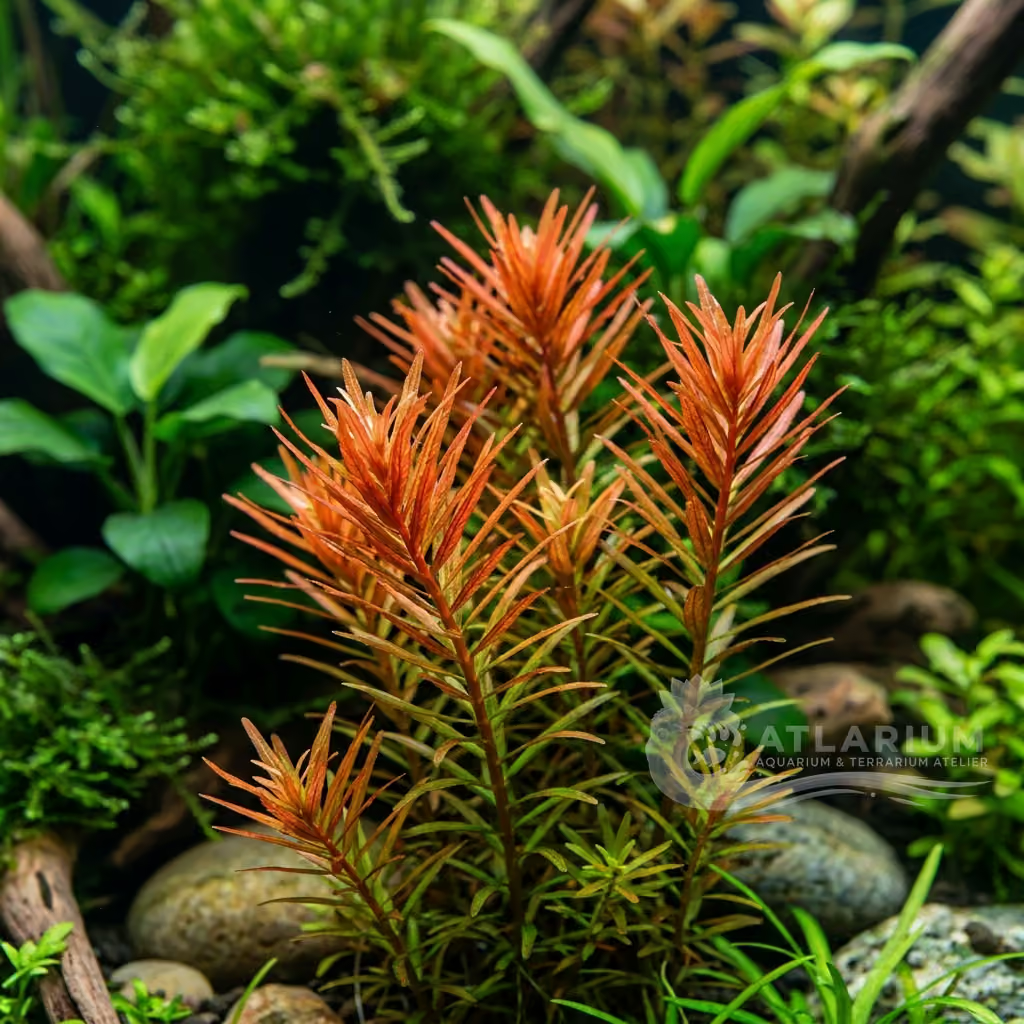
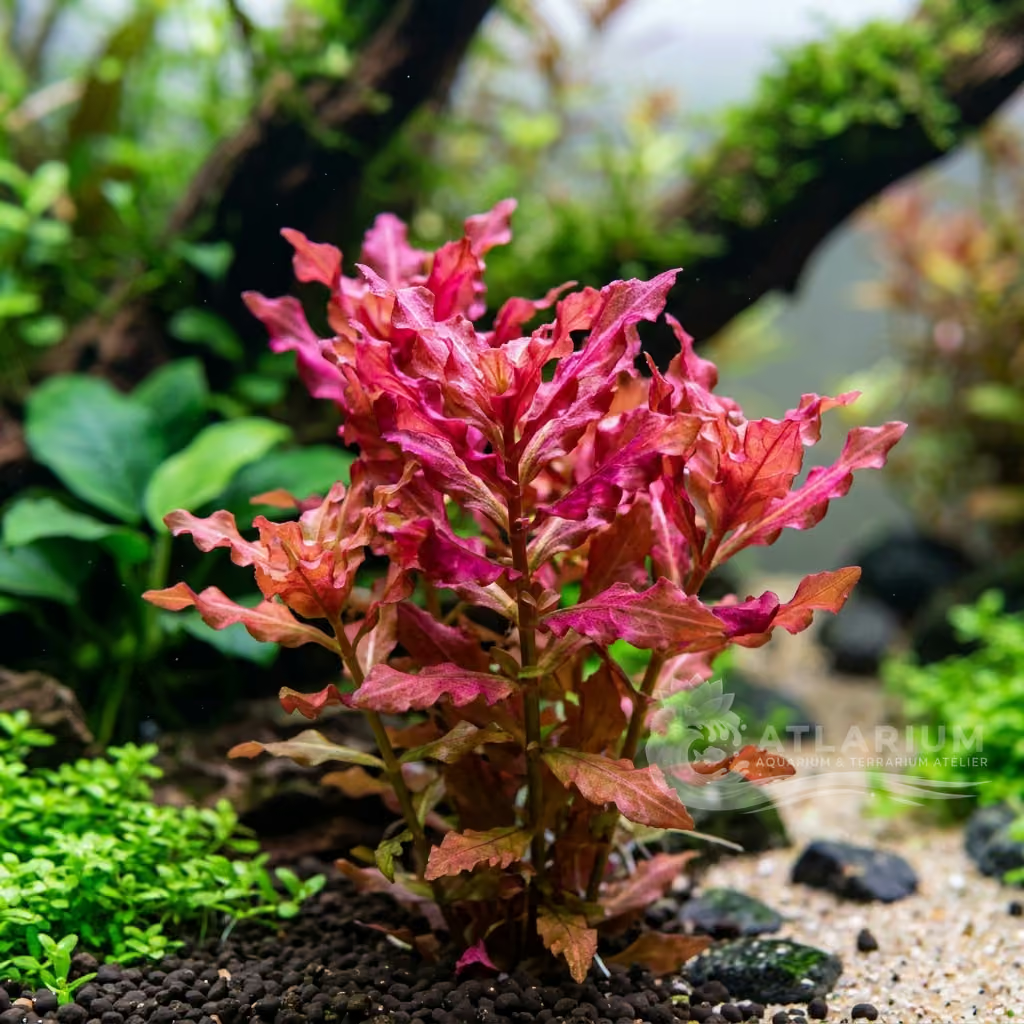
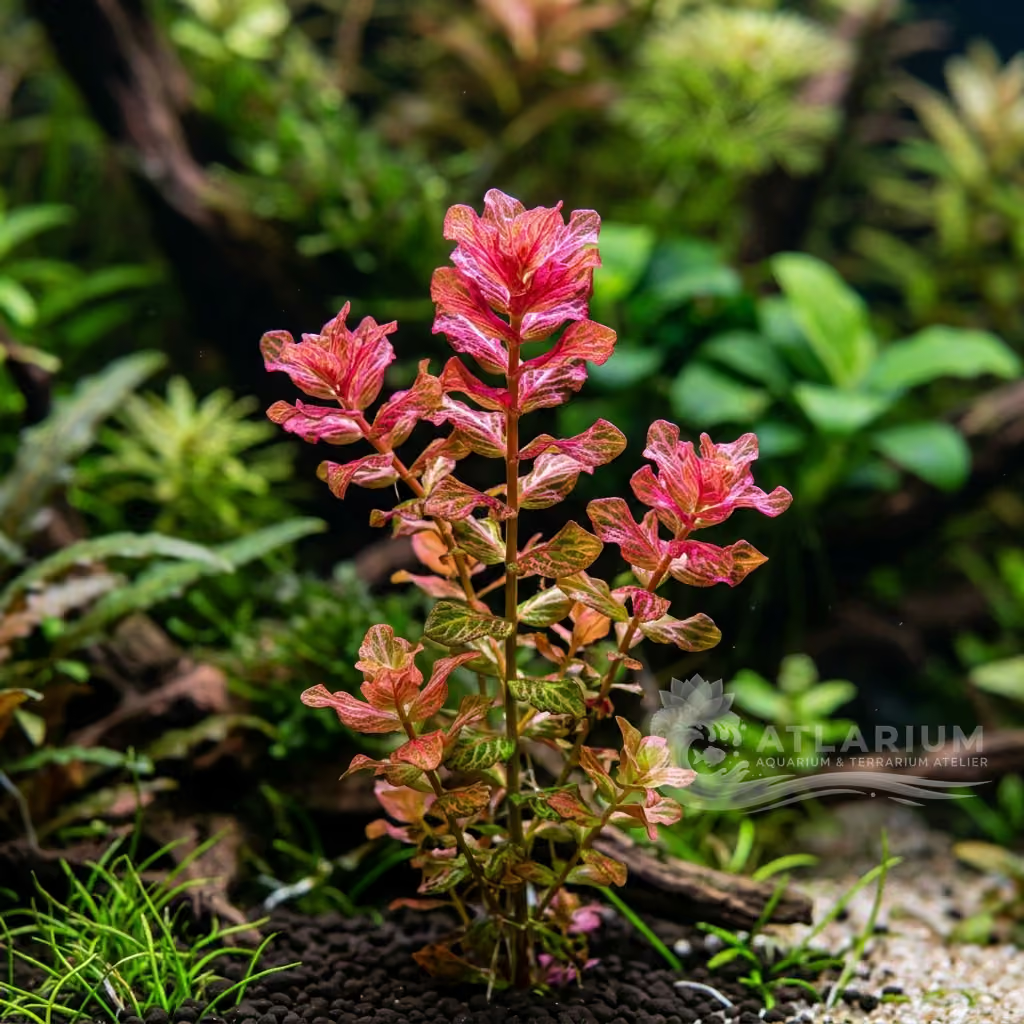
Nesaea sp. 'Red Leaved' is a stunning stem plant ideal for midground placement, characterized by its medium growth rate. Its intensely red-colored leaves make it an excellent focal point, adding vibrant contrast and depth to the aquascape.
Température de l’eau
20 - 28 °C
Valeur du pH
6 - 7.5
Type d'eau
Eau douce
Lumière
Moyenne - Élevée
CO2
Moyenne - Élevée
Hauteur attendue
50 cm
Largeur attendue
15 cm
KH
2 - 10 dKH

Description de l'espèce
Geographical Origin and Habitat: Although the 'sp.' designation implies an as-yet unconfirmed species or a specific cultivar, Nesaea sp. 'Red Leaved' belongs to a genus typically thriving in the tropical regions of Africa and Madagascar. In its natural habitat, Nesaea plants are often found in marshy areas, along the banks of slow-moving rivers, or in ponds, where water is nutrient-rich and sunlight is abundant. This origin suggests a preference for stable, well-lit aquatic environments, which are crucial for its successful cultivation in an aquarium.
Taxonomy & Genetics:
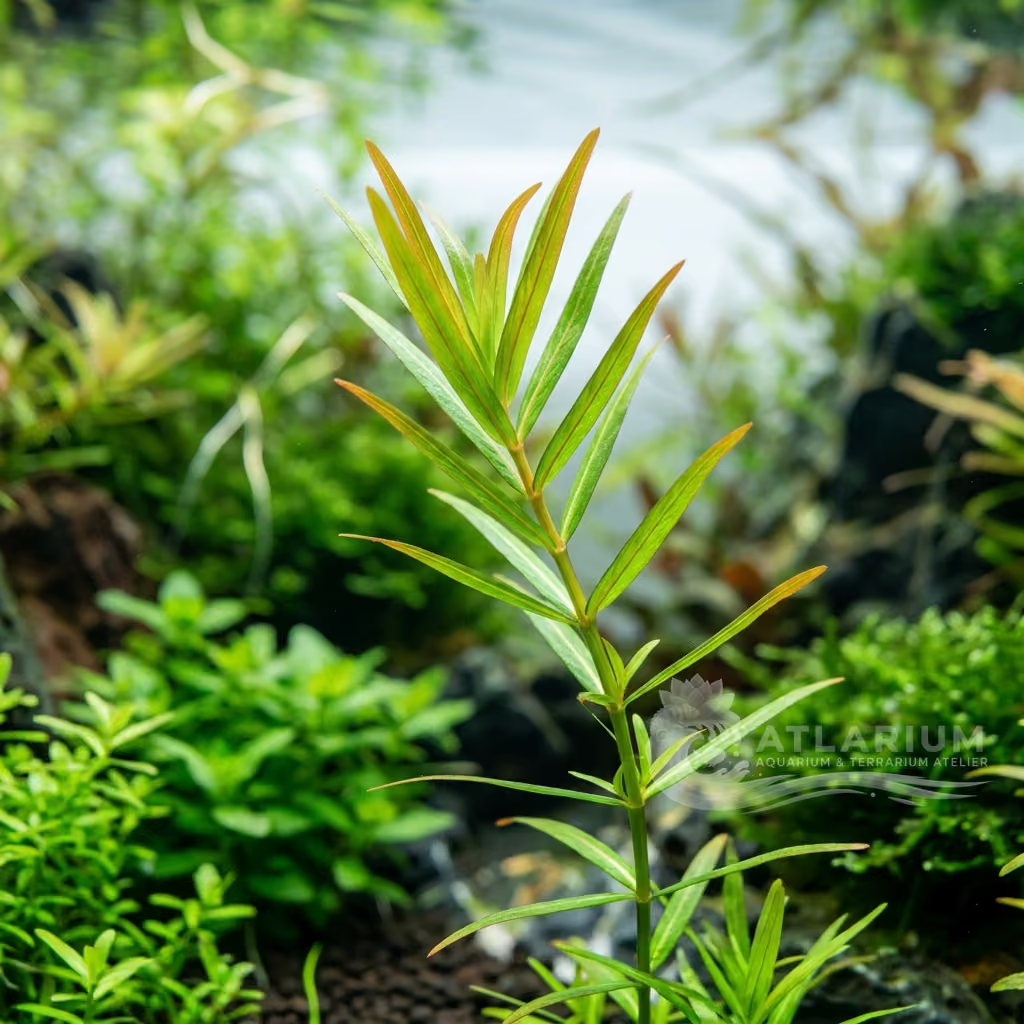
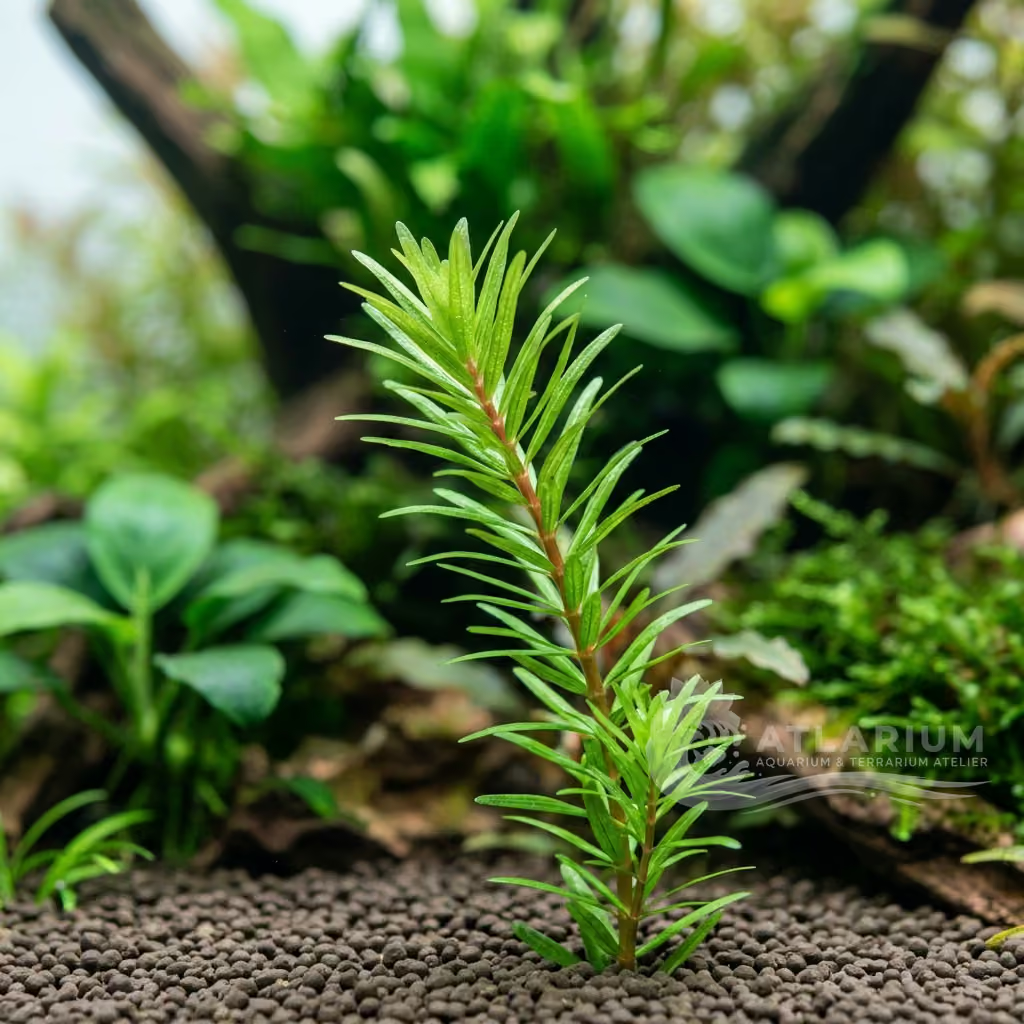
Physical Structure: This variety of Nesaea presents as an upright stem plant, characterized by robust growth and a relatively thick stem that can reach considerable heights under optimal conditions. The leaves are arranged in whorls or opposite pairs along the stem, with varying internode lengths that can be controlled by light intensity and pruning. Each leaf possesses a lanceolate or elongated oval shape, contributing to a dense and lush appearance when grown correctly in compact groups within the aquarium.
Color & Texture: The most distinctive feature of Nesaea sp. 'Red Leaved' is undoubtedly its intense coloration, which ranges from brilliant orange-red to deep burgundy, especially on younger leaves and under strong lighting. The leaf surface is typically smooth and slightly fleshy, giving it a velvety and reflective appearance under light. The intensity of the red can vary significantly depending on cultivation conditions; deficiencies or insufficient light may lead to duller or greener tones, while an optimal environment will enhance its vivid color, making it a true visual gem in the aquarium.

Soins, reproduction et cohabitation
Lighting & CO2: Nesaea sp. 'Red Leaved' thrives under medium intensity lighting, which is crucial for enhancing and maintaining its vibrant red coloration; insufficient light can lead to yellowing or a greener hue in the leaves. CO2 injection is highly recommended and almost essential to promote healthy, vigorous growth and to intensify the red pigmentation of the leaves. Consistent carbon dioxide levels support photosynthesis, preventing stunted growth and deficiencies that can compromise the plant's appearance.
Nutrition & Substrate: For optimal growth and intense coloration, Nesaea sp. 'Red Leaved' benefits from a nutritious substrate rich in iron and other micronutrients, although it also absorbs nutrients from the
Water Chemistry: This plant adapts well to a water temperature range of 20 to 28 C, a typical range for tropical aquariums, and tolerates pH values between 6.0 and 7.5, indicating good flexibility. The ideal carbonate hardness (KH) is between 2 and 12, suggesting a preference for soft to medium-hard water. However, stability of these parameters is more critical for the health of Nesaea sp. 'Red Leaved' than absolute values, as sudden fluctuations can cause stress and deterioration.
Space Management & Placement: Nesaea sp. 'Red Leaved' is an excellent choice for midground placement in the aquarium, where its medium height and brilliant coloration can create an appealing focal point and visual contrast. To achieve maximum aesthetic impact, it is advisable to plant it in dense groups, allowing the stems to grow closely together to form a compact mass of red leaves. Its central position helps balance the layout, providing a visual transition between shorter foreground plants and taller background plants.
Pruning: Regular pruning is essential to maintain the desired shape of Nesaea sp. 'Red Leaved', promote bushier growth, and prevent the plant from overshadowing surrounding vegetation. By trimming the tips of the stems, new lateral shoots are stimulated to grow from the base or lower nodes, making the bush denser and more compact. The trimmed apical sections can be replanted into the substrate to easily propagate the plant and increase the number of specimens, contributing to a more lush and uniform appearance in the aquarium.
Risks & Diseases: Nesaea sp. 'Red Leaved' is generally robust, but it can be susceptible to filamentous algae growth on its leaves if nutrient levels are imbalanced or lighting is excessive without adequate CO2. Deficiencies in iron or other micronutrients can lead to a loss of its vibrant red coloration, causing leaves to appear pale or yellowish. Sudden changes in water parameters or poor adaptation to the environment can cause "melting" of the leaves, especially after introduction to a new aquarium. Careful monitoring of conditions is crucial to prevent these issues and maintain plant health.

Origine et répartition géographiques
Although the 'sp.' designation implies an as-yet unconfirmed species or a specific cultivar, Nesaea sp. 'Red Leaved' belongs to a genus typically thriving in the tropical regions of Africa and Madagascar. In its natural habitat, Nesaea plants are often found in marshy areas, along the banks of slow-moving rivers, or in ponds, where water is nutrient-rich and sunlight is abundant. This origin suggests a preference for stable, well-lit aquatic environments, which are crucial for its successful cultivation in an aquarium.
Origine
Afrique et Madagascar

Profil de plante
- Emplacement
- Plan intermédiaire
- This plant is an ideal candidate for the midground or background, depending on the height of the aquarium. It should be planted in areas where it receives direct, unshaded light to encourage the best coloration. Planting a small group of stems together maximizes its visual impact.
- Forme botanique
- Tige
- The plant features relatively thick stems and elliptical to lanceolate leaves that grow opposite one another. The defining characteristic is its striking red to magenta coloration, which becomes more pronounced towards the top of the stem where light is strongest. The stems themselves also exhibit a deep red hue.
- Croissance
- Moyenne
- Under high light and CO2 supplementation, its growth rate is moderate. It tends to grow steadily rather than aggressively, which makes it easier to manage than faster-growing stem plants. In low-tech conditions, it struggles significantly and growth can come to a standstill.
- Substrat
- Élevé
- Nesaea sp. 'Red Leaved' is a demanding plant that thrives strictly in a very rich, highly nutritious substrate like a specialized planted tank soil. The intensive red coloration of its leaves is deeply tied to its ability to extract iron, trace elements, and macronutrients via its robust root system. A minimum substrate depth of 2.5 to 3 inches allows for deep root penetration and stable anchorage of the stems. To sustain its brilliant hues, the substrate should be regularly enriched with root fertilizers specifically formulated for red aquatic plants.
- Fertilisation de la colonne d'eau
- Recommandée
- Regular and comprehensive water column fertilization is crucial for the health and color of this species. Daily dosing of a fertilizer rich in iron and other micronutrients is often necessary to prevent deficiencies. Keeping nitrate levels slightly lower while maintaining high phosphate can sometimes enhance the red coloration.
- Fertilisation racinaire
- Recommandée
- While it relies heavily on the water column, a nutrient-rich substrate provides a solid foundation for robust growth. Using an active soil or enriching the substrate with root tabs promotes a stronger root system and thicker stems. A healthy root system is vital for the plant to withstand regular pruning.
- Taille
- Occasionnelle
- Trimming should be done by either topping the plant and replanting the upper portion or by carefully cutting the stem to encourage side shoots. The stems are somewhat thick, so the lower portion may take time to produce new growth after being cut. Always ensure the remaining lower leaves receive enough light to avoid rotting.
- Propagation
- Boutures
- Propagation is easily achieved by taking stem cuttings from healthy tops or side shoots. Strip the lower leaves from the cutting and plant it deeply into the substrate. The cuttings may take a week or two to establish roots and resume vertical growth.
- Sensibilité
- Modérée
- This is a demanding species that is quite sensitive to sudden changes in water parameters, particularly pH and hardness. It is highly prone to melting or losing its lower leaves if overshadowed by other plants or if water circulation is poor. Stable conditions are paramount for its long-term success.
- Rôle dans le décor
- Plan intermédiaire, accent
- It functions perfectly as a bold, red focal point or color accent in the aquascape. Its vibrant hues provide excellent contrast against bright green foreground and background plants. It is a striking addition to Dutch-style layouts where distinct color groupings are desired.

Espèces associées
Recommandations regroupées par proches parents, compagnons et soins similaires.