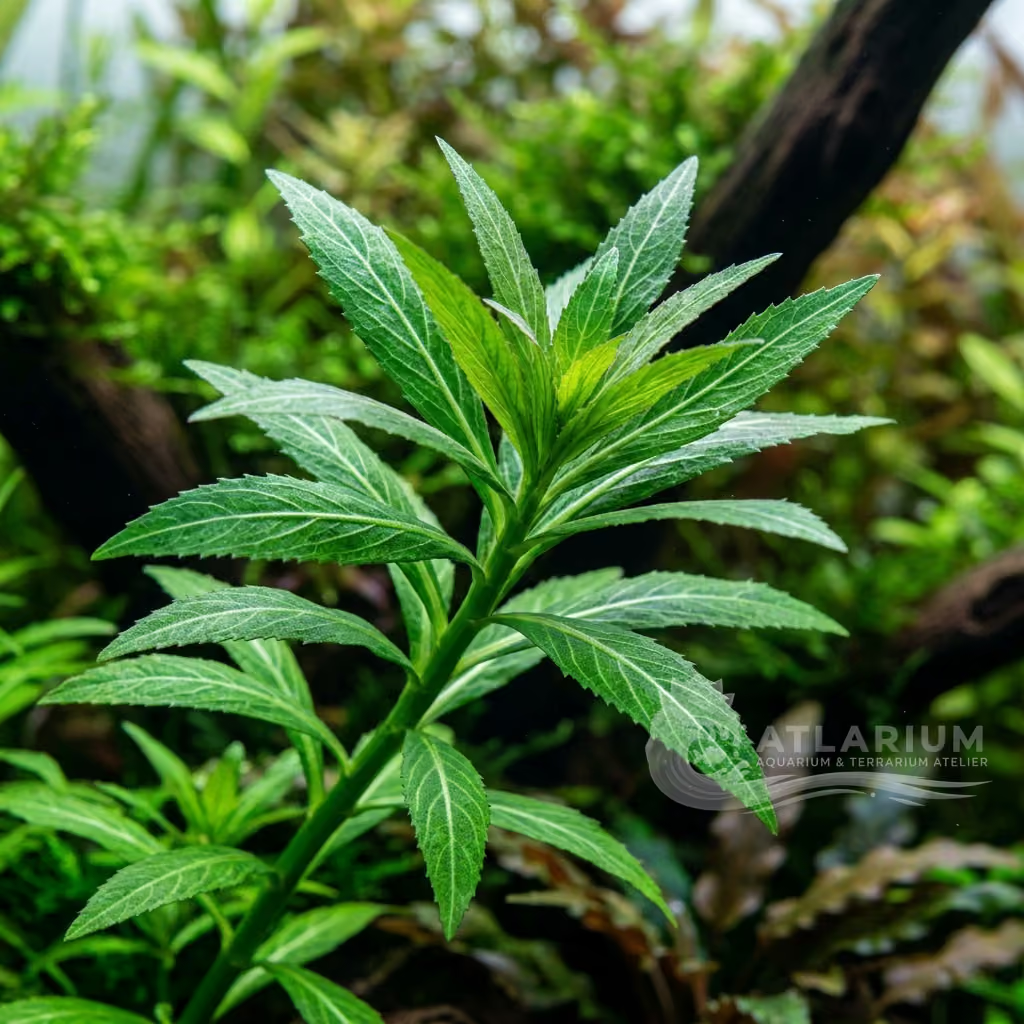
Poaceae sp. "Purple Bamboo"
Poaceae sp. "Purple Bamboo"
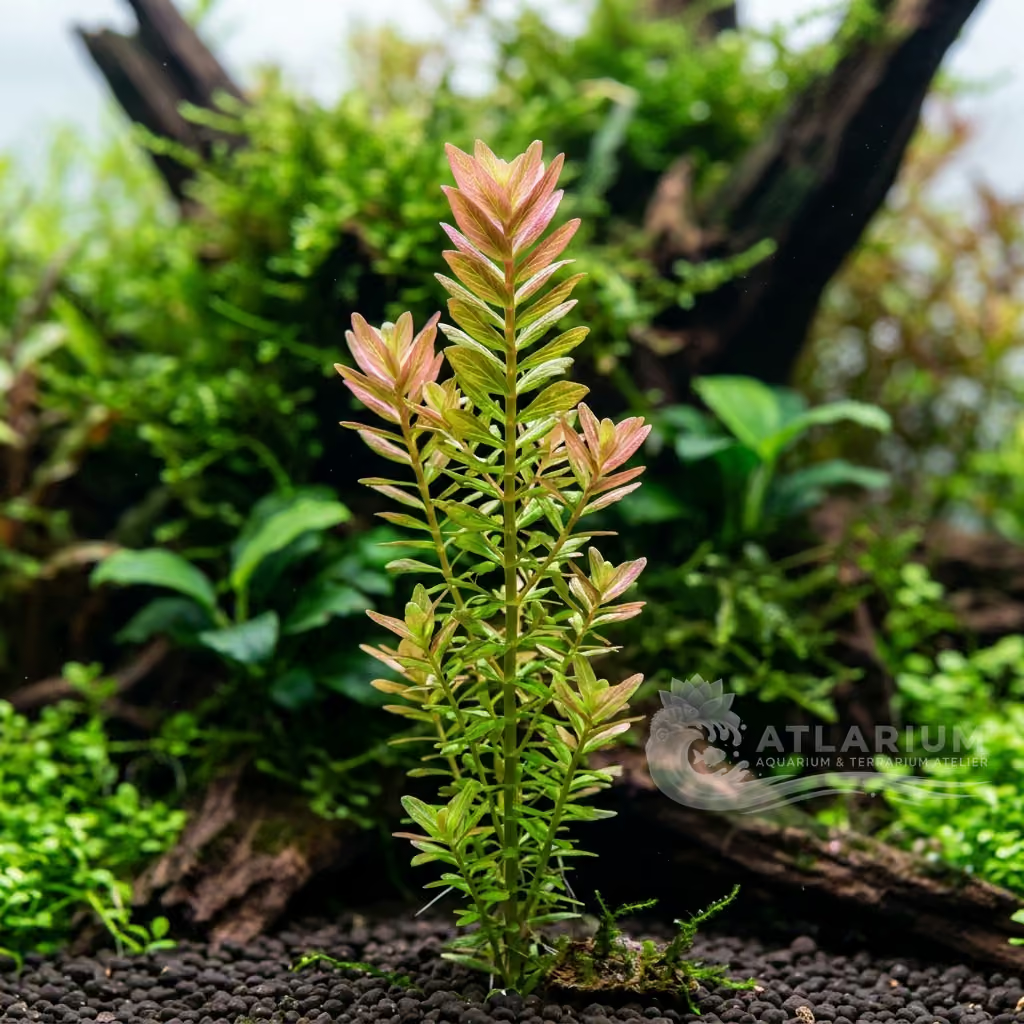
Poaceae sp. "Purple Bamboo" is a fast-growing midground plant, prized for its vibrant purple coloration and distinctive bamboo-like stems. It quickly establishes itself, creating a dynamic visual impact and adding significant depth to the aquascape.
Température de l’eau
20 - 28 °C
Valeur du pH
6 - 7.5
Type d'eau
Eau douce
Lumière
Élevée
CO2
Moyenne - Élevée
KH
2 - 10 dKH

Description de l'espèce
Geographical Origin and Habitat: While the specific geographical origin of Poaceae sp. "Purple Bamboo" might not be precisely documented for this particular cultivar or unidentified species, many aquatic Poaceae species thrive in tropical and subtropical regions. These areas typically offer warm climates and abundant moisture, ideal conditions for the robust growth of aquatic and riparian plants. It is likely that this variety was either discovered in or cultivated to flourish under such conditions, or it represents a horticultural selection aimed at enhancing its unique aesthetic qualities.
Taxonomy & Genetics: The designation "Poaceae sp. 'Purple Bamboo'" indicates that this is either an as-yet-unidentified species or a distinct cultivar belonging to the vast Poaceae family, commonly known as grasses. This family encompasses thousands of species, many of which are adapted to live in moist environments or completely submerged. The specificity of its common name suggests a unique morphological characteristic, likely its purple
Color & Texture: ation and stem structure resembling bamboo, which sets it apart within its genus and makes it a valuable asset for aquascaping.
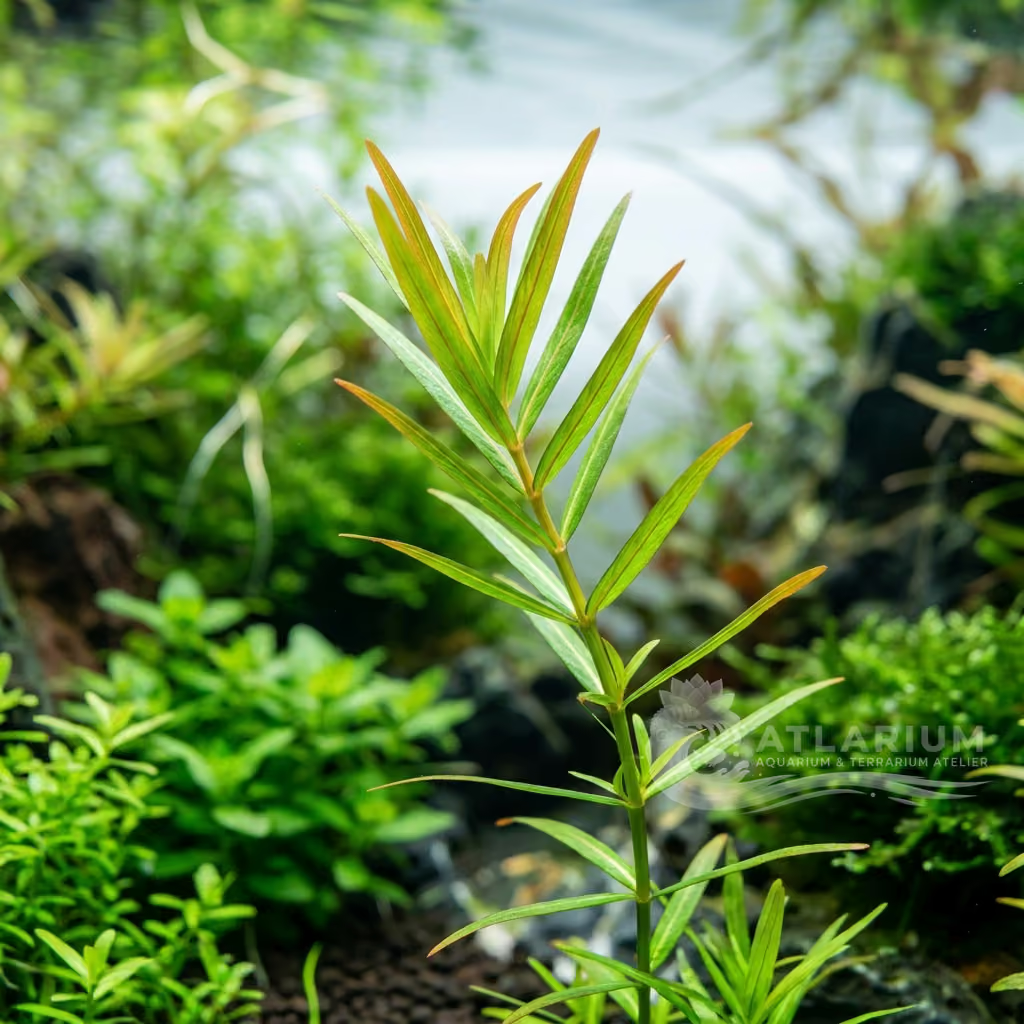
Physical Structure: Poaceae sp. "Purple Bamboo" is characterized by its upright and slender structure, which lends it an elegant and distinctive appearance. Its stems, indeed reminiscent of small bamboo canes, are robust and can develop well-defined internodes, contributing to the "bamboo-like" effect. The leaves, arranged alternately along the stem, are typically lanceolate or linear, growing with a density that creates an interesting volume within the water column.
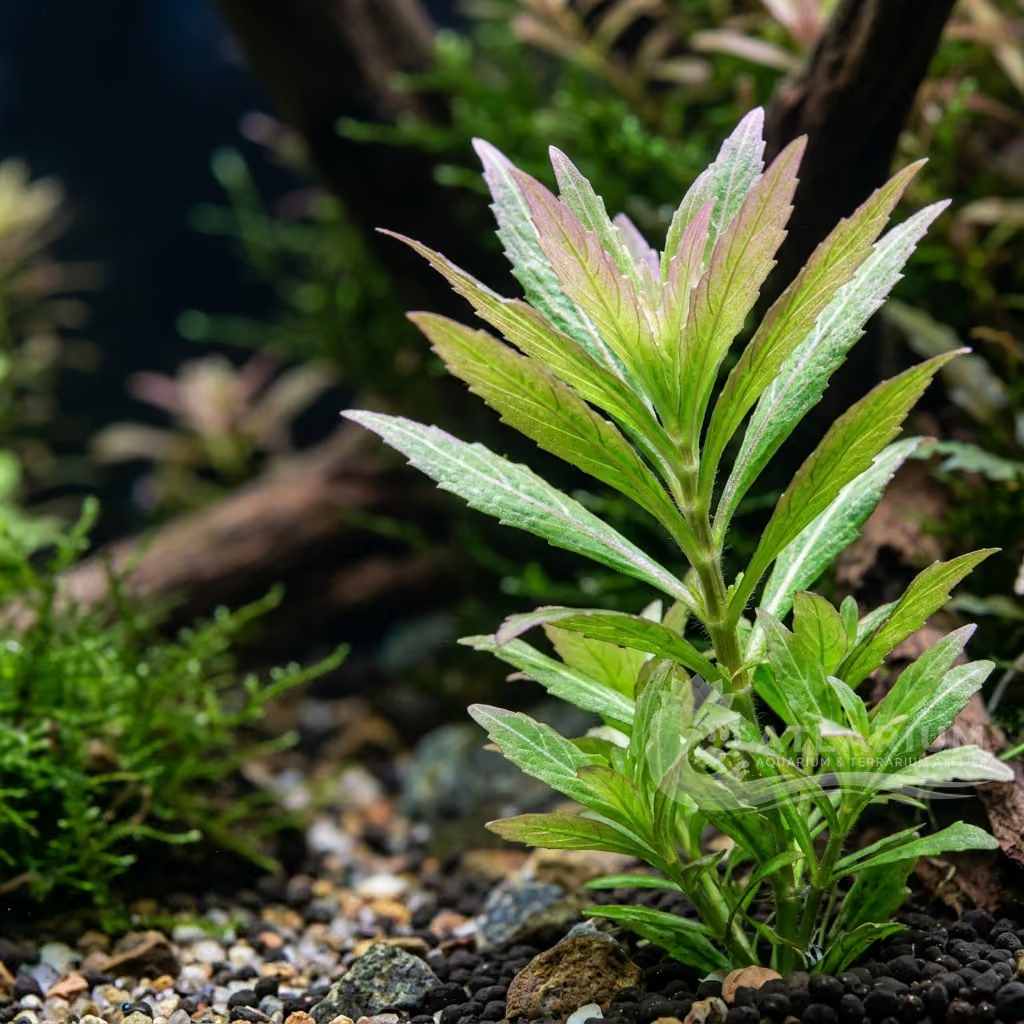
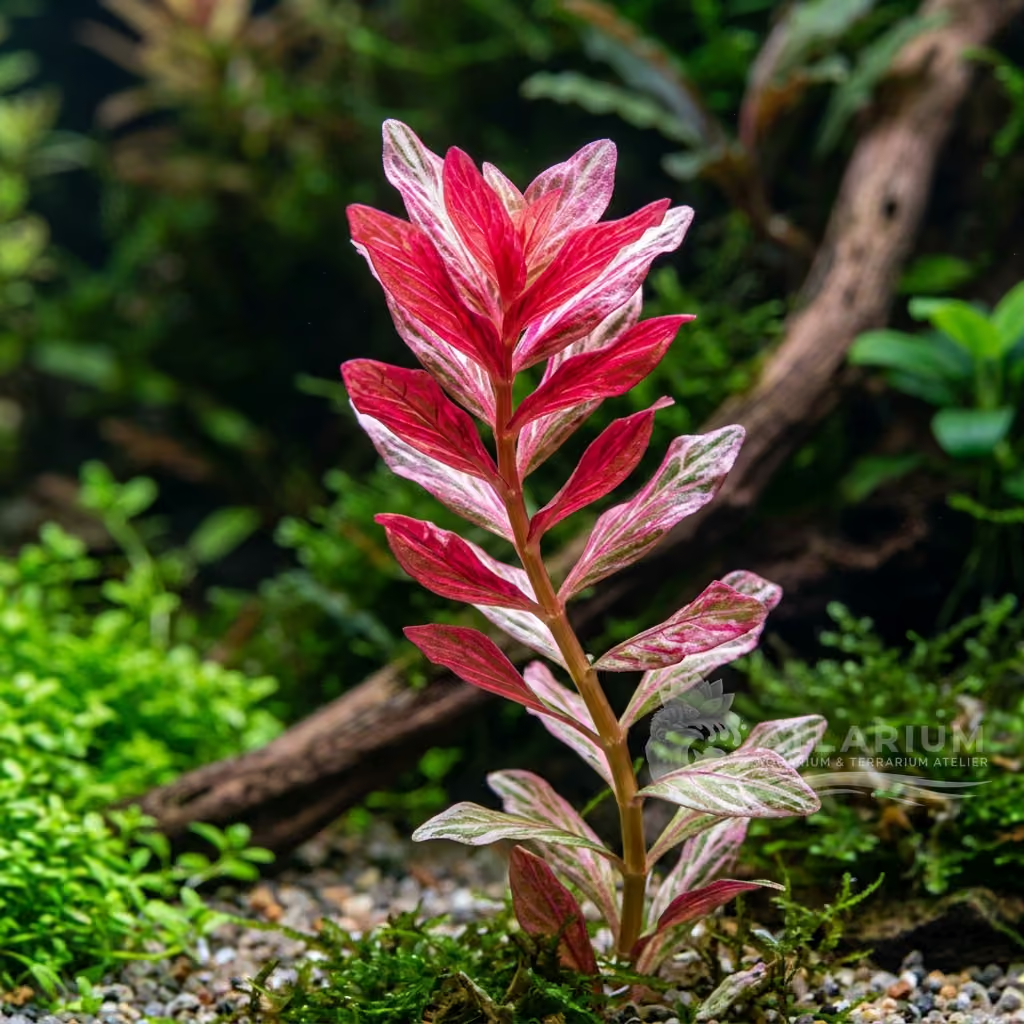
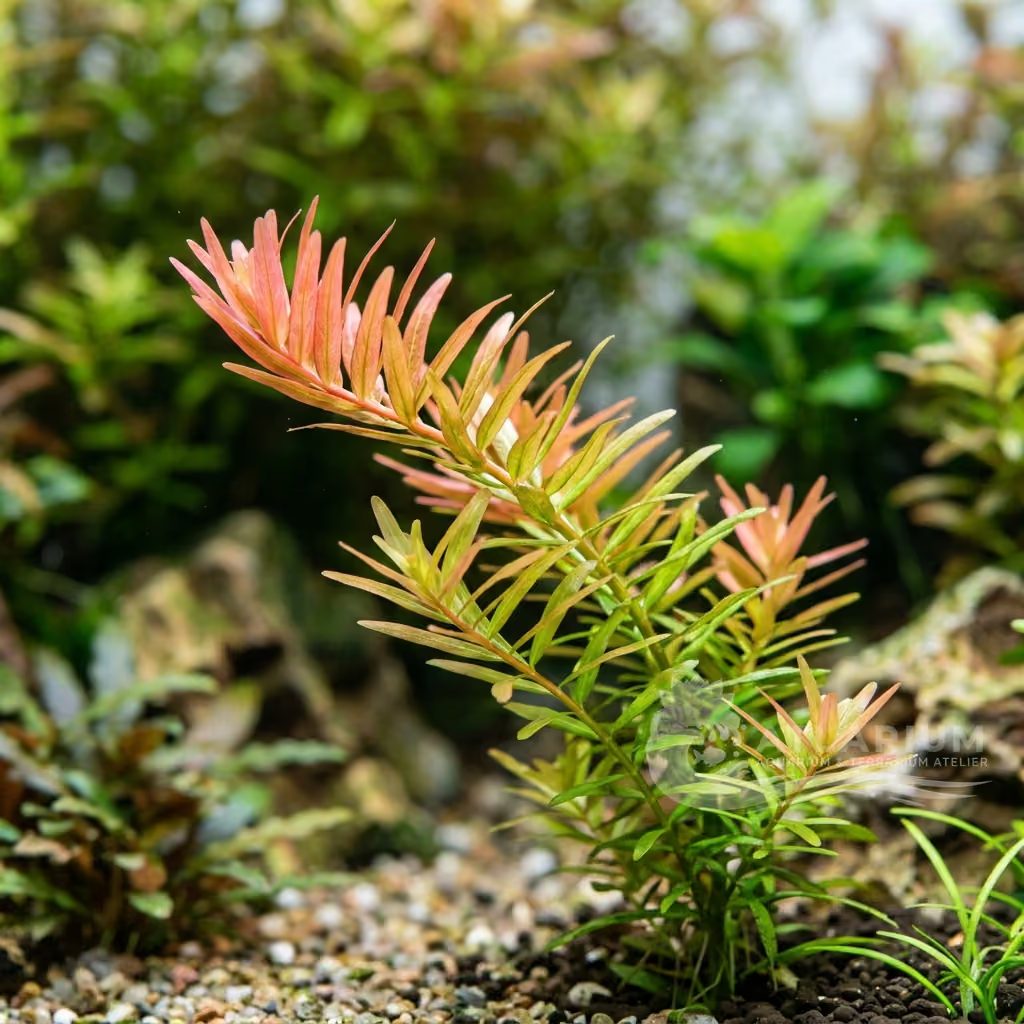
Color & Texture: The common name "Purple Bamboo" stems from its extraordinary coloration, which under intense lighting can range from reddish-brown to deep purple, especially on younger leaves and growing tips. The exact shade can depend on light intensity and nutrient availability, particularly iron and other micronutrients. The leaf texture is generally smooth, with a slightly glossy surface that beautifully captures and reflects light, adding visual depth to the aquarium.

Soins, reproduction et cohabitation
Lighting & CO2: This plant exhibits a high light demand, meaning that strong and consistent illumination is essential to achieve its distinctive purple coloration and vigorous growth. Insufficient light will not only compromise color development but can also drastically slow growth and lead to elongated internodes. Carbon dioxide (CO2) supplementation is crucial to support its rapid growth rate, optimize photosynthesis, and prevent deficiencies that might arise in an aquarium with high metabolic demands.
Nutrition & Substrate: To sustain its rapid and vigorous growth, Poaceae sp. "Purple Bamboo" requires an abundant and balanced supply of nutrients, both from the substrate and the
Water Chemistry: Poaceae sp. "Purple Bamboo" thrives in a water temperature range of 20 to 28 °C, which is typical for many tropical aquatic environments. Regarding water chemistry, it prefers slightly acidic to neutral pH, with ideal values between 6.0 and 7.5, while carbonate hardness (KH) should be maintained between 2 and 12. Keeping these parameters stable is fundamental to avoid stress to the plant, which could manifest as weakening stems or leaf discoloration.
Space Management & Placement: Given its stature and rapid growth rate, Poaceae sp. "Purple Bamboo" is ideally suited for midground placement in medium to large aquariums. Planting several stems in a cluster creates a more impactful and dense visual effect, forming a vibrant purple bush that draws attention. It is important to consider the space it will occupy, as overly dense growth can shade underlying plants and restrict water circulation.
Pruning: Regular pruning is a fundamental aspect of maintaining Poaceae sp. "Purple Bamboo" in good health and desired shape, given its fast growth. The apical tips can be cut to encourage lateral branching, creating a bushier and more compact plant. It is also possible to remove older or damaged stems at the base to promote the growth of new vigorous shoots from the rhizome, thereby maintaining the vitality of the cluster.
Risks & Diseases: Although generally robust, Poaceae sp. "Purple Bamboo" can be susceptible to nutrient deficiencies if its high fertilization requirements are not met, manifesting as yellowing leaves or stunted growth. Insufficient lighting or CO2 imbalances can lead to color loss and stem weakening, making it more vulnerable to algal growth on its leaves. In rare cases, excessive organic decomposition can foster fungal pathogens, though prevention through good maintenance and stable parameters is more common.

Origine et répartition géographiques
While the specific geographical origin of Poaceae sp. "Purple Bamboo" might not be precisely documented for this particular cultivar or unidentified species, many aquatic Poaceae species thrive in tropical and subtropical regions. These areas typically offer warm climates and abundant moisture, ideal conditions for the robust growth of aquatic and riparian plants. It is likely that this variety was either discovered in or cultivated to flourish under such conditions, or it represents a horticultural selection aimed at enhancing its unique aesthetic qualities.
Origine
Sélection et cultivars

Profil de plante
- Emplacement
- Plan intermédiaire
- This plant is best suited for the midground or background of the aquarium, depending on the tank size. Its vertical growth pattern makes it an excellent choice for adding height and visual interest. It should be planted in groups to create a dense, bamboo-like thicket.
- Forme botanique
- Tige
- It is a grass-like stem plant characterized by straight, upright stems and narrow, linear leaves. The striking purple to reddish hue on the stems and leaves gives it the appearance of miniature bamboo. It tends to grow strictly vertically with minimal lateral branching unless trimmed.
- Croissance
- Rapide
- Under optimal conditions with high light and CO2, the growth rate is moderate to fast. In lower energy setups, the growth will slow down significantly. Regular maintenance is required to keep it from breaching the water surface in smaller tanks.
- Substrat
- Élevé
- Poaceae sp. "Purple Bamboo" develops a robust root system that requires a deep, nutrient-rich substrate to properly anchor its tall, grass-like stems. A high-quality aqua soil is highly recommended to provide the continuous supply of essential macronutrients it needs for vigorous growth and intense coloration. Planting the stems at least 4-5 centimeters deep ensures stability and allows the root network to absorb nutrients efficiently from the substrate.
- Fertilisation de la colonne d'eau
- Recommandée
- Consistent water column fertilization is highly recommended to support its rapid vertical growth. A balanced liquid fertilizer containing both macronutrients and micronutrients ensures robust health. Supplemental iron dosing will specifically enhance its vibrant reddish-purple tones.
- Fertilisation racinaire
- Aucune
- While it can absorb nutrients through the water column, it benefits greatly from a nutrient-rich substrate. The use of aquatic soil or root tabs will promote a strong and healthy root system. Good root development is essential to anchor its tall stems securely.
- Taille
- Occasionnelle
- Trimming should be done by cutting the stem at the desired height and replanting the healthy top portion. The rooted base can be left in the substrate, where it will eventually produce new side shoots. Regular pruning encourages a bushier appearance and prevents it from shading lower plants.
- Propagation
- Boutures
- Propagation is straightforward and is achieved through stem cuttings. Simply snip a healthy top shoot and plant it directly into the substrate. The cutting will quickly develop its own root system within a few days.
- Sensibilité
- Modérée
- This species is somewhat sensitive to low light conditions, which can cause the lower leaves to drop off. It also requires good water flow to prevent the buildup of detritus on its delicate leaves. Sudden changes in water parameters should be avoided to prevent melting.
- Rôle dans le décor
- Plan intermédiaire, Arrière-plan
- It serves as a unique accent plant due to its striking color and vertical, bamboo-like structure. It contrasts beautifully with broad-leaved green plants or delicate carpeting species. Planted in tight clusters, it creates a strong focal point in Dutch or nature-style layouts.

Espèces associées
Recommandations regroupées par proches parents, compagnons et soins similaires.