Potamogeton gayi
Potamogeton gayi
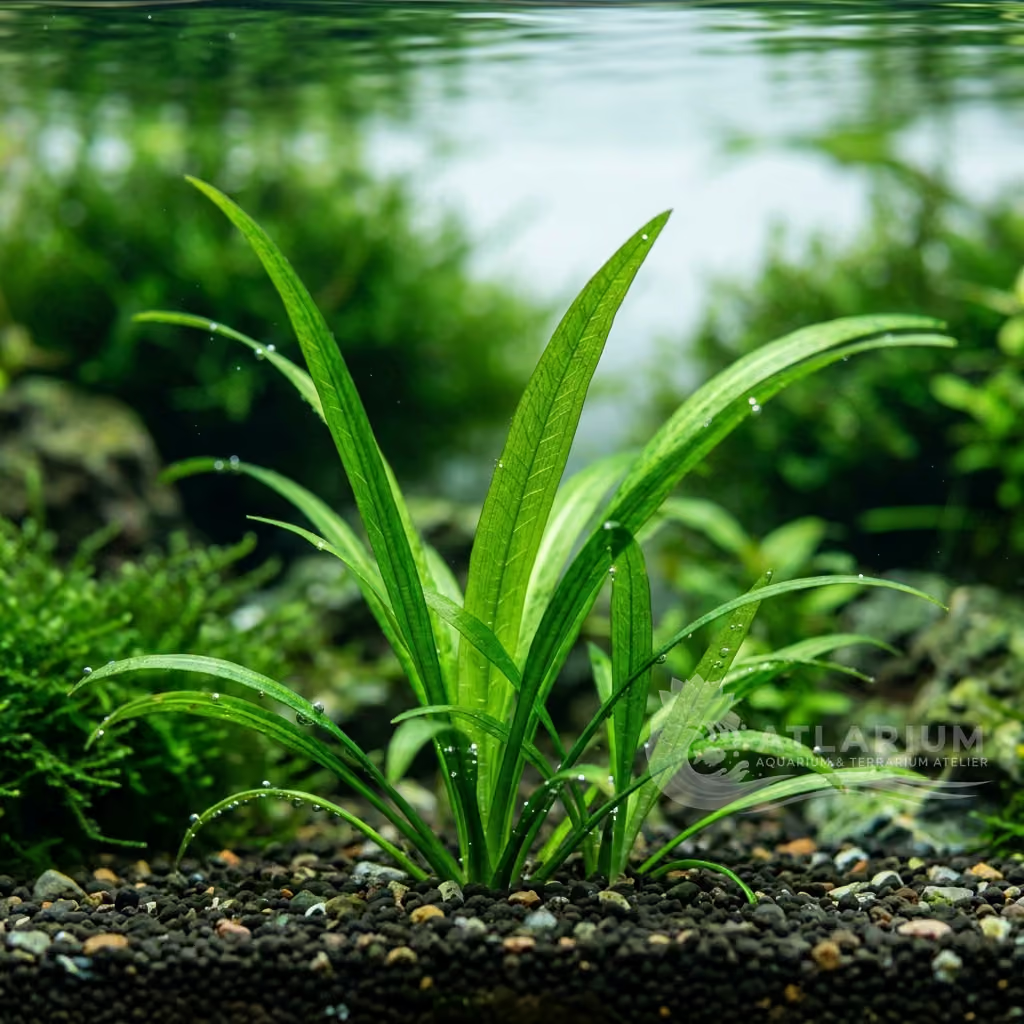
Potamogeton gayi is a fast-growing aquatic plant ideal for the midground, forming dense thickets of fine, elongated leaves. It thrives with good lighting and CO2 supplementation, contributing a vibrant and dynamic feel to the aquascape.
Température de l’eau
4 - 28 °C
Valeur du pH
6 - 8
Type d'eau
Eau douce
Lumière
Moyenne - Élevée
CO2
Élevée
KH
2 - 14 dKH

Description de l'espèce
Geographical Origin and Habitat: Potamogeton gayi traces its origins to the aquatic ecosystems of South America, being native to rivers and lakes in regions such as Brazil, Argentina, and Uruguay. This species flourishes in clear, fresh waters, often with moderate currents, rooting itself in muddy or sandy substrates along banks or in shallower areas. Its adaptability to a wide range of water conditions has allowed its widespread distribution across various underwater habitats, from slow-moving streams to the quiet margins of lakes, testifying to its natural resilience.
Taxonomy & Genetics: Classified within the Potamogetonaceae family, Potamogeton gayi belongs to a widely distributed genus of aquatic plants known for its morphological diversity. The genus Potamogeton, commonly called "pondweeds," includes numerous species that have evolved specific adaptations for submerged life. Its scientific nomenclature emphasizes its specific botanical identity, distinguishing it from other similar species and contributing to the understanding of its phylogeny and unique characteristics within the realm of aquatic plants.
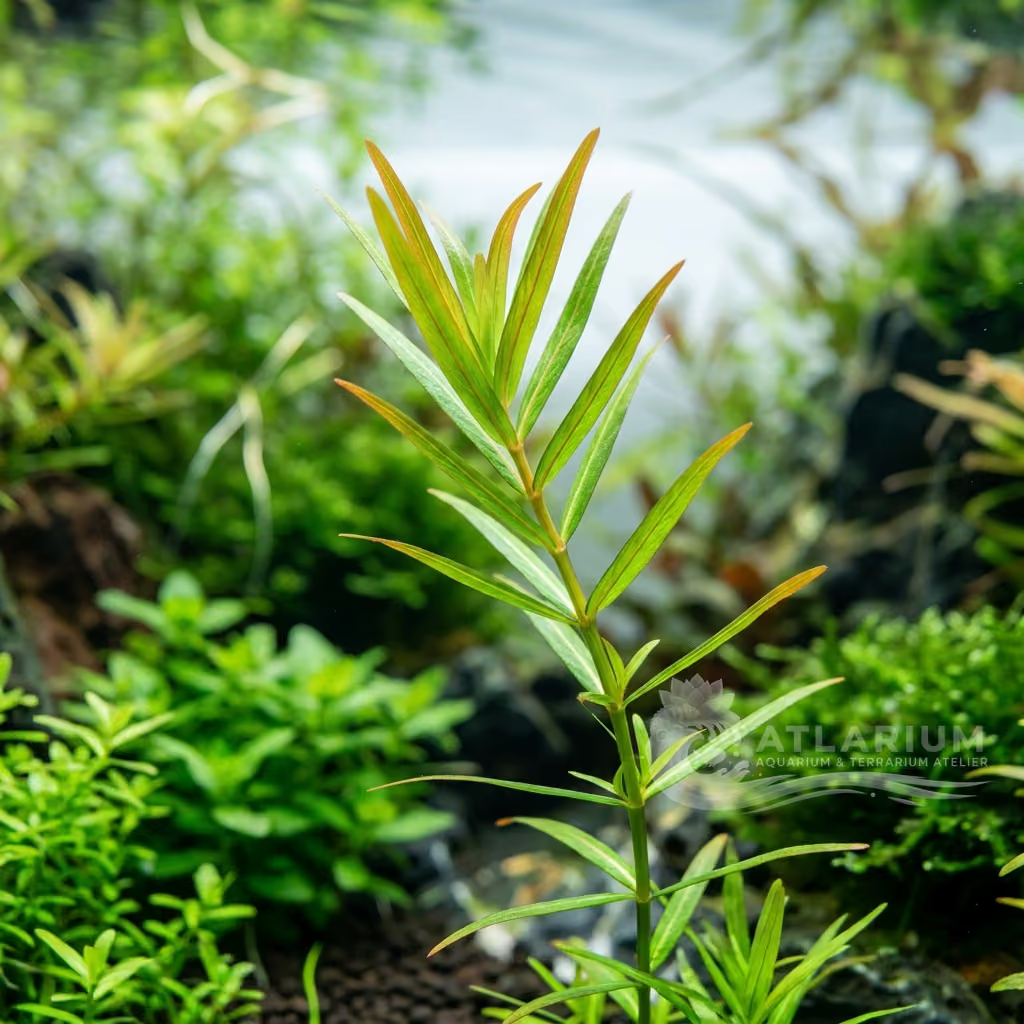
Physical Structure: Potamogeton gayi features a slender, branching stem that can reach considerable lengths, bearing dense, lanceolate, and elongated foliage. The leaves, narrow and often tapering at the ends, are arranged alternately along the stem, creating an airy and delicate appearance underwater. Its root system is relatively fine but effective in anchoring itself in the substrate, stabilizing the plant and allowing it to absorb nutrients from the soil, while the overall structure contributes to a sense of fluid elegance.
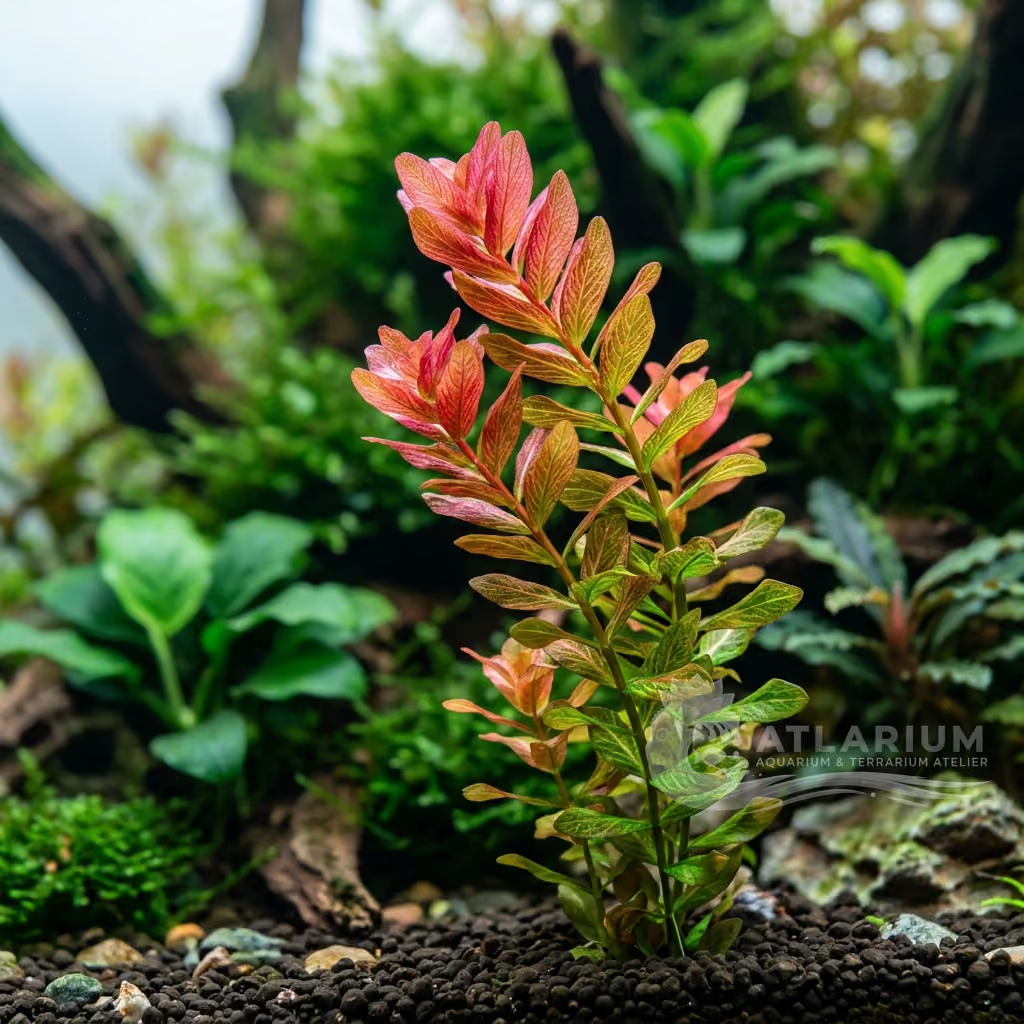
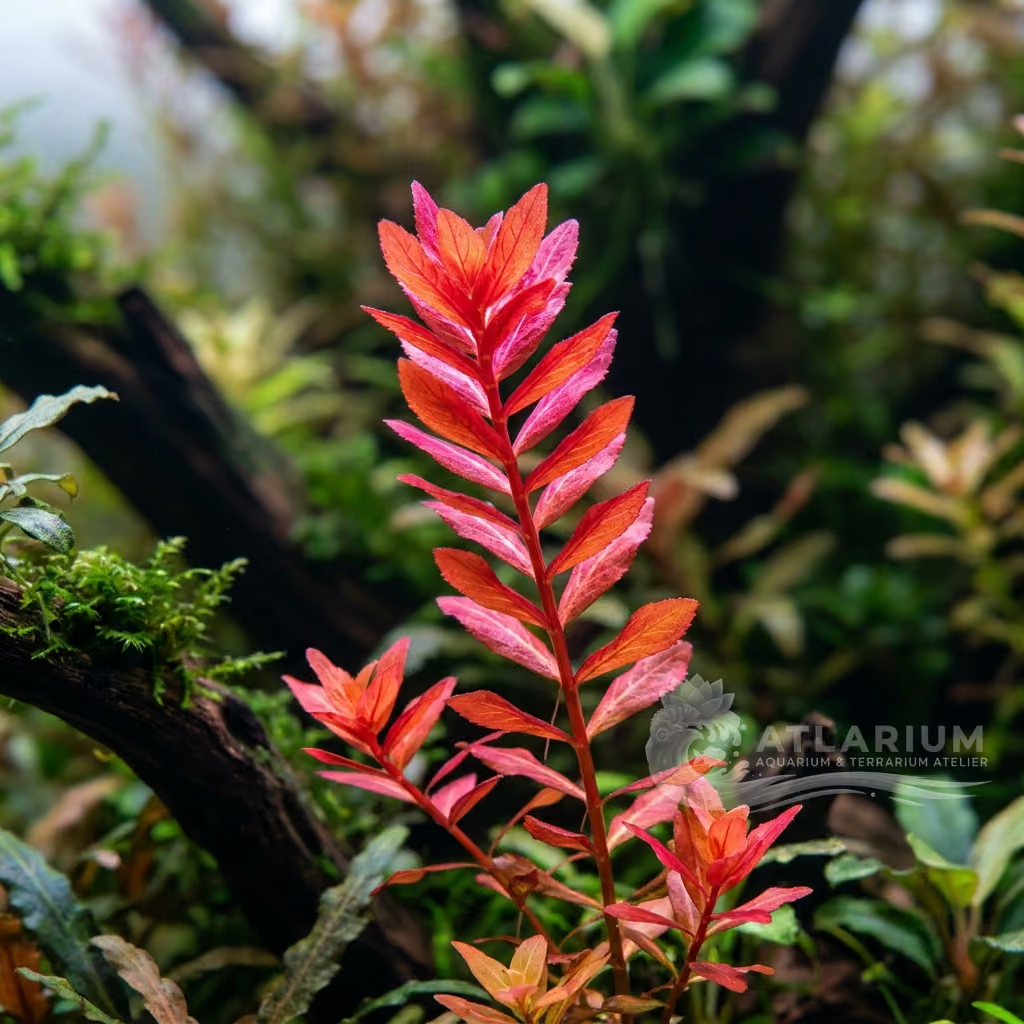
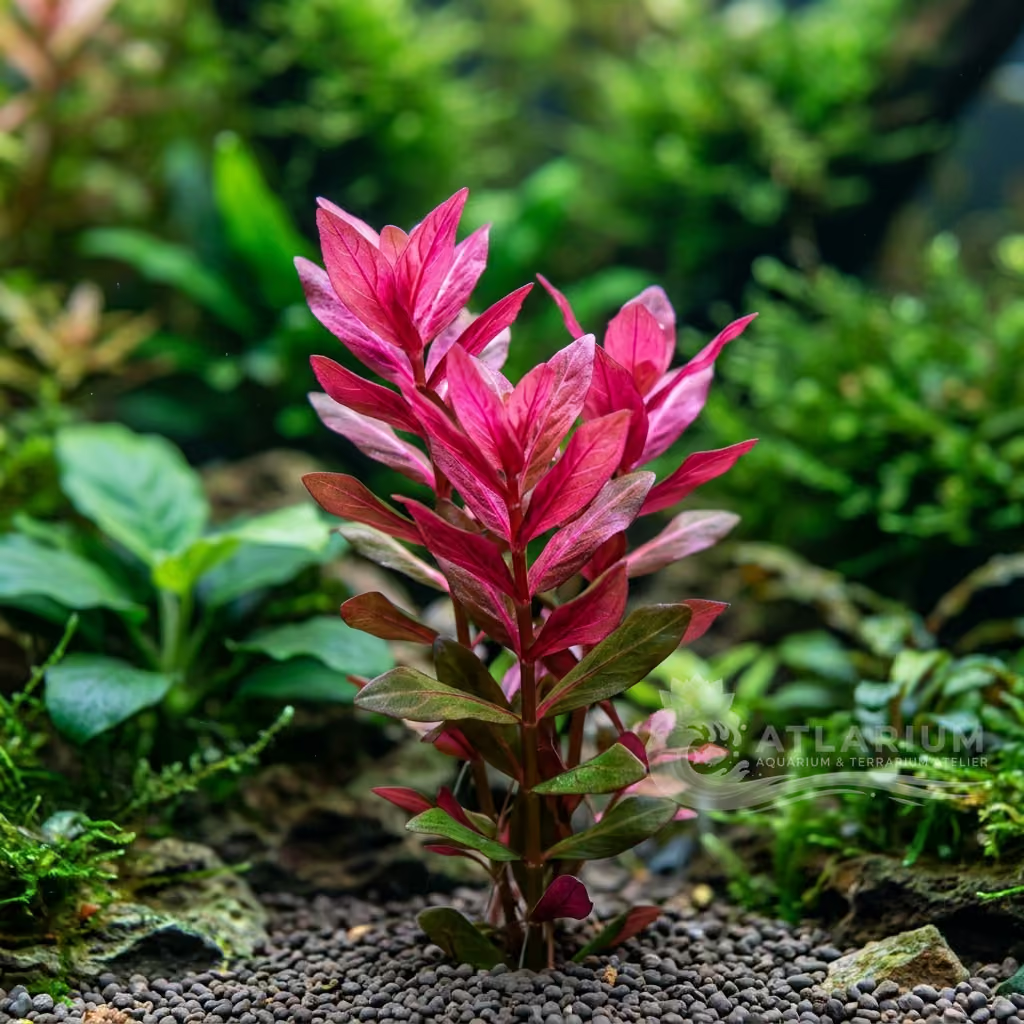
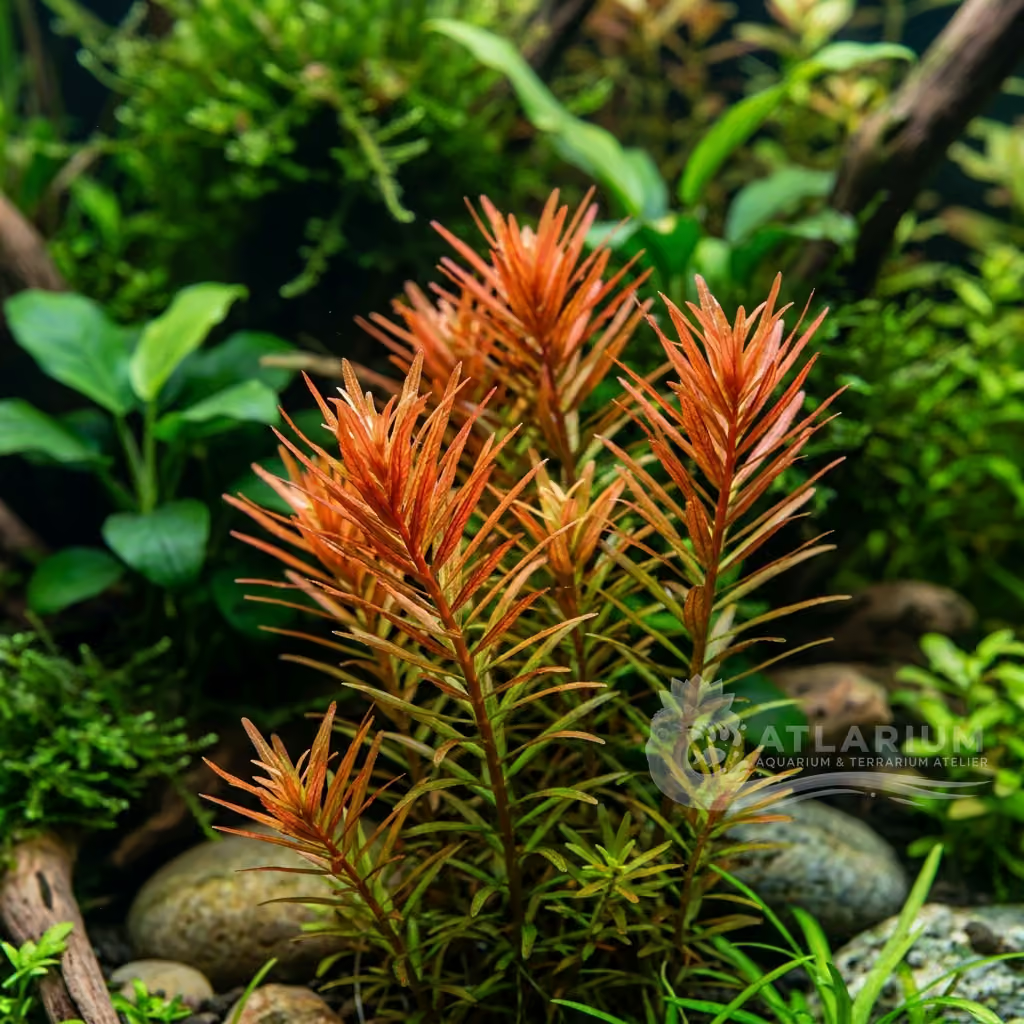
Color & Texture: The coloration of Potamogeton gayi is predominantly a vibrant, bright green, which can take on reddish or brownish hues when exposed to intense lighting and adequate nutrient levels, particularly iron. The stems themselves may display a reddish tint, adding an interesting contrast to the foliage. The leaves possess a smooth and delicate texture to the touch, reflecting their flexible nature and ability to move gracefully with the water flow, contributing to a natural and dynamic appearance within the aquarium.

Soins, reproduction et cohabitation
Lighting & CO2: Potamogeton gayi thrives under medium to high illumination; insufficient light can lead to stunted growth and faded leaves, while intense light enhances its reddish coloration. A photoperiod of 8-10 hours per day is generally ideal for stimulating robust growth without excessively promoting algae. CO2 supplementation is highly recommended for this fast-growing species, as adequate carbon dioxide supply is crucial to support its vigorous photosynthesis and prevent nutrient deficiencies.
Nutrition & Substrate: For optimal growth, Potamogeton gayi benefits from a nutrient-rich substrate, although it is also capable of absorbing nutrients directly from the
Water Chemistry: This plant exhibits remarkable tolerance to a wide range of water parameters, with temperatures ranging from 4.0 to 28.0 C, KH between 2.0 and 14.0, and pH between 6.0 and 8.0. Despite its flexibility, stability is key to its long-term health; avoiding drastic fluctuations in these parameters will help prevent stress and leaf melt. Maintaining clean, well-oxygenated water through regular water changes is essential to provide a stable environment free from pollutant accumulation that could hinder its growth.
Space Management & Placement: Potamogeton gayi is ideally placed in the midground, where its long leaves can create visual contrast and a sense of depth. Given its rapid growth, it's important to allow sufficient space for its expansion, especially in smaller aquariums where it might quickly occupy much of the available area. Planting stems in dense groups can create a stronger visual impact and provide excellent refuge for fish and fry, but it requires regular
Pruning: Pruning is a crucial aspect of caring for Potamogeton gayi, given its rapid growth. Regularly trimming the tips of the stems stimulates lateral branching, making the plant bushier and denser and preventing it from becoming too tall and unruly. It is advisable to also remove older or damaged leaves at the base to maintain the plant's aesthetics and overall health. This practice not only controls size but also directs the plant's energy towards vigorous new growth, contributing to a more lush and orderly aquascape.
Risks & Diseases: While robust, Potamogeton gayi may be subject to initial melting after introduction to a new aquarium, especially if environmental conditions are significantly different from previous ones. Nutrient deficiencies, particularly of iron and CO2, can lead to yellowing and stunted growth, making leaves more fragile. Inadequate or excessive lighting can promote algae growth on the leaves, suffocating them and impairing their photosynthetic capacity. Careful monitoring of water conditions and plant appearance is crucial for preventing and promptly addressing these issues.

Origine et répartition géographiques
Potamogeton gayi traces its origins to the aquatic ecosystems of South America, being native to rivers and lakes in regions such as Brazil, Argentina, and Uruguay. This species flourishes in clear, fresh waters, often with moderate currents, rooting itself in muddy or sandy substrates along banks or in shallower areas. Its adaptability to a wide range of water conditions has allowed its widespread distribution across various underwater habitats, from slow-moving streams to the quiet margins of lakes, testifying to its natural resilience.
Origine
Amérique du Sud hors Amazonie

Profil de plante
- Emplacement
- Plan intermédiaire
- This species is best suited for the midground or background of the aquascape. Its vertical growth pattern allows it to create beautiful, dense bushes when grouped together. Positioning it where it receives unshaded light will promote the most vibrant foliage. It can be used to hide aquarium equipment effectively. Ensure adequate spacing so that lower leaves receive enough light.
- Forme botanique
- Tige
- Potamogeton gayi features distinctive, beautifully shaped leaves that add unique texture to the planted tank. The stem is sturdy, supporting the delicate and complex leaf structures. Its coloration ranges from bright green to stunning reddish hues depending on the environment. The elegant form creates a dynamic contrast with broad-leaved species. It truly stands out as a focal point in any arrangement.
- Croissance
- Rapide
- Under optimal conditions with high light and CO2, Potamogeton gayi exhibits a relatively fast growth rate. It can quickly reach the water surface if left unchecked. In lower tech setups, the growth is considerably slower but remains steady. Regular pruning is necessary to manage its height. Its vigorous growth makes it excellent for nutrient export.
- Substrat
- Moyen
- Potamogeton gayi performs beautifully when planted in an active aqua soil, though it can adapt to fine, inert substrates if given root fertilizers. The plant develops a dense, fibrous root system that helps anchor its delicate, grass-like stems securely into the bottom. Providing a substrate depth of 2 inches (5 cm) gives the fine roots plenty of space to spread and effectively scavenge for nutrients. A softer substrate texture also allows its runners to easily propagate and form dense thickets across the aquarium floor.
- Fertilisation de la colonne d'eau
- Nécessaire
- Liquid column fertilization is highly recommended for Potamogeton gayi. It readily absorbs essential elements like potassium and trace minerals directly from the water. Consistent dosing prevents the lower portions of the stem from deteriorating. Dosing liquid iron specifically enhances any red or pink coloration. A regular schedule yields the most consistent and beautiful results.
- Fertilisation racinaire
- Recommandée
- While it can survive on water column nutrients alone, a rich substrate vastly improves its overall health. Adding root tabs directly beneath the plant encourages a strong, deep root system. A fertile base promotes thicker stems and larger, healthier leaves. Robust roots also help anchor the plant against strong water currents. Substrate fertilization is especially vital in older, depleted soils.
- Taille
- Régulière
- Frequent trimming is required to maintain the desired shape and height of Potamogeton gayi. Cutting the stem just above a healthy internode encourages lateral branching. The resulting bushy growth is highly desirable in most aquascapes. The trimmed tops can be easily replanted to increase the plant density. Regular pruning also ensures light penetrates to the lower leaves.
- Propagation
- Boutures
- Propagation of Potamogeton gayi is straightforward through stem cuttings. Simply cut a healthy top shoot and insert it directly into the substrate. The cutting will develop new roots within a matter of days. The remaining bottom portion will often sprout multiple new side shoots. This easy propagation method allows for rapid multiplication of the plant.
- Sensibilité
- Modérée
- Potamogeton gayi can be sensitive to sudden fluctuations in water parameters like pH or temperature. It may temporarily melt or shed leaves if conditions change too rapidly. It is also somewhat sensitive to high doses of liquid carbon or certain algaecides. Maintaining a stable and clean environment is key to keeping it healthy. Extreme shading will quickly cause the lower stem to rot.
- Rôle dans le décor
- Plan intermédiaire, Arrière-plan
- Its unique texture and color make Potamogeton gayi a fantastic background filler or focal plant. It softens the hard edges of rocks and driftwood with its graceful form. The contrasting leaf shape adds depth and complexity to the overall layout. It is perfect for creating dense, natural-looking thickets. Aquascapers frequently use it to draw the eye to specific areas of the tank.

Espèces associées
Recommandations regroupées par proches parents, compagnons et soins similaires.